
Half day · About 3.5 h
Nagoya Half-Day: Cultural Path, Tokugawaen, Tokugawa Art Museum
See a Taisho-era house at the Futaba Museum, walk the old samurai quarter to Tokugawaen garden, then view Owari Tokugawa family treasures next door.
This itinerary is translated from the Japanese edition. Read the Japanese edition
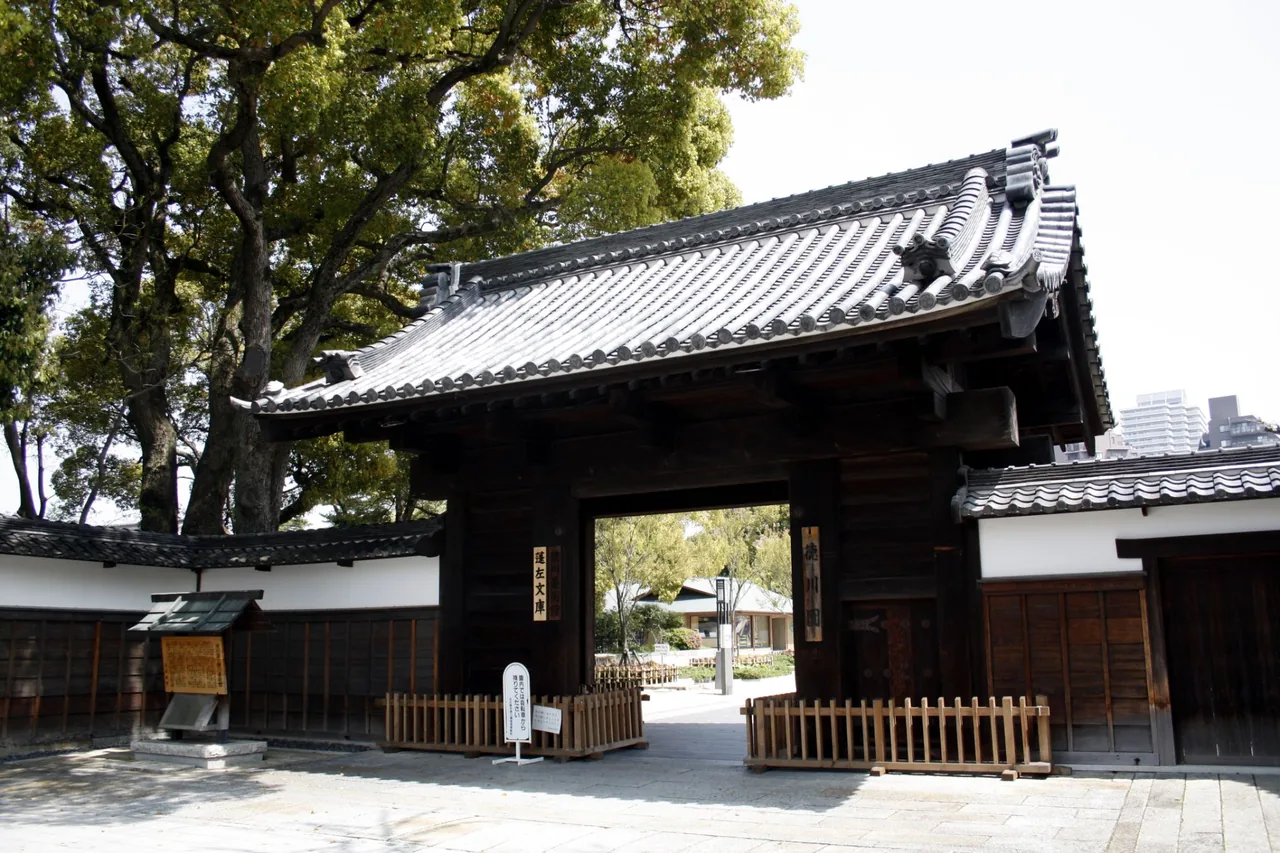
Cultural Path Futaba Museum
Allow about 45 min
About a 10-minute walk from Exit 2 of Takaoka Station on the Sakura-dori subway line. The actress Kawakami Sadayakko built this house mixing Japanese and Western styles in 1920 and lived here with Fukuzawa Momosuke; the City of Nagoya moved it to this site and restored it. The stained glass in the main hall is based on original designs by Sugiura Hisui.
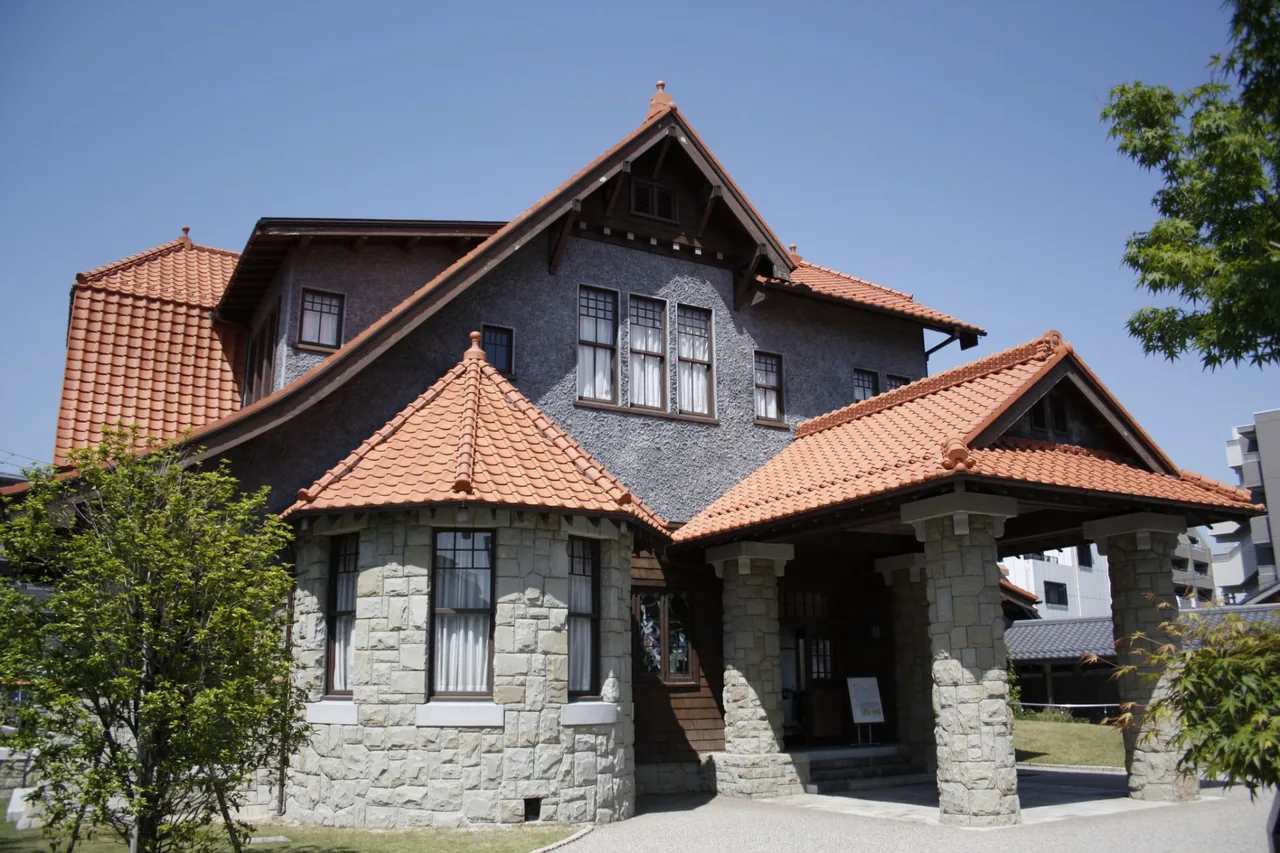
Photo: © Nagoya Convention & Visitors Bureau Walk
Shirakabe, Chikaramachi and Shumokucho Streets
Allow about 30 min
Middle-ranking samurai had their residences here in the Edo period, and the area around Shirakabe, Chikaramachi and Shumokucho streets is now a Nagoya townscape preservation district. From the Meiji era on, people who made their fortunes exporting ceramics built homes here, and Japanese houses and Western-style villas still stand behind long earthen and wooden walls. Cultural Path Shumokukan, with its Spanish-tiled Western wing, is on the same streets.
Walk
Tokugawaen Garden
Allow about 50 min
Walk east out of the old quarter. This is the site of the Ozone residence that Tokugawa Mitsutomo, the second lord of the Owari domain, moved into in 1695, and in 2004 it was laid out as a pond-centred stroll garden recreating an Edo-period daimyo garden. A path loops around the pond over the garden's hills and hollows.
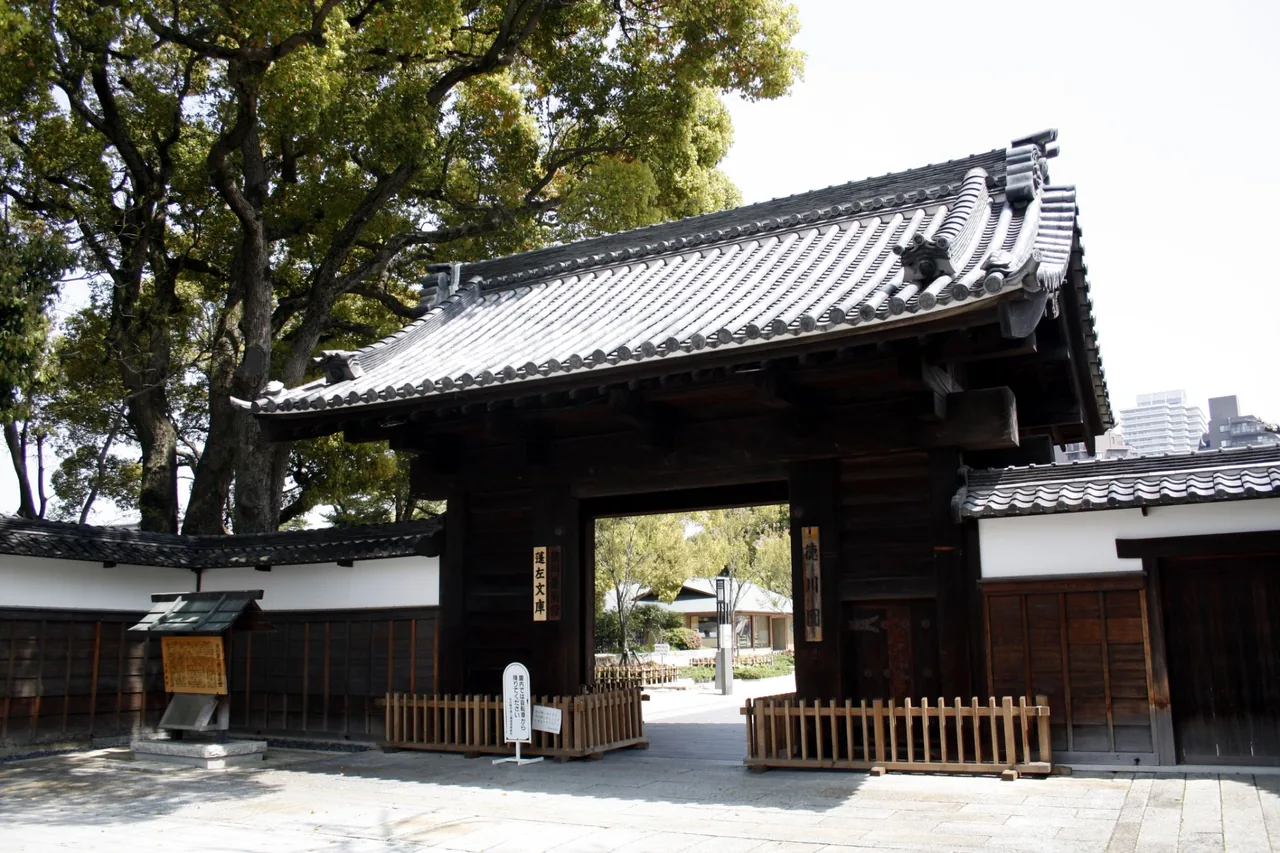
Photo: © Nagoya Convention & Visitors Bureau Walk
Tokugawa Art Museum
Allow about 90 min
Next to Tokugawaen, this museum was opened in 1935 by Tokugawa Yoshichika, 19th head of the Owari Tokugawa family. Its core is the Sunpu Owakemono, the part of Tokugawa Ieyasu's estate inherited by Tokugawa Yoshinao, the first Owari lord, and it shows armour, tea utensils and furnishings handed down in the family. The national treasure Tale of Genji handscrolls go on special display from mid- to late November each year.
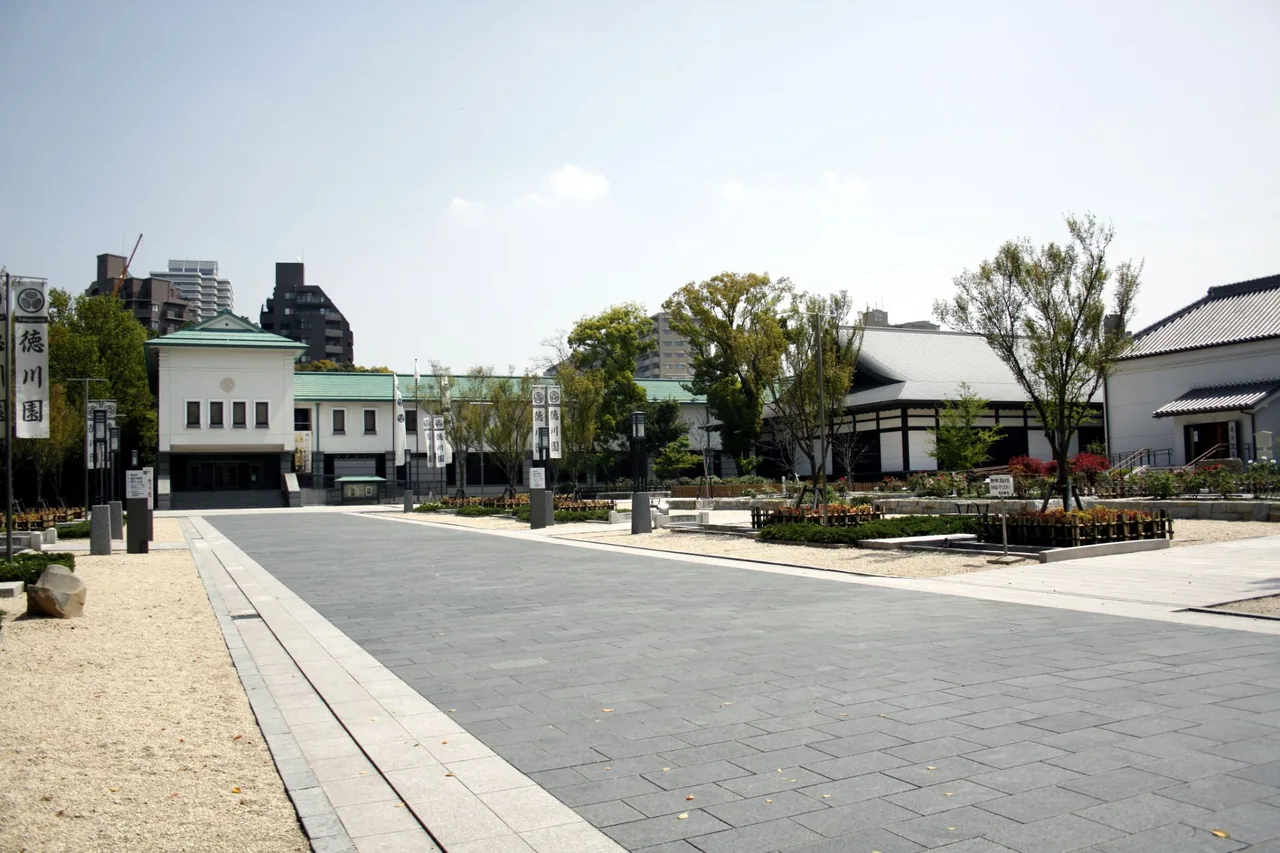
Photo: © Nagoya Convention & Visitors Bureau
Hotels nearbyPR
See prices and availability for hotels in Nagoya and book on our partner Trip.com.
See hotels in Nagoya on Trip.com