Amakusa Hidden Christians: Sakitsu Village and Oe Church
This guide is translated from the Japanese edition. Read the Japanese edition
Amakusa's hidden Christian history at World Heritage Sakitsu Village, Oe Church and nearby museums, plus the Shimabara-Amakusa Rebellion and access from Kumamoto.
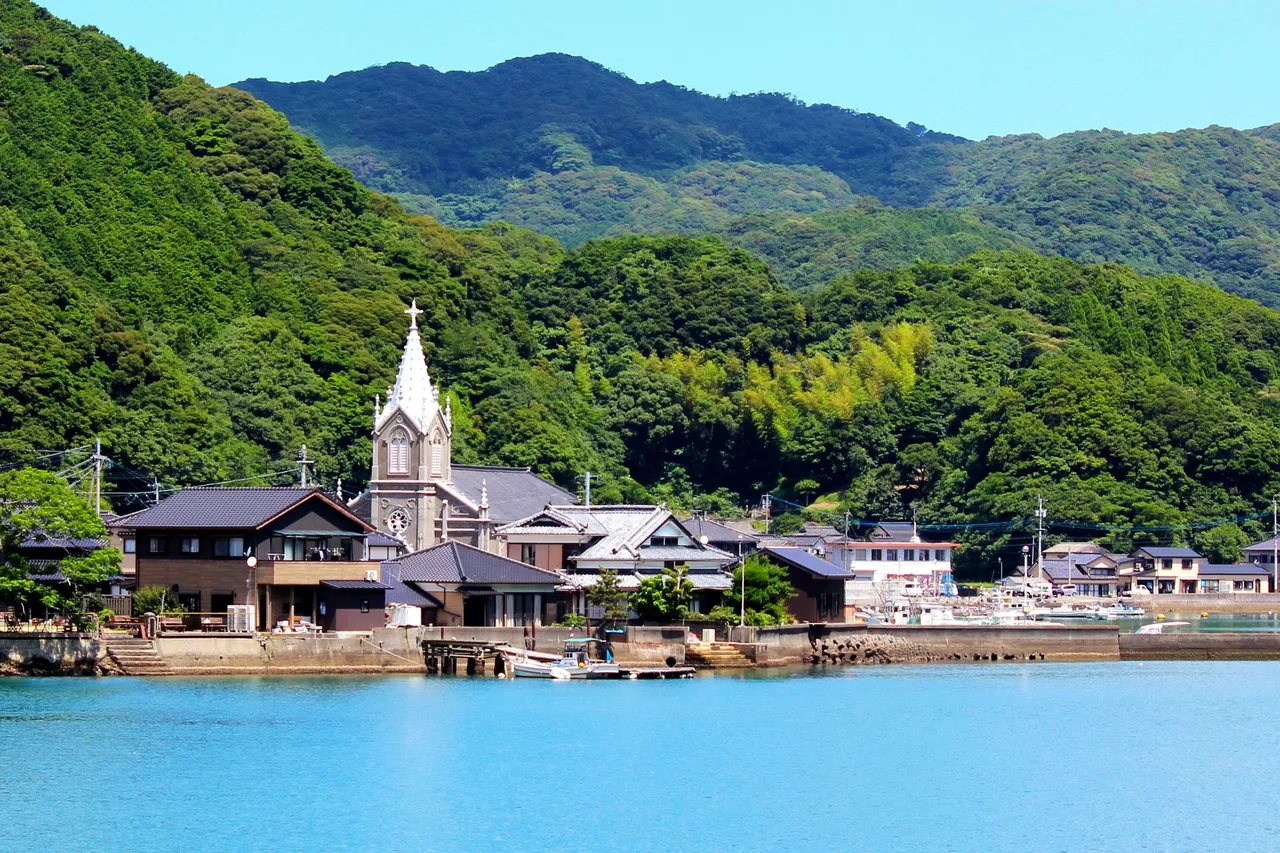
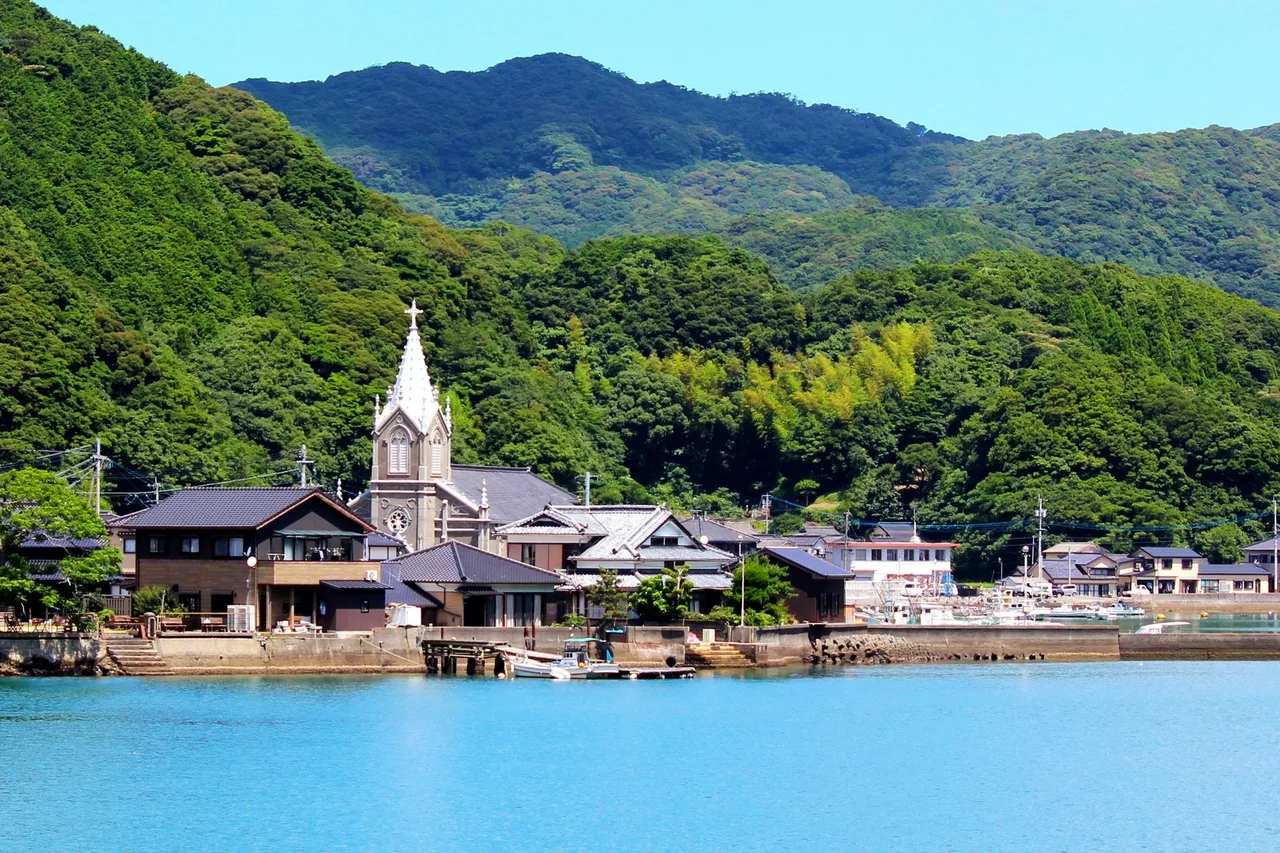
Above the houses of a fishing village on an inlet, the pointed tower of a church peeks out. Sakitsu, in Amakusa City, is a village where people secretly kept their Christian faith during the ban on Christianity in the Edo period. In 2018 it was inscribed on the World Heritage List as "Sakitsu Village in Amakusa," one of the components of the "Hidden Christian Sites in the Nagasaki Region." Centered on Sakitsu, this route covers the churches and museums of Amakusa and the historic sites of the Shimabara-Amakusa Rebellion. How to get there from Kumamoto City is in the last section.
Amakusa and Christianity: the ban and the Shimabara-Amakusa Rebellion
When Christianity arrived in the 16th century, many people in Amakusa became believers. After the Edo shogunate banned Christianity, people from Amakusa and Shimabara (in present-day Nagasaki Prefecture) rose in revolt, led by Amakusa Shiro. The uprising is known as the Shimabara-Amakusa Rebellion (Shimabara-Amakusa Ikki).
The ban continued after the rebellion, and believers in Amakusa passed down their faith while outwardly living as Buddhists or as parishioners of Shinto shrines. These people are called "Hidden Christians" (Senpuku Kirishitan).
In Amakusa, the component of the World Heritage site is Sakitsu Village. The other churches, museums and castle ruins are not components, but they help you understand the period of hidden faith and the history before and after it.
Sakitsu Village: a World Heritage fishing village with a church and a shrine
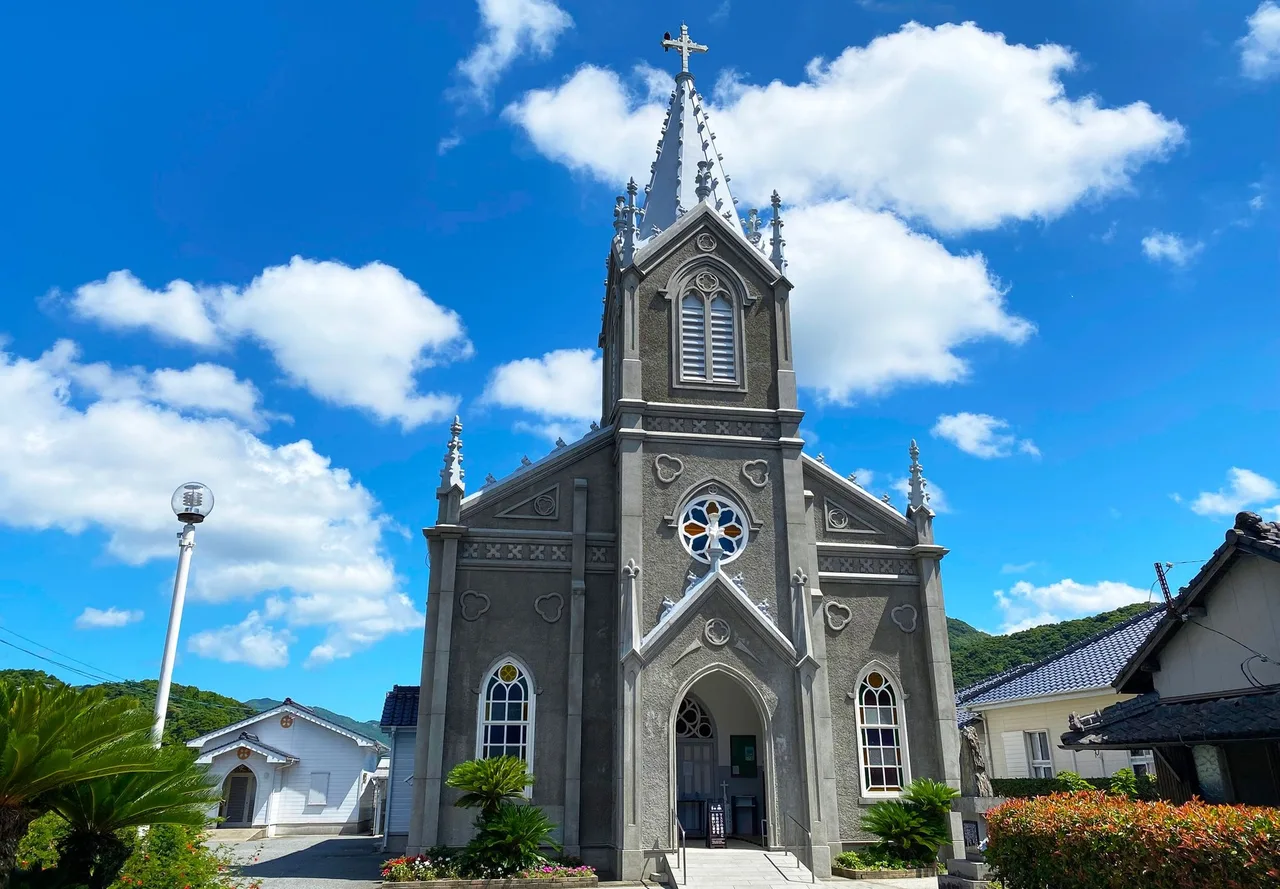
Photo: © Kumamoto Prefecture Tourist Federation.
Sakitsu Village is a fishing village in the southwest of Shimoshima Island in Amakusa. According to Amakusa City, the Hidden Christians kept their faith by using everyday objects in place of religious articles, for example seeing the Virgin Mary in the patterns of seashells. Within the village is Sakitsu Suwa Shrine, where people have prayed since the time of hidden faith, so the church and the shrine stand close to each other.
Sakitsu Church, the symbol of the village, was built in 1934. According to Amakusa City, this was once the site of the village headman's office, where "efumi" was carried out to find out whether people were Christians by making them step on holy images. The church was built here because the French priest Father Halbout strongly wished to build it on this spot. The interior has had tatami floors since it was built, and the altar is said to have been placed where efumi was carried out.
The church is still a place of prayer for its parishioners. Visits require an advance reservation, and you cannot visit during Mass, weddings, funerals or other church services. Inside, do not take photos and stay quiet. Check the Amakusa City website for how to book and for the dates and times when visits are not possible. The lanes of the village are part of residents' daily lives, so do not peer into houses or talk loudly.
Oe Church: a white church on a hill
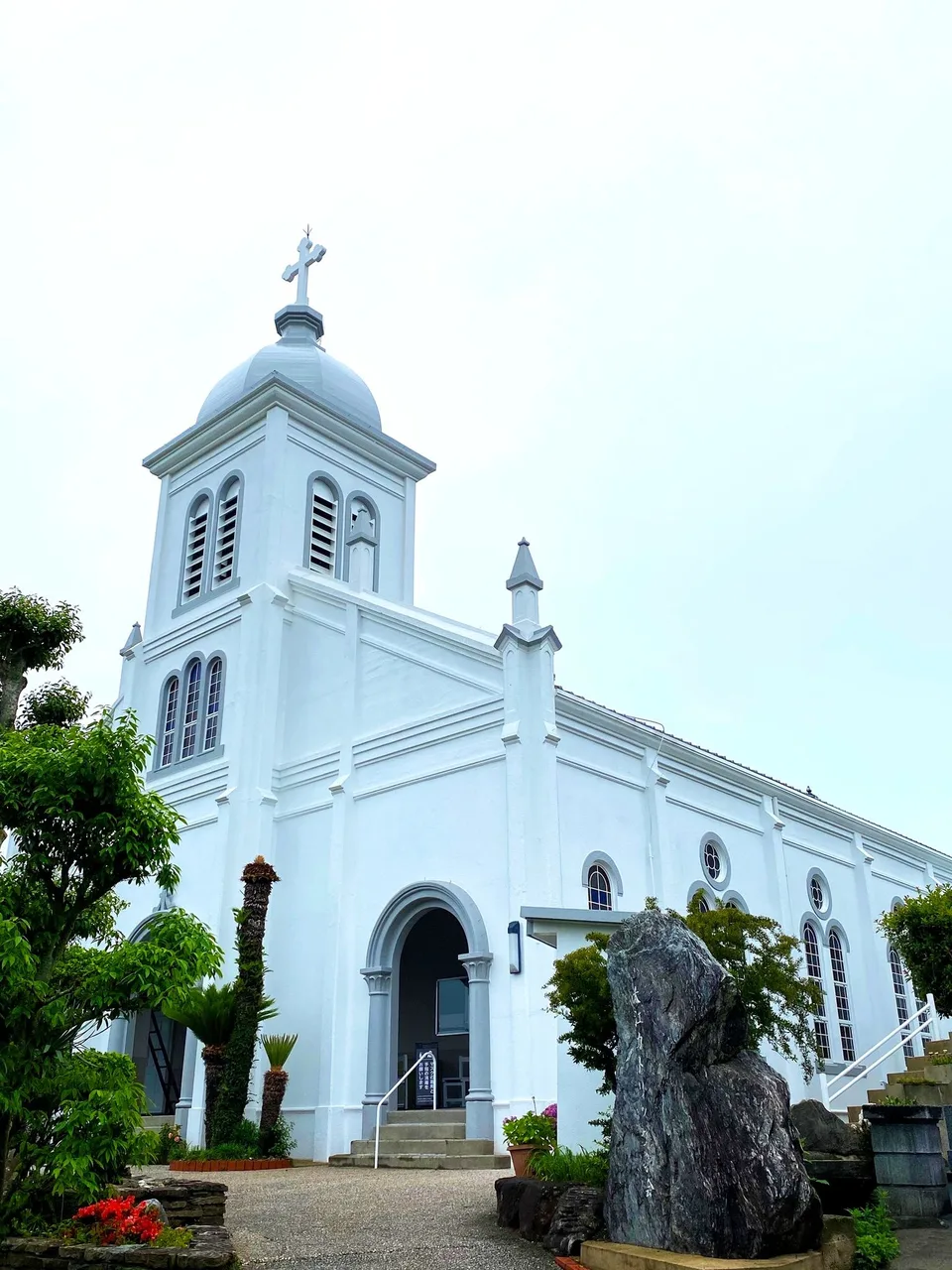
Photo: © Kumamoto Prefecture Tourist Federation.
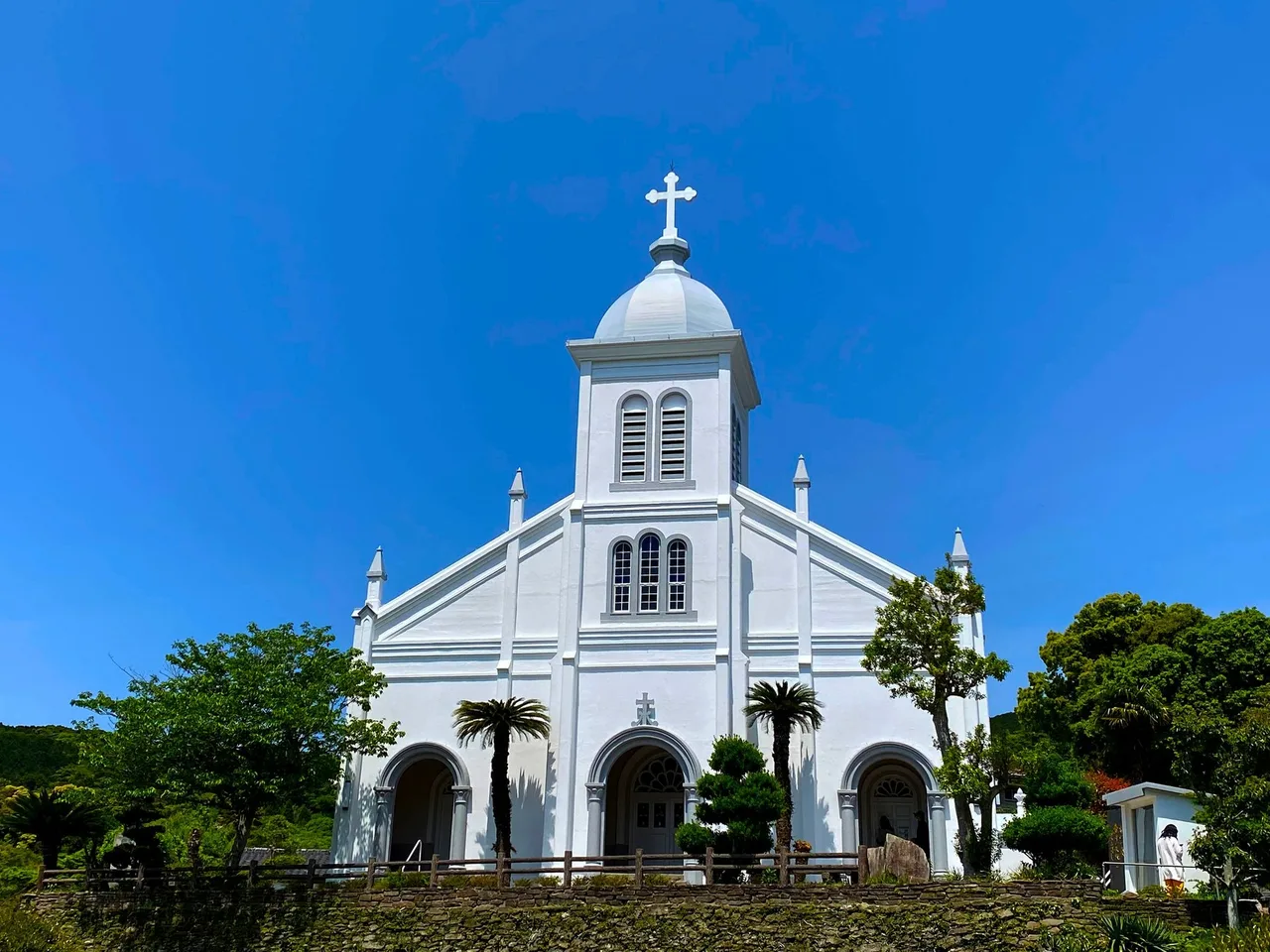
Oe Church is a white Romanesque-style church on a hill in Oe, Amakusa-machi, Amakusa City. The present church was completed in 1933. It was built by Father Garnier, a French missionary who spent many years spreading the faith in Amakusa, together with local believers.
It is close enough to Sakitsu to combine the two by car. It is not a component of the World Heritage site.
Amakusa Rosario Museum: objects of the Hidden Christians' faith
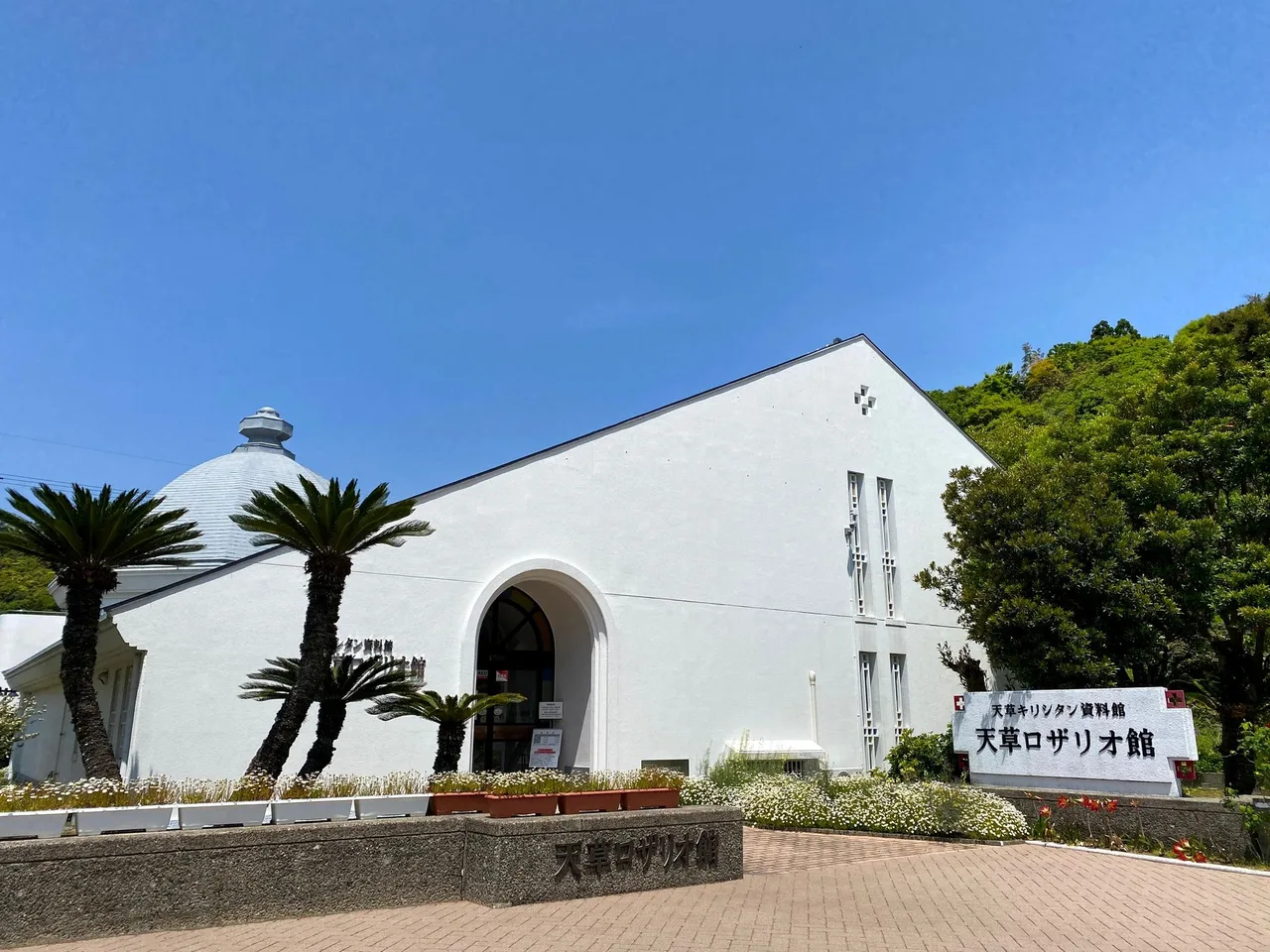
Photo: © Kumamoto Prefecture Tourist Federation.
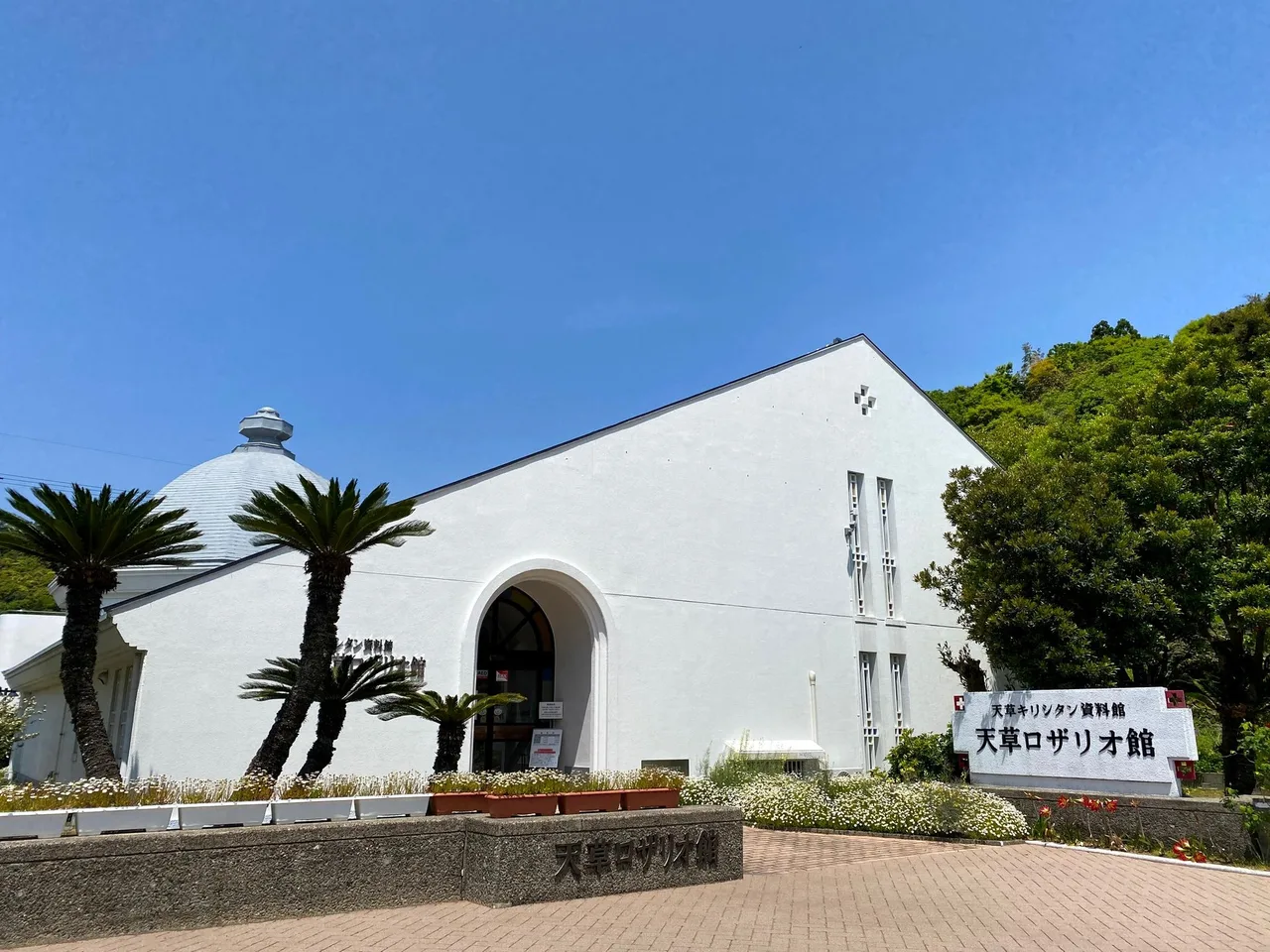
The Amakusa Rosario Museum stands near Oe Church. It displays objects that the Hidden Christians kept while hiding their faith, along with materials about their daily lives.
Stopping here before or after visiting the churches of Sakitsu and Oe lets you see, through real objects, how people kept their faith during the ban.
Amakusa Christian Museum: home of Amakusa Shiro's battle flag
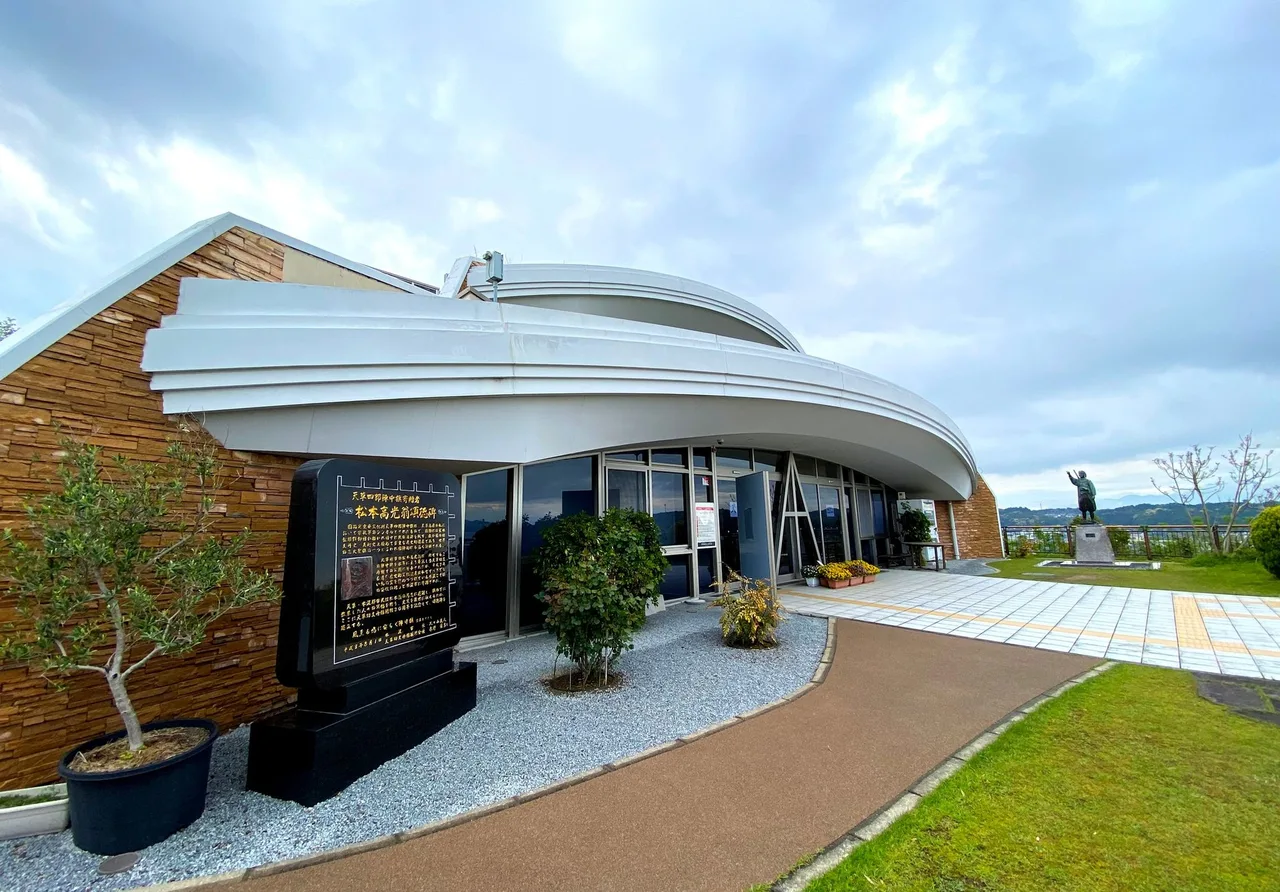
Photo: © Kumamoto Prefecture Tourist Federation.
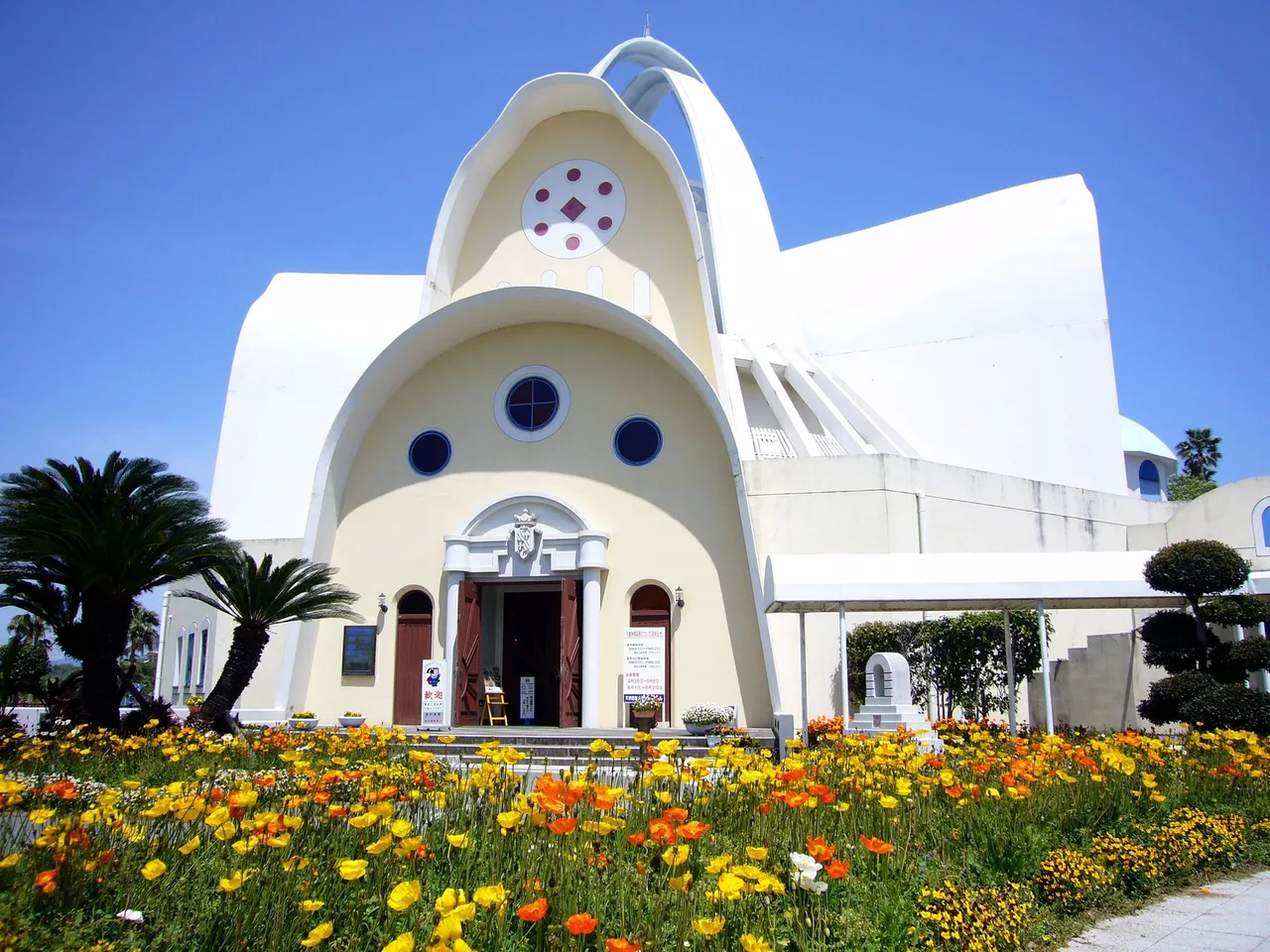
The Amakusa Christian Museum (Amakusa Kirishitan-kan) is a museum run by Amakusa City.
The "Amakusa Shiro Jinchu-ki" displayed at the museum is a banner said to have been carried by the rebels, and it is designated an Important Cultural Property of Japan. According to Amakusa City, to protect it from deterioration the original is shown only during special exhibition periods, and a replica is usually on display. The next special exhibition runs from March 1 to 7, 2027; check Amakusa City's information for the dates.
Amakusa Shiro Museum: the background of the rebellion
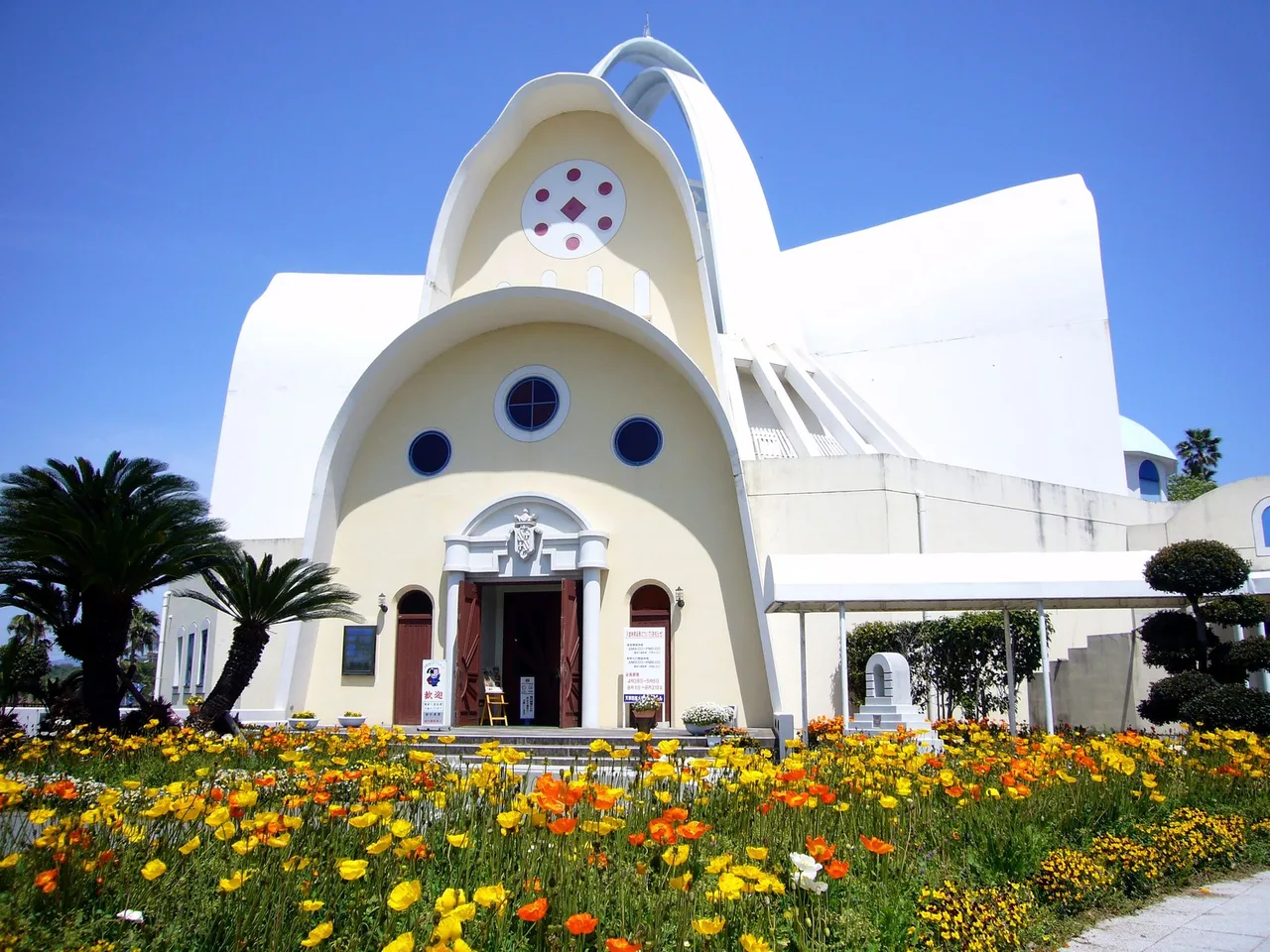
Photo: © Kumamoto Prefecture Tourist Federation.
The Amakusa Shiro Museum is on Oyano Island in Kamiamakusa City. Through films and exhibits, it presents Amakusa Shiro, who led the rebellion, and the background of the times in which it took place.
Kamiamakusa City lies on the way from Kumamoto City to the islands of Amakusa. Stopping here before heading to Sakitsu or Hondo gives you the flow of the rebellion before you visit the historic sites.
Tomioka Castle ruins: a seaside castle at the center of the rebellion
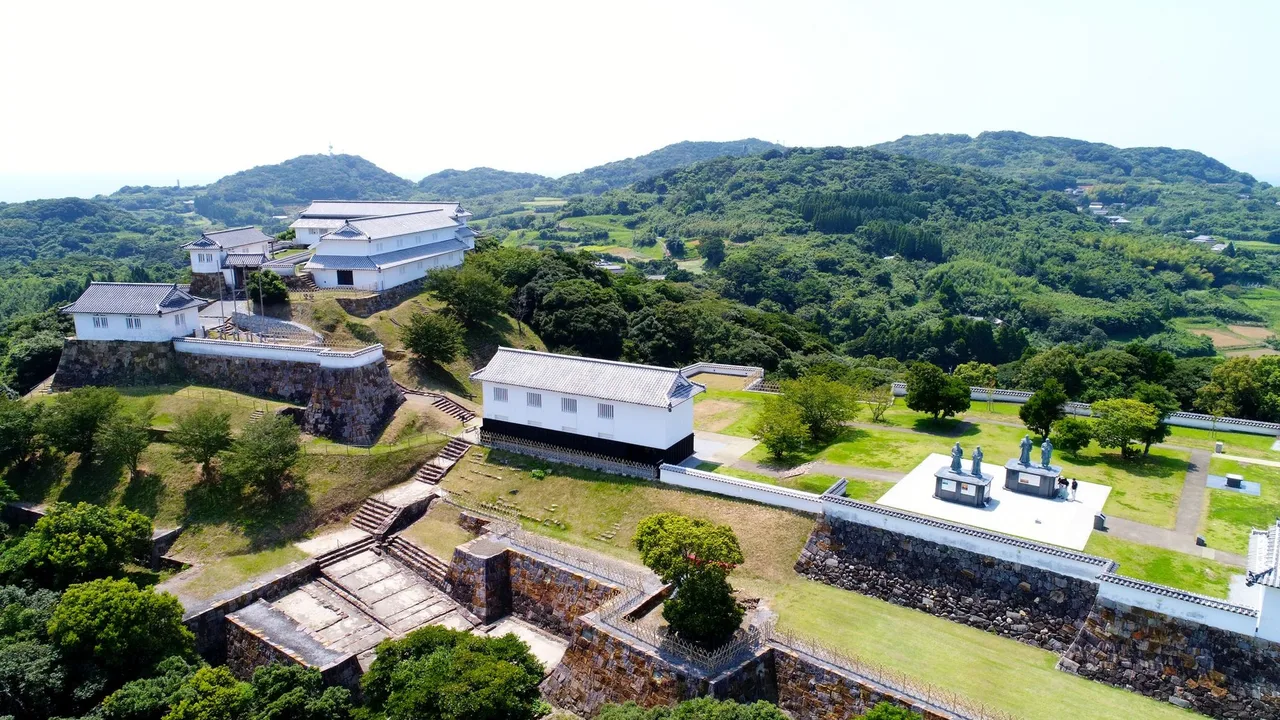
Photo: © Kumamoto Prefecture Tourist Federation.
The Tomioka Castle ruins are at the northwestern tip of Shimoshima Island, in Reihoku Town. The castle was built at the beginning of the Edo period by Terasawa Hirotaka, lord of the Karatsu domain, as his base for governing Amakusa, and it is surrounded by the sea on three sides. During the Shimabara-Amakusa Rebellion it was attacked by the rebels but did not fall, and the rebels then crossed over to Shimabara.
Today the stone walls and other parts have been restored, and the Kumamoto Prefectural Tomioka Visitor Center stands on the site of the main enclosure. From the high ground of the castle ruins, you can look out over the surrounding sea.
Getting around: bus from Kumamoto City, car on the islands
From Kumamoto City to Hondo, the center of Amakusa City, Kyushu Sanko Bus runs the "Amakusa" rapid bus from Kumamoto Sakuramachi Bus Terminal and Kumamoto Station. Check the timetables for route buses from Hondo to Sakitsu, Oe and Tomioka.
To cover Sakitsu, Oe Church, the Amakusa Rosario Museum and the Tomioka Castle ruins together, a rental car or a sightseeing taxi is the practical choice. There are also loop buses and tours that run only on certain days, so check Amakusa City's tourist information. The island roads have many curves, so allow plenty of time for travel.
- World Cultural Heritage "Sakitsu Village in Amakusa" (Amakusa City, Japanese)
- Sakitsu Village in Amakusa, a component of the Hidden Christian Sites in the Nagasaki Region (Kumamoto Prefecture, Japanese)
- Rinzuji chakushoku seitai hisekizu sashimono (Amakusa Shiro's battle flag) (Amakusa City, Japanese)