Jomon Sites in Aomori: Six World Heritage Sites to Visit
This guide is translated from the Japanese edition. Read the Japanese edition
World Heritage Jomon sites in Aomori: Sannai-Maruyama, the Komakino and Omori Katsuyama stone circles, Futatsumori, the Korekawa Jomon Museum and Kamegaoka.
In 1992, an excavation carried out before building a baseball stadium on the edge of Aomori City uncovered the remains of a large Jomon-period village. That was the Sannai-Maruyama Site, and in 2021 it was inscribed as a World Cultural Heritage site as part of the Jomon Prehistoric Sites in Northern Japan, a group of 17 sites in Hokkaido, Aomori, Iwate and Akita. Eight of the 17 are in Aomori Prefecture, and they range from settlements to stone circles, shell middens and burial grounds. Below are six that are relatively easy to visit, with what you can see at each and what to keep in mind when planning your route.
The Eight Component Sites in Aomori
The component sites in Aomori Prefecture are Sannai-Maruyama and Komakino (Aomori City), Omori Katsuyama (Hirosaki City), Korekawa (Hachinohe City), Futatsumori (Shichinohe Town), Kamegaoka and Tagoyano (Tsugaru City), and Odai Yamamoto (Sotogahama Town). They are spread across a wide area of the prefecture, from Aomori and Hirosaki to Hachinohe and Tsugaru.
On a first visit, Sannai-Maruyama is the easiest place to start, since it gives you the big picture. From there, choose by interest to narrow down the area you cover: Komakino and Omori Katsuyama for stone circles built as ritual spaces, or the Korekawa Jomon Museum for a close look at excavated objects.
Sannai-Maruyama: Walking Through a Large Jomon Settlement
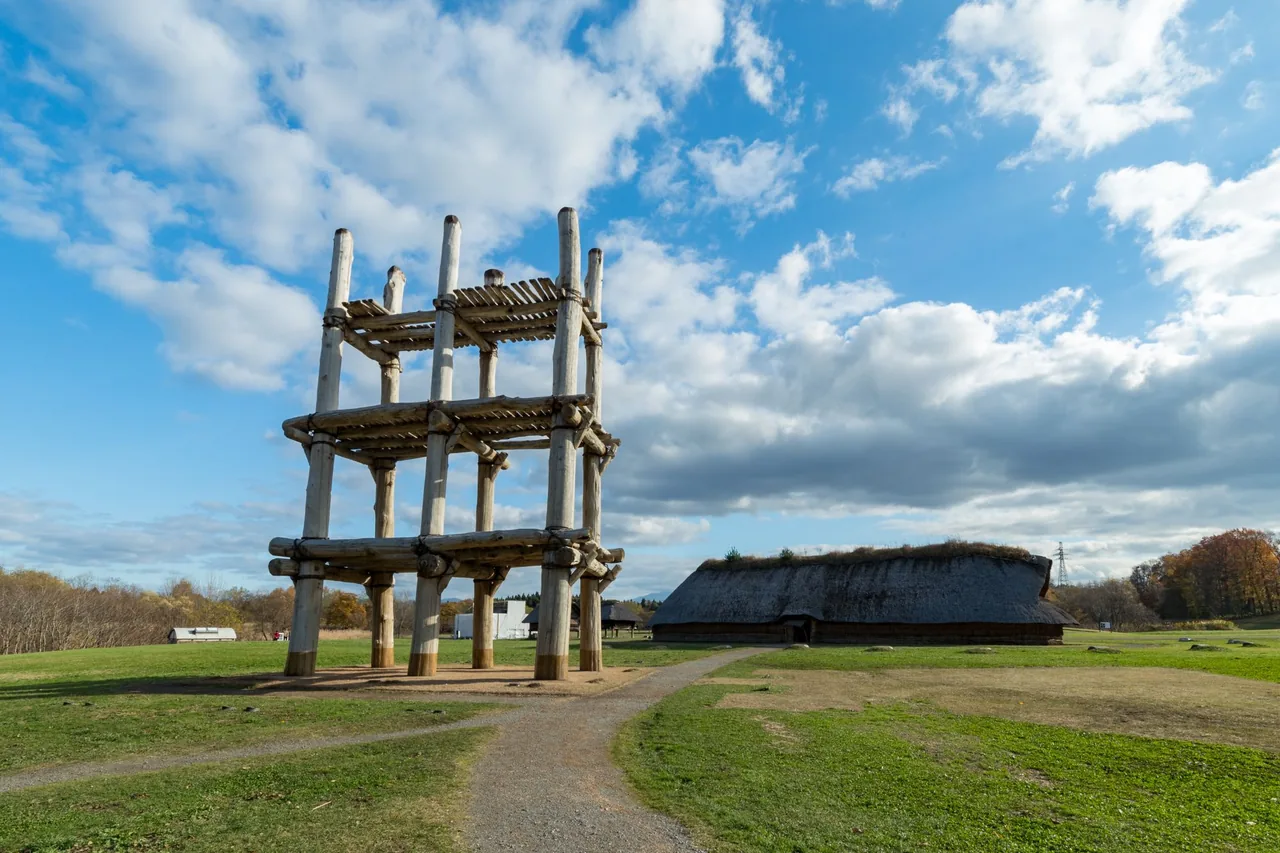
Sannai-Maruyama is the site of a large settlement that lasted from about 5,900 to 4,200 years ago, through the Early and Middle Jomon periods. It is designated a Special Historic Site of Japan.
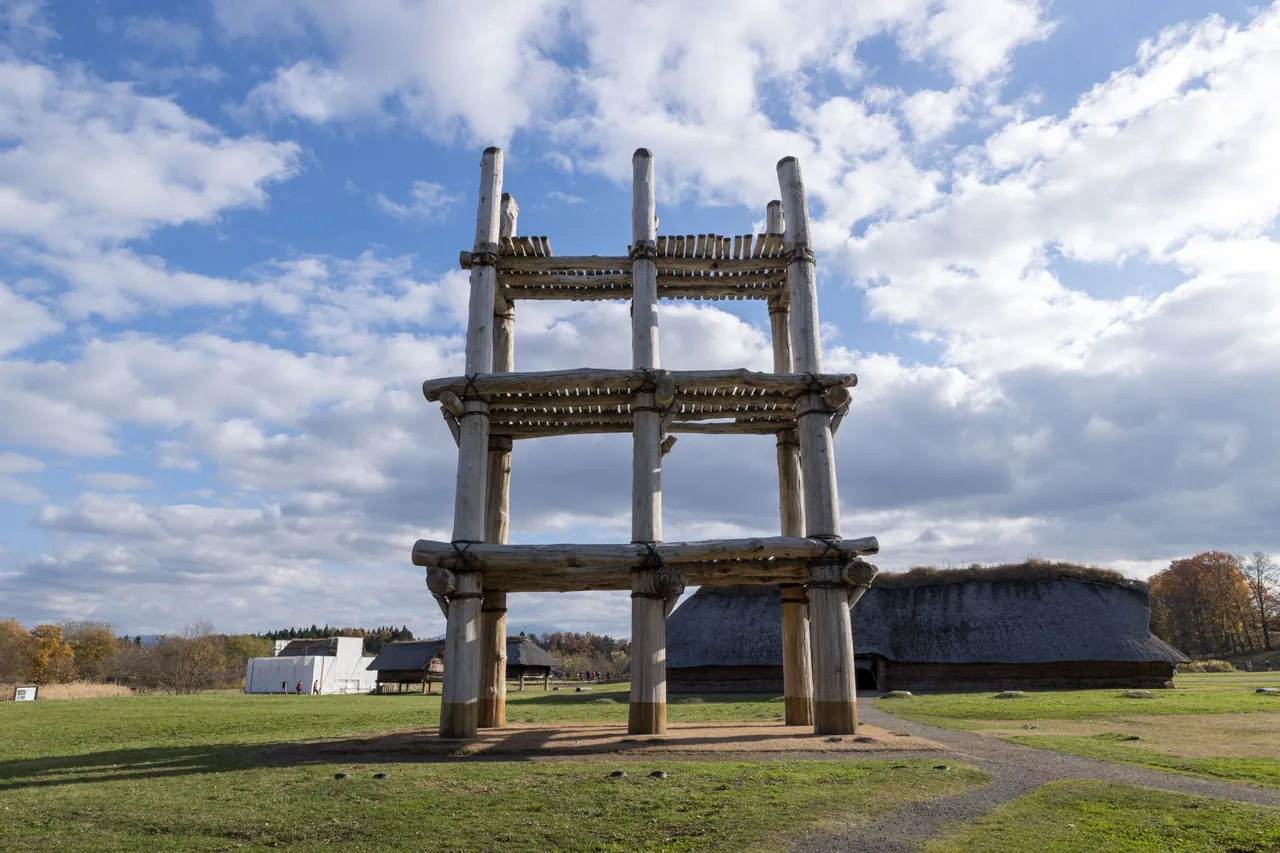
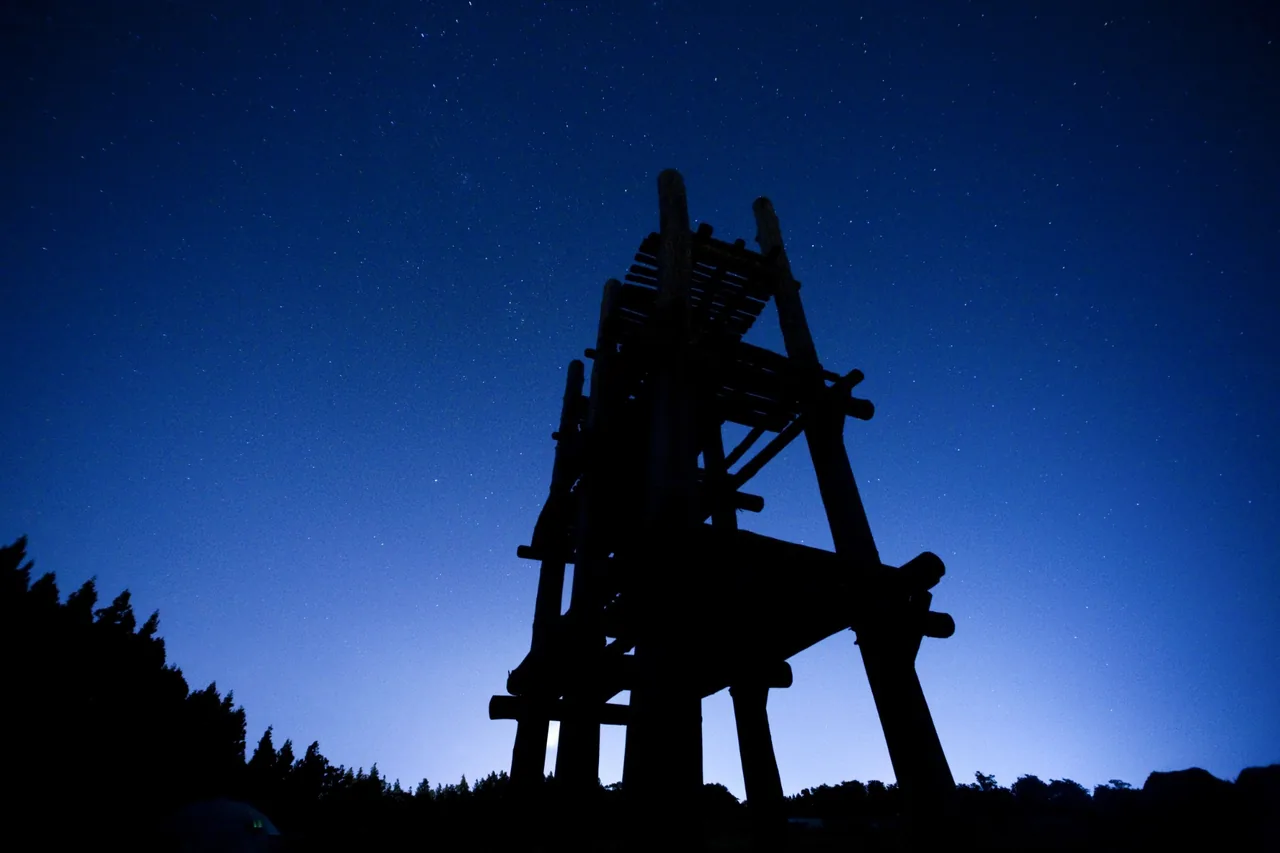
Several buildings of the period have been reconstructed on the site. The most striking is the large pillar-supported structure with six thick posts, rebuilt on the basis of the post holes found during excavation. In the Sanmaru Museum, inside the adjoining Jomon Jiyukan, about 1,700 excavated items, including around 500 Important Cultural Properties, are on display, so you can see pottery and clay figurines up close.
From Shin-Aomori Station, the Nebutan-go shuttle bus takes about 15 minutes; from Aomori Station, Aomori City Bus takes about 30 to 40 minutes (get off at Sannai-Maruyama Iseki-mae).
Komakino: A Stone Circle Laid Out in Three Rings
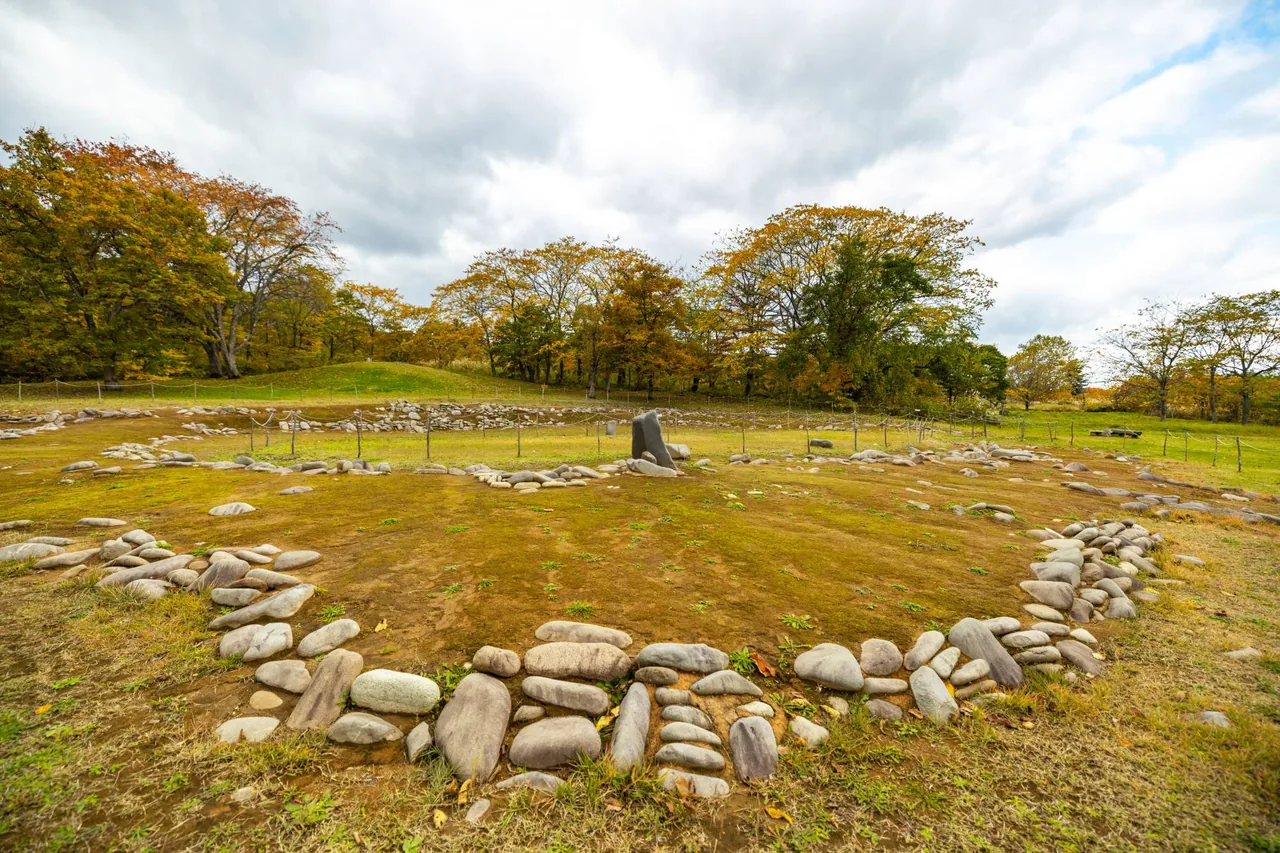
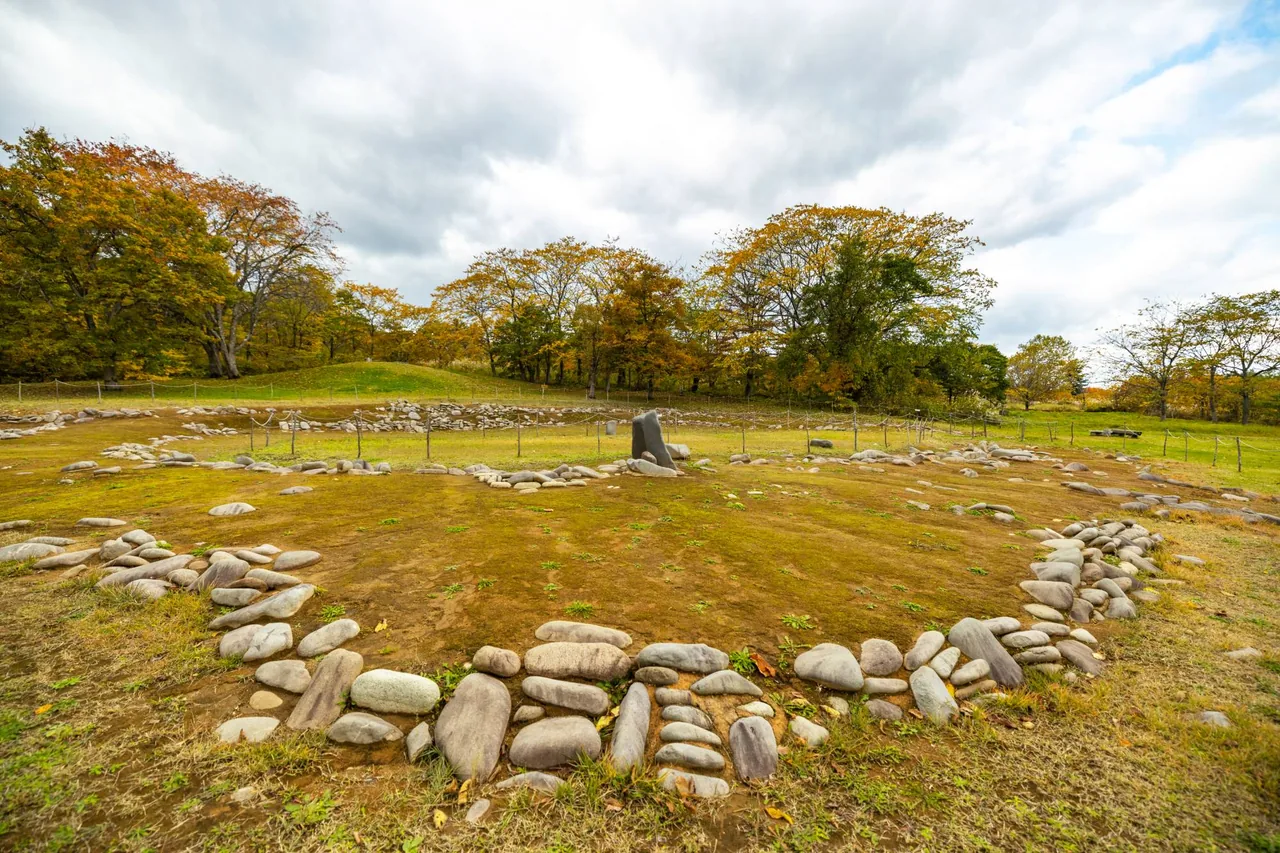
Komakino lies on a plateau 80 to 160 meters above sea level in the southern outskirts of Aomori City and dates to the first half of the Late Jomon period, about 4,000 years ago. At its center is a large stone circle with stones arranged in three rings. In 1995 it became the first National Historic Site in Aomori City.
About 1.5 kilometers from the site is the guidance facility Jomon no Manabiya Komakino-kan. It displays some of the excavated items and explains daily life in the Jomon period, and stopping here before you walk the site makes the layout of the stones easier to understand.
Korekawa Jomon Museum: The National Treasure Gassho Dogu and Lacquerware
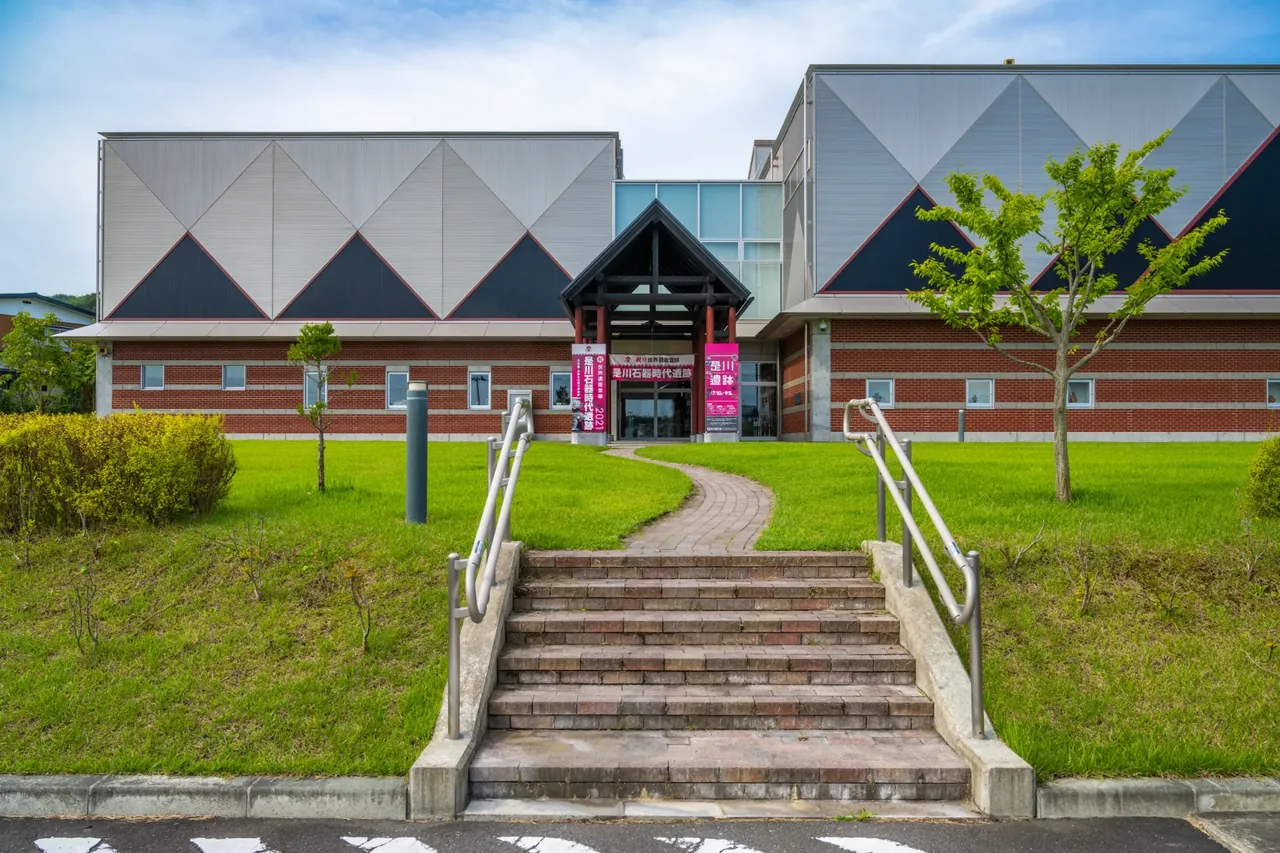
The Korekawa Site in Hachinohe is the collective name for three sites: Nakai, Ichioji and Hotta. The Final Jomon Nakai Site in particular has yielded many objects made of plant materials that rarely survive underground, such as lacquered vessels and wooden items. Of the objects excavated here, 963 are designated National Important Cultural Properties.
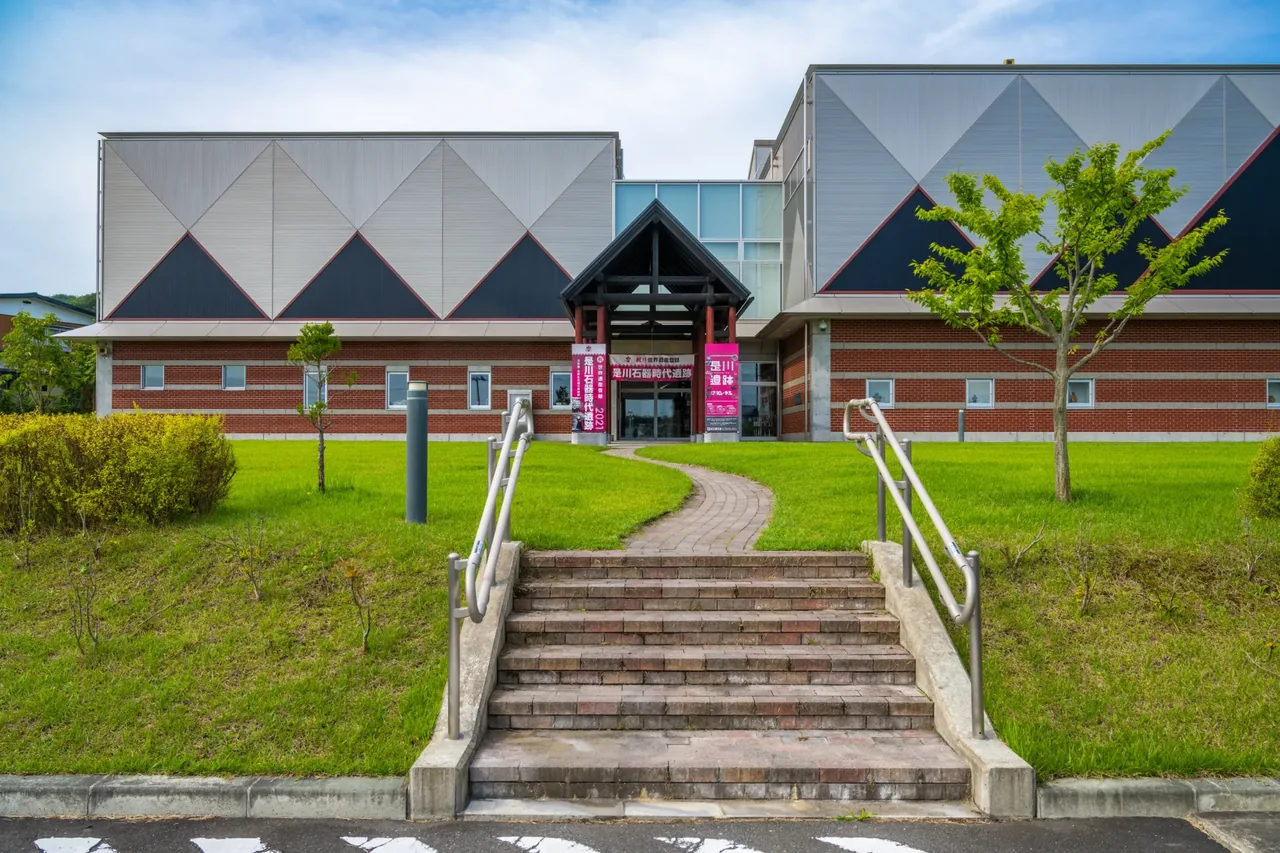
They are displayed at the Korekawa Jomon Museum, run by Hachinohe City as its archaeological center. The museum also holds the National Treasure Gassho Dogu, a clay figurine seated with its knees raised and its hands pressed together in front of its chest. It was found at the Kazahari 1 Site in Hachinohe in 1989 and designated a National Treasure in 2009. The lacquered pottery shows how much care Jomon people put into the color and finish of their vessels.
Omori Katsuyama: A Stone Circle at the Foot of Mt. Iwaki
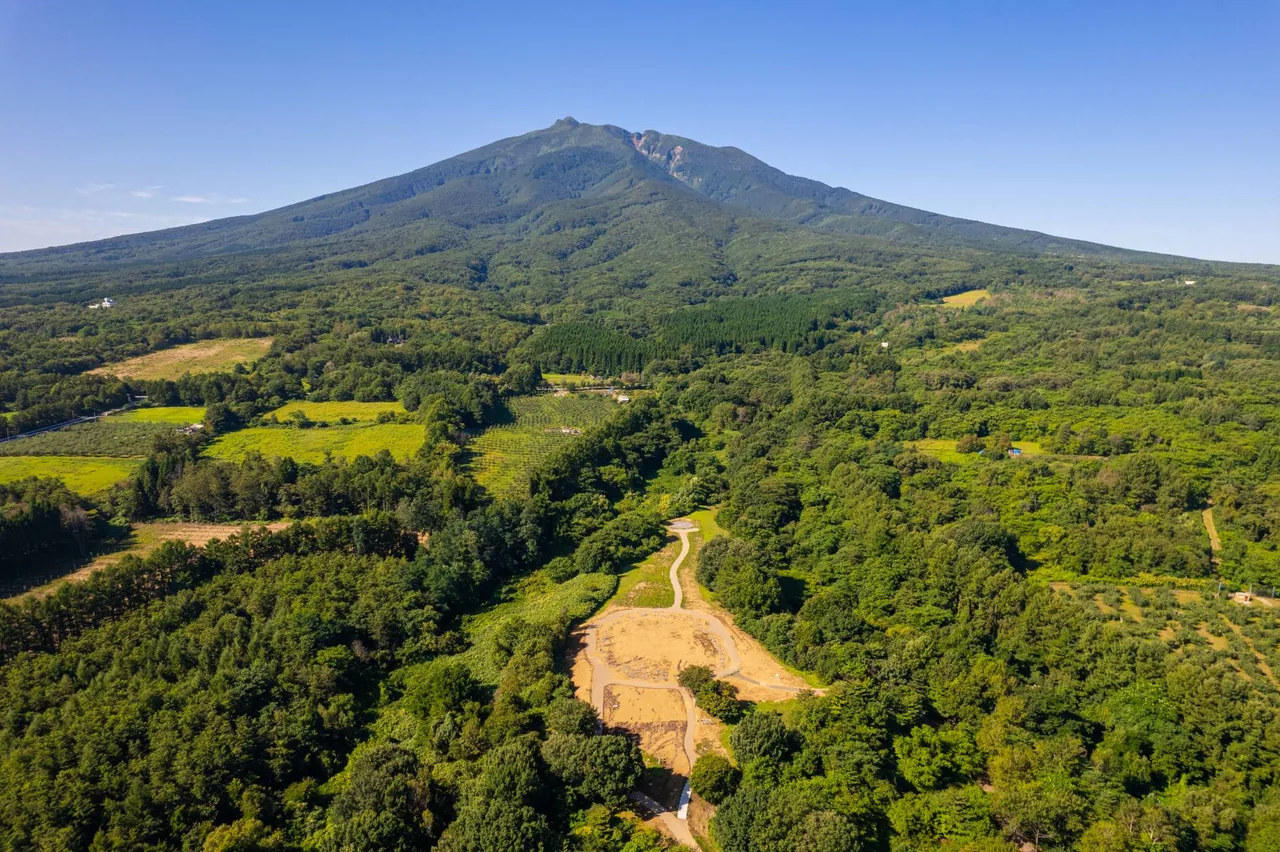
The Omori Katsuyama Site sits on high ground at the northeastern foot of Mt. Iwaki, west of Hirosaki, and dates to the Final Jomon period, about 3,000 years ago. Its stone circle is made up of more than 1,000 stones set in 77 groups. Excavations in the late 1950s and early 1960s also found the remains of a large pit dwelling about 13 meters across.
Excavated items are displayed in the lobby of the Susono District Gymnasium and Cultural Exchange Center, about 10 minutes from the site by car. Driving from central Hirosaki is the convenient way to get there.
Futatsumori: A Shell Midden Where Sea and Lake Shells Overlap
The Futatsumori Site in Shichinohe Town is the remains of a settlement and shell middens on a terrace about 30 meters above sea level, on the western shore of Lake Ogawara on the Pacific side. People lived here from around 3500 BCE to around 2000 BCE. The lower layers of the middens are mostly seawater shellfish, and the upper layers mostly brackish-water shellfish, so the types of shell record the change from a time when the sea reached far inland to the time the sea retreated and the lake formed.
Nearby, the Futatsumori Shell Midden Museum, a guidance facility in a former elementary school building, opened in April 2021. It displays a cross-section of the midden and excavated pottery.
Kamegaoka: Where the Shakoki Dogu Was Found
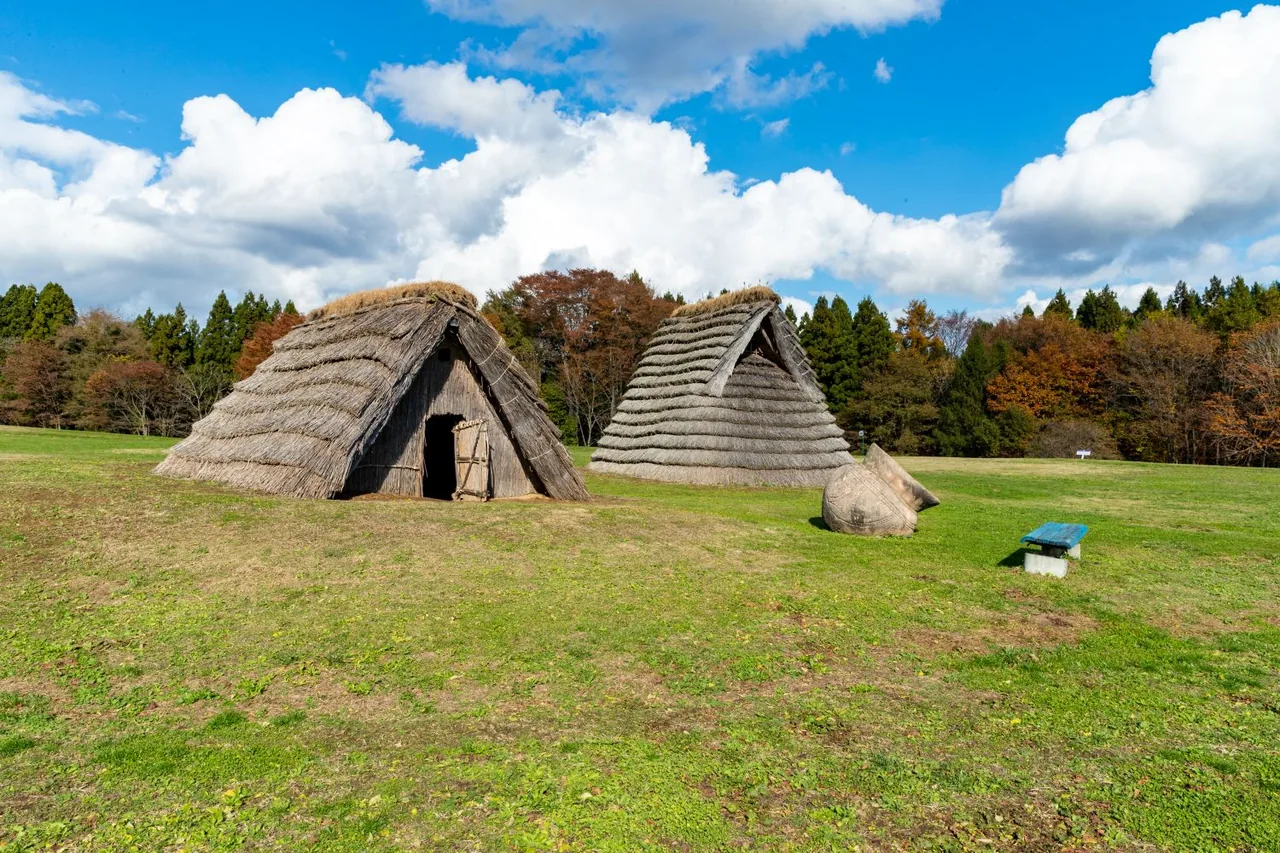
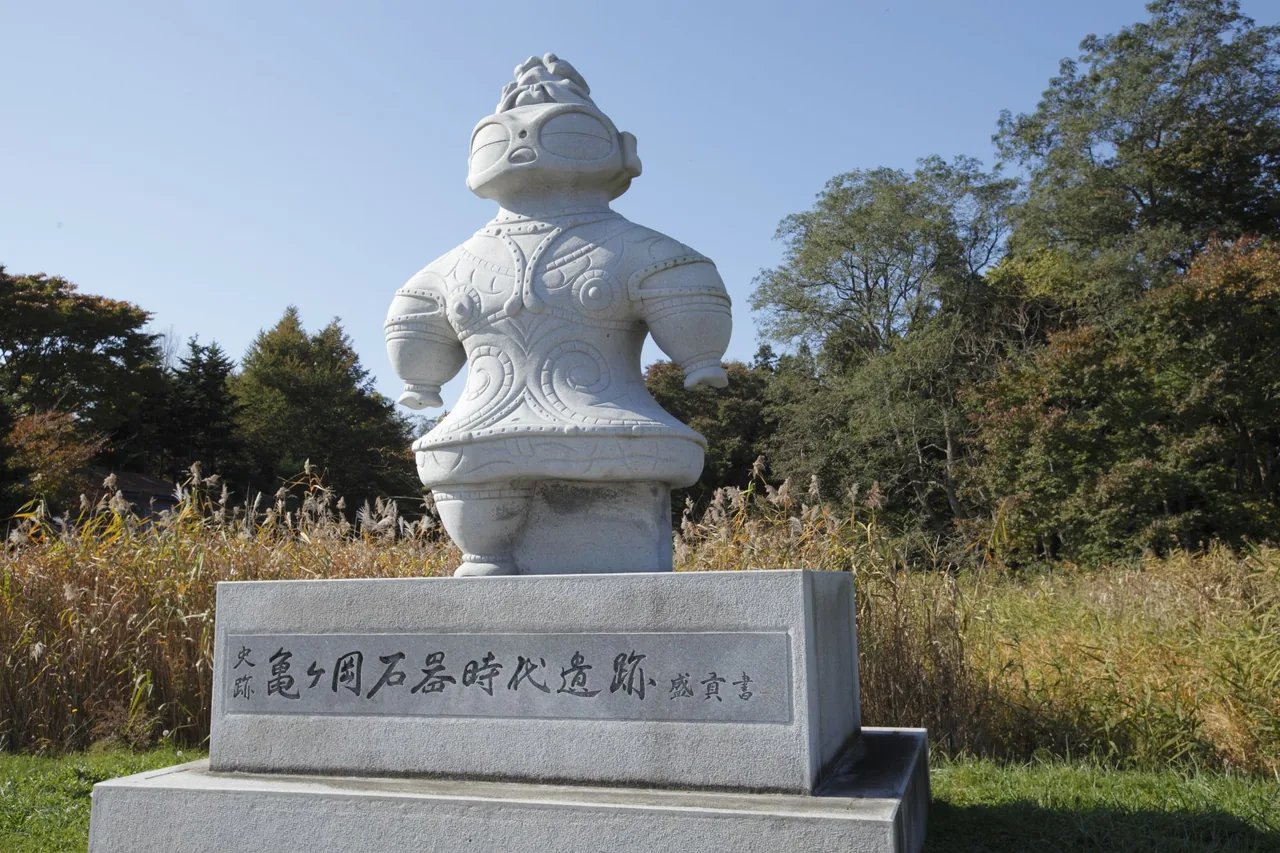
The Kamegaoka Site in Tsugaru City dates to the Final Jomon period. It is where a clay figurine known as a shakoki dogu, with wide, goggle-like eyes, was excavated. This large figurine is an Important Cultural Property and is now in the collection of the Tokyo National Museum. The Final Jomon culture that spread mainly across the Tohoku region is called the Kamegaoka culture after this site.
Objects excavated at sites in Tsugaru City can be seen at the Tsugaru City Jomon Dwelling Exhibition Museum (Karuko), about 15 minutes on foot from Kizukuri Station on the JR Gono Line. The Kizukuri Station building has a huge figure of a shakoki dogu attached to its front, known locally as "Shako-chan."
Before You Go
- The sites are outdoors, and in the snowy winter some close or limit the area you can visit. If you are going in winter, check the opening periods of each site and its guidance facility first.
- Apart from Sannai-Maruyama, most sites are some distance from stations and bus stops, so a rental car helps if you want to visit several.
- Excavated objects are often displayed in guidance facilities or museums separate from the sites themselves, and each facility has its own closing days.
The list of component sites and descriptions of each are on the official Jomon Prehistoric Sites in Northern Japan website. Visitor information for Sannai-Maruyama is on the Sannai-Maruyama Site official website.