Nebuta Festival Guide: Aomori, Hirosaki Neputa and Tachineputa
This guide is translated from the Japanese edition. Read the Japanese edition
Aomori's Nebuta festival, Hirosaki Neputa and Goshogawara Tachineputa compared: dates, float styles, joining as a haneto dancer and seeing floats year-round.
In the first week of August, huge illuminated lantern floats parade through towns across Aomori Prefecture almost every night. Aomori City has its "nebuta", Hirosaki its "neputa" and Goshogawara its "tachineputa". The names are similar and the dates overlap, so they are easy to mix up, but the floats look different and so does the way you enjoy them as a spectator. And if you come outside the summer, you can still see real festival floats at museums in Aomori City and Goshogawara.
How are nebuta, neputa and tachineputa different?
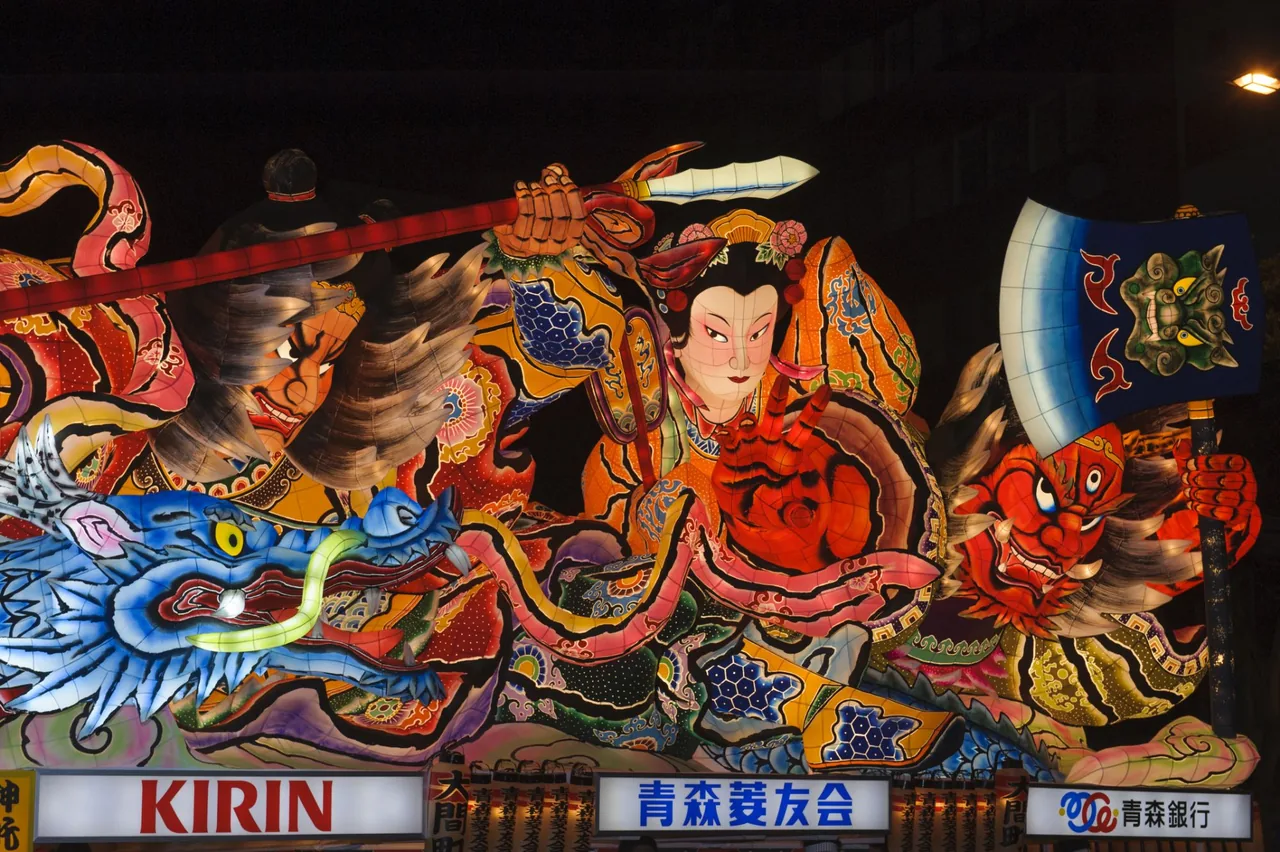
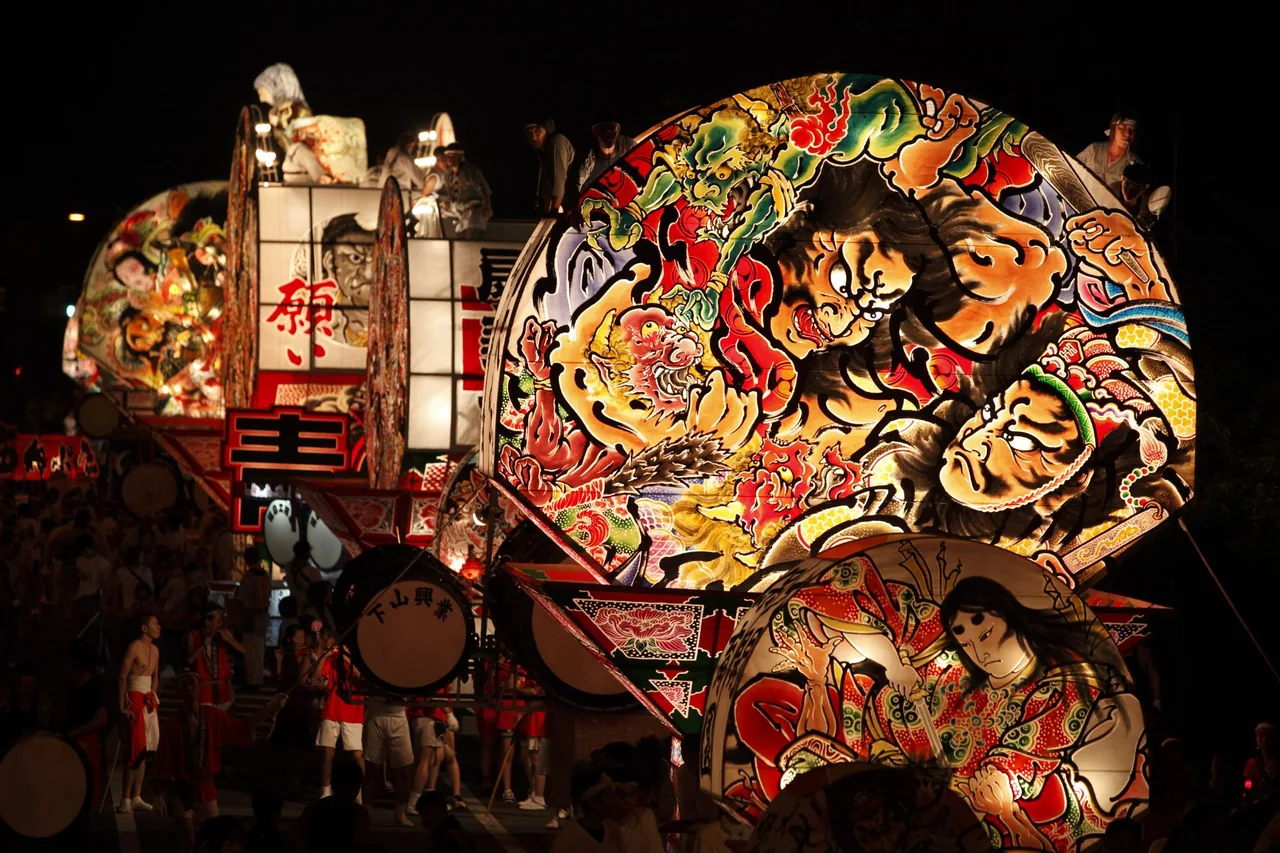
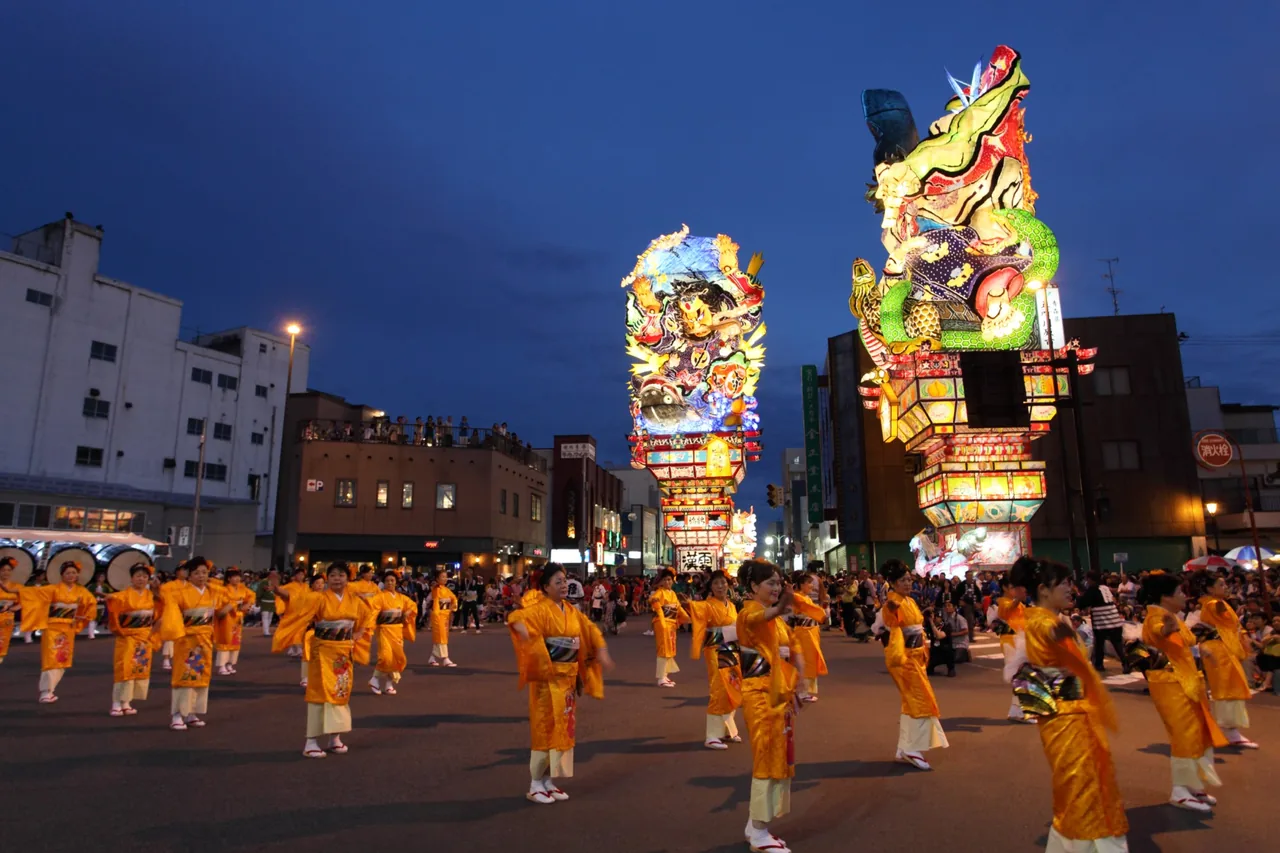
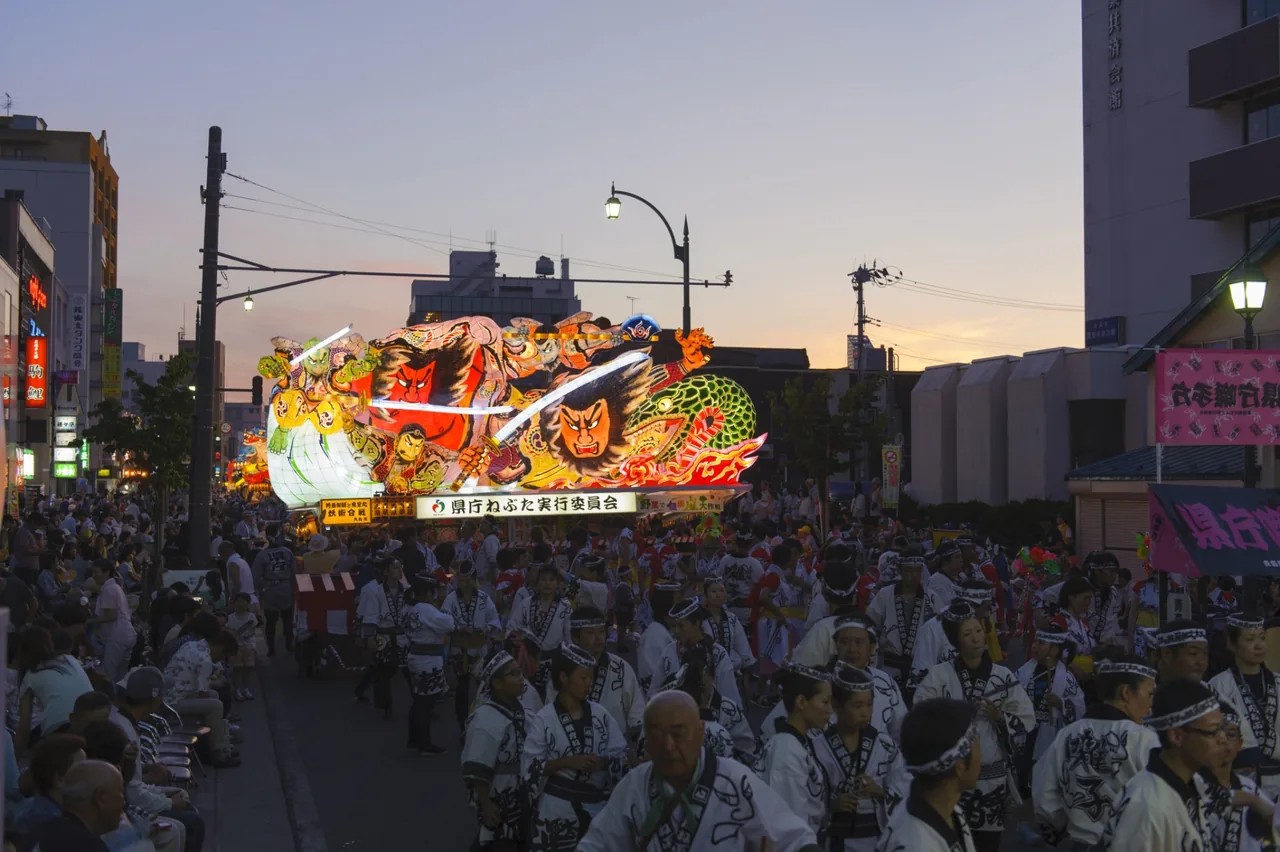
The clearest difference is the shape of the floats. Aomori's nebuta are three-dimensional lantern figures of warriors and mythical characters; Hirosaki's neputa are mainly fan-shaped "ogi neputa"; and Goshogawara's tachineputa are towering lantern figures you have to crane your neck to see.
| Festival | Where | Usual dates | Float style | Highlights |
|---|---|---|---|---|
| Aomori Nebuta Festival | Aomori City | 2–7 August (eve festival on 1 August) | Large three-dimensional figure floats | You can join in as a haneto dancer; the final day has floats on the sea and fireworks |
| Hirosaki Neputa Festival | Hirosaki City | 1–7 August | Mainly fan-shaped ogi neputa, plus figure floats | The paintings on the front and back of the fans |
| Goshogawara Tachineputa | Goshogawara City | 4–8 August | Tachineputa about 23 m tall | Floats as tall as a building moving down the street |
These are the usual dates; the organisers announce times and routes each year. From 4 to 7 August all three festivals run at once, so you can compare two or three of them on different nights.
Aomori Nebuta Festival: a festival you can dance in
The Aomori Nebuta Festival is held in central Aomori City and was designated a national Important Intangible Folk Cultural Property in 1980. In the evening parades, the large nebuta circle a route of about 3.1 km; in 2026, 23 large nebuta paraded from 4 to 6 August. On the 7th there is a daytime parade, and in the evening a fireworks display and nebuta on the water at Aomori Port.
What sets Aomori apart is the haneto, dancers who hop and leap around the floats. You do not need to register or sign up anywhere: anyone wearing the prescribed costume can join a group during the parade. The costume consists of a yukata, flower hat, sash, white tabi socks and straw sandals, and full sets can be bought or rented in the city. How to wear it and the rules for taking part are on the official site.
If you would rather sit, paid seating is set up along the route.
Hirosaki Neputa Festival: paintings on both sides of the fan
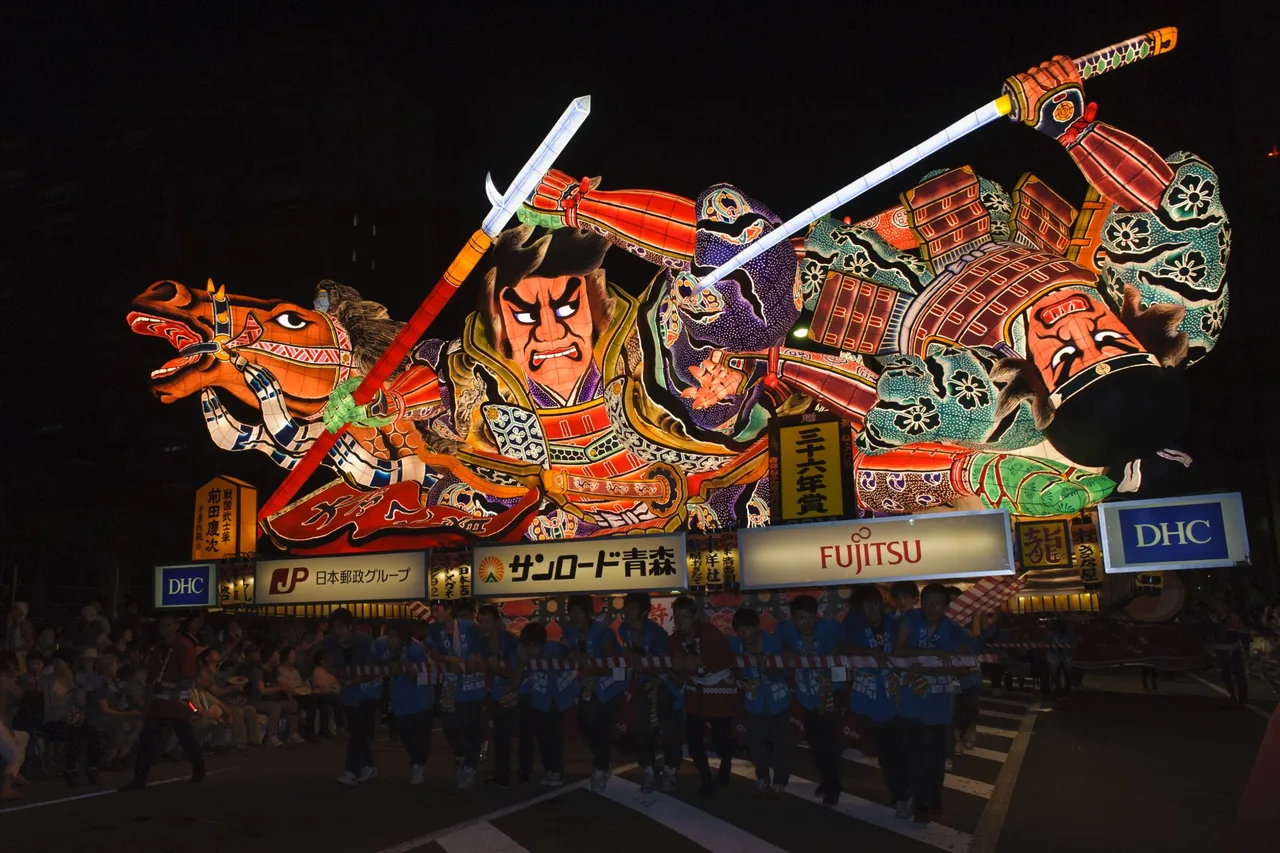
The Hirosaki Neputa Festival is the summer festival of the castle town of Hirosaki, designated a national Important Intangible Folk Cultural Property in 1980, the same year as Aomori's. Its fan-shaped ogi neputa carry a front painting called the kagami-e, often of a warrior, and a rear painting called the miokuri-e, so it pays to turn and look again after each float passes. Traditional figure-style kumi neputa also take part.
The route changes by day. In 2026 the parades ran on the Dotemachi route from 1 to 4 August and the Hirosaki Station route on the 5th and 6th, with a morning parade in Dotemachi on the final day, the 7th. Choosing where to stay based on which day you want to see makes getting around easier.
Goshogawara Tachineputa: floats about 23 m tall
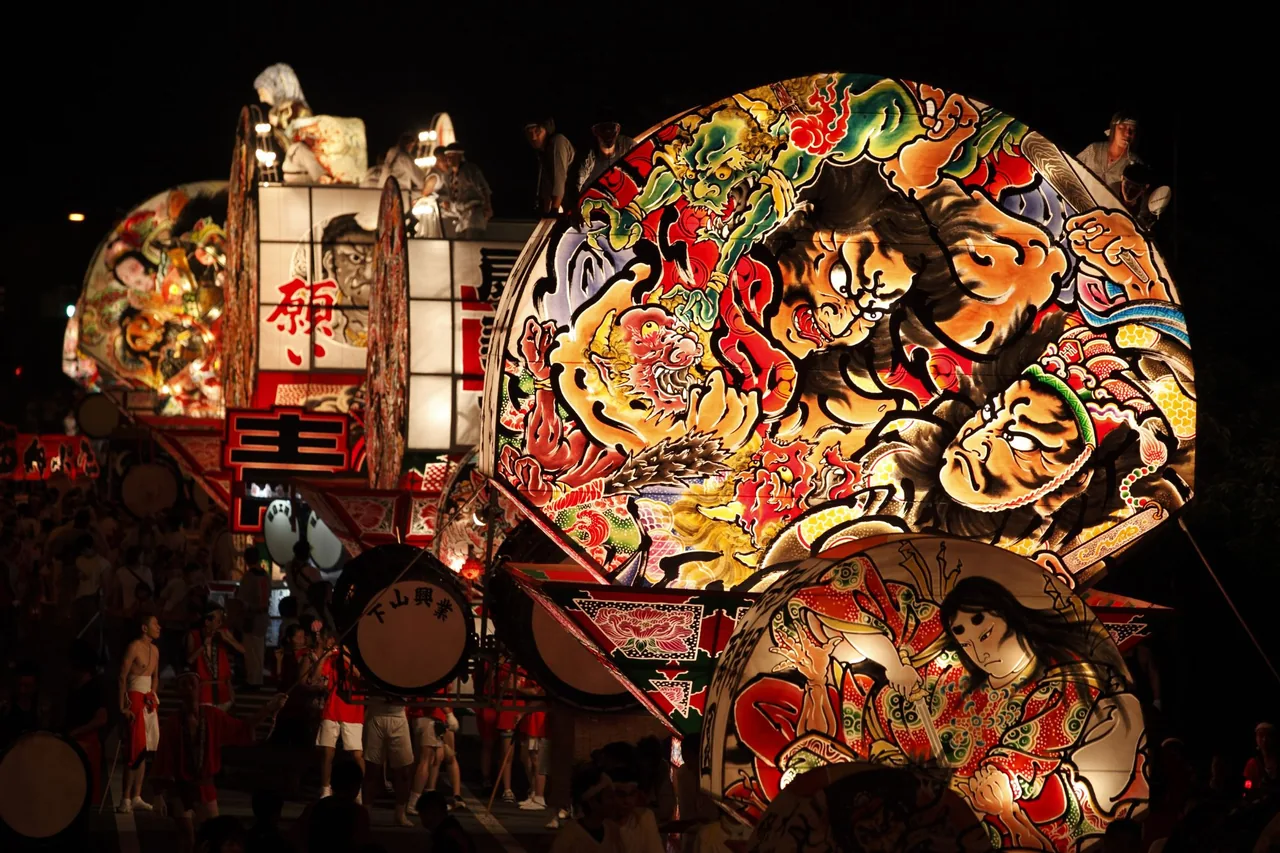
The large floats of Goshogawara Tachineputa stand about 23 m tall and weigh about 19 tonnes. That is the height of a seven-storey building, and seeing one move along the street, you really do have to look up. Medium and small tachineputa made by neighbourhoods and schools join the parade alongside the large ones.
The festival starts a little later than the Aomori and Hirosaki ones and runs until 8 August. Goshogawara is reachable by JR from Hirosaki and Aomori, so it is easy to combine with the other festivals. If you plan to return by train after the evening parade, check the time of the last train first.
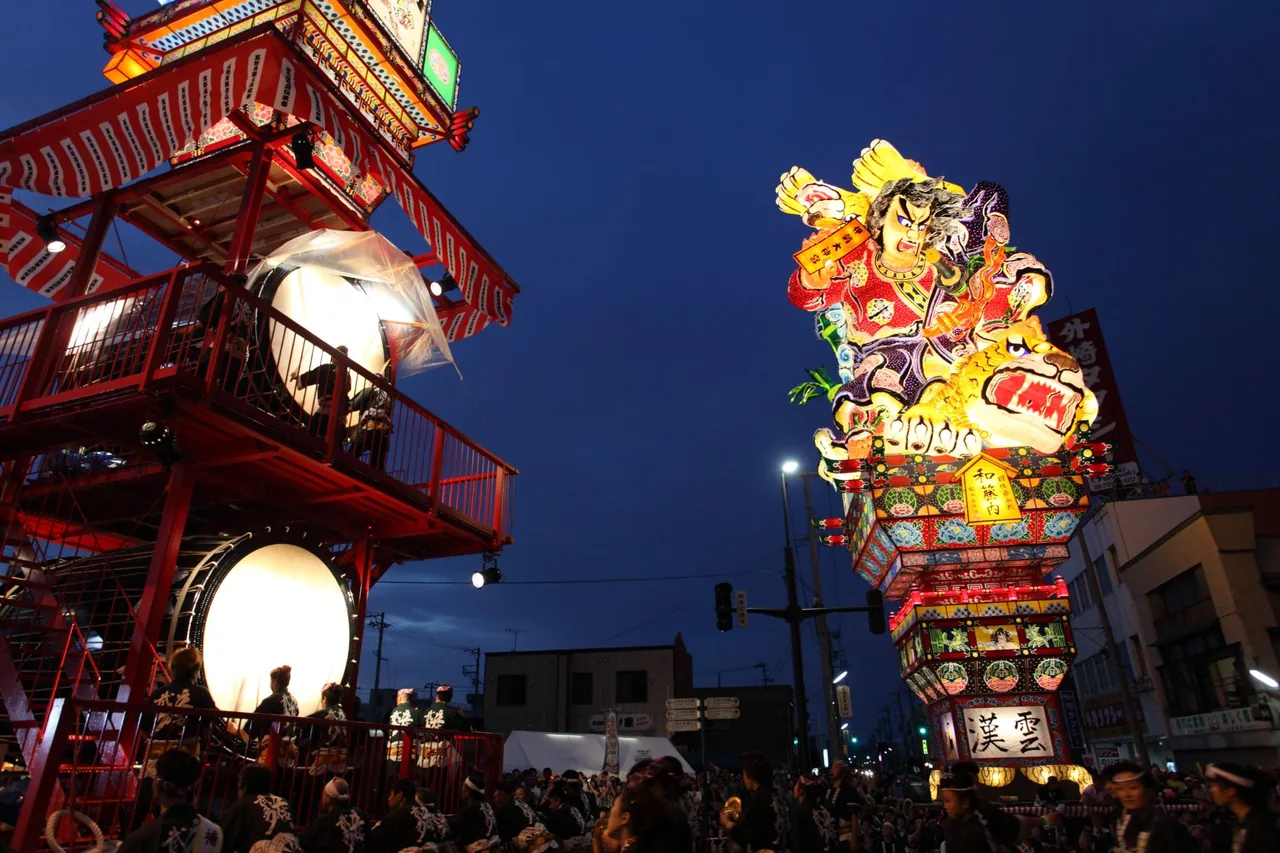
Outside festival season: the Tachineputa Museum and Wa Rasse
Even if you cannot come in summer, there are places where you can see floats actually used in the festivals all year round.
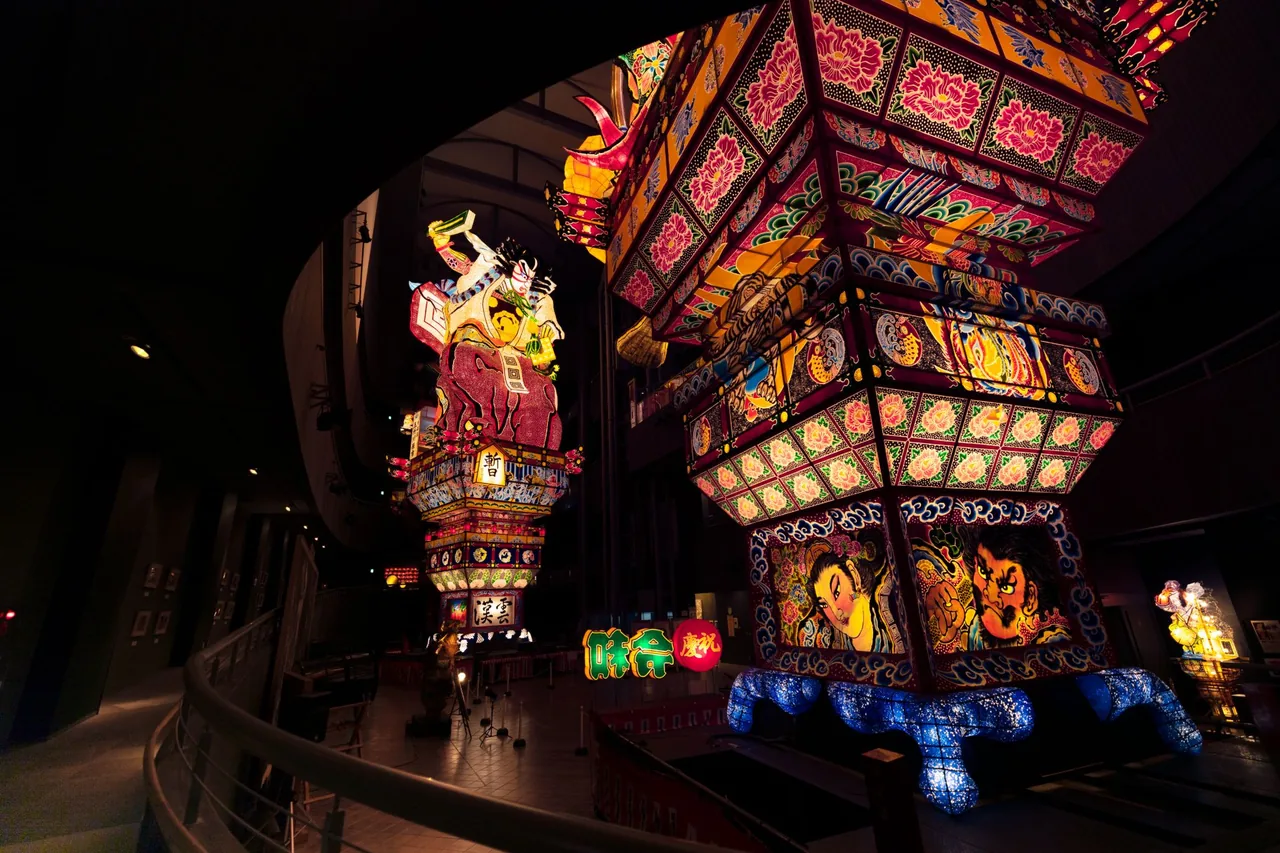
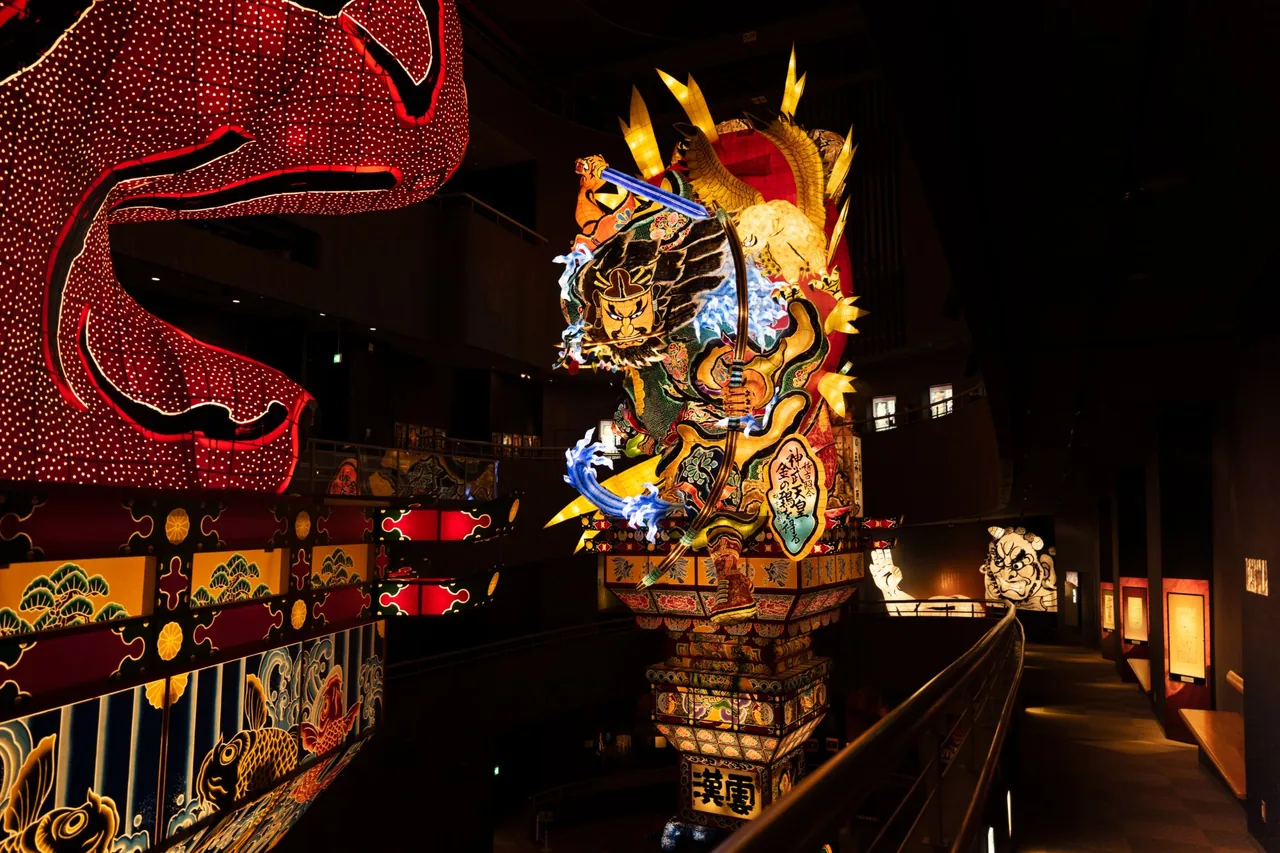
The Tachineputa Museum in Goshogawara displays the large tachineputa that appear in the festival. A spiral walkway lets you look at them from many heights as you go down, from the base all the way to the head. In 2026 a new large tachineputa, "Sarutahiko Okami", was unveiled.
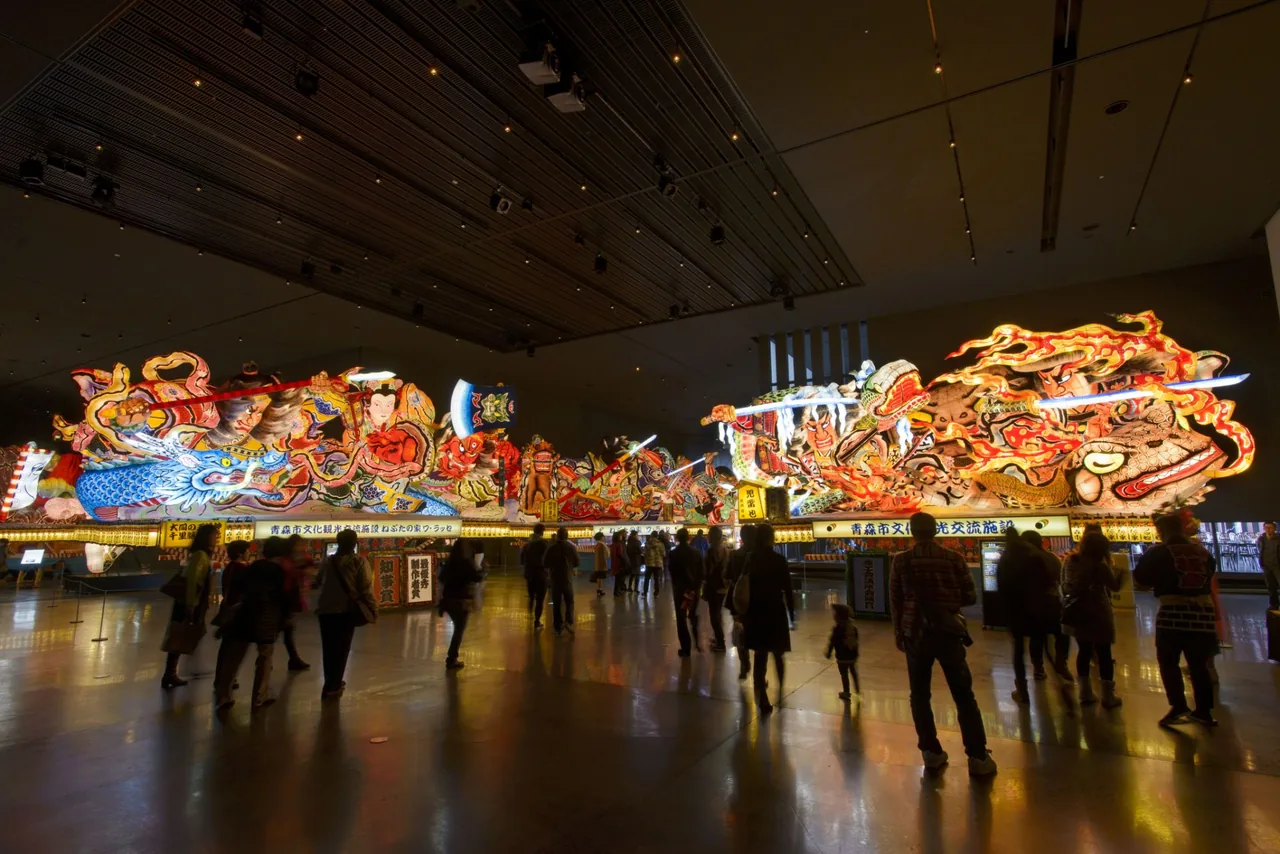
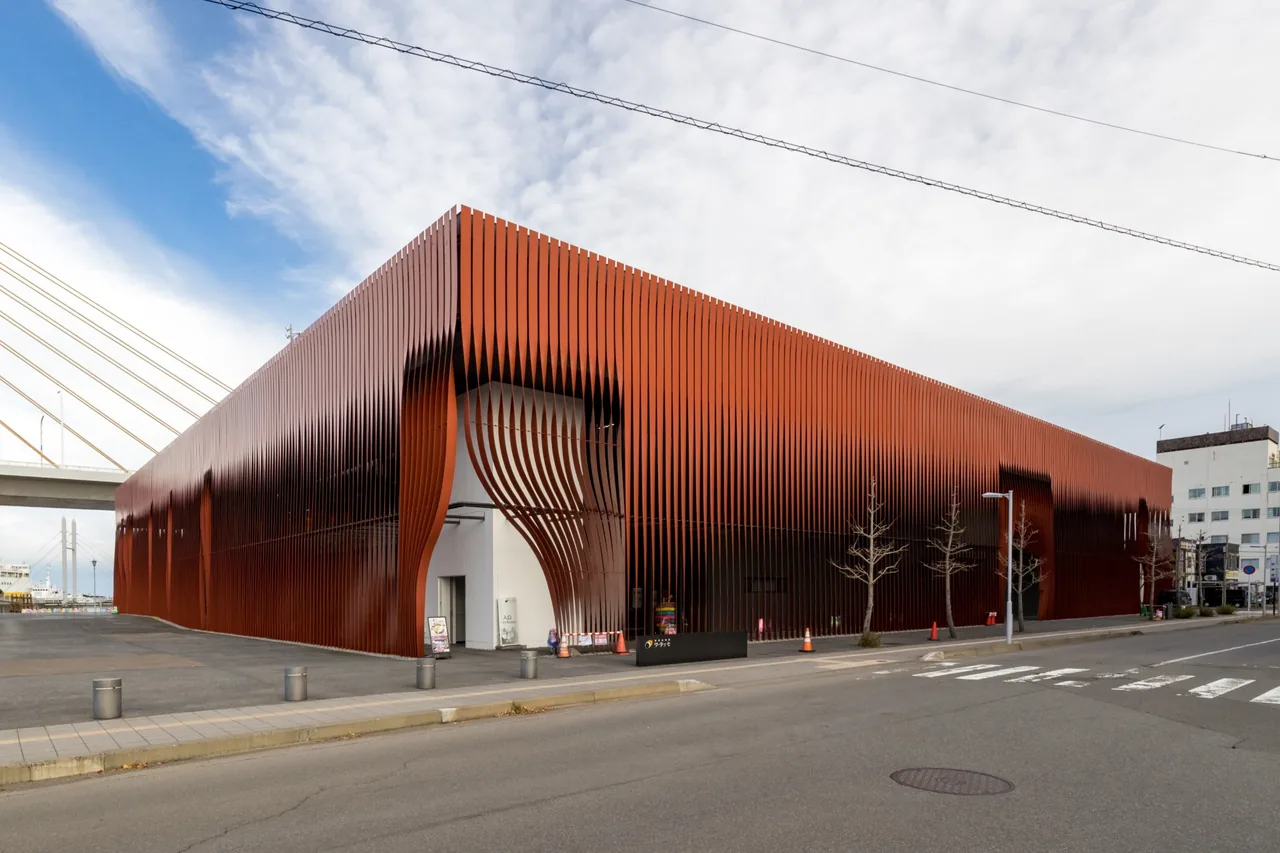
Nebuta House Wa Rasse, right next to Aomori Station, displays large nebuta that appeared in that year's festival. The display changes every year, and the museum is closed on 9 and 10 August while the floats are swapped. In the Nebuta Hall, four times a day for about 20 minutes each, there are live festival music and haneto dance sessions, so you can experience the sound and dance of the festival all year.
Before you go
- During the festivals, accommodation in and around the host cities fills up early. Once your dates are set, book a room first.
- On parade nights there are traffic restrictions around the routes. Walking or taking the train to the venue is more reliable than driving.
- All three festivals have paid seating; each organiser announces seat types and how to buy them every year. Standing is free, and you can watch from any spot along the route.
- All three festivals parade mainly at night. Spend the daytime at Wa Rasse, Hirosaki Castle or walking around the Tsugaru towns to make the most of the day.
You can find more Aomori travel information on "Amazing AOMORI", the tourism site run by Aomori Prefecture and the Aomori Prefecture Tourism and International Exchange Organization.