Aomori Sake Breweries: Brewery Tours, Cider and Shimokita Wine
This guide is translated from the Japanese edition. Read the Japanese edition
Aomori sake breweries to visit: Hachinohe Shuzo, Momokawa and Narumi Jozoten, plus A-FACTORY cider and Shimokita wine, with tour booking tips and drinking rules.
In Aomori, drinks are made not only from rice and water but also from apples and grapes. Sake breweries dating back to the Edo period stand in Hachinohe's harbor district and Kuroishi's old streets, cider is brewed in full view in front of Aomori Station, and Pinot Noir wine comes from the Shimokita Peninsula at the northern tip of Honshu. Here is where to go, how to book brewery tours, and what to know about driving and the drinking age.
Hachinohe Shuzo: Taisho-Era Storehouses at the Mouth of the Niida River
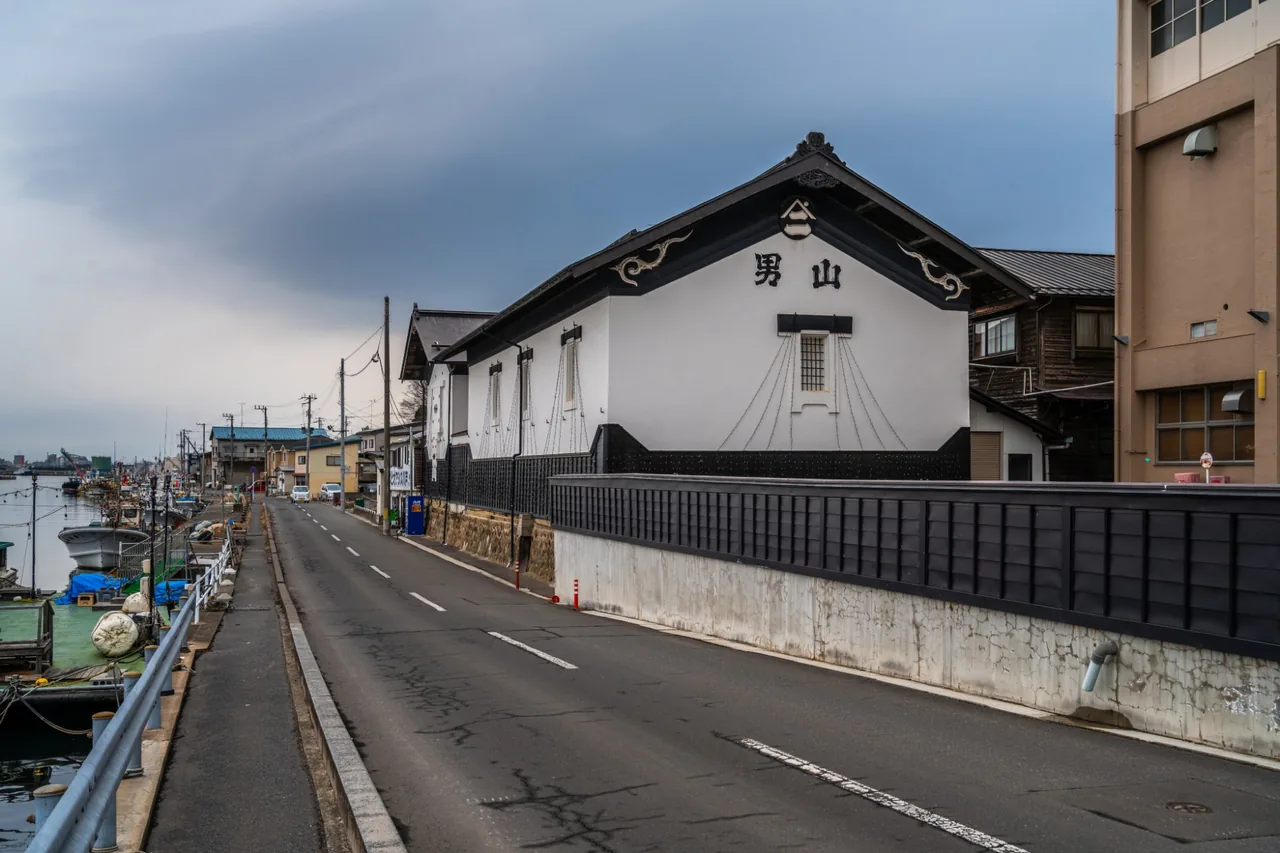
Hachinohe Shuzo in Minato-machi, Hachinohe, was founded in 1775 (An'ei 4). It makes the Mutsu Hassen and Mutsu Otokoyama brands, and the eighth generation of the family now runs the brewery.
Six buildings from the Taisho era (1912–1926) remain on the site and are registered as National Tangible Cultural Properties and as Hachinohe Important Landscape Structures. The North, Bunko and West storehouses are earthen-walled on the outside with Western-style trusses inside, and the brick storehouse completed in 1924 (Taisho 13) uses steel beams made in Scotland. White plastered storehouses and red brick standing together at the mouth of the Niida River recall the days when this area was a hub for shipping goods through the port.
Brewery tours run year-round, mainly on weekdays (also on Saturdays in the winter months from October to February). They take about 40 minutes and end with a sake tasting. Book through the reservation page on the official website. The brewery is about a 10-minute walk from Mutsu-Minato Station on the JR Hachinohe Line. For getting around the rest of the city, see our Hachinohe travel guide.
Momokawa: A Brewery Named for the Old Name of the Oirase River
Momokawa in Oirase Town traces its roots to the late Edo period, when the Miura family, leading figures in Momoishi, began brewing sake. In 1889 (Meiji 22), Murai Kuramatsu took over production, opened the Murai brewery and started selling Momokawa sake. Because the brewery then used water from the Momoishi River (the old name of today's Oirase River), the character for "hundred" (momo) was swapped for "peach" (also momo), giving the name Momokawa.
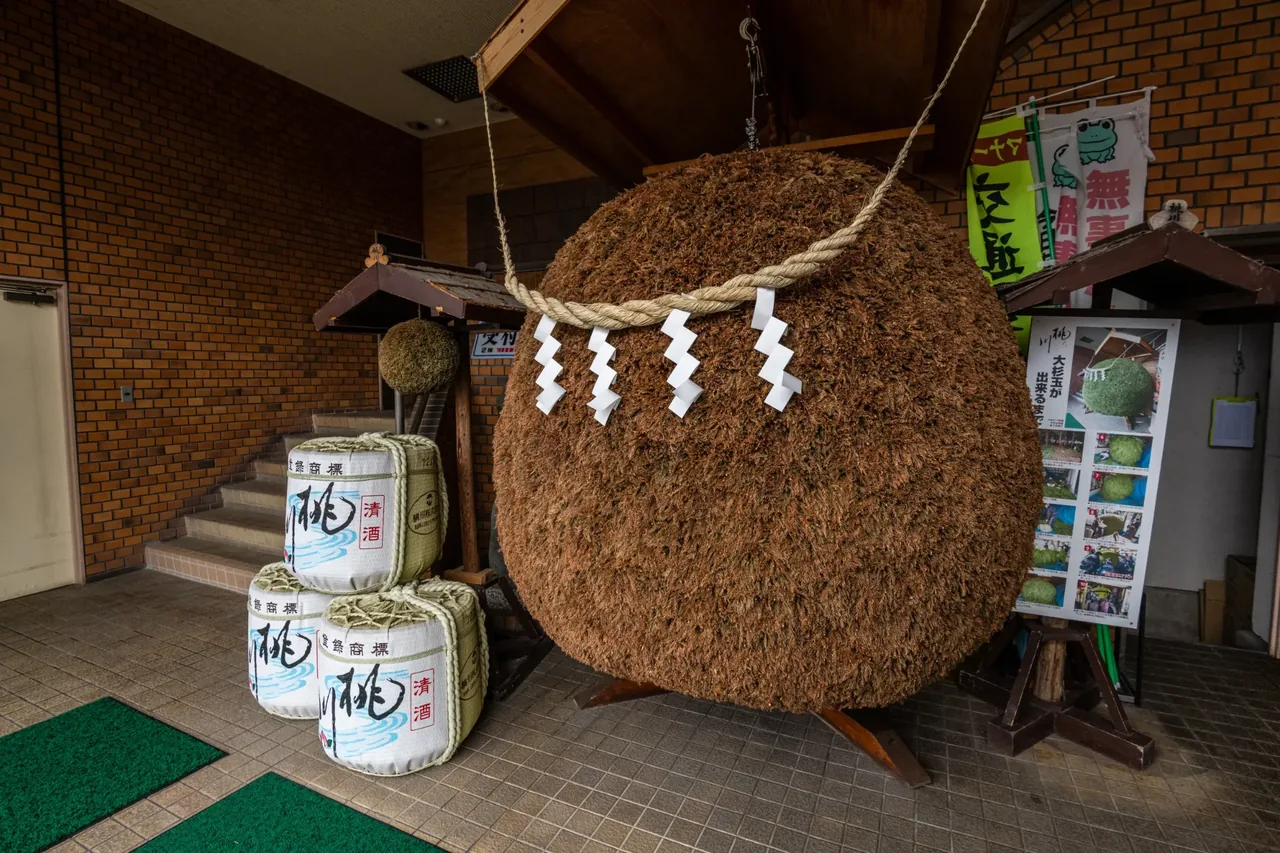
Brewery tours are by reservation only; apply by phone or online at least five days before the day you want to visit. There are no tours on weekends, national holidays, or from December to early January. You watch a video, are guided along a viewing corridor inside the brewery, and finish with a tasting and the shop, about 50 minutes in all. There are stairs inside, and the tour is not wheelchair accessible.
By car it is about 20 minutes from JR Hachinohe Station.
Narumi Jozoten: A Sake Brewer on Kuroishi's Komise Street
On Nakamachi Komise Street in Kuroishi, Narumi Jozoten has been brewing sake since 1806 (Bunka 3). It is said to be the oldest brewery in Kuroishi, and its signature brand is Kikunoi. Komise are wooden covered walkways running along the fronts of the houses; in this snow country they have long kept snow, rain and summer sun off people on foot. The street is a nationally designated Important Preservation District for Groups of Traditional Buildings.
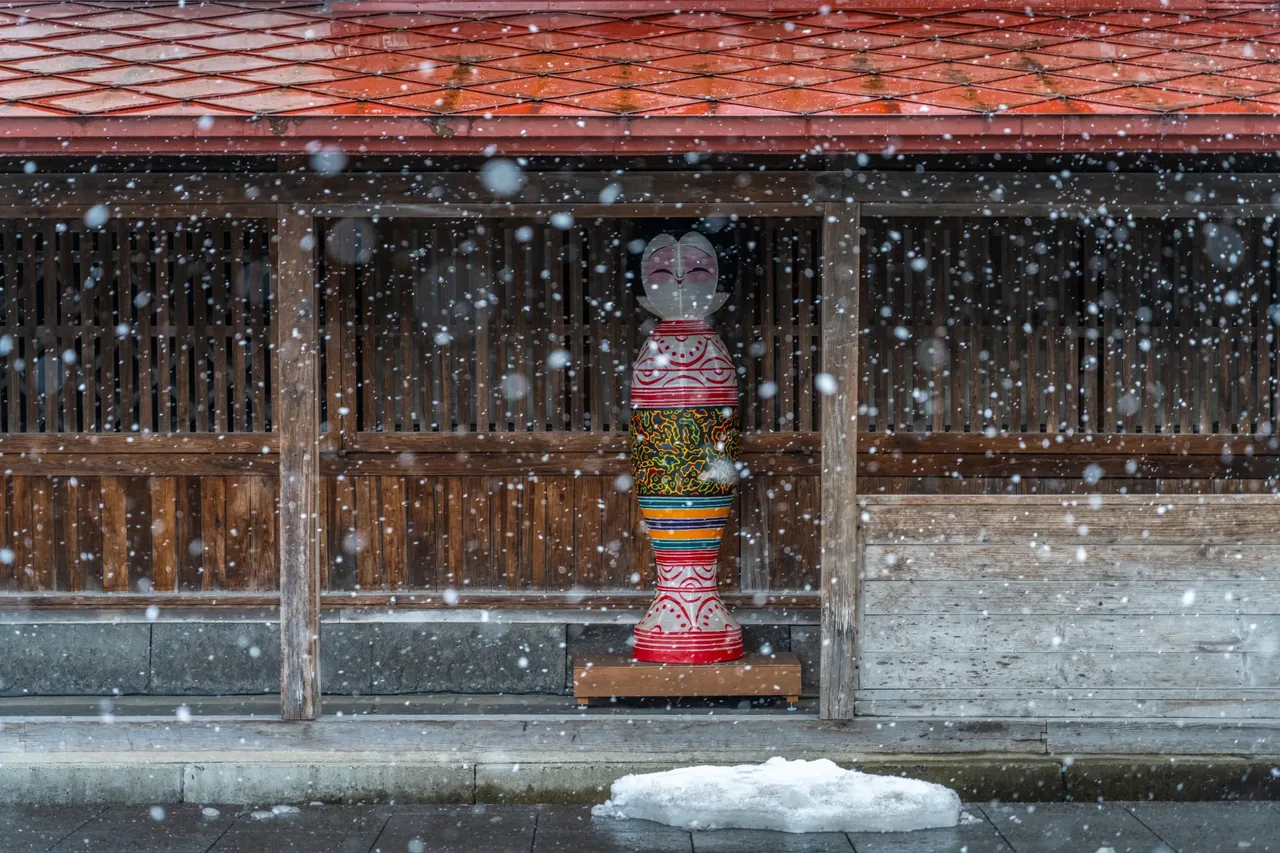
The shop has a tasting space, and paid tastings are offered to visitors from overseas. The Narumi Garden at the back of the property preserves the style of the Oishi Bugaku school of garden design and became a Registered Monument of Japan in 2007. Brewery tours are sometimes not offered, depending on the season and the brewery's schedule, so if you hope to see inside, ask before you go.
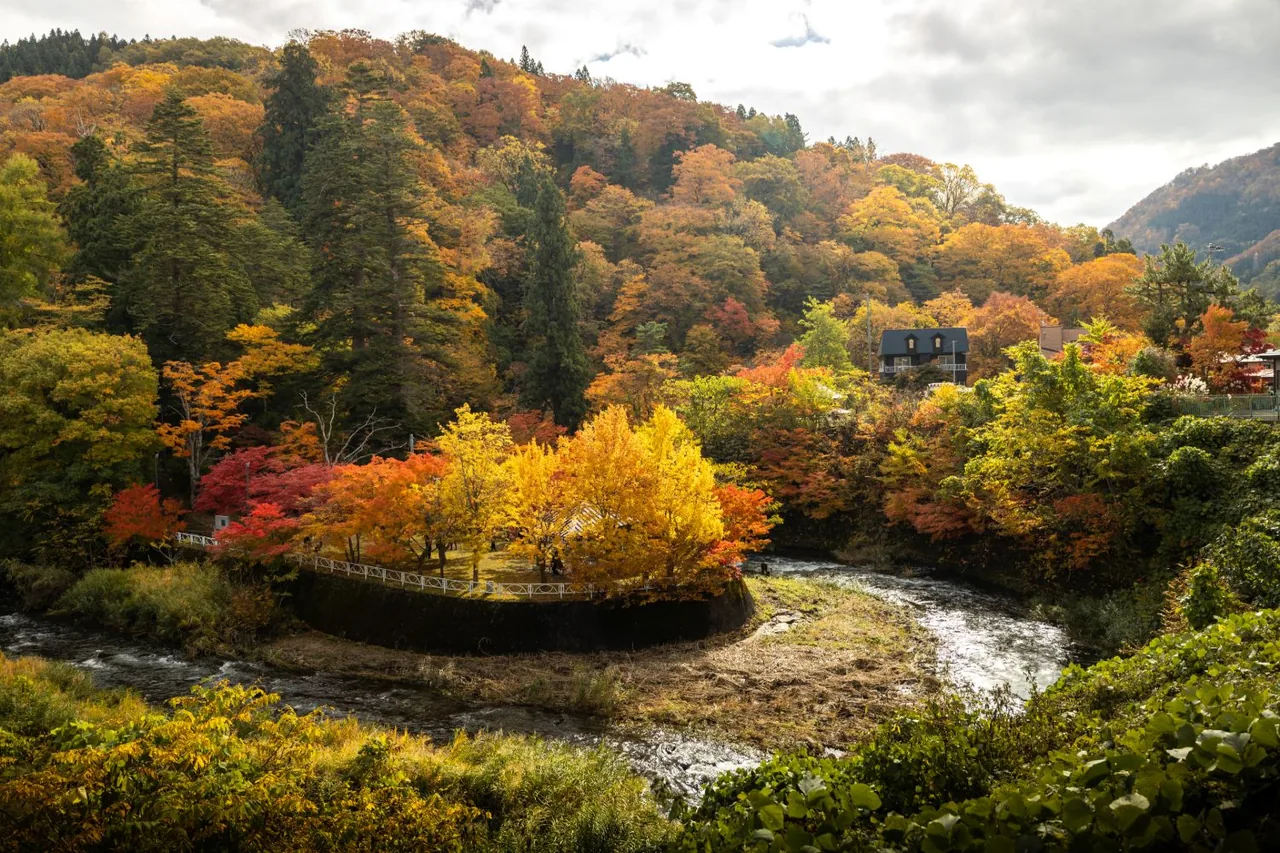
In autumn, you can combine a visit with Nakano Momijiyama, a famous autumn-leaves spot in the same city.
A-FACTORY: A Glass-Walled Cidery by Aomori Station
A-FACTORY, about a 2-minute walk from JR Aomori Station, houses restaurants, souvenir shops and a cidery. The cidery has eight fermentation tanks producing Aomori Cidre and apple soda, and because it is walled in glass, you can watch part of the brewing work from inside the building.
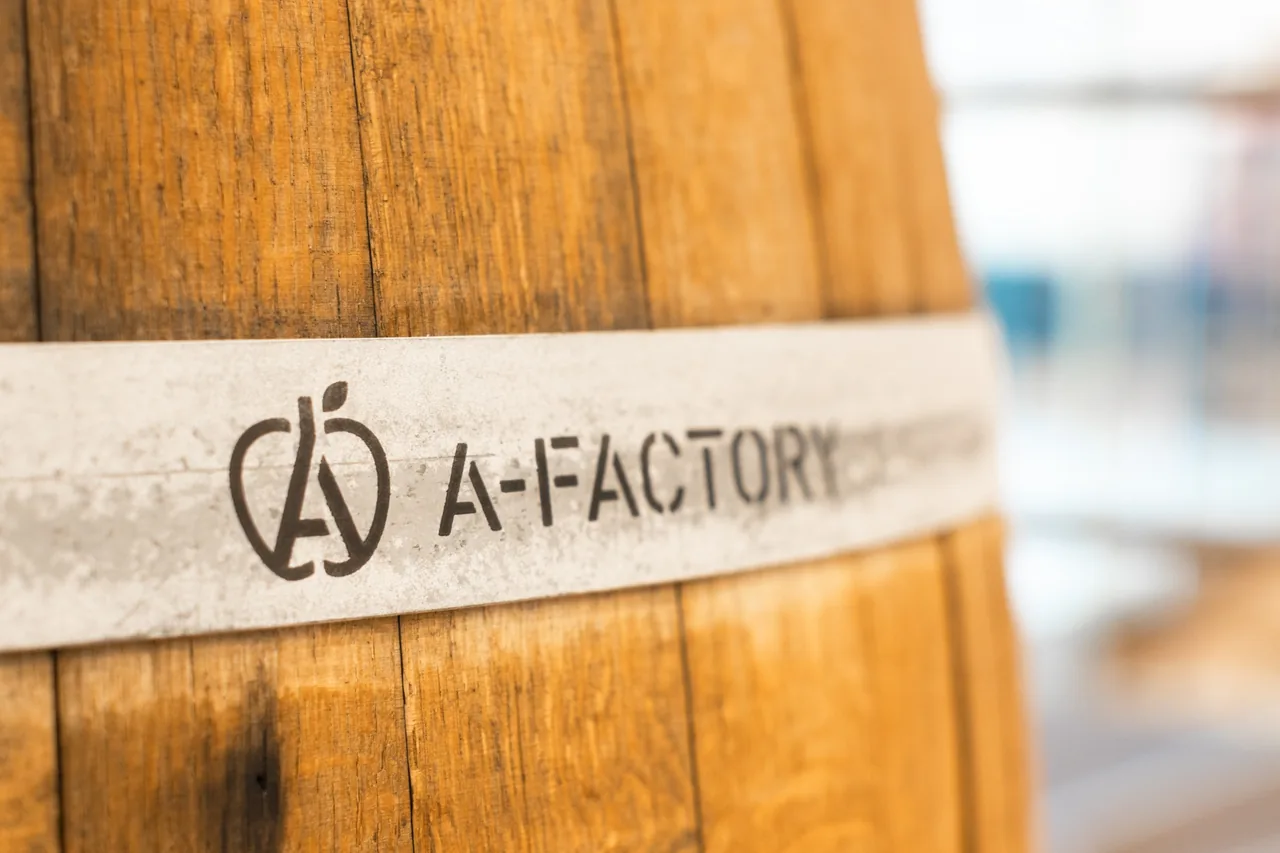
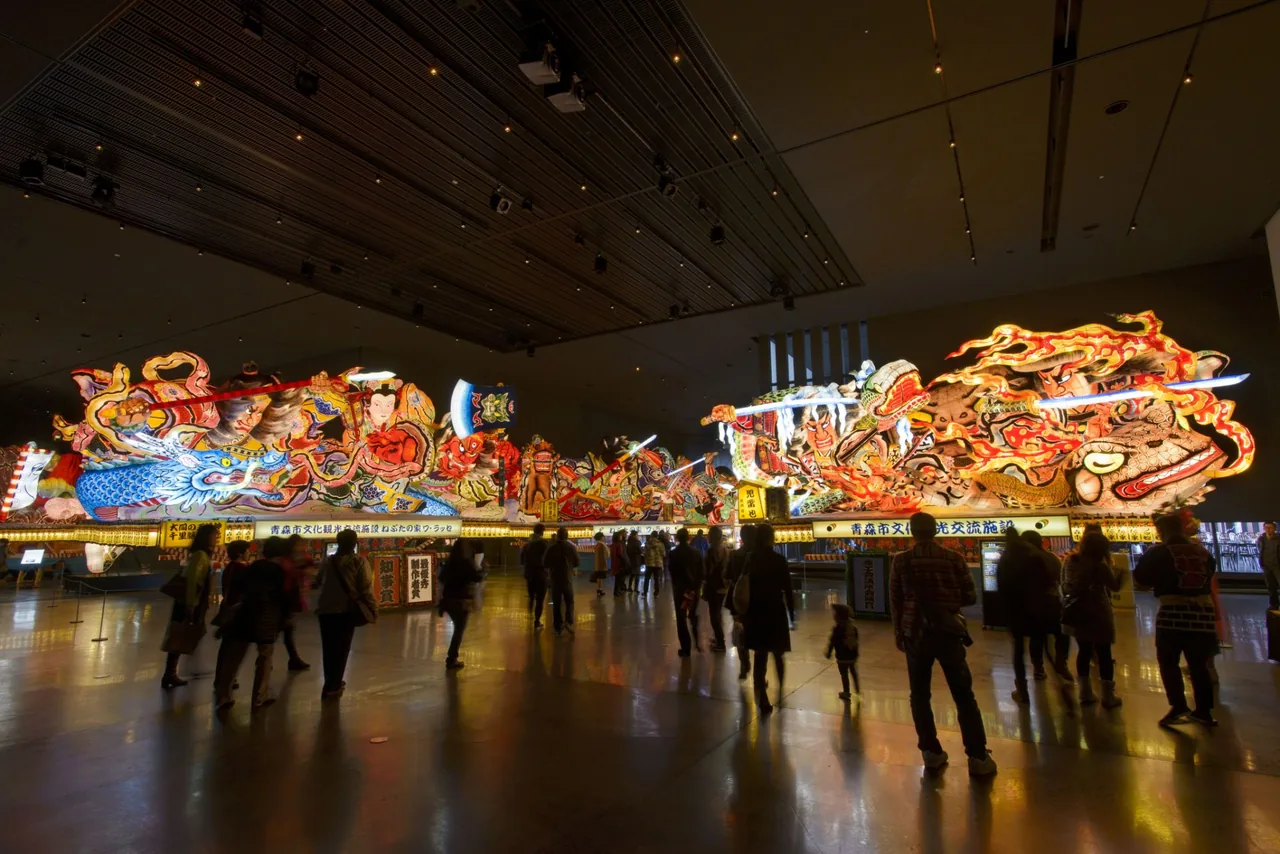
It is run by a JR East group company, and you can also buy Aomori-grown food and souvenirs inside. It is an easy stop while waiting for a shinkansen or local train, and Nebuta Museum WA RASSE, which displays giant festival nebuta floats, is close by.
If you want to drink cider in Hirosaki, Hirosaki Cidre Kobo kimori inside Hirosaki Apple Park is another option. The cidery among the orchards is covered in our Aomori apples guide.
Shimokita Wine: Pinot Noir from the Northern Tip of Honshu
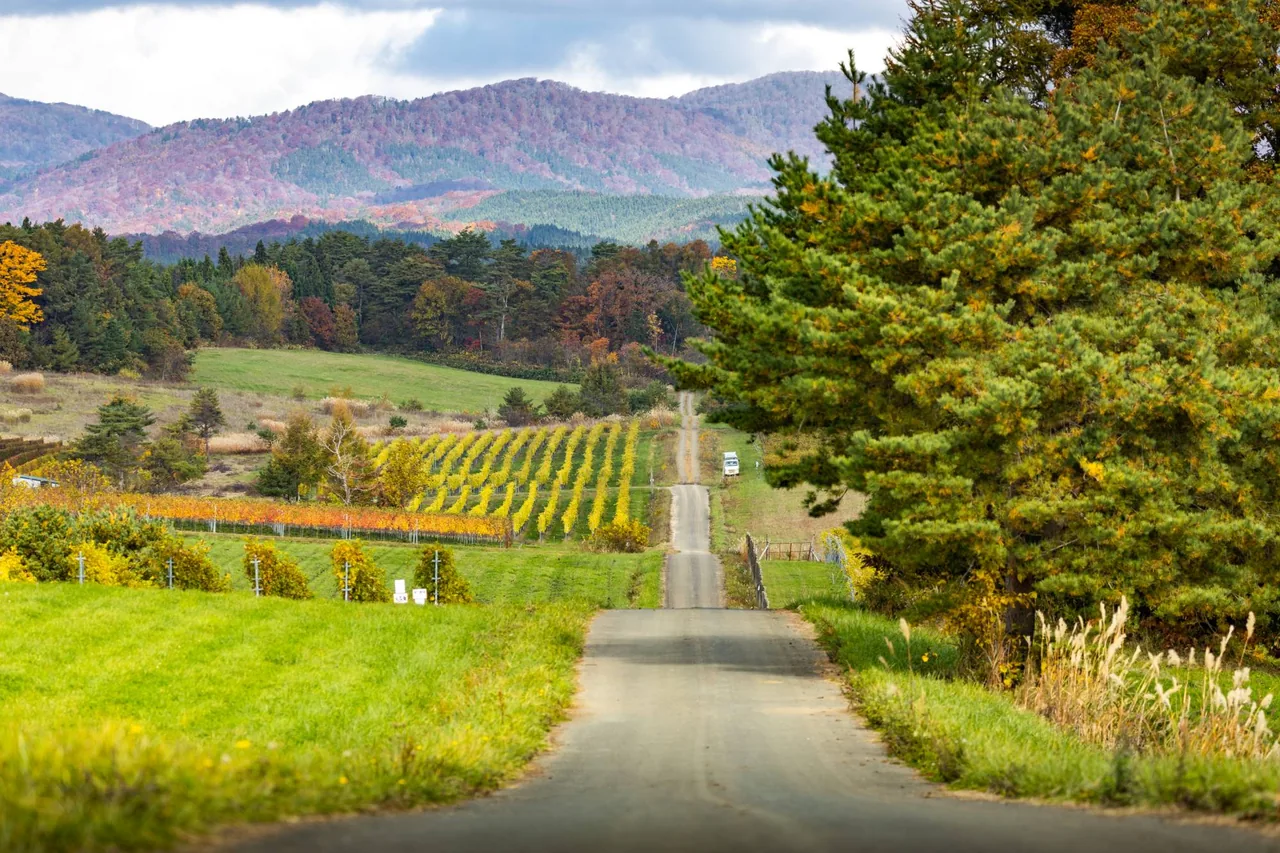
Sunmamoru Winery in Kawauchi-machi, Mutsu City, on the Shimokita Peninsula, makes Shimokita Wine. It began growing grapes in 1998, and its first winery in Mutsu opened in 2007. That first winery sits about 60 meters above sea level on south-facing hills that slope gently up from Mutsu Bay. A second winery is in Owani Town, Minamitsugaru District.
One of its flagship wines is Ryo, a red made only from Pinot Noir grown in its Shimokita vineyards. Other wines blend Pinot Noir with Merlot and Kita no Yume, an original grape variety. If you want to visit the winery, contact it first to check whether tours and tastings are available.
Before You Visit: Driving and the Drinking Age
- In Japan, you may not drive a car or ride a bicycle after drinking any amount of alcohol. Tastings count too, and some breweries will not serve tastings to drivers. On days when you are driving, only non-drivers should taste, or buy a bottle and open it at your hotel.
- The legal drinking age in Japan is 20. Anyone under 20 cannot drink, including at tastings.
- Many brewery tours are by reservation only, and breweries may close for the brewing season or their own reasons. Check how to book and which days tours run on each brewery's official website.
- When taking bottles home, ask the shop to wrap them so they will not break. If you are taking them out of Japan, also check your destination country's import rules (number of bottles and volume).
- More travel information on Aomori Prefecture is on the official tourism site Amazing AOMORI.