Aomori Traditional Crafts: Tsugaru Lacquer, Kogin, Glass, BUNACO
This guide is translated from the Japanese edition. Read the Japanese edition
Aomori traditional crafts: Tsugaru lacquerware, kogin embroidery, akebi vine baskets, Tsugaru vidro glass, BUNACO beechwood, Kanayama pottery and Tsugaru kokeshi dolls.
Aomori's crafts include some born in Tsugaru in the Edo period and handed down since, and others born in the Showa era from local resources, from the skills of fishing-gear makers to the region's beech forests. Lacquerware that began as furnishings for the domain, stitching that reinforced hemp work clothes, vine baskets once sold as hot-spring souvenirs, glass that started with fishing floats, bowls shaped by winding thin strips of beech, pottery made from local clay and fired hard in wood-burning kilns, and kokeshi dolls born in a hot spring village follow here, together with the makers' workshops and places where you can pick pieces up and choose.
Tsugaru-nuri: Hirosaki Lacquerware with Polished-Out Patterns
Tsugaru-nuri lacquerware is said to have begun about 300 years ago, in the time of Tsugaru Nobumasa, the fourth lord of the Hirosaki domain, with Ikeda Genbei, a lacquerer in the domain's service. In the Edo period it was made under the domain's protection, mainly for the domain's own furnishings, and it took root as an industry in the early Meiji era. The name Tsugaru-nuri is said to have first been used when pieces were shown at the 1873 (Meiji 6) Vienna World's Fair.
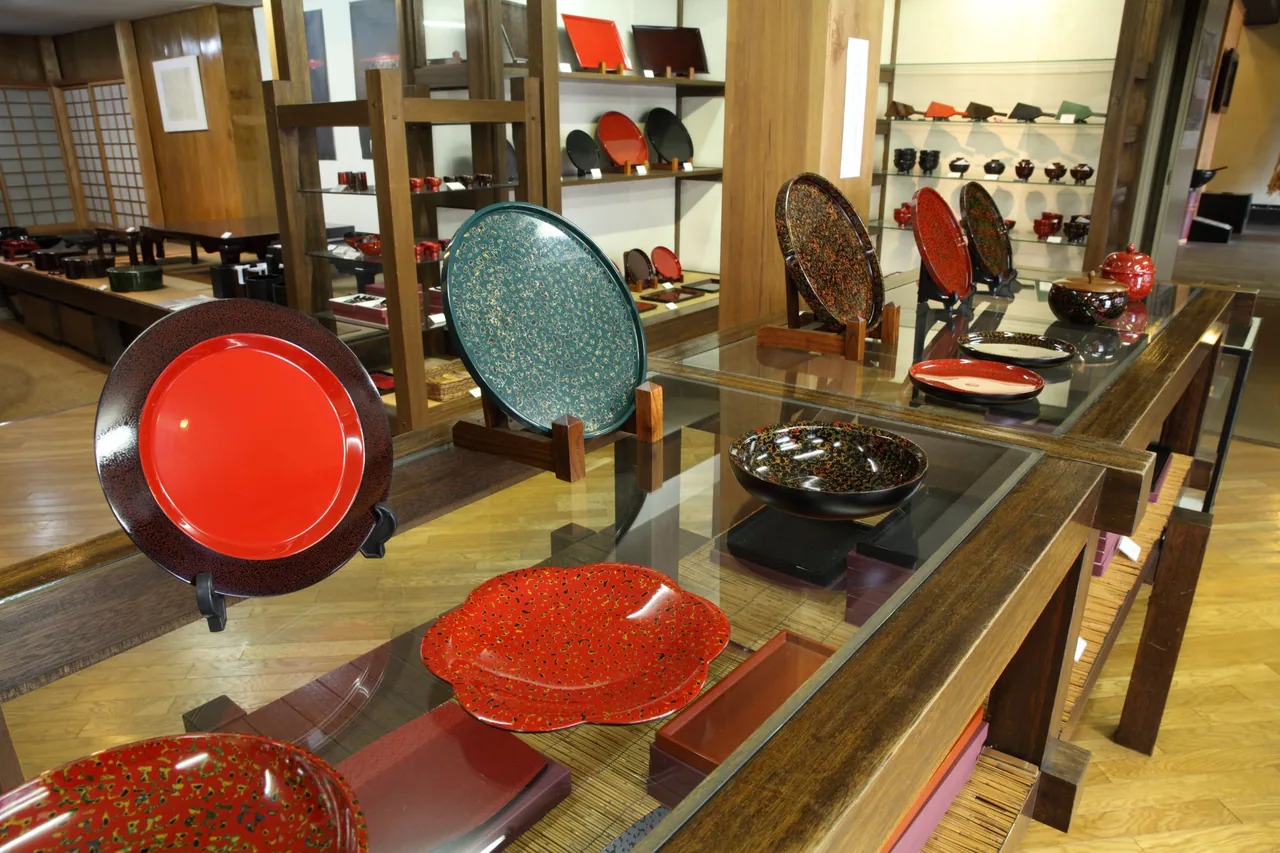
Its hallmark is togidashi kawarinuri, in which layers of lacquer are applied and polished again and again until the pattern is brought out. Four techniques have been handed down: kara-nuri, nanako-nuri, monsha-nuri and nishiki-nuri. The best known, kara-nuri, is finished on a hiba wood base through a cycle of coating, polishing and burnishing repeated over as many as 48 steps. Tsugaru-nuri became a nationally designated traditional craft in 1975, and in 2017 its techniques were designated an Important Intangible Cultural Property of Japan, the first in Aomori Prefecture, with the Tsugaru-nuri Technique Preservation Society recognized as the holding group (Aomori Prefecture's overview).
Kogin-zashi: Stitching That Reinforced Hemp Work Clothes
In the farming villages of Tsugaru in the Edo period, cotton clothing was not permitted, so people wore layers of hemp. Farm women stitched the hemp cloth with cotton thread to make it warmer and stronger, and this is said to be the origin of kogin-zashi.
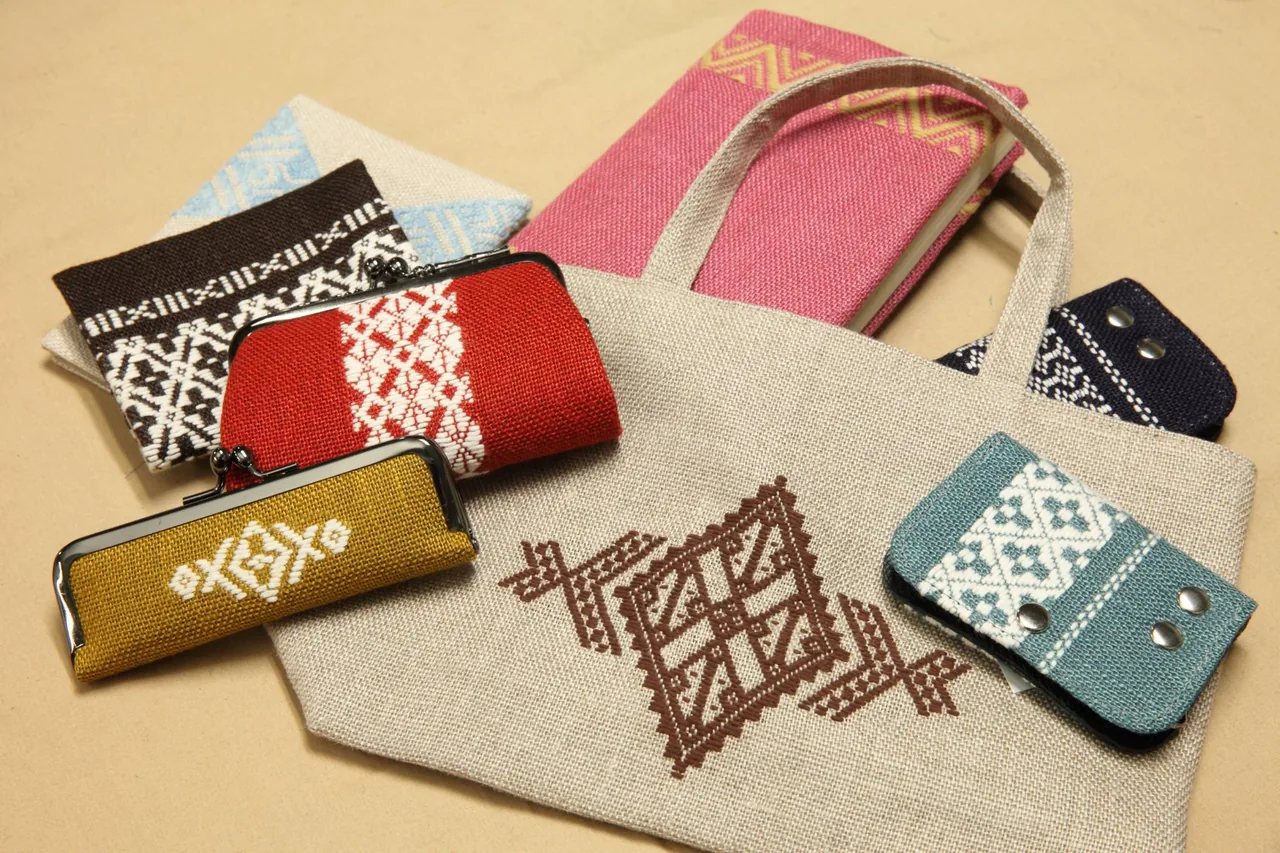
White cotton thread is stitched into indigo hemp cloth by picking up an odd number of warp threads at a time, filling the fabric with geometric patterns that follow set rules. By the layout of the patterns, kogin is divided into three types, Higashi (east) kogin, Nishi (west) kogin and Mishima (three-stripe) kogin: Nishi kogin is marked by stripes on the shoulders and a pattern on the back, and Mishima kogin by three bold horizontal stripes across the shoulders, back and chest. Kogin-zashi is designated a traditional craft of Aomori Prefecture.
Akebi Vine Craft: From Souvenirs of a Hot Spring at the Foot of Mt. Iwaki
Akebi vine craft traces back to the end of the Edo period at Dake Onsen at the foot of Mt. Iwaki, where charcoal baskets and handbaskets were made as souvenirs for guests staying for the waters. The material is the vine of the akebi plant, which grows wild in the nearby mountains, and all of the weaving is done by hand.
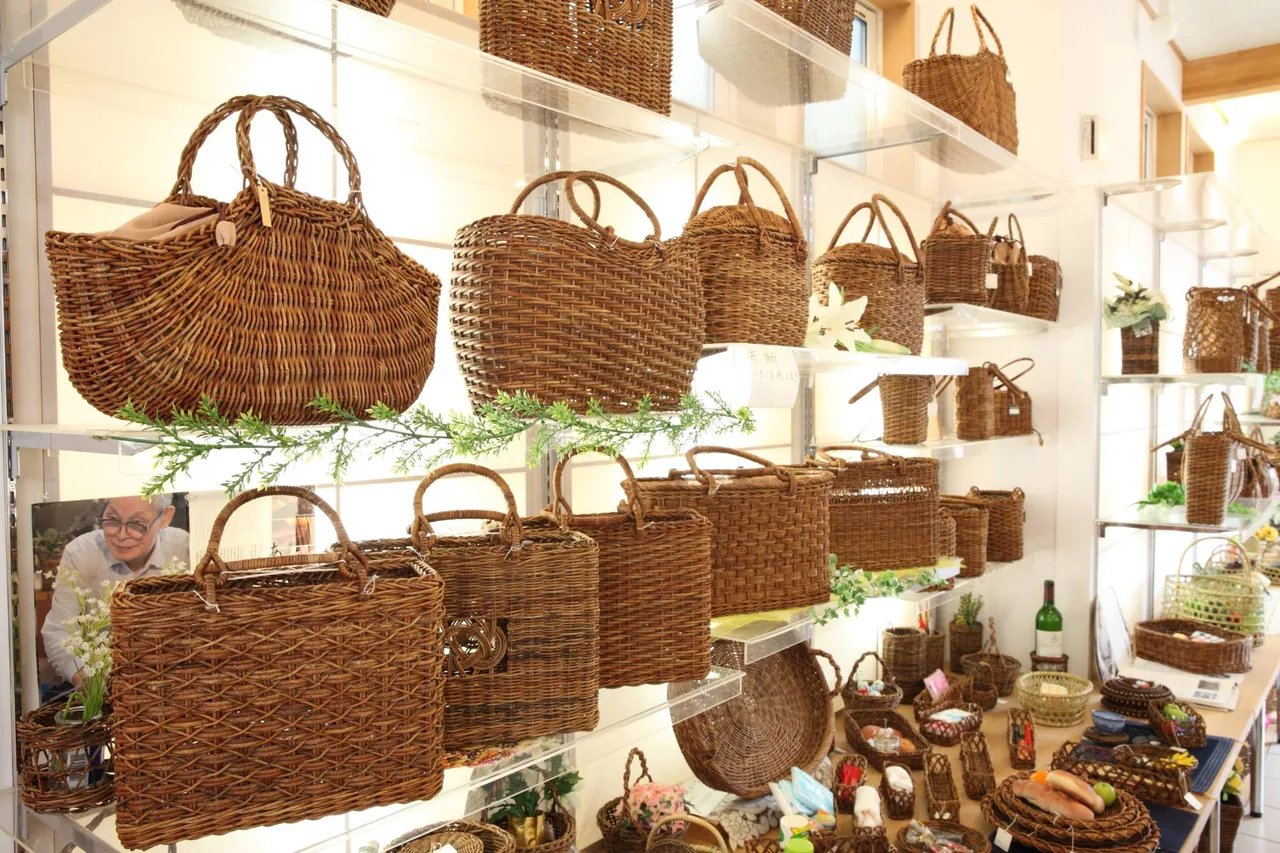
There are many weaving patterns, from the basic nami-ami weave to kodashi-ami, an openwork weave you can see through. Akebi vine craft is a traditional craft of Aomori Prefecture, and Hirosaki also lists it among the city's traditional crafts.
Tsugaru Vidro: Colored Glass from the Craft of Fishing Floats
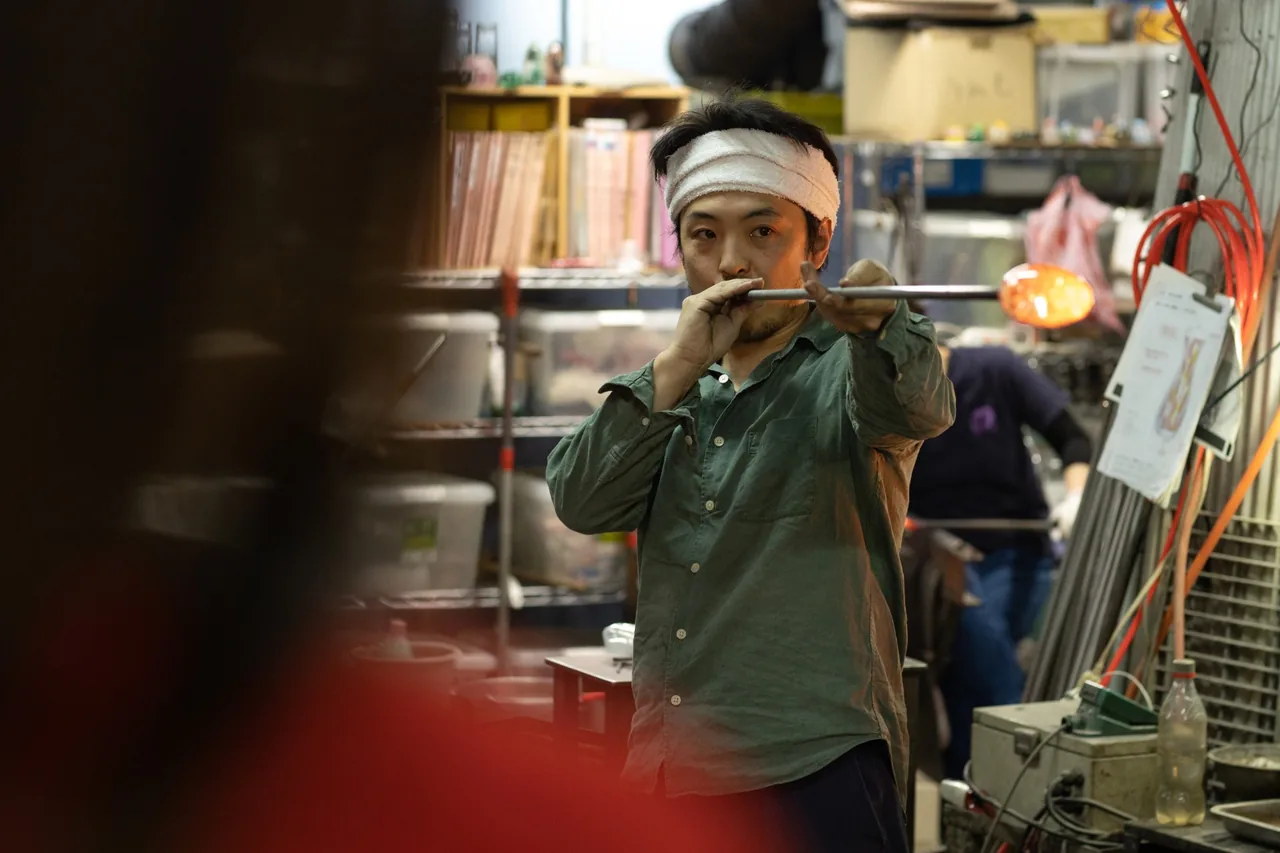
Tsugaru vidro is glassware made by Hokuyo Glass in Aomori City. The workshop originally made glass floats for fishing nets. As plastic floats spread and orders fell, it turned the free-blowing (chubuki) technique it had perfected on floats to colored glass tableware, and Tsugaru vidro was born in 1977.
In free-blowing, the glass on the end of a blowpipe is shaped by blowing and turning it in the air, without a mold. Tsugaru vidro is designated a traditional craft of Aomori Prefecture, and this workshop is the only one that makes it.
BUNACO: Bowls Built from Coiled Strips of Beech
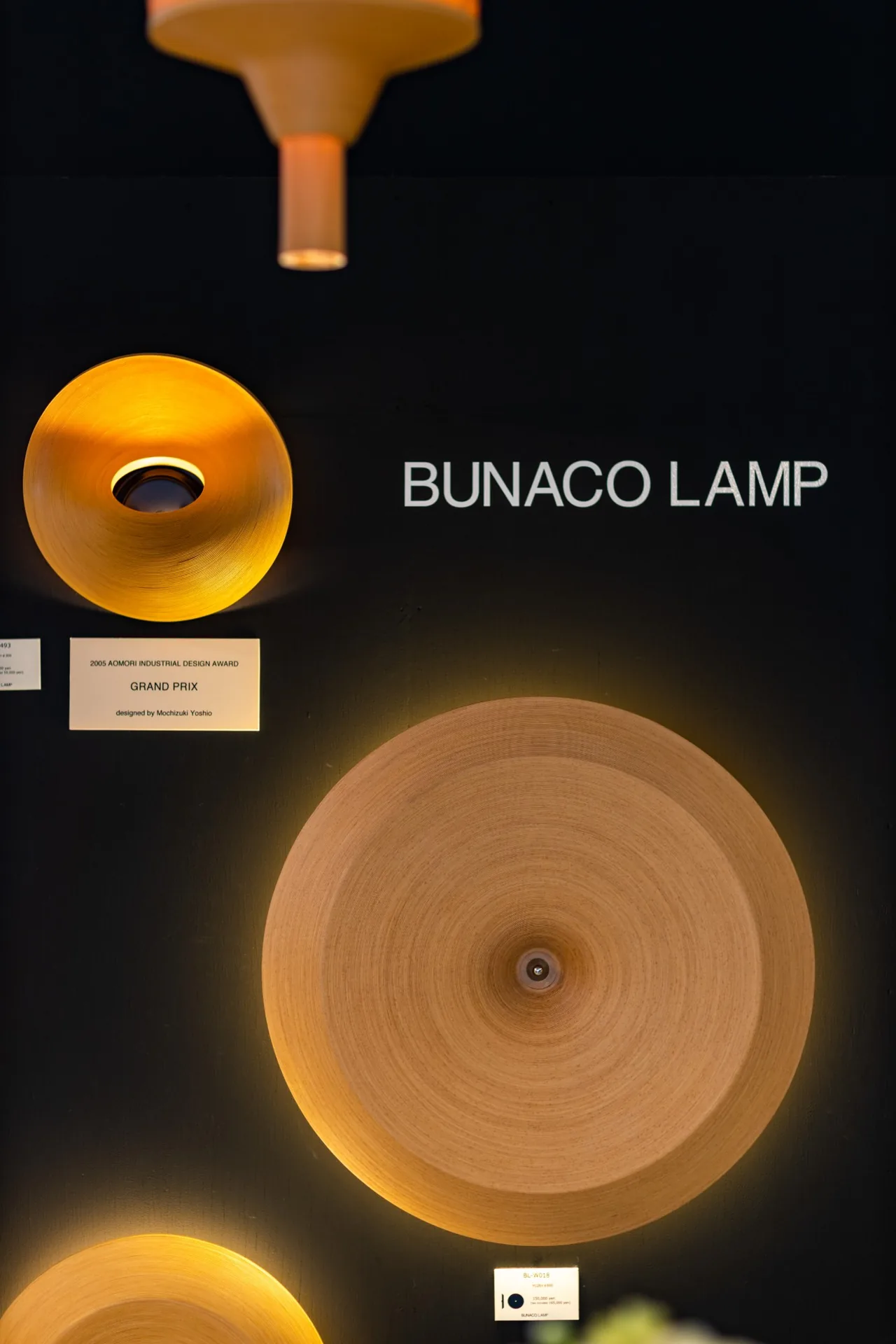
Beech holds a lot of moisture and warps easily, so it was rarely used for building. The BUNACO technique was developed at the Aomori Prefectural Industrial Research Institute in 1956 to make use of it. Beech is shaved into boards about 1 mm thick and cut into tape about 1 cm wide, which is wound into a coil and then gradually pushed out and offset to raise the shape of a bowl.
A company to make and sell BUNACO was founded in 1963, and everyday items such as bowls are now made from its base in Hirosaki. In 2017 a workshop also opened in a renovated former elementary school building in Nishimeya Village. The lines of the wound wood become the pattern of each piece.
Tsugaru Kanayama Ware: Unglazed, High-Fired Pottery
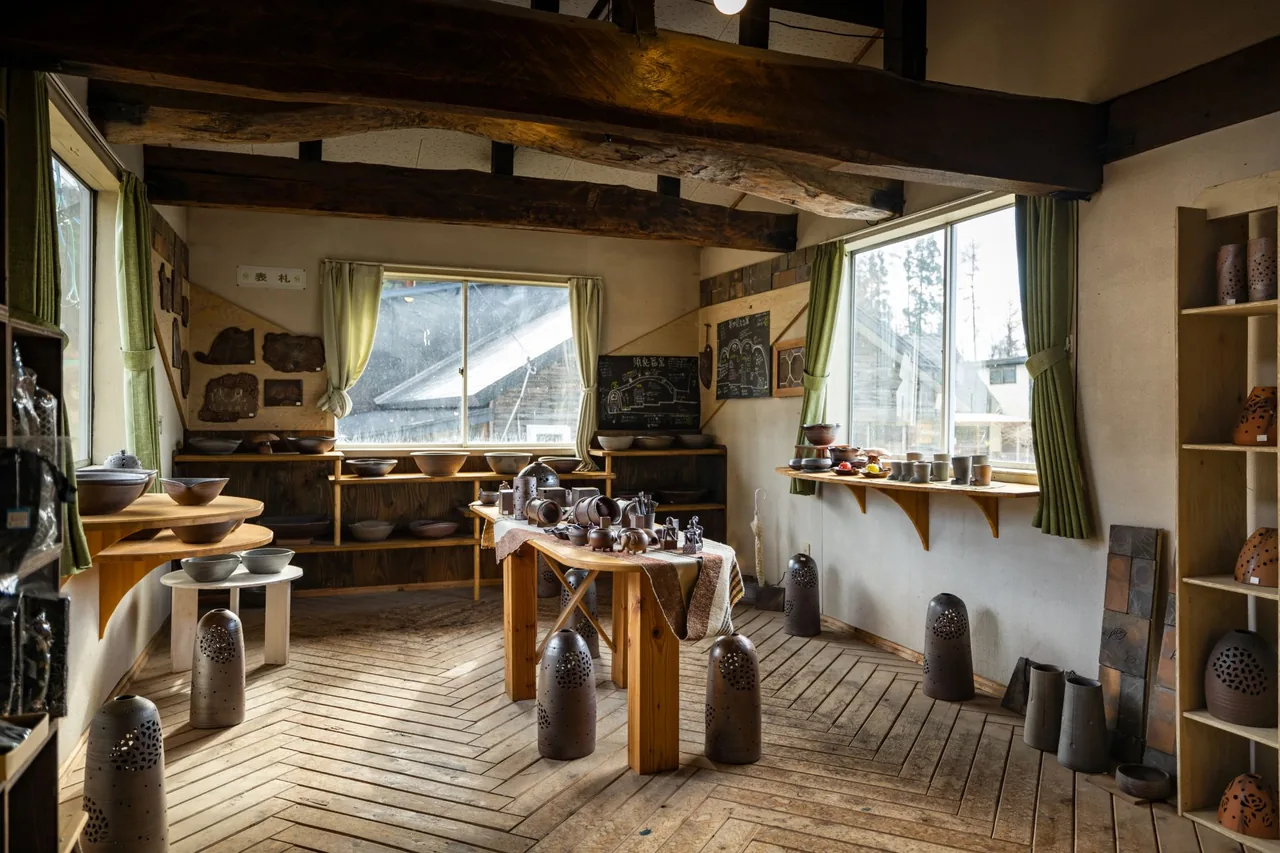
Tsugaru Kanayama ware is pottery that began in 1985 in Kanayama, Goshogawara City. It uses clay from the nearby Kanayama Otameike reservoir and is fired for a long time at high temperatures in wood-burning kilns without any glaze. With no glaze, the color of the clay and the marks of the flames become the face of each piece.
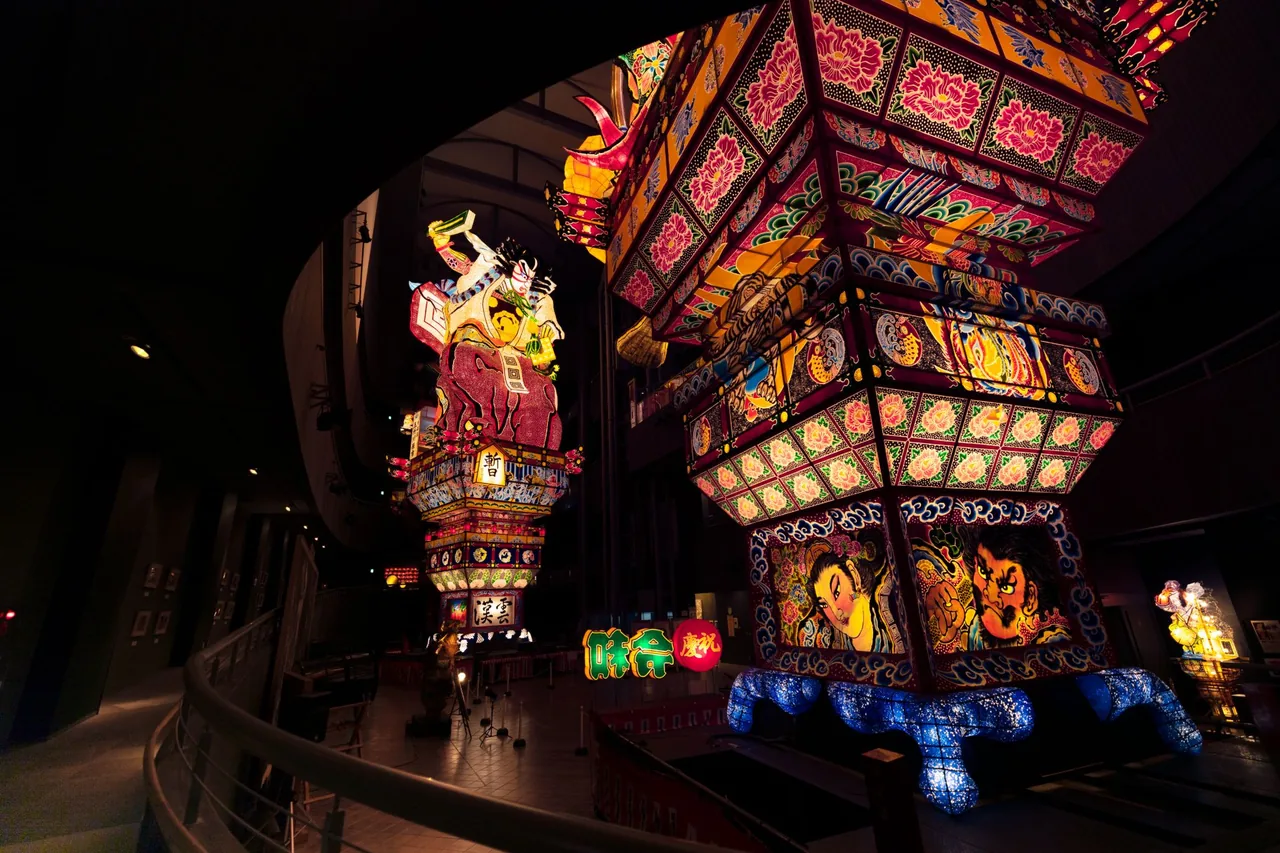
Kanayama also has a pottery studio where you can try making a piece yourself, as described on Goshogawara City's pottery experience page. Booking is required. Also in Goshogawara, in the city center, is Tachineputa Museum, which displays giant festival floats, so you can visit both.
Tsugaru Ujo Ware: A Climbing Kiln in Kuroishi
Tsugaru Ujo ware is the kiln that potter Imai Rikei opened in Toyooka, Kuroishi City. Aomori Prefecture describes it as a kiln with "the world's greatest climbing kiln." A climbing kiln links its firing chambers up a slope, and the wood fire and ash leave their marks on the pieces.
It is a private kiln, so contact it in advance before visiting.
Tsugaru Denshō Kōgeikan: Watching Workshops at Work
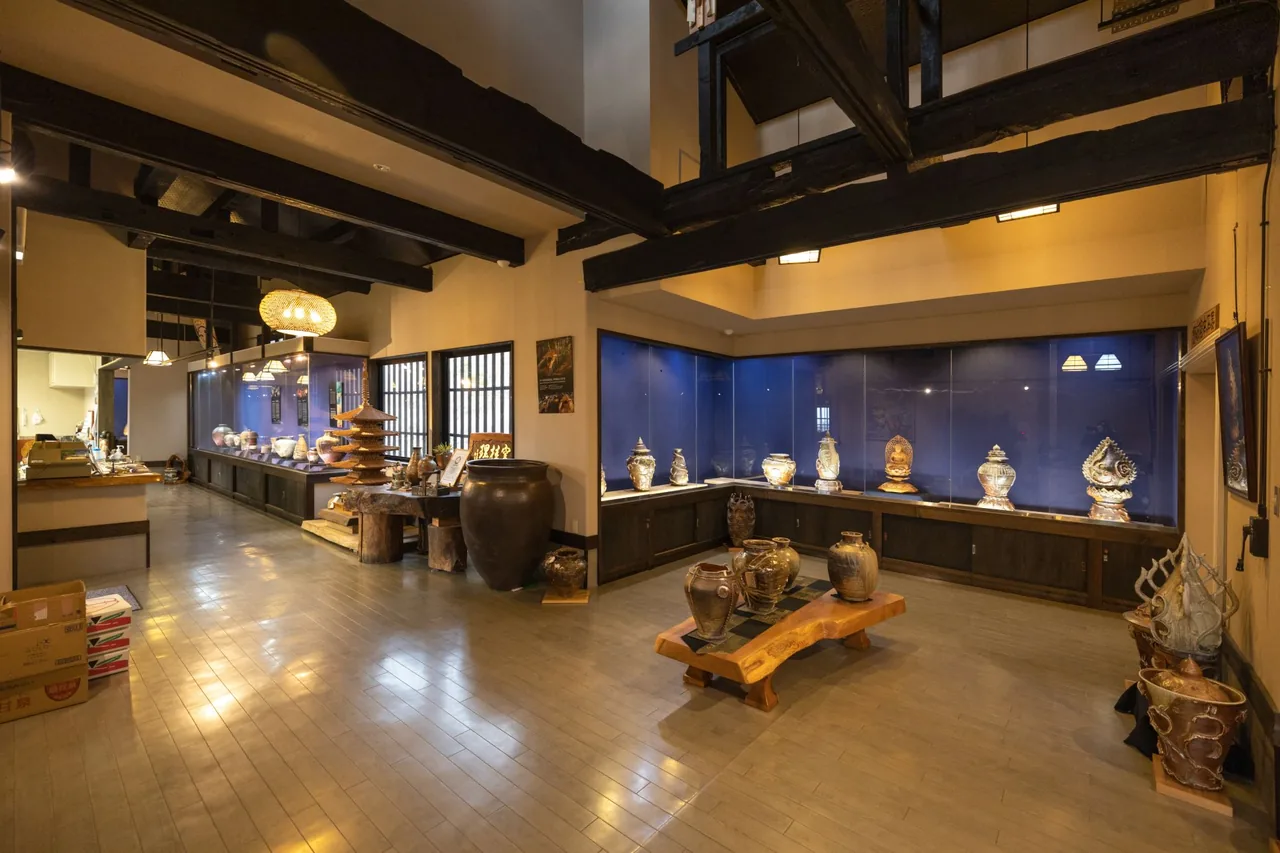
Tsugaru Denshō Kōgeikan (Tsugaru Traditional Crafts Hall) is in Kuroishi City, near the Kuroishi Onsenkyo hot spring area. Several workshops operate inside, where you can watch the craftspeople at work, and some also offer hands-on experiences. Even without time to visit several production areas, you can get close to Tsugaru handcrafts in one place.
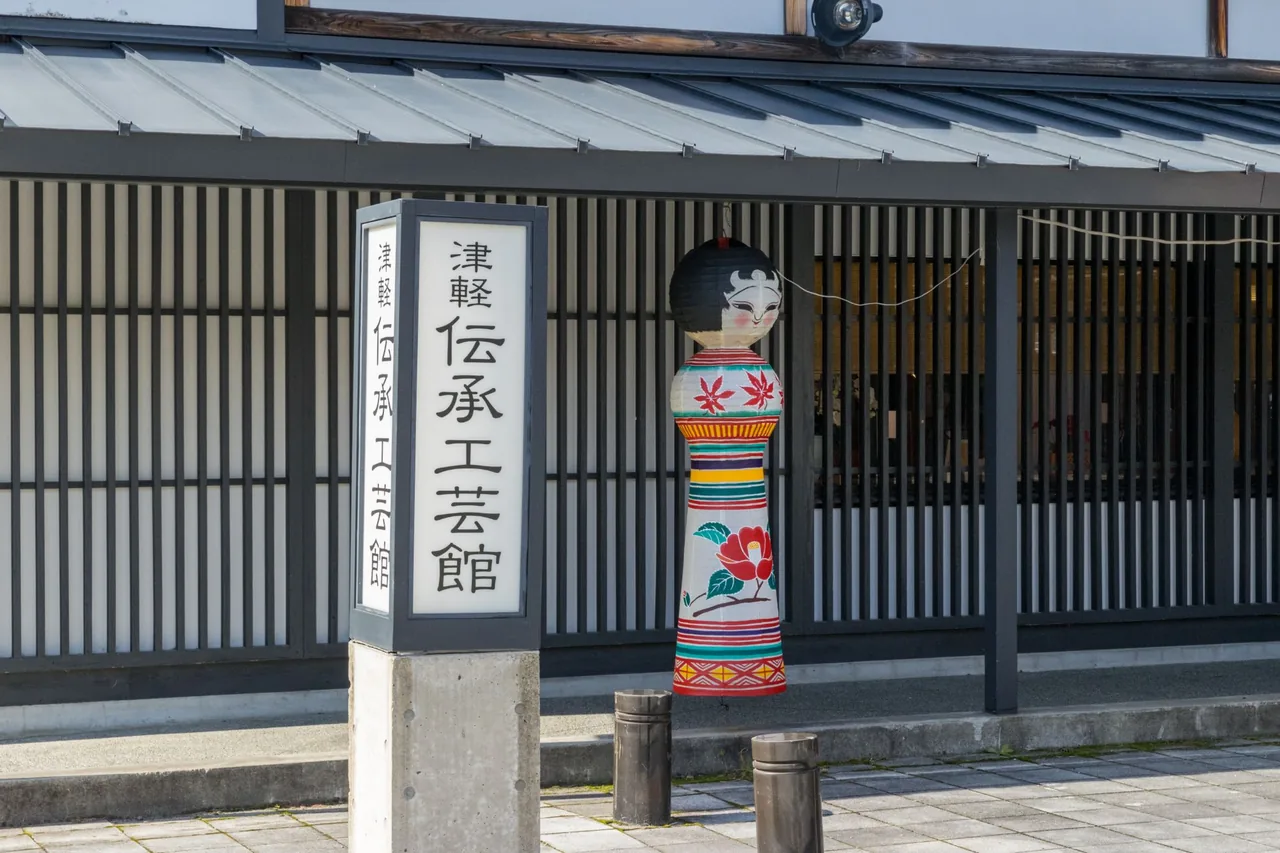
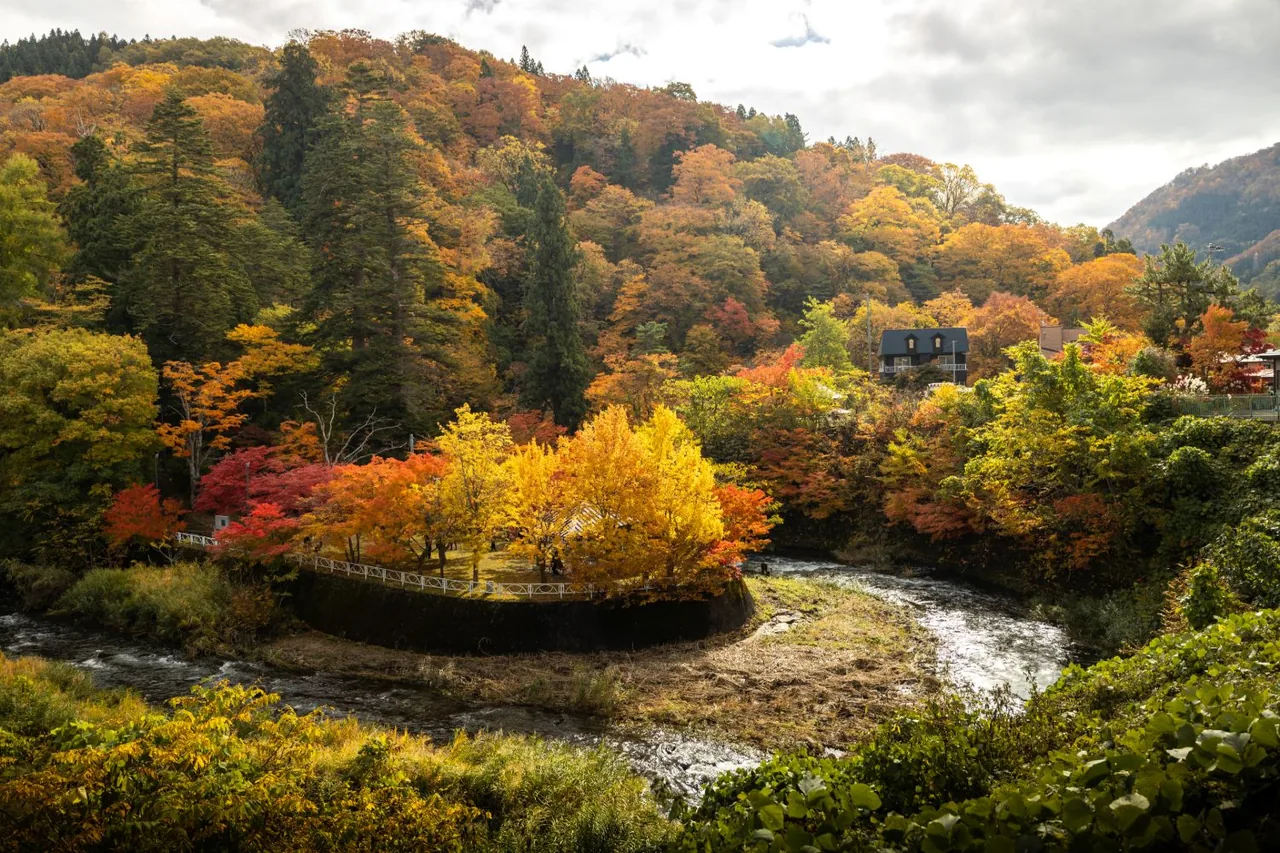
Each workshop has its own days off, so if there is one you particularly want to see working, check ahead. Konan Bus takes about 25 minutes from Kuroishi Station on the Konan Railway, or about 50 minutes from Hirosaki Station. In autumn, you can pair it with Nakano Momijiyama, a fall foliage spot also in Kuroishi City.
Tsugaru Kokeshi: Simple Dolls Born at Nuruyu Onsen
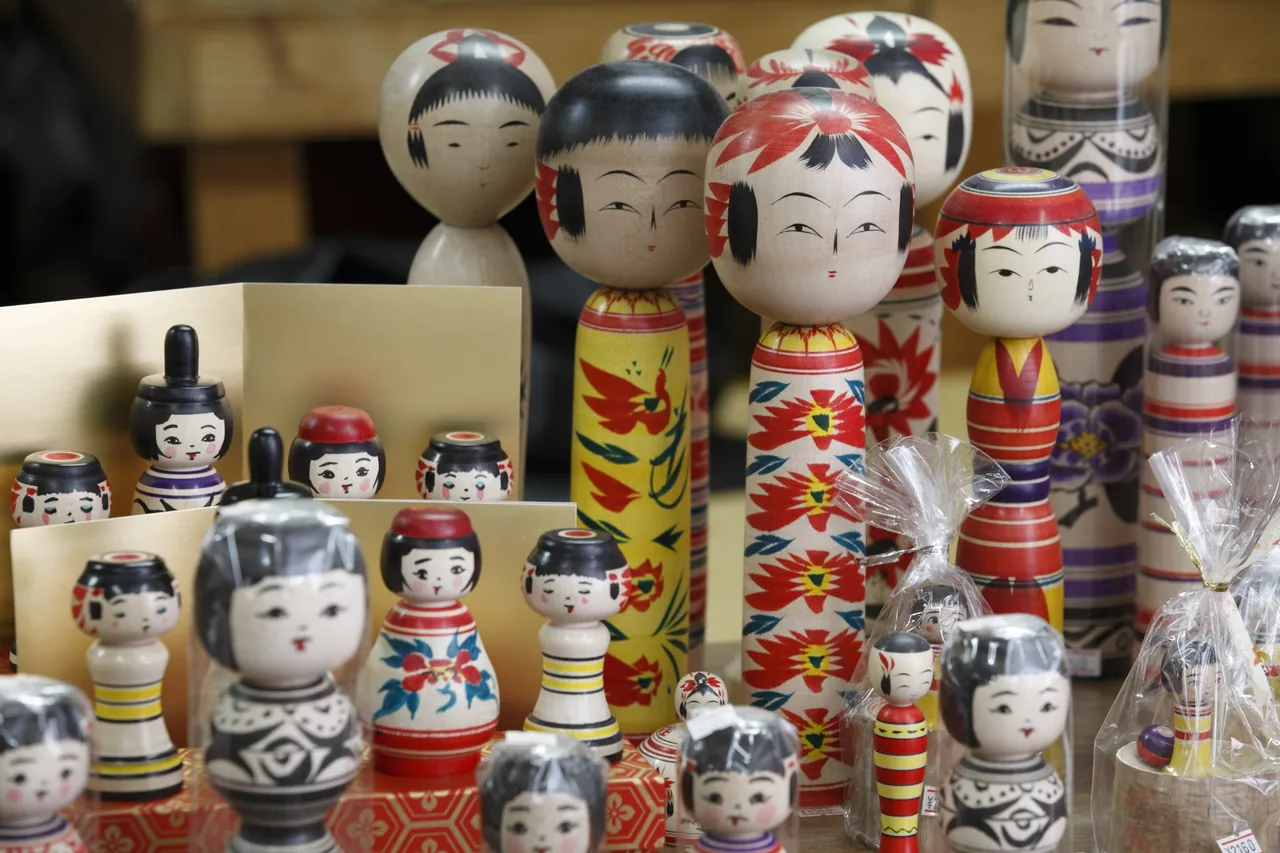
Traditional kokeshi dolls from across the Tohoku region are divided into 11 styles by where they are made. The Tsugaru style is the newest, spreading after Mori Hidetaro began making kokeshi at Nuruyu Onsen in Kuroishi City in the early Taisho era. Nuruyu is regarded as the birthplace of Tsugaru kokeshi, and Nuruyu kokeshi are designated a traditional craft of Aomori Prefecture.
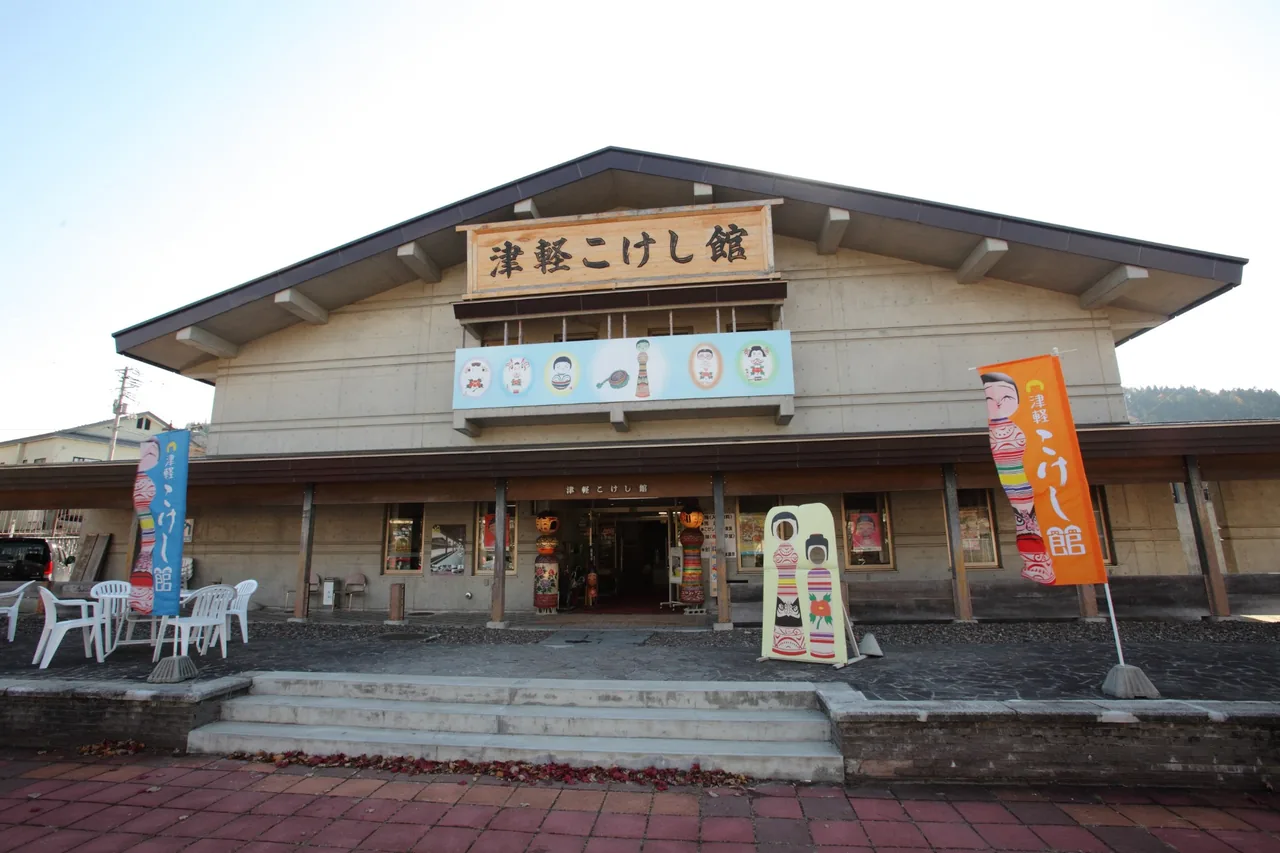
Tsugaru Kokeshi-kan in Kuroishi displays about 4,000 kokeshi gathered from Tsugaru and across Japan, along with other turned-wood toys. You may be able to watch a craftsman turning a doll, and you can try painting a face and patterns on a plain kokeshi. Booking the painting session in advance is the safest bet.
Buying and Bringing Crafts Home
- Many kilns and workshops are run by just a few people, and each keeps its own days off. Before visiting, call or check official information to make sure they're open.
- Have glass and pottery wrapped so it won't break, and carry it in your cabin baggage.
- If you don't have time to visit the production areas, souvenir shops in Aomori City and Hirosaki also carry crafts from around the prefecture.
- Aomori's official tourism site, Amazing AOMORI, also has travel information for the prefecture.