Besshi Copper Mine Guide: Tonaru, the Machu Picchu of the East
This guide is translated from the Japanese edition. Read the Japanese edition
Besshi Copper Mine heritage in Niihama, Ehime: Tonaru ruins in the mountains, the tunnel and hot spring at MINETOPIA BESSHI, the museum, bus tours and winter closures.
Head south from central Niihama into the mountains, and granite walls and brick pillars appear in tiers on the cedar-covered slopes. These are the remains of the ore storage at Tonaru, part of the Besshi Copper Mine. Niihama grew up alongside this mine, which produced copper for more than 280 years, and buildings and tunnels from the mining era remain from the mountains down to the coast. Tonaru in the mountains and Hadeba at the foot of the mountains can be reached by bus, and the museum in town is about 10 minutes by car from JR Niihama Station.
What kind of mine was the Besshi Copper Mine?
The Besshi Copper Mine was opened by Sumitomo in 1691 and mined copper until it closed in 1973. Over time the center of mining moved down the mountain: first at Kyu-Besshi deep in the mountains, then at Tonaru from 1916, and at Hadeba from 1930.
Today, the places that are easiest to visit follow this history.
- Tonaru: the remains of a mountain town where the mining headquarters stood from the Taisho era into the early Showa era
- Hadeba: home to the MINETOPIA BESSHI visitor facility, with a tunnel tour and a hot spring
- Central Niihama: the Besshi Copper Mine Museum, which tells the mine's history
Tonaru: the ruins called the "Machu Picchu of the East"
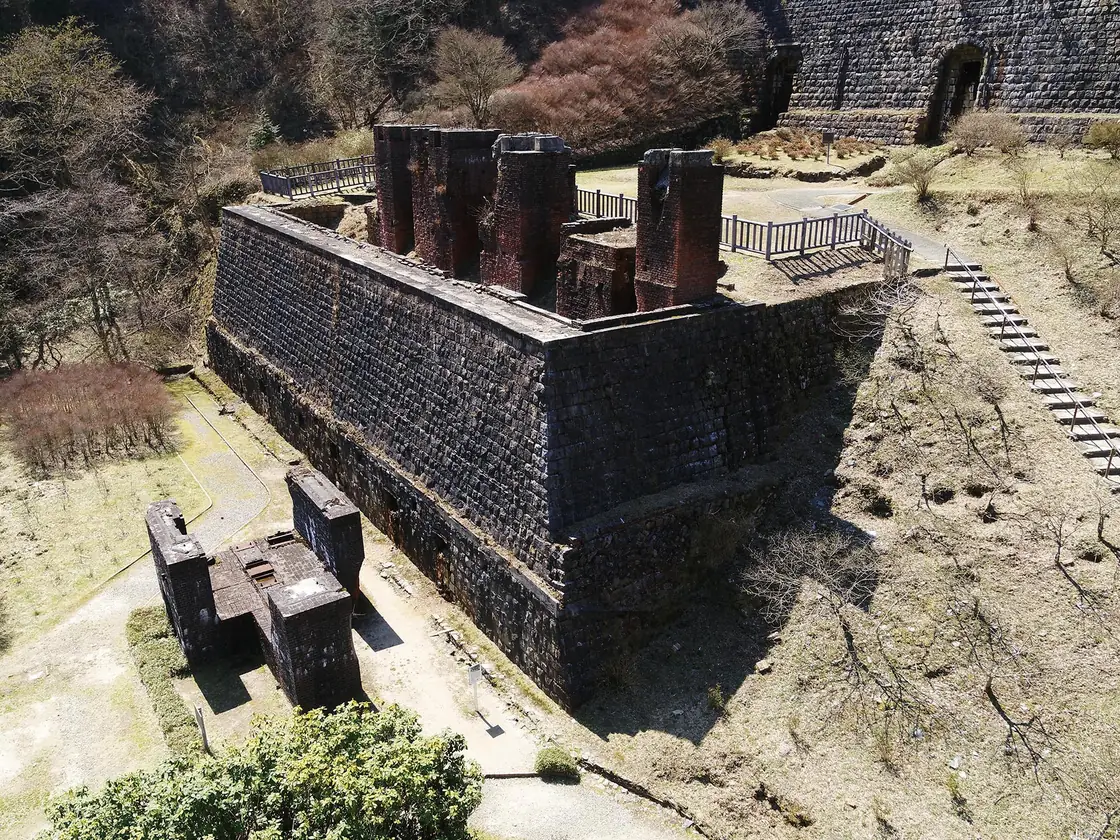
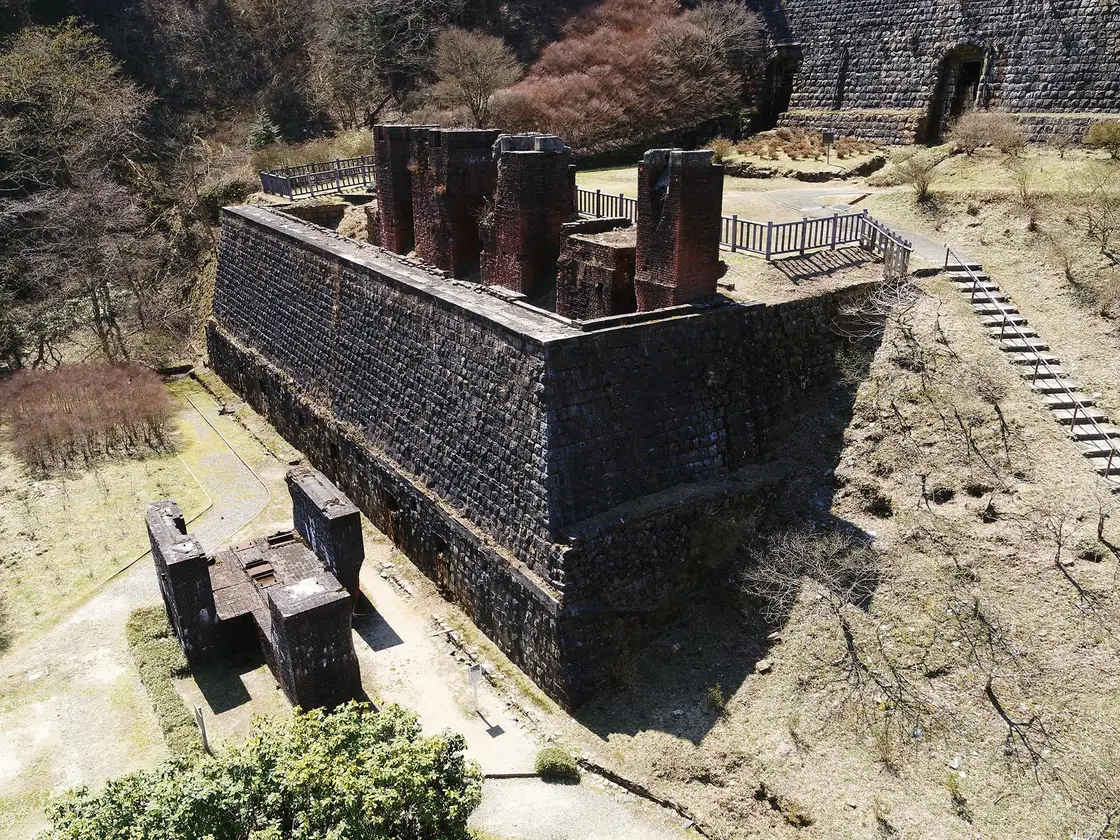
Tonaru is a group of Besshi Copper Mine ruins in the mountains at about 750 meters above sea level. The mining headquarters was here from 1916 to 1930, and until the tunnels were suspended and the area was left uninhabited in 1968, it was a mountain town where miners lived with their families. According to Niihama City, the site held a mining office, an ore-dressing plant, a ropeway base, an incline, a substation and more. Their remains are terraced along the valley slope.
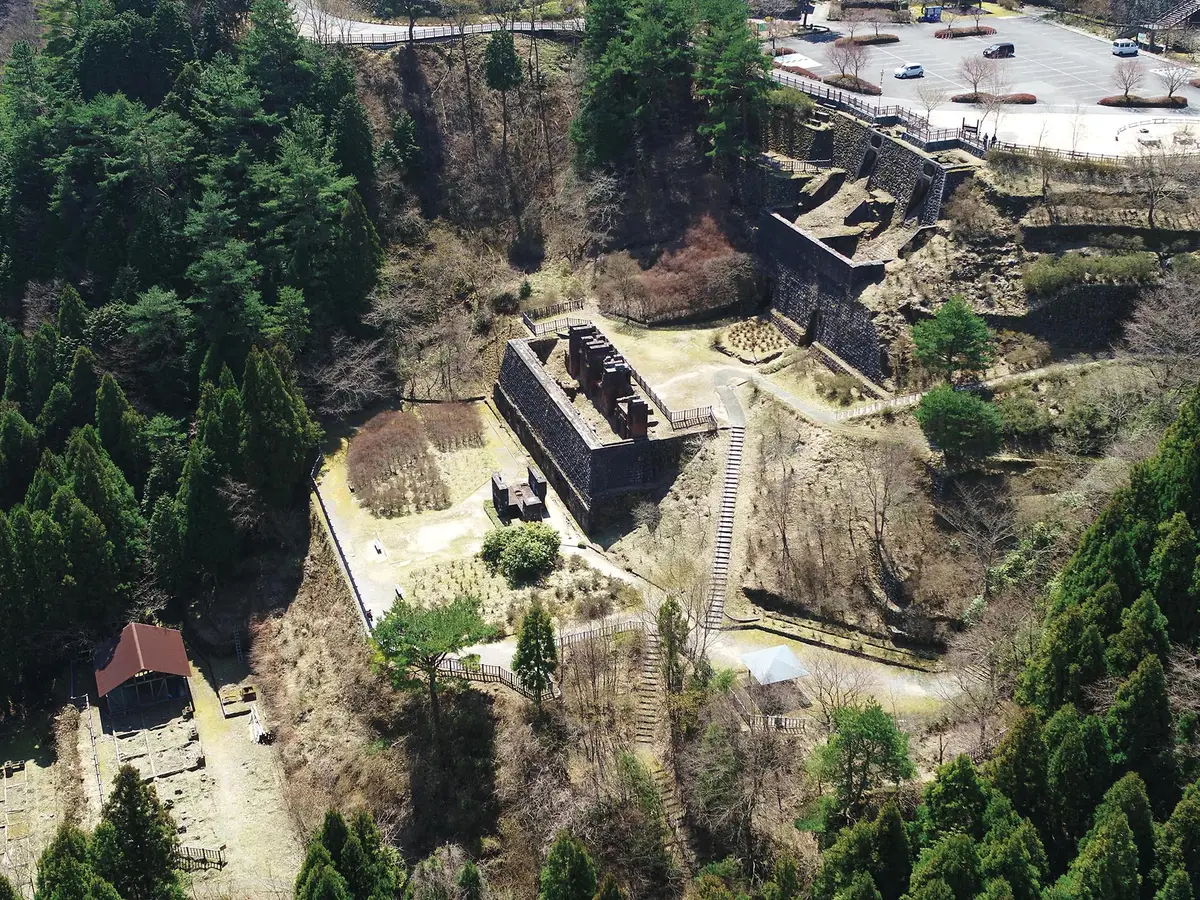
Photo: Ehime Prefectural Tourism & Local Products Association
The highlight is the granite ore storage building, built around 1905. It stood right next to the ore-dressing plant and the ropeway base, and the ore gathered here was carried to Shisaka Island out at sea. Arched openings line its stone walls, with the remains of brick pillars in front. Stone buildings rising in tiers among the mountains earned the site the name "Machu Picchu of the East."
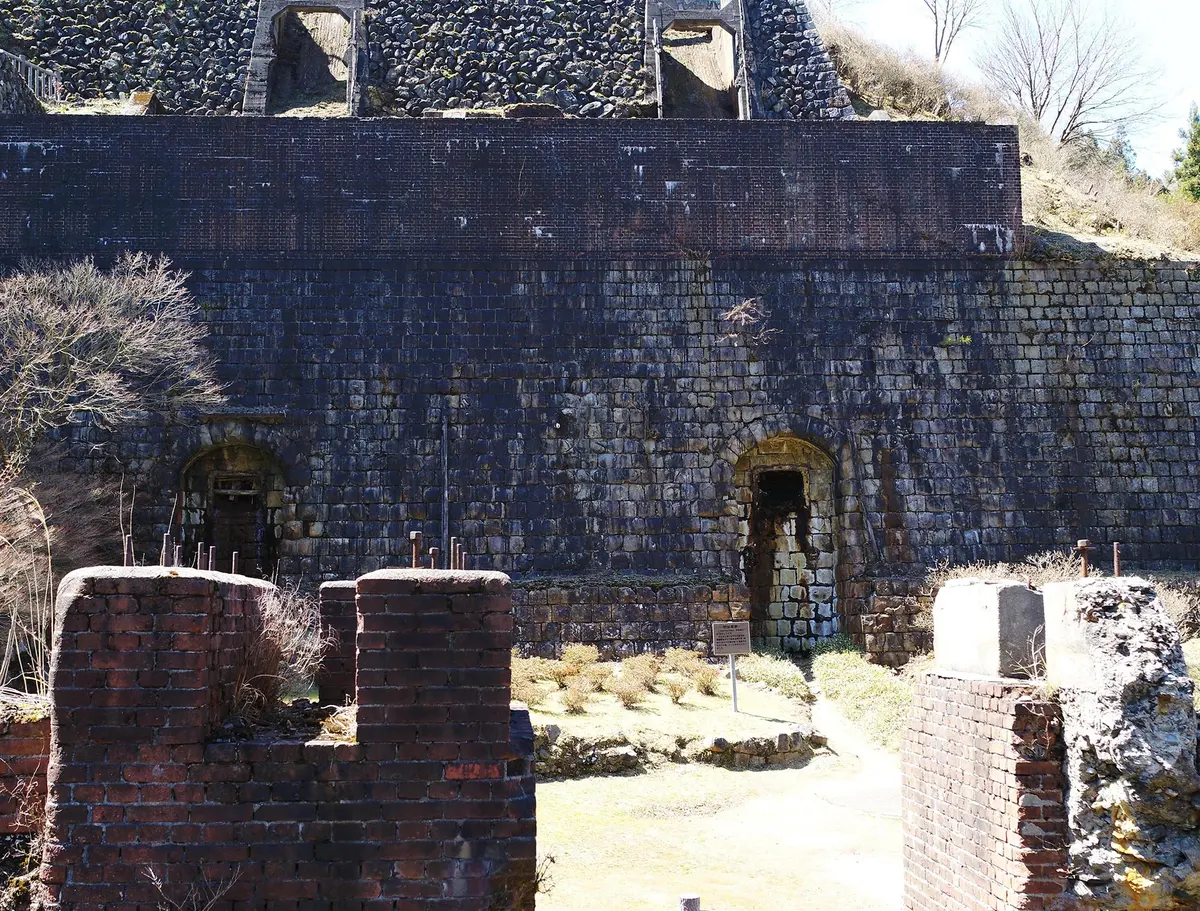
Photo: Ehime Prefectural Tourism & Local Products Association
Parts of the ruins have weathered badly, so visitors stay on the maintained paths. The Tonaru History Museum within the area uses dioramas and videos to show daily life when this was a mountain town.
Getting to Tonaru, and winter closures
No regular bus goes to Tonaru. Without a car, join the guided sightseeing bus tour that leaves from the Hadeba Area of MINETOPIA BESSHI at the foot of the mountain. A microbus takes about 30 minutes from the Hadeba parking lot up to Tonaru, you walk around the site for about 60 minutes, and the ride back takes another 30 minutes, about two hours in all. There are one or two departures a day, varying by day of the week and month, so check the MINETOPIA BESSHI website.
By car, Tonaru is about 15 km from Niihama IC on the Matsuyama Expressway. The city road up to Tonaru is narrow, with places where two cars cannot pass, and vehicles larger than a microbus are not allowed. The road is also closed when a heavy rain warning is issued.
The Tonaru Area usually closes, along with the road, from December to around the end of February, and the bus tour does not run during that time. If you visit Niihama in winter, build your day around Hadeba and the museum in town. Access information is on the Niihama City page.
MINETOPIA BESSHI (Hadeba): the mine tunnel and hot spring
The Hadeba Area of MINETOPIA BESSHI is a visitor facility built on the former mine site and is also the Michi-no-Eki MINETOPIA BESSHI roadside station. Take the Setouchi Bus bound for MINETOPIA BESSHI from JR Niihama Station; the MINETOPIA BESSHI stop at the end of the line is right outside.
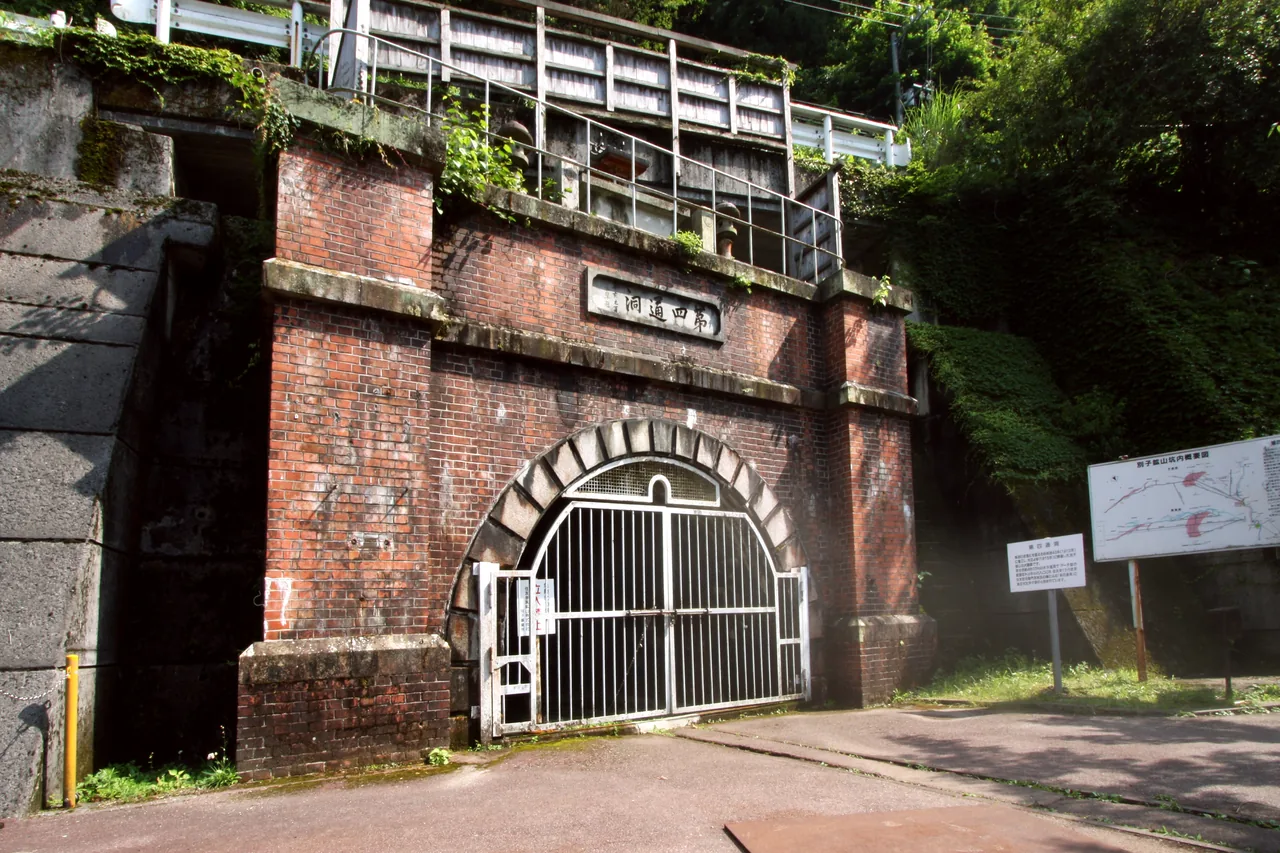
The main attraction is the mine tour: ride a small mine train to the sightseeing tunnel, then walk about 333 meters through it to see what the mine was like. The tunnel floor is flat and can be used with a wheelchair. There is also gold panning and a children's play area, Akagane Kids Park.
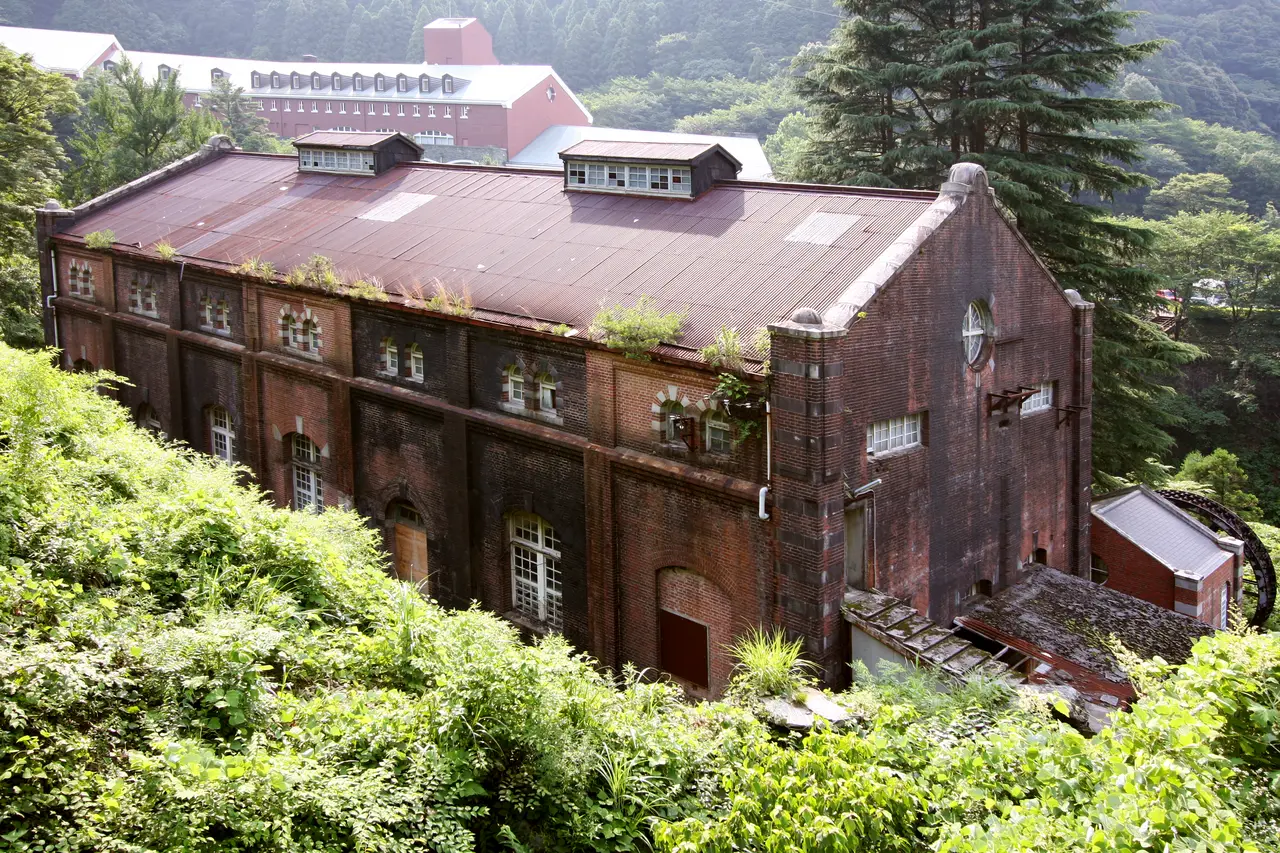
Photo: Ehime Prefectural Tourism & Local Products Association
The brick Former Hadeba Hydroelectric Power Station on the valley slope is a Registered Tangible Cultural Property of Japan. After your visit, you can relax at Besshi Onsen Tenku no Yu, the hot spring on the fourth floor of the main building. It has an open-air bath and a sauna, and you can also stop by after returning from the Tonaru tour.
The Besshi Copper Mine Museum and Kyu-Besshi
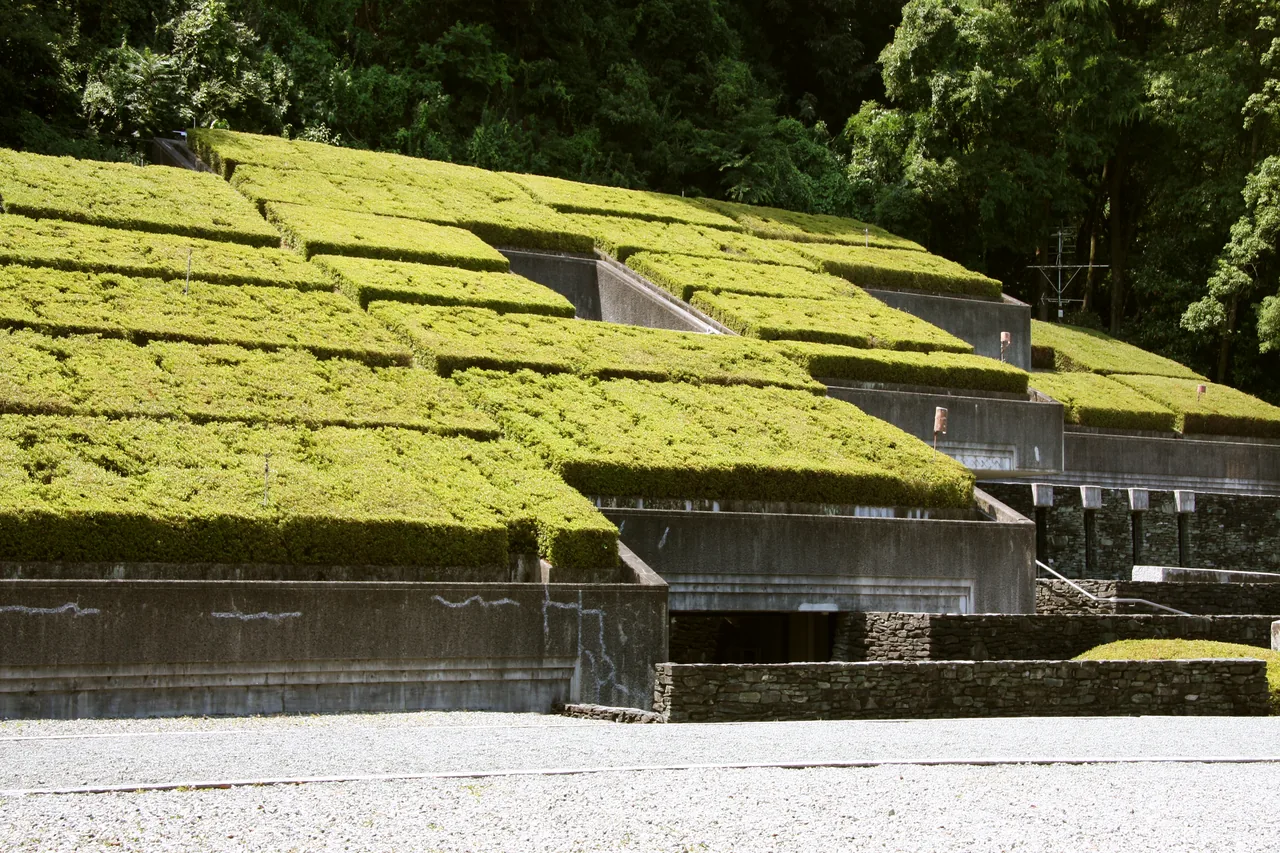
The Besshi Copper Mine Museum in Sumino-Shinden-cho, Niihama, stands in the grounds of Oyamazumi Shrine and opened in 1975. The building is partly underground, and its roof is covered with satsuki azaleas, which come into flower around late May. It is about 10 minutes by car from JR Niihama Station. Check opening days on the Sumitomo Group museum page.
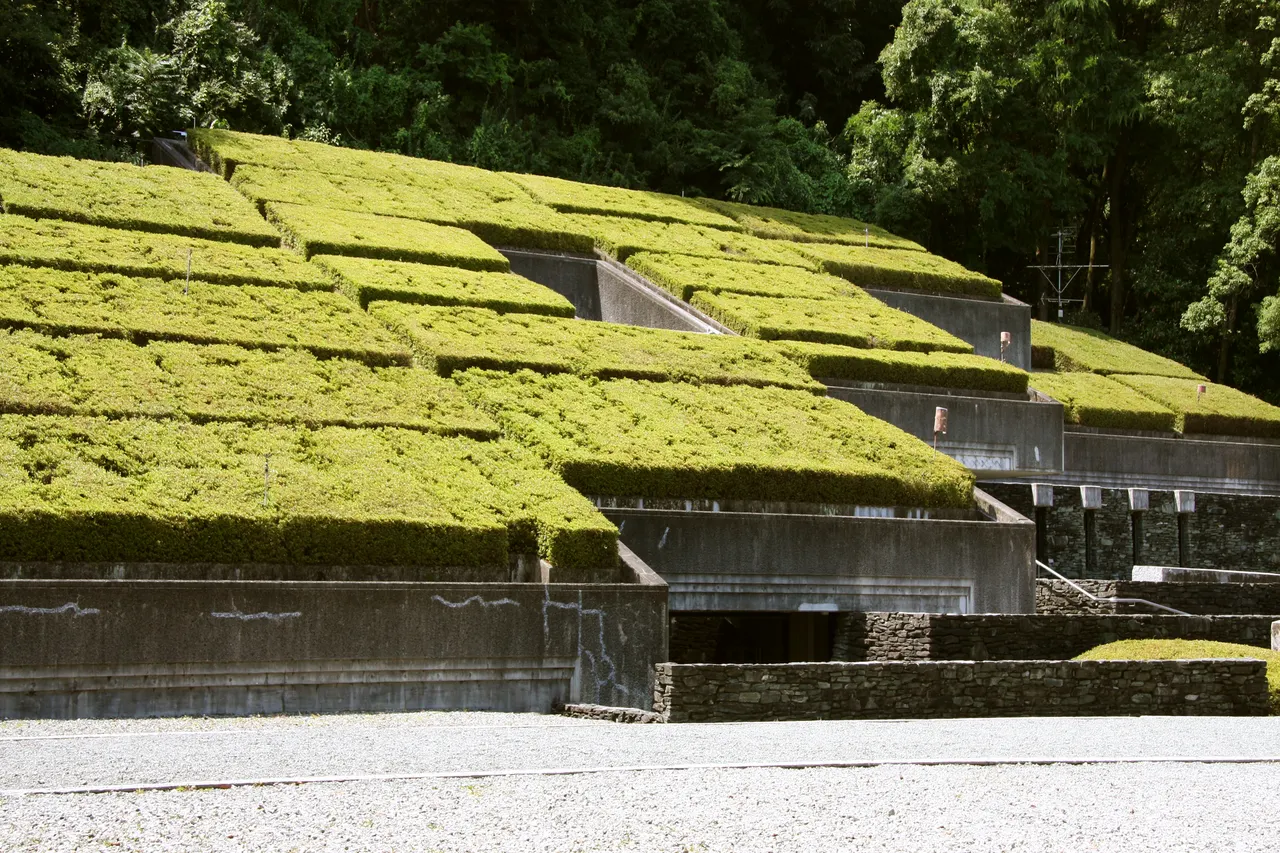
Photo: Ehime Prefectural Tourism & Local Products Association
Kyu-Besshi, the center of mining from the mine's opening until 1916, lies even deeper in the mountains. Among the trees are mine entrances set into stone walls and arched structures built of thin stacked stones. You reach it on foot along a rocky mountain path, so bring hiking boots and rain gear and go on a fine day.
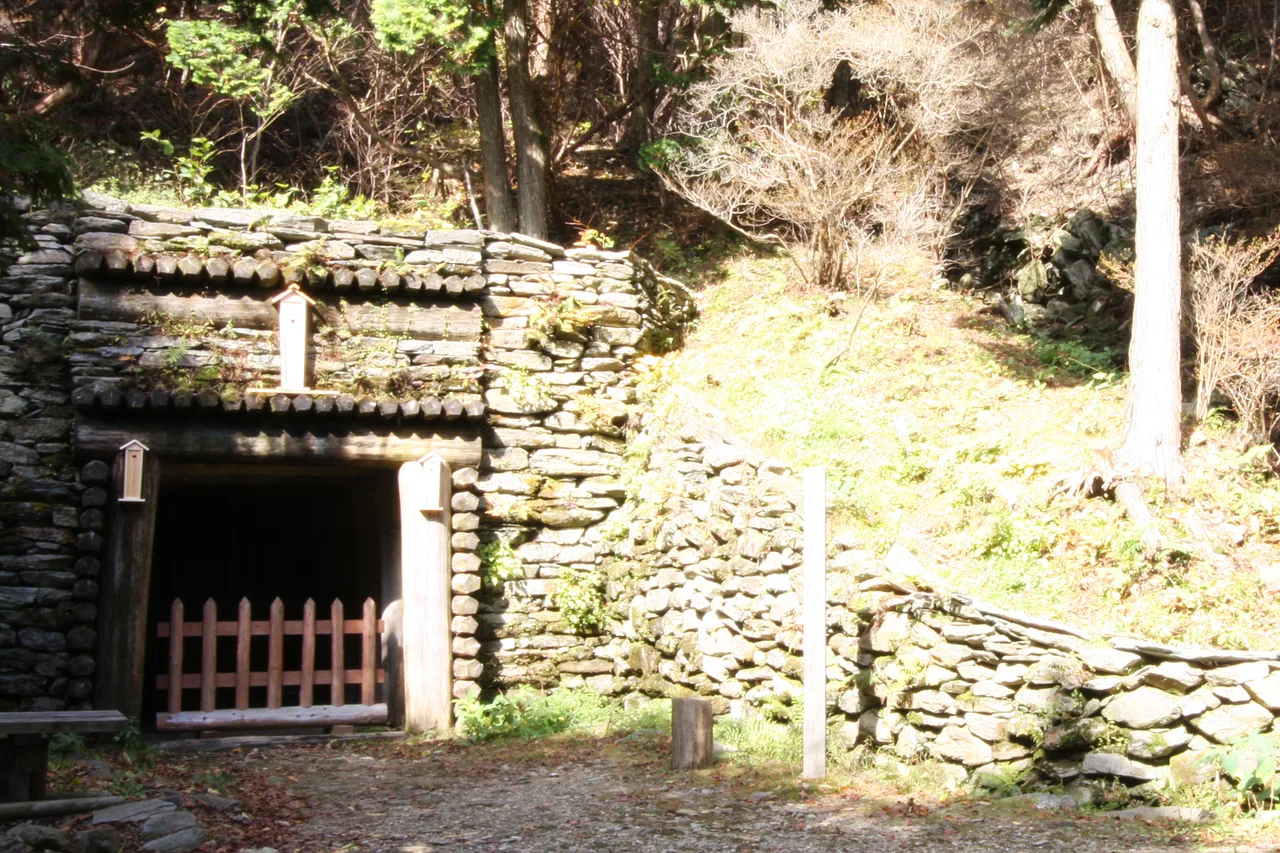
Photo: Ehime Prefectural Tourism & Local Products Association
Add the Ehime Prefectural Science Museum
An easy addition to a day of mine heritage is the Ehime Prefectural Science Museum in Niihama. Its permanent exhibitions are divided into the Nature, Science and Technology, and Industry halls. The Nature Hall on the fourth floor moves step by step from space to the Earth and then to Ehime. Moving dinosaur models stand in rows, and there is a Kids Dino Corner for children.
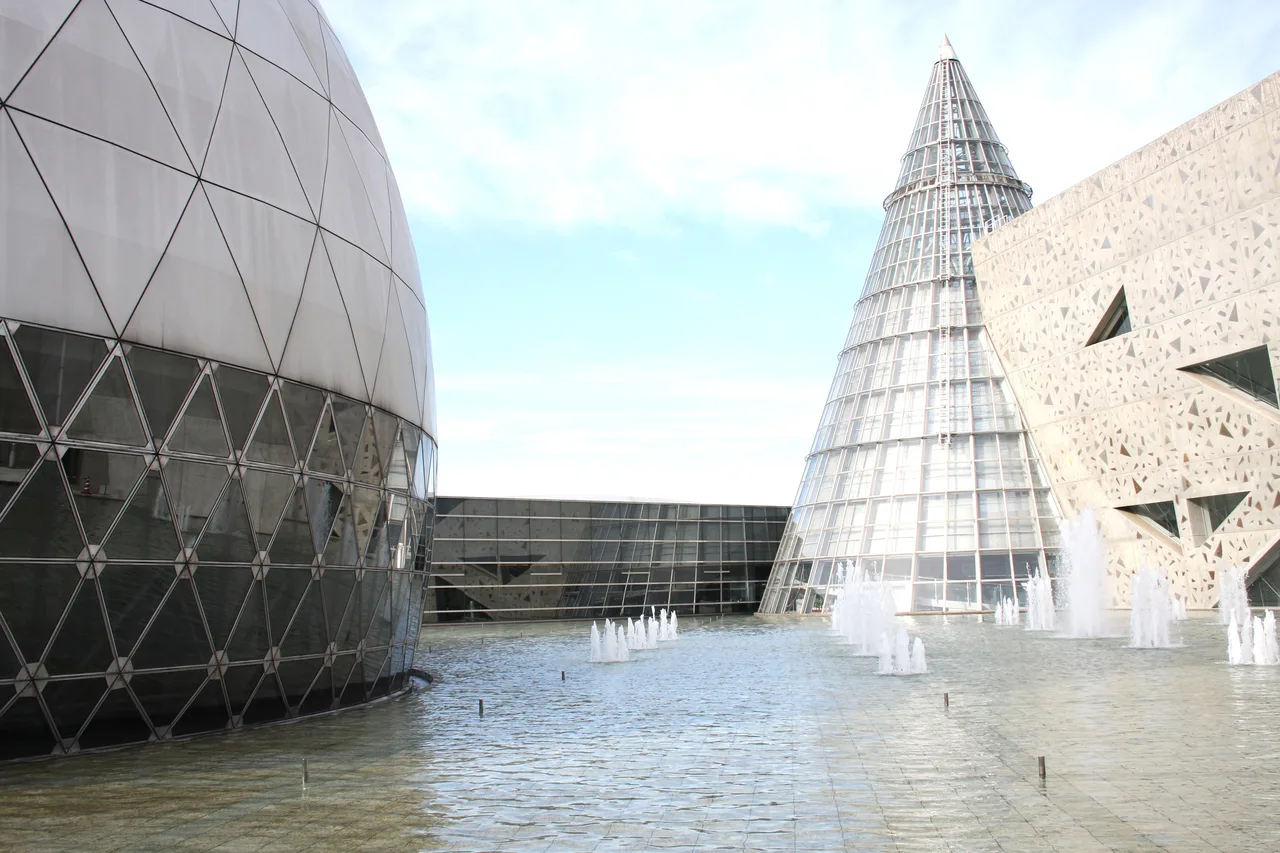
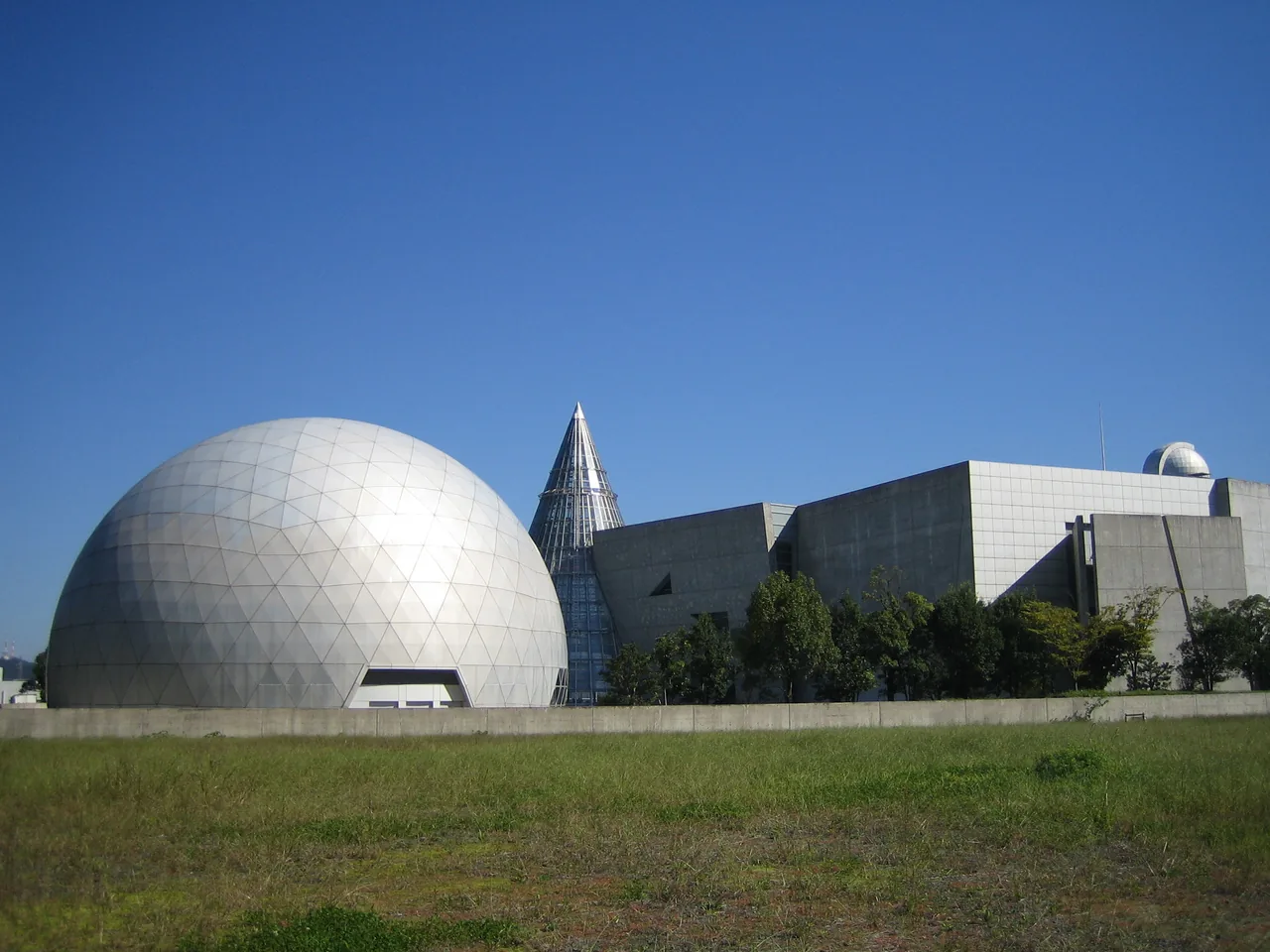
Photo: Ehime Prefectural Tourism & Local Products Association
The building was designed by Kisho Kurokawa Architect & Associates, and the spherical planetarium and conical entrance hall stand out from outside. The bus that passed the museum was discontinued on October 1, 2024. Today, take the Setouchi Bus Saijo–Sumitomo Byoin-mae line, get off at Sakuragi or Uzuibashi, and walk about 30 minutes.
Spending a day in Niihama
You can get from JR Niihama Station to MINETOPIA BESSHI by regular bus, and from there up to Tonaru on the sightseeing bus tour. For the order of connections and time estimates, see the itinerary "Niihama and Besshi Copper Mine Half-Day Itinerary." The science museum is about a 30-minute walk from the nearest bus stop, so it fits more easily into another day. Before you go, check the latest tour times and winter closure on the Tonaru Area page of MINETOPIA BESSHI.