
Fukuoka Traditional Crafts: Hakata Ori, Kurume Kasuri and More
This guide is translated from the Japanese edition. Read the Japanese edition
Fukuoka traditional crafts and where to see them: Hakata ori silk, indigo Kurume kasuri, Yame lanterns, Koishiwara and Agano pottery, and Okawa kumiko woodwork.
Fukuoka Prefecture keeps handcrafts that grew up in each corner of the region, from a textile that dates back to the Kamakura period to pottery born in Edo-period domain kilns and the woodwork of a furniture town. Some you can see right in central Hakata; others you meet by heading out to production areas in the Chikugo region or the hills of Asakura. From Hakata ori to Okawa kumiko, the six crafts that represent Fukuoka follow in turn, each with places where you can watch the makers at work and pick up their bowls and accessories.
Hakata Ori: the Silk Weave Famous for Its Kenjo Pattern
Hakata ori is said to have begun when Mitsuta Yasaemon, a Hakata merchant, brought back weaving techniques he had learned in Song China in the Kamakura period, and it has been made ever since. Many warp threads are used and the weft is beaten in hard, producing a thick, firm fabric.
Its best-known pattern is kenjo ("presented"), which combines stripes with motifs shaped like the Buddhist ritual tools tokko (vajra) and hanazara (flower dish). The name comes from the Edo period, when the Kuroda lords of the Fukuoka domain presented Hakata ori sashes to the shogunate. It was designated a national Traditional Craft in 1976.
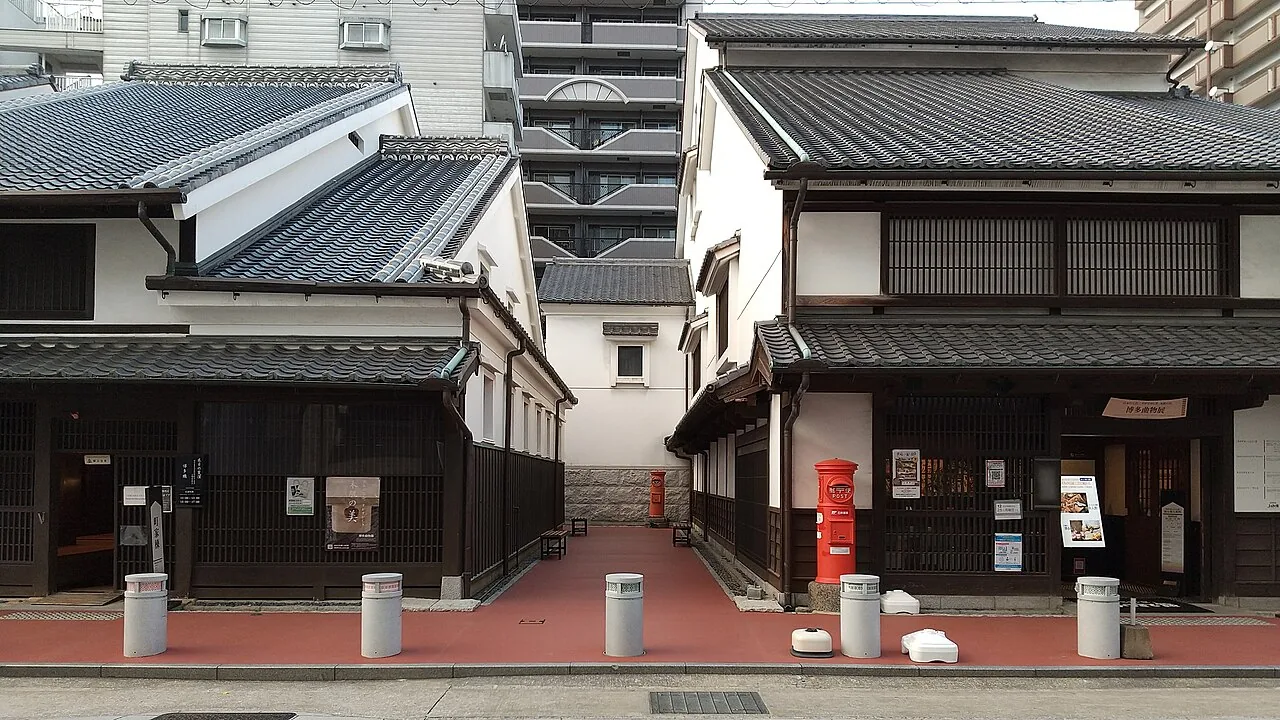
Today it is made not only into obi sashes and kimono but also into small items that are easy for travelers to take home, such as ties, business card holders and coin purses. Hakata Machiya Folk Museum, near Kushida Shrine, introduces Hakata's daily life and traditional crafts.
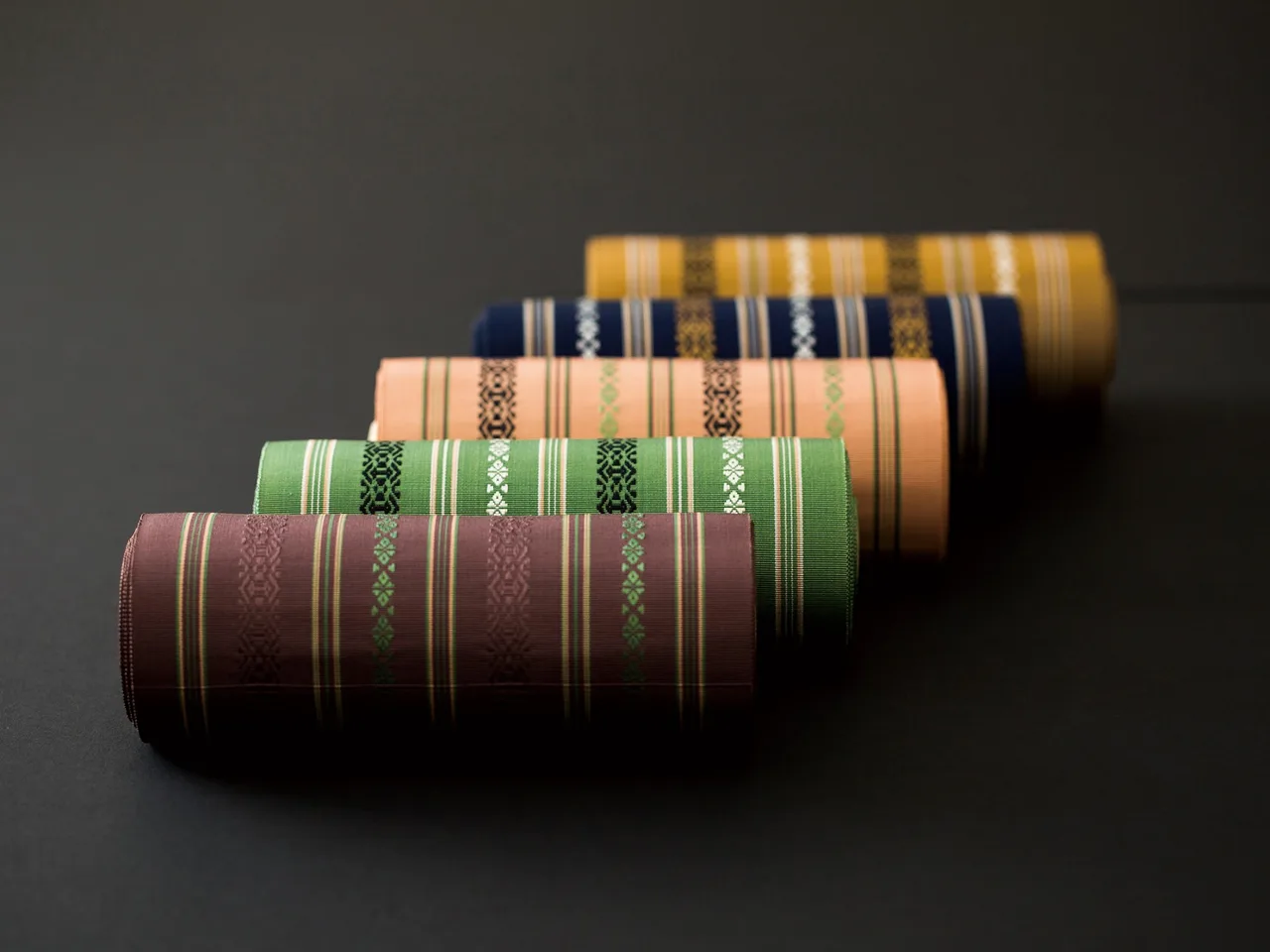
Photo: ©Fukuoka Prefecture Tourism Association
Kurume Kasuri: Blurred Patterns Drawn by Indigo-Dyed Thread
Kurume kasuri is a cotton ikat woven in the Chikugo region. Before weaving, sections of the thread are tied off and dyed in indigo, and the patterns emerge as the thread is woven, so their outlines look slightly blurred. It is said to have been devised at the end of the Edo period by Inoue Den, a girl from Kurume.
The technique of hand dyeing in indigo and hand weaving is a national Important Intangible Cultural Property, and Kurume kasuri is also a national Traditional Craft. Kurume City has a museum displaying its history and tools, and some weavers in Chikugo City and Hirokawa Town accept visitors to watch or try indigo dyeing. Workshops often require a reservation, so contact them in advance.
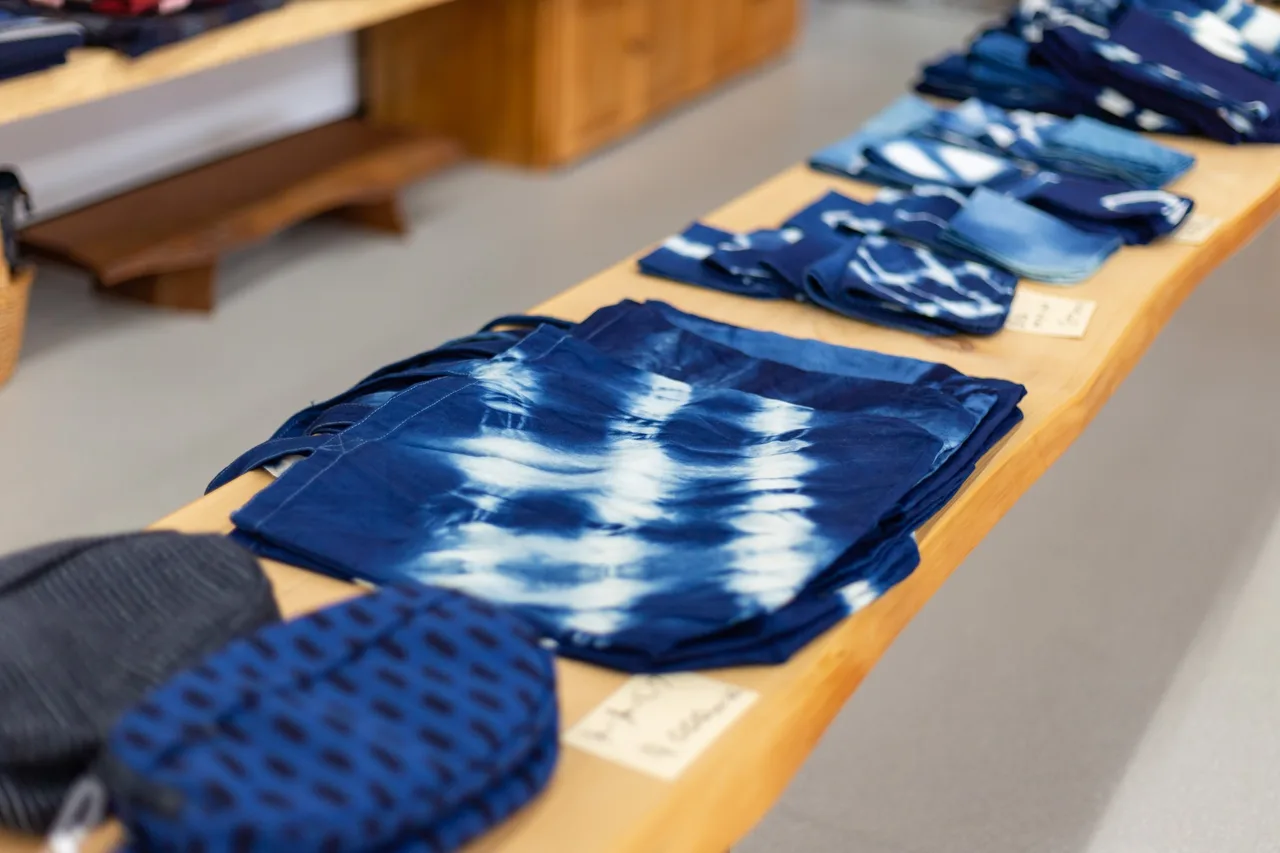
Photo: ©Fukuoka Prefecture Tourism Association
Yame Lanterns: Bamboo, Washi Paper and Painting
Yame lanterns, said to have first been made in the late Edo period, come from Yame City and are a national Traditional Craft. Thin strips of bamboo are wound into a single spiral to form the frame, washi paper is pasted on by hand, and flowers and landscapes are painted directly onto the surface. Yame is known for bon lanterns displayed during the Obon festival, and lately lights for the home are made as well.
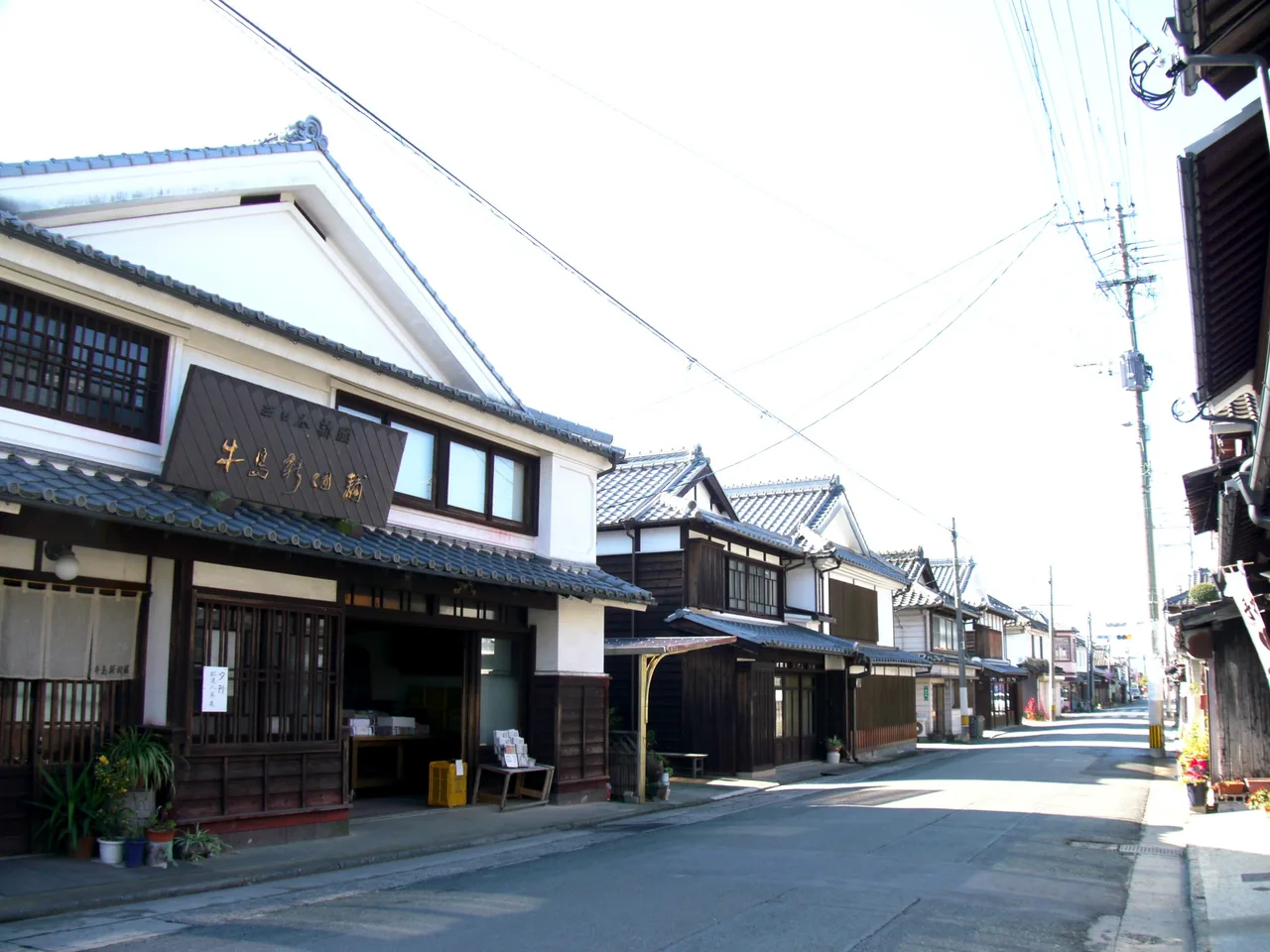
The Yame Traditional Crafts Center near the Yame Fukushima White-Walled Townscape displays Yame's crafts, including lanterns, Buddhist altars and handmade washi paper. You can stop by on a walk through the old town.
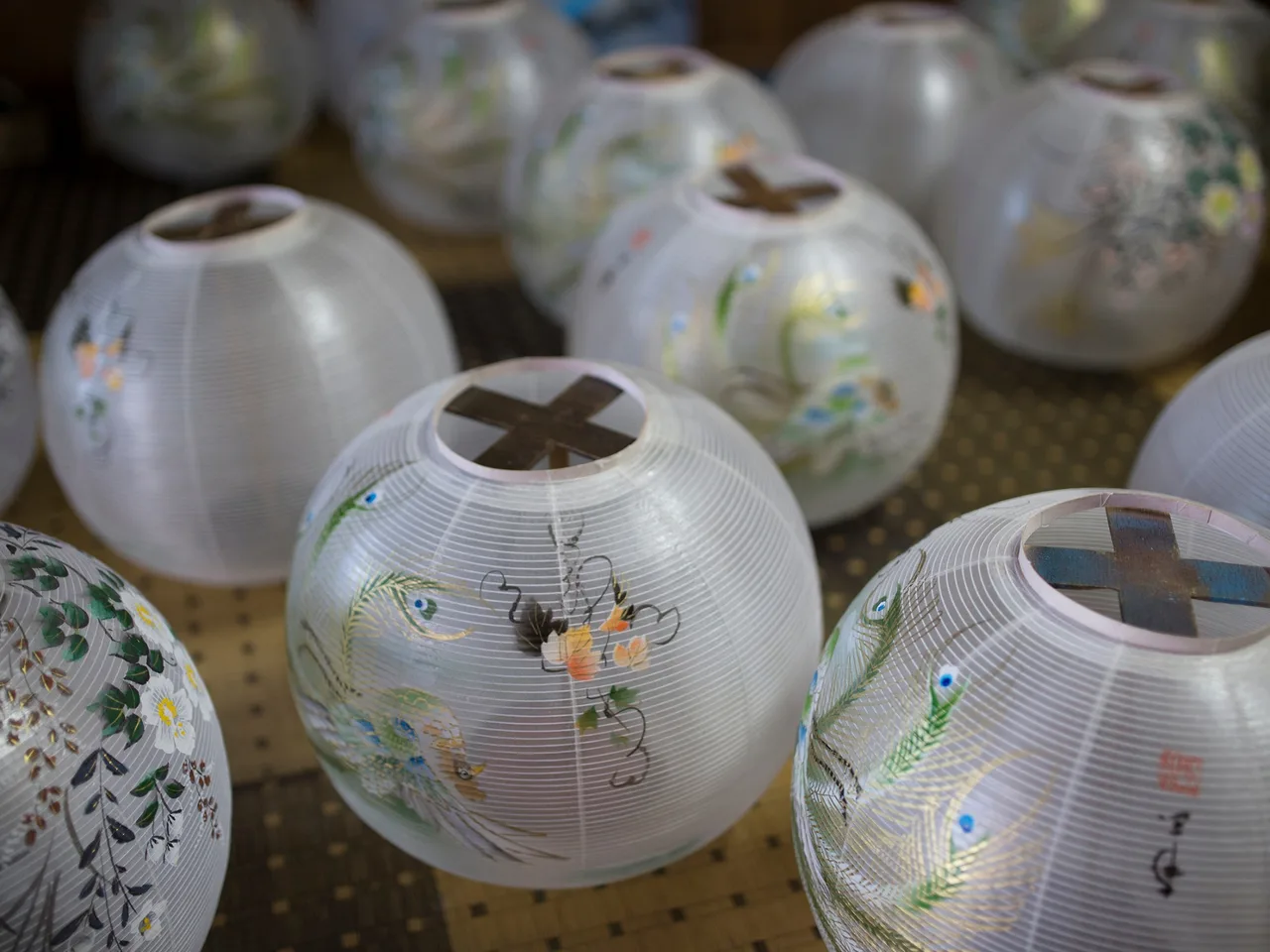
Photo: ©Fukuoka Prefecture Tourism Association
Koishiwara Pottery: Tobikanna and Hakeme Ware
Koishiwara ware is pottery fired in Koishiwara, Toho Village. It traces back to 1682, when Kuroda Mitsuyuki, the third lord of the Fukuoka domain, invited potters from Imari to start making ceramics; mixing with the nearby Takatori ware, it grew into a center of everyday tableware.
Its hallmarks are tobikanna, fine notches cut into the surface with a blade as the piece turns on the wheel, and hakeme, patterns made with a brush. Kilns are scattered around the mountain village, and the Koishiwara Pottery Traditional Industry Hall displays its history and techniques along with work from the kilns. Each spring and autumn, the whole village holds a pottery fair, the Mintou Mura Matsuri.
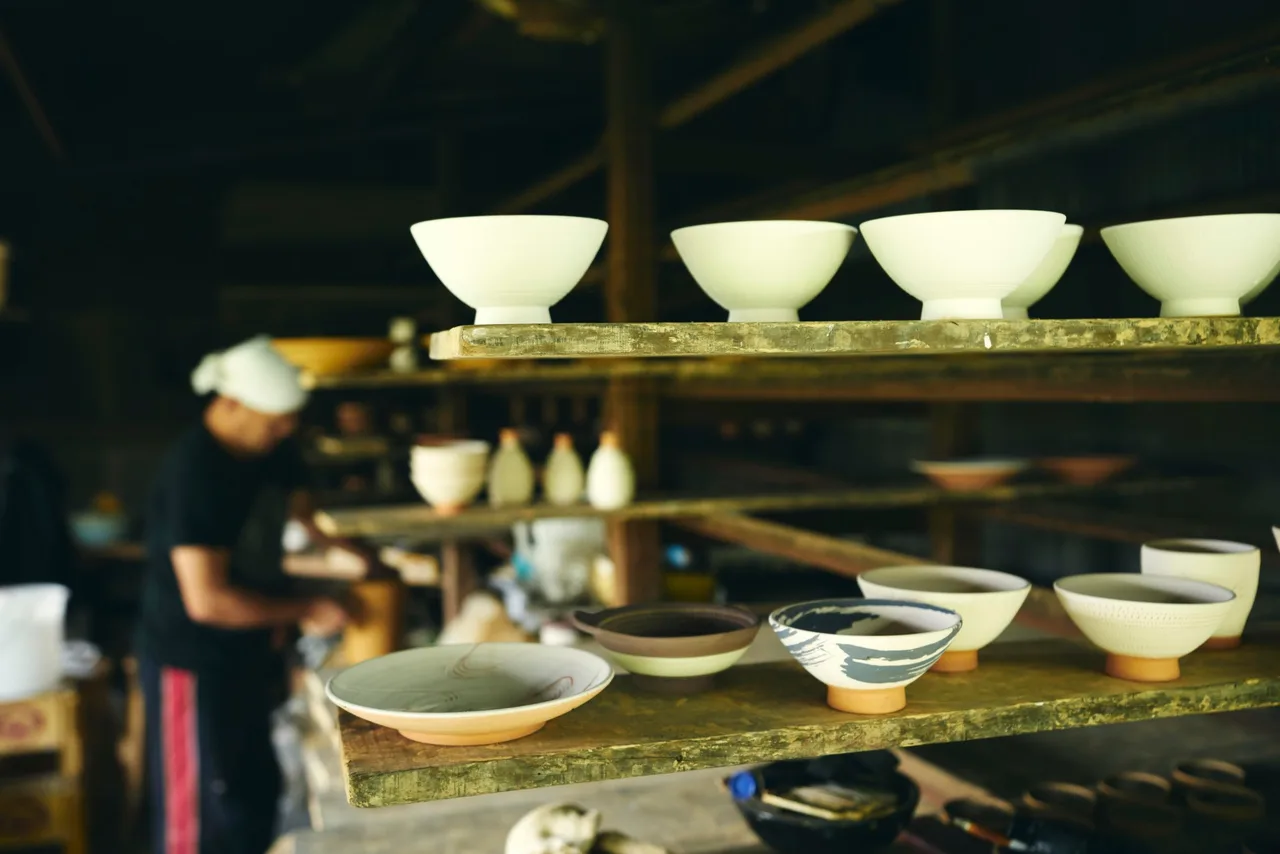
Photo: ©Fukuoka Prefecture Tourism Association
Agano Pottery: Thin Ware Born from the Tea Ceremony
Agano ware is pottery fired in Agano, Fukuchi Town. It is said to have begun in 1602, when Hosokawa Tadaoki, lord of Kokura, invited the Korean potter Sonkai to open a kiln, and it developed as the domain kiln that made utensils for the tea ceremony. Its pieces are thin and light, with a wide range of glaze colors, and it is a national Traditional Craft.
The Agano Pottery Hall in Fukuchi gathers work from the local kilns, and every autumn the kilns hold a kiln-opening event (kamabiraki) to show their new pieces. It is hard to reach by public transport, so getting around by car is easiest.
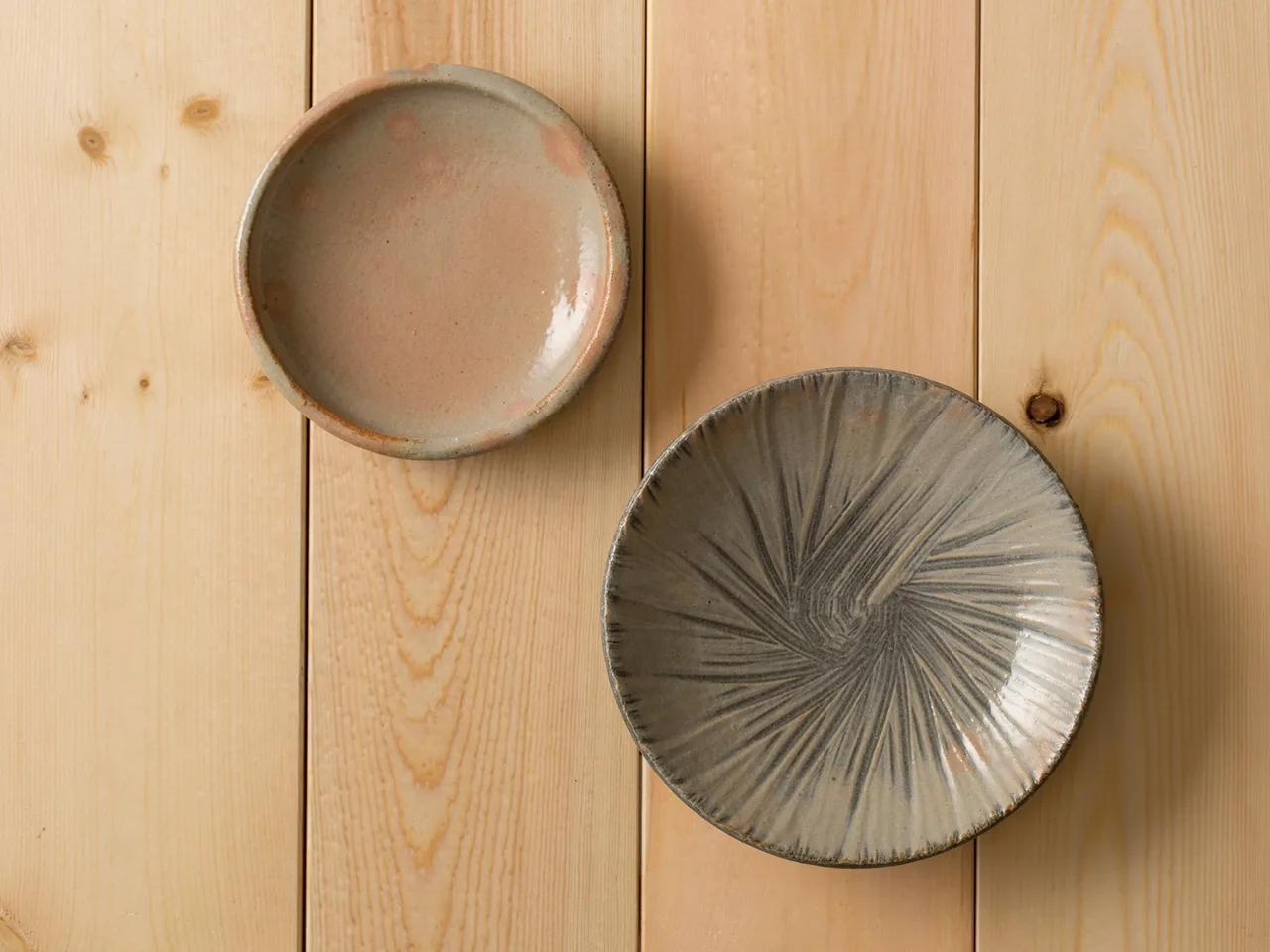
Photo: ©Fukuoka Prefecture Tourism Association
Okawa Kumiko: Geometric Patterns Made by Fitting Wood Together
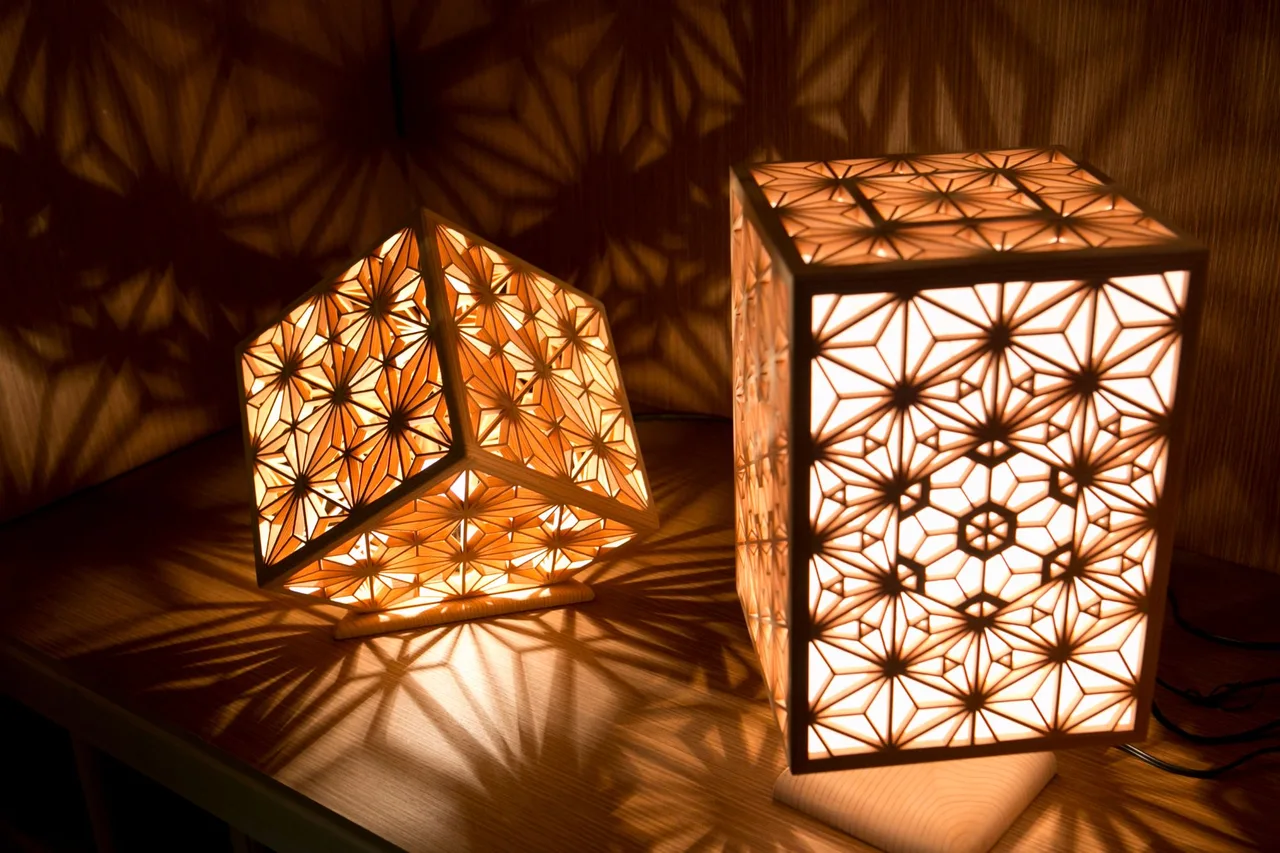
In Okawa City, known as a furniture town, the craft of kumiko lives on: finely cut pieces of wood are fitted together to form patterns. Long used for shoji screens and ranma transoms, its geometric designs, such as the hemp-leaf pattern, stand out beautifully when light shines through. Today it is also made into everyday items like coasters and lamps.
Okawa TERRAZZA, at the foot of the Chikugo River Lift Bridge, sells Okawa woodwork and sometimes holds workshops such as kumiko making. Check the schedule in advance.
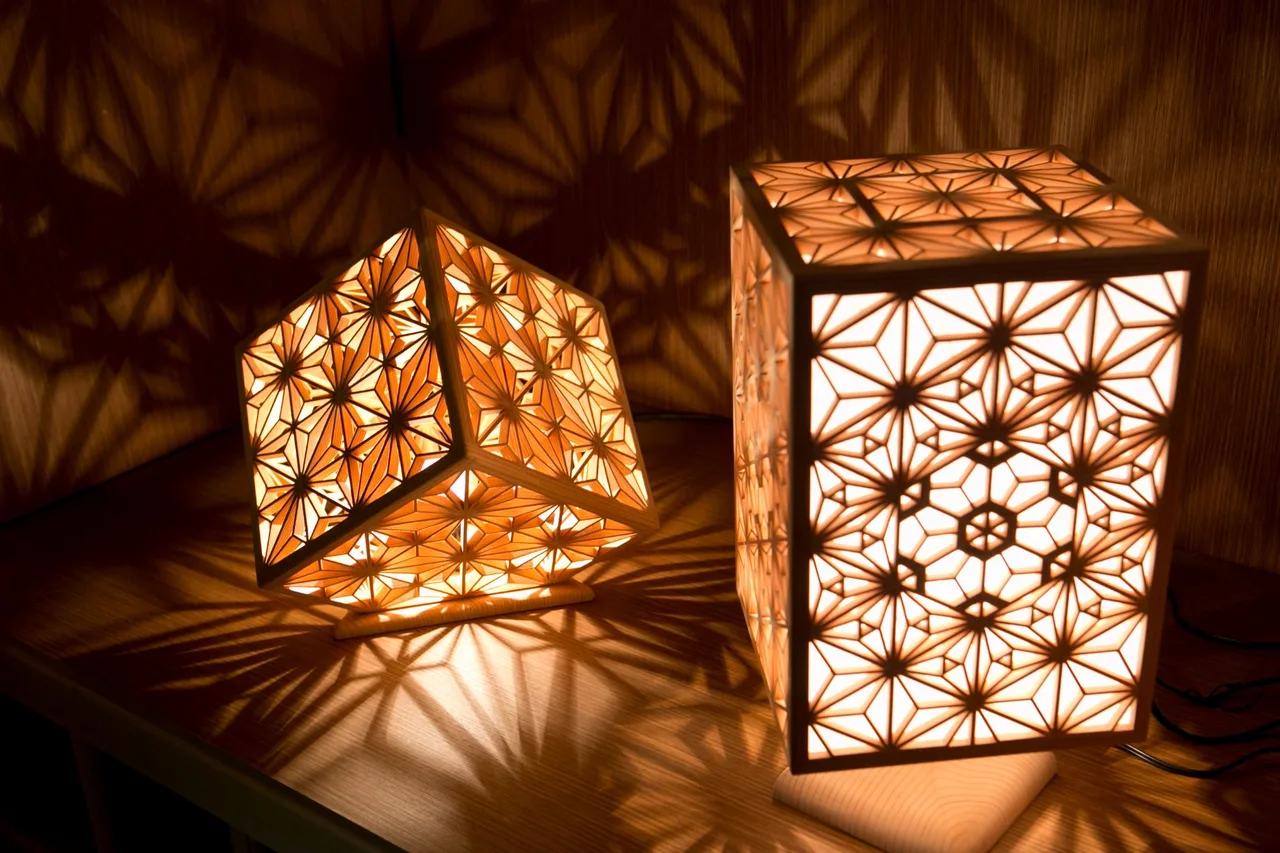
Photo: ©Fukuoka Prefecture Tourism Association
Buying and Bringing Crafts Home
- Many kilns and workshops are run by a few people and have no fixed days off. Check by phone or official information that they are open before you visit.
- Workshops are often by reservation, and for pottery the finished piece is usually shipped to you later. Ask when you book whether they can ship outside Japan.
- When taking pottery home, have it wrapped well and carry it in your cabin baggage to keep it from breaking.
- If you don't have time to visit the production areas, some department stores and souvenir shops in Fukuoka City sell items such as Hakata ori accessories.
Places in this guide

Hotels nearbyPR
See prices and availability for hotels in Fukuoka and book on our partner Trip.com.
See hotels in Fukuoka on Trip.com