Gunma Food Guide: Yaki Manju, Mizusawa Udon and Toge no Kamameshi
This guide is translated from the Japanese edition. Read the Japanese edition
Gunma food is built on wheat: miso-glazed yaki manju, Mizusawa udon, Kiryu's himokawa noodles and sauce katsudon, the Toge no Kamameshi rice pot, Ota yakisoba and konjac.
Among Gunma's local specialities, dishes made from wheat flour stand out: udon, manju buns, yakisoba. Many are easy to fit in between hot springs and sightseeing.
Yaki manju: the sweet, smoky smell of miso
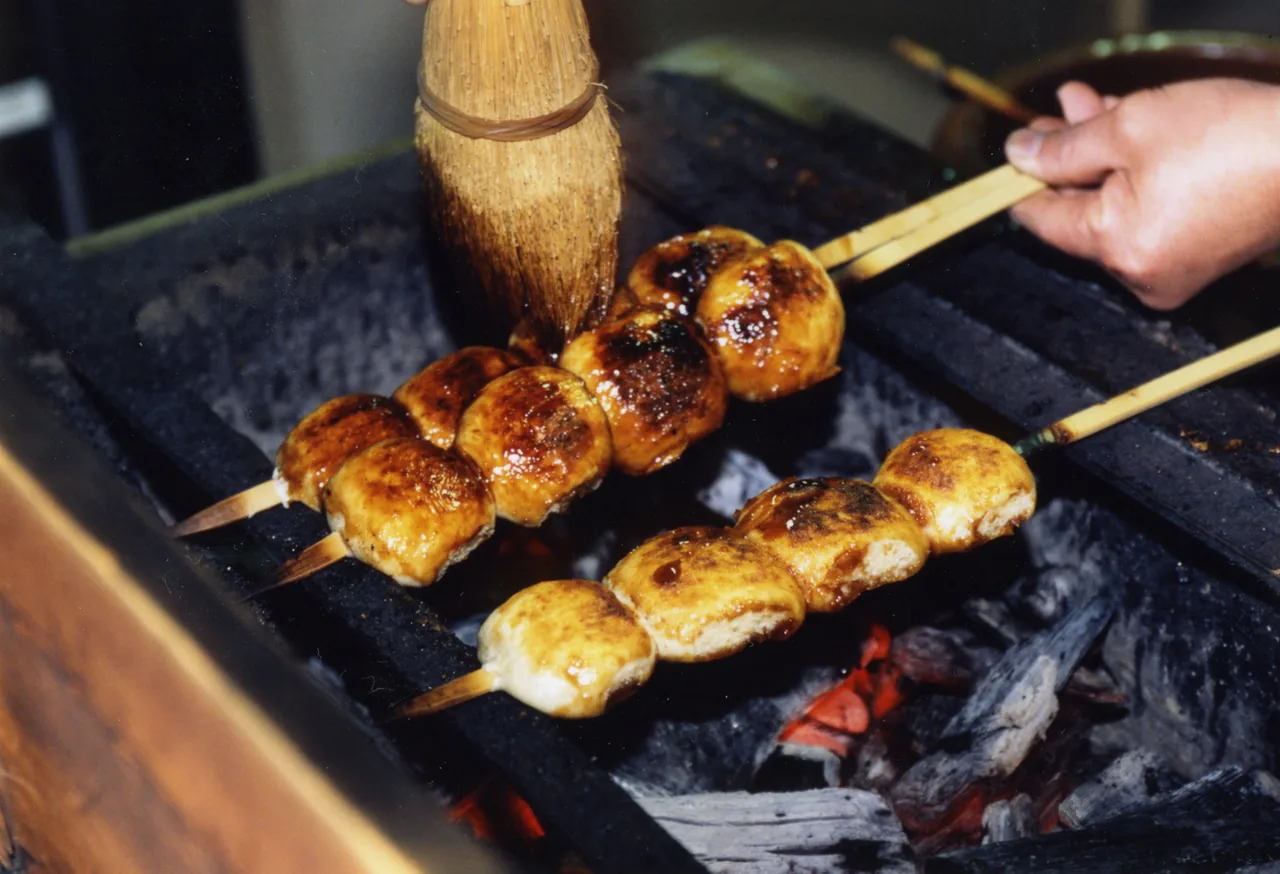
Yaki manju is one of Gunma's best-known specialities. Fluffy steamed buns are threaded onto a bamboo skewer, brushed with a thick, sweet miso glaze and grilled until they char. They are said to have been eaten since the late Edo period.
Most are plain buns with no filling, so the point is the dough and the toasty glaze. They are best straight off the grill, so if you see a shop grilling them out front, eat them on the spot. You will find them on Ikaho's stone steps, at specialist shops in Maebashi and Takasaki, and at roadside stations around the prefecture. The glaze drips, so grab a few extra napkins.
Mizusawa udon: a famous udon near Ikaho
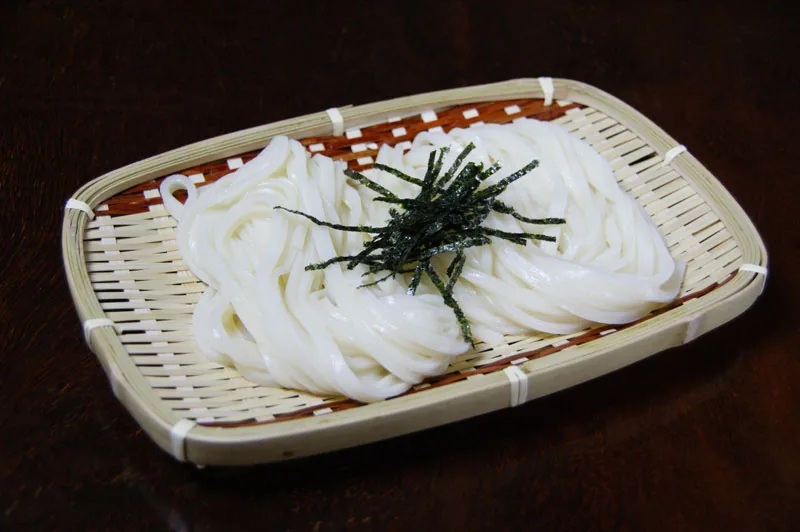
Photo: https://gunma-kanko.jp/
Mizusawa udon is sometimes counted among Japan's three great udon, alongside Inaniwa udon from Akita and Sanuki udon from Kagawa. It is said to have begun around 1576, when udon was served to hot-spring visitors and to pilgrims at Mizusawa-dera (Mizusawa Kannon), one of the 33 Kannon temples of the Bando pilgrimage. That gives it a history of more than 400 years.
The noodles are white, fairly thick and firm. The classic way to eat them is cold on a bamboo tray, dipped in a soy-based sauce or a sesame sauce. Udon restaurants line the road in front of Mizusawa-dera, known as the Mizusawa Udon Road. It is about 8 minutes from Ikaho Onsen by Gunma Bus, just right for lunch on the day you stay in Ikaho.
Kiryu's himokawa udon and sauce katsudon
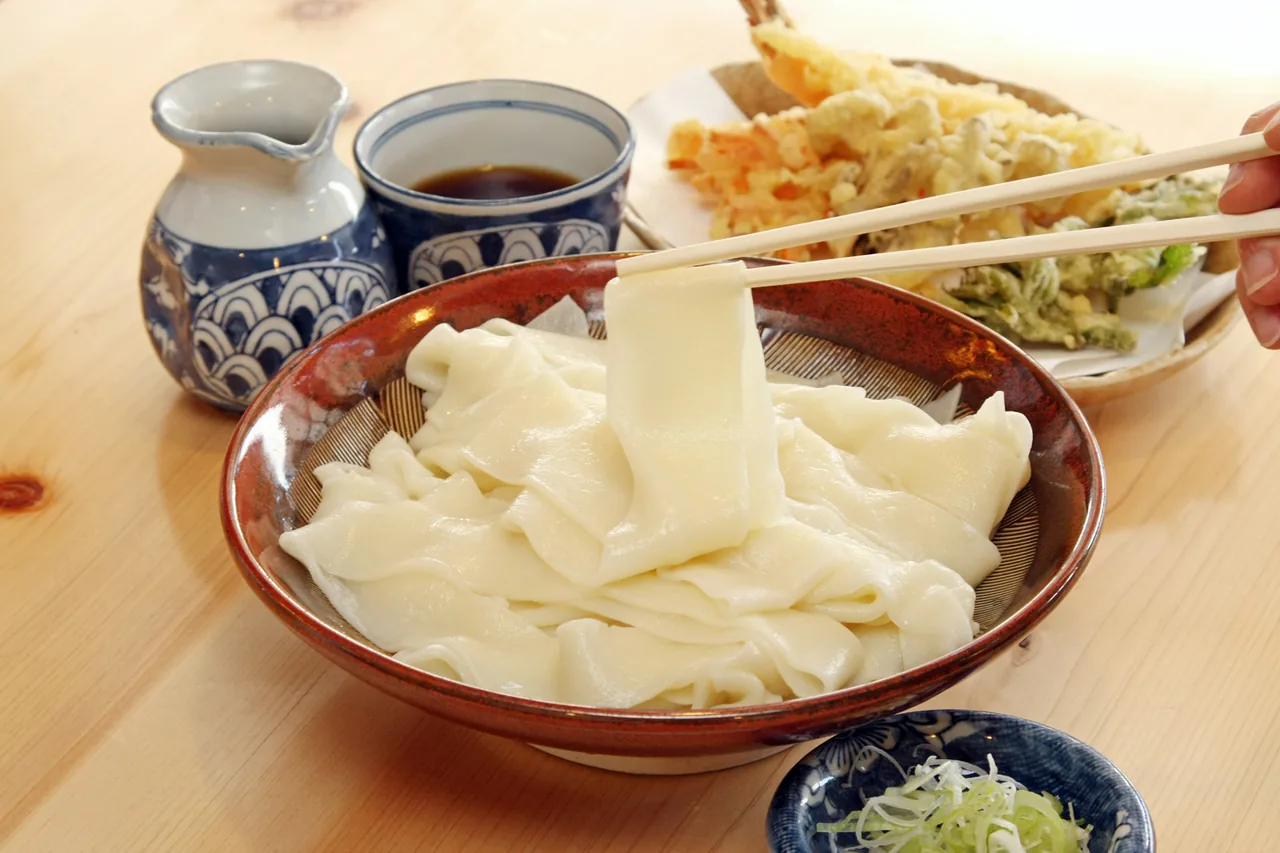
Photo: https://gunma-kanko.jp/
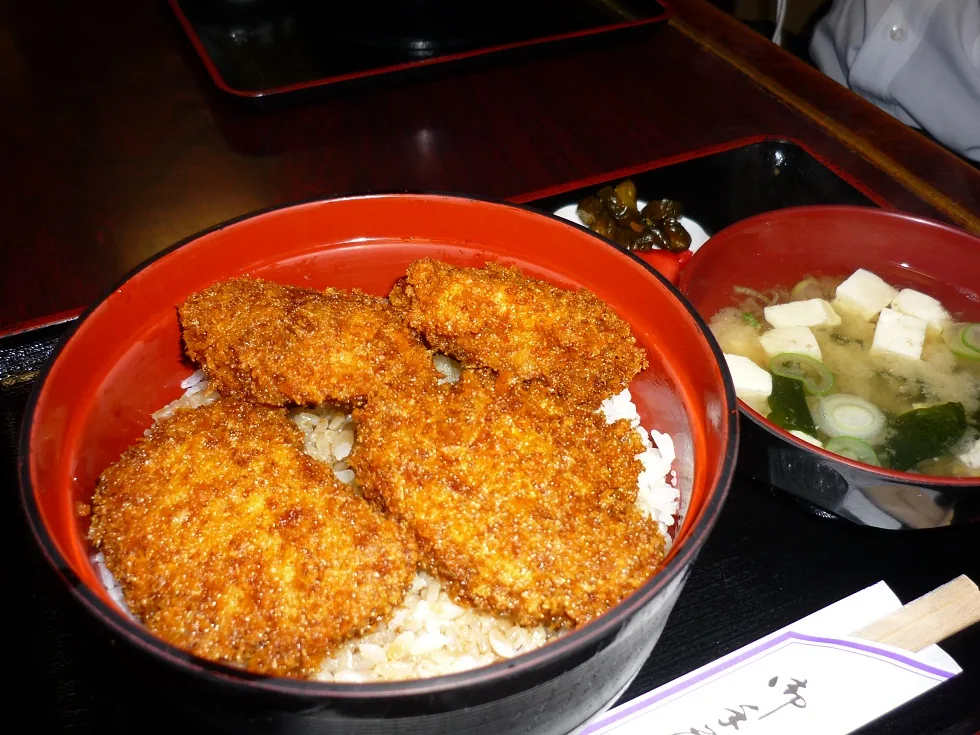
Photo: https://gunma-kanko.jp/
Kiryu, which grew rich on weaving, has its own noodle. Himokawa udon is a wide, flat noodle, and some shops serve it more than 10 centimetres across. It is smooth to slurp and pleasantly chewy. It is served both as cold dipping noodles and in hot broth.
The other dish to try in Kiryu is sauce katsudon: a simple version of katsudon in which freshly fried pork cutlets are dipped in sauce and laid on rice, without the usual egg. The sauce and the thickness of the cutlet vary from shop to shop, and some people go round comparing. You can eat both around Kiryu Station and in the Kiryu Shinmachi area, where the old streets survive.
Toge no Kamameshi: Yokokawa Station's famous ekiben
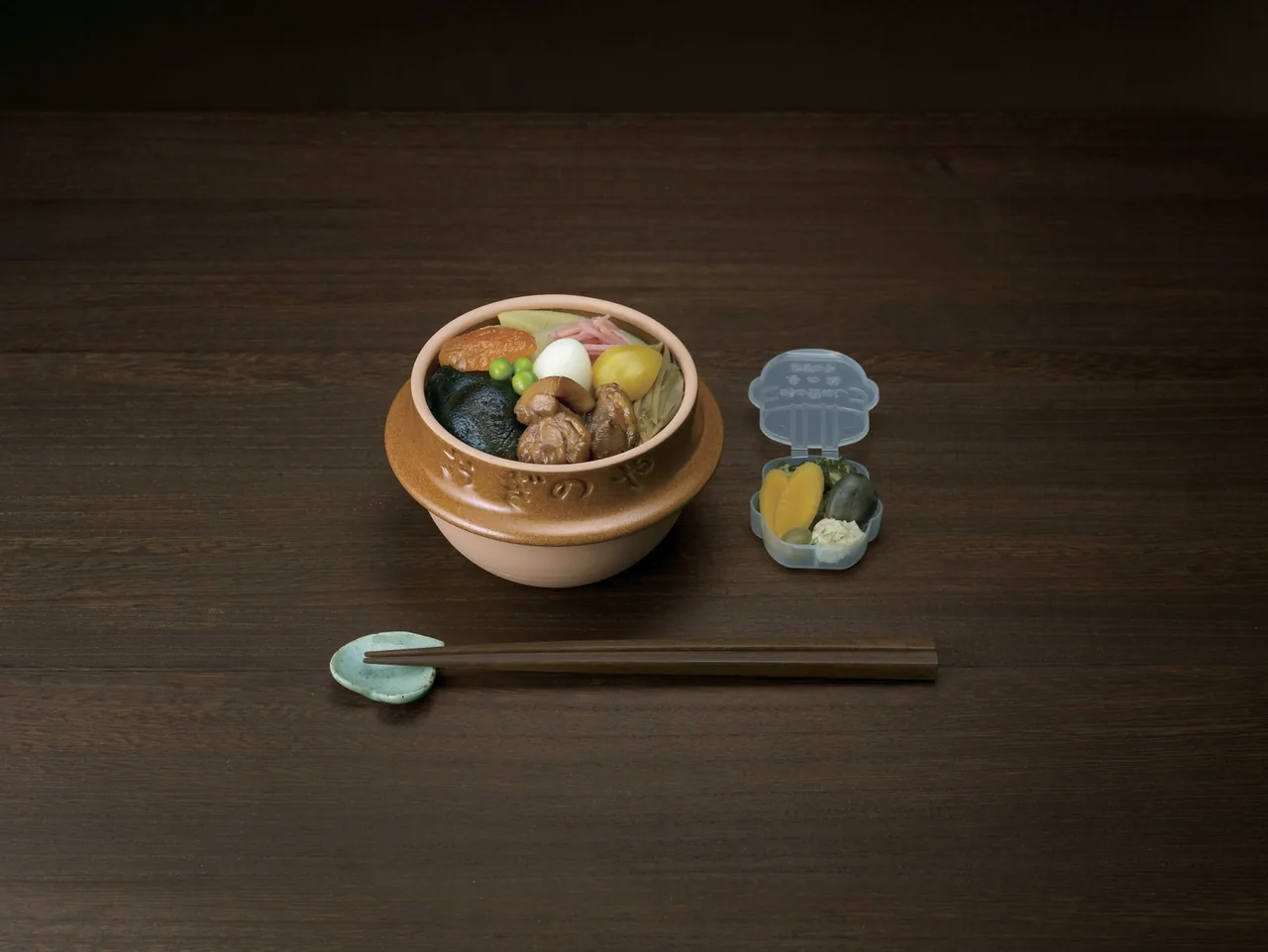
Photo: https://gunma-kanko.jp/
Yokokawa Station on the Shinetsu Line was once a long stop where trains coupled on extra locomotives to climb the Usui Pass. The station lunch box that became famous during those stops is Toge no Kamameshi ("rice pot of the pass"), on sale since 1958. Rice cooked with seasonings comes in a Mashiko-ware clay pot that keeps it warm, topped with chicken, shiitake, chestnuts and quail eggs.
You can still buy it at the main shop in front of Yokokawa Station, at Yokokawa Service Area on the Joshin-etsu Expressway and at stations in and beyond Gunma. You may keep the empty pot, and some people use it to cook rice at home. It goes well with a day at the Usui Pass's Megane Bridge or the railway museum.
Joshu Ota yakisoba: thick noodles, different everywhere
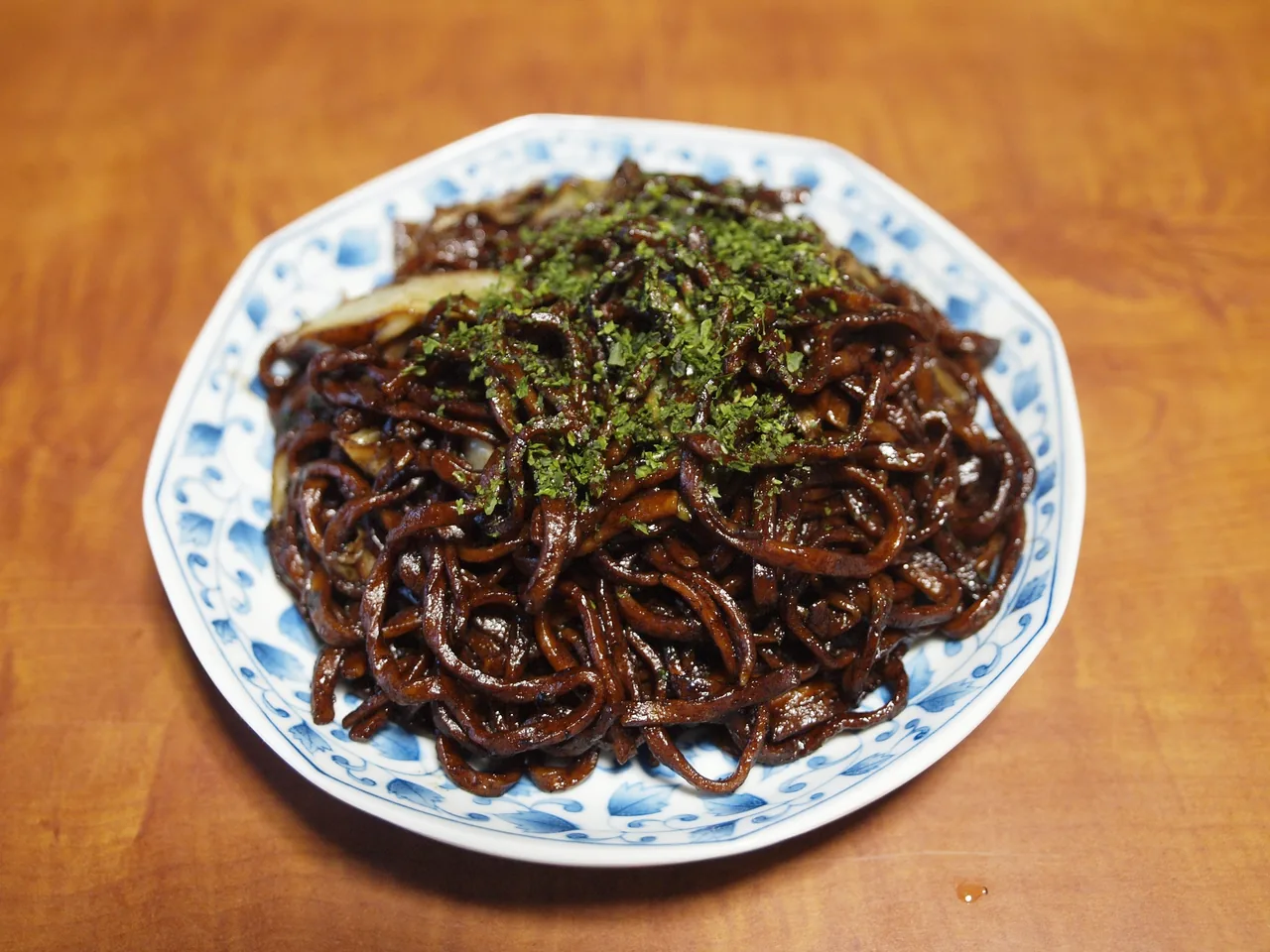
Photo: https://gunma-kanko.jp/
Ota is known for having a great many yakisoba shops. There is no fixed recipe for Joshu Ota yakisoba: some shops serve thick noodles in a rich sauce with nothing but cabbage, others use thin noodles, and some add pork or potato.
There are plenty of shops serving yakisoba in the city. On a day visiting Ota's Daikoin temple or Serada Toshogu shrine, trying a few at lunchtime makes for a fun food crawl.
Konjac: over 90% of Japan's harvest is grown here
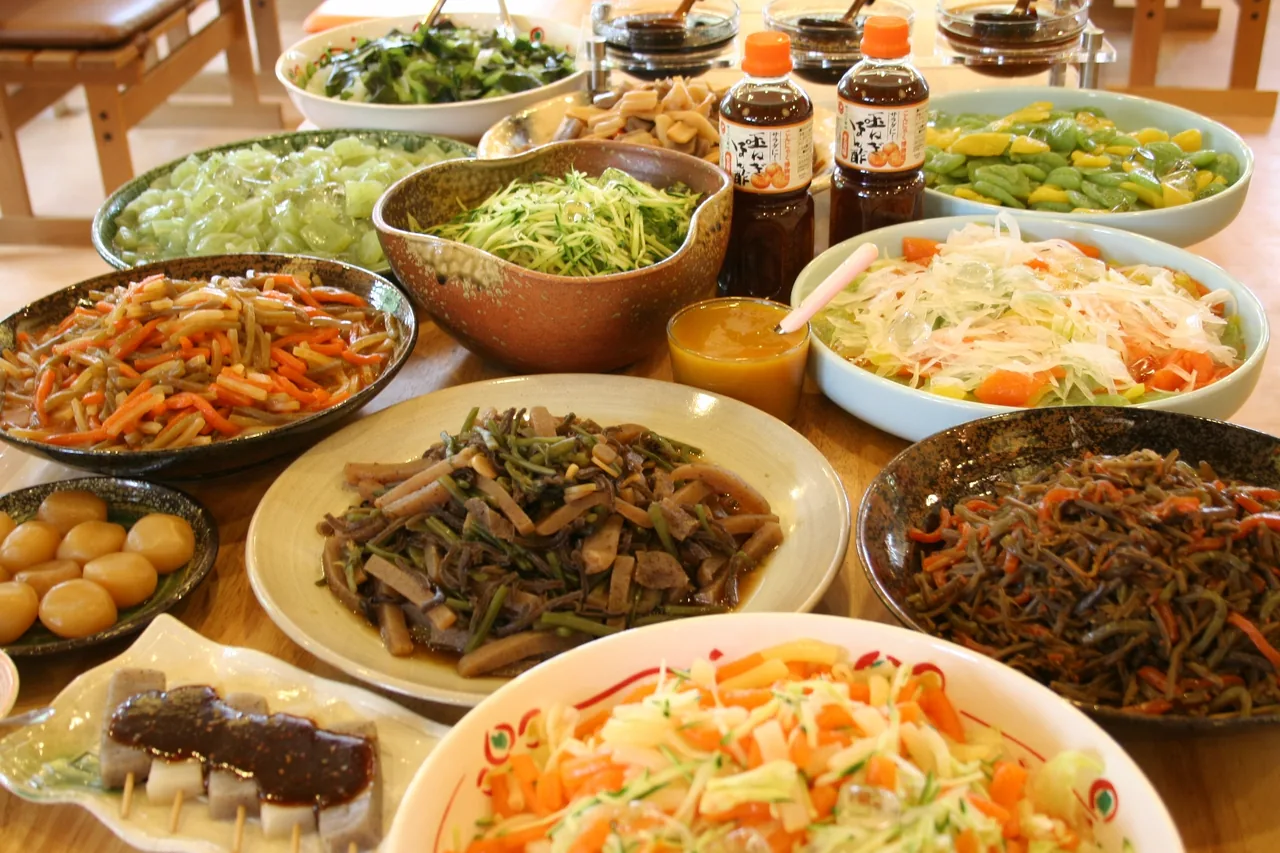
Photo: https://gunma-kanko.jp/
Gunma is the main producing area for konjac potatoes, the raw material of konnyaku, with over 90 percent of Japan's harvest. Restaurants and roadside stations around the prefecture often serve konnyaku sashimi, miso oden and other konjac dishes.
At Konnyaku Park in Kanra, you can tour the factory where konnyaku is made and sample a wide range of konjac dishes. It is about 10 minutes by car from the Tomioka Silk Mill, so it combines easily with a visit to the World Heritage site. Check the park's own information for tours, hands-on activities and opening hours.
What to eat where
By destination, it works out like this:
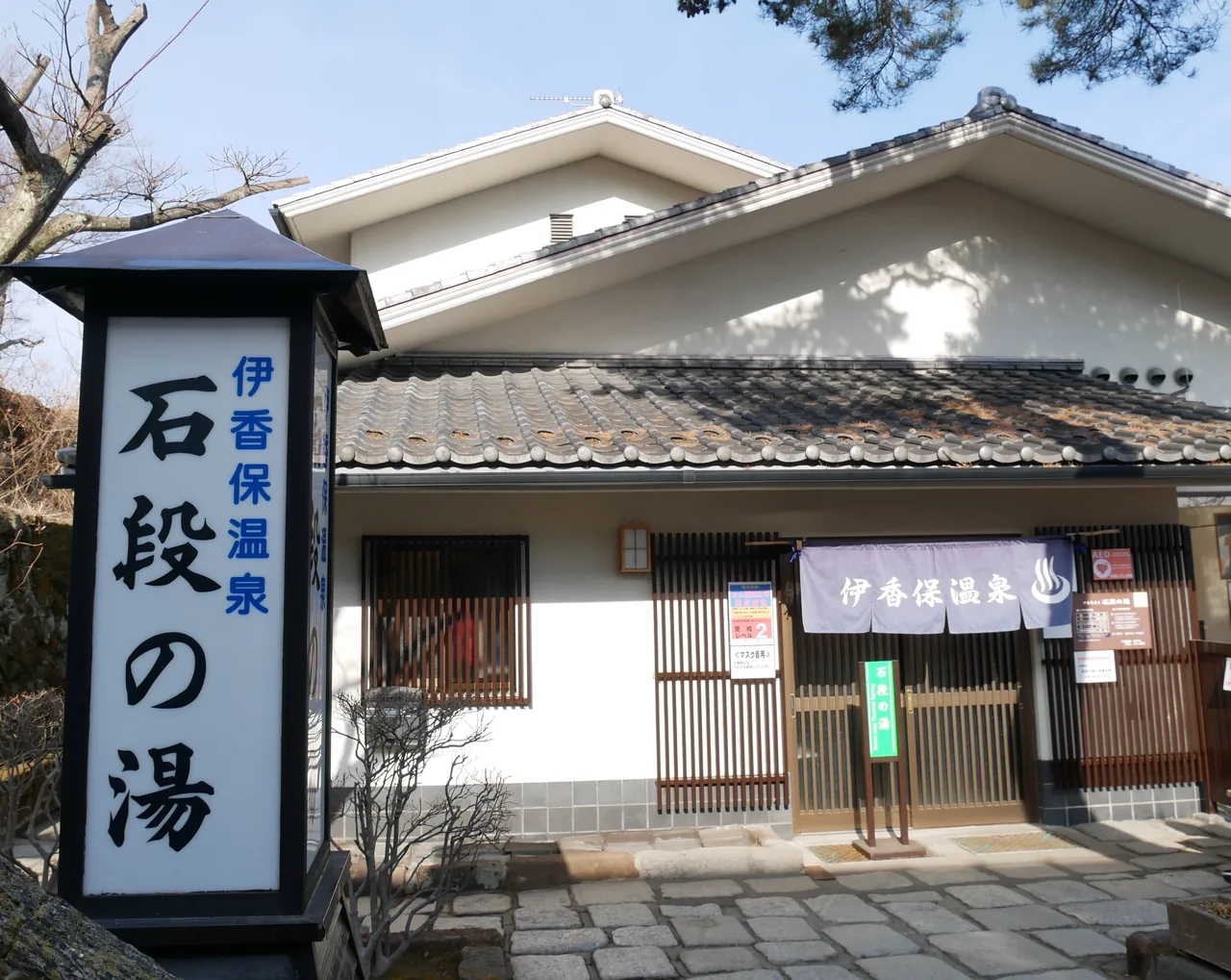
- Staying in Ikaho Onsen: lunch on the Mizusawa Udon Road, yaki manju on the stone steps
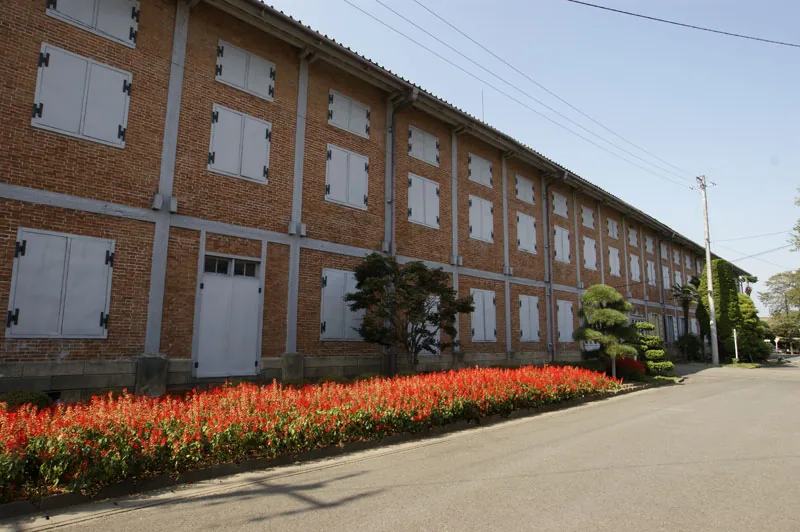
- Visiting the Tomioka Silk Mill: stop at Konnyaku Park
- Going to the Usui Pass and Yokokawa: Toge no Kamameshi
- Walking Kiryu's old streets: himokawa udon or sauce katsudon
- Touring Ota's temples and shrines: a yakisoba crawl
Popular places can have queues at lunchtime, and some close early when they sell out. Check each shop's own information for hours and closing days. You can find more places to visit on the Gunma page.