
Hakodate Food Guide: Seafood Bowls, Live Squid and Shio Ramen
This guide is translated from the Japanese edition. Read the Japanese edition
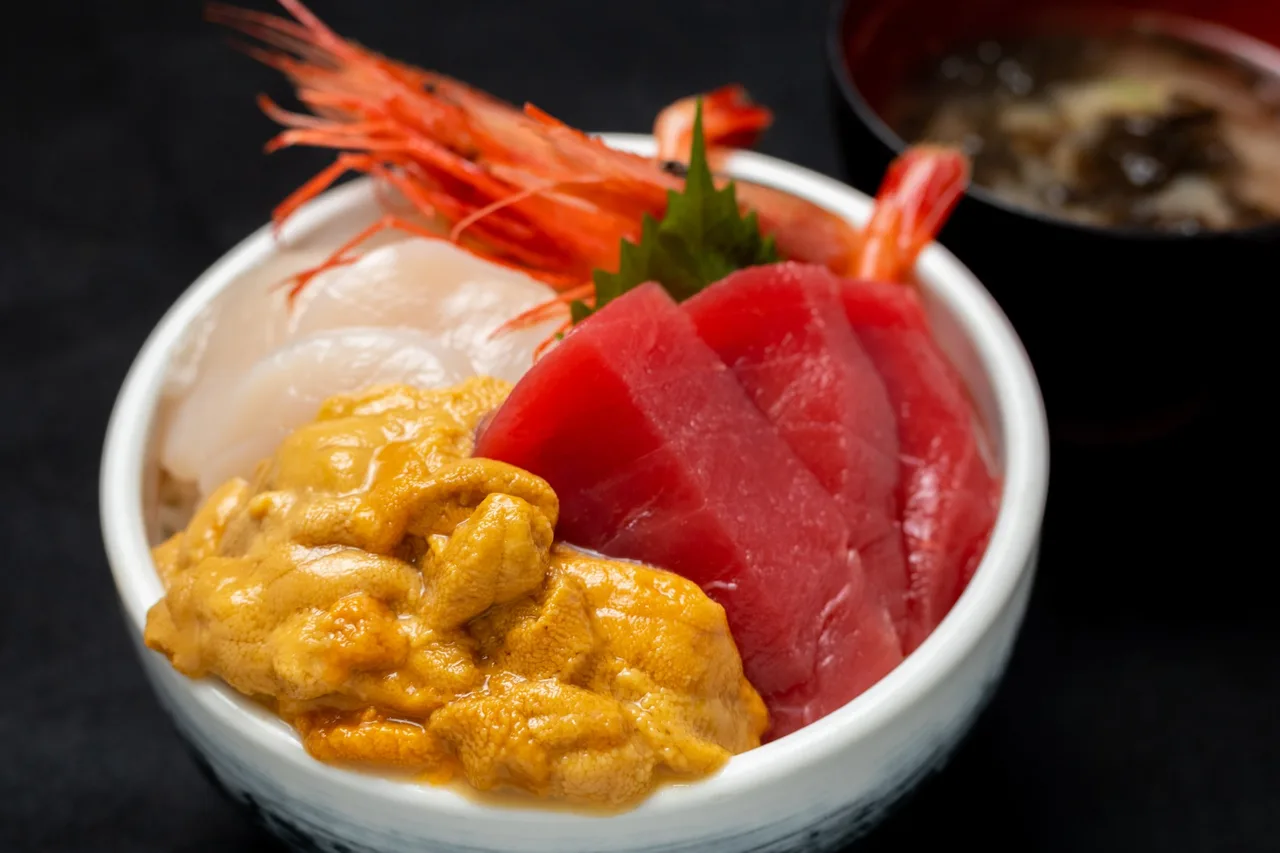
Hakodate food: seafood bowls and live squid at the Morning Market, clear-broth shio ramen, when to go to the market, and souvenirs that keep.
About a minute's walk from JR Hakodate Station, you reach the first stalls of the morning market. Fishmongers lay out crab, and the eateries put their seafood bowl menus out front. The things to eat in Hakodate are, first, squid and seafood bowls, and then shio (salt) ramen in a clear broth. The market runs from early morning to early afternoon, so deciding when you'll go makes it much easier to plan the rest of your meals.
Seafood bowls at Hakodate Morning Market: choosing a place and ordering
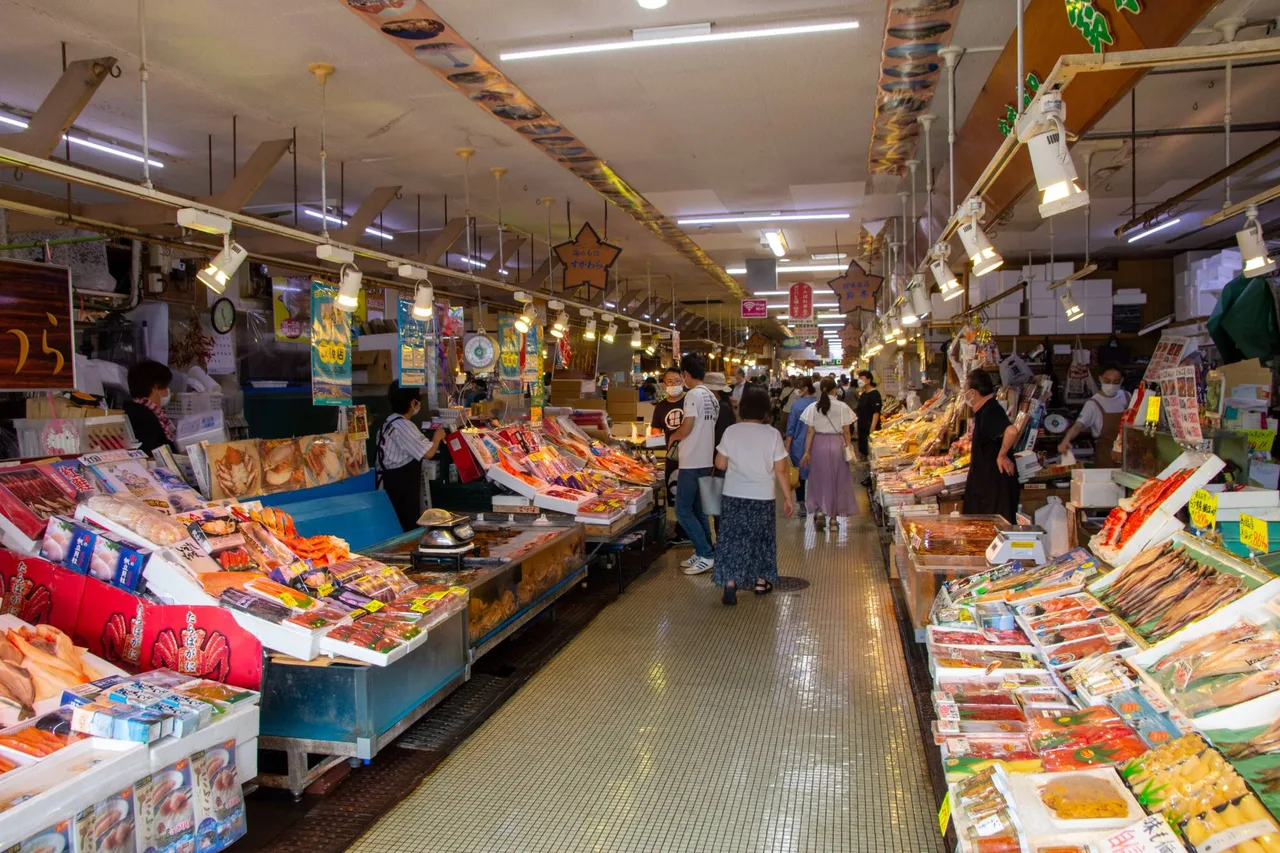
Hakodate Morning Market sits right next to JR Hakodate Station. Shops selling fresh fish, dried fish, processed seafood and produce cluster together, with small restaurants serving seafood rice bowls (kaisendon) scattered among them. Some buildings, such as the Donburi Yokocho Market, gather a number of these eateries under one roof.
Most seafood bowls let you pick and combine toppings such as sea urchin, salmon roe, crab, scallops and squid, and the price depends on which toppings you choose and how much. Many eateries post photos and prices outside, so you can compare a few before you go in. A topping marked "jika" (market price) means the price changes from day to day. If you're unsure, ask the staff for the price before ordering.
Whether a shop takes cards or e-money varies from place to place. At eateries and fish shops alike, check before you go in or before you order, and you won't be caught out at the register.
Live squid: squid brought in alive, and the fishing pool at Ekini Market
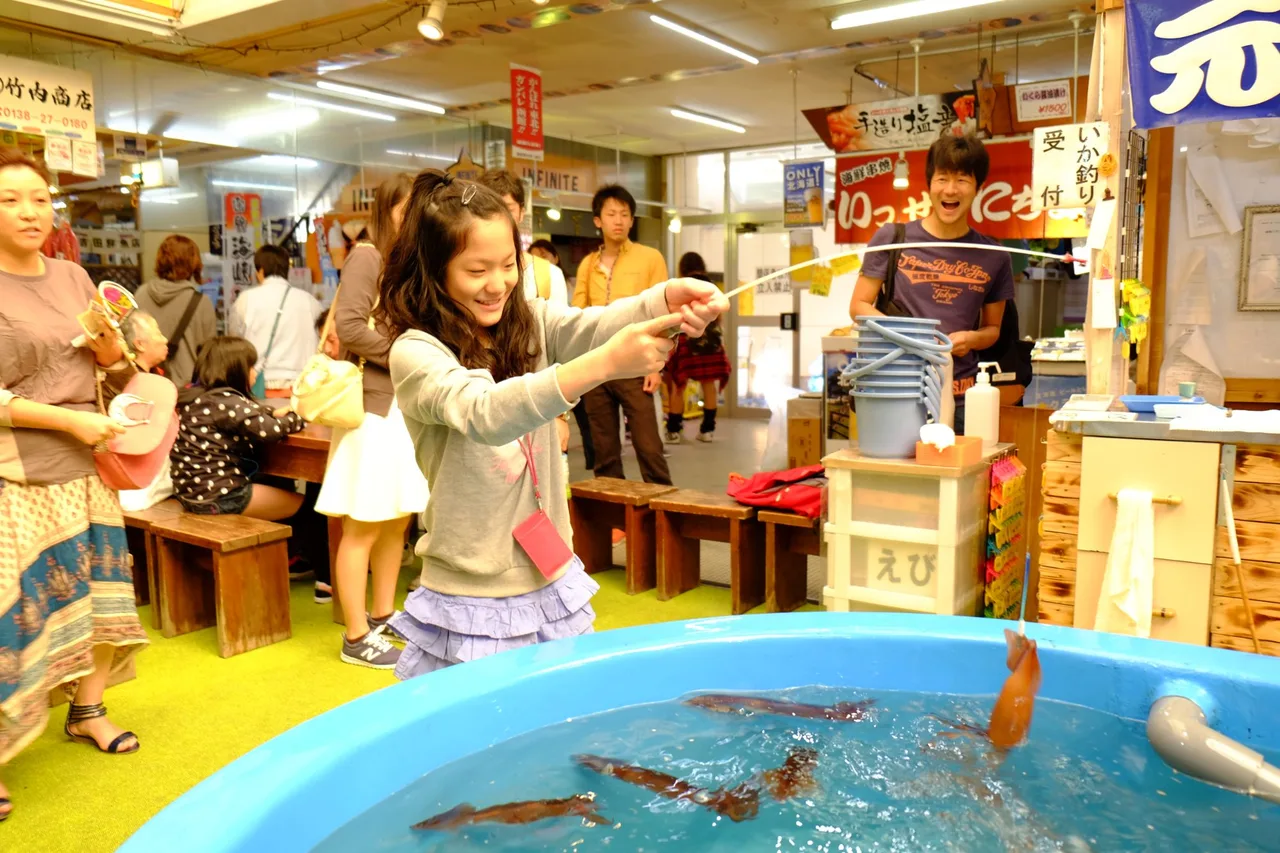
Photo: Hakodate Tourism Photo Library
Squid sashimi and shiokara (salted squid) are among Hakodate's signature tastes. According to the city, the season for Japanese flying squid (surume-ika) opens every June. "Ikesu squid," which fishing boats keep alive in onboard tanks on the way back to port, are still alive when they are landed, so they are exceptionally fresh.
Some eateries at the market serve this squid as "katsu-ika": live squid prepared on the spot as sashimi or on a rice bowl. Depending on the catch, though, there are days when no live squid comes in. If live squid is what you're after, check the signs outside or ask the staff before going in.
Inside the market, the Ekini Market has a live squid fishing pool where you catch a squid yourself from the tank. They will prepare your catch on the spot, so it can become part of your breakfast.
What time to go to the morning market
Shops at the market open early in the morning, and by early afternoon some begin to pack up. Opening times vary with the season and are later from January to April than from May to December. Each shop sets its own hours and days off, so if you have a particular shop in mind, check the shop listings on the official website.
When planning your trip, the market fits best as breakfast or an early lunch.
- The morning after a night in Hakodate: go straight from your hotel for breakfast. Leave your bags at the hotel and go light
- The day you arrive by train from Sapporo or elsewhere: many shops are closed by the afternoon, so save it for the next morning
- The day you leave: buy fresh seafood souvenirs then, so you carry them for as short a time as possible
If you're buying fresh seafood or crab, ask the shop whether they can ship it to your home or hotel. Where they can send it and what they can send varies by shop.
Hakodate shio ramen: a clear broth with little fat
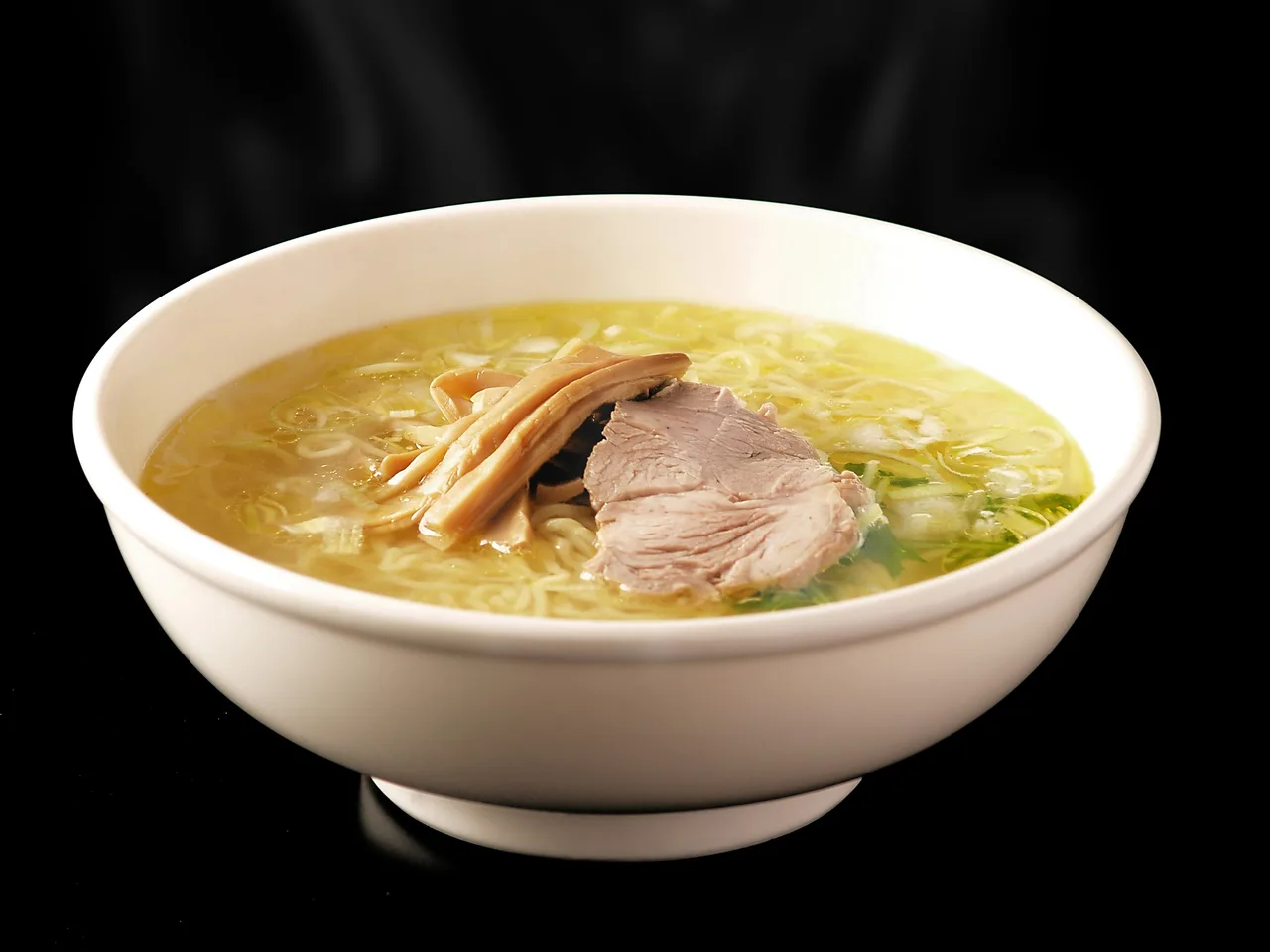
Photo: Hakodate Tourism Photo Library
In Hakodate, ramen means shio. The Ministry of Agriculture, Forestry and Fisheries' "Our Regional Cuisines" lists Hakodate's shio ramen among Hokkaido's local ramen styles, alongside Sapporo's miso and Asahikawa's shoyu (soy sauce), and describes it as a light-tasting ramen made with a clear, low-fat pork bone broth (chintan). The broth looks and feels quite different from Sapporo's miso ramen.
Hakodate is a port town that opened to foreign trade in 1859, and one theory holds that "Nankin soba," served by a Western-style restaurant in Hakodate in 1884, was the first ramen in Japan. No detailed records survive, however, so this remains uncertain.
Shio ramen shops are spread around Hakodate Station, the Bay Area and the Goryokaku area. A bowl fits easily into lunch after a market breakfast, or dinner before you go up Mt. Hakodate.
Shiokara and kombu: Hakodate flavors that keep
The waters off Hakodate have long been rich squid fishing grounds, and processed products such as salted squid (shiokara) and shredded dried squid (saki-ika) became local specialties. The market has plenty of shops selling shiokara, dried fish and other seafood that keeps, which makes for easier souvenirs than fresh fish.
Kombu (kelp) is the other taste of Hakodate. The city describes itself as the top kombu-producing municipality in Japan, and its mainstay is "Hakodate ma-kombu." Alongside kelp for making dashi stock, the very sticky "gagome kombu" is also harvested off Hakodate and sold in souvenir shops in processed form.
From the morning market to the Bay Area: a day of eating
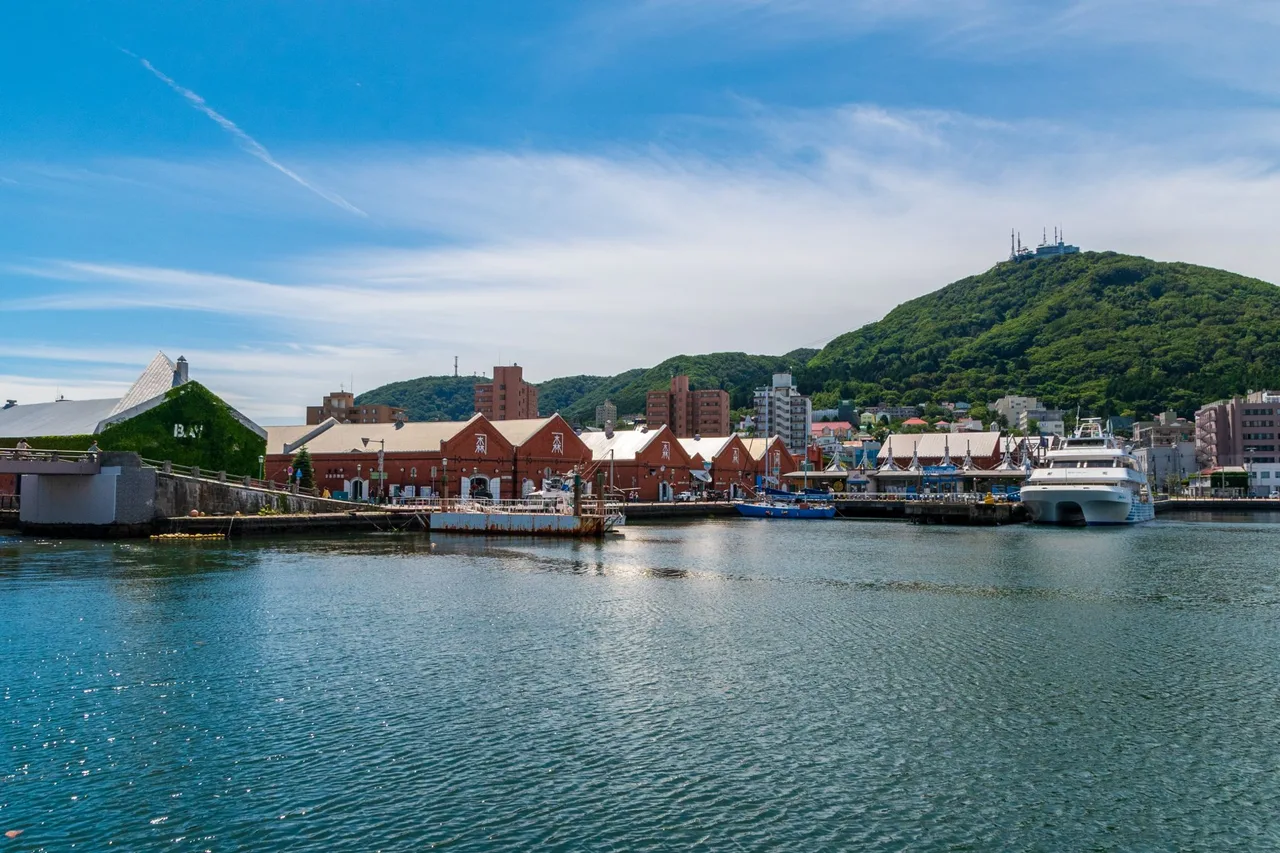
Photo: Hakodate Tourism Photo Library
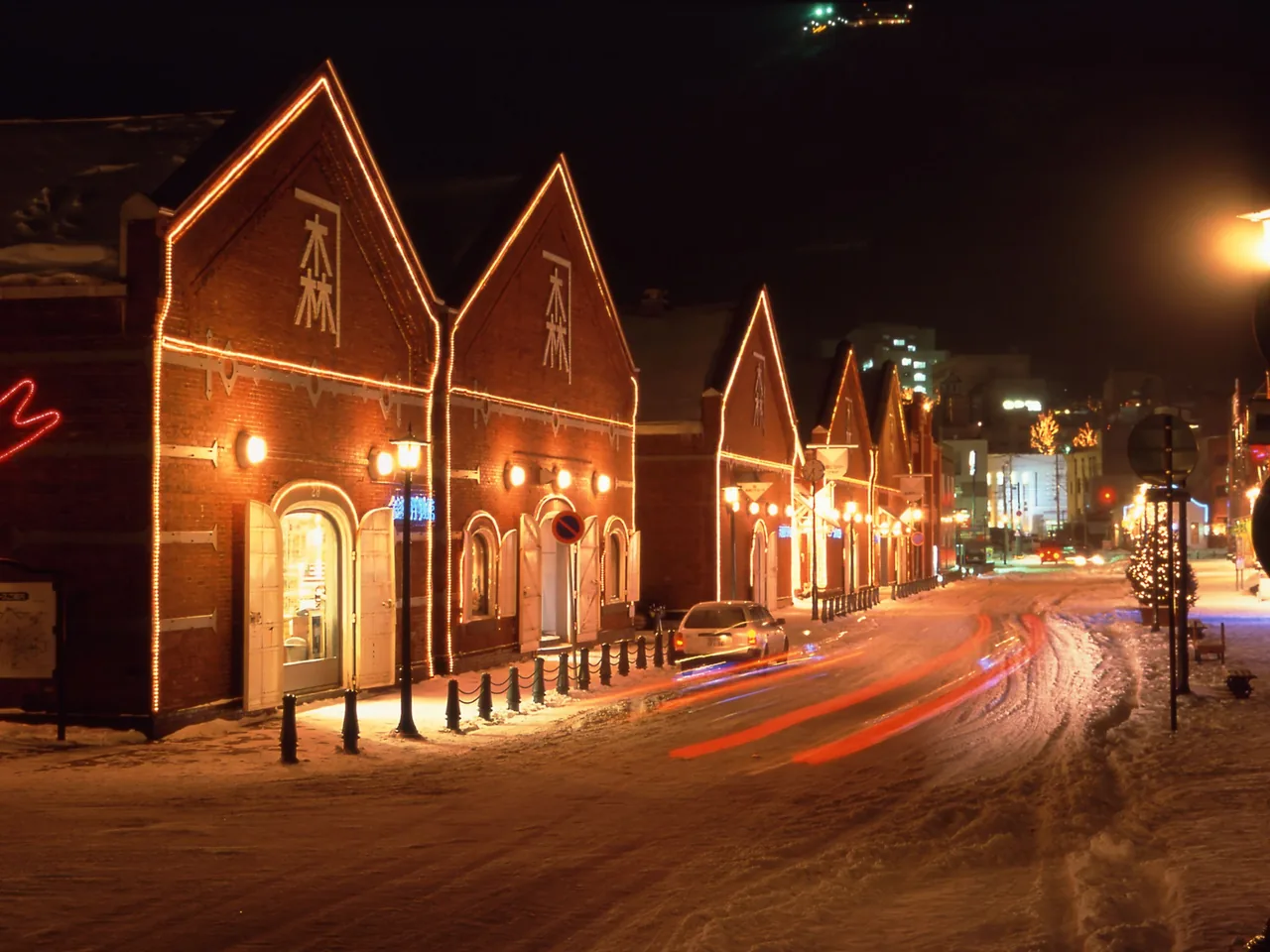
After breakfast at the market, walk southwest along the water to the Bay Area and its rows of red brick warehouses. The Kanemori Red Brick Warehouse houses souvenir shops, sweet shops and restaurants, so you can have lunch or a sweet break here too.
Here is one way to lay out a day's meals.
| Time | Where | What to eat |
|---|---|---|
| Morning | Hakodate Morning Market | Seafood bowl, live squid sashimi |
| Midday | Bay Area | Shio ramen, sweets from shops in the warehouses |
| Evening | Motomachi to Mt. Hakodate | Dinner before or after the night view |
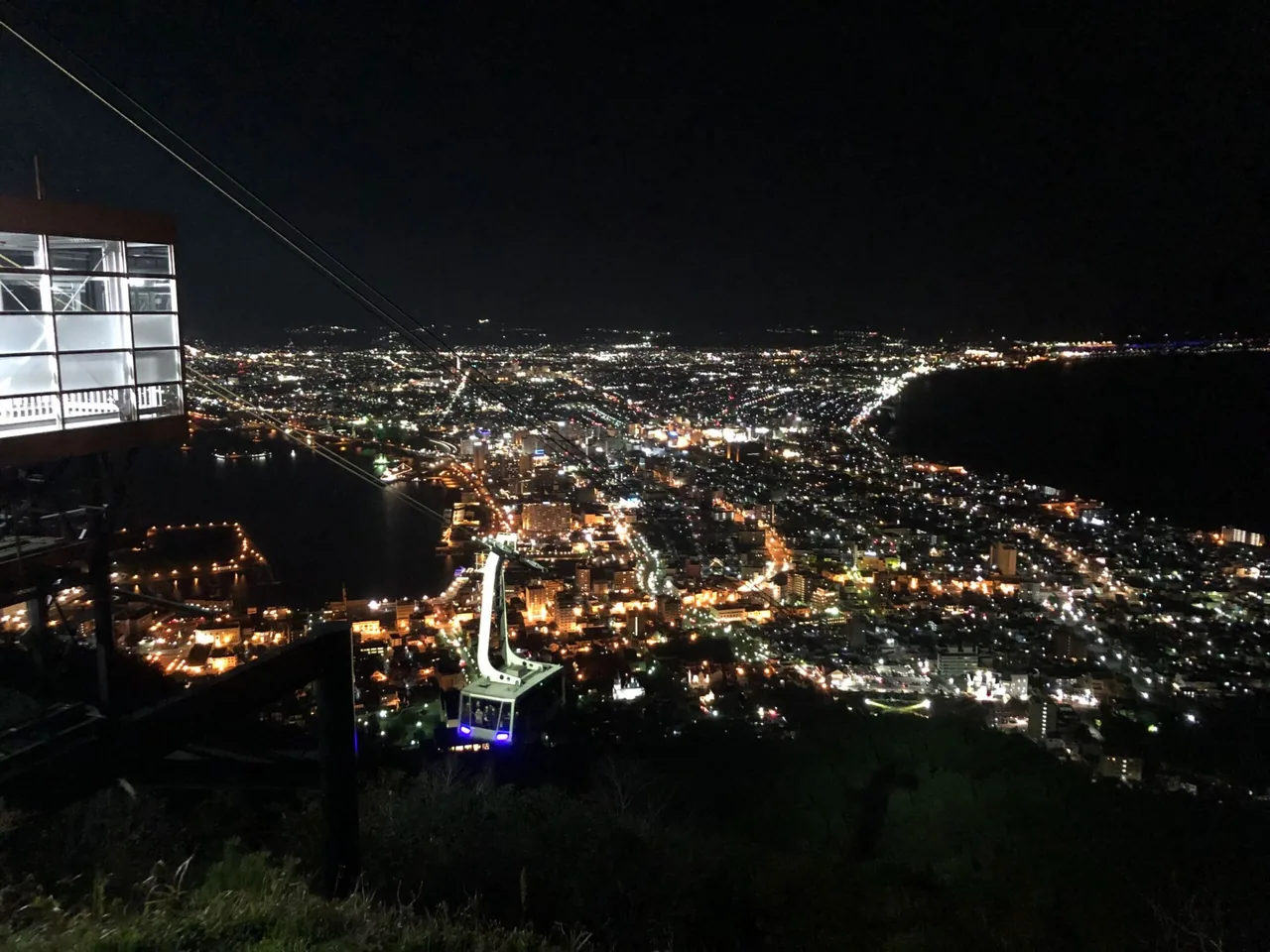
In the evening, climb the slopes of Motomachi to the base station of the Mt. Hakodate Ropeway. Whether to eat before the night view or after coming down is easiest to decide based on the sunset time and how crowded the ropeway is. On a day when you take the tram to Goryokaku, the streets around the Goryokaku-Koen-Mae stop also have diners and ramen shops frequented by locals.
For the order in which to see the sights, see the model course Hakodate in One Day and the article Hakodate in Two Days. For an overview of the area, go to the Hakodate Bay Area and Motomachi page.
Places in this guide
Hotels nearbyPR
See prices and availability for hotels in Sapporo and book on our partner Trip.com.
See hotels in Sapporo on Trip.com