Hakusan Things to Do: Shirayama Hime Shrine, Shiramine, Katadofu
This guide is translated from the Japanese edition. Read the Japanese edition
Hakusan foothills in Ishikawa: Shirayama Hime Shrine, Shishiku Highland, Shiramine and katadofu, the dinosaur park, the White Road, winter closures and access.
Mt. Hakusan has been a mountain of worship since ancient times. On the summit of its highest peak, Gozengamine (2,702 m), stands the inner shrine of Shirayama Hime Shrine, and in Hakusan City at its foot, places where you can touch both this faith and snow-country life are scattered from Tsurugi, home of the main shrine, up to the mountain village of Shiramine. A shrine visit, a gondola up a highland, a snow-country townscape and its famous firm tofu, dinosaur fossils and a mountain road through to Shirakawa-go. Many places close for part of the year, so plan your route around the season.
Photo: ©石川県観光連盟
Tsurugi: Shirayama Hime Shrine and Shishiku Highland
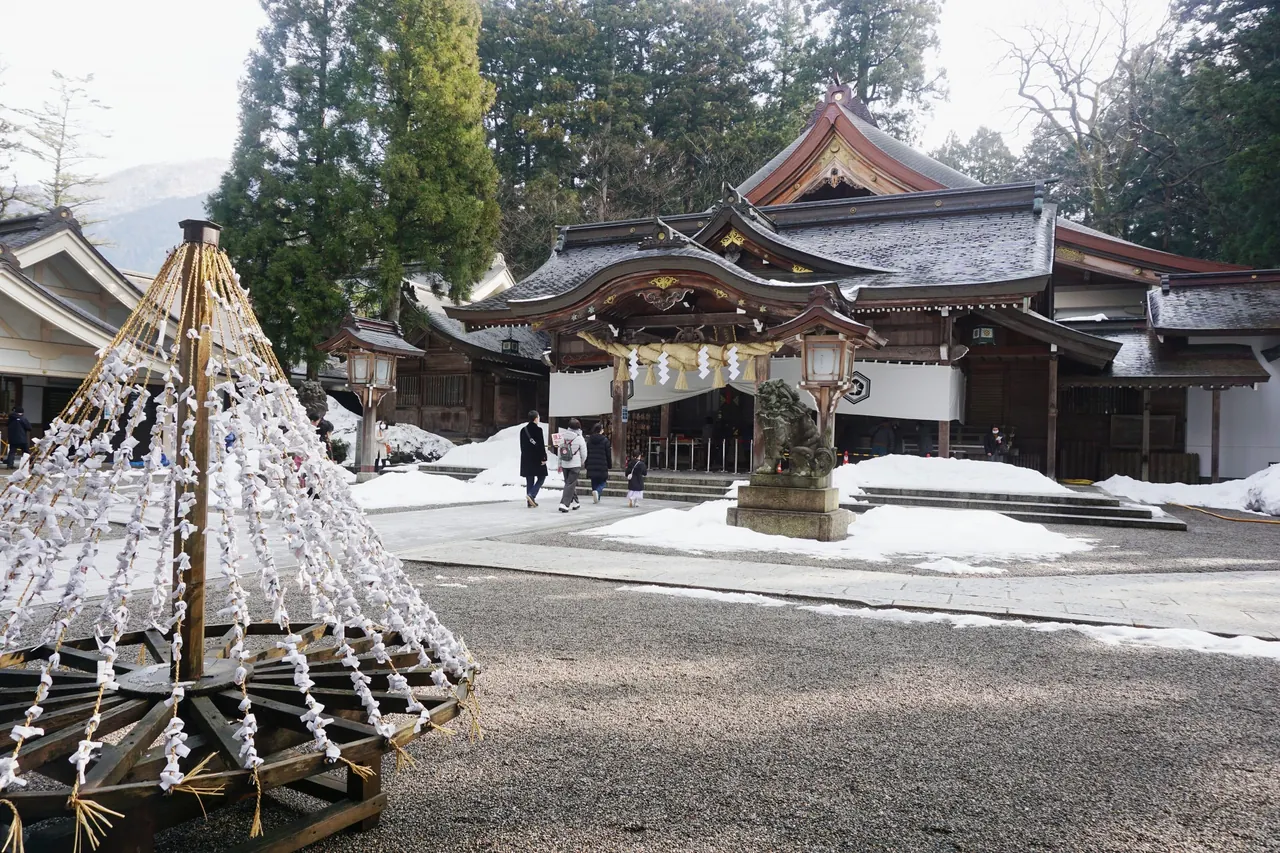
Tsurugi, the gateway to the Hakusan foothills, is home to Shirayama Hime Shrine, the ichinomiya, or highest-ranked shrine, of the old Kaga Province. It is the head shrine of the roughly 3,000 Hakusan shrines across Japan, and locals affectionately call it "Shirayama-san." The shrine buildings stand at the top of an approach lined with tall cedars. To pray and walk around the grounds without hurrying, allow 40 minutes to an hour.
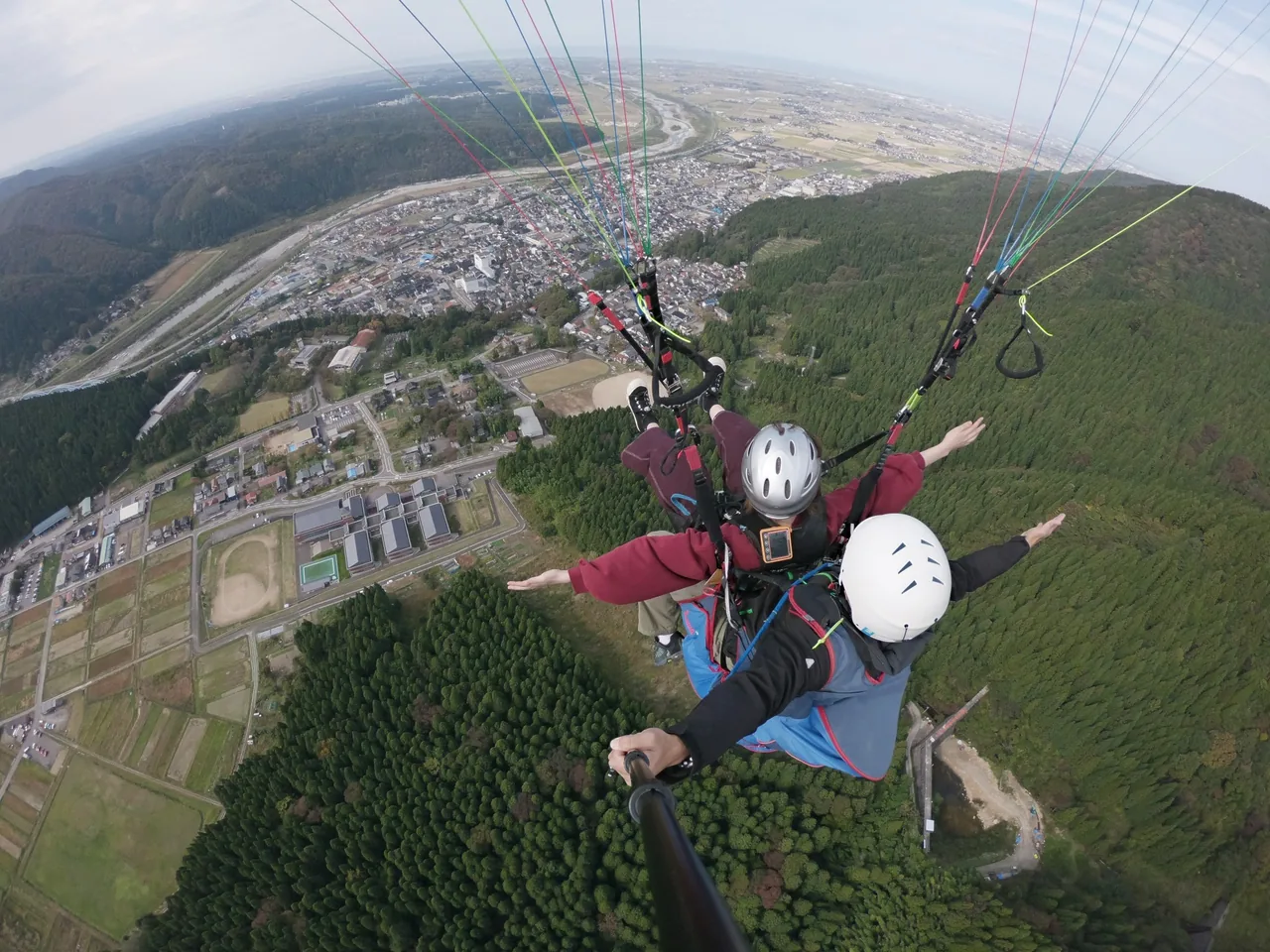
About a 10-minute walk from the shrine is the foot of Shishiku Highland. From Park Shishiku at the base, a gondola takes you up to Sky Shishiku, 650 meters above sea level. The slopes at the top offer good conditions for paragliding, and you can try a tandem flight with an instructor. The gondola closes in winter; in 2026 it stopped running on November 16 for renovation work. It is scheduled to start running again in early April 2027.
Shiramine: a snow-country townscape, katadofu and tochi mochi
Farther into the mountains from Tsurugi, Shiramine is a village in heavy-snow country where winter snow lies more than 2 m deep. Its streets of large two- and three-story main houses were selected in 2012 as a national Important Preservation District for Groups of Traditional Buildings. The pleasure here is a slow walk along the streets, taking in the row of big houses built to withstand the snow.
Shiramine is known for two local specialties: katadofu and tochi mochi. Katadofu, as its name ("hard tofu") suggests, is a firm, dense tofu. As you walk around Shiramine, look for these specialties in the shops.
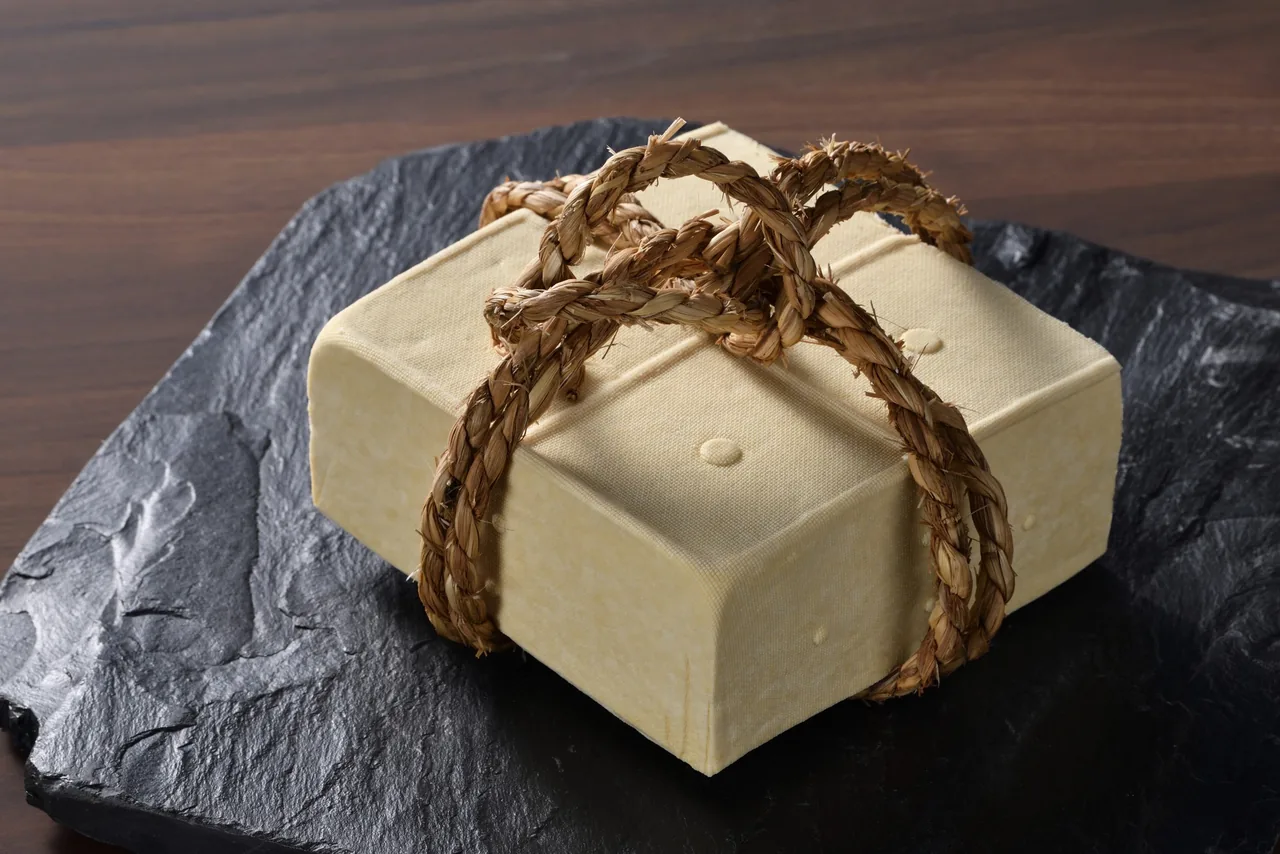
Photo: ©石川県観光連盟
Shiramine is also where Ushikubi Tsumugi, a silk fabric designated a Traditional Craft of Japan, is made. The thread is drawn by hand from "double cocoons" spun together by two silkworms, and the fabric's name comes from the former village of Ushikubi.
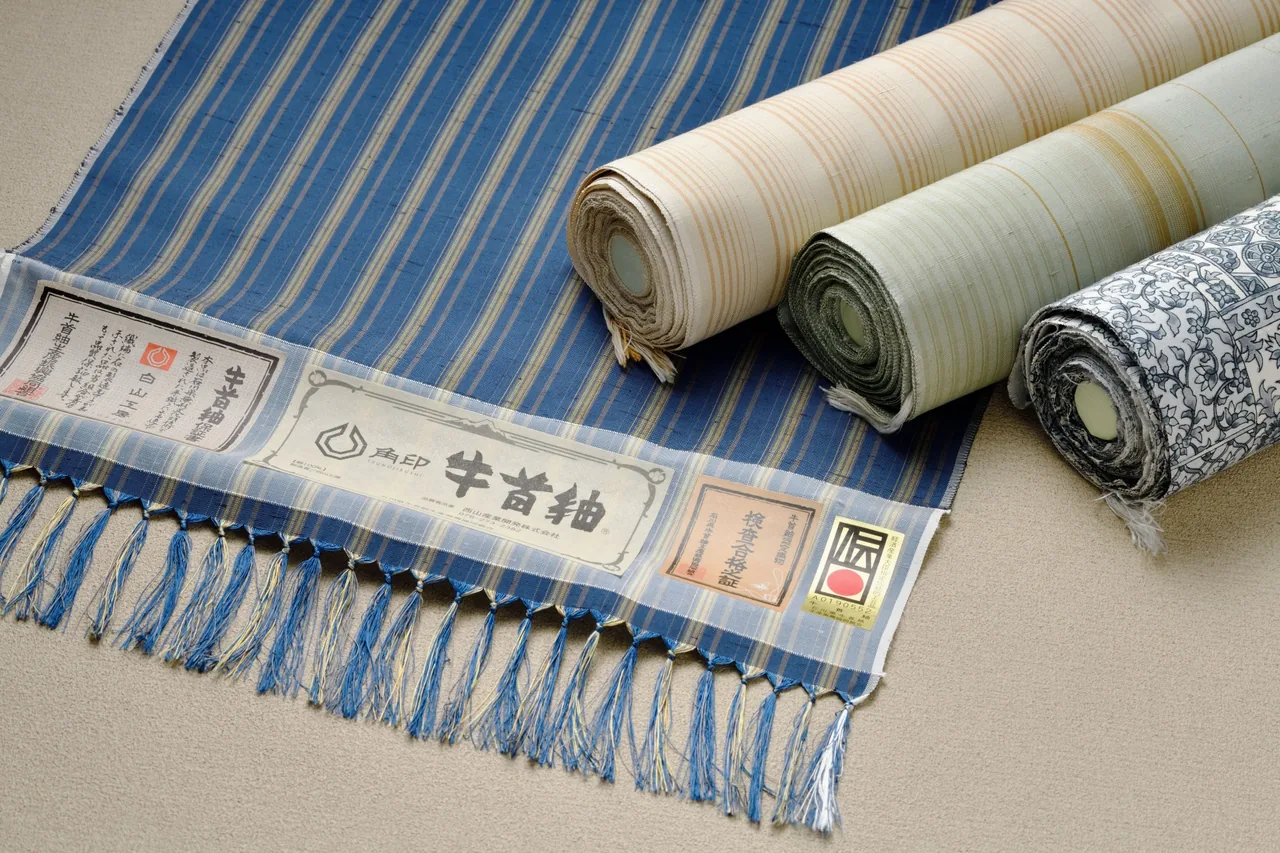
Photo: ©石川県観光連盟
Hakusan Dinosaur Park Shiramine: digging for fossils
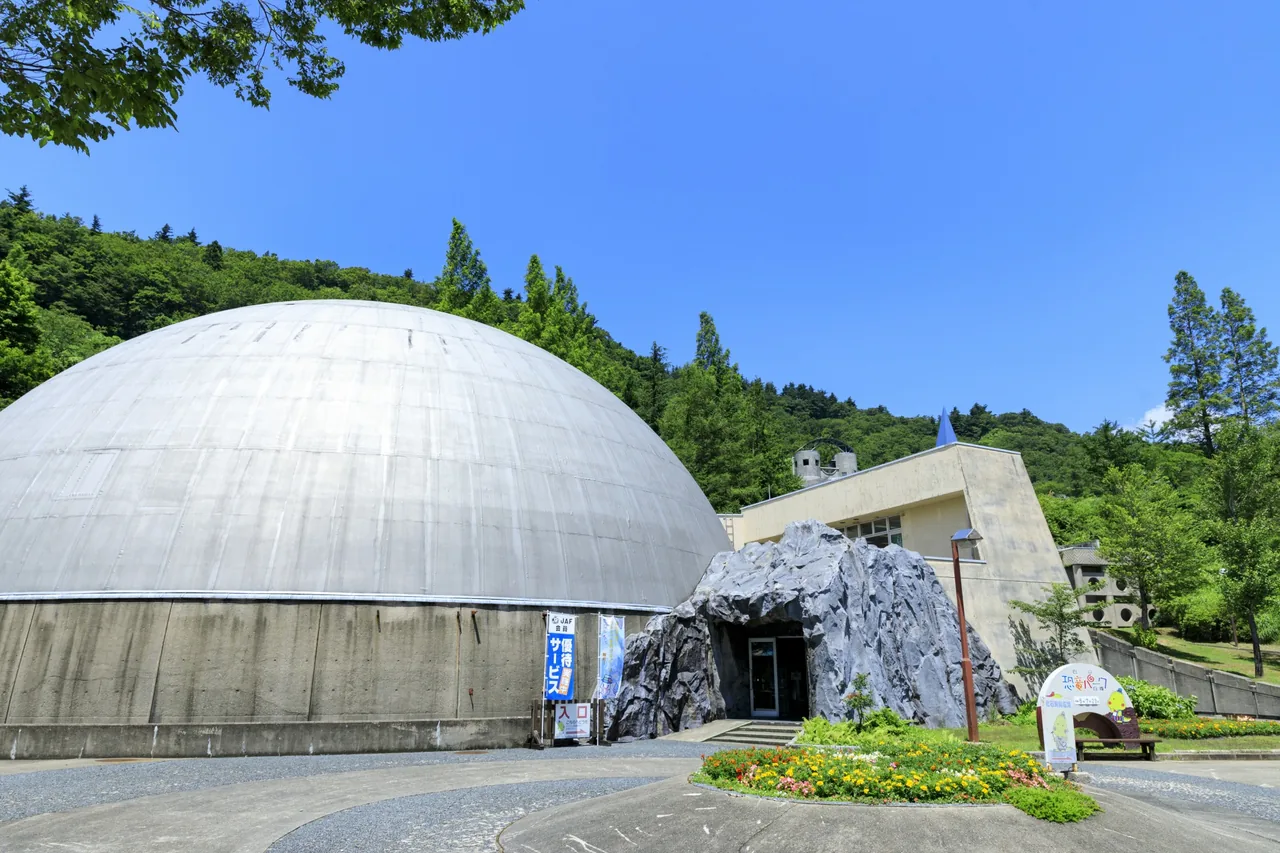
In Kuwajima, on the way from Tsurugi to Shiramine, is Hakusan Dinosaur Park Shiramine. It opened after dinosaur fossils were found in 1982 at the nearby Kuwajima Fossil Wall, and in its Fossil Discovery Plaza you can search for fossils with your own hands. It suits families with children; allow about an hour and a half for the exhibits and the dig. It closes in winter (December to March, according to Hakusan City).
Hakusan Shirakawa-go White Road: driving to Shirakawa-go
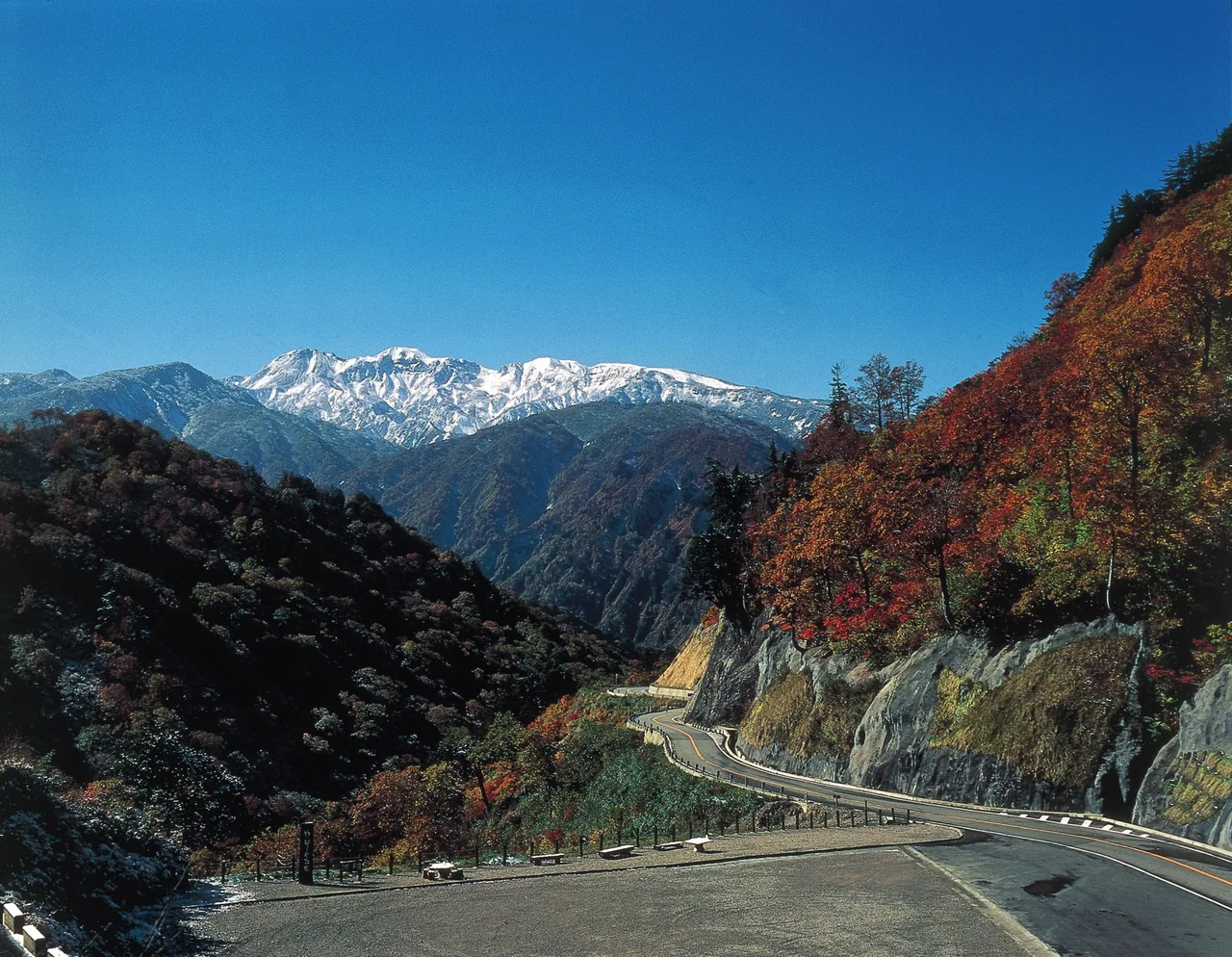
If you are traveling by car, the Hakusan Shirakawa-go White Road takes you through to Shirakawa-go in Gifu Prefecture. This 33.3 km toll mountain road runs from Hakusan City in Ishikawa to Shirakawa Village in Gifu, and the entrance on the Ishikawa side is the Ishikawa Chugu toll gate (石川中宮料金所). Along the way are waterfalls and gorges, including Fukube Falls with an 86 m drop.
The road is usually open from early June to around November 10, and in some years it opens later. As of November 2026 it is closed for winter, and it is scheduled to reopen in mid-June 2027. In the autumn-leaf season the winter closure is near, so watch for weather-related closures too.
Hakusan's foothills in winter: closures and the snowman festival
If you visit the Hakusan foothills in winter, check first which places close for the season.
- Shishiku Highland gondola: closed in winter. Scheduled to start running in early April 2027
- Hakusan Dinosaur Park Shiramine: closed in winter (December to March, according to Hakusan City)
- Hakusan Shirakawa-go White Road: closed for winter. Scheduled to reopen in mid-June 2027
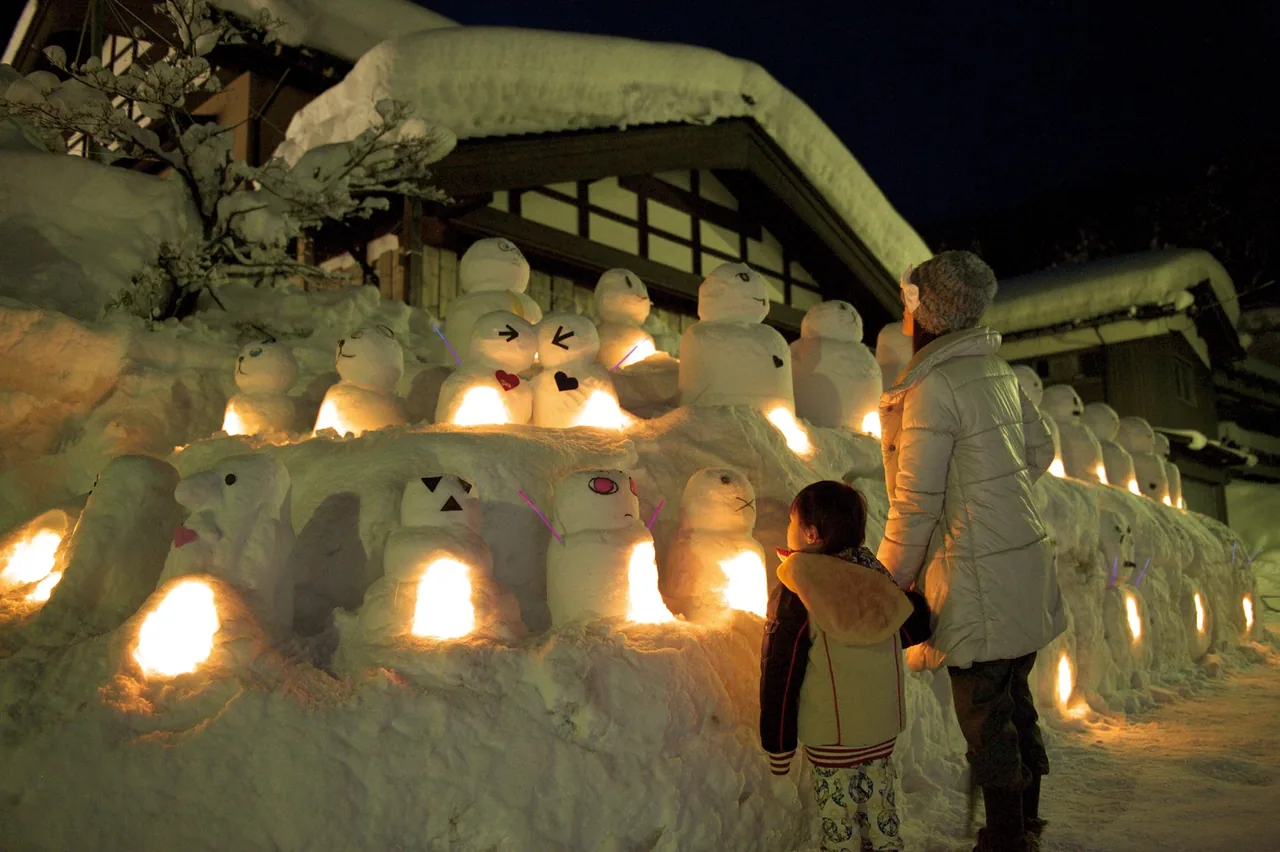
On the other hand, some events can only be seen in the snow. In Shiramine, the Shiramine Snowman Festival is usually held on a Friday between late January and early February: snowmen line the village, and candles are lit after dark. In 2026 it was held on February 6. Check the Shiramine Tourism Association for the 2027 date once it is announced. Snowy roads are slippery and nights get very cold, so wear shoes with a good grip and warm, heavy clothing.
Getting there: by bus from Tsurugi Station into the mountains
By public transport, your starting point is Tsurugi Station on the Hokuriku Railroad Ishikawa Line. Take the Ishikawa Line from Nomachi Station in Kanazawa.
- Shirayama Hime Shrine: take a bus toward Shiramine from Tsurugi Station, get off at "Ichinomiya" and walk about 5 minutes. On foot from the station, about 30 minutes
- Shishiku Highland: about a 10-minute walk from Shirayama Hime Shrine
- Hakusan Dinosaur Park Shiramine and Shiramine: Hokutetsu Hakusan Bus Hakusan Line from Tsurugi Station toward Kuwajima and Shiramine
To see it all in one day, a comfortable order is to visit Shirayama Hime Shrine in Tsurugi in the morning, ride the gondola up the highland if it is running, then take the bus to Shiramine. By car, you can stop at the dinosaur park after walking around Shiramine, and while the White Road is open, carry on as far as Shirakawa-go.
Buses toward Shiramine are infrequent, so check the Hokuriku Railroad timetable, including the return times, before you set out. It is also worth checking shrine events and opening days on each official website. Find more places in Ishikawa with sights in Ishikawa.