Hiroshima Food Guide: Oysters, Fuchu-yaki and Setoda Lemons
This guide is translated from the Japanese edition. Read the Japanese edition
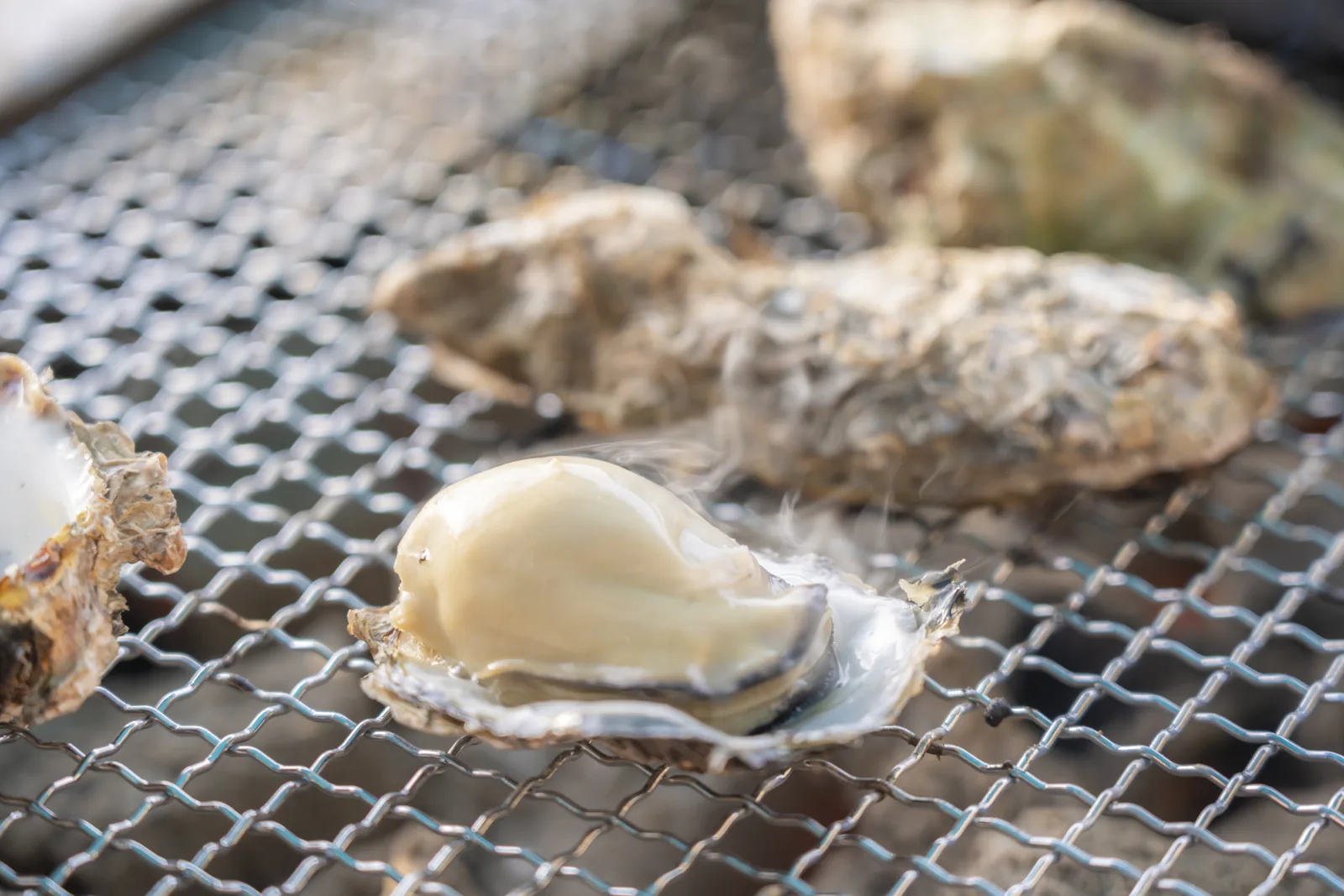
Hiroshima food guide: raft-grown oysters, Fuchu-yaki made with minced meat, Setoda lemons from Japan's top lemon prefecture, lemon hot pot and island citrus.
Shells crackle on the grill, and the smell of the sea rises with the steam. In winter, Hiroshima's signature taste is the oyster. Facing the Seto Inland Sea, Hiroshima Prefecture grows oysters in the sea and lemons and other citrus on the slopes of its islands. In the east of the prefecture there are local griddle dishes too, such as Fuchu-yaki made with minced meat. Knowing a little about where these foods come from and how they are eaten makes choosing where to eat in Hiroshima much easier.
Oysters: Hiroshima Bay grows about 60% of Japan's crop
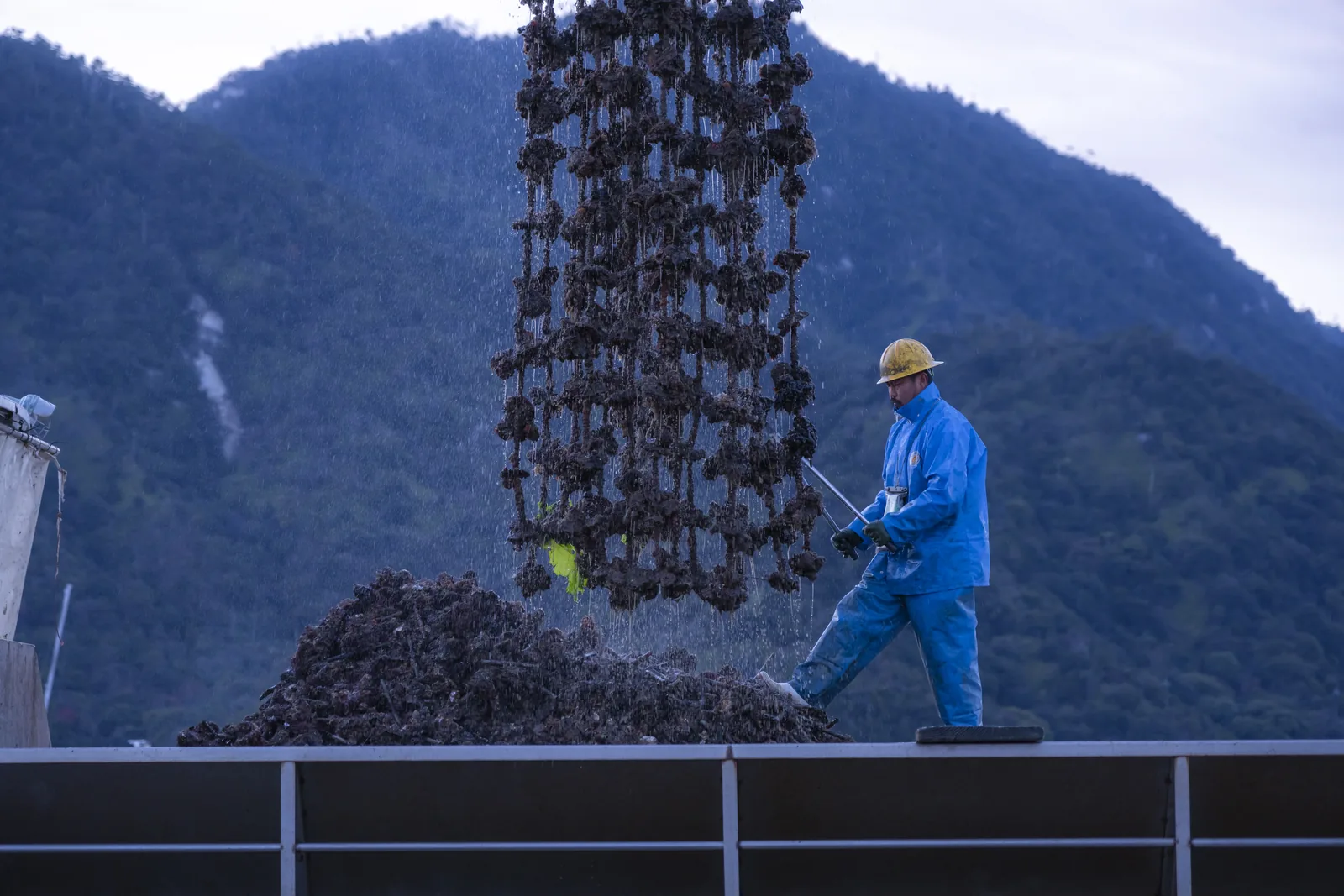
Photo: Hiroshima Tourism Association
Hiroshima Prefecture is Japan's largest producer of farmed oysters, with about 60% of the national total. Sheltered by islands, the calm waters of Hiroshima Bay are well suited to floating the rafts the oysters grow on.
The photo shows grown oysters being hauled up from the sea. The oysters grow beneath the rafts on long strings of rope.
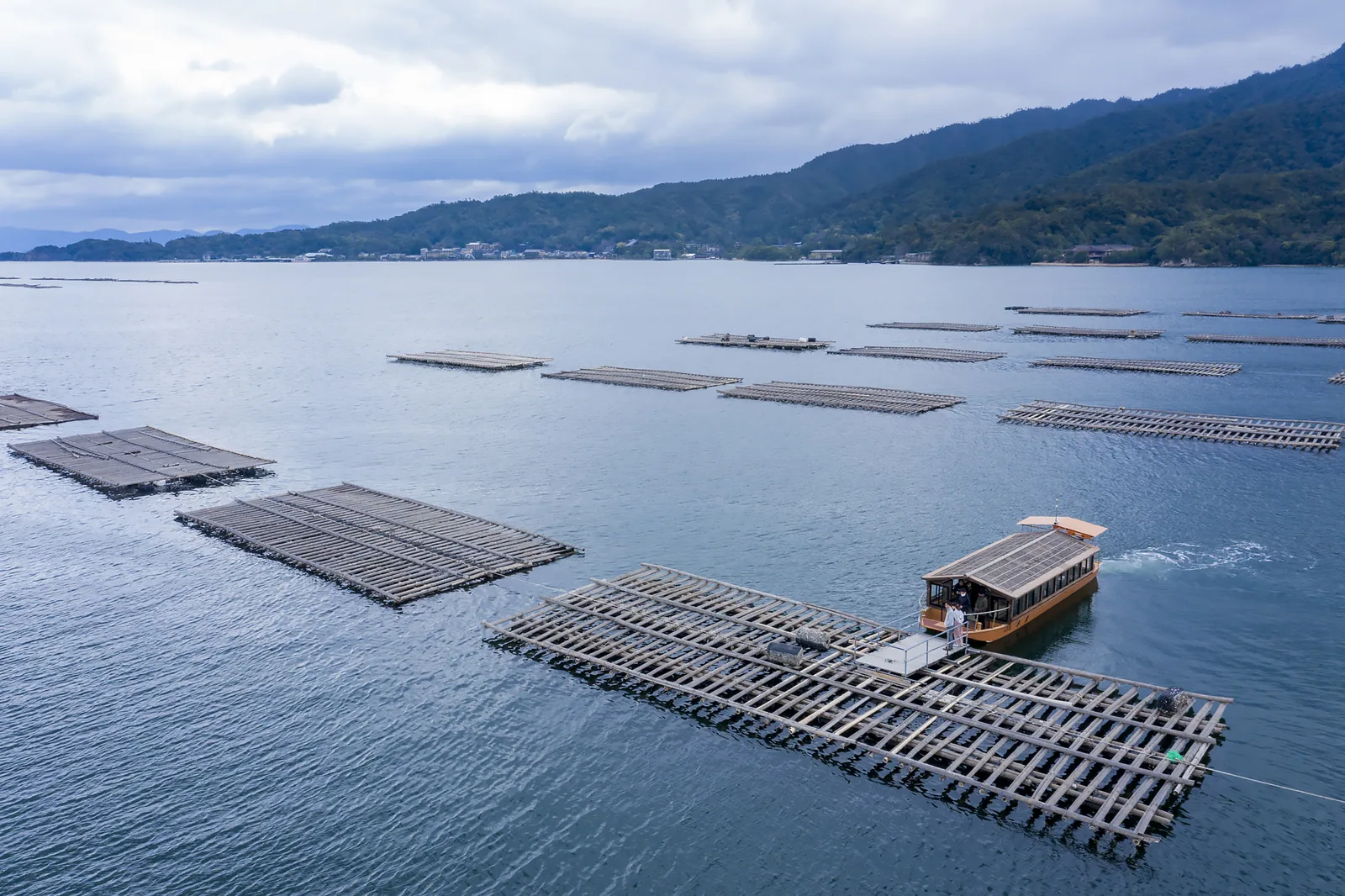
Photo: Hiroshima Tourism Association
Along the coast of Hiroshima Bay and in the waters around Miyajima, you can see rows of square bamboo rafts floating on the surface. Raft farming spread after the Second World War, and production rose sharply from then on.
Grilled oysters and fried oysters: when and where to eat them
Hiroshima oysters usually start shipping around October and continue into spring. On a winter visit you can try them many ways depending on the restaurant: grilled in the shell (yaki-gaki), deep-fried (kaki furai), or in a miso hot pot (dote-nabe).
Grilled oysters are ready when the shell opens and the meat plumps up. Freshly grilled shells are very hot and the juices can spurt, so take care when you pick them up. Restaurants serving oysters cluster around Miyajima's Omotesando shopping street, at Miyajimaguchi and in central Hiroshima.
Because oysters grow in the open sea, the harvest changes from year to year. In the 2025 season, Hiroshima Prefecture reported that many oysters died, mainly in the waters from Kure to Higashihiroshima. If you have your heart set on a particular dish, check the restaurant's website or social media before you go.
Fuchu-yaki: okonomiyaki with minced meat from eastern Hiroshima
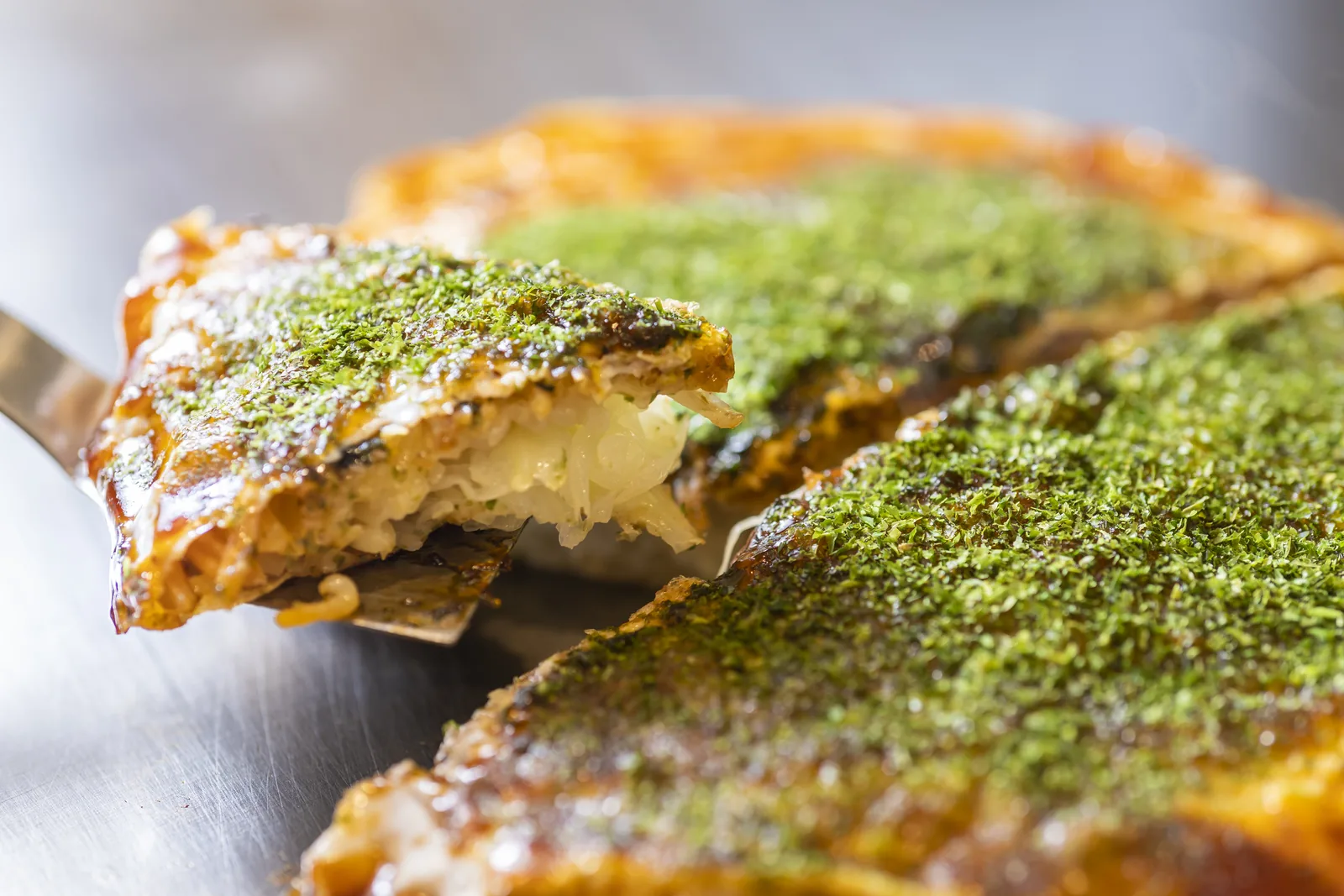
Photo: Hiroshima Tourism Association
Fuchu-yaki is the okonomiyaki of Fuchu City in eastern Hiroshima Prefecture. Like Hiroshima-style okonomiyaki, it is built in layers of cabbage and noodles, but it is said to be defined by minced meat instead of sliced pork belly. As it cooks, fat from the mince seeps out and the surface turns crisp.
Fuchu is an inland town reached from Fukuyama Station on the JR Fukuen Line. Fuchu-yaki restaurants are scattered around the city, and some travelers stop by on a trip to Fukuyama or Onomichi.
Hiroshima-style okonomiyaki and other local favorites
The easiest local dish to find in Hiroshima City is okonomiyaki. Instead of mixing batter and fillings, the cook spreads a thin crepe of batter and stacks cabbage, meat, soba or ramen noodles and egg on top. Sit at the griddle counter and you can watch it being made, then eat it straight off the hot plate with a small spatula.
Other tastes you will come across in Hiroshima include anago-meshi (conger eel over rice) on Miyajima and at Miyajimaguchi, momiji manju, the maple-leaf-shaped cakes sold as Miyajima souvenirs, and Onomichi ramen in Onomichi. For Miyajima's sights, see the Miyajima page.
Setoda lemons: the taste of Japan's top lemon island
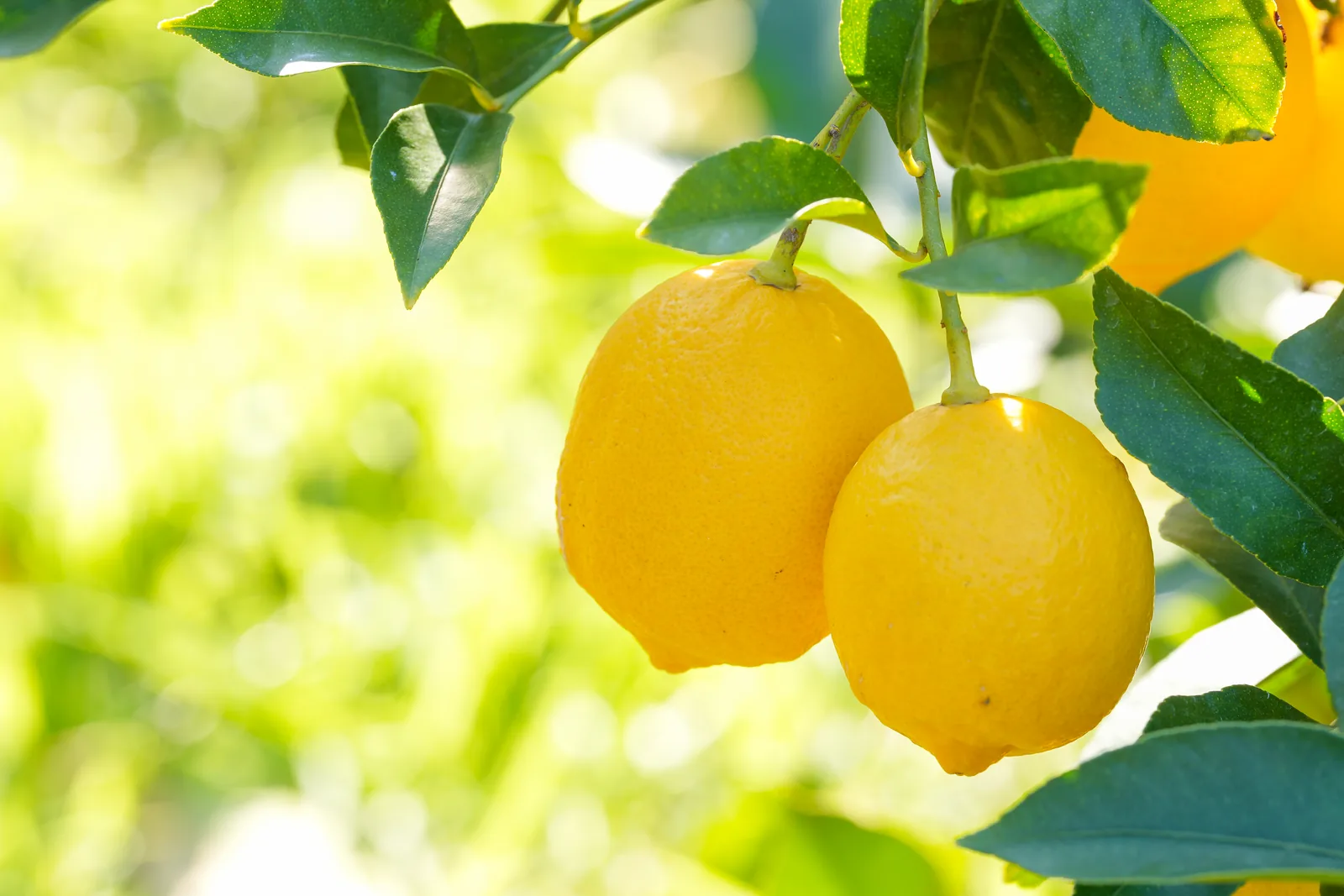
Photo: Hiroshima Tourism Association
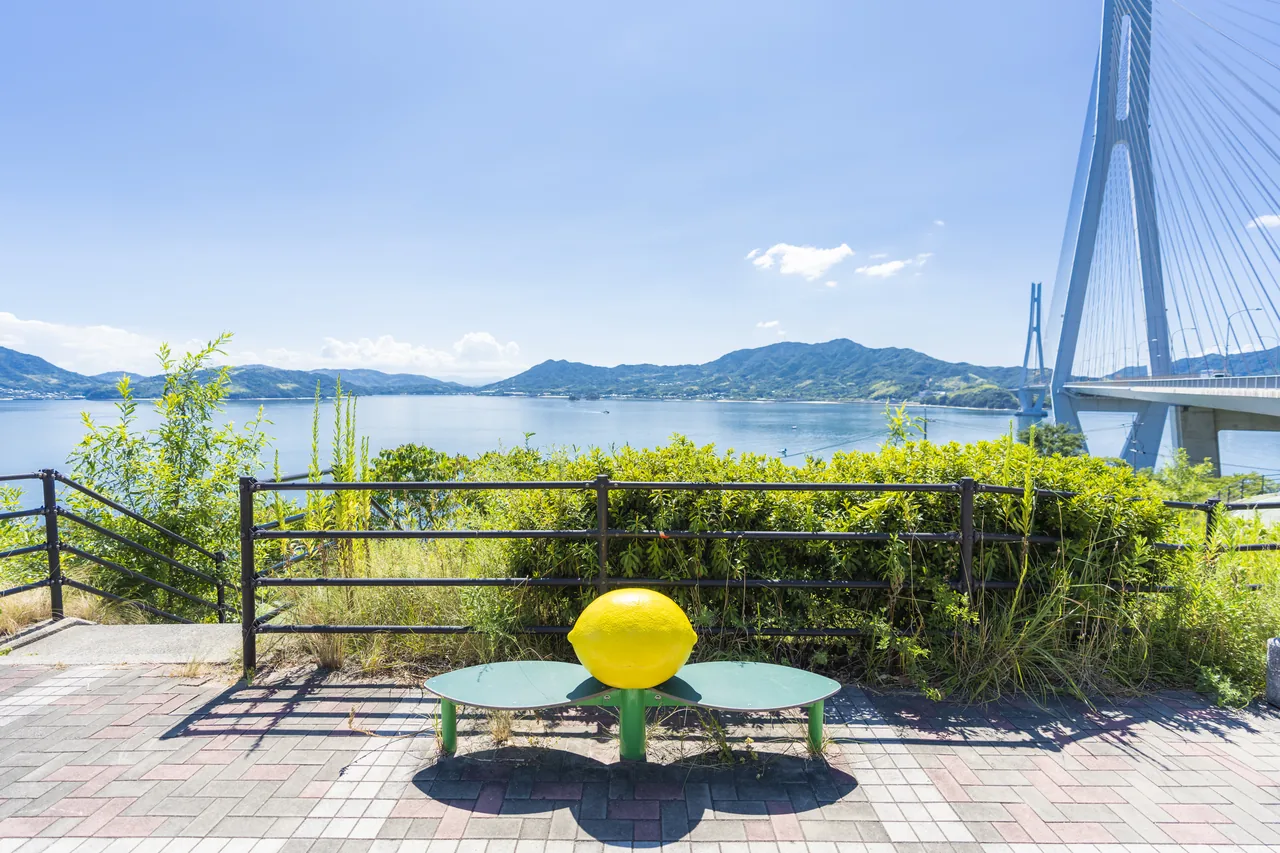
Hiroshima Prefecture grows more lemons than anywhere else in Japan; according to the prefecture, it produced 51% of the domestic crop in 2021. The mild Seto Inland Sea climate, with few typhoons, suits lemon growing, and the main producing areas are islands belonging to Kure, Onomichi and Osakikamijima.
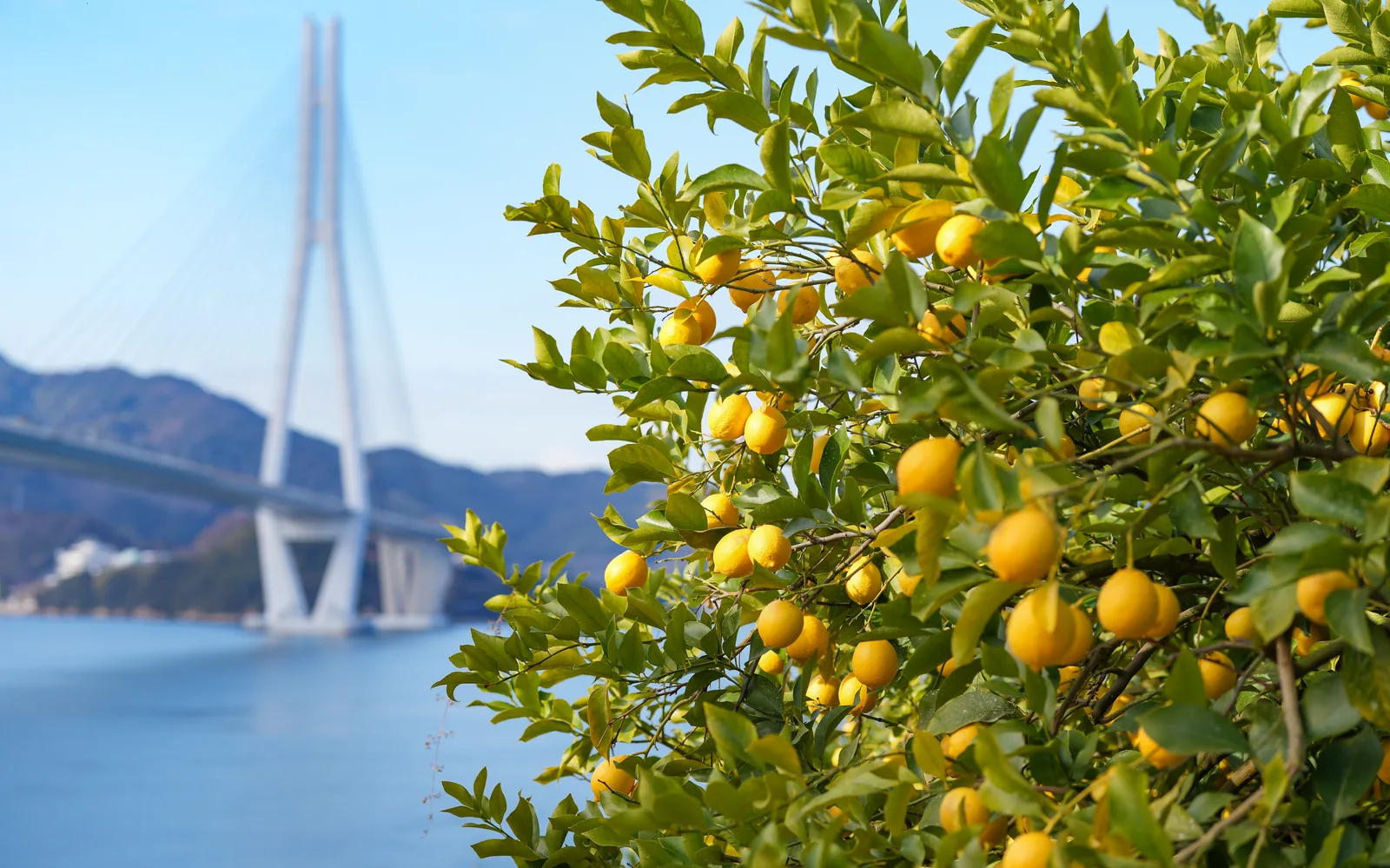
Photo: Hiroshima Tourism Association
The best known is Setoda in Onomichi City, made up of Ikuchijima and Kohnejima islands. It sits along the Shimanami Kaido, and the shopping street near the port sells lemon cakes, juice, jam and other lemon souvenirs. For a cycling trip around the island, see Shimanami Kaido and Setoda.
Lemon hot pot and island citrus
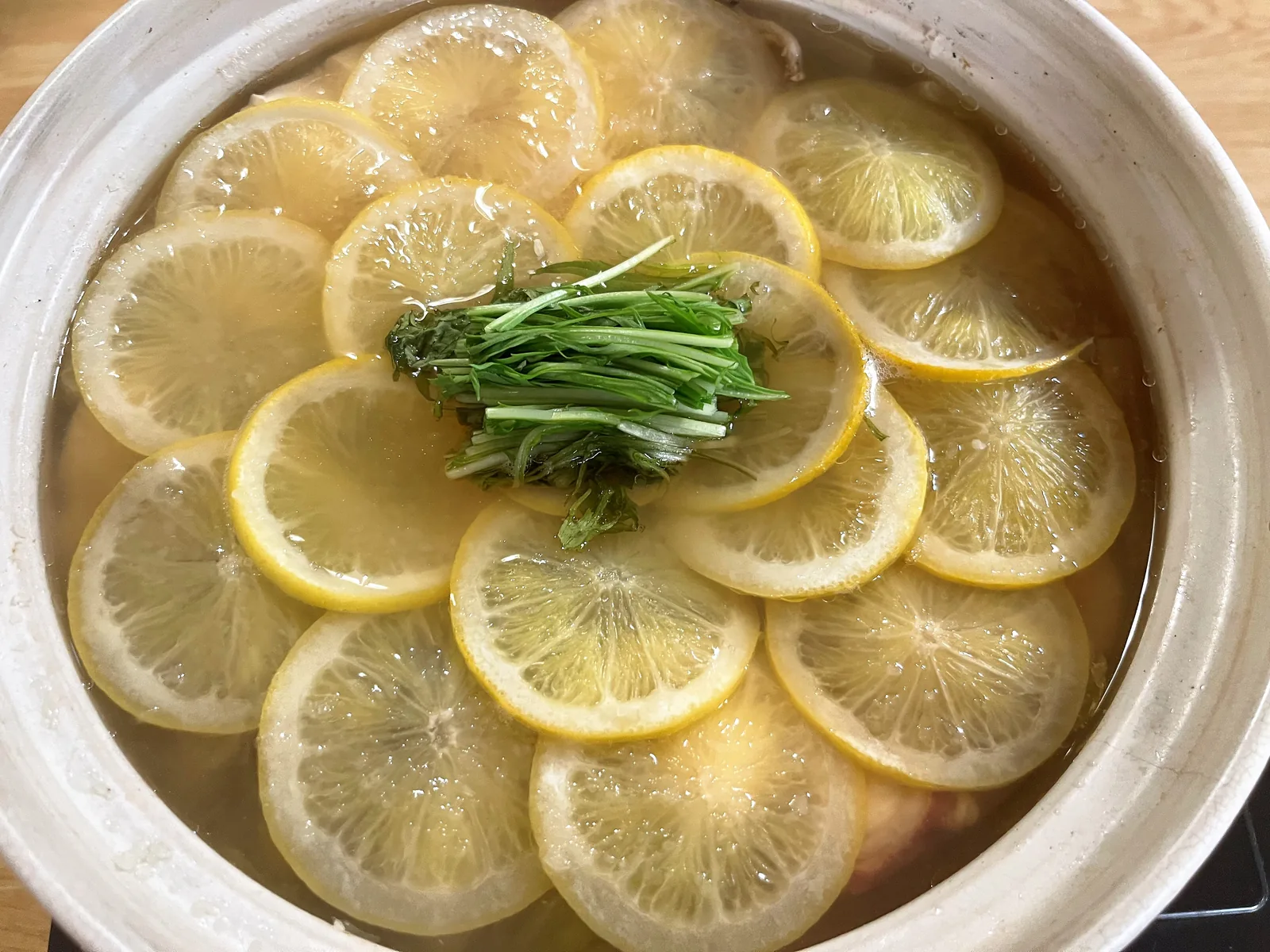
Photo: Hiroshima Tourism Association
Lemon nabe is a hot pot in which thin lemon slices are laid over a dashi broth. The lemon's acidity and fragrance seep into the soup, making meat and vegetables taste light and fresh. You may find it at restaurants that serve hot pots in the cold months and at eateries in Setoda.
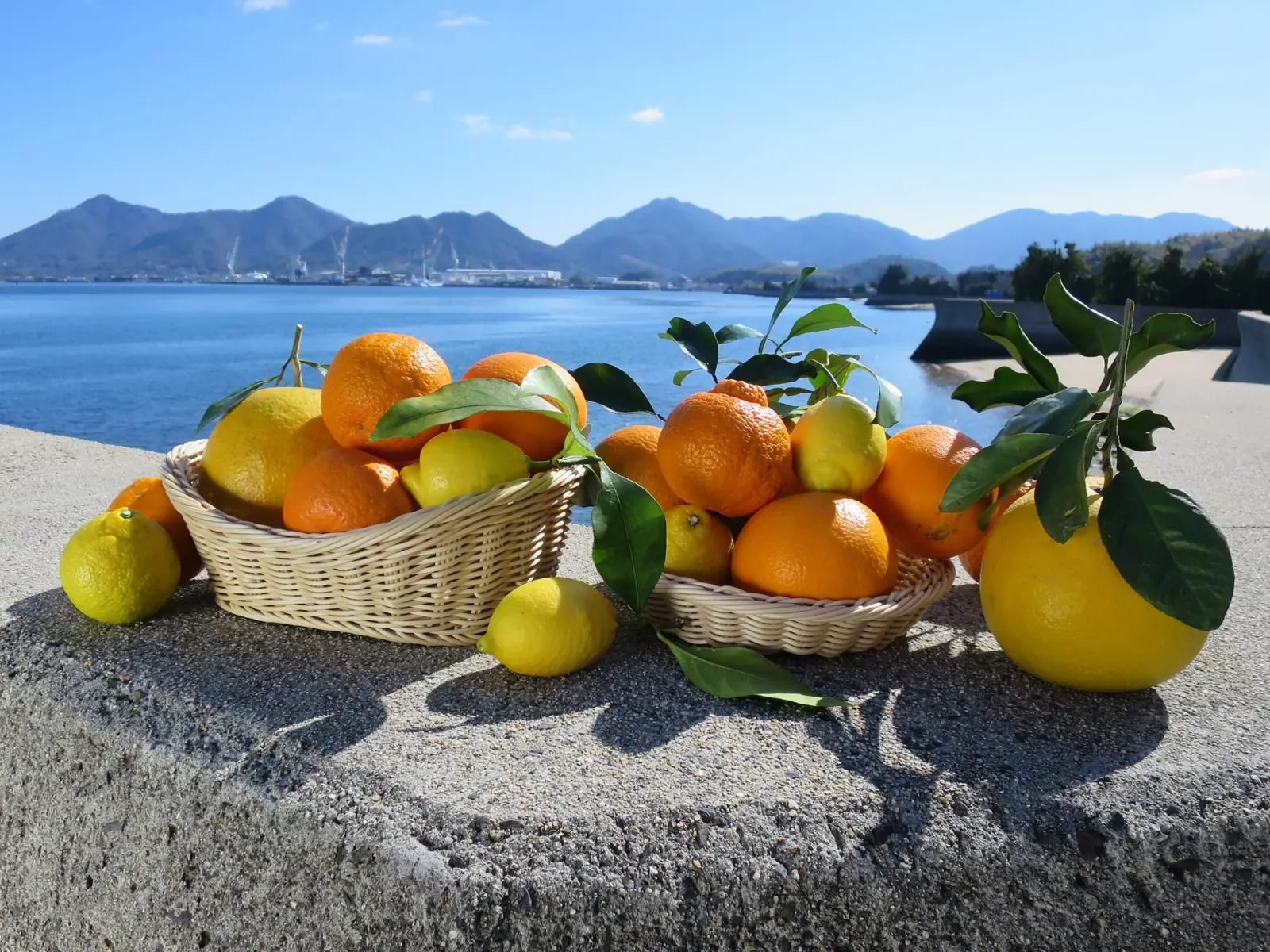
Photo: Hiroshima Tourism Association
Besides lemons, the Seto Inland Sea islands grow many other kinds of citrus, and what is on sale changes with the season. Fruit shops, roadside stations (michi-no-eki) and port kiosks sell fresh fruit as well as juice, jelly and other products that are easy to carry home. If you plan to take fresh fruit abroad, check your home country's import rules first.
Where to find Hiroshima's specialties
- Oysters and okonomiyaki are easy to find in central Hiroshima and around Hiroshima Station.
- If you cross to Miyajima, you will find grilled oysters and anago-meshi at Miyajimaguchi and along the island's Omotesando.
- Browse sights across the prefecture in Hiroshima sights.