
Onsen Etiquette in Japan: How to Use a Hot Spring or Sento Bath
This guide is translated from the Japanese edition. Read the Japanese edition
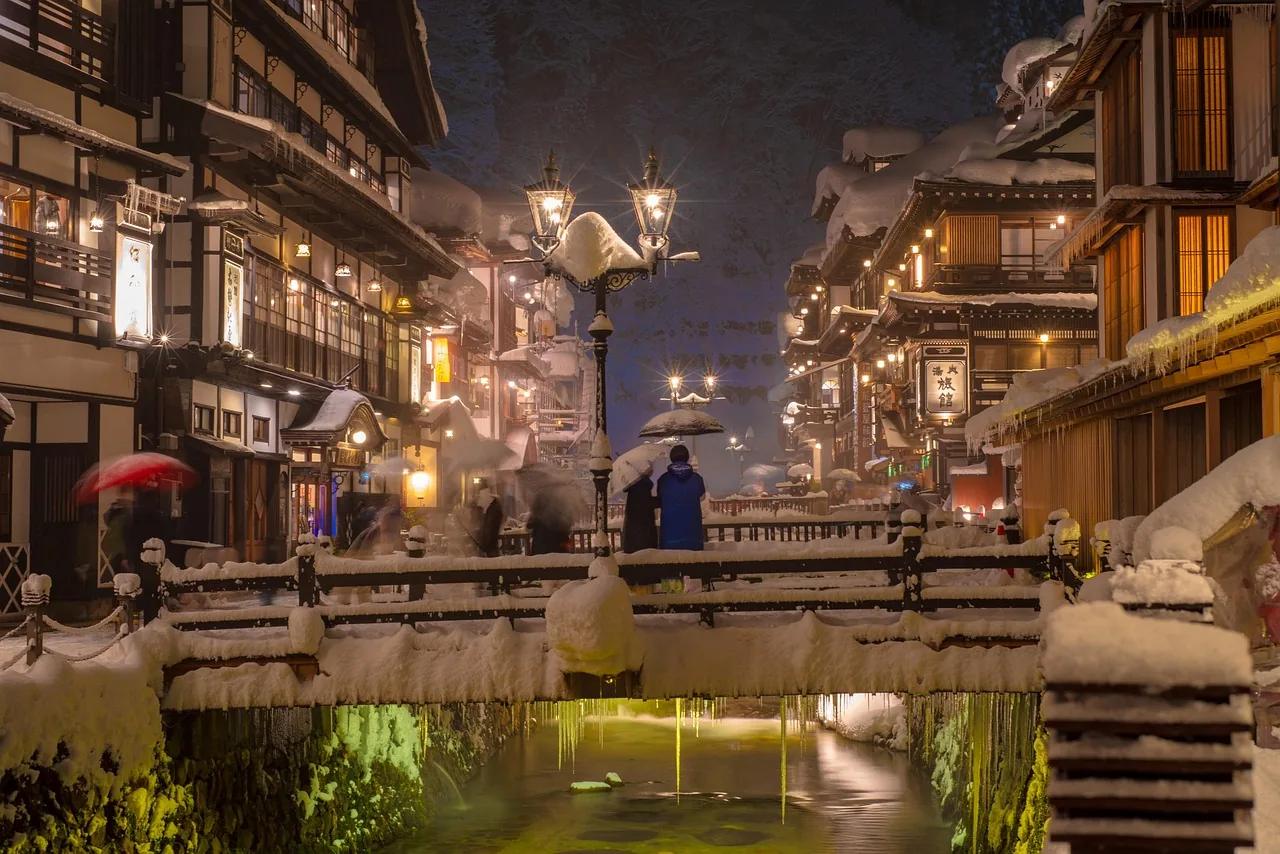
At an onsen or sento you wash before getting in and keep your towel out of the water. Rinsing order, tattoo checks before booking, what to bring and when not to bathe.
Undress in the changing room, pick up one small towel and slide open the door to the bathing area: through the steam you see a row of mirrors and taps at the washing stations, with the bath beyond them. At a Japanese onsen or sento there are a few things to do before you get into the water, and locals do them without a second thought. Once you know the steps and the reasons behind them, a first visit is nothing to worry about. The basics are the same at a day-use hot spring in a spa town and at a neighbourhood sento.
Onsen or sento: is the routine the same?
A sento is a public bathhouse where local people come for their everyday bath. Onsen, or hot springs, are found at ryokan inns and day-use facilities in hot spring towns. The water and the atmosphere differ, but both are communal baths where you bathe naked and share the same water. That is why the basic manners, such as washing before you get in and keeping your towel out of the water, are the same at both.
Under the Hot Springs Act, facilities that use hot spring water must post information such as the spring type and its components, the illnesses and conditions for which bathing is not advised (contraindications), and precautions for bathing. The notice is usually in the changing room or a similar spot, and it is worth reading before you go in.
From the front desk to the changing room
- Take off your shoes at the entrance and put them in a shoe locker. At a sento, keep hold of the shoe locker key
- Pay the bathing fee at the front desk or a ticket machine. Prices vary by facility, so check the official website or the sign at the entrance
- Find the entrance for men or women and go into the changing room
- Undress completely and put your clothes in a locker or basket. Swimsuits and underwear are not worn in the bath
- Take only your small towel and any soap or shampoo you brought into the bathing area
Keep your voice down in both the changing room and the bathing area. Leave your phone in the changing room rather than taking it into the bathing area. To protect other people's privacy, many facilities ban photography in the bathing area; follow the signs at each one.
Before you get in: rinse and wash
When you enter the bathing area, go to the washing stations first, not the bath.
- Rinse (kakeyu): scoop up hot water with a bucket and pour it over yourself, starting with your hands and feet and then your whole body. This gets your body used to the temperature and washes off dirt
- Wash: stay seated on the stool at the washing station and wash your body and hair with soap and shampoo
- Rinse off well: make sure no suds are left before you head to the bath. Remove any makeup too
- Tie up your hair: tie long hair up or wrap it in a towel so it stays out of the water
Everyone there shares the bath water, so washing first keeps it clean. The Ministry of the Environment's guide to using hot springs also says to pour hot water over yourself, starting with your hands and feet, and wash before getting in.
Keep your towel out of the water
Use the small towel to wash, or to cover yourself as you walk around the bathing area. It never goes into the bath, though. While you soak, fold it and rest it on your head or leave it on the edge of the bath.
When you get out, give yourself a quick wipe with that towel before going back to the changing room, so you don't leave the floor wet.
If you have tattoos, check with the facility first
Many communal baths in Japan have turned away people with tattoos. According to the Japan Tourism Agency's ryokan Q&A, tattoos are associated with anti-social groups in Japan, and baths have refused tattooed guests so that other guests do not feel uneasy.
At the same time, understanding of tattoo culture overseas is growing. Some ryokan place no restrictions at all on tattoos, and others decide case by case, looking at things like the size of the tattoo. Ryokan with in-room baths or private baths that can be reserved separately from the communal bath let guests with tattoos bathe there.
Rules differ from place to place, so if you have tattoos, check the facility's official website or contact it directly before you book.
What to bring to a sento
- A small towel (for washing and for the bathing area)
- A bath towel (for drying off in the changing room)
- Soap, shampoo and conditioner
- A change of clothes
Some sento do not provide soap or shampoo. On the other hand, many sell towels and small bottles of soap and shampoo at the front desk, and at some you can turn up empty-handed. Check each sento's own information or official website to see what is provided and what is on sale.
Sento in Tokyo can be found on a map on the Tokyo Sento Association's website, which also has a guide to using a sento in English.
Health and safety in the bath
Japan's Ministry of the Environment lists precautions for bathing in hot springs, including the following.
- Avoid bathing just before or after a meal, or after drinking alcohol. Bathing while drunk is especially dangerous
- Drink water before and after bathing to avoid dehydration
- Older people, children and people with disabilities should avoid bathing alone
- Older people and people with high blood pressure or heart conditions should avoid very hot water
If you bathe in hot springs for several days in a row, you may develop "yuatari", with tiredness, trouble sleeping or an upset stomach. If that happens, stop bathing or bathe less often until you feel better. If you have a medical condition, check the contraindications on the notice in the changing room too.
Japan's Consumer Affairs Agency also warns that accidents in the bath are common, especially in winter, and urges people to watch the water temperature and how long they stay in. For guideline temperatures and bathing times, see the official materials below.
Bathing safety, tattoo policies and sento how-tos from official sources
- Safe and secure hot spring use (Ministry of the Environment, Japanese)
- Overview of the Hot Springs Act (Ministry of the Environment, Japanese)
- Ryokan Q&A (Japan Tourism Agency, Japanese)
- How to Best Enjoy Japan's Onsen (Japan National Tourism Organization)
- How to use a sento (Tokyo Sento Association, Japanese)
- Beware of bathing accidents among older people in winter (Consumer Affairs Agency, Japanese)
To plan where to go next, browse the spot lists for Tokyo, Kyoto and Osaka.