
Japan Restaurant Etiquette: Ordering, Tipping and Chopsticks
This guide is translated from the Japanese edition. Read the Japanese edition
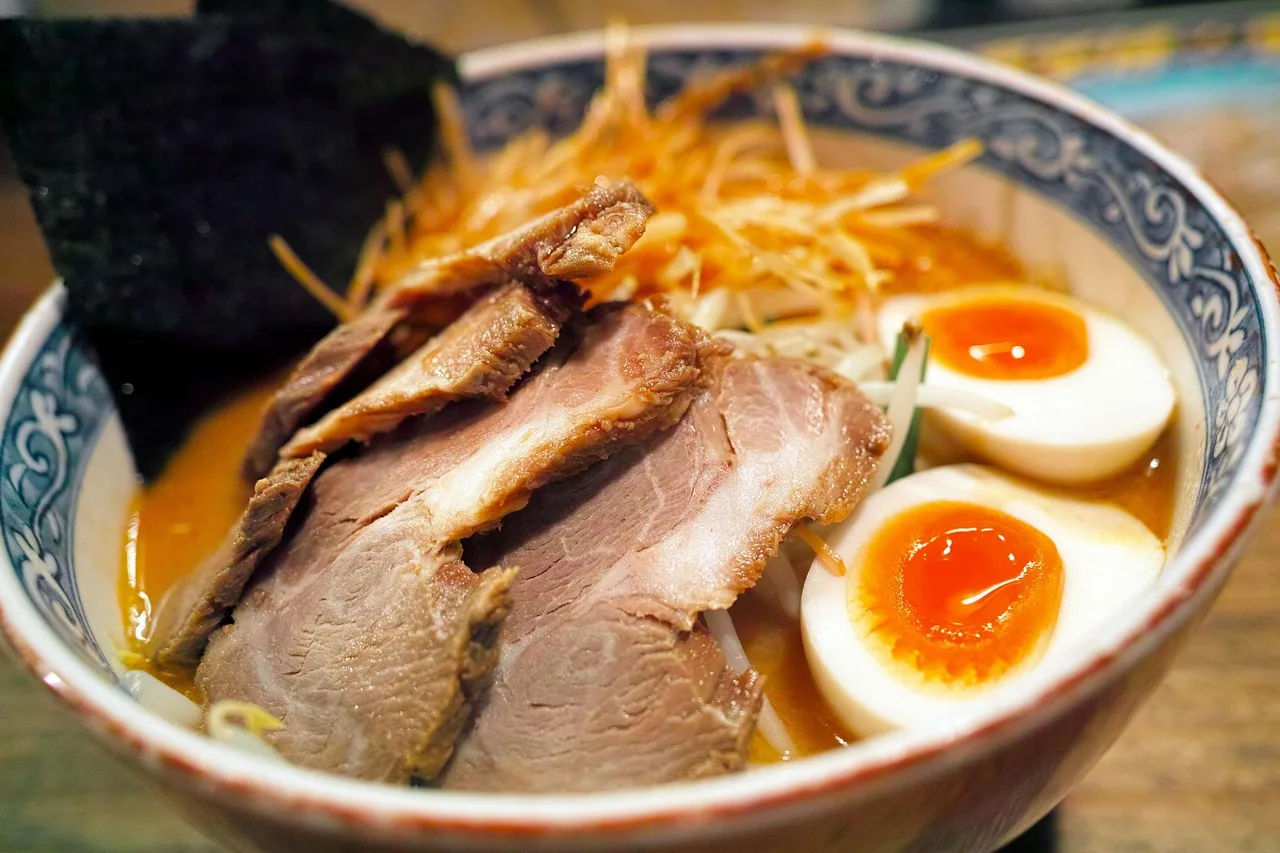
Japan restaurant etiquette from door to bill: party size, ticket machines and tablets, izakaya otoshi, chopsticks, why there is no tipping, cancellations and allergies.
You are standing at the ticket machine at the entrance to a ramen shop, hunting for the right button while the queue builds behind you. At an izakaya, a small dish you never ordered arrives, and the bill has a line you don't recognize. What puzzles first-time visitors to Japanese restaurants is rarely the food itself; it is the house rules. That little izakaya dish, for instance, is otoshi, a first course that arrives whether you ordered it or not, and it isn't a mistake.
When you walk in: give your party size and wait to be seated
As you enter, staff will call out "Irasshaimase" (welcome). Whether or not you have a reservation, the custom is to wait at the entrance until someone shows you to a table. Even if you can see empty seats, don't sit down until you're invited.
When asked how many are in your party, a simple "One person" or "Two people" works. Some restaurants have a sign-in sheet at the entrance where you write your name and party size and wait your turn. Some places only seat a group once everyone has arrived, so if you're meeting friends, it's smoother to go in once they're there.
Once seated, you'll often receive an oshibori (a small wet towel) along with your drink. It's for cleaning your hands before the meal.
How to order: ticket machines, tablets and call buttons
How you order varies a lot by type of restaurant. If you're unsure at the door, watching what other customers do is a good clue.
Restaurants where you buy a ticket first
Casual places such as ramen shops sometimes have a ticket vending machine near the entrance. Press the button for the dish you want, buy the ticket, hand it to the staff, then sit where you're directed.
Larger chains such as conveyor-belt sushi restaurants may have you take a numbered ticket from a machine at the entrance and wait to be called.
Ordering at your table: tablets and call buttons
Where you order at the table, either wait for a staff member to come over or use the call button or tablet on the table. Some large izakaya chains take orders through a tablet screen. If you can't read the menu, a translation app is another option.
Otoshi at an izakaya
At an izakaya, ordering a drink may bring a small dish called otoshi at the start of the meal. It is something like a starter, and the custom is said to have begun as a way of marking that guests had been shown to their seats. It is usually charged per person. A dish you didn't order is not a mistake, so there's no need to worry. Whether you can decline it, and what it costs, depends on the place, so if either concerns you, ask before you go in or before you order.
Chopsticks and table manners
In Japan, people say "itadakimasu" before eating and "gochisosama deshita" when they finish.
The following uses of chopsticks are avoided:
- Sticking chopsticks upright in a bowl of rice
- Passing food from chopsticks to chopsticks
- Spearing food with your chopsticks
Slurping ramen, soba or udon is not considered rude. On the other hand, tables are often close together, so speaking quietly makes the meal more comfortable for everyone, you included.
Where to pay, and why you don't tip
There are two ways to pay. At some restaurants you pay at the table; at others you take your bill to the register near the entrance. If you're not sure which applies, ask the staff.
According to JNTO, tipping is not common in Japanese restaurants, cafes or bars. Tokyo's official gourmet site also notes that in most cases service is already included in the bill, so tipping is not required.
For tips on eating your way around Osaka, see Osaka street food: Dotonbori and Kuromon Market.
Reservations, running late and cancelling
For popular restaurants, it's wise to book ahead unless the restaurant doesn't take reservations. Punctuality matters in Japan, and arriving late may inconvenience the restaurant. If you can't make it, cancel through the website you booked on or by phone. Not letting the restaurant know causes trouble for them.
Cancellation terms differ from place to place, so check them when you book.
How to explain allergies and dietary restrictions
If you have a food allergy, especially a serious one, look up the Japanese names of those ingredients beforehand and keep a note you can show staff. If you're unsure, check with the staff before you order. At set-course restaurants, you can also mention it when you book.
For vegetarians and vegans, just saying "vegetarian" may not be enough. In Japanese cooking, dishes that seem free of meat and fish may still use dashi, a stock often made from seafood. Be specific: no meat, no seafood, and no dashi.
For travelers with religious dietary needs such as halal, JNTO offers the "Muslim Services Inquiry Sheet," which you can show to hotel and restaurant staff.
Tipping and table manners: JNTO and Tokyo guides
- Japanese Food Etiquette Guide (JNTO)
- Tipping in Japan (JNTO)
- From Door to Leaving: How Dining Out in Tokyo Flows (GO TOKYO Gourmet, official Tokyo site)
- Tips for Enjoying Dining Out in Comfort (GO TOKYO Gourmet, official Tokyo site)
Looking for places to eat in Tokyo? Browse the list of Tokyo spots.