
How to Ride the Shinkansen Between Tokyo, Kyoto and Osaka
This guide is translated from the Japanese edition. Read the Japanese edition
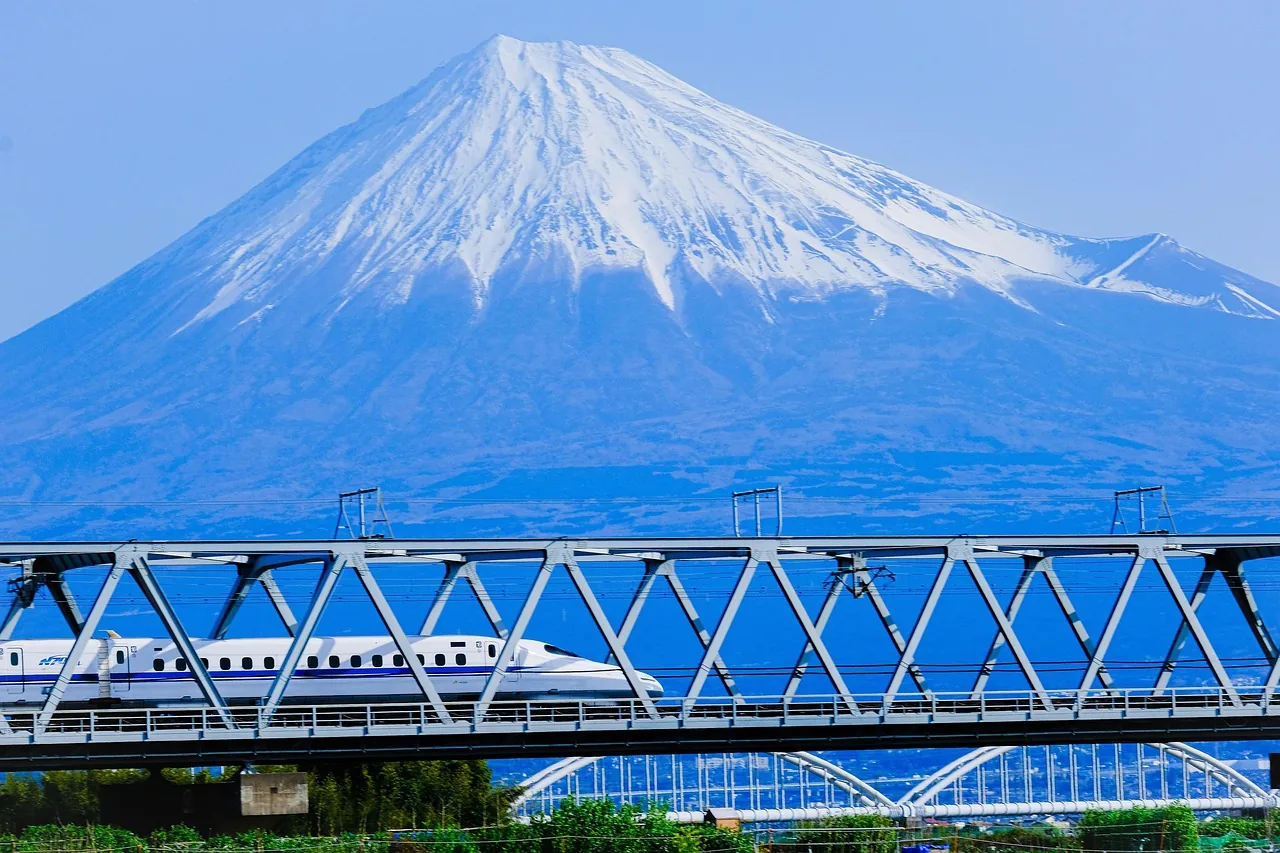
Nozomi, Hikari and Kodama differ in stops, and the Japan Rail Pass alone won't cover Nozomi. Buying tickets, unreserved cars, oversized luggage seats and boarding.
Up on the Shinkansen platforms at Tokyo Station, the departure boards list trains called Nozomi, Hikari and Kodama, and car-number signs run all the way down the platform. The line linking Tokyo, Kyoto and Osaka is the Tokaido Shinkansen. Two rules catch first-timers at the station: a suitcase big enough to count as oversized baggage needs a seat reservation, and the Japan Rail Pass alone does not cover the Nozomi.
Nozomi, Hikari and Kodama: what's the difference?
The Tokaido Shinkansen runs between Tokyo Station and Shin-Osaka Station, stopping on the way at Shinagawa, Shin-Yokohama, Nagoya, Kyoto and other stations. Three types of train run on it — Nozomi, Hikari and Kodama — and what sets them apart is how many stations they stop at.
| Train | Stops | Best for |
|---|---|---|
| Nozomi | Only major stations such as Shinagawa, Shin-Yokohama, Nagoya and Kyoto | Getting between Tokyo, Kyoto and Shin-Osaka quickly |
| Hikari | Nozomi's stops plus a few more | Japan Rail Pass holders, and people getting off at stations along the way |
| Kodama | Every station | People using smaller stations, or in no hurry |
With the fewest stops, Nozomi reaches Kyoto and Shin-Osaka fastest. For reserved seats, Nozomi costs a little more than Hikari and Kodama; non-reserved seats cost the same on all three. If you are heading to a station along the way on a Hikari or Kodama, check the timetable for that train's stops before you board. Journey times and fares are on JR's official websites.
The line ends at Shin-Osaka Station, which is a different station from Osaka Station (Umeda) and from Namba. From Shin-Osaka, change to a JR local line or the subway to get into the city.
Buying tickets: machines, counters and smartEX
To ride the Shinkansen you need two things: a basic fare ticket to your destination, and a limited express ticket (reserved or non-reserved) for the Shinkansen itself. If they come as two separate tickets, put both into the ticket gate together.
Ticket machines at the station: JR ticket machines can be switched to English. Some of them sell Shinkansen limited express tickets and let you pick a seat.
Ticket offices (Midori-no-madoguchi): Tell the staff your departure and arrival stations, date and time, train type (Nozomi, Hikari or Kodama), number of people (adults and children) and seat type (reserved, non-reserved or Green Car), and they will sort it all out. Writing it down and showing it avoids misunderstandings. Travel agencies sell tickets too.
smartEX: the online reservation service for the Tokaido, Sanyo and Kyushu Shinkansen, with an English website. You need a credit card to register; the accepted card brands and the 3D Secure authentication requirement are explained on the official site. Once you have booked, you board in one of three ways: hold your QR-Ticket over the Shinkansen ticket gate, register a transport IC card and tap it, or pick up paper tickets at the station. IC cards for visitors such as Welcome Suica can be registered, but once the card's validity period ends you can no longer board with it.
- How to buy Tickets (JR Central)
- How to use a ticket vending machine (JR West)
- Getting started with smartEX
Reserved or non-reserved seats?
With a reserved seat, your car and seat number are printed on the ticket. With a non-reserved ticket, you take any free seat in the non-reserved cars, and on a busy train you may have to stand.
Which cars are non-reserved differs between Nozomi, Hikari and Kodama. The departure boards and signs on the platform show which cars are non-reserved, so check there before you queue.
During the busiest periods, Nozomi trains run with all seats reserved. Even then, trains other than Nozomi (Hikari and Kodama) keep their non-reserved cars as usual. JR Central announces the periods in advance.
If you have a suitcase, want to sit together as a family or need to arrive on time, a reserved seat makes the trip far calmer.
Travelling with big luggage: seats with an oversized baggage area
On the Tokaido, Sanyo, Kyushu and Nishi-Kyushu Shinkansen, bags whose three dimensions add up to more than a set limit count as "oversized baggage", and to bring one on board you must reserve a "seat with an oversized baggage area". This is a reserved seat with space behind it for oversized baggage, and the ticket costs the same as an ordinary reserved seat (or Green Car seat). If you bring oversized baggage without a reservation, a fee is charged. Check the size limits and the fee on the official pages below.
You can book one on smartEX by choosing "seat with oversized baggage area" when you pick your seat, or at a station ticket machine or ticket office. At the counter, simply ask for a seat with an oversized baggage area.
Luggage below the oversized size goes at your feet or on the rack above the seats. If your suitcase is close to the limit, measure it before you leave so there is no guesswork at the station.
- Bringing oversized baggage on board (JR Central, Japanese)
- Oversized baggage on the Shinkansen (JR Odekake Net, Japanese)
- Luggage information (JR Central)
Queuing on the platform and manners on board
Once through the gate, check the train name, departure time and track number on the departure board, then go up to the platform. Signs by the stairs and escalators show which cars stop nearby (for example "Cars 1–7"), so pick the stairs closest to your car and you will not have to walk the length of the platform. Boarding positions for each car are also marked on the platform floor and on signs above the platform.
While you wait, line up at your boarding position and let passengers get off first. Don't cut in or rush for the doors; board in order.
On board, the main thing to watch is noise.
Put your phone on silent and take calls in the deck area between cars.
Watch videos with the sound off or use earphones.
Keep conversations quiet.
Which trains the Japan Rail Pass covers
The nationwide Japan Rail Pass covers Hikari and Kodama on the Tokaido Shinkansen, and you can reserve ordinary-car seats at no extra charge. The pass does not guarantee you a seat, so book a reserved seat if you want one. The cars for passengers travelling with children on the Tokaido Shinkansen and the S Work cars on the Tokaido and Sanyo Shinkansen are not covered.
The pass alone does not cover Nozomi (or Mizuho on the Sanyo and Kyushu Shinkansen). To ride one, buy the special Nozomi/Mizuho ticket sold only to pass holders separately before boarding, and use it together with a valid pass. You need one each time you ride a Nozomi or Mizuho. It is sold at reserved seat ticket machines and ticket offices at stations, among other places. Check prices and purchase details on the official website.
You can also reserve seats at the reserved seat ticket machines in stations: scan the QR code on your pass (or enter the reservation number printed on it), enter your passport number, then choose the section, date, time and train. At the ticket gate, insert the pass itself; the reserved seat ticket alone will not get you through. smartEX cannot be used with the pass.
- Train accommodations (JAPAN RAIL PASS official site)
- Use of NOZOMI/MIZUHO trains (JAPAN RAIL PASS official site)
- How to book a reserved seat (JAPAN RAIL PASS official site)
Timetables and fares on JR Central's English site
Check timetables, journey times and fares on the official websites before your travel day. The all-reserved Nozomi periods and the oversized baggage rules can also change.
Once you reach Kyoto, one easy start is an Arashiyama day trip, a single train ride from Kyoto Station. For places to visit in Osaka, browse the list of Osaka spots.