
How to Ride Trains in Japan: Tickets, Suica, PASMO and ICOCA
This guide is translated from the Japanese edition. Read the Japanese edition
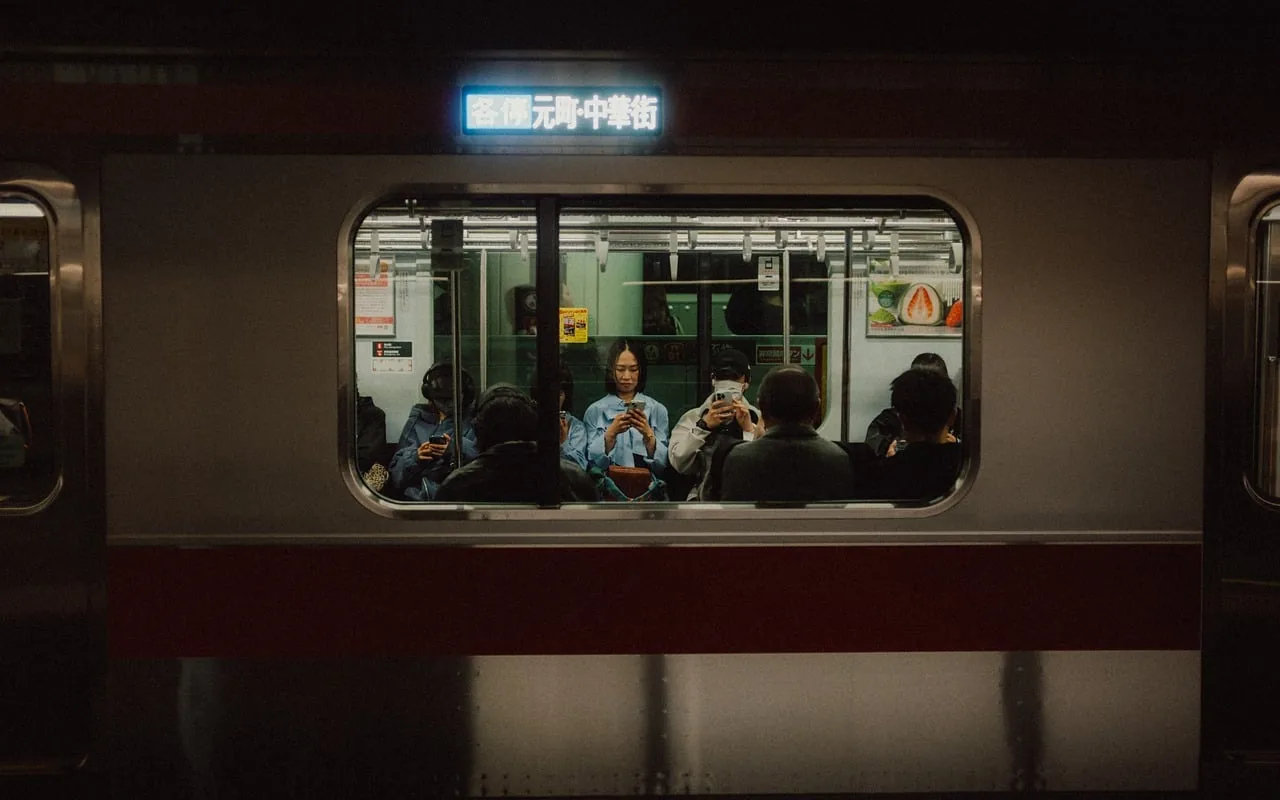
Paper tickets are bought per ride; IC cards just tap at the gate. Where to buy visitor Suica, PASMO and ICOCA, Welcome Suica Mobile, gates, station numbers and manners.
At the first station after leaving the airport, the place most people get stuck is the ticket machine. While some travelers stare up at the route map looking for their fare, others stream past them, tapping a card or phone on the gate. In Japan you can ride trains with either a paper ticket or a transit IC card.
Paper ticket or IC card?
A paper ticket is bought from a ticket machine by choosing the fare to your destination. You have to look up the fare and buy a new ticket every time, but you don't need a card to ride.
A transit IC card is a prepaid card that you load with money in advance (called "charging" in Japan). Tap it on the reader at the ticket gate and the fare is deducted from your balance. There is no need to buy a ticket for each ride, and the card also works for shopping at station kiosks and other shops showing the IC mark.
If you will be hopping on and off trains around a city, an IC card saves a lot of hassle. Keep in mind, though, that each IC card works within set areas, and you may not be able to use it for trips that cross from one area into another. For long journeys, or when taking the shinkansen or a limited express, check each railway's guidance on whether you can ride with an IC card before you set out.
Types of IC cards and where to buy them: Suica, PASMO, ICOCA
Japan's transit IC cards include JR East's Suica, PASMO for railways and subways in the Tokyo area, and JR West's ICOCA. These cards are part of the nationwide interoperable system; ICOCA, for example, can be used on trains, buses and in shops showing the IC mark across Japan. Check each company's official site for details on where the cards work.
| Card | Issued by | Options for visitors | Main places to buy |
|---|---|---|---|
| Suica | JR East | Welcome Suica (a card for international visitors), Welcome Suica Mobile (an iPhone app) | Check JR East's official site for where it is sold |
| PASMO | PASMO (railways, subways and others in the Tokyo area) | TOURIST PASMO | Counters and ticket machines at Haneda and Narita airports. Valid for a limited period, and the remaining balance is not refunded |
| ICOCA | JR West | ICOCA in a design sold only to international visitors | Midori-no-madoguchi ticket office at Kansai Airport Station |
The visitor-design ICOCA is sold at the Midori-no-madoguchi ticket office at Kansai Airport Station. The price includes a deposit. It is available to holders of a passport issued by a government other than Japan who entered under "Temporary Visitor" status. Check JR West's official site for payment methods and how many cards you can buy.
Where each type of card is sold, and whether it is available, can change. This applies to non-personalized Suica and PASMO cards too, so to avoid a scramble on arrival at the airport or station, check the latest information on each company's official site before you travel. Prices and deposit amounts are listed there too.
Riding with your phone: IC cards issued in an app
You can also skip the physical card and ride with a transit IC card on your phone.
For iPhone, JR East offers Welcome Suica Mobile, an app for international visitors that lets you issue a Suica. Check the official page for how to top it up, where it can be used and how long it stays valid.
JR West's Mobile ICOCA works by registering a WESTER ID and a payment card, and you can top up from the app. There are also Mobile Suica and Mobile PASMO apps. Each app supports specific phones and has its own registration requirements, so check the official site before you come to Japan.
Getting through the ticket gates and topping up
With an IC card or phone: Tap your card or phone on the reader of the ticket gate and walk through. Tap again the same way at your destination, and the fare for your trip is deducted from your balance. If your balance is too low you may not be able to pass, so check it before you ride and top up if it is running low.
With a paper ticket: Not every gate has a ticket slot. Look for a gate with a slot, insert your ticket, and pick it up when it comes out on the other side. If you are using two or more tickets, insert them together. At the gate of the station where you get off, your ticket is collected and not returned. If you travel farther than your ticket covers, pay the difference at a fare adjustment machine near the gates.
You can top up your card at station ticket machines, charge machines and similar machines. Check each company's guidance for other ways to top up and for the maximum balance.
Transferring and reading station signs
Many lines meet at major stations, and some have long transfer passages. When you are unsure where to go, line symbols, line colors and station numbers are your best guides.
On JR West's main lines in the Kinki (Kansai) region, each line has its own letter symbol and color, and stations have a number made of that symbol plus a number. Remember the symbol and color of the line you want and the number of the station where you will get off, and you can follow the signs without reading Japanese. The symbols and colors also appear on station signboards, departure boards (electronic displays) and on the trains themselves.
Tokyo's subways also use line colors and station numbers on their signs. Tokyo Metro explains how to read its station signs on its official site.
Departure boards on the platform show the train type, destination and departure time. Trains of different types may stop at different stations even from the same platform, so check the type and destination before boarding. If you are not sure which train to take, the quickest way is to tell station staff where you are going and ask.
Manners on the train
Railway companies ask passengers to behave considerately in stations and on trains so as not to bother others. These are the points visitors should know.
Set your phone to silent mode and avoid making or taking calls on the train.
Don't talk loudly.
Priority seats are for pregnant people, people with infants, people with disabilities, older people and others who need them. Every car has them; if someone needs the seat, give it up.
Don't walk while looking at your phone in stations or on trains. It can cause collisions and falls.
Where to buy PASMO and where ICOCA works
Card availability and prices, fares, and the phones supported by each app can change. Before you leave, open the official page for the card you plan to use.
Once you are comfortable on the trains, it is time to pick where to go. In Tokyo, try the one-day Asakusa and Ueno walking route; in Osaka, browse the list of places in Osaka.