Kagawa Souvenirs and Crafts: Wasanbon, Oiri, Marugame Uchiwa
This guide is translated from the Japanese edition. Read the Japanese edition
What to bring home from Kagawa: wasanbon sugar, oiri wedding sweets, shoyu-mame, Shodoshima somen, Marugame fans, lacquerware, temari and papier-mache tigers.
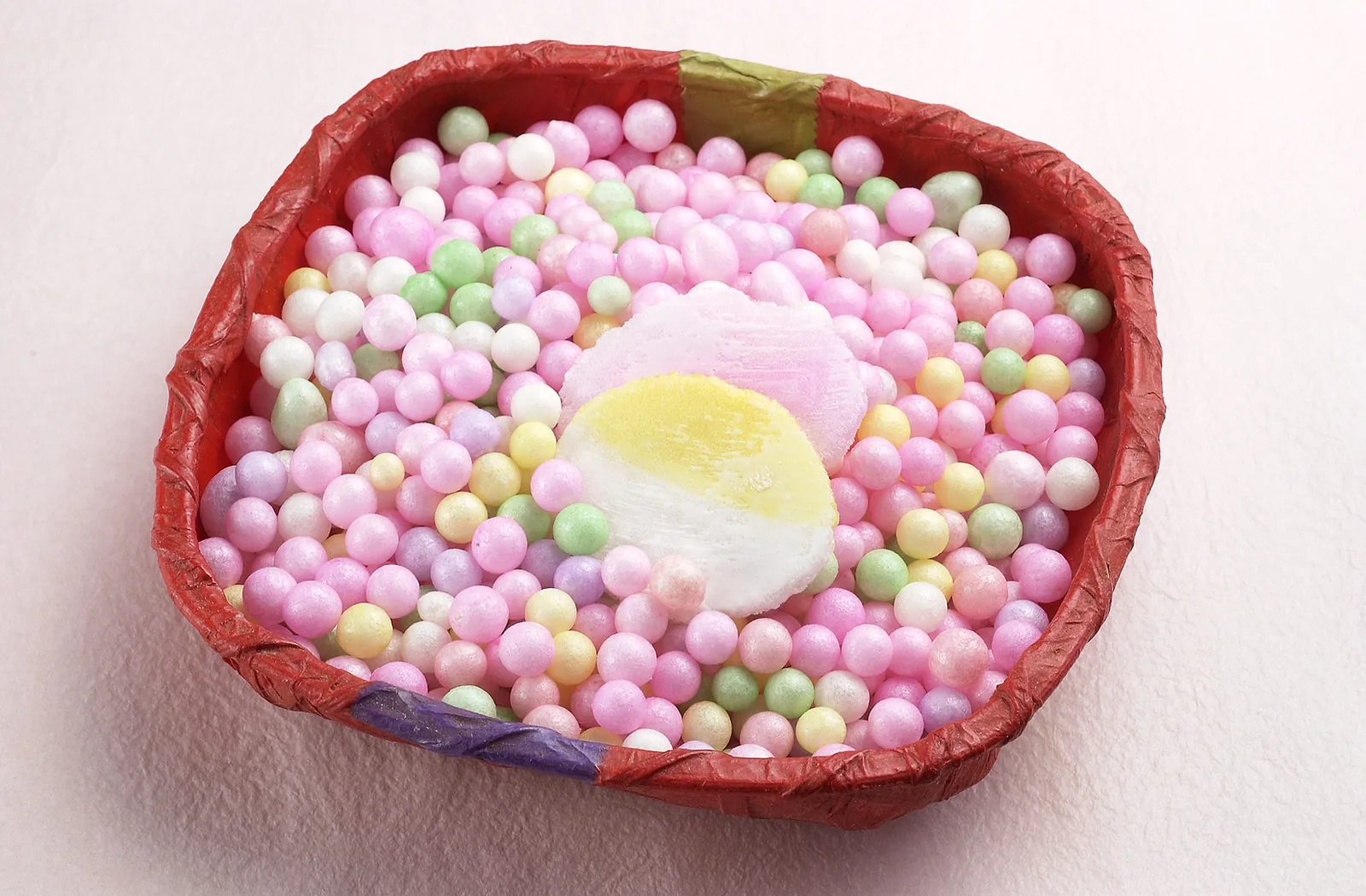
The photo above shows oiri, a sweet from western Kagawa: little round bites made from glutinous rice, filling the dish in pastel colors. Besides Sanuki udon, Kagawa still has old-fashioned sweets and foods like this, along with handmade crafts, in towns across the prefecture.
Food
Wasanbon sugar
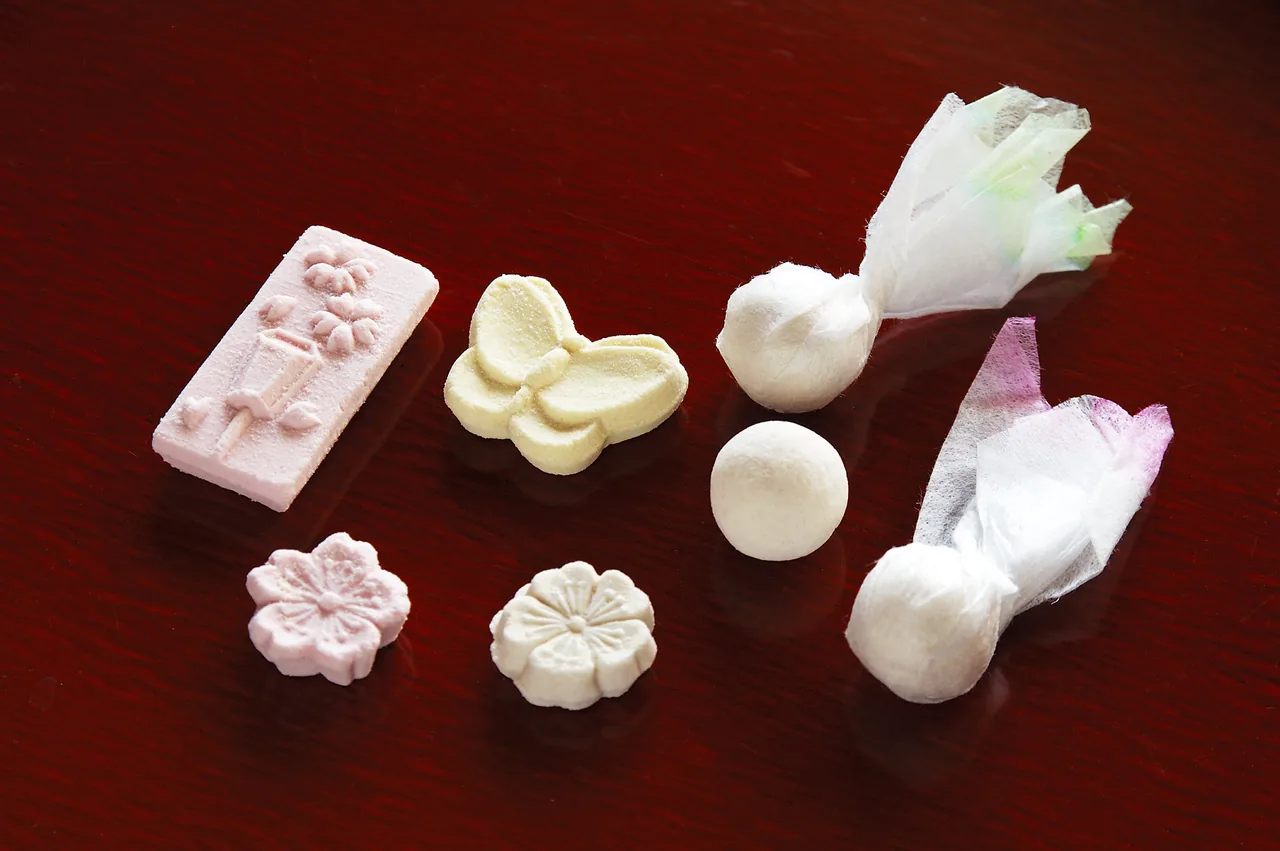
Wasanbon is a sugar that has been made in Kagawa for generations. Sugarcane juice is boiled down, then the molasses is worked out of the sugar by kneading ("togi") and pressing in a weighted wooden press, a process repeated five times, until it becomes a fine-grained sugar that melts in the mouth. In Higashikagawa, a maker still produces wasanbon using a method handed down since the Edo period.
Courtesy of the Kagawa Prefecture Tourism Association
The classic souvenir is higashi, dry sweets made by pressing wasanbon into wooden molds. The small flower and seasonal shapes keep well and are light, which makes them easy to carry home. In Hiketa Old Town in Higashikagawa, there is also a facility where you can try making them with the molds.
Oiri
Oiri is a wedding sweet from the Seisan area of western Kagawa. The little grains are made from glutinous rice and crumble away lightly in your mouth. They are still given at weddings, and you will also find them on sale as souvenirs and sprinkled on "oiri soft-serve" ice cream.
Shoyu-mame
Shoyu-mame is a Kagawa home-style dish of roasted broad beans soaked in a sweet-savory sauce of soy sauce and sugar. Japan's Ministry of Agriculture, Forestry and Fisheries features it as one of Kagawa's representative local dishes. It goes well with rice and with drinks.
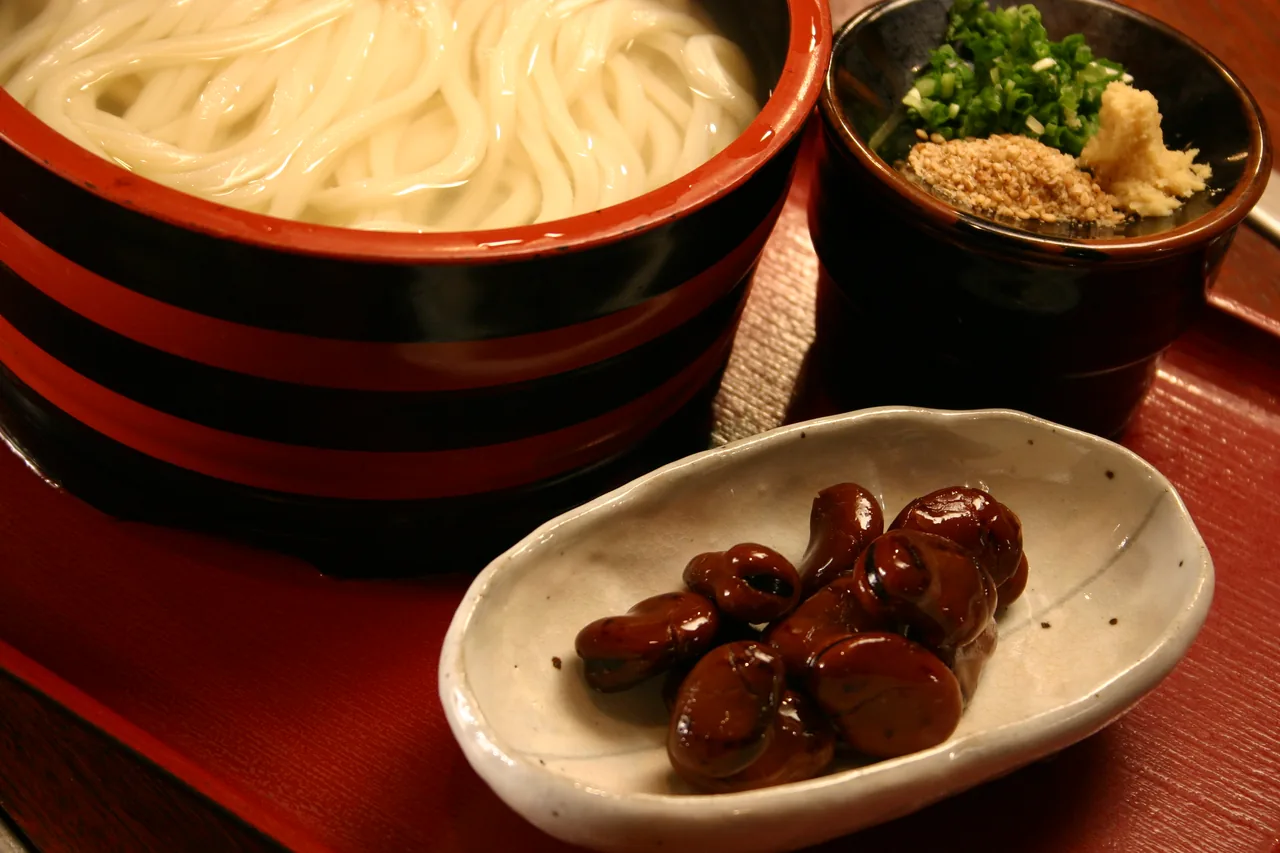
Courtesy of the Kagawa Prefecture Tourism Association
Shodoshima's hand-stretched somen
Shodoshima is known for hand-stretched somen noodles as well as for soy sauce and olives. At the island's noodle makers you can see the thin noodles hung on poles to dry. Together with soy sauce from Hishio no Sato, they make a very Shodoshima souvenir.
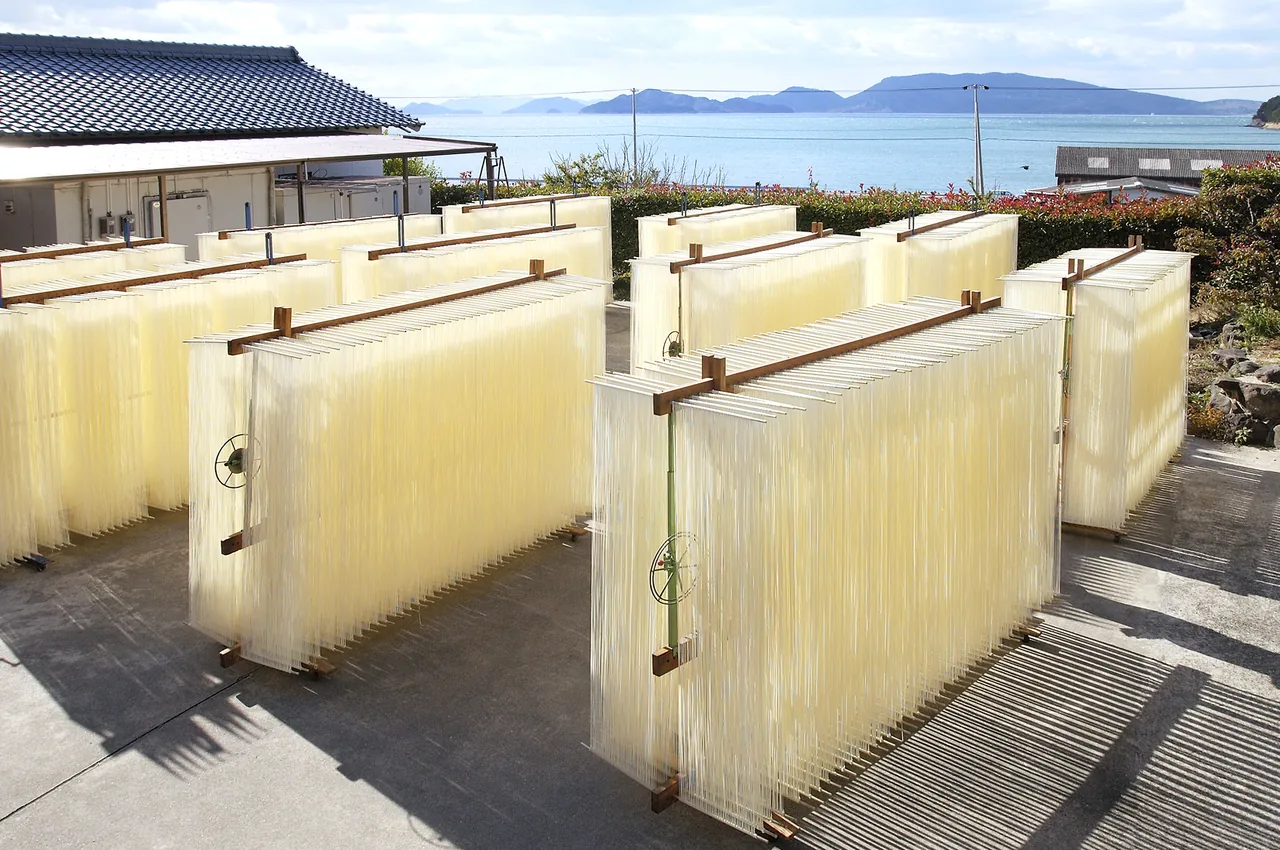
Courtesy of the Kagawa Prefecture Tourism Association
Traditional crafts
Marugame uchiwa fans
Marugame is a major producer of uchiwa, flat round fans. Marugame uchiwa are designated a national traditional craft, and because the handle and ribs are made from a single piece of bamboo, they are sturdy. They are said to have spread in the Edo period as souvenirs for people making pilgrimages to Kotohira-gu Shrine.
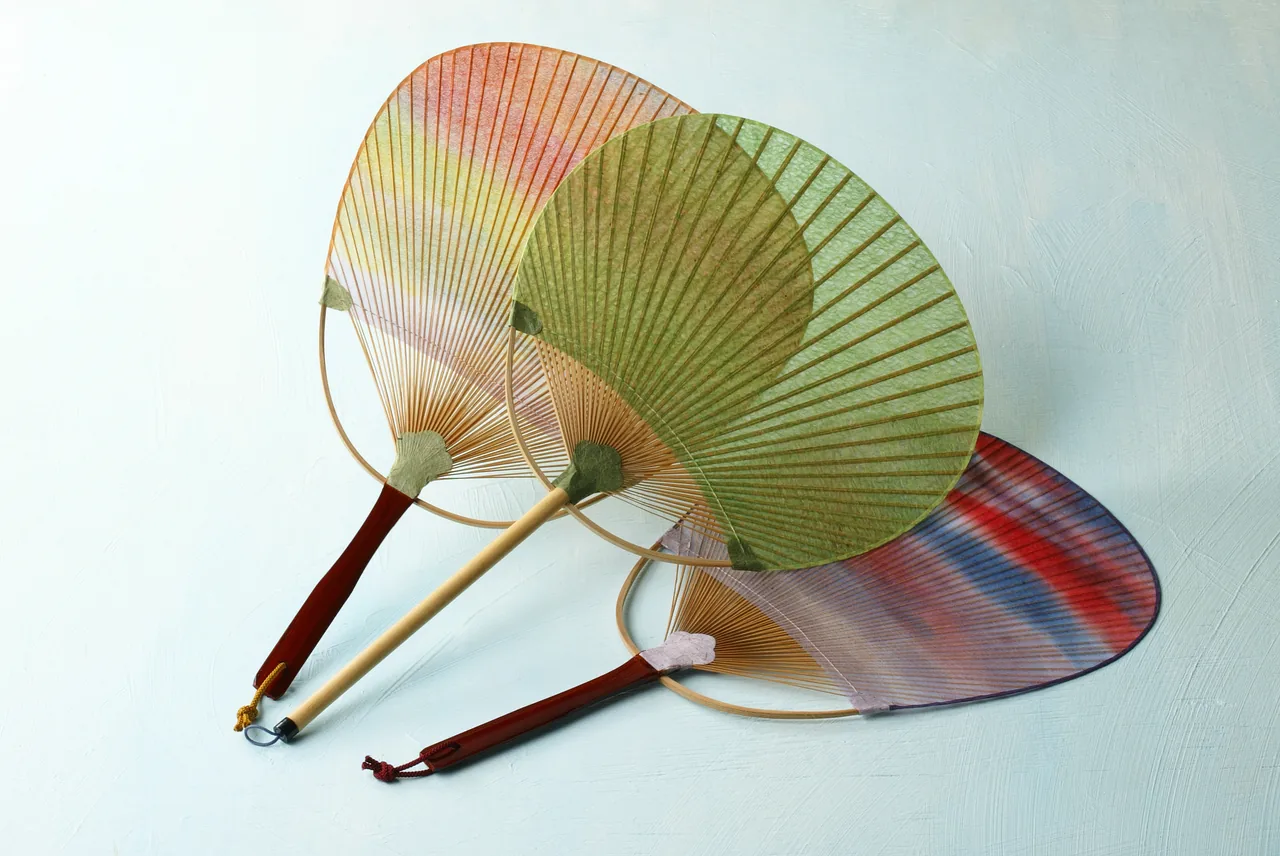
Courtesy of the Kagawa Prefecture Tourism Association
Near Nakatsu Banshoen Garden in Marugame is the Marugame Uchiwa Museum, which introduces how the fans are made.
Kagawa lacquerware
Kagawa lacquerware developed in the Edo period under the protection and encouragement of the Matsudaira lords of the Takamatsu domain, and it is designated a national traditional craft. Five techniques are handed down, including kinma, in which patterns are carved into layers of lacquer, and choshitsu, in which dozens of layers of colored lacquer are built up and carved.
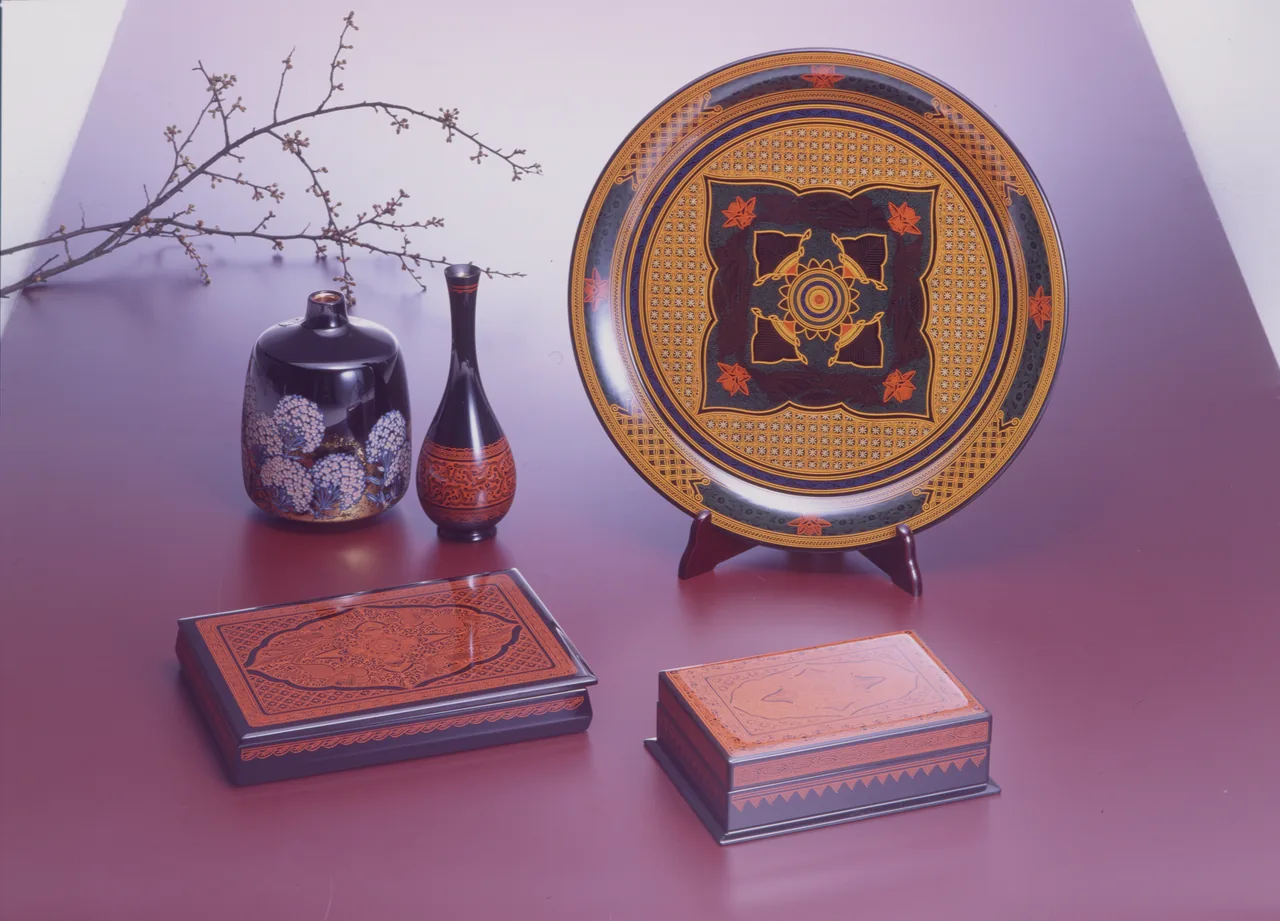
Courtesy of the Kagawa Prefecture Tourism Association
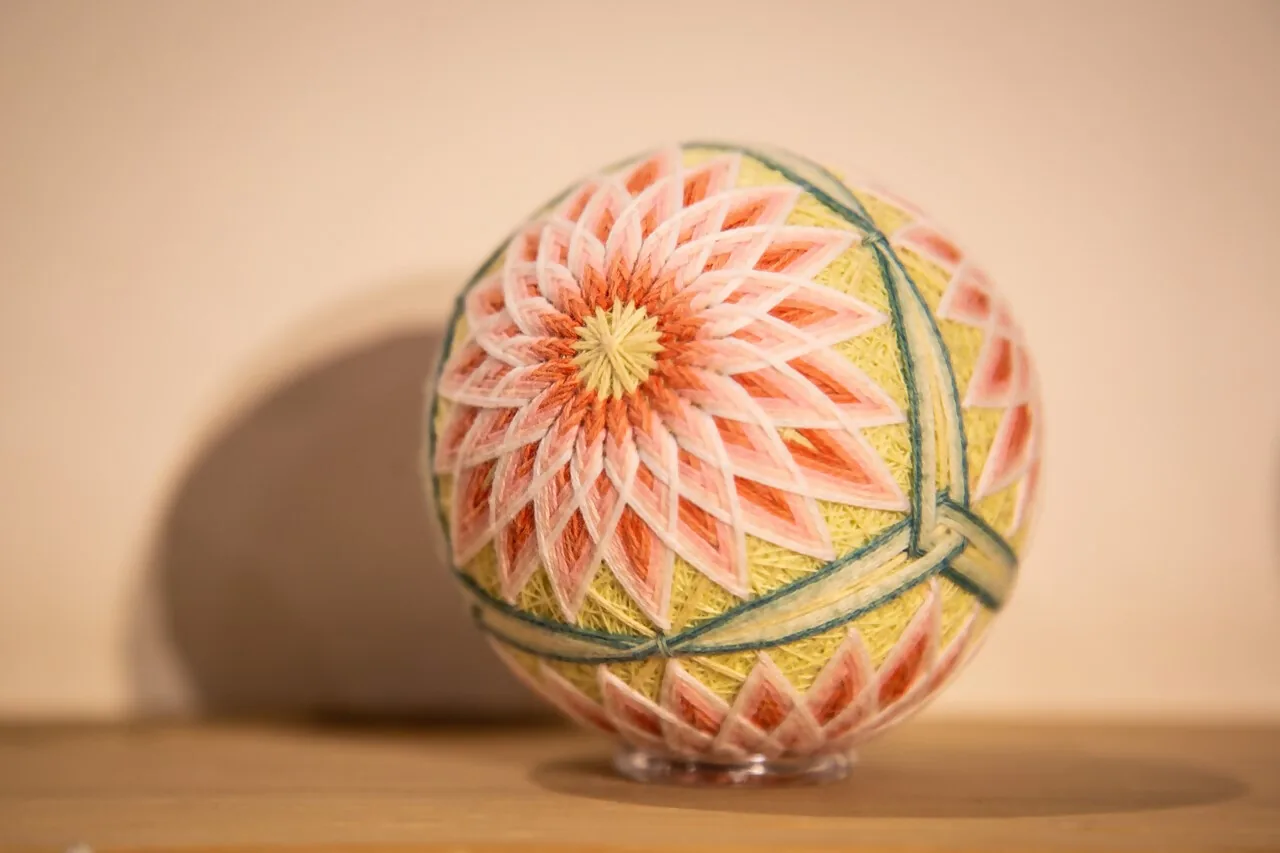
Sanuki kagari temari
Sanuki kagari temari are balls made by stitching cotton thread dyed with plant dyes, one stitch at a time, around a core of rice husks. Geometric patterns that recall chrysanthemums or cherry blossoms appear on the surface, and they are designated a Kagawa Prefecture traditional craft. In Takamatsu there is also a place where you can try making one.
Courtesy of the Kagawa Prefecture Tourism Association
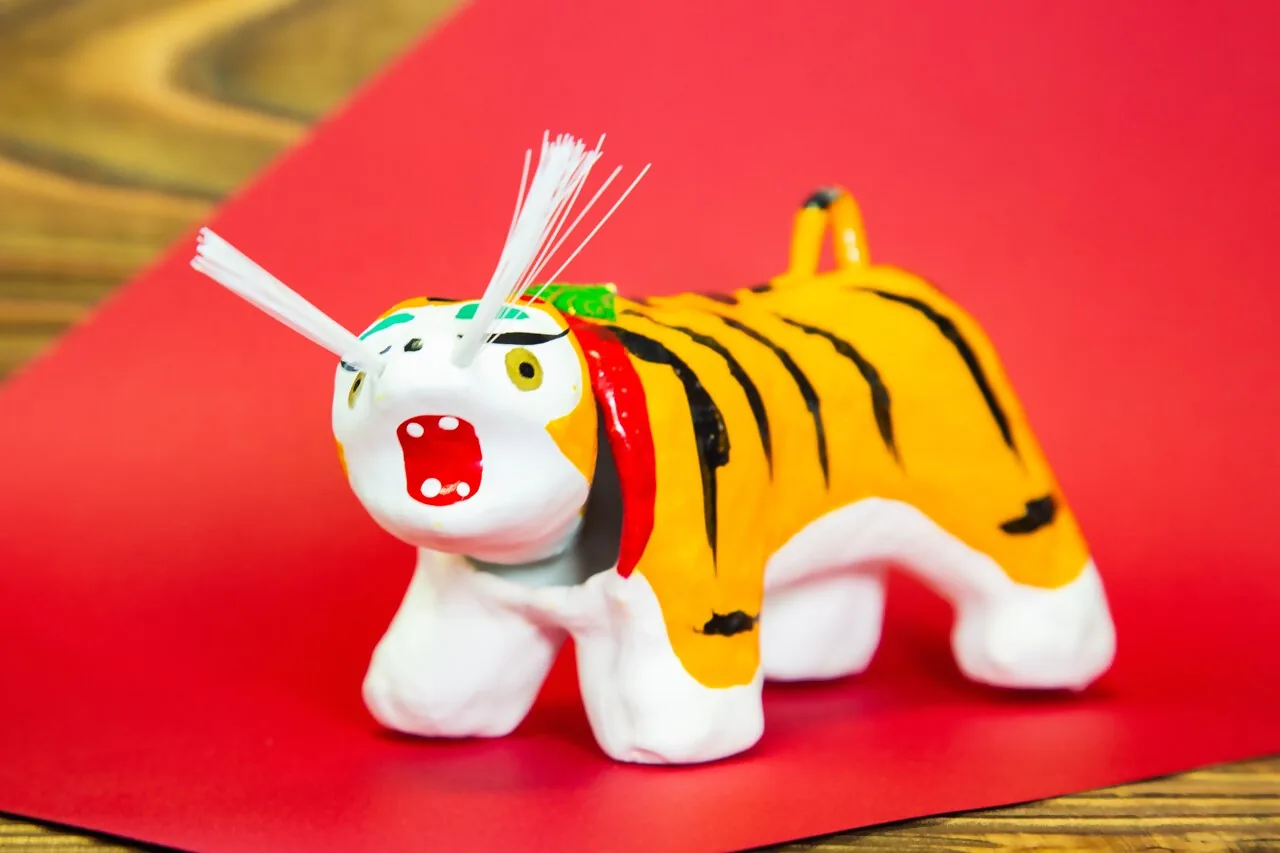
Harikodora (papier-mache tigers)
Harikodora are papier-mache tigers displayed to wish children healthy growth, and they are one of Kagawa Prefecture's traditional crafts. They range from palm-sized tigers to large ones, and each workshop gives its tigers a different expression.
Courtesy of the Kagawa Prefecture Tourism Association
Where to buy
You can look for food souvenirs at shops in stations, the airport and roadside stations, but what is on offer varies from shop to shop. For crafts, choosing at a workshop or specialist shop while hearing from the makers turns your purchase into a real keepsake of the trip. Shops and workshop programs can change, so check each shop's or facility's information before you go.