Kagawa Scenic Spots: Chichibugahama, Torii in the Sky and More
This guide is translated from the Japanese edition. Read the Japanese edition
Six photo-worthy views in western Kagawa, from the Chichibugahama mirror pools and the Torii in the Sky to Unpenji's swing, with when to go and how to get there.
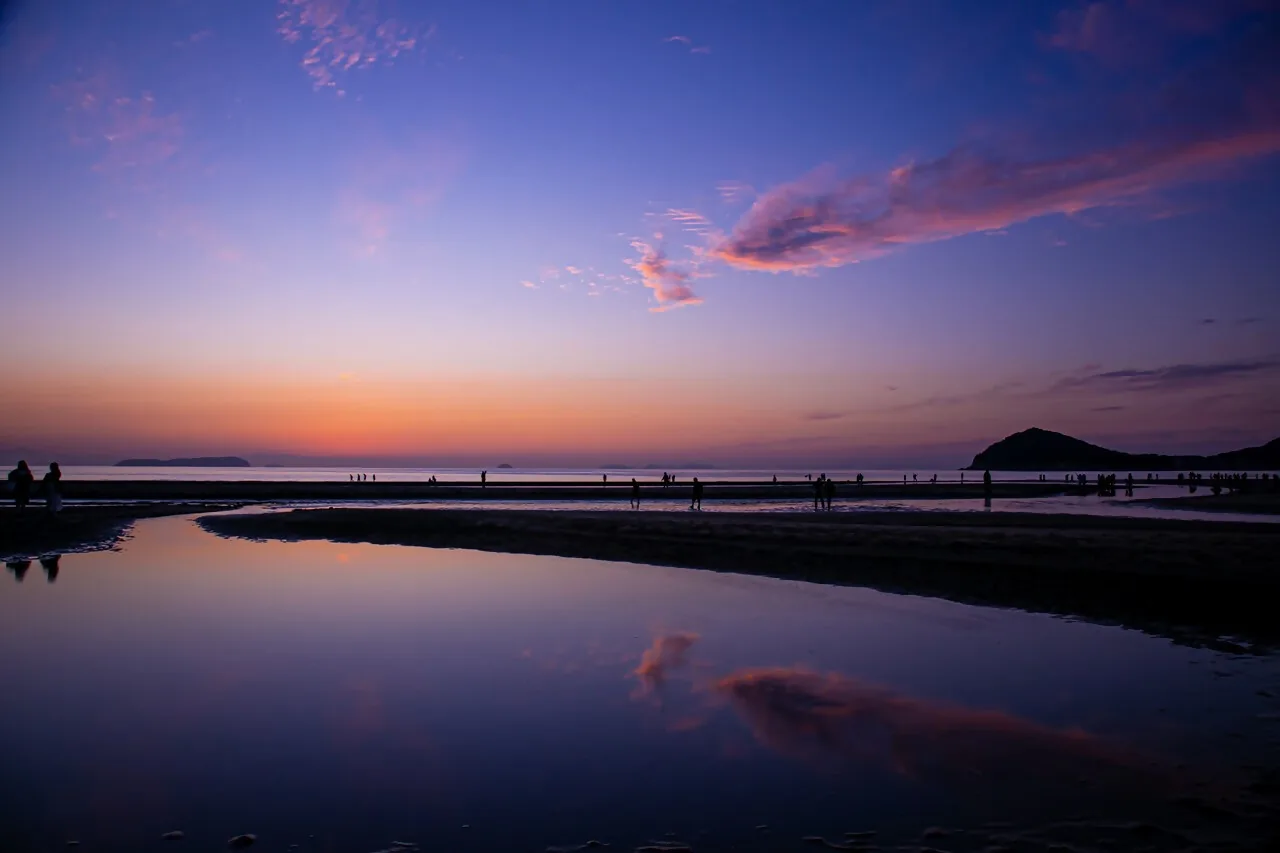
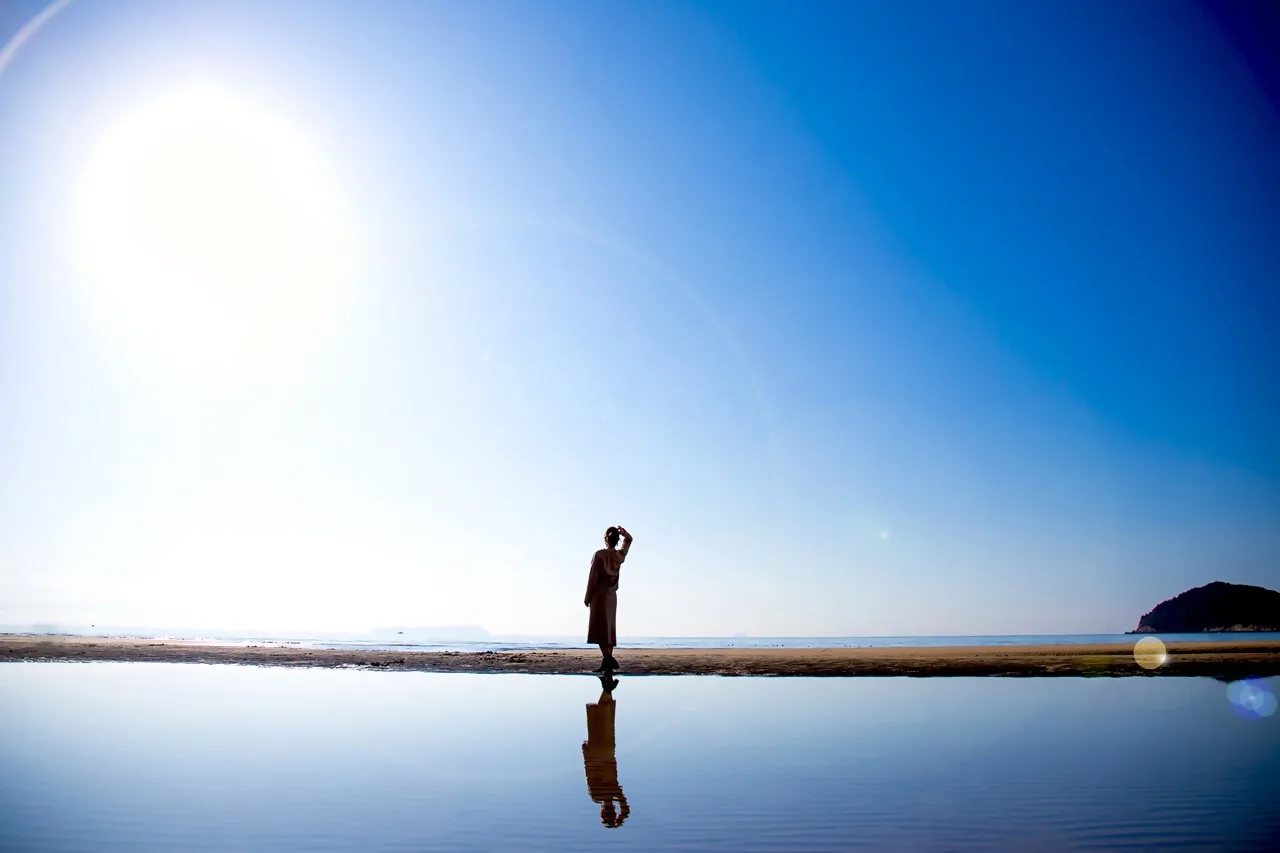
In the evening at Chichibugahama, tide pools left on the sand at low tide mirror the sky, and people standing in them appear upside down. Western Kagawa, around Kanonji and Mitoyo, has more views like this to seek out with a camera: a torii gate on a mountaintop, a giant sand drawing, a swing that seems to launch you into the sky. All of them start from Kanonji or Takuma stations, reached from Takamatsu on the JR Yosan Line, but the hilltop spots are hard to reach without a car, so mixing in a rental car or taxis makes them much easier to see.
Chichibugahama: mirrors in the tide pools
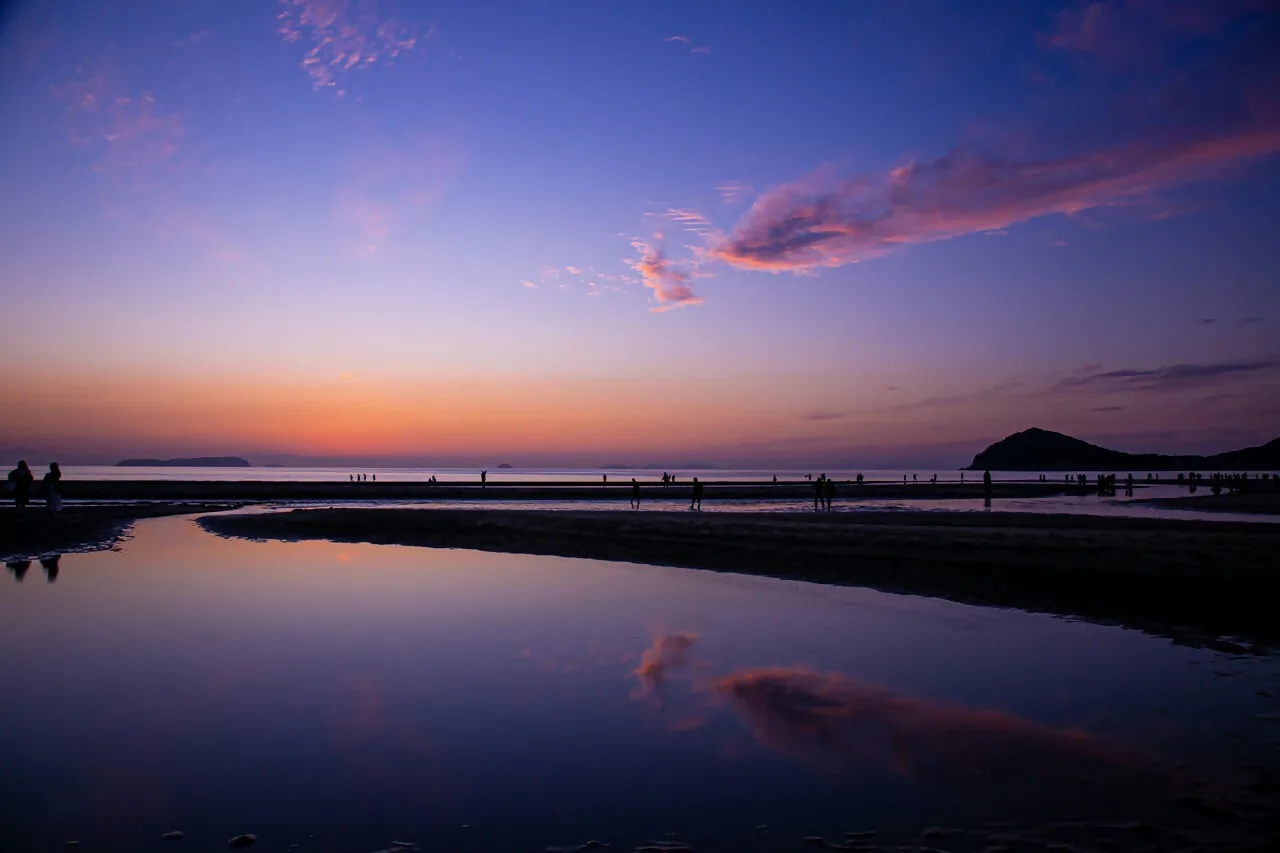
Chichibugahama is a shallow sandy beach in Nio, Mitoyo, stretching for about a kilometer. When low tide coincides with sunset, large pools are left on the beach and there is no wind, the water turns into a mirror that reflects the sky and the people standing in it. The beach is one of the "100 Best Sunsets in Japan," and the 30 minutes or so either side of sunset are the most popular time.
Courtesy of the Kagawa Prefecture Tourism Association
The Mitoyo City tourism website publishes a table of low-tide and sunset times. Check it before you pick a day, so you don't arrive to find the tide in and no reflections. From JR Takuma Station, the Mitoyo City Community Bus takes about 25 minutes (no service on Sundays, holidays or over the New Year period). Parking is free, but reservation-only parking is set up at busy times.
Takaya Shrine: the Torii in the Sky
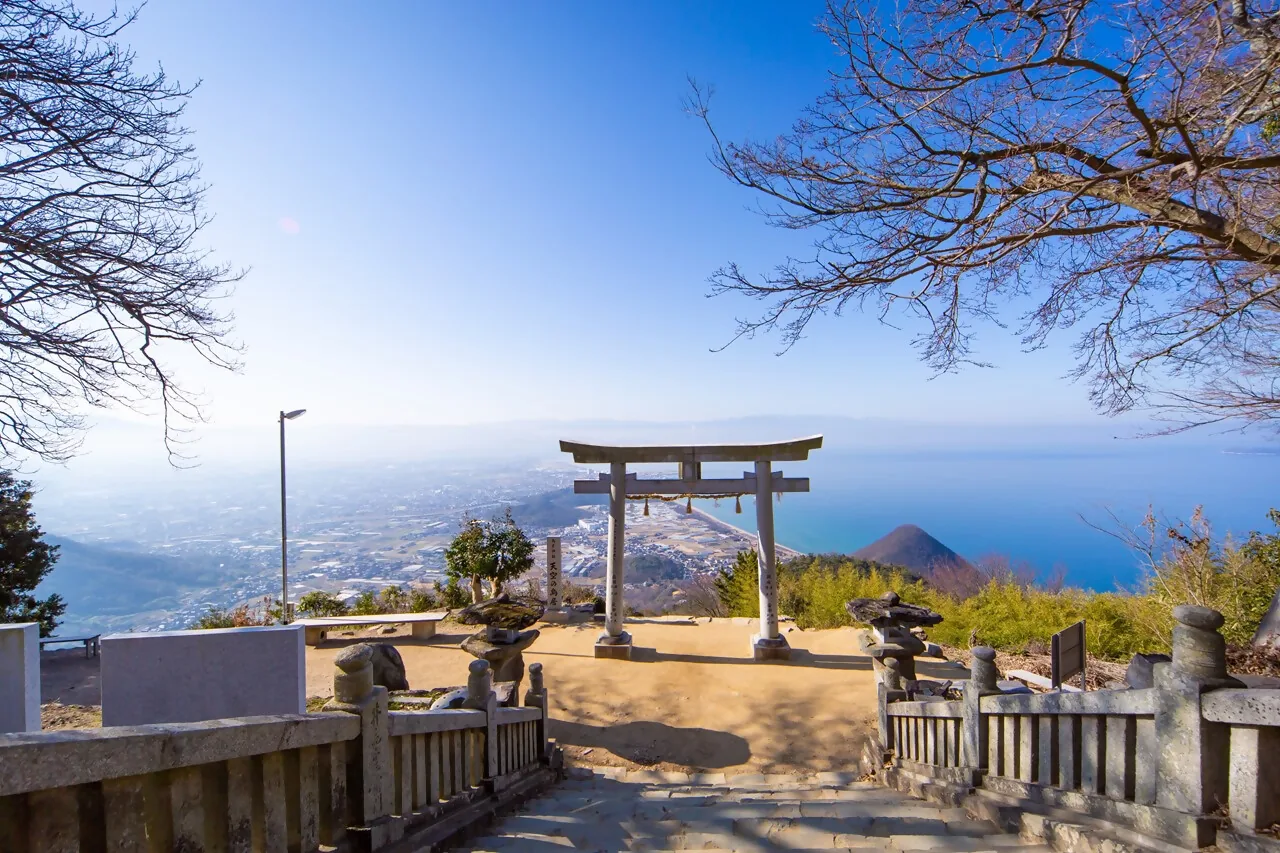
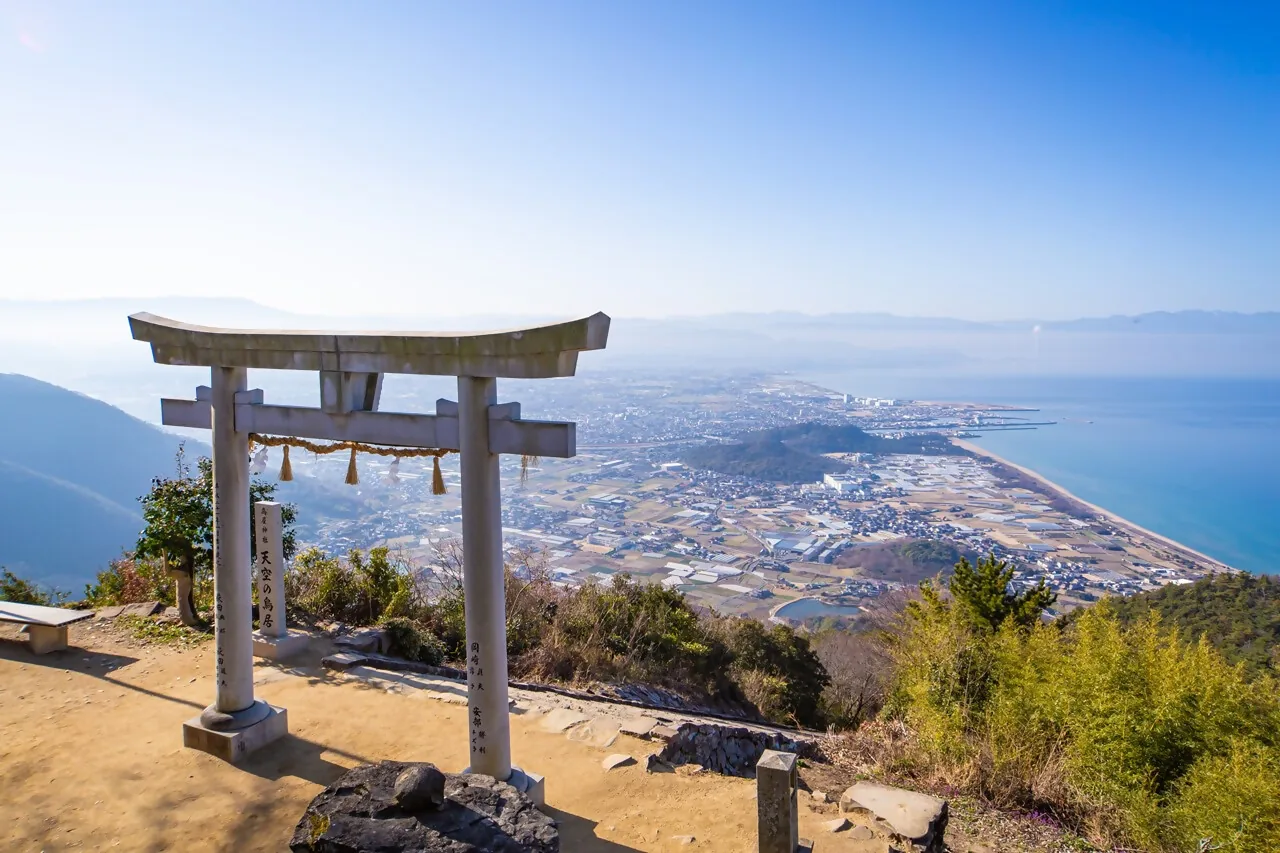
The upper shrine of Takaya Shrine sits on the summit of Mt. Inazumi (404 meters) in Kanonji. Because the streets of Kanonji and the Seto Inland Sea spread out beyond its torii gate, it is called the "Torii in the Sky." Look down from in front of the gate, which stands at the edge of the grounds, and you can take a photo in which it seems to float in the air.
Courtesy of the Kagawa Prefecture Tourism Association
From the lower shrine at the foot of the mountain, the walk up to the upper shrine on the summit takes about 50 minutes, with a steep flight of 270 stone steps near the top. Normally a shuttle bus runs from Kotohiki Park on Saturdays, Sundays and holidays, but from September 28 to December 25, 2026, the forest road is fully closed for construction and the only way up is on foot. Check Kanonji City's information before you go.
Zenigata Sunae: a giant coin seen from the hill
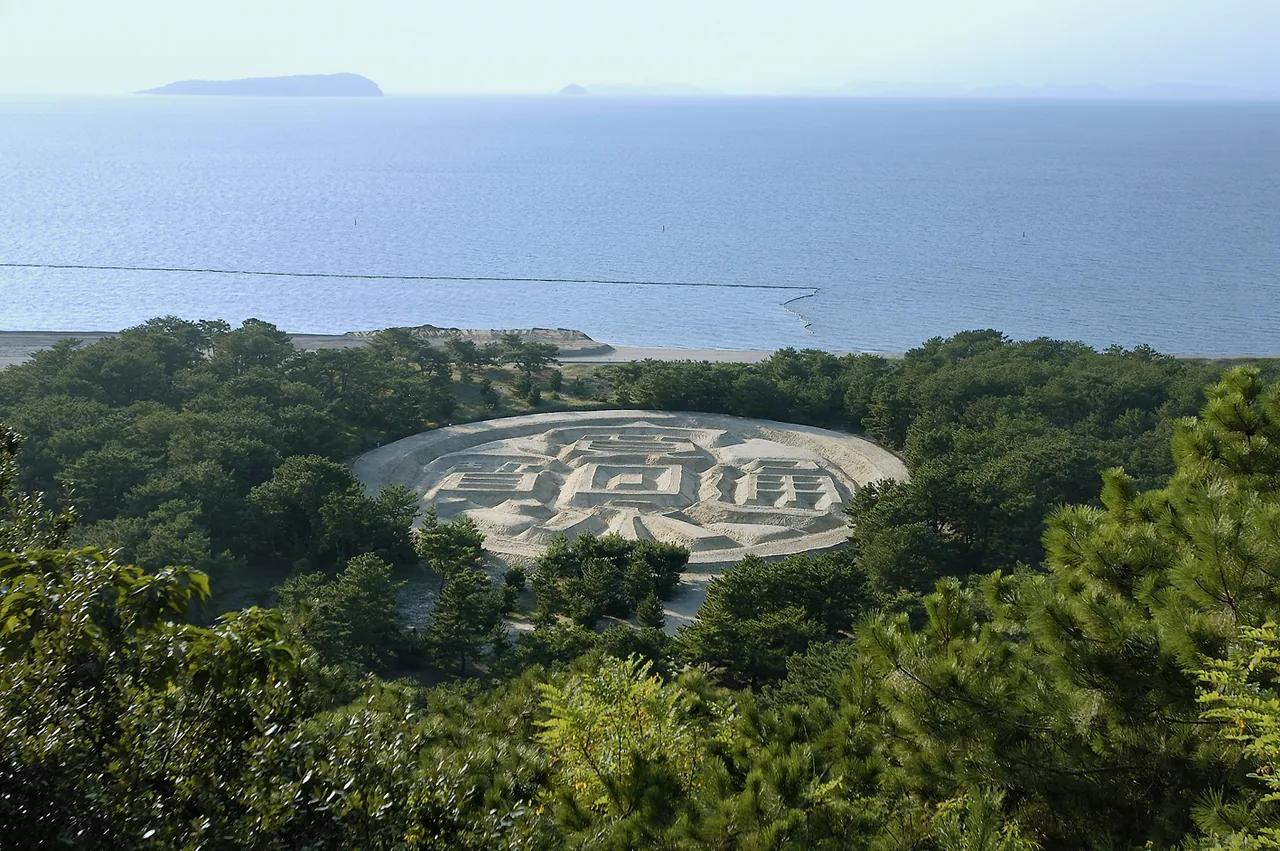
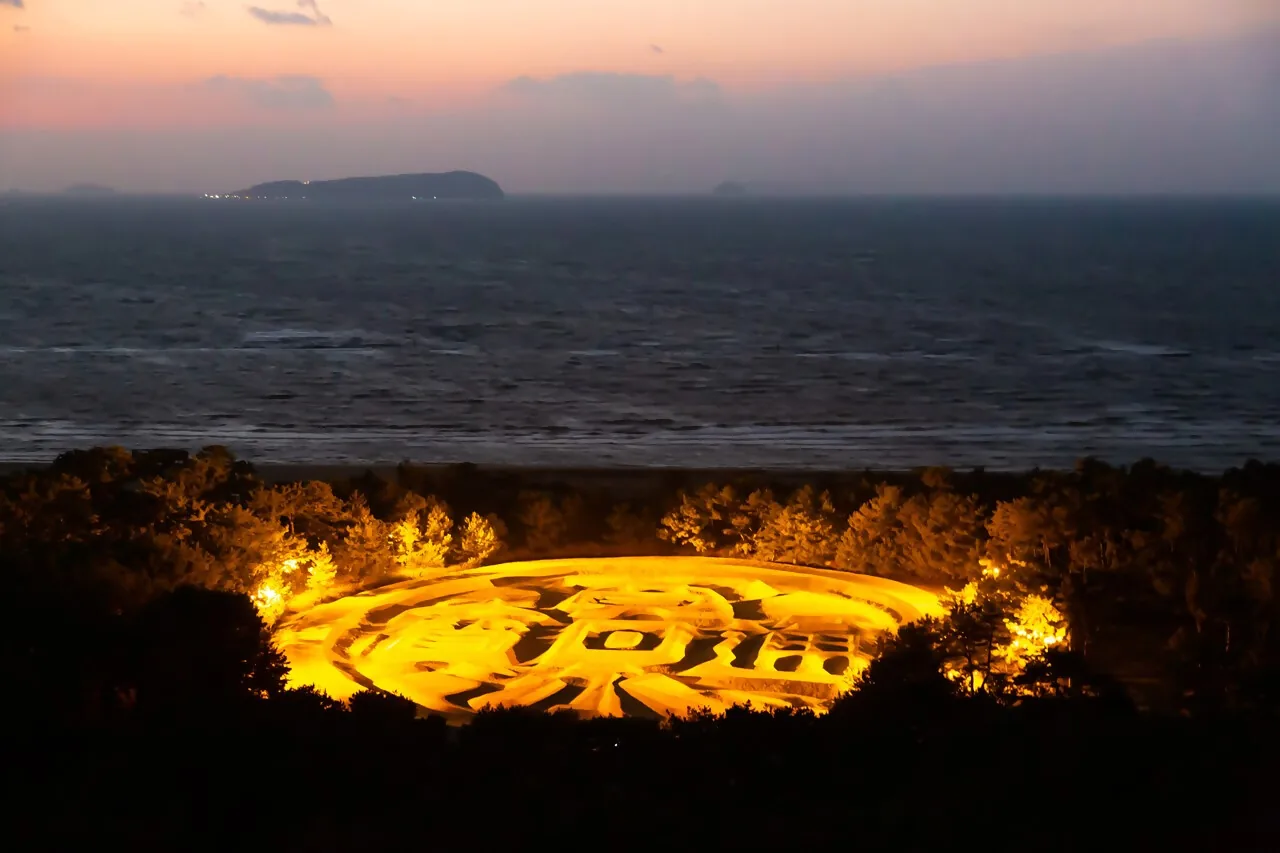
Zenigata Sunae, on Ariake Beach in Kanonji, is a sand drawing 122 meters east to west and 90 meters north to south, shaped like the Kan'ei Tsuho, a coin from the Edo period. It is actually an oval, but from the observation deck on Mt. Kotohiki in Kotohiki Park it looks round. It is lit up every day from sunset until 10 pm, and the usual green light changes to gold or blue at certain times of year.
Courtesy of the Kagawa Prefecture Tourism Association
From JR Kanonji Station, Kotohiki Park is about 5 minutes by taxi (about 2 km), and the deck at the top of the park is about 15 minutes on foot from there. It is in Kotohiki Park, where the Takaya Shrine shuttle bus leaves from, so the two are easy to visit back to back. If you want to stay for the lights after watching the sunset, be at the deck when the sun goes down.
Unpenji Summit Park: the Swing in the Sky
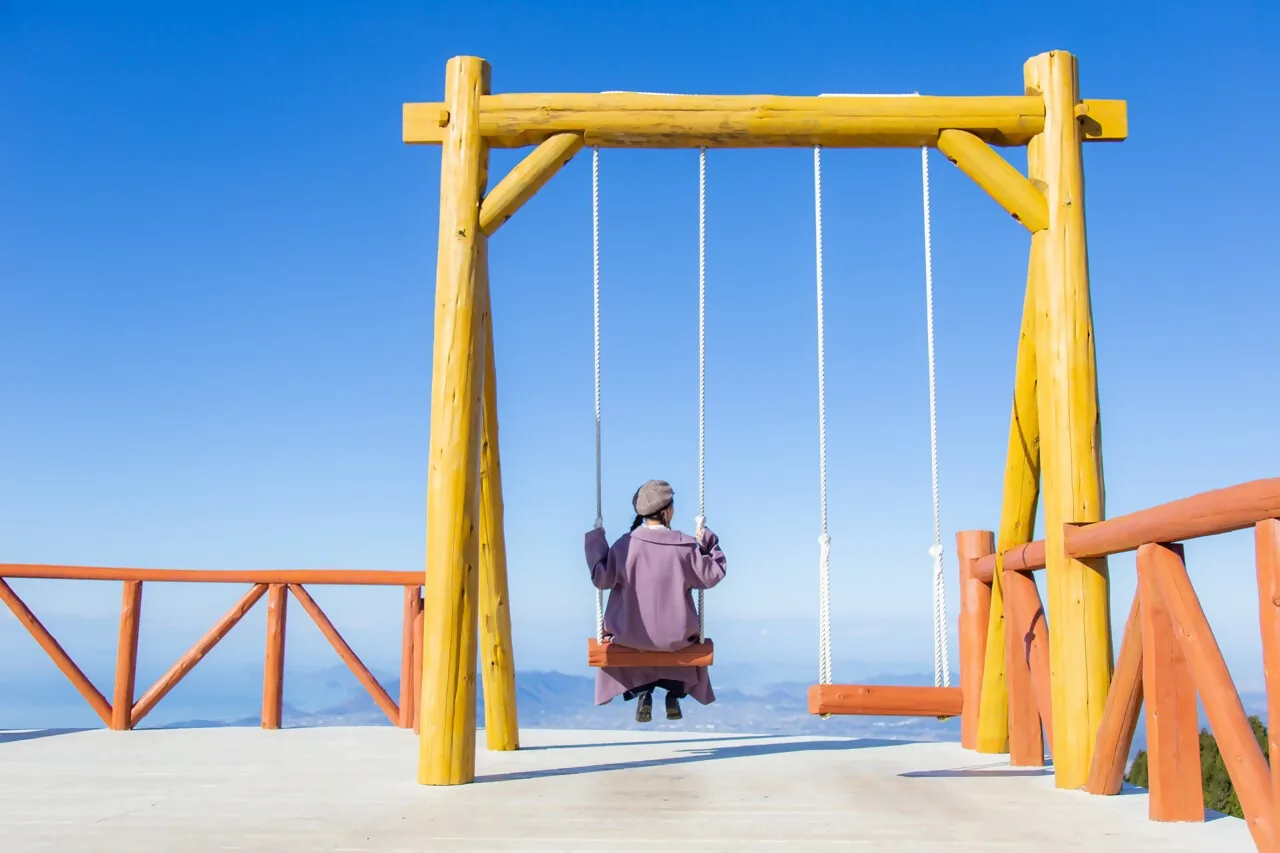
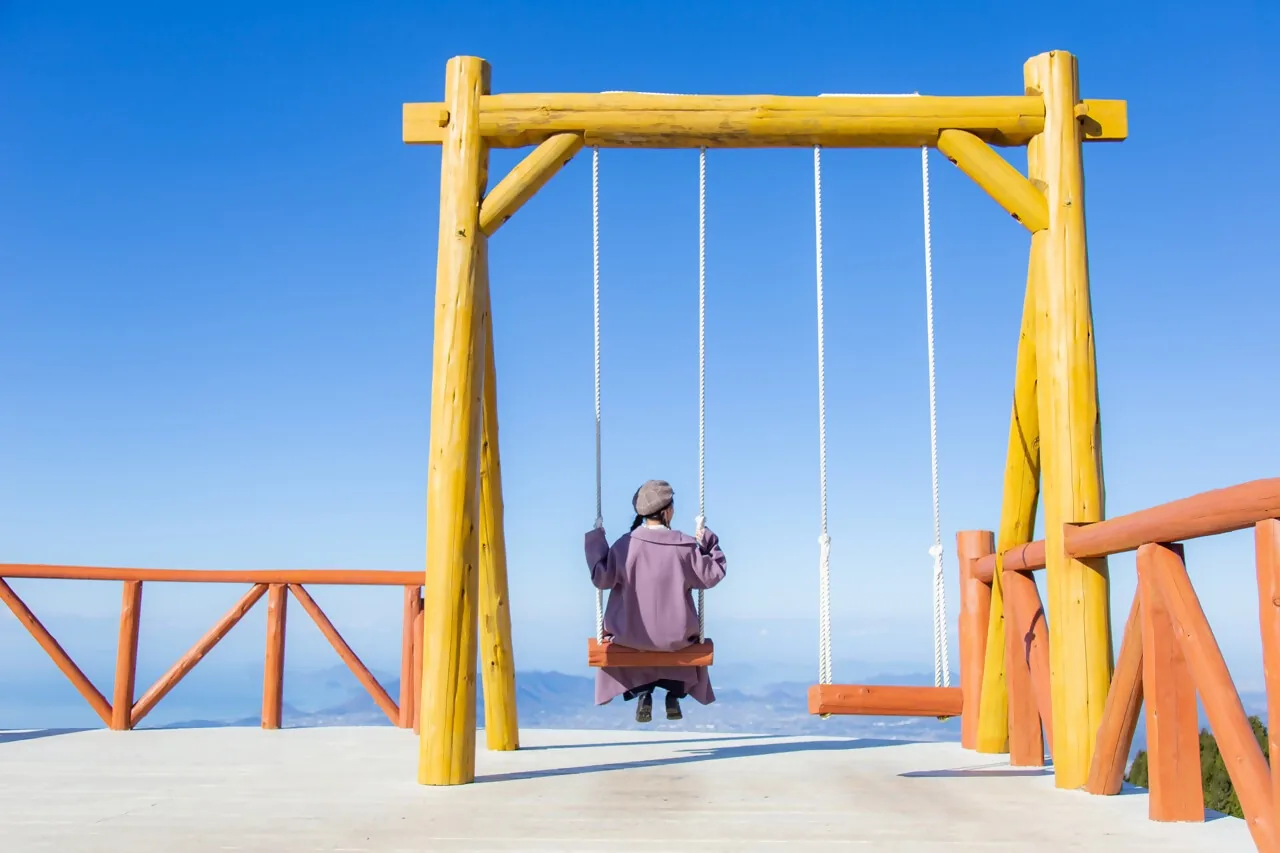
The Unpenji Ropeway climbs from its base station in Onohara, Kanonji, to near the top of Mt. Unpenji in about 7 minutes. Unpenji Summit Park (about 920 meters above sea level), next to the top station, has the "Swing in the Sky," which you swing out toward the Mitoyo Plain and the Seto Inland Sea, and a wooden "Photo Frame in the Sky."
Courtesy of the Kagawa Prefecture Tourism Association
At the summit stands Unpenji, temple 66 of the Shikoku 88-temple pilgrimage and the highest of all the pilgrimage temples. It is cooler on the mountain than on the plain, and snow can settle in winter, so bring an extra layer.
Mt. Shiude: cherry blossoms and islands
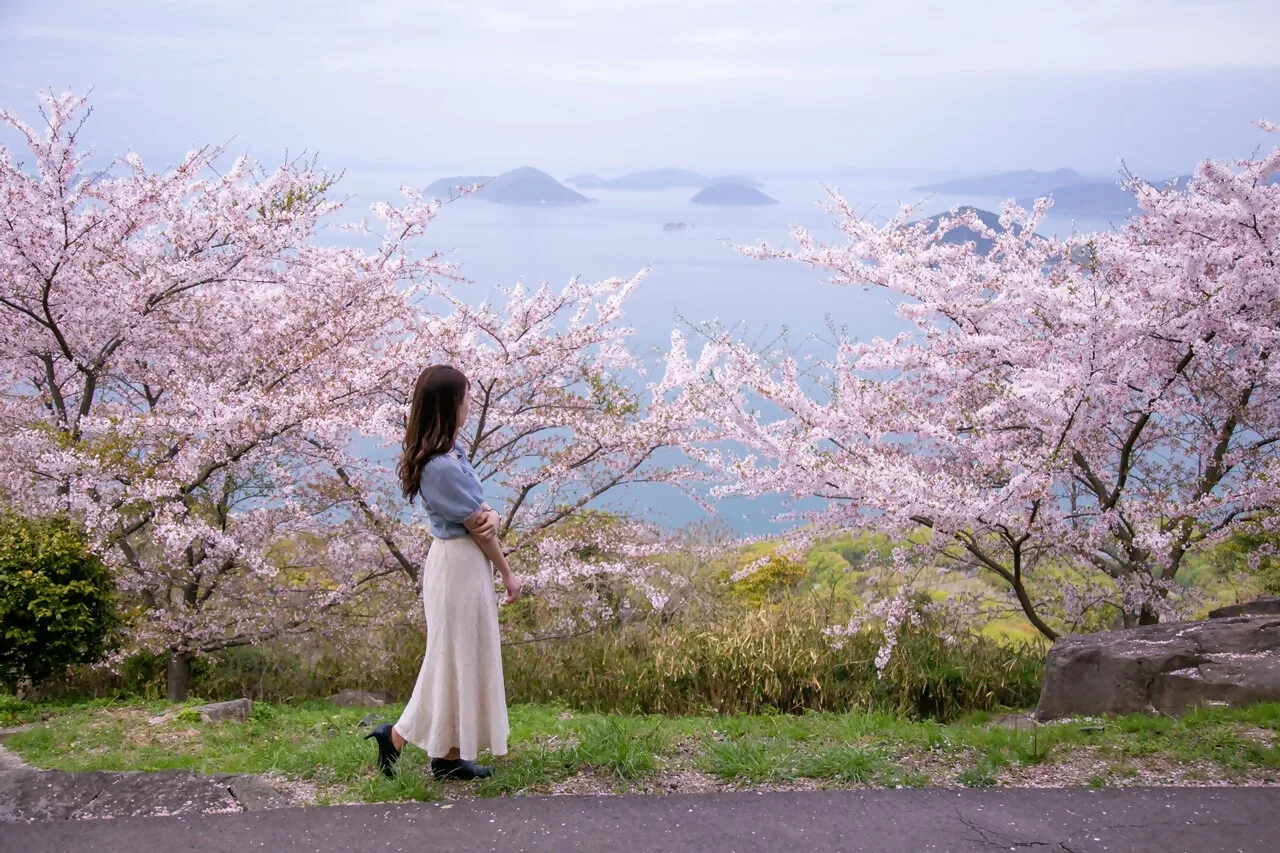
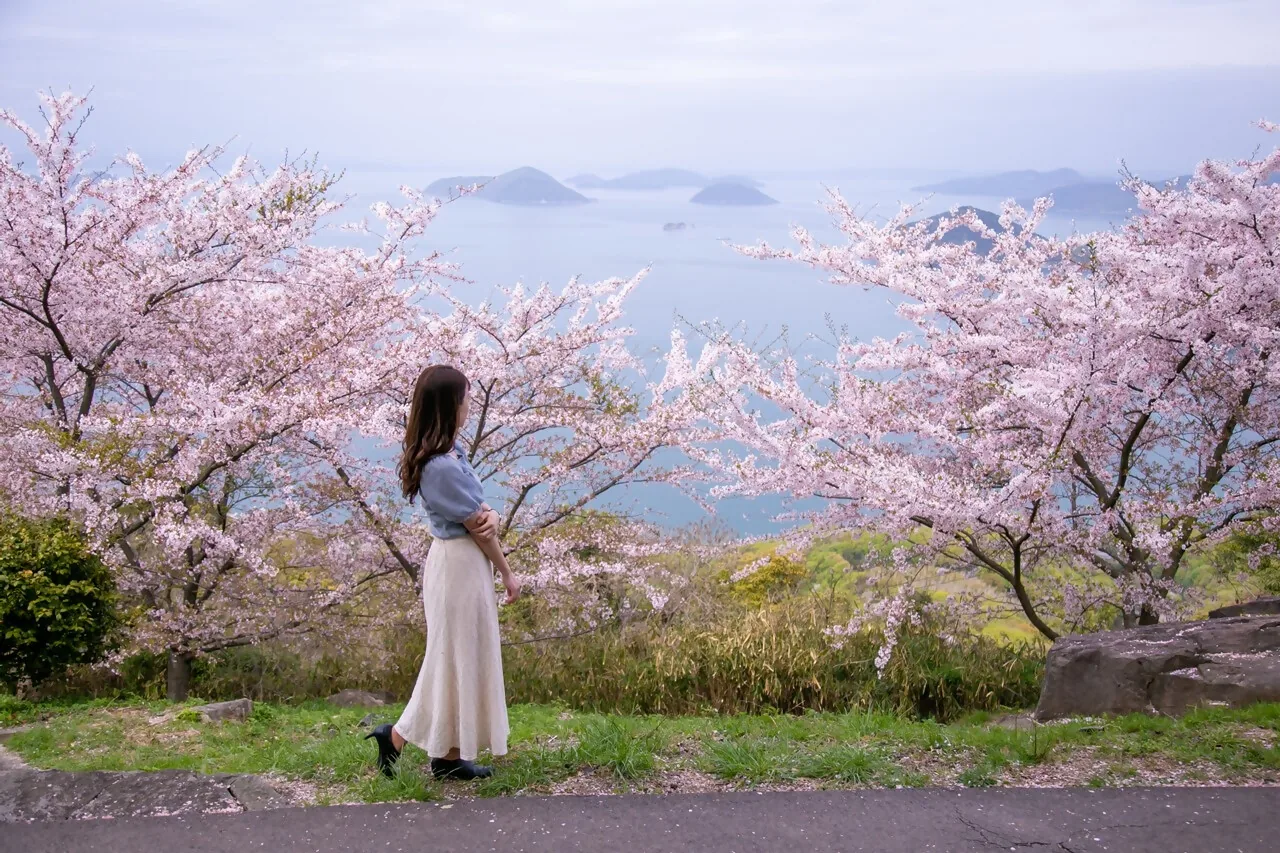
Mt. Shiude (352 meters), on the Shonai Peninsula in Mitoyo, looks down from near its summit over the islands of the Seto Inland Sea. Around 1,000 cherry trees bloom in spring and hydrangeas from June into July, with layers of islands beyond the flowers. Its name comes from a legend that the smoke from the box opened by Urashima Taro turned into a purple cloud here.
Courtesy of the Kagawa Prefecture Tourism Association
Traffic is restricted in cherry-blossom season, and the summit car park is harder to use. If you plan to drive in flower season, check this year's rules on the Mitoyo City tourism website first. Chichibugahama is within driving distance, so you can pair Mt. Shiude in the daytime with Chichibugahama at sunset.
Honen-ike Dam: arches of stone
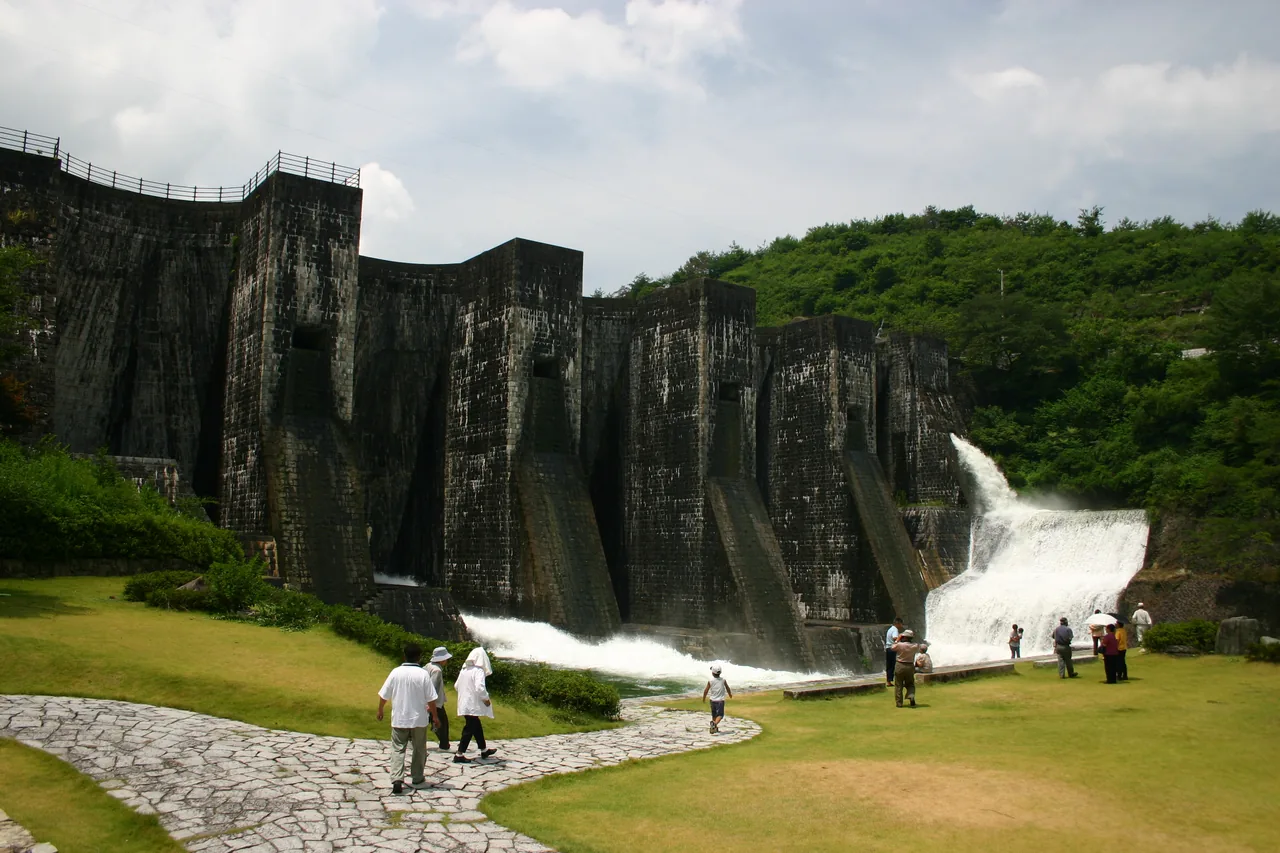
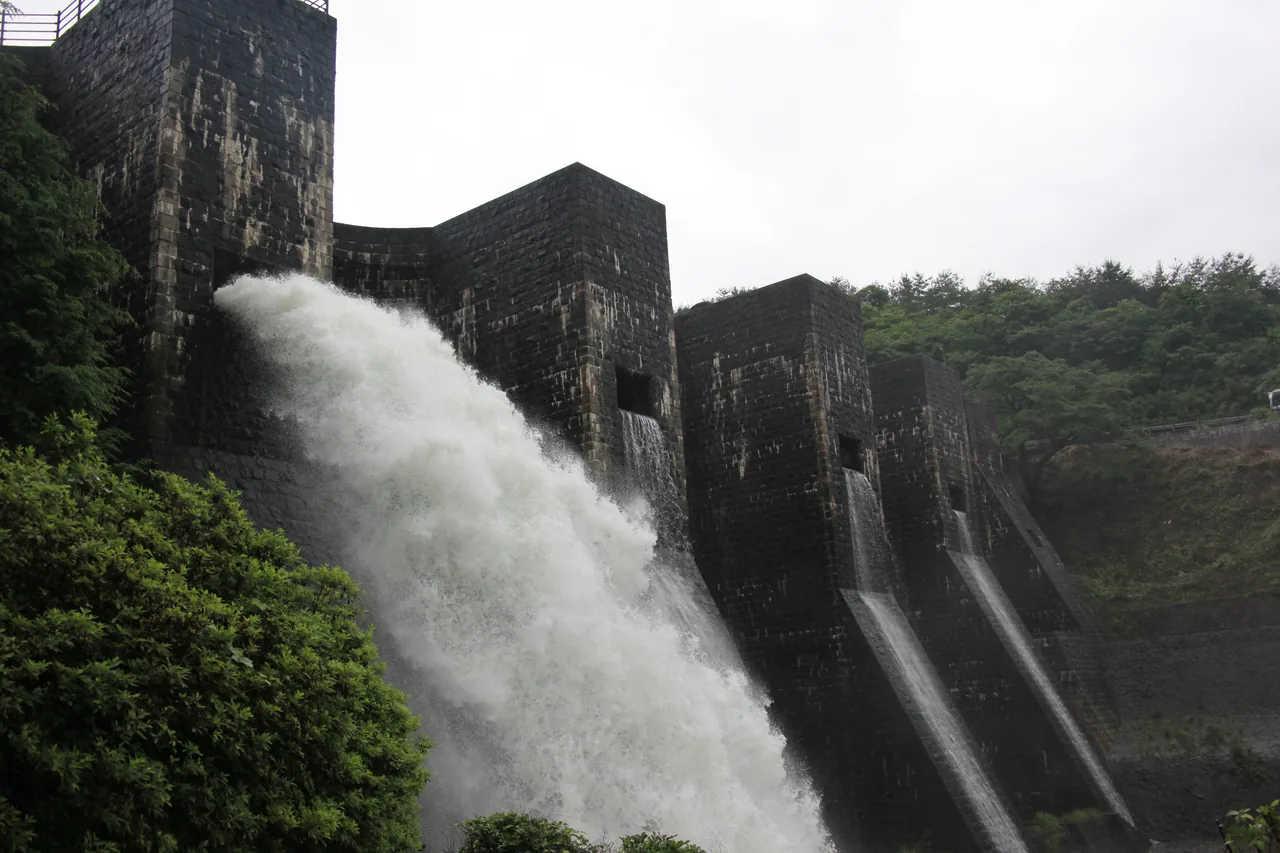
Honen-ike Dam, in the hills of Onohara, Kanonji, holds back a reservoir for farm irrigation. Work on this multiple-arch dam began in 1926. Its row of arches, like an old castle, is well known, and it is a national Important Cultural Property.
Courtesy of the Kagawa Prefecture Tourism Association
On weekdays from late July to early August each year, the sluice is opened to send water to the rice fields in an event called yurunuki, and the water bursts out white beneath the arches. It is not a release for sightseers, so check the dates announced by Kanonji City. Drive toward the mountains from Onohara IC. The dam is in the same Onohara district as the Unpenji Ropeway base station, so the two combine well.
Getting around
To see all six in a day, you will need a car. One order that works: the Unpenji Ropeway and Honen-ike in the morning, Takaya Shrine and Zenigata Sunae around midday, then on to Chichibugahama in the late afternoon to wait for sunset, which puts you at the beach at the right time. If you are using trains, the realistic plan is to walk to Zenigata Sunae and Kotohiki Park from JR Kanonji Station, then take the bus from Takuma Station to Chichibugahama. The Chichibugahama reflections only appear on days when low tide and sunset coincide, so when you plan your trip, start by checking the beach's timetable.