
Kamakura Day Trip from Tokyo: Great Buddha, Hasedera, Hachimangu
This guide is translated from the Japanese edition. Read the Japanese edition
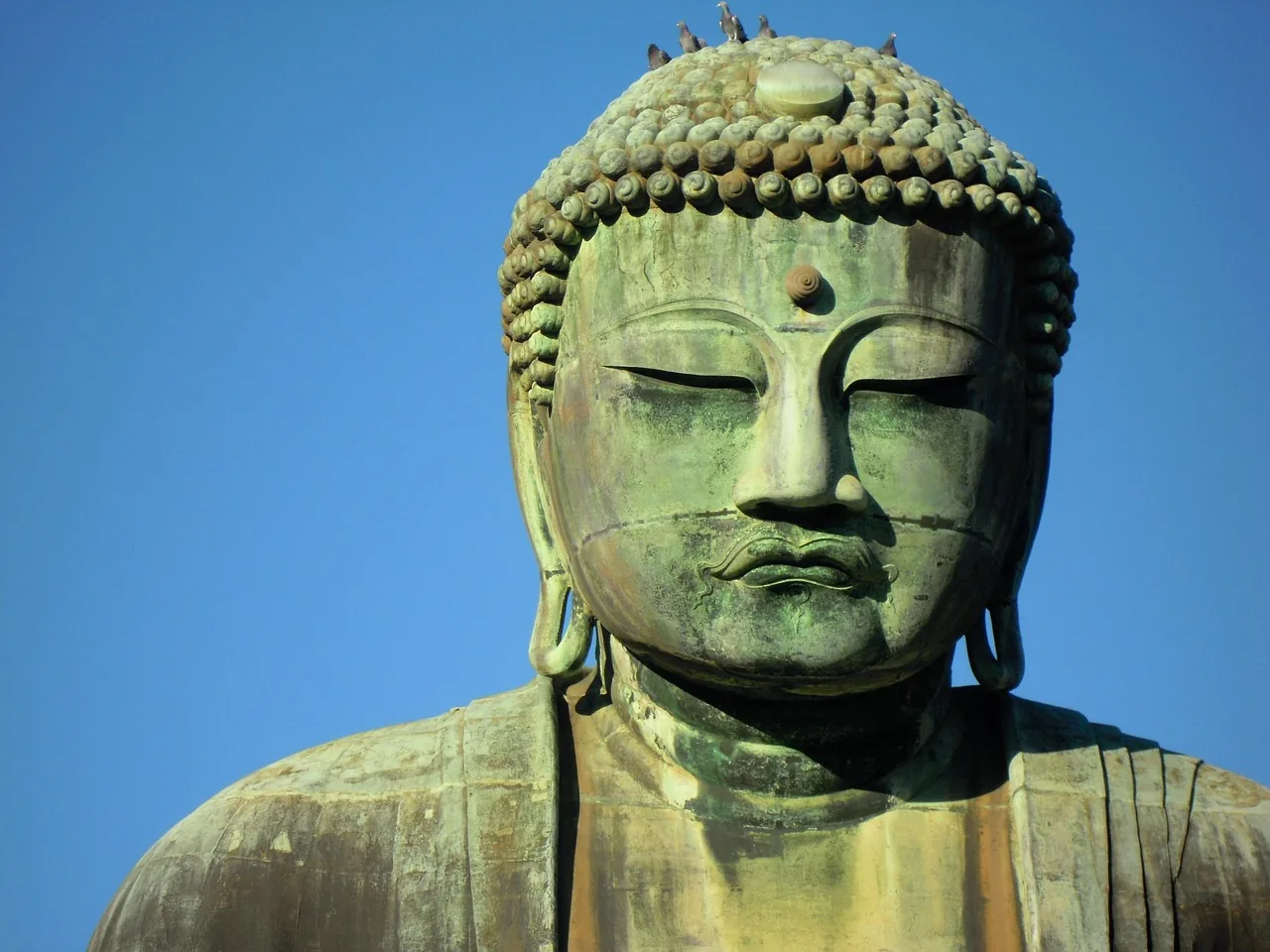
Ride the JR Yokosuka Line from Tokyo, see the Great Buddha and Hasedera by Enoden in the morning, Tsurugaoka Hachimangu after lunch, and stay out of step with the crowds.
Just before noon on a weekend, step out of the east exit of Kamakura Station into Komachi-dori and you can only move as fast as the crowd. Kamakura is an old capital you can reach from Tokyo Station by JR without changing trains, and the shrines, temples and approach avenues still carry traces of the samurai city founded by Minamoto no Yoritomo. Start on foot at Tsurugaoka Hachimangu Shrine on the east side of the station, or ride the Enoden first to Hase, home to the Great Buddha and Hasedera Temple? That is the first choice a day trip here asks you to make.
How to get from Tokyo to Kamakura
The JR Yokosuka Line is the standard way to get to Kamakura from Tokyo. From Tokyo, Shinagawa or Yokohama Station it runs to Kamakura Station without a change. If you are staying near Shinjuku or Shibuya, you can also use the Shonan-Shinjuku Line.
| Line | Main boarding stations | To Kamakura Station | Watch out for |
|---|---|---|---|
| JR Yokosuka Line | Tokyo, Shinagawa, Yokohama | Direct to Kamakura Station | The classic route for a Kamakura trip |
| JR Shonan-Shinjuku Line | Shinjuku, Shibuya | Some trains run to Kamakura Station and some do not | Check the destination and stops in the timetable before boarding |
The Shonan-Shinjuku Line runs south from Shinjuku and Shibuya towards Yokohama and Ofuna. Whether a train stops at Kamakura depends on where it is going, so use the JR East timetable to pick one that arrives at Kamakura Station. The Kamakura City Tourism Association describes neighbouring Ofuna Station as the gateway to Kamakura. Check journey times, fares and timetables on the JR East website.
- Kamakura Station timetable (JR East)
- Access: getting to and around Kamakura (Kamakura City Tourism Association, Japanese)
Kamakura is easy to explore by train, bus or on foot, and the Kamakura City Tourism Association recommends public transport both for getting there and for moving around the city.
Tsurugaoka Hachimangu and Komachi-dori: the east side of the station
From the east exit of Kamakura Station, two streets lead to Tsurugaoka Hachimangu: Komachi-dori and Wakamiya-oji.
Komachi-dori is a shopping street that runs from the east exit of Kamakura Station to Tsurugaoka Hachimangu, parallel to Wakamiya-oji. It is lined with souvenir shops, restaurants, cafés and sweet shops, and is one of Kamakura's best-known shopping streets.
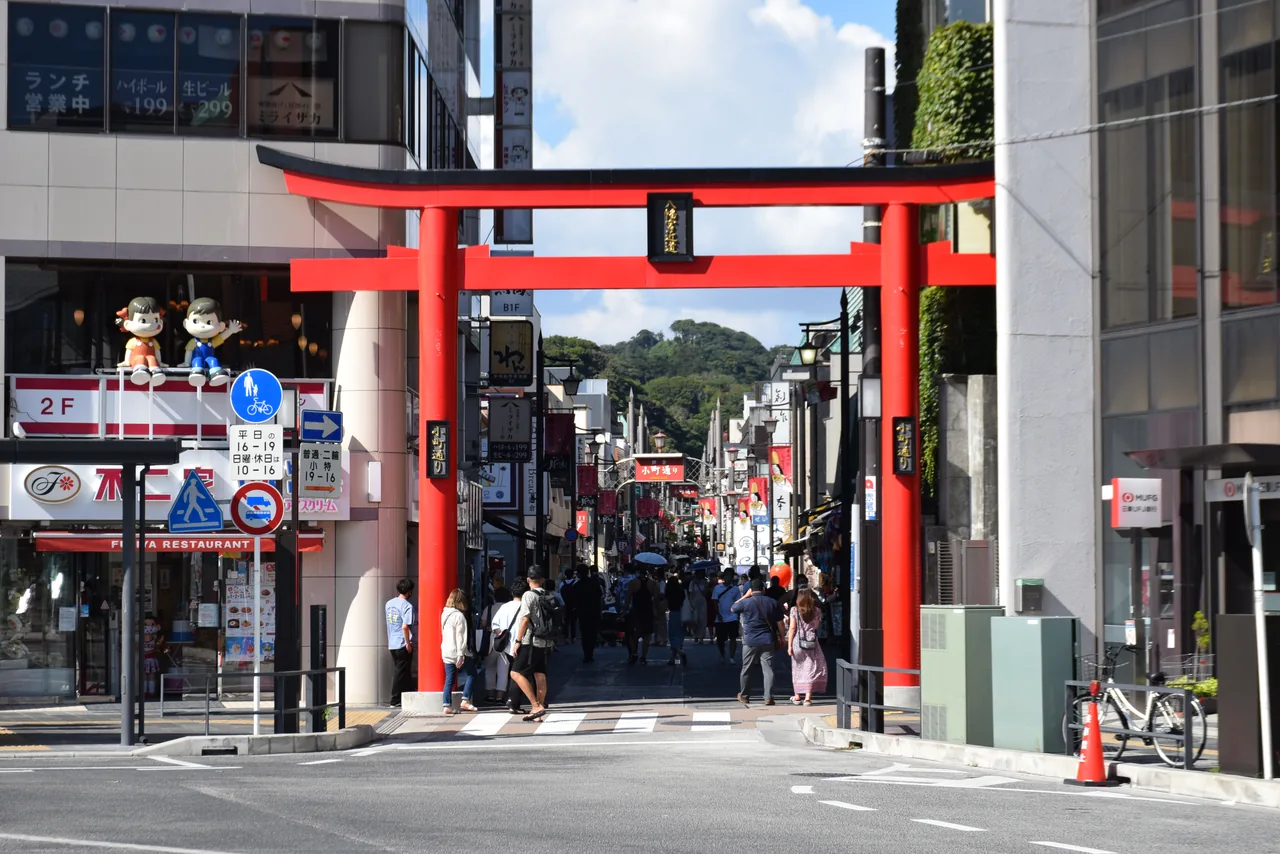
Photo: Kamakura City Tourist Association
Wakamiya-oji is the approach avenue that runs straight from Yuigahama Beach to Tsurugaoka Hachimangu. It is said to have been built on Minamoto no Yoritomo's orders, and down its centre runs the Dankazura, a raised walkway. The section between the second and third torii gates has been restored and is lined with cherry trees on both sides. Walk up Komachi-dori and come back along the Dankazura, and you avoid retracing your steps.
Tsurugaoka Hachimangu is the shrine that Minamoto no Yoritomo moved to its present site and revered as the guardian shrine of the Minamoto clan and of the whole Kanto region. To reach the main shrine (Hongu, or Jogu), climb the great stone staircase at the front.
- Tsurugaoka Hachimangu (Kamakura City Tourism Association, Japanese)
- Komachi-dori (Kamakura City Tourism Association, Japanese)
By Enoden to Hase: the Great Buddha and Hasedera
To reach the Great Buddha and Hasedera, take the Enoden (Enoshima Electric Railway). The Enoden's Kamakura Station sits right next to JR Kamakura Station, with a transfer gate between the two. Board a train bound for Fujisawa and get off at Hase Station. Both the Great Buddha and Hasedera are within walking distance of Hase Station.
Kotoku-in Temple's principal image is the national treasure known as the Great Buddha of Kamakura, a seated bronze Amida Buddha. You can also take a Keikyu Bus from Kamakura Station to the Daibutsu-mae stop.
Hasedera Temple's principal image is a standing statue of the eleven-headed Kannon. From the observation deck in the temple grounds you can see the rooftops of Kamakura and the sea in one view. In early summer the temple is also known for its hydrangeas, and during hydrangea season the way you enter the Hydrangea Path may change, so check the temple's notices before you go.
Opening hours and admission fees at both temples can change with the season. Check their official websites.
- Kotoku-in (Great Buddha of Kamakura) official website
- Admission and access (Hasedera official website)
- Hase Station (Enoshima Electric Railway)
From Hase Station the Enoden carries on towards Enoshima. If you have time, you can ride on to Enoshima Island.
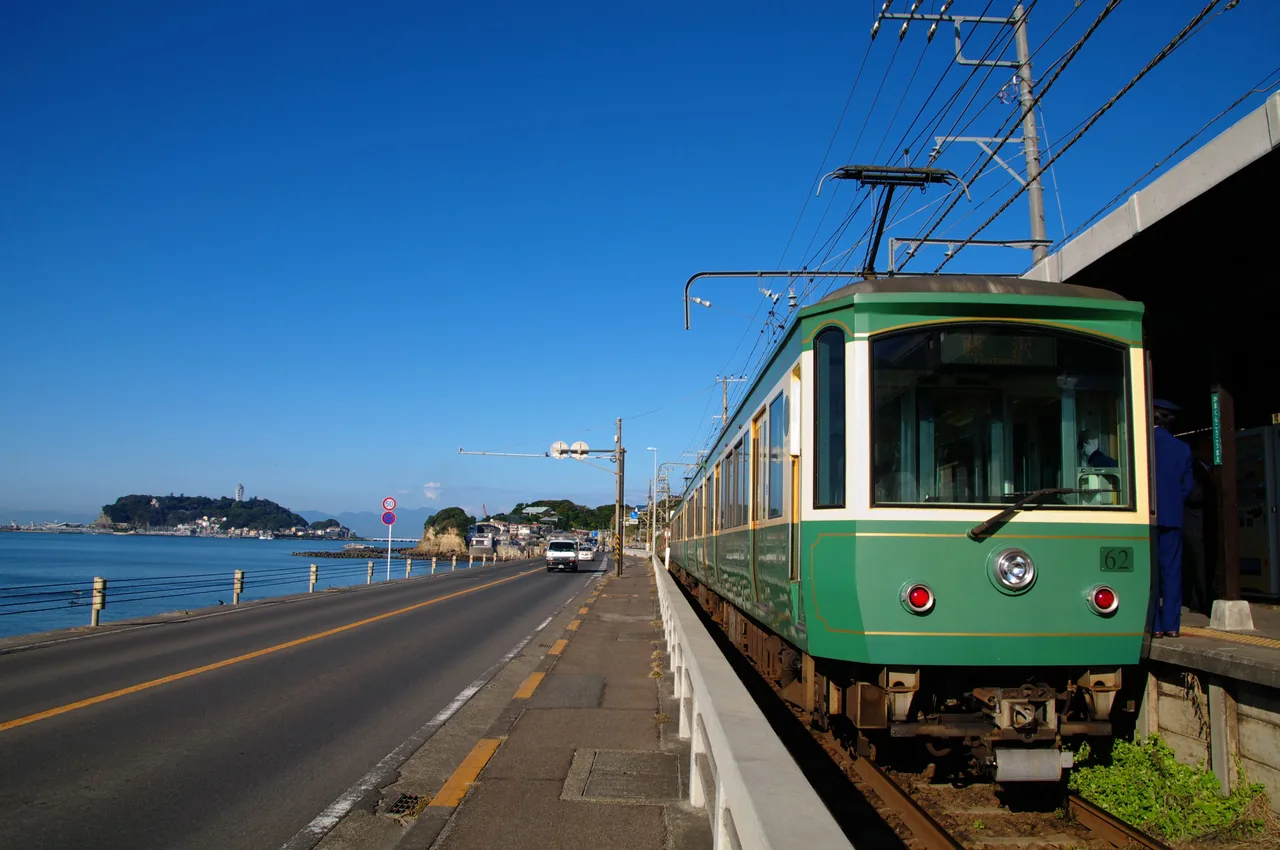
Photo: Kamakura City Tourist Association
A sample one-day route
According to Kamakura City, visitors concentrate in the area from the east exit of Kamakura Station through Komachi-dori to Tsurugaoka Hachimangu, and in the Hase area. Crowds peak during the day, and early morning and evening are relatively calm. If you move against the flow of people at the busy times, the crowds affect you less.
- Arrive at JR Kamakura Station in the morning and take the Enoden to Hase Station
- See the Great Buddha at Kotoku-in, then walk to Hasedera and take in the town and sea from the observation deck
- Return to Kamakura Station on the Enoden and have lunch on Komachi-dori or along Wakamiya-oji
- In the afternoon, walk along Komachi-dori to Tsurugaoka Hachimangu and climb the great stone staircase to the main shrine
- On the way back, walk the Dankazura to Kamakura Station
You can also start from Kita-Kamakura, where many of the temples are. Get off the JR Yokosuka Line at Kita-Kamakura Station and walk via Engaku-ji and Kencho-ji Temples to Tsurugaoka Hachimangu; the Kamakura City Tourism Association features this route as one of its model courses.
Avoiding the crowds, and etiquette around town
Kamakura publishes the Kamakura Sightseeing Congestion Map, which shows how busy places tend to be by day of the week and time of day. It covers Komachi-dori, Hase, the area around the east exit of Kamakura Station and more. Once you know your date, check the forecast for each area and plan when to set off.
- Kamakura Sightseeing Congestion Map (Japanese)
- Spending mornings and evenings in Kamakura (Kamakura City Tourism Association, Japanese)
The Kamakura City Tourism Association also suggests ways to enjoy the town in the quieter mornings and evenings. Simply avoiding the middle of the day makes the approach avenues and temple grounds far easier to walk. Even on a weekday, a quick look at the congestion map makes planning easier.
Eating on the go is worth some thought. Under its ordinance on manners in public places, Kamakura City treats eating while walking in crowded, narrow places, where you might soil other people's clothes, as a nuisance. Eating while walking is not itself banned. On busy streets like Komachi-dori, stop in front of the shop or in a quieter spot to eat, and you won't bother anyone around you.
Enoden route map and Kamakura travel passes
- Kamakura City Tourism Association official website (Japanese)
- Transport passes (Kamakura City Tourism Association, Japanese)
- Enoden route map (Enoshima Electric Railway, Japanese)
If you plan to hop on and off the Enoden and city buses several times, compare whether a pass works out better. Back in Tokyo, our guide to walking Asakusa and Ueno and the list of places in Tokyo are good next steps.