
How to Enjoy Kyoto's Autumn Leaves Without the Crowds
This guide is translated from the Japanese edition. Read the Japanese edition
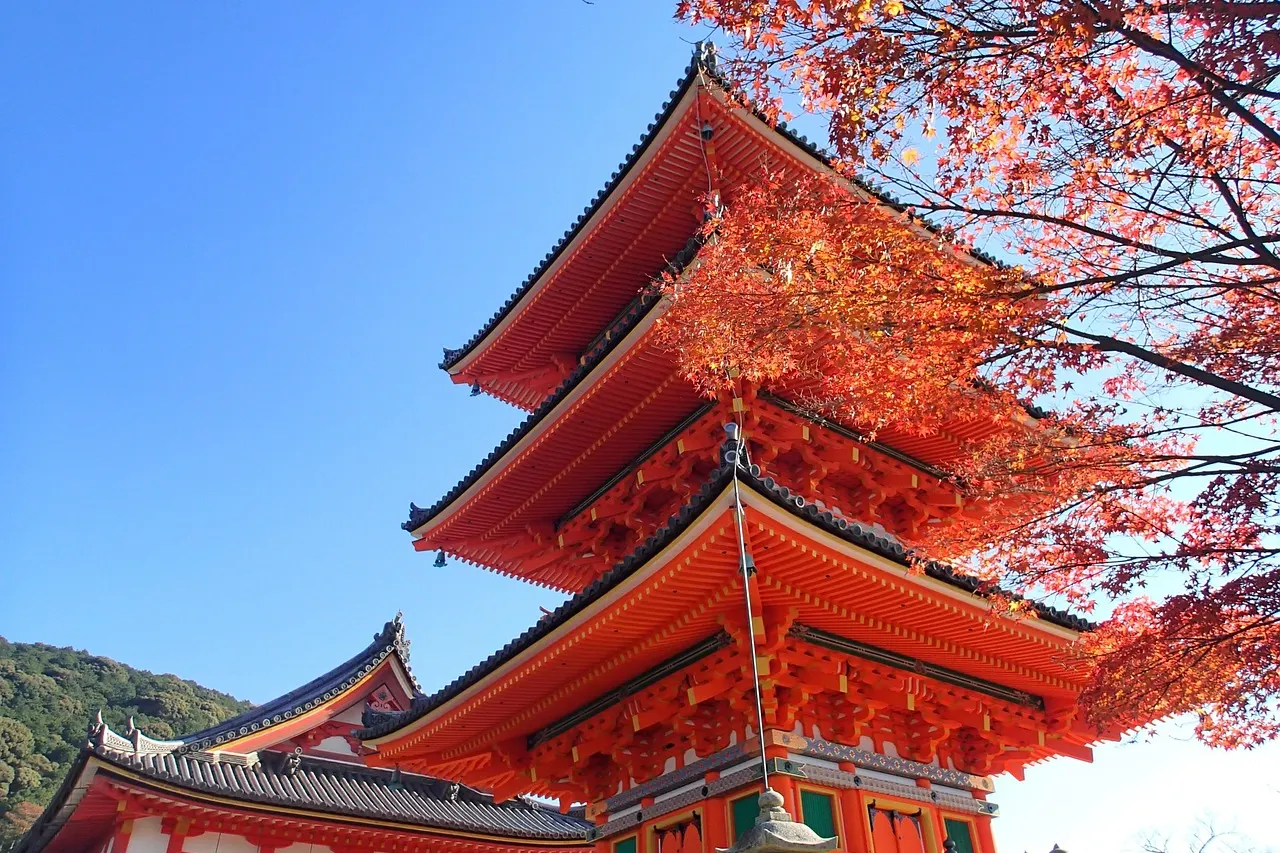
When the colours usually peak, how to use the early morning, why trains and walking beat buses, and more tips for getting around Kyoto comfortably in autumn.
In autumn, the approaches to Kyoto's popular temples fill up by late morning, and city buses are sometimes too full to board. Still, a little planning around timing and transport makes the city far easier to explore. Reach your first stop as the gates open, get around by train and on foot rather than by bus, and keep it to two or three places a day. With those three habits, even a first autumn trip to Kyoto goes smoothly.
When the colours usually peak
In central Kyoto, the leaves are usually at their best from mid- to late November. The timing shifts with each year's temperatures, and places closer to the mountains turn red earlier.
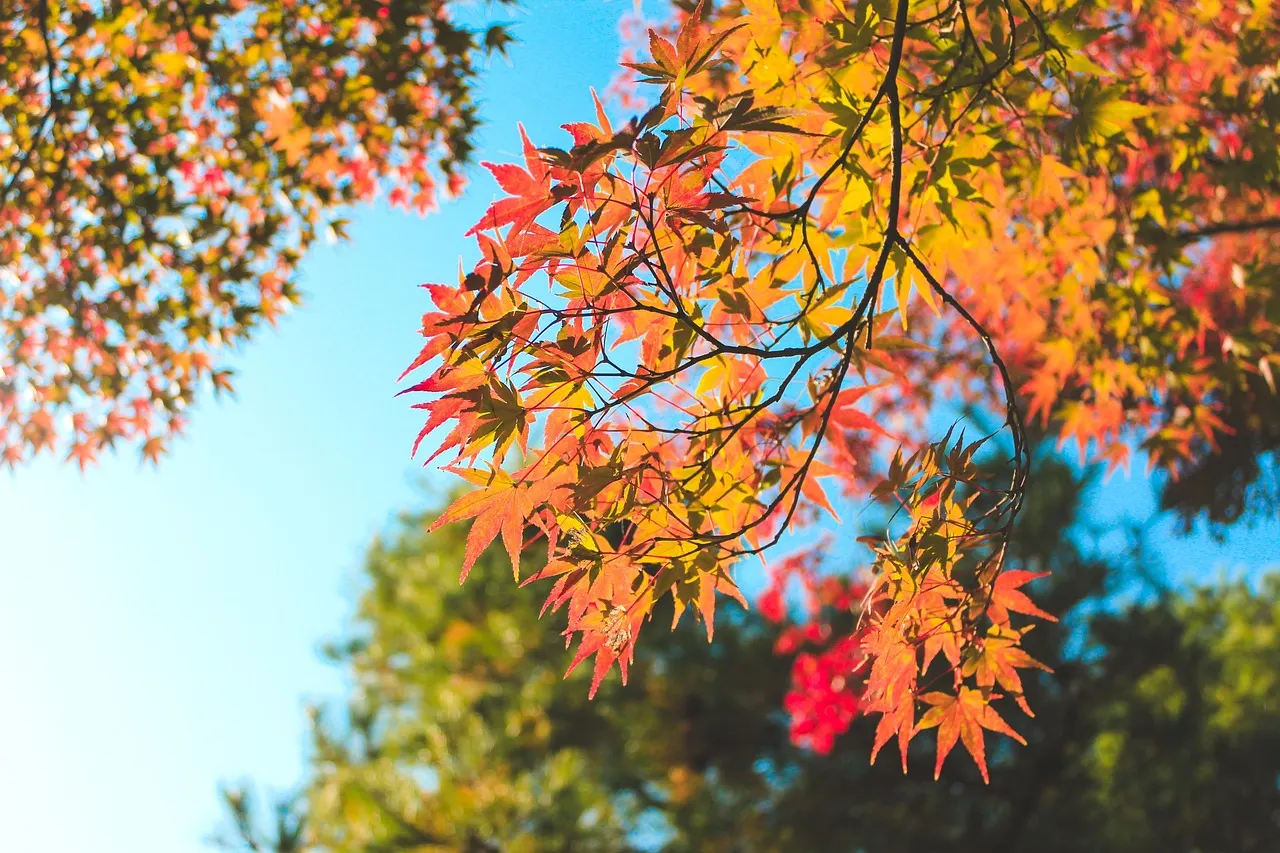
Photo: MahoRabbit / Pixabay
- If your dates are fixed, check the colour reports on each temple's or shrine's official website, or from the tourism association, a few days before you leave.
- Even before or after the peak, you can enjoy the first touches of colour or the fallen leaves carpeting the ground.
Start early in the morning
Popular temples and shrines are at their busiest from late morning into the afternoon. Arriving at your first stop right when the gates open lets you enjoy the scenery in peace.
- Opening times differ by temple and season, and some open earlier only during foliage season. Check the official website the day before.
- Have an early breakfast at your hotel or grab something light at a convenience store to make the most of your time.
Get around by train and on foot
During foliage season, the roads in the city get congested, and city buses can run very late or be too full to board.
- For popular areas such as Higashiyama and Arashiyama, take a train (JR, Keihan, Hankyu, the subway or the Randen tram) to a nearby station and walk from there. Your timing will be much easier to predict.
- A transport IC card (such as Suica or ICOCA) makes getting on and off trains and buses smooth.
- Famous spots in each area are often within walking distance of each other, so wear comfortable shoes.
Visit fewer places in a day
Waits to enter the most famous foliage spots can be long, so limit yourself to two or three places a day to enjoy them without rushing. Grouping sights within the same area works best.
- Higashiyama: the classic route walks from Kiyomizu-dera Temple towards Yasaka Shrine.
- Around Tofuku-ji Temple: the view from Tsuten-kyo Bridge is famous and gets especially crowded.
- Arashiyama: the area around Togetsu-kyo Bridge is busy, but temples a little further away can be quiet.
Admission fees and payment
At many temples and shrines, you need to pay an admission fee to enter the gardens or buildings known for their autumn colours. Some accept cash only, so bring cash, including coins, to be safe.
- Some temples and shrines hold evening illuminations (special night viewings), which may require a separate fee from daytime admission.
- Whether they are held, the dates and the fees change from year to year, so check each official website.
Helpful official information
Before you go, check the latest opening hours, fees and illumination information on each official website. To find more places to visit in Kyoto, see Kyoto spots.