
Kyoto Kimono Rental and Tea Ceremony: How It Works and Etiquette
This guide is translated from the Japanese edition. Read the Japanese edition
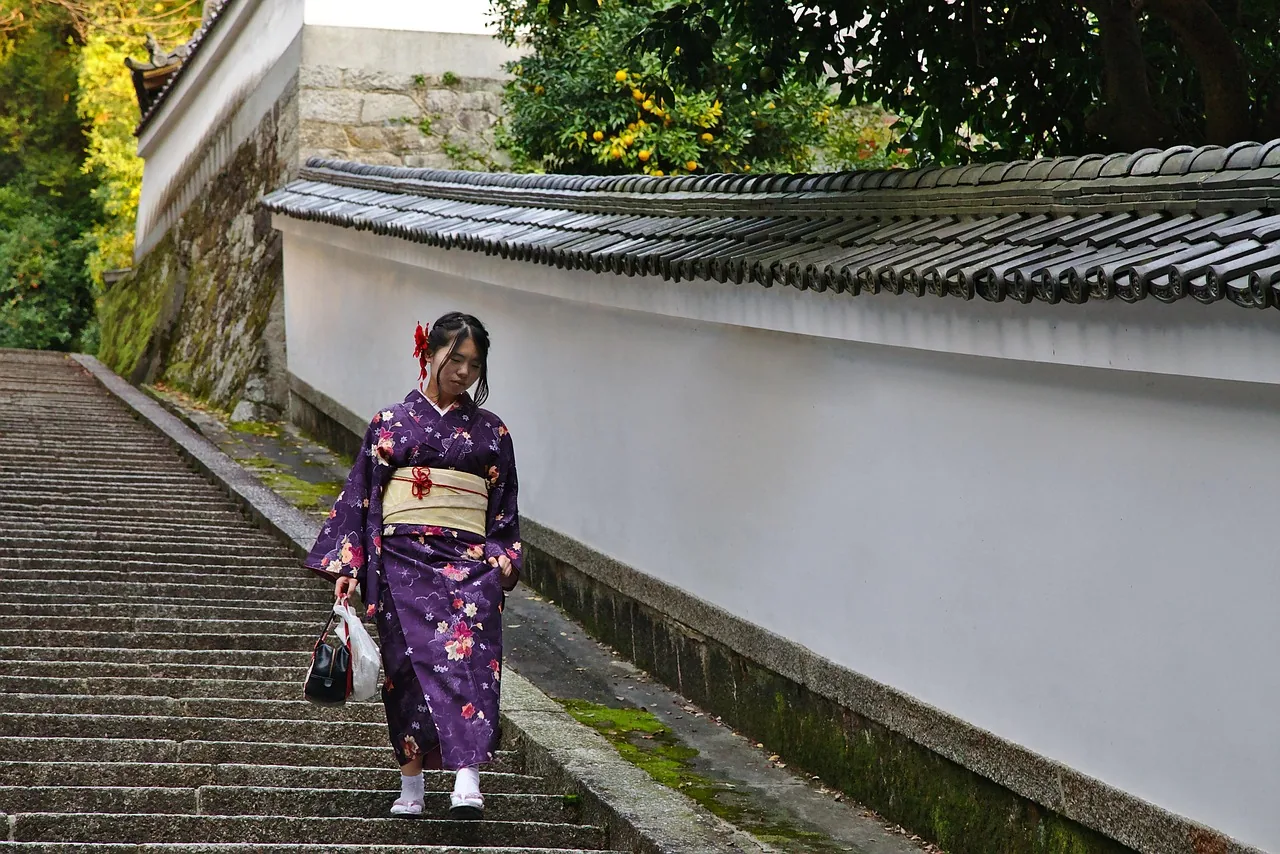
Kyoto kimono rental from booking to same-day return, Gion photo etiquette, keeping warm in winter, and why the sweet comes first and you turn the bowl at a tea ceremony.
Travelers in kimono come and go on the stone-paved slopes of Higashiyama. It is a familiar sight in Kyoto, but if you are renting a kimono for the first time, almost everything is a question: where to book, what to bring, when it has to go back. And if you are joining a tea ceremony, you may wonder when to eat the sweet and how to hold the bowl. Kimono usually go back to the shop the same day, so the return time effectively becomes the deadline for your whole day.
How kimono rental works: from booking to return
Kyoto has many kimono rental shops, clustered around Kyoto Station, in Higashiyama (home to Gion and Kiyomizu-dera Temple) and in Arashiyama. Some shops also have kimono for men. The process usually looks like this, though the details differ from shop to shop.
- Book: Most shops take reservations on their official websites. Some accept same-day bookings, but on weekends in peak sightseeing season it is safer to book early.
- Choose your kimono: At the shop, pick a kimono, an obi sash and accessories. Some plans include everything down to tabi socks, zori sandals and a handbag.
- Get dressed: Staff dress you. Some plans include hair styling, and some shops offer it as a paid extra.
- Head out: Some shops will keep the clothes you arrived in and your luggage.
- Return: You usually go back to the shop the same day, by a set time, and change back. Return times vary, so confirm yours when you book.
Prices, opening hours and the last dressing time vary widely by shop and plan. Check each shop's official website before you book. Kyoto City's official tourism site, Kyoto Kanko Navi, has a list of kimono rental shops in the city.
Things to watch for when walking in kimono
In a kimono your stride is shorter than in Western clothes, and the sleeves and hem are longer. Higashiyama has plenty of slopes and stone steps, so plan your walk with more time than usual and you won't have to fret about your footing. If you aren't used to zori sandals, don't try to cover too much ground.
The busier a spot is with people taking kimono photos, the more Kyoto City's sightseeing etiquette comes into play.
- On crowded streets, don't stop to chat or get so absorbed in photos that you block people passing by. In front of Kiyomizu-dera Temple, the city also points out littering food waste and spending a long time taking photos.
- In Gion, don't stop maiko or geiko on the street or photograph them without permission.
- Don't enter private lanes. Don't set up a tripod to photograph the streetscape (it blocks traffic). Don't touch the lanterns of teahouses or lean on fences.
- The Gion-machi Minamigawa district is where people live. Don't enter private property without permission, and don't block the sidewalk or road by stopping to take photos.
What to prepare depends on the season. According to Kyoto City's official travel site, many people walk around in light yukata in summer, and a fan, a parasol and something to drink make it more comfortable. In winter, a kimono leaves the back of the neck exposed at the collar, so an insulating inner layer underneath helps keep you warm. Some shops rent out shawls and kimono overcoats. From the rainy season through summer there are many wet days, so if rain is forecast, ask the shop how they handle rainy days.
Tea ceremony etiquette basics
Around Kyoto, tea ceremony experiences open to first-timers are held at temples, cultural facilities, hotels and other venues. In many of them, a teacher explains the history and etiquette of tea, demonstrates the preparation, and then lets you whisk a bowl of matcha yourself. Some experiences are guided in English.
Etiquette differs slightly between schools of tea, and the teacher will walk you through it step by step. Knowing the flow in advance helps you sit back and relax.
- Sweet first: A Japanese sweet (wagashi) comes before the matcha. Drinking the tea while the sweetness lingers in your mouth makes it taste better. The sweets are often chosen to match the season, and the bowls and other utensils often have seasonal designs too.
- "Osaki ni" and "Otemae chōdai shimasu": According to the Urasenke school, when you receive the bowl you say "Osaki ni" ("excuse me for going before you") to the next guest, then bow to the host and say "Otemae chōdai shimasu" ("I gratefully receive your tea").
- Avoid the front of the bowl: The bowl is served with its front, the side that looks most beautiful, facing you. To answer that courtesy with modesty, the guest turns the bowl toward themselves and drinks away from the front. Rest the bowl on your left palm and support it with your right hand.
- When you finish: Wipe the rim where you drank with your fingertips, wipe your fingertips on kaishi paper, then turn the bowl back so the front faces the way it was served.
Kaishi is Japanese paper also used when eating the sweet, and it is often provided at experiences. White socks are also listed among the things tea students bring. If your experience is in a tatami room, bring a clean pair of socks.
What to check when choosing a shop or experience
Kimono rentals and tea ceremony experiences may look alike, but what they include varies a lot. Check the following on the official website or by asking before you book, and the day will go more smoothly.
| What to check | Kimono rental | Tea ceremony |
|---|---|---|
| What the price includes | Dressing, hair styling, accessories, tabi and zori | Matcha and a sweet, time to whisk your own tea |
| Booking | Same-day booking, cancellation policy | Small-group booking, whether solo travelers can join |
| Timing | Last dressing time and return deadline | How long it takes and start times |
| Language | Guidance in English or other languages | Which language the explanation is in |
| Accessibility | Dressing for wheelchair users or different body sizes | A chair if kneeling (seiza) is difficult |
Some plans let you join a tea ceremony in kimono. If you want both in one day, add up the time for dressing, the tea ceremony and getting between them, and build the day so you can make the return deadline.
For wheelchair users who want to rent a kimono, Kyo-navi Online from the Kyoto Tourist Information Center also points to where to ask.
Kimono rental listings, Gion etiquette and how to drink usucha
- Kimono rental shops (Kyoto City Official Kyoto Kanko Navi)
- Kyoto sightseeing etiquette for Kiyomizu-dera, Arashiyama, Nishiki Market and Gion (Kyoto City Official Kyoto Kanko Navi Plus)
- A message from the Gion-machi Minamigawa district (Kyoto City Official Kyoto Kanko Navi)
- Weather & Clothing (Kyoto City Official Travel Guide)
- Tea ceremony experiences and tea rooms in Kyoto (Kyoto City Official Kyoto Kanko Navi Plus)
- How to drink usucha (Urasenke official website)
- Kimono rental for wheelchair users (Kyo-navi Online)
To decide where to walk in your kimono, browse places to visit in Kyoto. If you are heading to Arashiyama for the Bamboo Grove and Togetsukyo Bridge, see our Arashiyama day trip guide.