
Nikko Day Trip from Tokyo: Toshogu, Rinnoji and Futarasan Route
This guide is translated from the Japanese edition. Read the Japanese edition
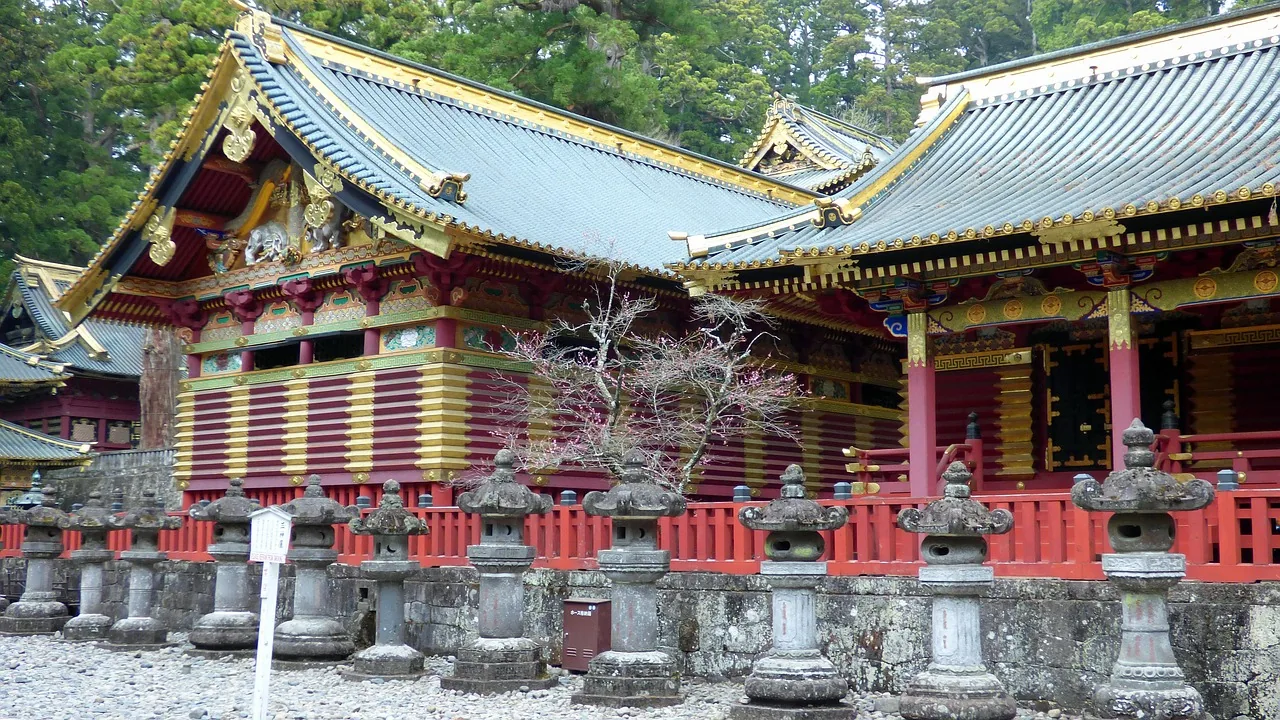
Tobu expresses go from Asakusa to Nikko without a change. Bus or uphill walk to the shrines, an order for Shinkyo, Rinnoji, Toshogu and Futarasan, and why Route 119 jams.
On weekends in the autumn-leaf season, Route 119 from Tobu-Nikko Station to Nikko Toshogu Shrine fills with queues of cars as the day goes on. Nikko is a town you can reach from Tokyo on a limited express without changing trains. Its two shrines and one temple — Nikko Toshogu, which enshrines Tokugawa Ieyasu; Nikko Futarasan Shrine, where worship of the sacred mountains of Nikko began; and Nikko-san Rinnoji Temple — are inscribed together as the World Heritage Site "Shrines and Temples of Nikko". Tobu-Nikko and JR Nikko are separate stations, and from either one the road up to Nikko Sannai, where the shrines and temples stand, climbs gently all the way.
How to get from Tokyo to Nikko
The standard way from Tokyo is a Tobu Railway limited express, which runs from Asakusa Station to Tobu-Nikko Station without a change. You can also take a JR East and Tobu through limited express, or combine the JR shinkansen with the JR Nikko Line, so pick the option that starts closest to where you are staying.
| Route | Main boarding stations | Arrives at | Watch out for |
|---|---|---|---|
| Tobu limited express (Spacia X, Kegon and others) | Asakusa, Tokyo Skytree, Kita-Senju | Tobu-Nikko Station | All seats are reserved. Buy a limited express ticket in advance |
| JR and Tobu through limited express (Spacia Nikko and others) | Shinjuku, Ikebukuro | Tobu-Nikko Station | Operating days and the number of trains change by season. Check the timetable |
| JR Tohoku Shinkansen + JR Nikko Line | Tokyo | JR Nikko Station | Change to the Nikko Line at Utsunomiya Station |
Spacia X is Tobu Railway's newest limited express. It leaves Asakusa and calls at stations including Tokyo Skytree and Kita-Senju on its way to Tobu-Nikko. The Cockpit Lounge in Car 1 has a café counter that also sells original items made with ingredients from along the line. Passengers in other cars can use it for takeout after getting an online queue ticket. Every seat on Tobu limited expresses is reserved. You can buy limited express tickets in advance online or at station ticket counters and machines; buying on board costs extra, so sort out your ticket before you get on.
If you are staying in Shinjuku or Ikebukuro, a through limited express from the JR lines onto the Tobu line takes you to Tobu-Nikko without a change. By JR, ride the Tohoku Shinkansen to Utsunomiya Station, change to the JR Nikko Line and get off at the terminus, Nikko Station. Check journey times, fares and timetables on each company's official website.
- Spacia X boarding guide (Tobu Railway, Japanese)
- Limited express platforms (Tobu Railway, Japanese)
- Nikko Station timetable (JR East, Japanese)
Tobu's Asakusa Station is within walking distance of Senso-ji Temple. If you want to explore Asakusa before you leave or after you return, see our Asakusa and Ueno walking guide.
From the station to the shrines: the World Heritage bus or on foot
Tobu-Nikko Station and JR Nikko Station are separate stations, but you can catch Tobu Bus Nikko's World Heritage Sightseeing Bus (Sekai Isan Meguri Bus) from in front of either. It is a loop bus that leaves the station, runs along Route 119 (the Nikko Kaido), circles the Nikko Sannai area with its shrines and temples, and returns to the station. Get off at Omotesando for Nikko Toshogu, Shinkyo for the bridge, and stops such as Taiyuin / Futarasan-jinja-mae or Nishisando for Futarasan Shrine and Rinnoji's Taiyuin.
You can also walk from the station to Shinkyo Bridge. According to the Nikko City Tourism Association, Route 119 climbs gently towards the shrines. One option is to take the bus up and walk back down the slope to the station.
If you will hop on and off within the World Heritage bus area several times in a day, compare a pass such as Tobu Bus Nikko's Sekai Isan Meguri Tegata. In the autumn-leaf season and during holidays the roads get congested, and the bus route may change. Timetables, fares and service updates are on the Tobu Bus website.
- Nikko area routes and timetables (Tobu Bus On-Line, Japanese)
- Nikko bus passes (Tobu Bus On-Line, Japanese)
From Shinkyo Bridge to the shrines and temple: a suggested order
Nikko Toshogu, Nikko-san Rinnoji and Nikko Futarasan Shrine are linked by approach paths, so you can walk between them. The Nikko City Tourism Association suggests a route from Shinkyo Bridge to Rinnoji's Sanbutsudo, then Nikko Toshogu, Rinnoji's Taiyuin and finally Nikko Futarasan Shrine. You start at Shinkyo at the bottom of the slope and work your way deeper into Nikko Sannai.
- Shinkyo Bridge: a vermilion bridge over the Daiya River that marks the entrance to Nikko Sannai. It belongs to Futarasan Shrine and is counted among Japan's three most unusual bridges. Once only the shogun's family and a few others were allowed to cross it; today you can stand on the bridge by buying a crossing ticket.
- Rinnoji Sanbutsudo: the main hall of Mount Nikko, enshrining three large Buddha statues. Rinnoji is the collective name for its halls, pagoda and sub-temples.
- Nikko Toshogu: the shrine dedicated to Tokugawa Ieyasu. Most of the present buildings were rebuilt in the Kan'ei Great Reconstruction under the third shogun, Iemitsu. The Yomeimon Gate, a National Treasure, is covered in carvings and is also called Higurashi-no-mon, "the gate you could gaze at until sunset". The Sleeping Cat (Nemuri-neko) in the east corridor is a National Treasure too.
- Rinnoji Taiyuin: the mausoleum of the third shogun, Iemitsu. Its grounds hold buildings designated National Treasures and Important Cultural Properties, along with a great many lanterns.
- Nikko Futarasan Shrine: the ancient shrine where worship of Mount Nikko began, revering Mount Futara (Mount Nantai) as its sacred body. To go back, take the bus to the station from the nearby Taiyuin / Futarasan-jinja-mae or Nishisando stops.
Opening hours and admission fees differ for each site, and some change with the season. Toshogu and Rinnoji sell separate tickets, so check both official websites before you go to avoid confusion at the ticket windows.
- Hours and admission (Nikko Toshogu, Japanese)
- Visitor information (Nikko-san Rinnoji, Japanese)
- Nikko Futarasan Shrine (Nikko City Tourism Association, Japanese)
- Shinkyo Bridge (Nikko City Tourism Association, Japanese)
When is Nikko crowded? Autumn leaves and holidays
According to the Nikko City Tourism Association, Nikko is busiest during long holidays such as Golden Week and the New Year period, and on weekends in the autumn-leaf season. Route 119, which runs from Tobu-Nikko Station to Nikko Toshogu, has one lane in each direction, and at these times it fills with traffic during the day. The buses linking the stations and Nikko Sannai use the same road, so they are affected by the congestion too.
On a day trip, these approaches help reduce the impact of the crowds.
- Take an early limited express and start walking around Nikko Sannai before the crowds build
- If your dates are flexible, go on a weekday rather than a weekend or holiday
- Autumn colours peak at different times in different places: Oku-Nikko comes first and Nikko Sannai, where the shrines and temples are, comes later. Check the tourism association's updates for the place you want to see
- Save a trip further up to Oku-Nikko, home to Lake Chuzenji and the Irohazaka road, for a day with time to spare. On autumn-leaf weekends Irohazaka can be badly congested
The Nikko City Tourism Association's Nikko Tabi Navi website brings together when and where traffic tends to build up, autumn-leaf updates and ideas for avoiding the crowds. Have a look once you have fixed your date, and choosing a departure time becomes easier.
- Tips for avoiding traffic in Nikko (Nikko Tabi Navi, Japanese)
- Congestion around Nikko Toshogu and how to avoid it (Nikko Tabi Navi, Japanese)
Nikko Tabi Navi model courses and the city's World Heritage page
- Model course for the Shrines and Temples of Nikko (Nikko Tabi Navi, Japanese)
- Access (Nikko Tabi Navi, Japanese)
- Shrines and Temples of Nikko World Heritage Site (Nikko City, Japanese)
For an evening back in Tokyo or another day in the city, browse places to visit in Tokyo.