
First Time in Tokyo: Shibuya, Harajuku and Shinjuku Itinerary
This guide is translated from the Japanese edition. Read the Japanese edition
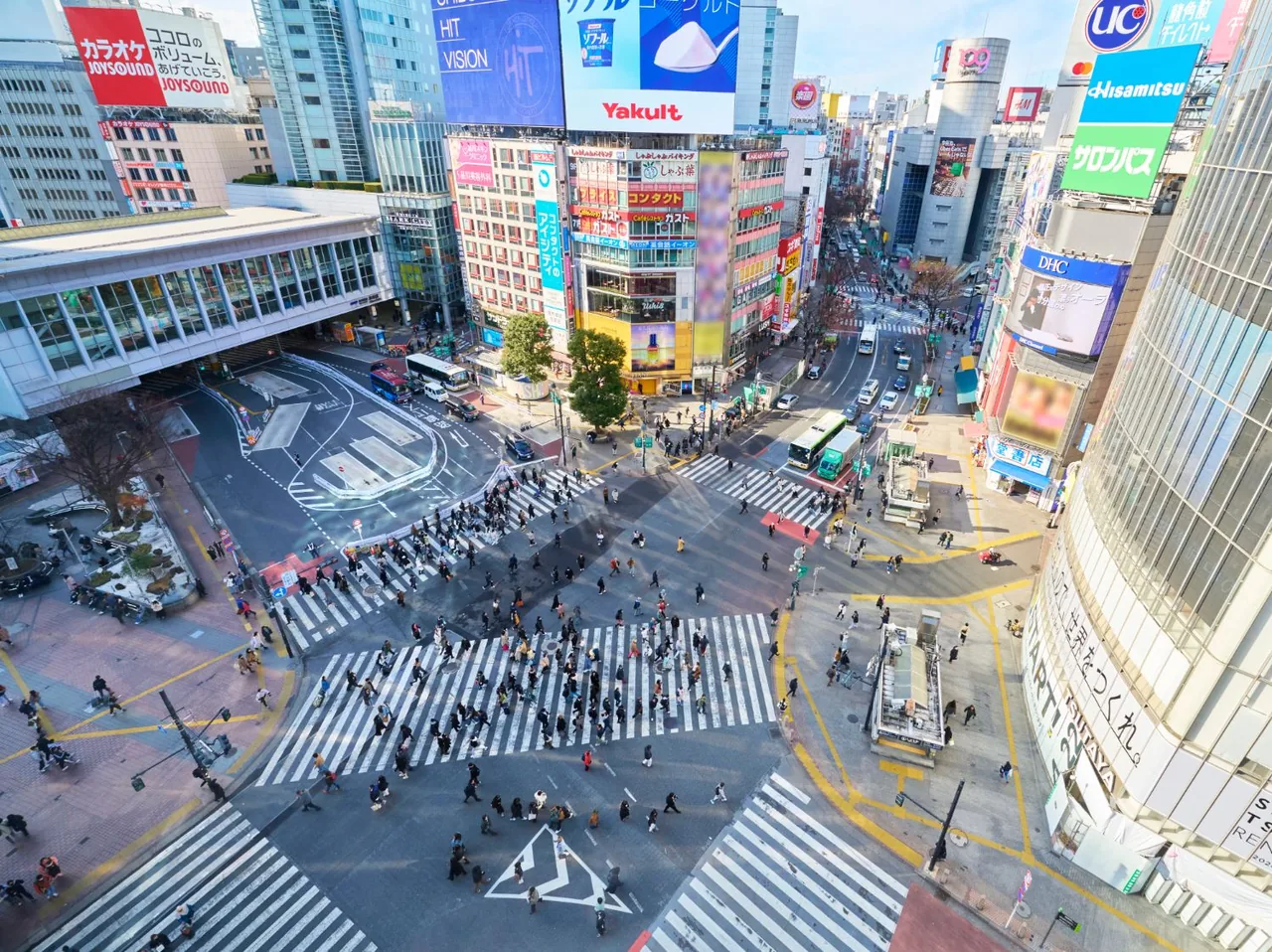
First time in Tokyo? Meiji Jingu in the morning, the Scramble Crossing by day and the free Metropolitan Government observation decks at dusk, all on the Yamanote Line.
When the lights turn green at the Scramble Crossing, people pour into the road from every direction at once. One stop from Shibuya on the Yamanote Line is Harajuku, and a little further on is Shinjuku. On a first trip to Tokyo, these three areas are easy to plan as a group, and the JR Yamanote Line covers almost all of the travel between them. The part that trips people up is often the stations themselves: besides JR, Shinjuku Station is served by the Odakyu Line, the Keio Line, Toei Subway and Tokyo Metro.
How Shibuya, Harajuku and Shinjuku fit together on the Yamanote Line
The JR Yamanote Line is a loop line that circles central Tokyo. Shibuya, Harajuku and Shinjuku lie on its western side, running from south to north.
| Area | Yamanote Line station | Neighbouring stations | Main sights |
|---|---|---|---|
| Shibuya | Shibuya Station | Harajuku Station | Scramble Crossing, Hachiko Statue |
| Harajuku | Harajuku Station | Shibuya Station, Yoyogi Station | Meiji Jingu Shrine, Takeshita Street |
| Shinjuku | Shinjuku Station | Yoyogi Station | Shinjuku Gyoen National Garden, Tokyo Metropolitan Government Building observation decks |
Shibuya and Harajuku are next to each other, while Yoyogi Station sits between Harajuku and Shinjuku. Yamanote Line trains run in two directions, the inner loop (uchi-mawari) and the outer loop (soto-mawari): the inner loop takes you from Shinjuku towards Shibuya, and the outer loop from Shibuya towards Shinjuku. Check the station name and the direction on the platform signs before you board.
JR East publishes service status and timetables for the Yamanote Line. Look up journey times and fares on the official website or at the station before you ride.
Shibuya: the Scramble Crossing and the Hachiko Statue
Walk out of the Hachiko Gate at Shibuya Station and the Scramble Crossing opens up beyond the station square. Crowds crossing the road all at once make one of Tokyo's signature views, and it has appeared in films and music videos. On the far side is Shibuya Center-gai, a street packed with shops and places to eat.
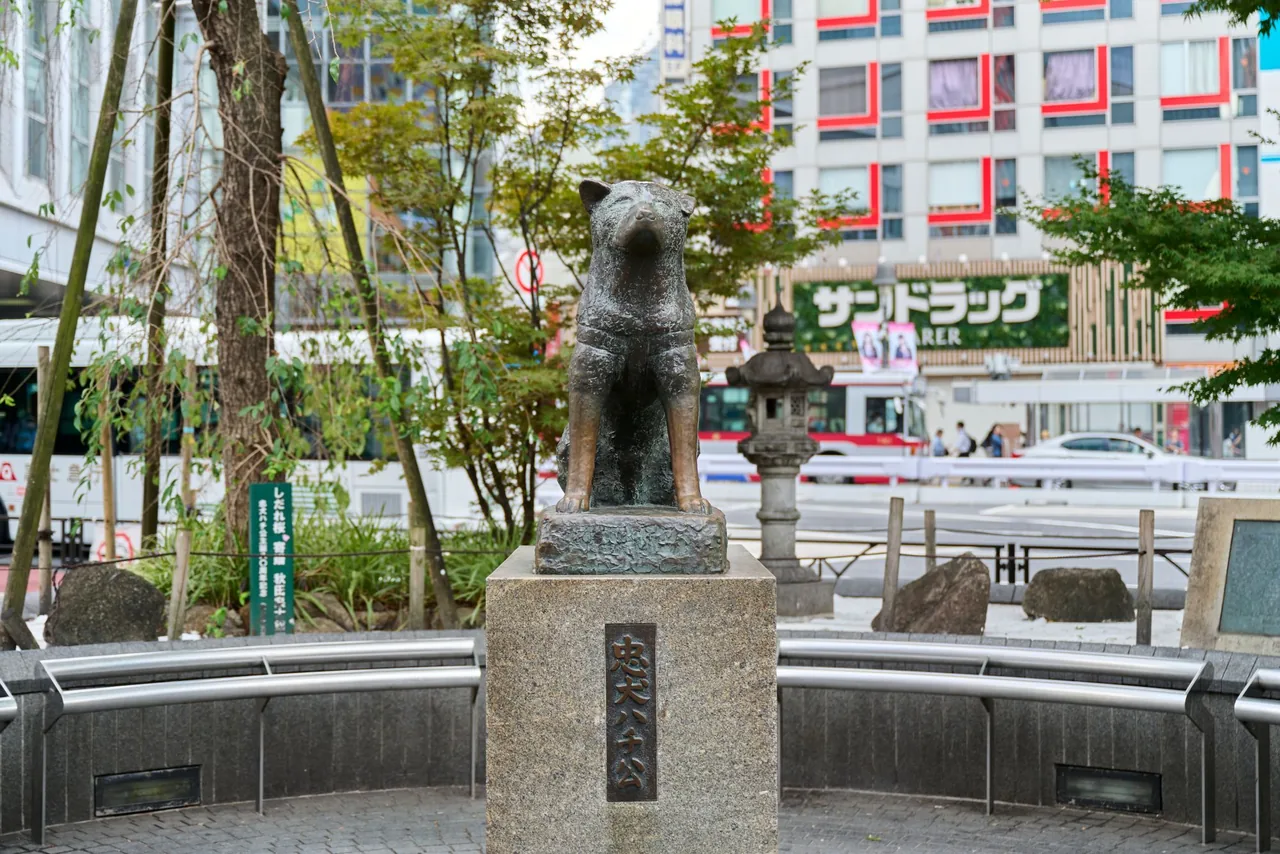
Photo: © TCVB
In the station square stands the statue of Hachiko, the Akita dog famous for waiting at Shibuya Station for his owner to come home. The statue is still a favourite meeting spot.
To see the crossing from above, try a café on an upper floor of one of the buildings around the station, or the open-air observation space SHIBUYA SKY, which looks straight down on it. Check admission and booking details on the official information.
- Shibuya Scramble Crossing (GO TOKYO, Tokyo's official travel guide, Japanese)
- Hachiko Statue (GO TOKYO, Japanese)
- SHIBUYA SKY (GO TOKYO, Japanese)
Harajuku: the Meiji Jingu forest and Takeshita Street
Step out of Harajuku Station and the forest of Meiji Jingu Shrine is on one side, the entrance to Takeshita Street on the other. A quiet shrine and a lively shopping street face each other across the station, and that contrast is what makes Harajuku fun.
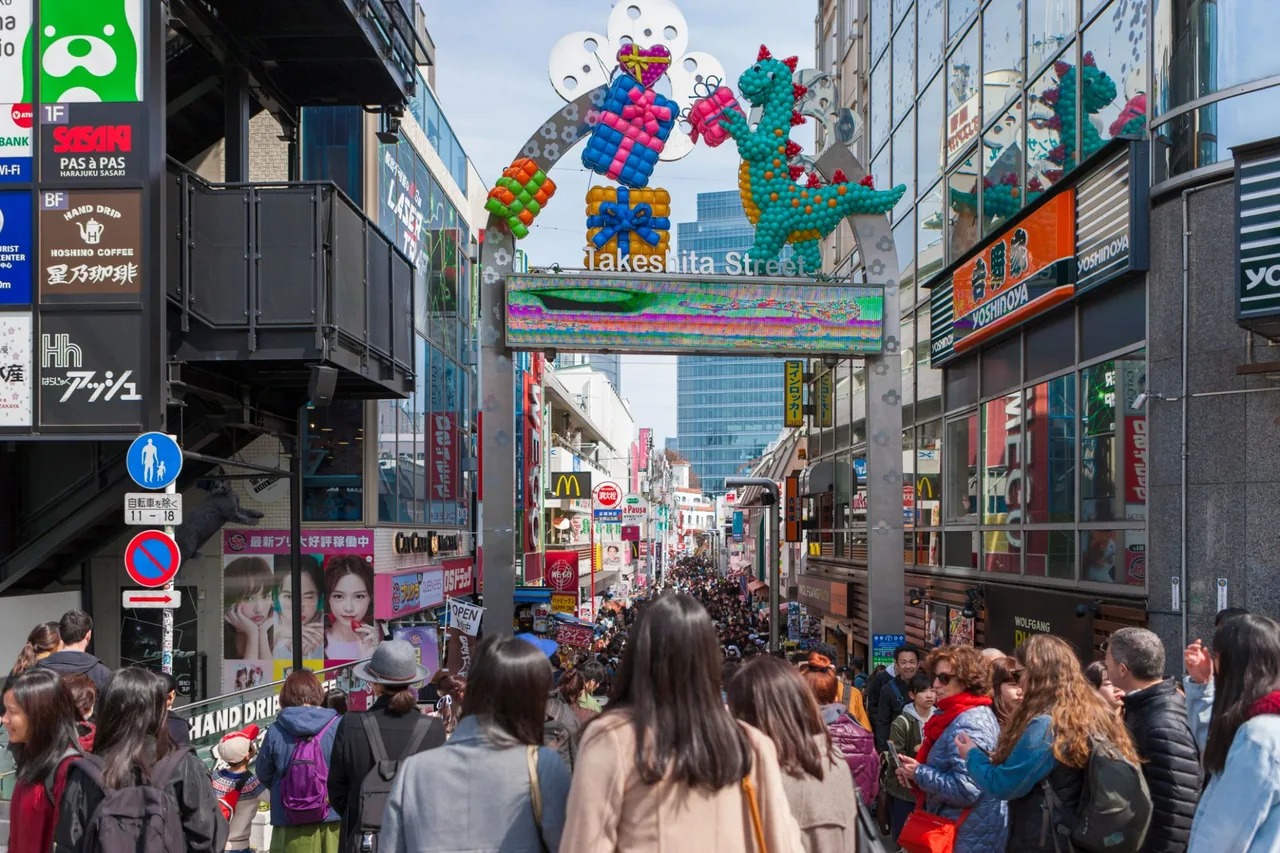
Photo: © TCVB
Meiji Jingu enshrines Emperor Meiji and Empress Shoken. The Harajuku entrance is right by JR Harajuku Station, and a tree-lined approach leads you to the main shrine buildings. The forest was planted with trees donated from all over Japan when the shrine was founded. Visiting hours change from month to month, so check the official website before you go.
Takeshita Street is just across the road from Harajuku Station. Pass under the arch at the entrance and you find fashion shops and stalls selling sweets such as crêpes and cotton candy, busy with young people. You can also walk from Harajuku Station to Omotesando, so with time to spare you can make a loop from Meiji Jingu to Omotesando and back via Takeshita Street.
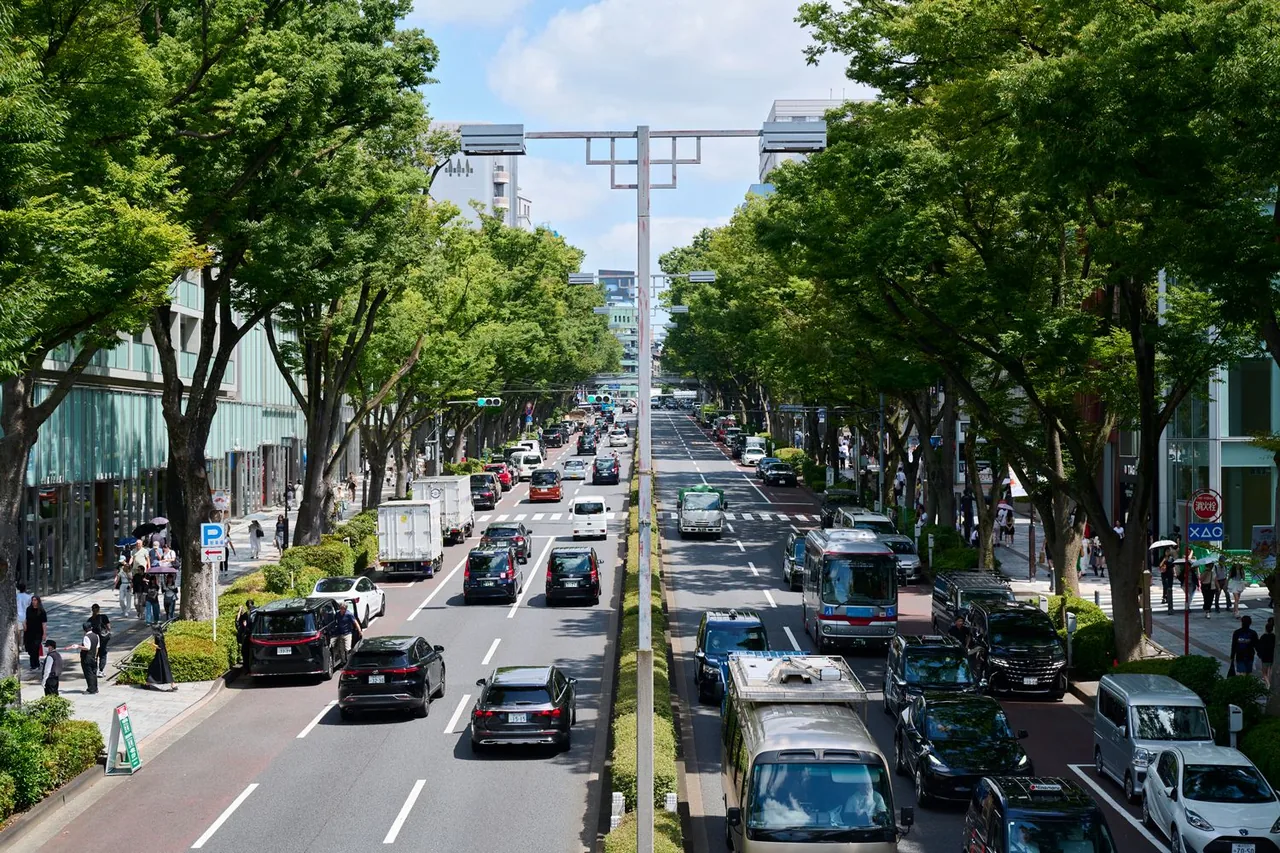
Photo: © TCVB
- Access (Meiji Jingu official website, Japanese)
- Precinct map (Meiji Jingu official website, Japanese)
- Takeshita Street (GO TOKYO, Japanese)
Shinjuku: Shinjuku Gyoen and the Metropolitan Government observation decks
Shinjuku gives you both a large garden and views from a skyscraper.
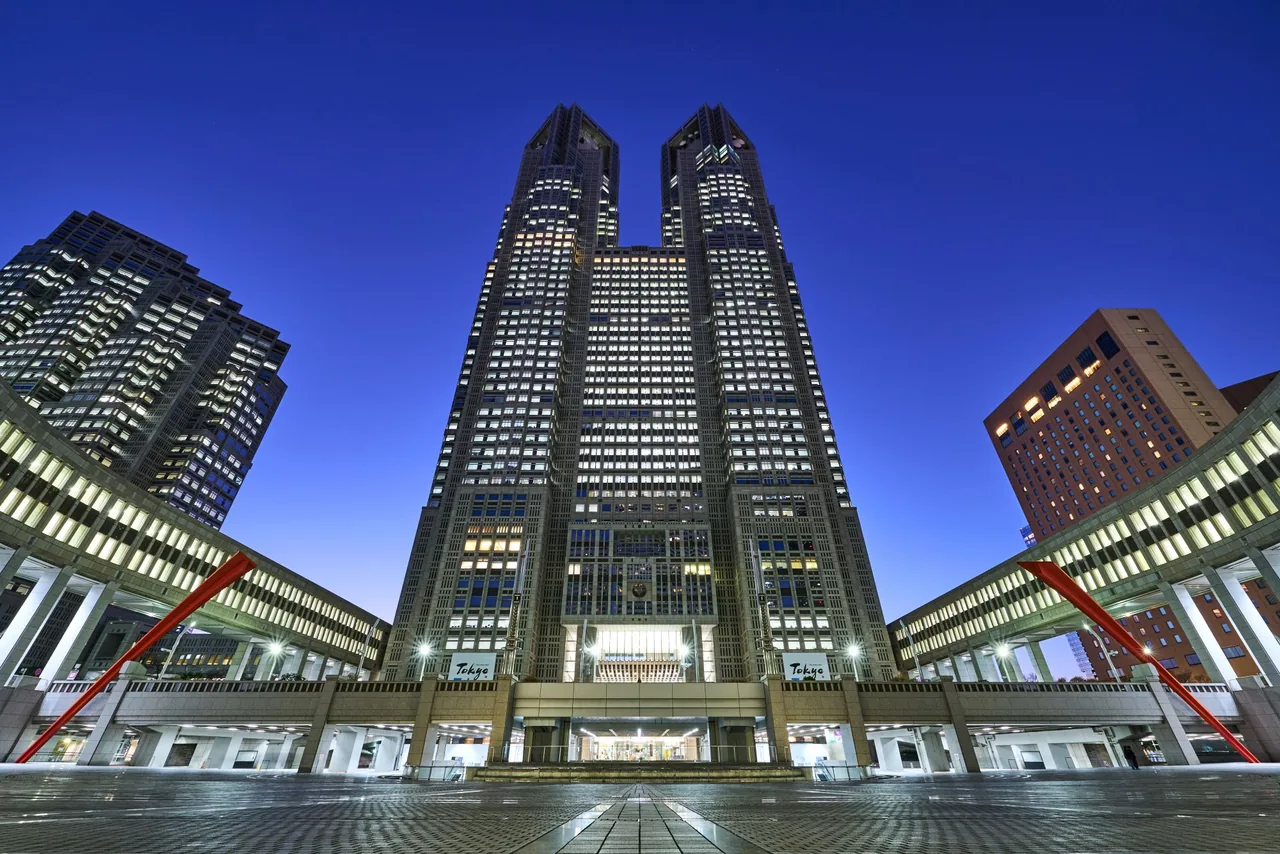
Photo: © TCVB
Shinjuku Gyoen National Garden is managed by the Ministry of the Environment, and you can enter through three gates: Shinjuku Gate, Okido Gate and Sendagaya Gate. Shinjuku Gate is within walking distance of the South Exit of Shinjuku Station, and Shinjuku-sanchome and Shinjuku-gyoemmae subway stations are also close by. There is an admission fee, and opening hours change with the season. The garden closes on certain days, mainly Mondays (with exceptions such as the cherry blossom and chrysanthemum seasons), and alcohol is not allowed in the garden, either to drink or to bring in.
Building No. 1 of the Tokyo Metropolitan Government Building has observation decks that are free to enter. There are two, the North and South Observation Decks, and each closes on different days. On clear days you can see Tokyo Skytree, and when the air is very clear, sometimes Mount Fuji. The building connects directly to Tochomae Station on the Toei Oedo Line, and you can also walk there from the West Exit of JR Shinjuku Station.
Near the West Exit of Shinjuku Station is Omoide Yokocho, a narrow alley lined with red lanterns. It is packed with tiny yakitori bars, many with only a few seats, so if you drop by in the evening it works best in a small group.
- Visitor information (Shinjuku Gyoen official website, Ministry of the Environment, Japanese)
- Access (Shinjuku Gyoen official website, Ministry of the Environment, Japanese)
- Observation decks (Tokyo Metropolitan Government Bureau of Finance, Japanese)
A sample one-day route
To see all three areas in a day, move in one direction along the Yamanote Line so you never have to double back. Here is one way to do it: Harajuku in the morning, Shibuya in the middle of the day and Shinjuku from late afternoon.
- In the morning, get off at JR Harajuku Station and head to Meiji Jingu. Walk the approach from the Harajuku entrance and pay your respects at the main shrine
- Back at Harajuku Station, stroll down Takeshita Street. With time to spare, carry on to Omotesando
- Ride the Yamanote Line one stop to Shibuya. Leave by the Hachiko Gate to see the Scramble Crossing and the Hachiko Statue
- Take the Yamanote Line to Shinjuku. Shinjuku Gyoen's closing time changes with the season, so check it before you go
- From late afternoon into the evening, go up to the Metropolitan Government observation decks, and stop at Omoide Yokocho on the way back if you like
Shinjuku Gyoen and the observation decks close on different days. Once your date is set, check both official websites to make sure they are open. If doing everything in one day feels rushed, split it: one day for Harajuku and Shibuya, and half a day for Shinjuku.
If you also want to explore Tokyo's old downtown, see Asakusa and Ueno in One Day.
Handling crowds and finding your way in big stations
Shibuya and Shinjuku are both huge stations served by many lines. Besides JR, Shinjuku Station brings together the Odakyu Line, the Keio Line, Toei Subway and Tokyo Metro. When you change trains, follow the line name and operator name on the signs and you are less likely to go wrong.
- Decide on your exit first: look up the exit nearest your destination, such as the East, West or South Exit at Shinjuku or the Hachiko Gate at Shibuya, and you are much less likely to get lost inside the station.
- Look at the station maps: JR East publishes maps of Shibuya, Harajuku and Shinjuku stations on its official website. Especially at Shinjuku, with all its transfers, checking the route to your exit in advance makes the walk easier.
- Use an IC card: Welcome Suica is an IC card for short-term visitors to Japan, usable on trains and buses and for shopping at participating stores. It saves you buying tickets.
- Meet at a landmark: pick an easy-to-spot landmark, such as the Hachiko Statue in Shibuya, and finding each other is much simpler.
- At the Scramble Crossing, do not stop in the middle of the crosswalk for photos; finish crossing first, then take your picture.
Here are the station maps and the Welcome Suica guide.
- Shibuya Station map (JR East)
- Harajuku Station map (JR East)
- Shinjuku Station map (JR East)
- Welcome Suica (JR East)
Shibuya, Harajuku and Shinjuku area guides on GO TOKYO
- Shibuya guide (GO TOKYO, Japanese)
- Harajuku guide (GO TOKYO, Japanese)
- Around Shinjuku (GO TOKYO, Japanese)
For other places to visit in Tokyo, browse the list of Tokyo spots.