
Tokyo Winter Illuminations 2026: Seeing the Lights in One Night
This guide is translated from the Japanese edition. Read the Japanese edition
Tokyo's winter illuminations in Marunouchi, Roppongi, Ebisu, Shinjuku and Omotesando, with 2026 dates, subway routes for one evening, and crowd and cold-weather tips.
Once November arrives, the street trees on the Marunouchi side of Tokyo Station and along the slopes of Roppongi begin to light up. Rather than paid, theme-park-style displays, Tokyo's winter illuminations are mostly free ones that decorate streets and plazas. Many are a short walk from a station, so you can see two or three before or after dinner. The catch is that each one ends at a different time, so the best combination depends on when you travel.
When are Tokyo's illuminations on?
Most start in early to mid-November. Some end on December 25, while others carry on into February. Everything is lit at once between December 1, when Omotesando switches on, and December 25.
| Illumination | Area | Usual period | Announced for 2026 |
|---|---|---|---|
| Marunouchi Illumination | Tokyo Station / Marunouchi | Mid-November to mid-February | November 12, 2026 to February 14, 2027 |
| Keyakizaka Illumination | Roppongi | Early November to December 25 | November 5 to December 25 |
| Tokyo Midtown | Roppongi | Mid-November to December 25 | November 26 to December 25 |
| Ebisu Garden Place | Ebisu | Starts in early to mid-November; the chandelier stays until around the mid-January holiday weekend | Check the official website |
| Omotesando | Harajuku / Omotesando | Lit on December 1, through the end of the year or into early January | Check the official website |
| Shinjuku Minamillumi | Shinjuku Station South Exit | Mid-November to mid-February | Check the official website |
Lighting hours differ by venue and by year. In 2025, Marunouchi switched on at 16:00 and Keyakizaka at 17:00, and both went dark at 23:00 (Marunouchi stayed on until midnight in December only). Check each official website for the hours on the day you plan to go.
Tokyo Station and Marunouchi: golden trees and night fountains
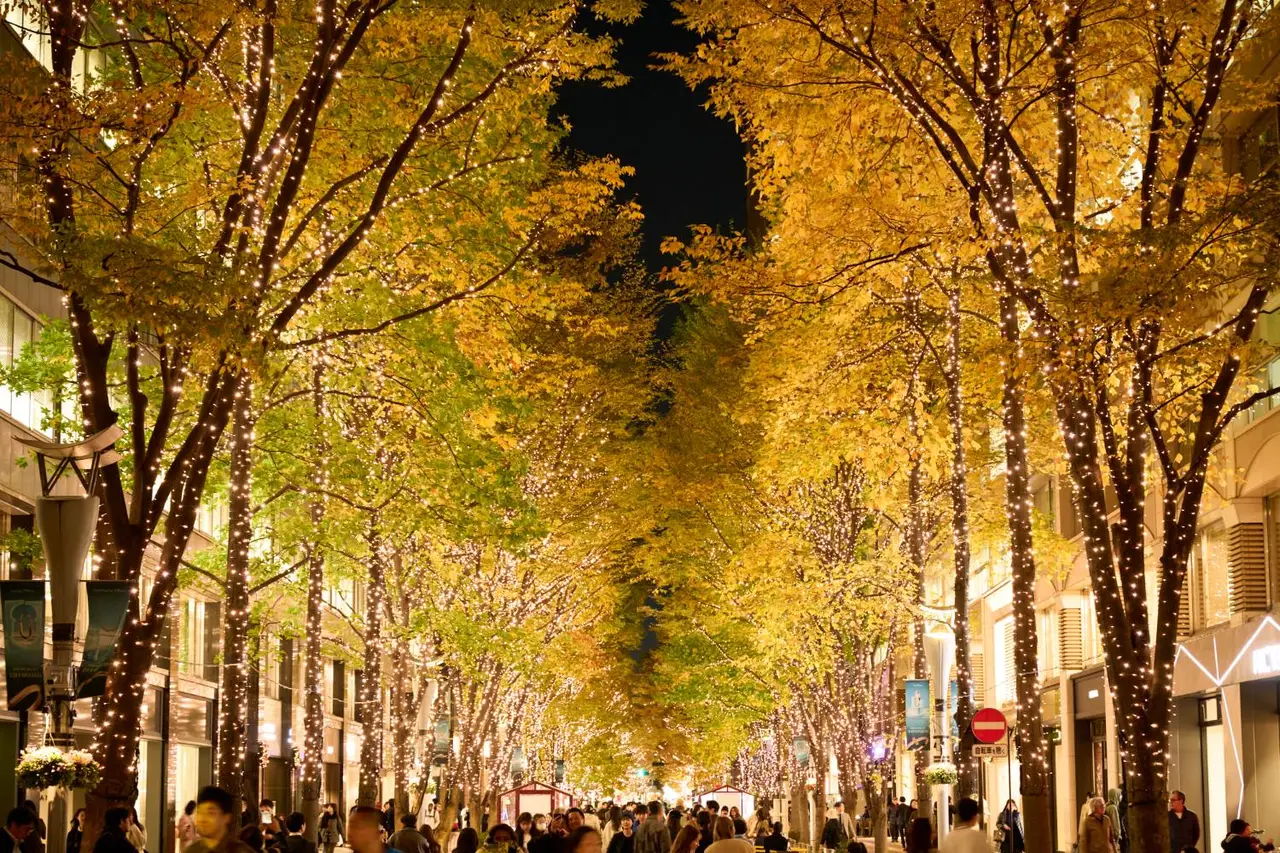
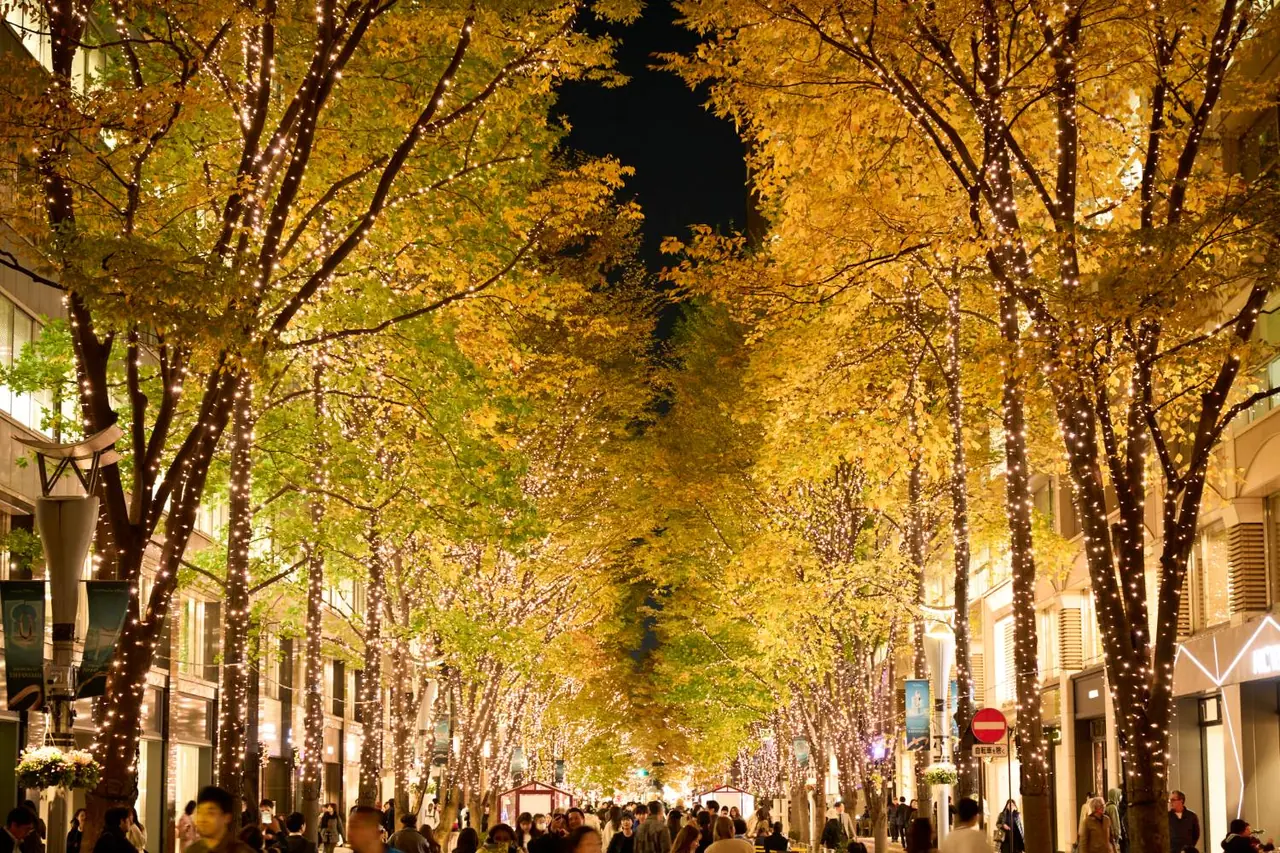
Marunouchi Illumination wraps the street trees of Marunouchi Naka-dori, about 1.2 km from Otemachi to Yurakucho, in champagne-gold light. Step onto the street from behind the Marunouchi Building and the golden avenue runs straight ahead into the distance. It is a short walk from the Marunouchi side of JR Tokyo Station, and because it lasts until February, you can still see it if you travel after Christmas.
If you have a little more time, walk to Wadakura Fountain Park at the northeastern corner of the Imperial Palace Outer Garden. The fountains are lit up after dark, a quieter night scene than the bright avenue. Walking Naka-dori from Tokyo Station to its Yurakucho end and then taking the subway from Hibiya Station makes it easy to move on to the next stop.
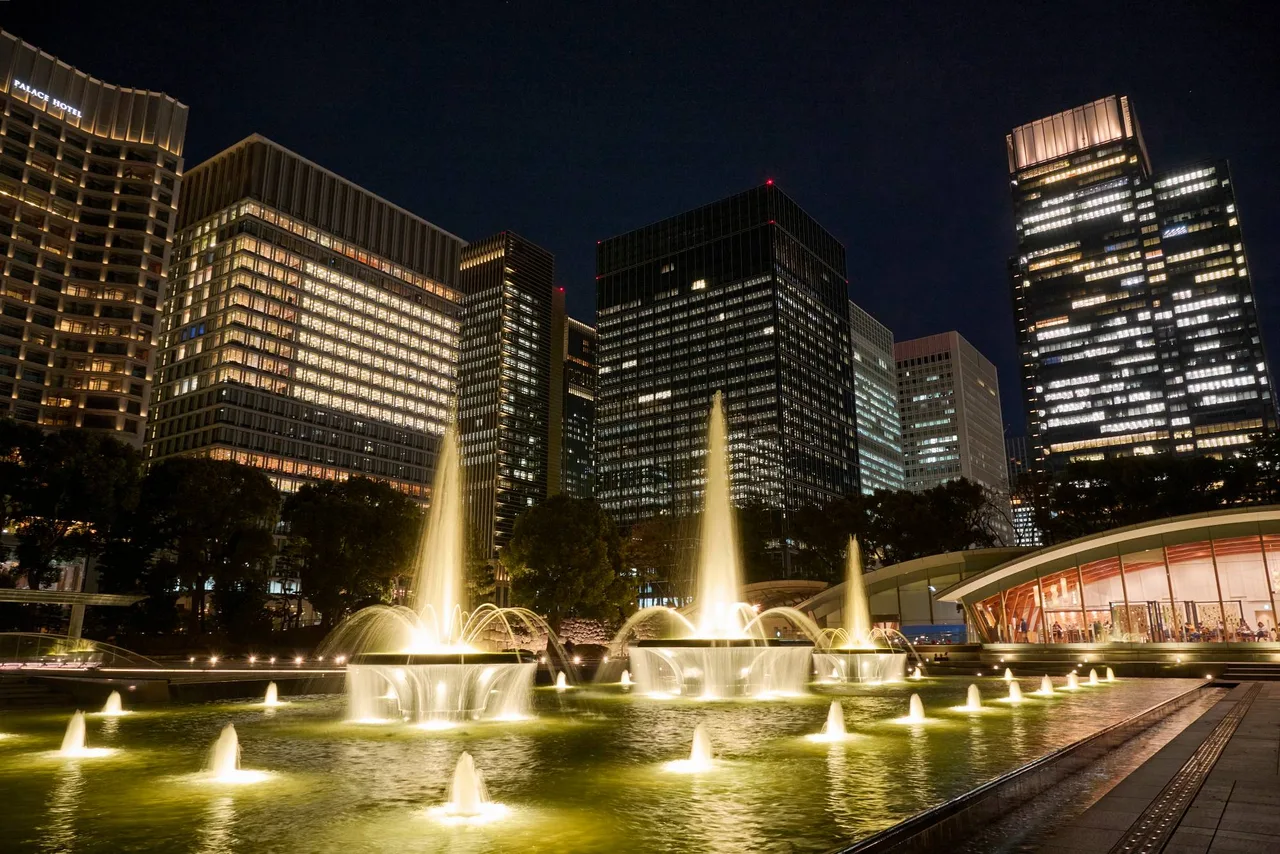
Photo: © TCVB
Roppongi and Ebisu: linked by the Hibiya Line
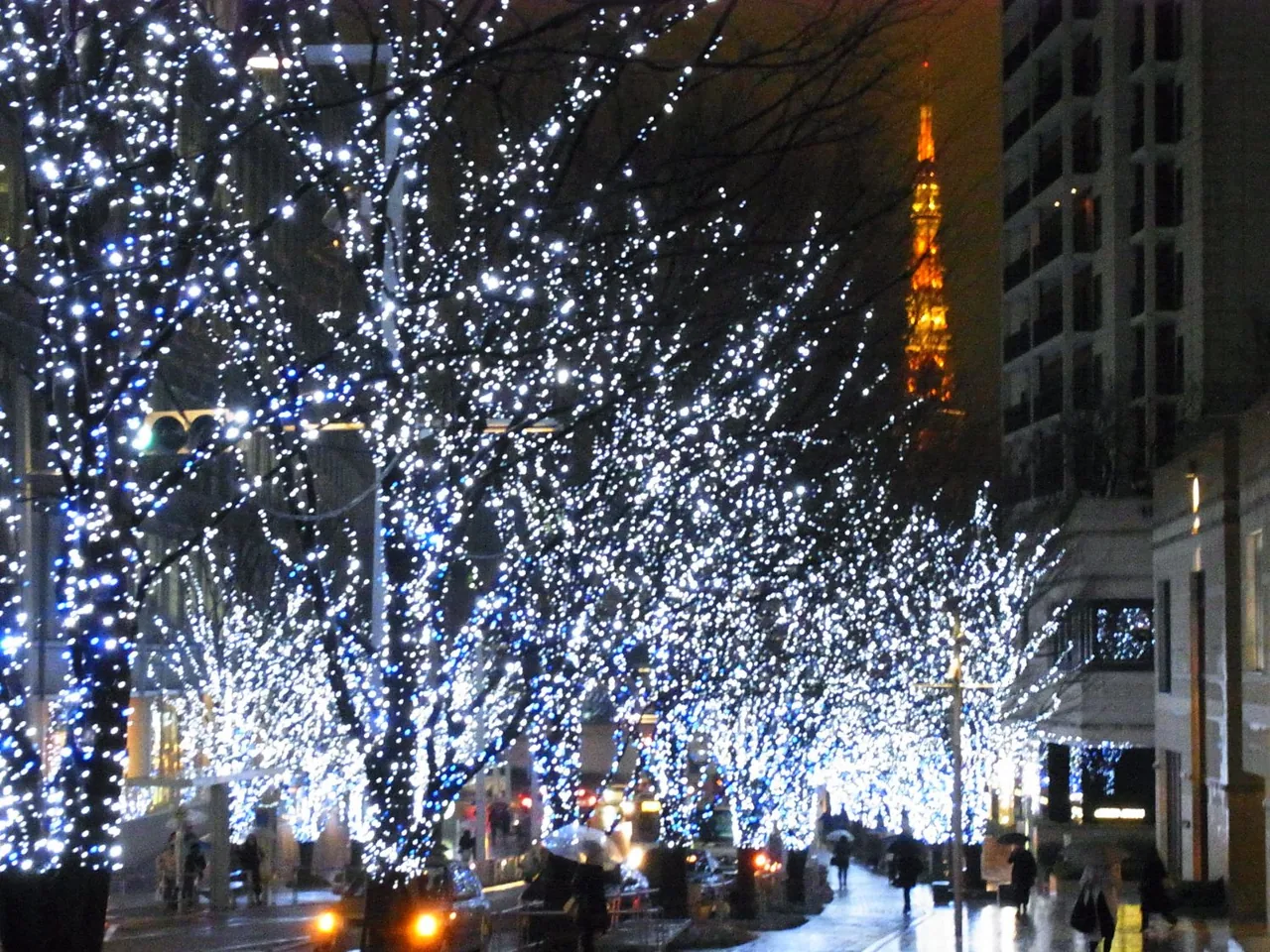
Roppongi has two illuminations with very different characters. Keyakizaka Illumination decorates about 400 meters of trees on the south side of Roppongi Hills in white and blue light; look down from the top of the slope and Tokyo Tower lines up beyond the rows of lights. In some years it stays on after December 26 as a "winter illumination" until February.
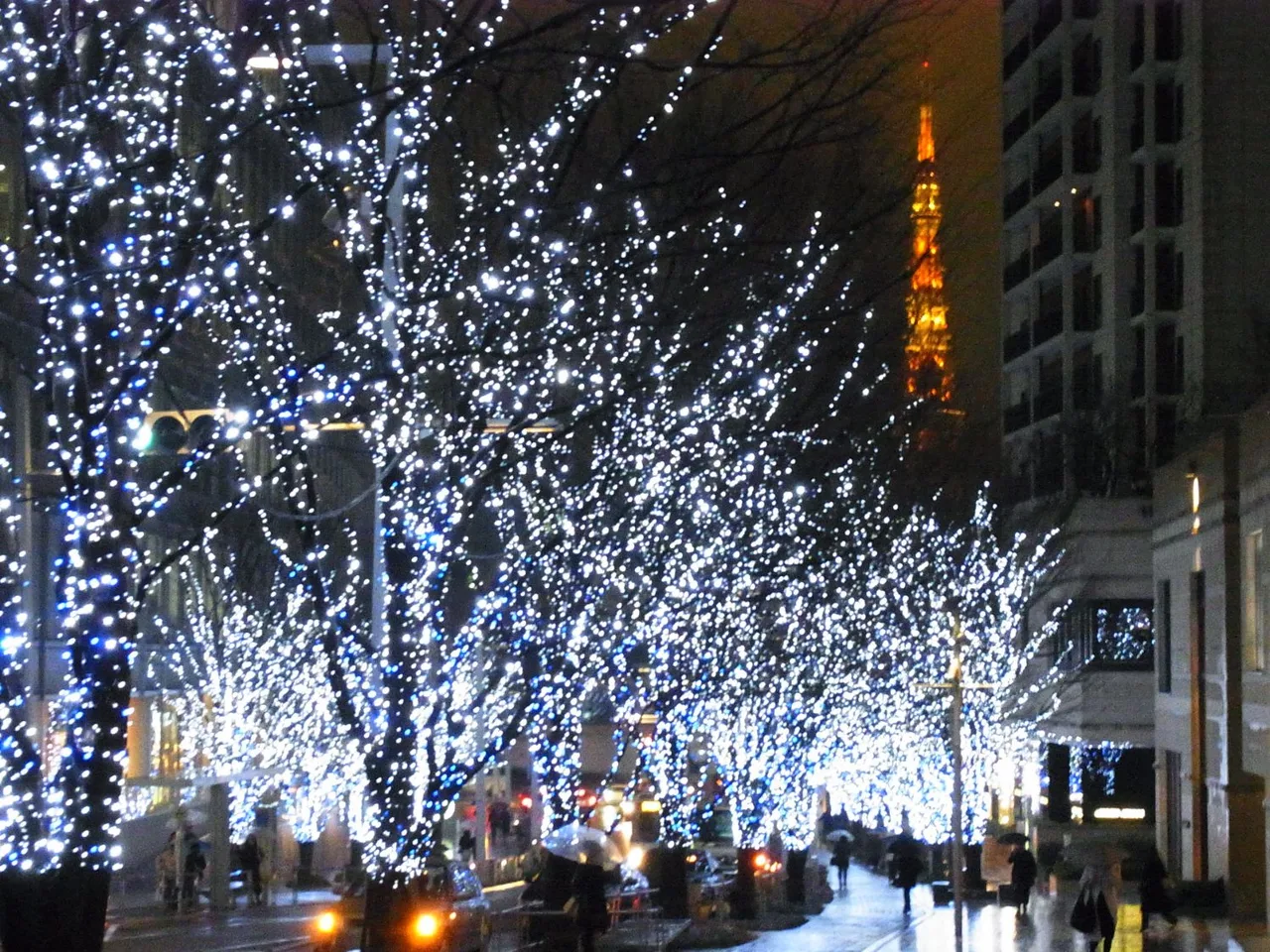
Photo: © TCVB
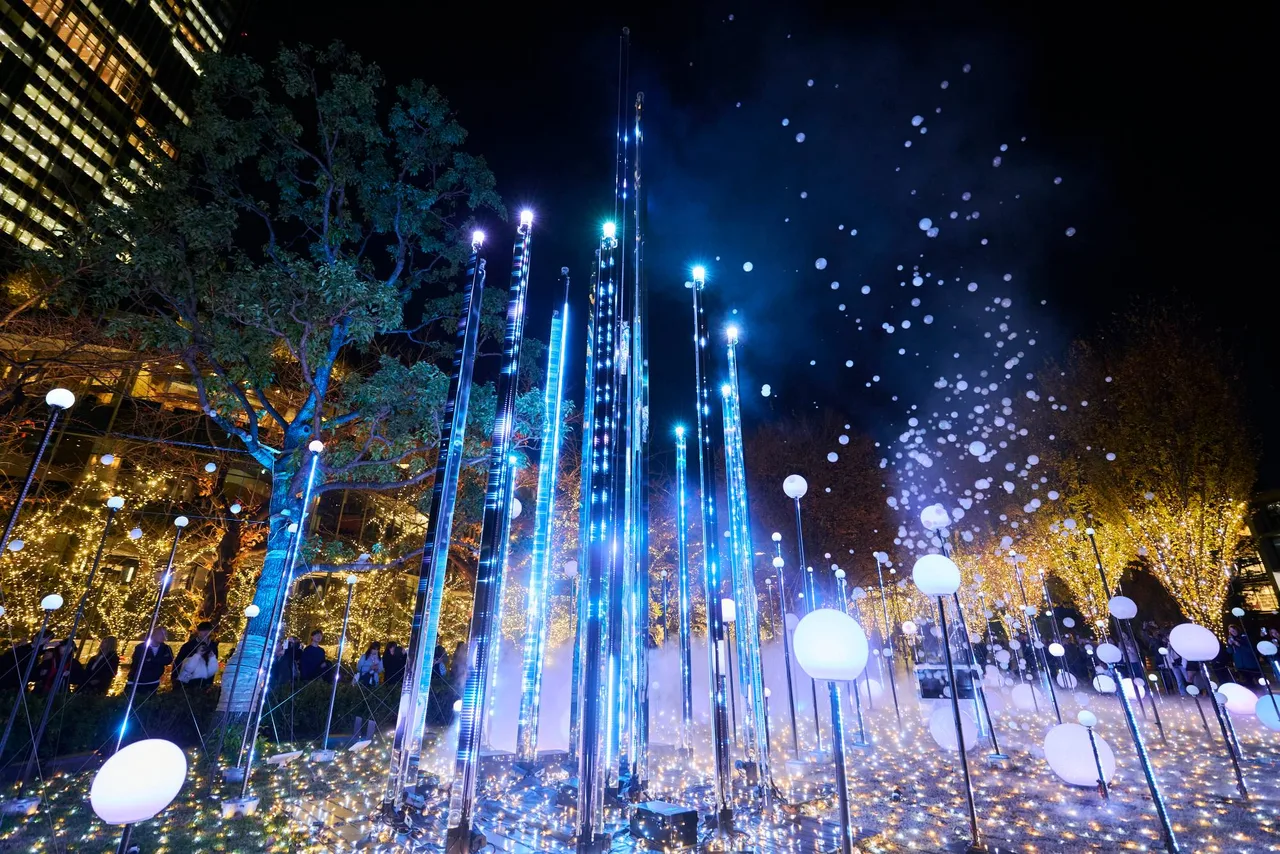
Photo: © TCVB
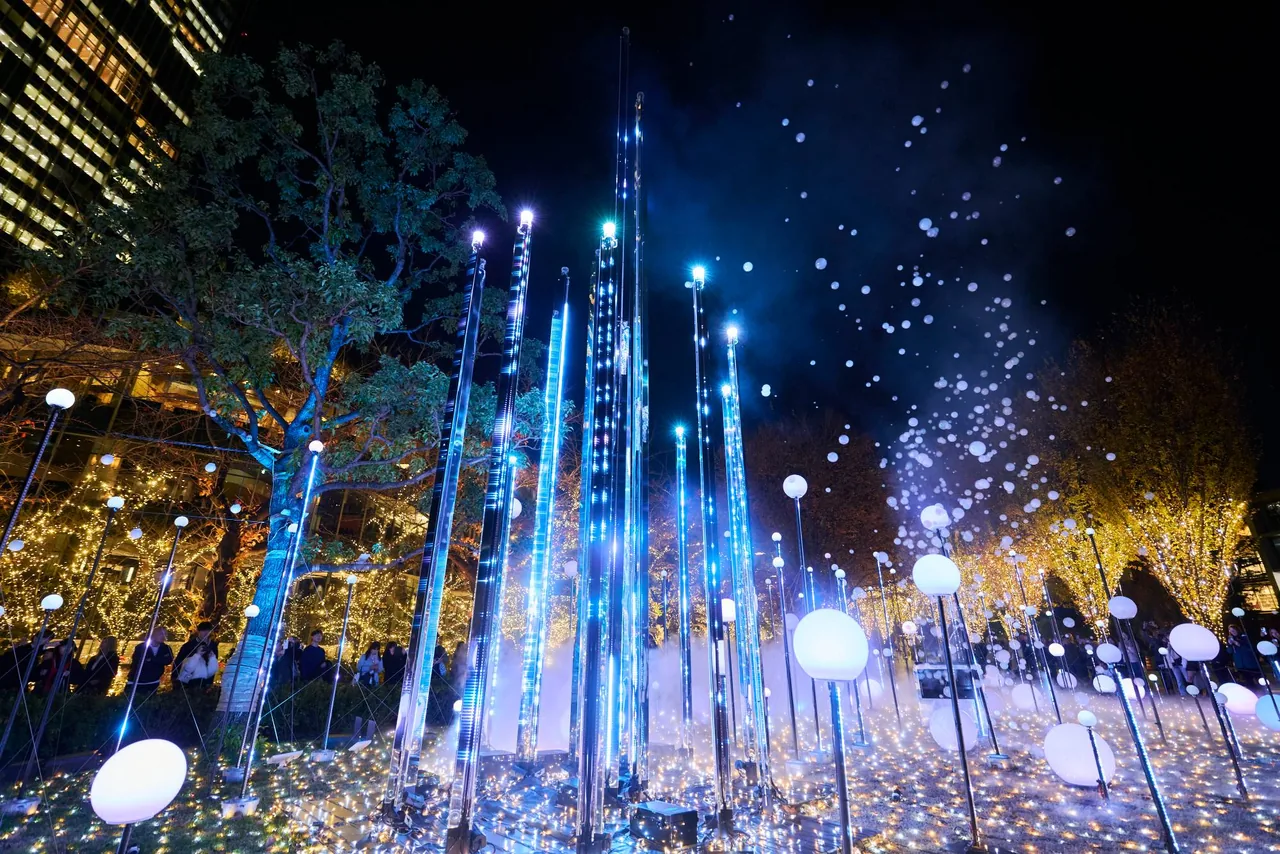
Tokyo Midtown's illuminations are held in Midtown Garden on the north side of the complex. The lights on the lawn change in time with music, and there is a show using soap bubbles. The garden is free to enter, and in 2026 an outdoor skating rink is scheduled to open from December 5. The two venues are within walking distance of each other on either side of Roppongi Station.
From Roppongi, the Tokyo Metro Hibiya Line takes you to Ebisu, the stop after Hiroo. At Ebisu Garden Place, a Baccarat chandelier usually goes on display in the Center Square and a Christmas tree about 10 meters tall stands in the Clock Square. It is about five minutes from the East Exit of JR Ebisu Station via the Ebisu Skywalk moving walkway.
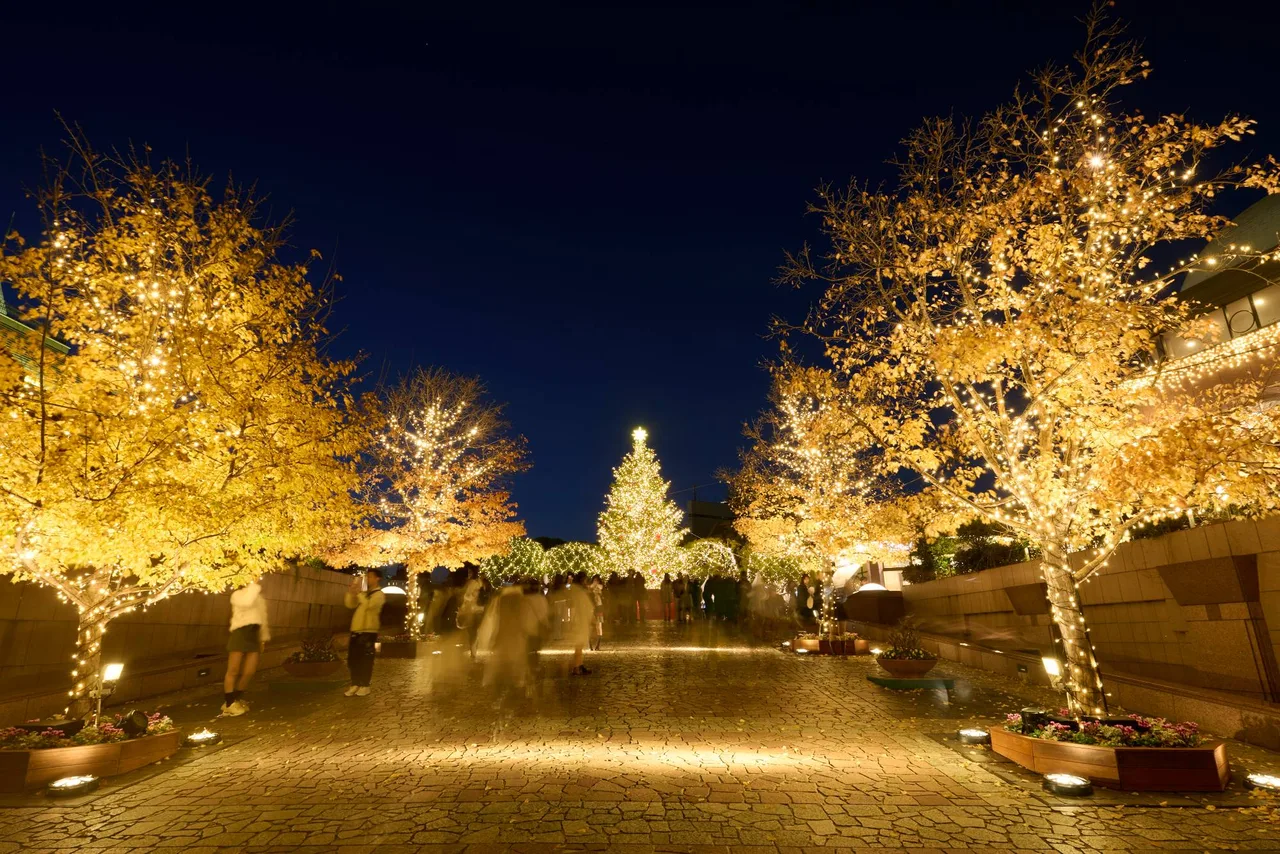
Photo: © TCVB
Shinjuku and Omotesando: projections on City Hall and an avenue of light
On the west side of Shinjuku Station, TOKYO Night & Light projects images onto the facade of the Tokyo Metropolitan Government Main Building No. 1 every evening except in bad weather. Since it runs all year, it makes a good first stop for a night of illuminations. The best view is from the Citizens' Plaza in front; check the official website for show times.
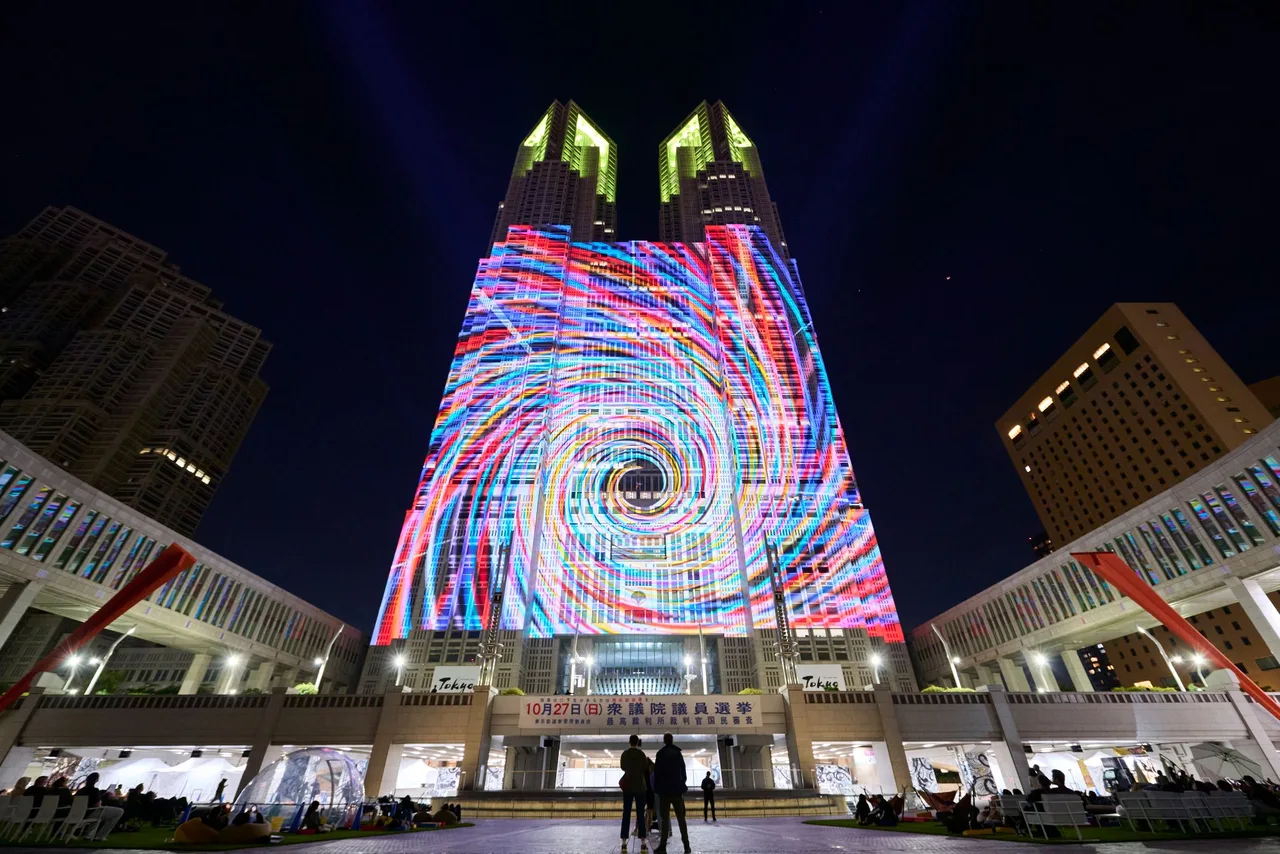
Photo: © TCVB
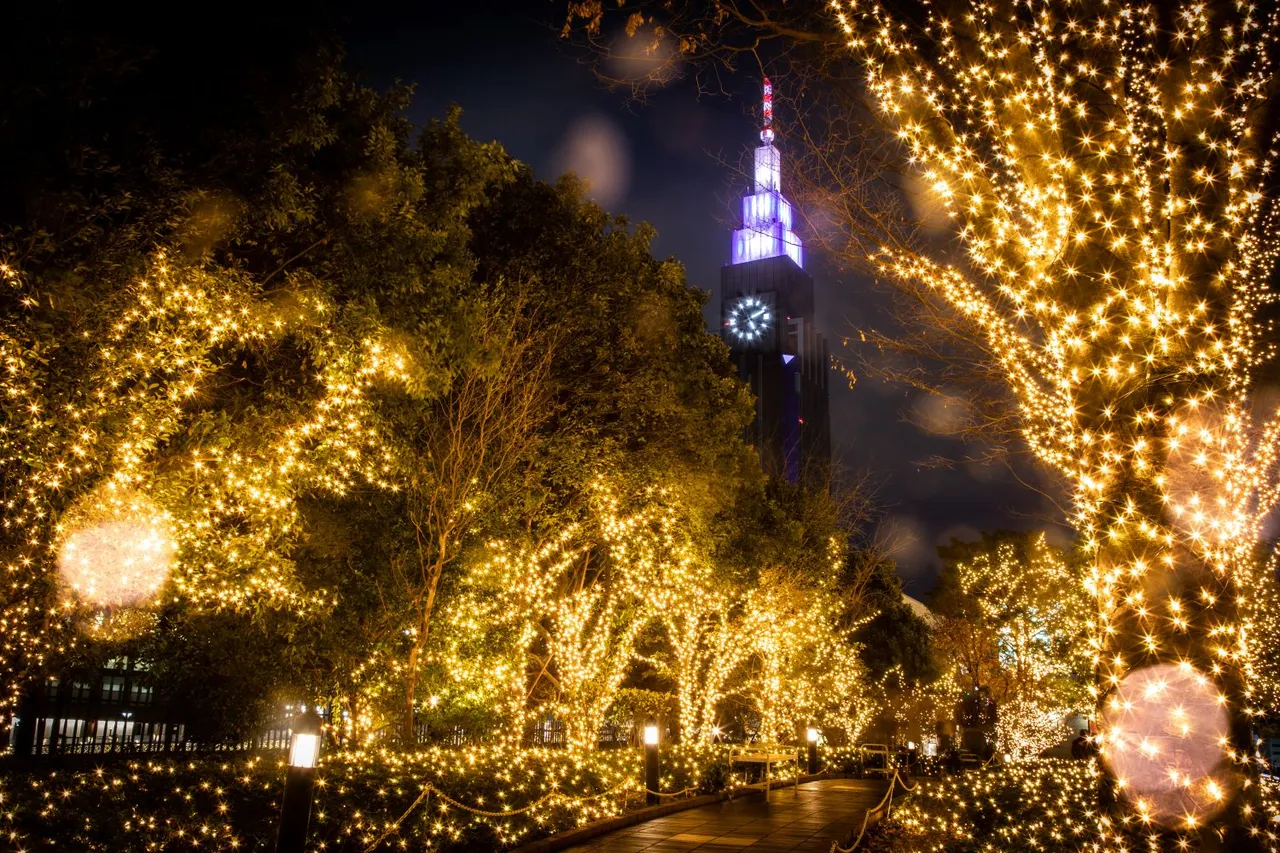
Photo: © TCVB
Head from City Hall around to the South Exit of Shinjuku Station and you reach Shinjuku Minamillumi. Centered on the trees of Shinjuku Southern Terrace, the lights continue toward Takashimaya Times Square.
From here, ride the JR Yamanote Line two stops to Harajuku Station for the Omotesando Illuminations. About 1 km of zelkova trees, from Jingu Bridge Crossing to Omotesando Crossing, is decorated in champagne-gold light. Around Omotesando Hills, the trees on both sides look like a tunnel of light. The lights only go on in December, so you won't see them on a November trip.
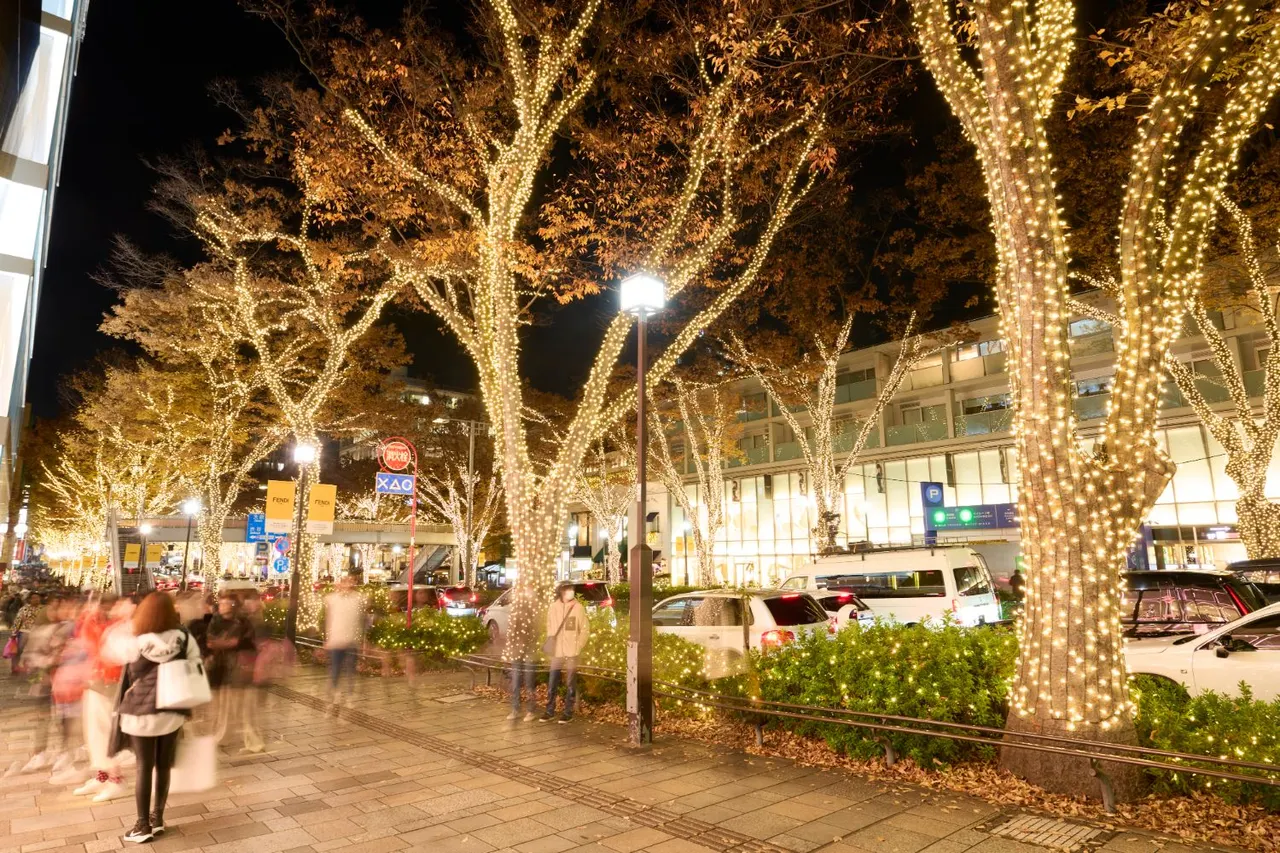
Photo: © TCVB
Three routes for one evening
You'll be moving by subway and JR, and an IC card such as Suica or PASMO saves you from buying a ticket at every transfer.
- Marunouchi → Roppongi → Ebisu: Walk Marunouchi Naka-dori from Tokyo Station, then take the Hibiya Line from Hibiya Station to Roppongi. After Keyakizaka and Midtown, get back on the Hibiya Line to Ebisu. It covers the most venues and works best up to December 25.
- Shinjuku → Omotesando: Walk from the City Hall projection mapping to Shinjuku Minamillumi, then take the Yamanote Line to Harajuku. This route suits December, when Omotesando is lit.
- Shinjuku → Roppongi: From Tochomae Station, the Toei Oedo Line goes to Roppongi Station without a transfer. A good choice if you want to see both Shinjuku and Roppongi in one evening in November.
At Tokyo Aqua Symphony in Odaiba, shows after dark put the fountains in front of the lit-up Rainbow Bridge. It is away from central Tokyo, so it's easier to plan it for a separate evening, together with our guide to Odaiba and Toyosu.
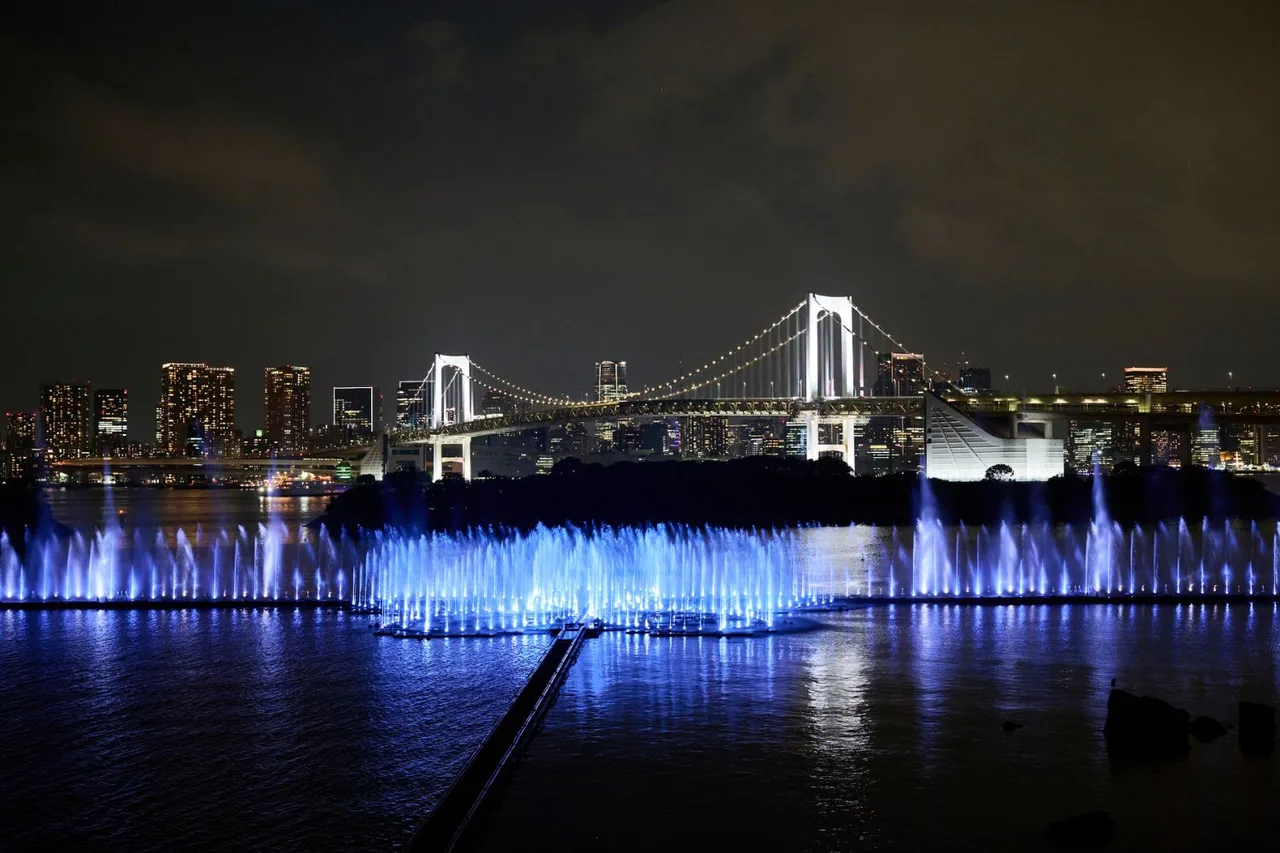
Photo: © TCVB
How to avoid the crowds
The biggest crowds come on Friday and Saturday nights in December and in the few days before Christmas.
- At the same venue, weekday evenings are easier to walk than weekends.
- The top of Keyakizaka and the area in front of Omotesando Hills tend to get blocked by people taking photos. Keep your stops short and don't block the flow of people.
- When it's crowded, it's safer not to set up tripods or selfie sticks on the sidewalk.
- Visiting several spots can make for a late night. Check the time of the last train back to your hotel before you set out.
Dressing for the cold
Tokyo winters bring plenty of clear days, but it gets cold quickly after sunset, and wind funneling between buildings makes it feel colder still. Dress as if you'll be walking outdoors for two or three hours.
- A light down jacket or similar, plus a scarf, gloves and a hat, makes a real difference on the tree-lined avenues at night.
- Disposable hand warmers (kairo) from convenience stores are handy to keep in a pocket for when your hands get cold.
- Most venues are next to shopping complexes, so you can warm up with a hot drink, take a break or find a restroom inside the buildings or stations.
Official information to check before you go
Dates, lighting hours and shows change every year. Before heading out, check this year's details on each official website.
- Marunouchi Illumination (Marunouchi.com)
- Roppongi Hills
- Tokyo Midtown
- Ebisu Garden Place
- Harajuku Omotesando Keyaki-kai (Omotesando Illuminations)
- TOKYO Night & Light
If you'd like to see the city from above after the illuminations, see our guide to Tokyo's night views and observation decks.
Places in this guide
Marunouchi Illumination
Roppongi Keyakizaka Illumination
Tokyo Midtown Christmas Illuminations
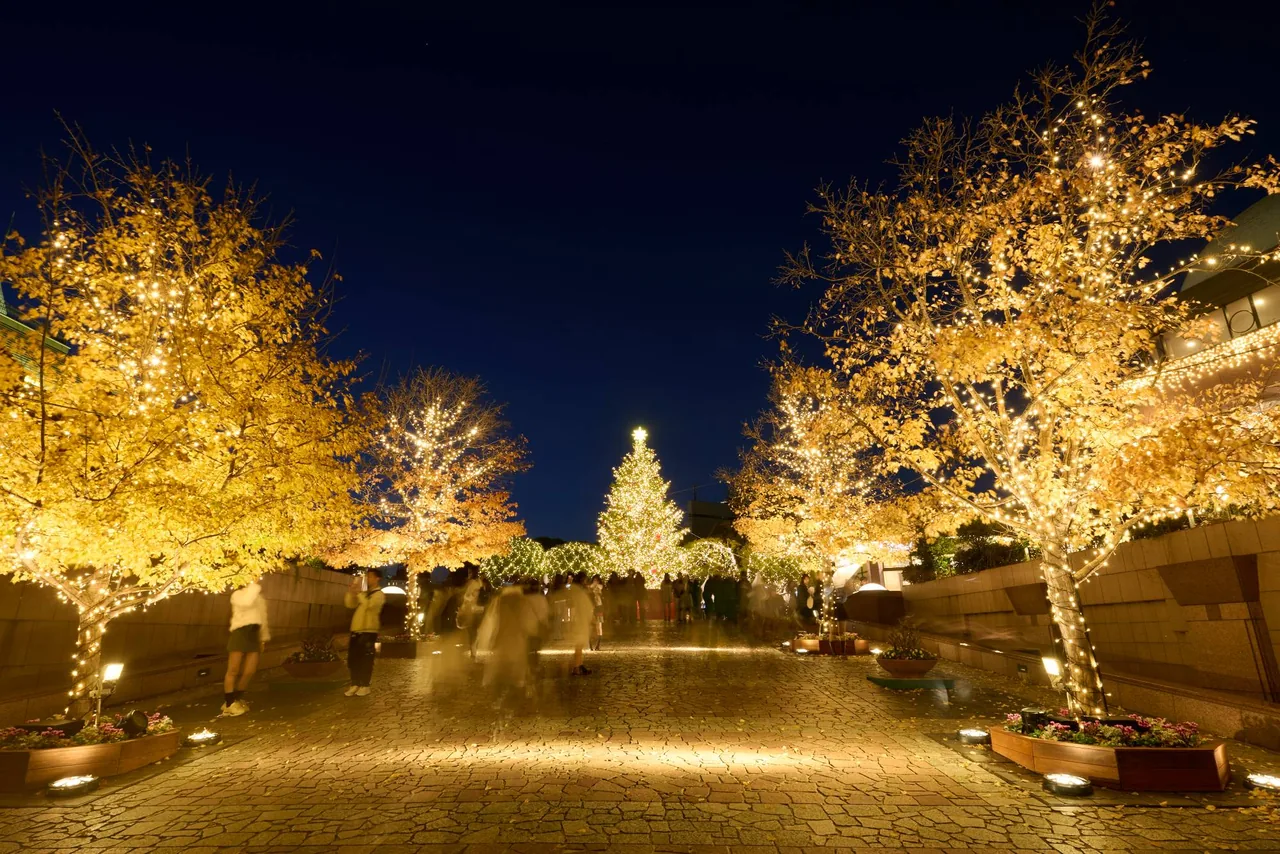
Ebisu Garden Place Winter Illuminations
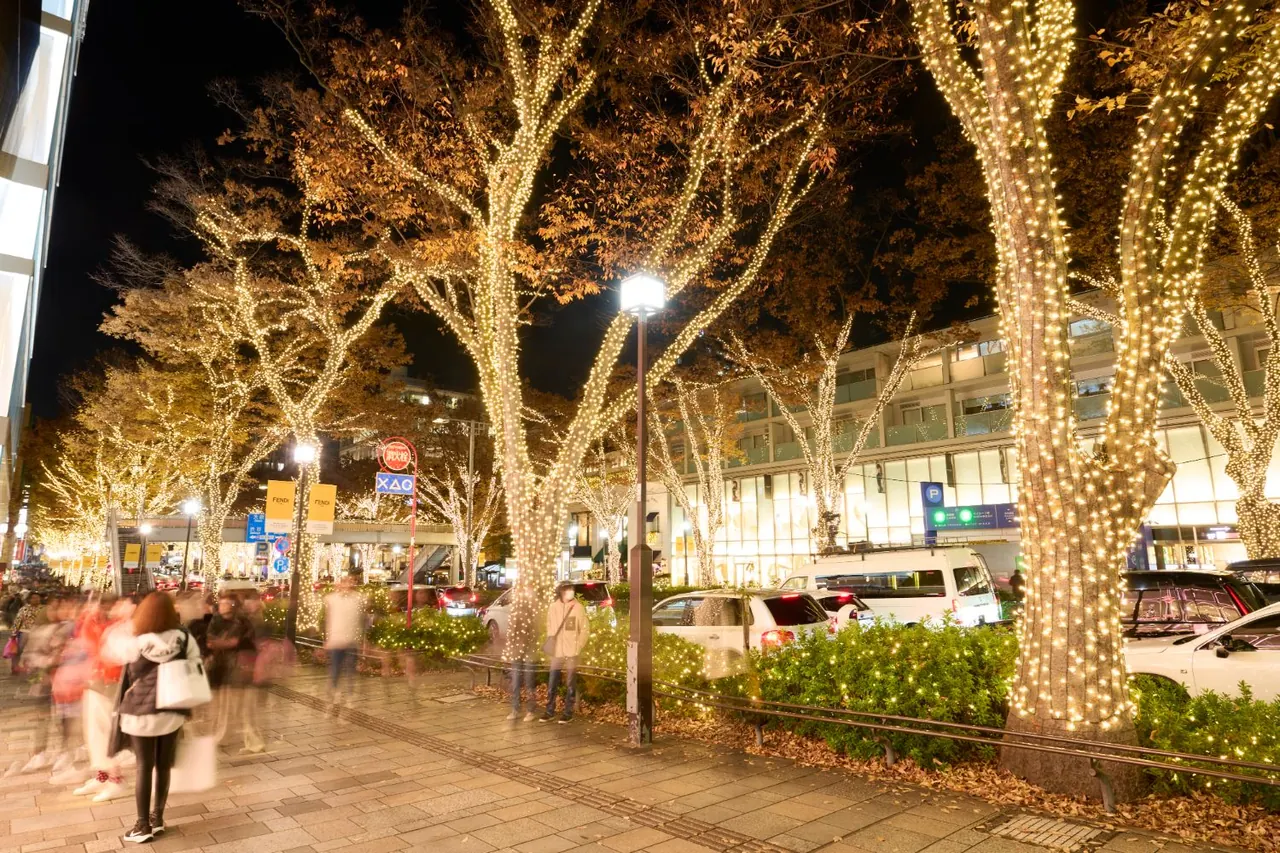
Omotesando Illuminations
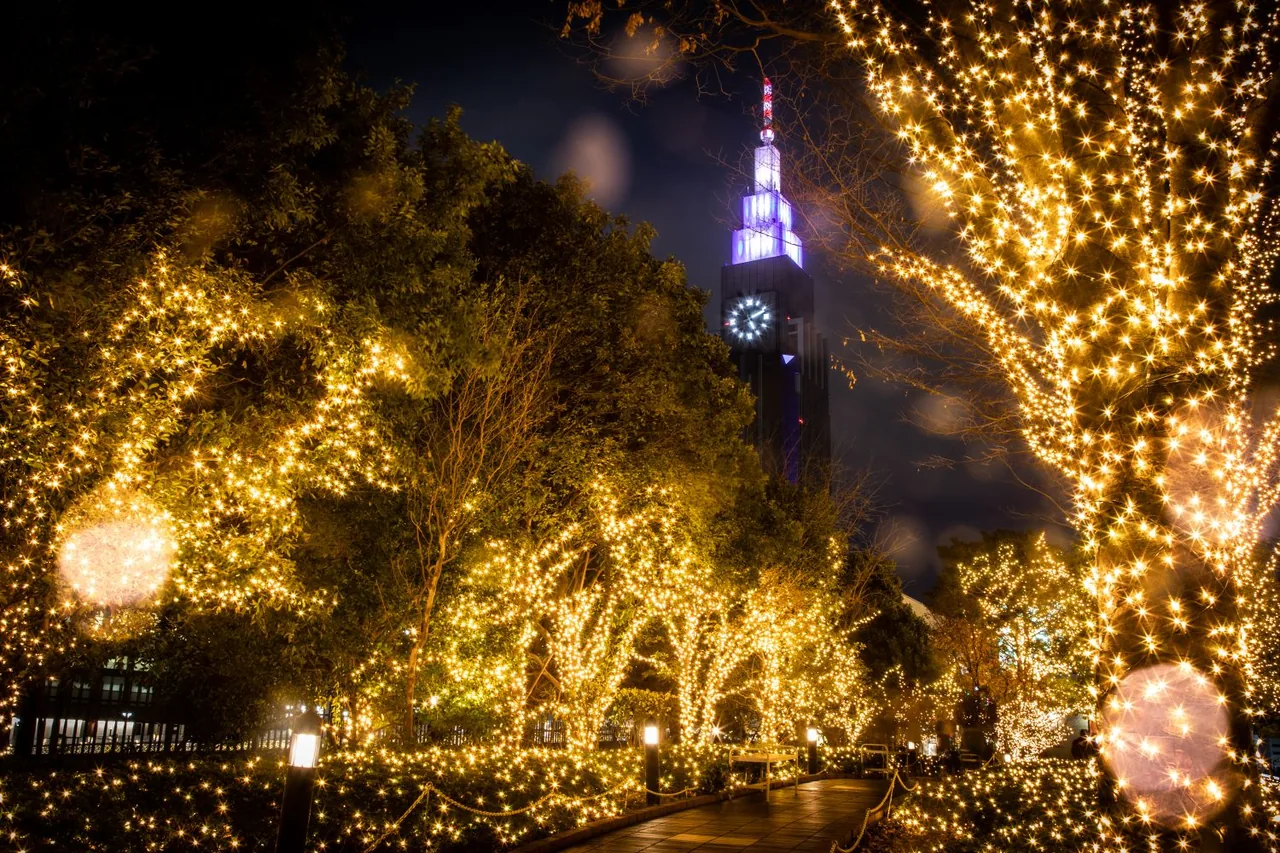
Shinjuku Minamillumi (Shinjuku Southern Terrace Illuminations)
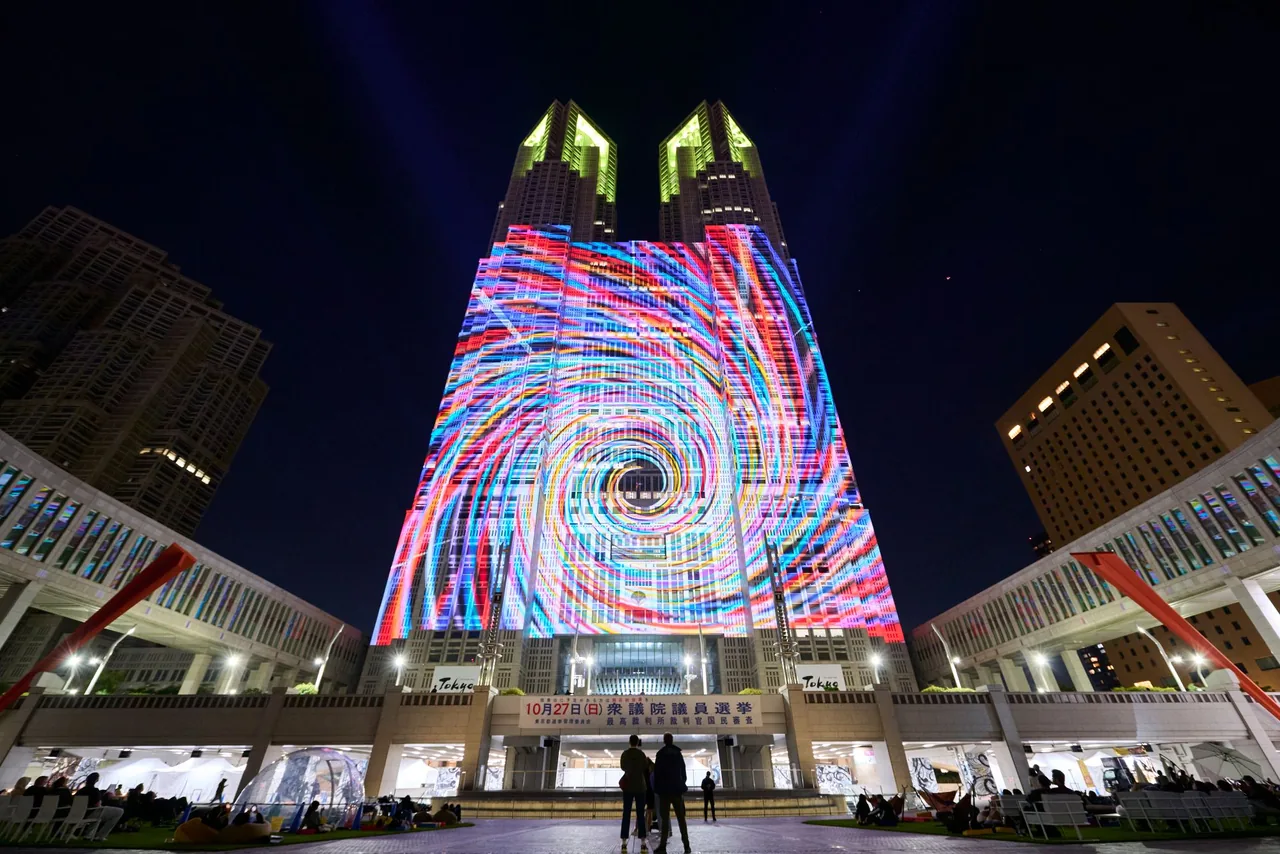
TOKYO Night & Light (Tokyo Metropolitan Government Building Projection Mapping)
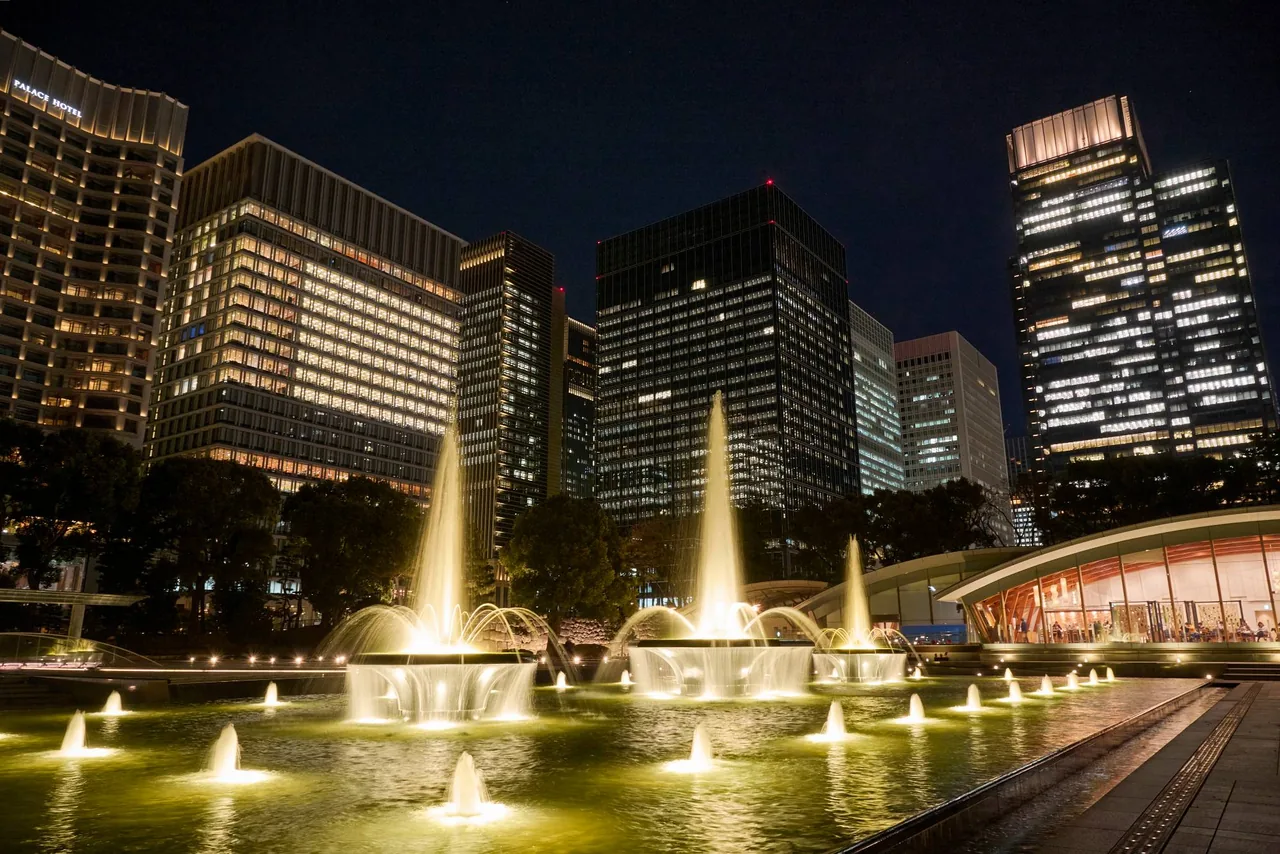
Wadakura Fountain Park
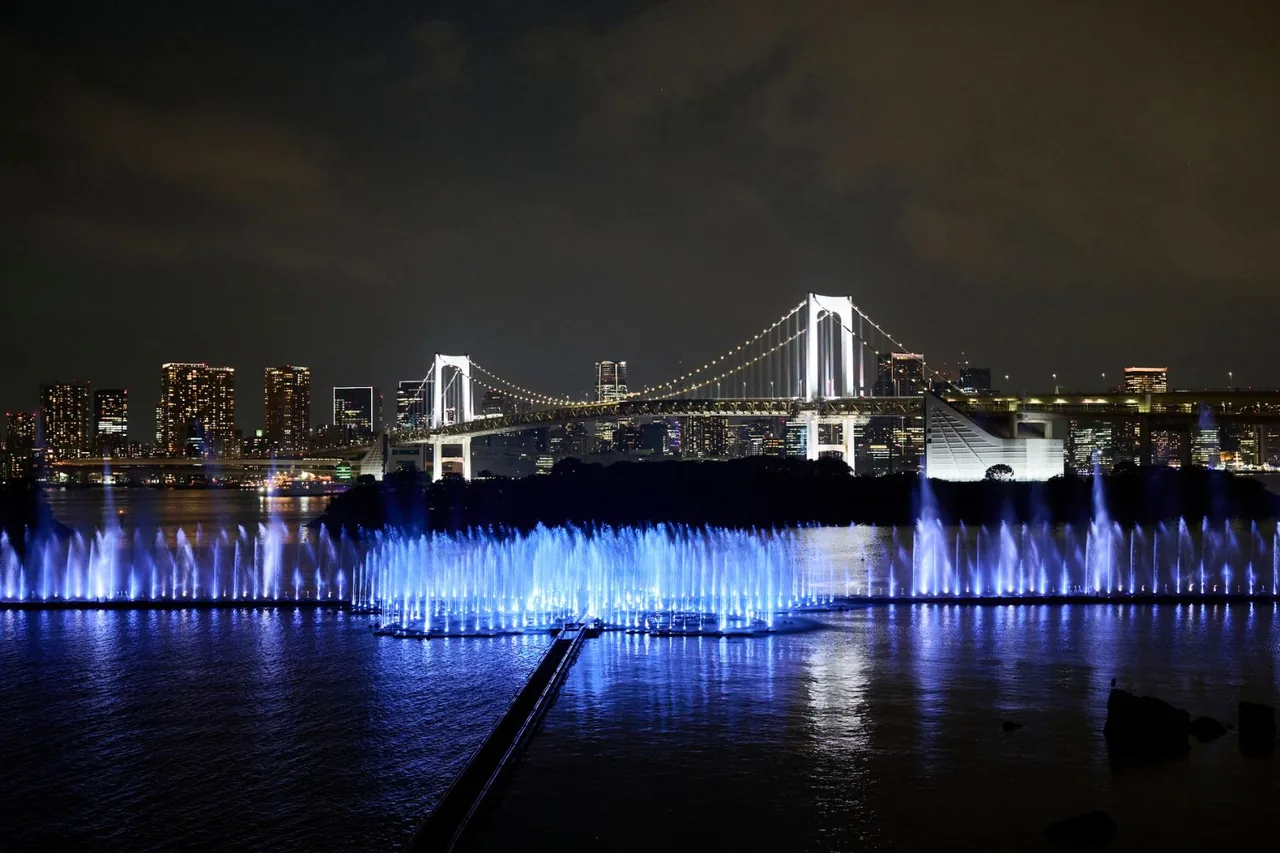
Tokyo Aqua Symphony (Odaiba Fountain Show)
Hotels nearbyPR
See prices and availability for hotels in Tokyo and book on our partner Trip.com.
See hotels in Tokyo on Trip.com