Tomonoura Walking Guide: Joyato Lantern, Taichoro and Sensuijima
This guide is translated from the Japanese edition. Read the Japanese edition
Exploring Tomonoura in Fukuyama: the Joyato stone lantern, the view from Fukuzenji Temple's Taichoro, the ferry to Sensuijima and buses from Fukuyama Station.
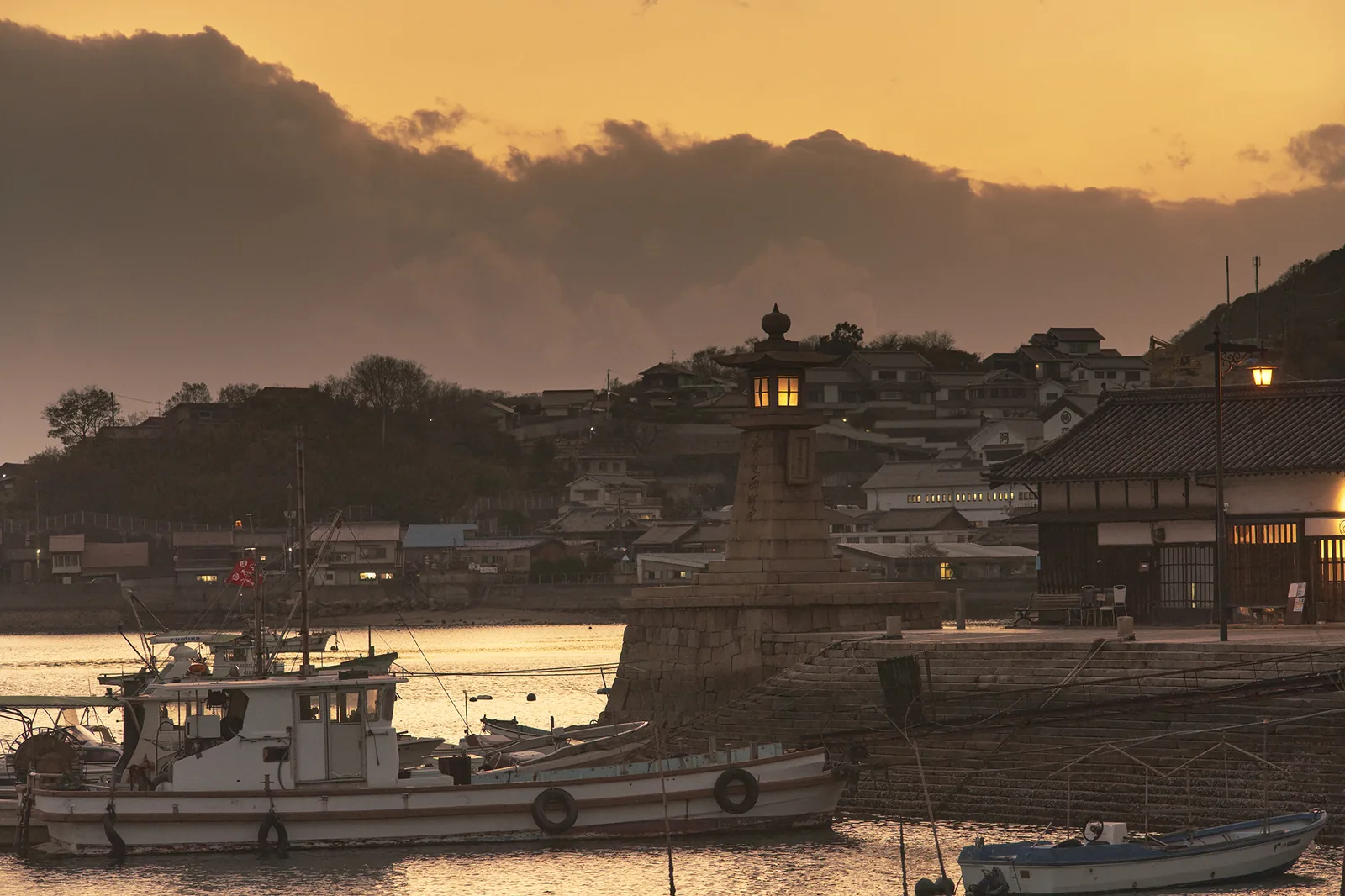
In the evening, the stone lantern at the harbor lights up and the water among the fishing boats turns orange. Tomonoura, at the southern tip of Fukuyama City in eastern Hiroshima Prefecture, is a small port town facing the Seto Inland Sea. For centuries, ships stopped here to wait for the tide to turn, and old townhouses and temples still ring the harbor. It is a bus ride from Fukuyama Station, so in half a day you can walk the harbor, the town and the island just offshore.
What kind of town is Tomonoura?
Tomonoura is a port town at the tip of the Numakuma Peninsula, which juts out into the middle of the Seto Inland Sea. In the Inland Sea, the direction of the current changes with the tides. In the days of sail and oar, ships waited in port for the current to turn before setting out. Tomonoura thrived as one of these ports for "waiting for the tide," and the town grew up around the harbor.
Narrow lanes and tiled roofs still spread out from the harbor. The town is compact, and you can walk everywhere from the harbor to the temples and back lanes.
Joyato: the stone lantern that symbolizes the harbor
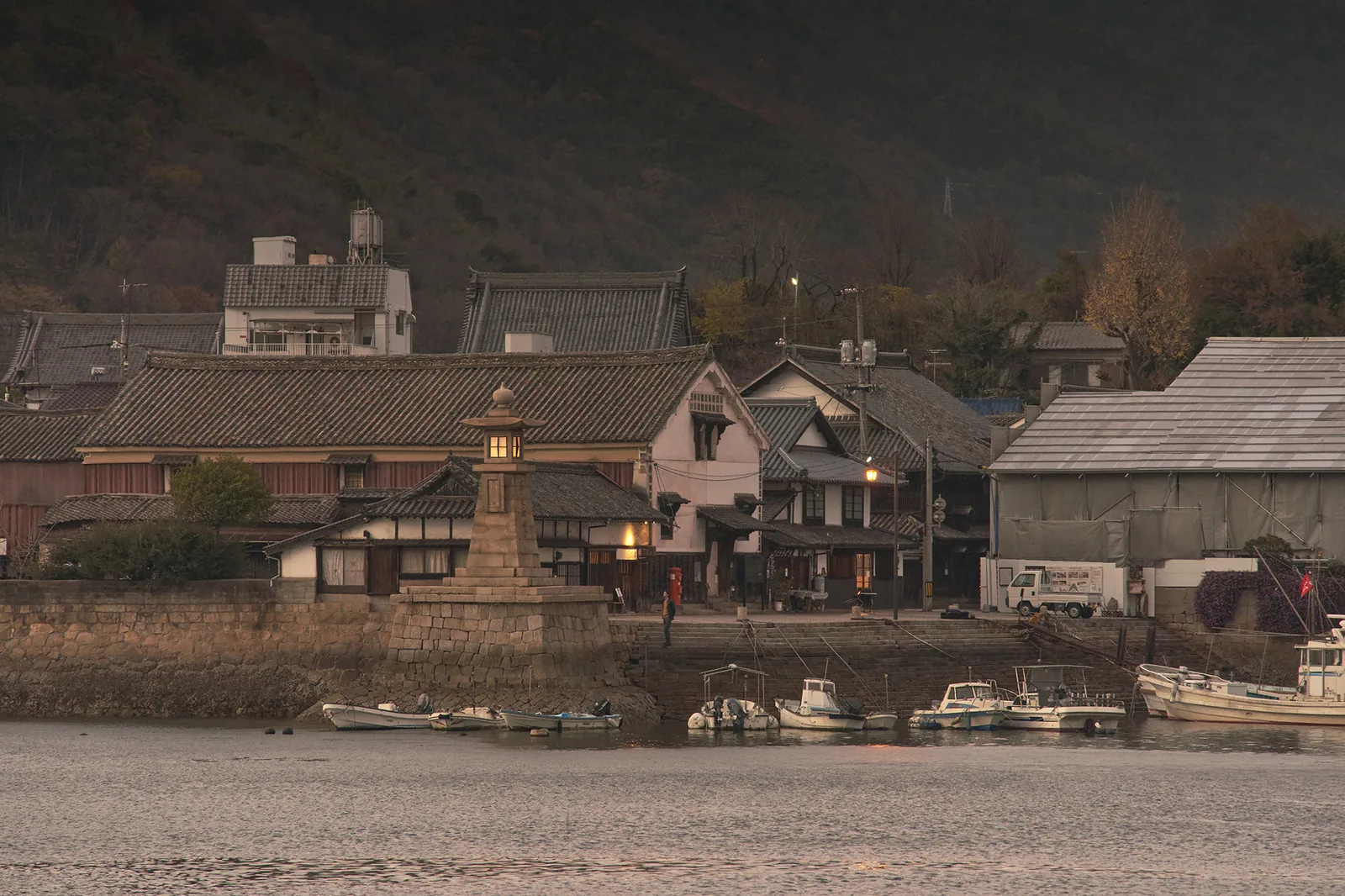
Photo: Hiroshima Tourism Association
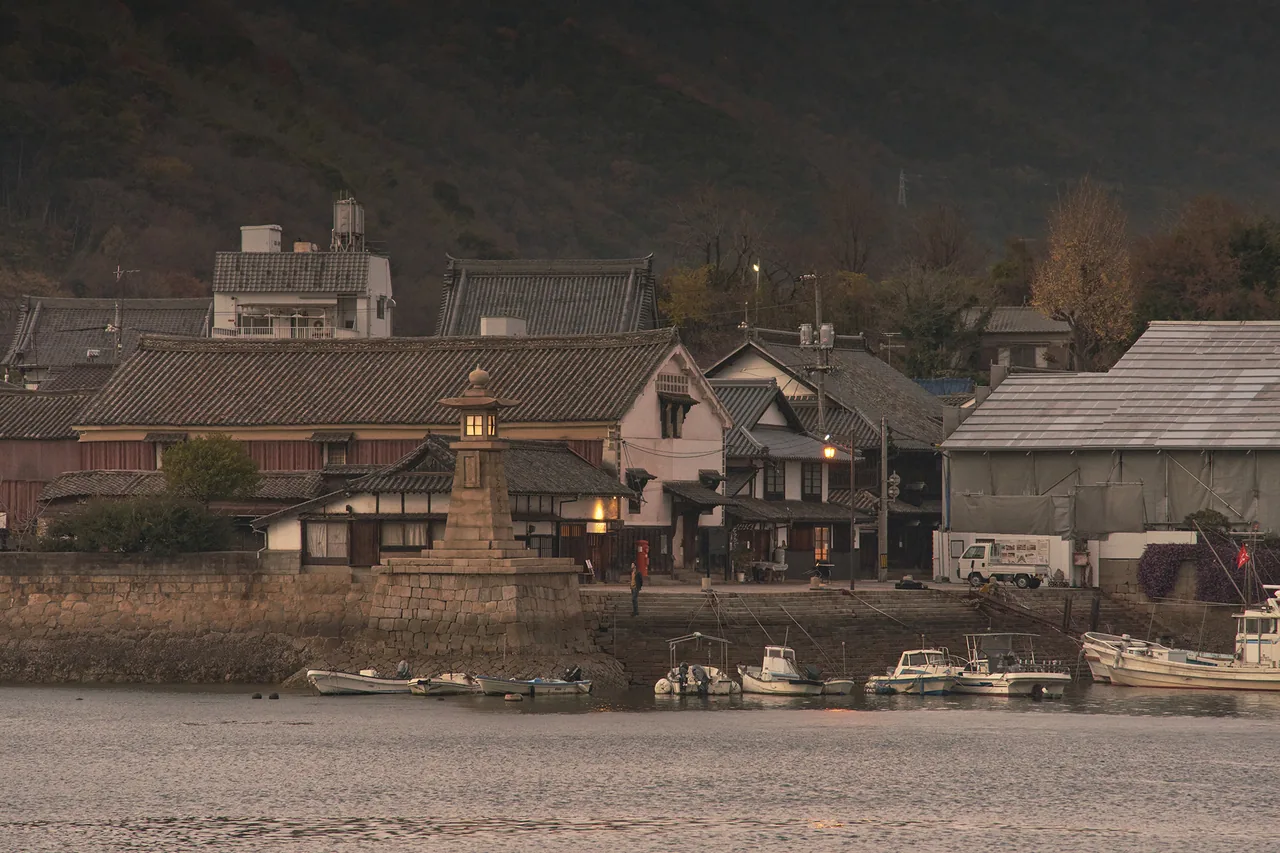
The large stone lantern on the west side of the harbor is the Joyato. Built in 1859, near the end of the Edo period, it burned a light at night as a landmark for ships. It served as a lighthouse, and today it is the defining image of Tomonoura.
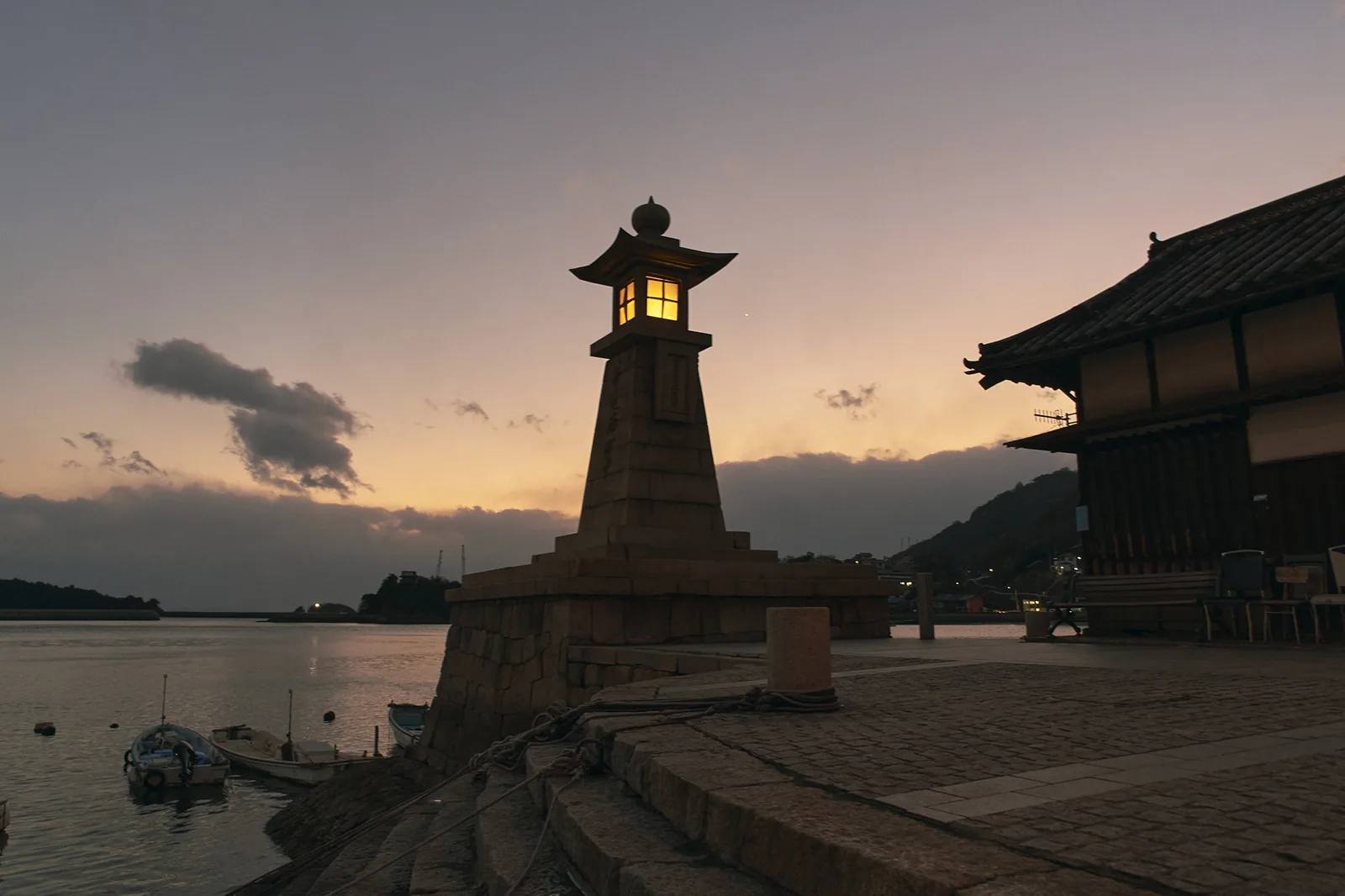
Photo: Hiroshima Tourism Association
Beside the Joyato, a stepped stone landing called gangi leads down into the sea. It was built so that cargo could be loaded and unloaded whatever the tide level, and they show how the port town once lived. At dusk the lantern is lit, making it a good time to walk around the harbor.
Fukuzenji Temple's Taichoro: the sea and islands from a tatami room
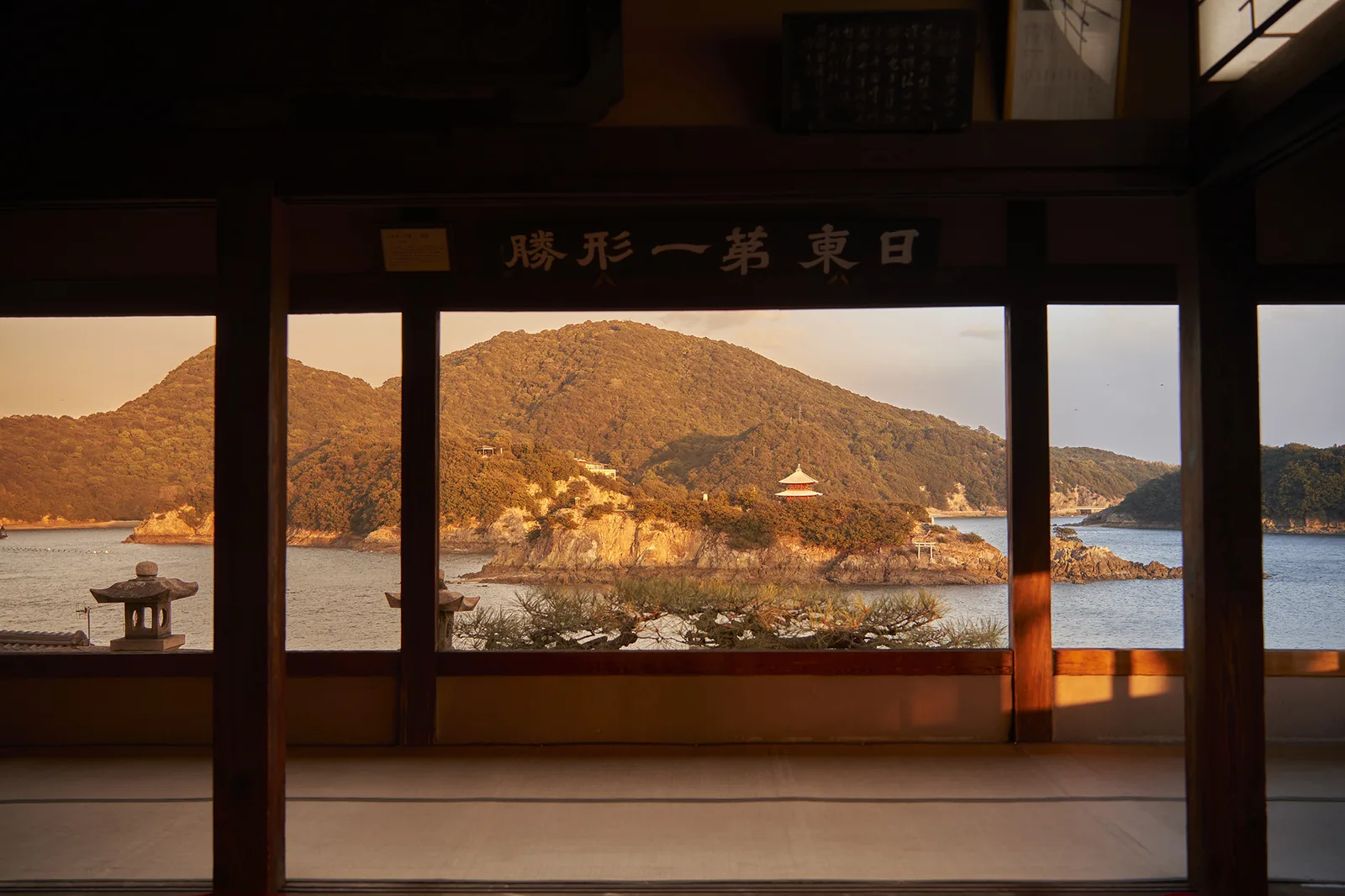
Photo: Hiroshima Tourism Association
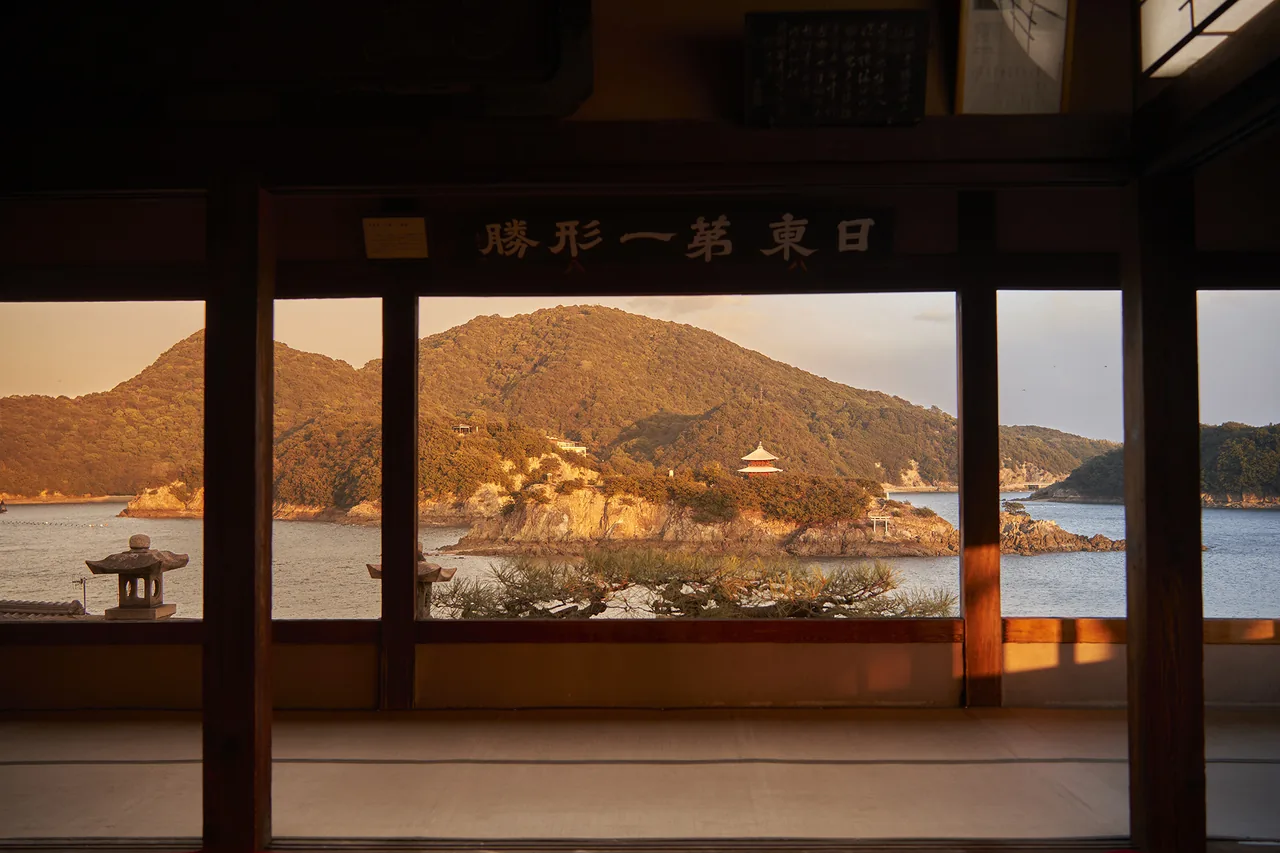
Taichoro is the guest hall of Fukuzenji Temple, on high ground overlooking the harbor. Built around 1690, it was used in the Edo period to host the Korean embassies (Joseon Tongsinsa) sent by the Joseon dynasty to Japan. The temple grounds are designated a National Historic Site as one of the Korean embassy sites.
Step into the room and the spaces between the pillars become huge picture frames, with the sea and islands beyond. The plaque in the room reading "Nitto Daiichi Keisho" (the finest scenery east of Korea) records the words of Yi Bang-eon, an official of the 1711 embassy, in praise of this view. Check the admission hours and fee before you go.
Sensuijima: the island across the water
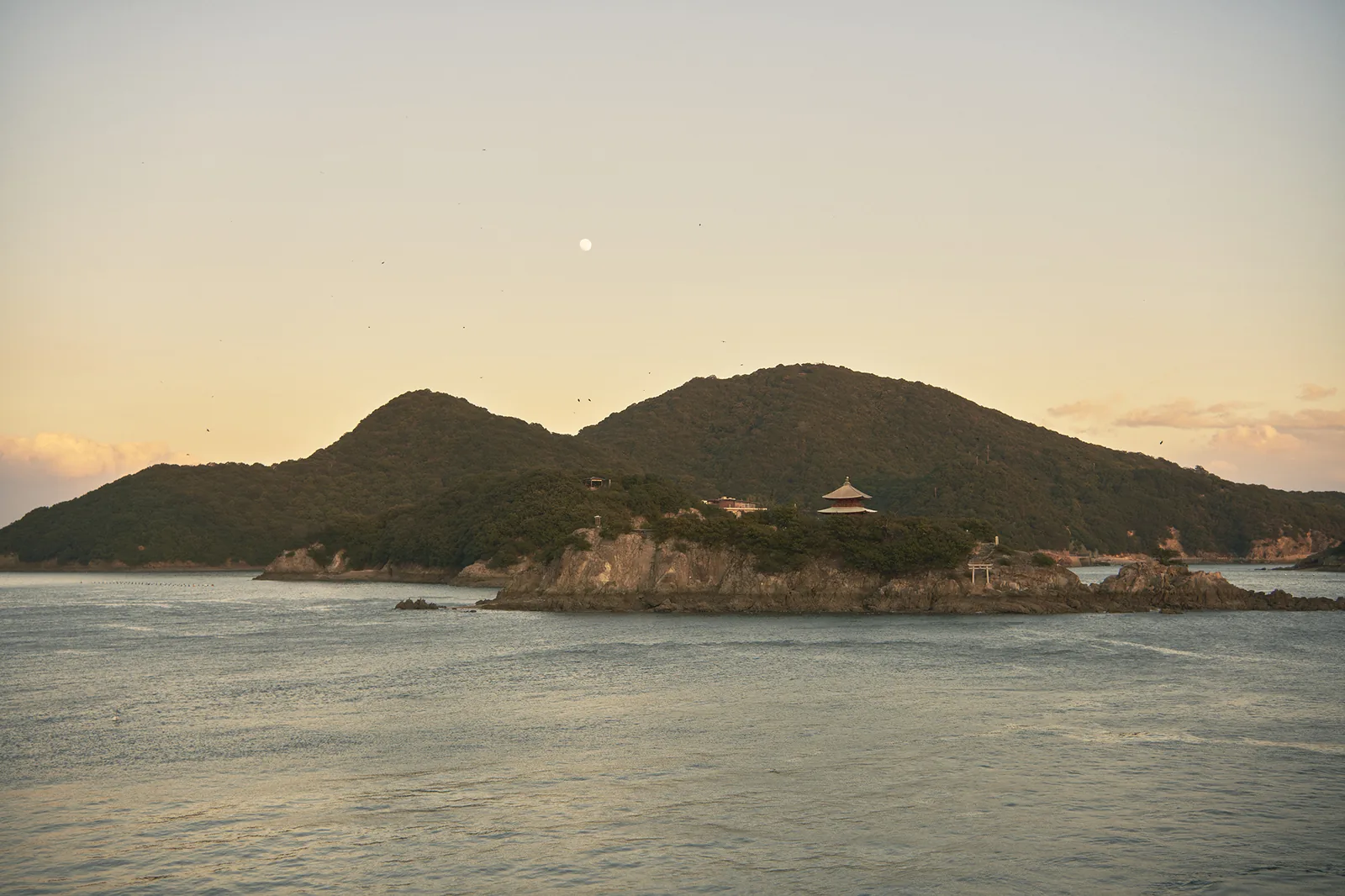
Photo: Hiroshima Tourism Association
The large island seen from Taichoro is Sensuijima. The city ferry Heisei Iroha Maru crosses from the Tomonoura ferry landing in about 5 minutes, and the island has walking paths and hiking courses. It suits travelers who want to leave the port town for a while and enjoy the sea and rocky coastline.
Check ferry times and fares, and whether the shoreline paths are open, in Fukuyama City's tourist information. Confirm the time of the last boat before you cross.
Getting there from Fukuyama, and Fukuyama Castle
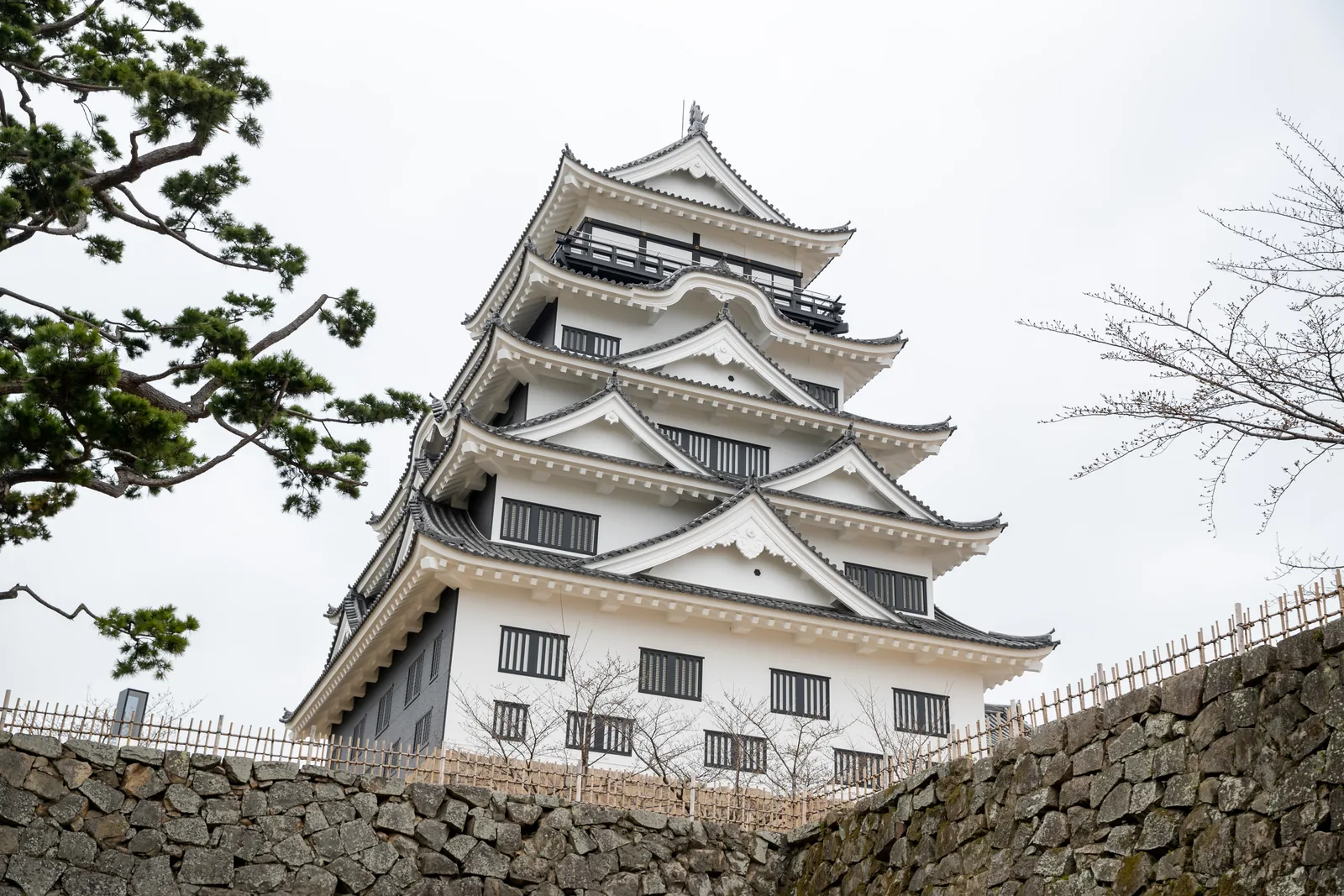
Photo: Hiroshima Tourism Association
Tomonoura is a little over 30 minutes by Tomotetsu Bus (Tomo Line) from the south exit of JR Fukuyama Station, a Shinkansen stop. Check which stop to get off at and the timetable with Tomotetsu Bus.
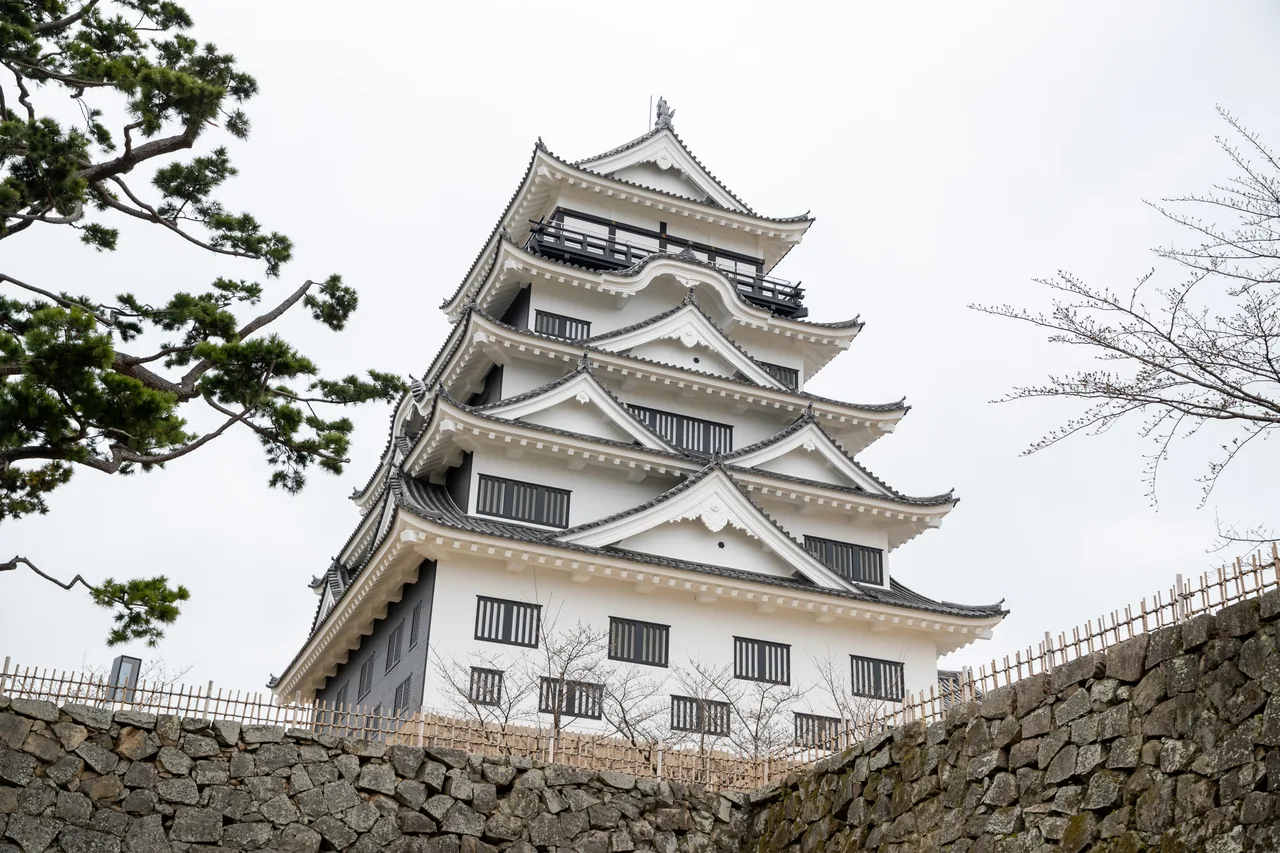
Fukuyama Castle, built in 1622 by Mizuno Katsunari, the first lord of the Fukuyama domain, stands just north of Fukuyama Station, and you can see the keep from the Shinkansen platforms. It is about a 5-minute walk from the north exit. You could visit the castle in the morning, head to Tomonoura in the afternoon, and return to Fukuyama Station after seeing the Joyato at dusk, for a half-day to full-day trip.
For details, see the Tomonoura, Fukuzenji Temple Taichoro and Fukuyama Castle pages. For going on to the Shimanami Kaido, see Shimanami Kaido and Setoda.