Uesugi Kenshin in Joetsu: Kasugayama Castle, Rinsen-ji and Takada
This guide is translated from the Japanese edition. Read the Japanese edition
Uesugi Kenshin sites in Joetsu, Niigata: the stone-free mountain castle at Kasugayama, the shrine and temple below it, the August Kenshin Festival and Takada Castle.
Joetsu, at the western end of Niigata Prefecture on the Sea of Japan, is where the warlord Uesugi Kenshin had his base. The ruins of Kasugayama Castle, his stronghold, still cover a mountain to the west of the city, and at its foot stand the temple where he is said to have studied as a boy and a shrine dedicated to him.
Uesugi Kenshin and Joetsu: why this is "Kenshin's hometown"
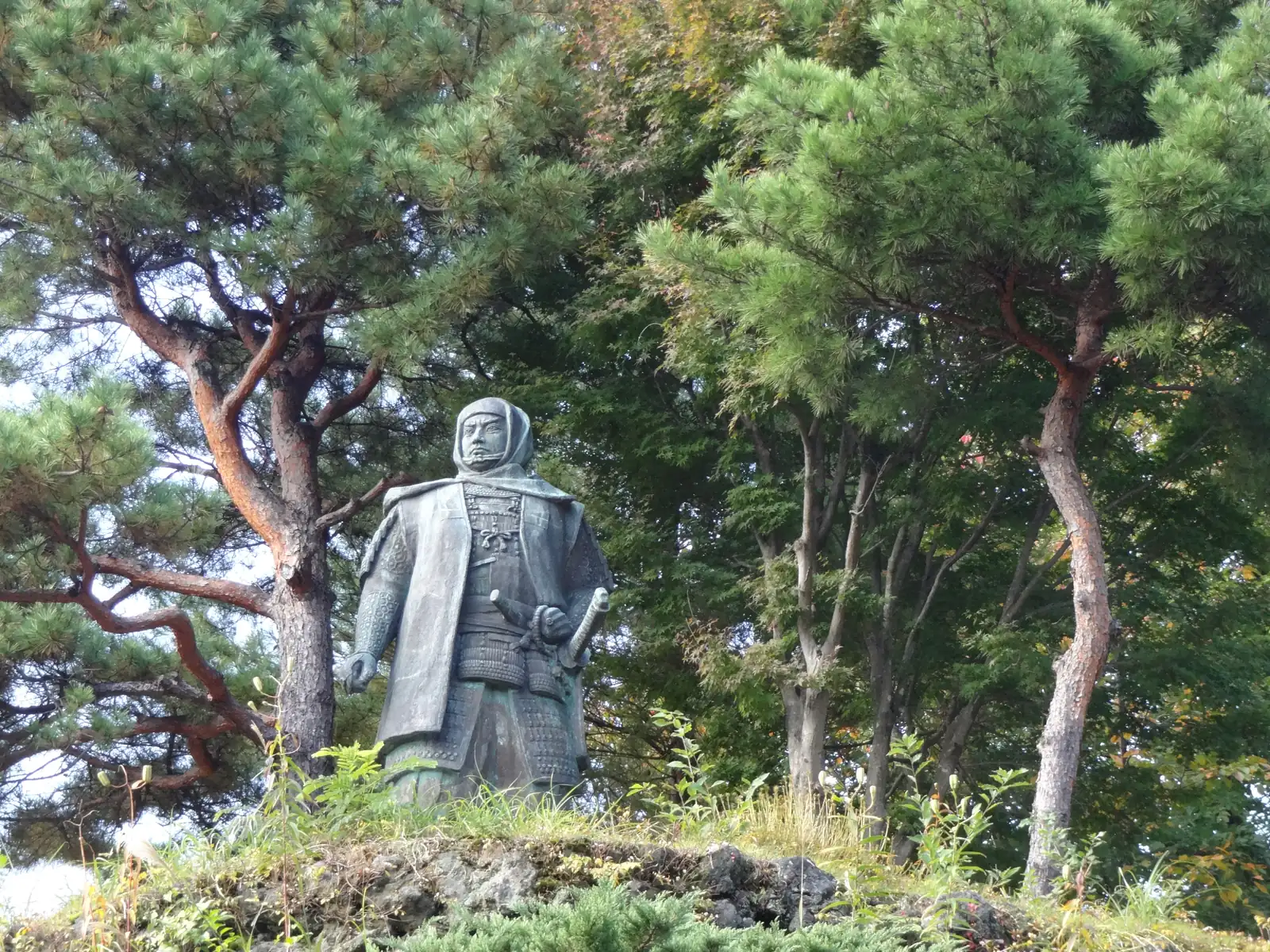
Uesugi Kenshin (first known as Nagao Kagetora) was the Sengoku-period lord who ruled Echigo, today's Niigata. He is best known for his repeated battles with Takeda Shingen of Kai at Kawanakajima, and his base was Kasugayama Castle. Rinsen-ji, the family temple of the Nagao clan, also stands at the foot of the castle, and Kenshin is said to have trained there as a child.
After Kenshin's death, the Uesugi family moved to Aizu and then to Yonezawa (Yamagata Prefecture), and Kasugayama Castle fell out of use early in the Edo period. Its replacement was Takada Castle, in what is now the town centre. A day in Joetsu lets you see two very different castles: a Sengoku-era mountain fortress and an Edo-period castle on the plain.
Kasugayama Castle ruins: a castle of earth, with no keep or stone walls
The Kasugayama Castle ruins are a National Historic Site. If you picture a Japanese castle as a keep on stone walls, you may be surprised. According to Joetsu City, Kasugayama had no keep and no stone walls: it was a "castle of earth", made by carving the mountain into terraced enclosures (kuruwa), dry moats and earthen ramparts, many of which survive in the woods. At the foot of the mountain, a moat and rampart about 1.2 kilometres long once enclosed the castle town as an outer defence (sogamae).
The path to the main enclosure (honmaru) starts beside Kasugayama Shrine and climbs through the forest on earth paths and stone steps that get slippery after rain, so wear sturdy shoes. At the top the view opens up, and it becomes clear why a mountain fortress was built here. Joetsu City lends bear bells to visitors to the ruins; keep in mind that this is a walk on a wooded mountain.
On the eastern foot of the mountain are the Kasugayama Castle Historic Site Plaza, where earthworks, moats, paths and buildings confirmed by excavation have been reconstructed, and the Kasugayama Castle Ruins Monogatari-kan, which shows a film about Kenshin and exhibits such as a folding-screen painting of the Battles of Kawanakajima. Stopping here before the climb helps you picture how far the castle spread.
Kasugayama Shrine: a Meiji-era shrine to Kenshin
Kasugayama Shrine, at the entrance to the castle trail, is dedicated to Kenshin. It is relatively new: it was founded in 1901 by Ogawa Sumiharu, father of the children's author Ogawa Mimei, who received a share of the deity from Uesugi Shrine in Yonezawa, where the Uesugi family had moved. The Kasugayama Shrine Memorial Hall on the grounds displays items and documents associated with Kenshin.
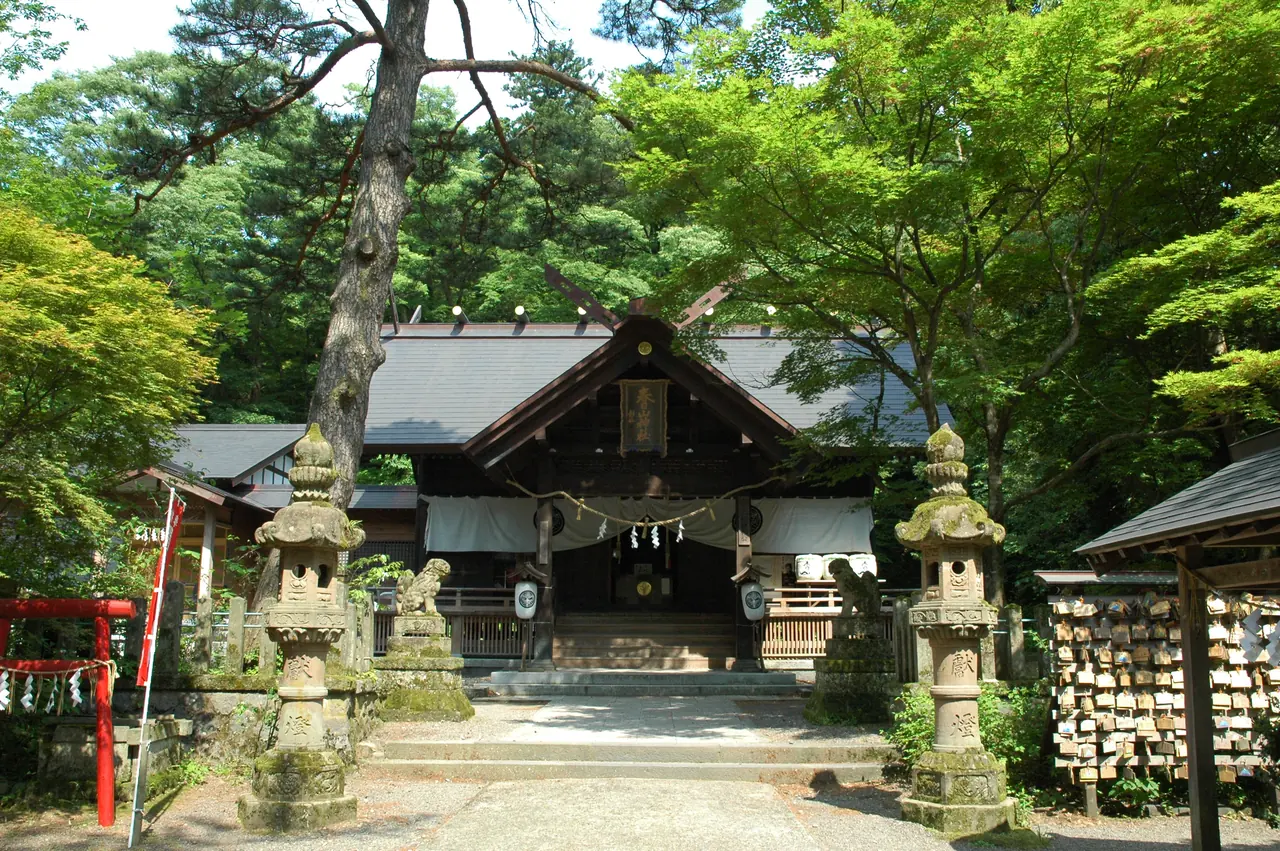
The shrine is the starting point for a walk around the castle ruins. The road up to it is also uphill, so leave yourself plenty of time if you are walking from the station.
Rinsen-ji Temple: where Kenshin is said to have trained as a child
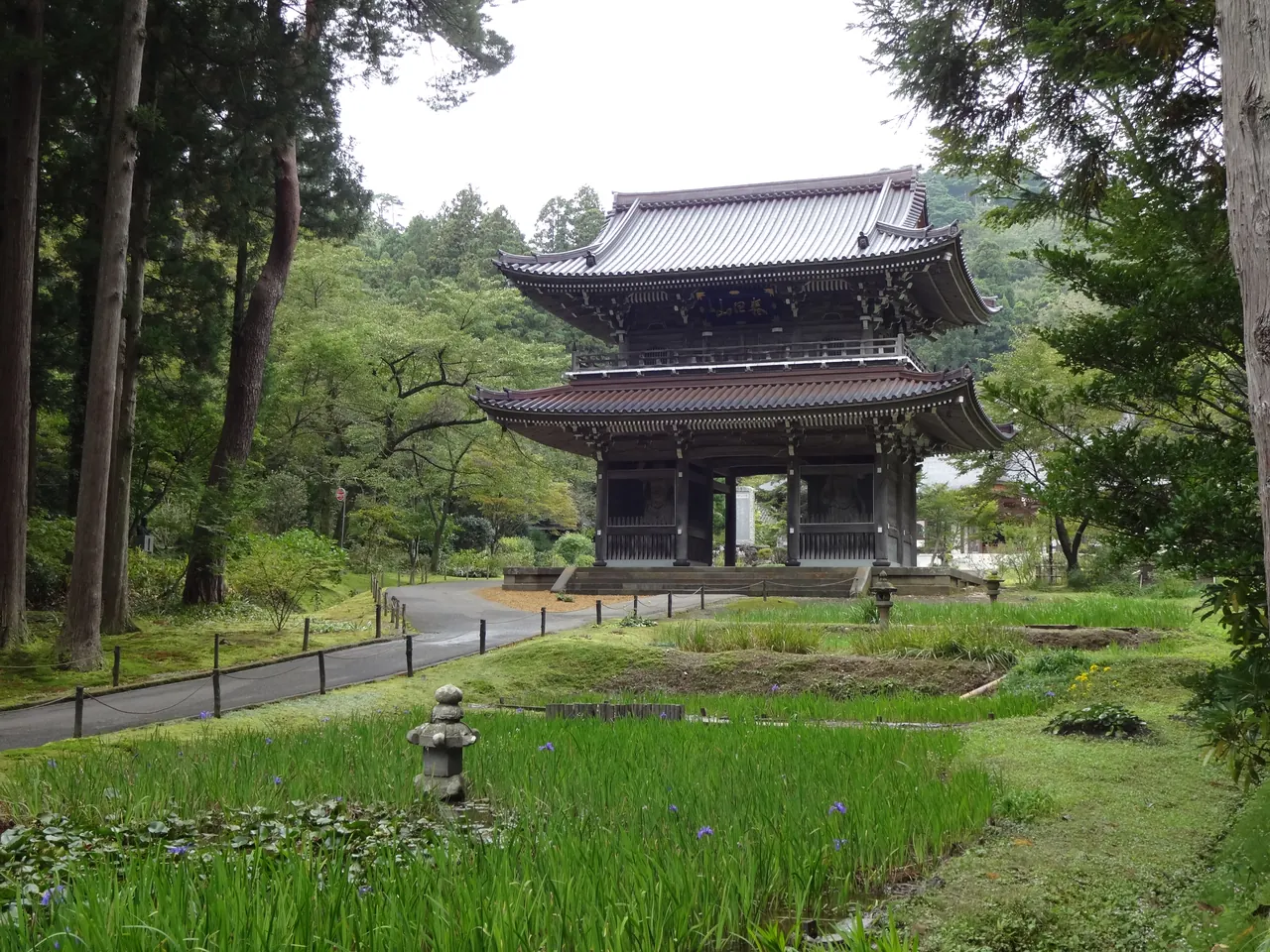
Rinsen-ji Temple, at the foot of Mt. Kasugayama, was founded in 1497 by Kenshin's grandfather, Nagao Yoshikage, and served as the Nagao family temple. Kenshin is said to have trained here as a child under the head priest, Tenshitsu Koiku.
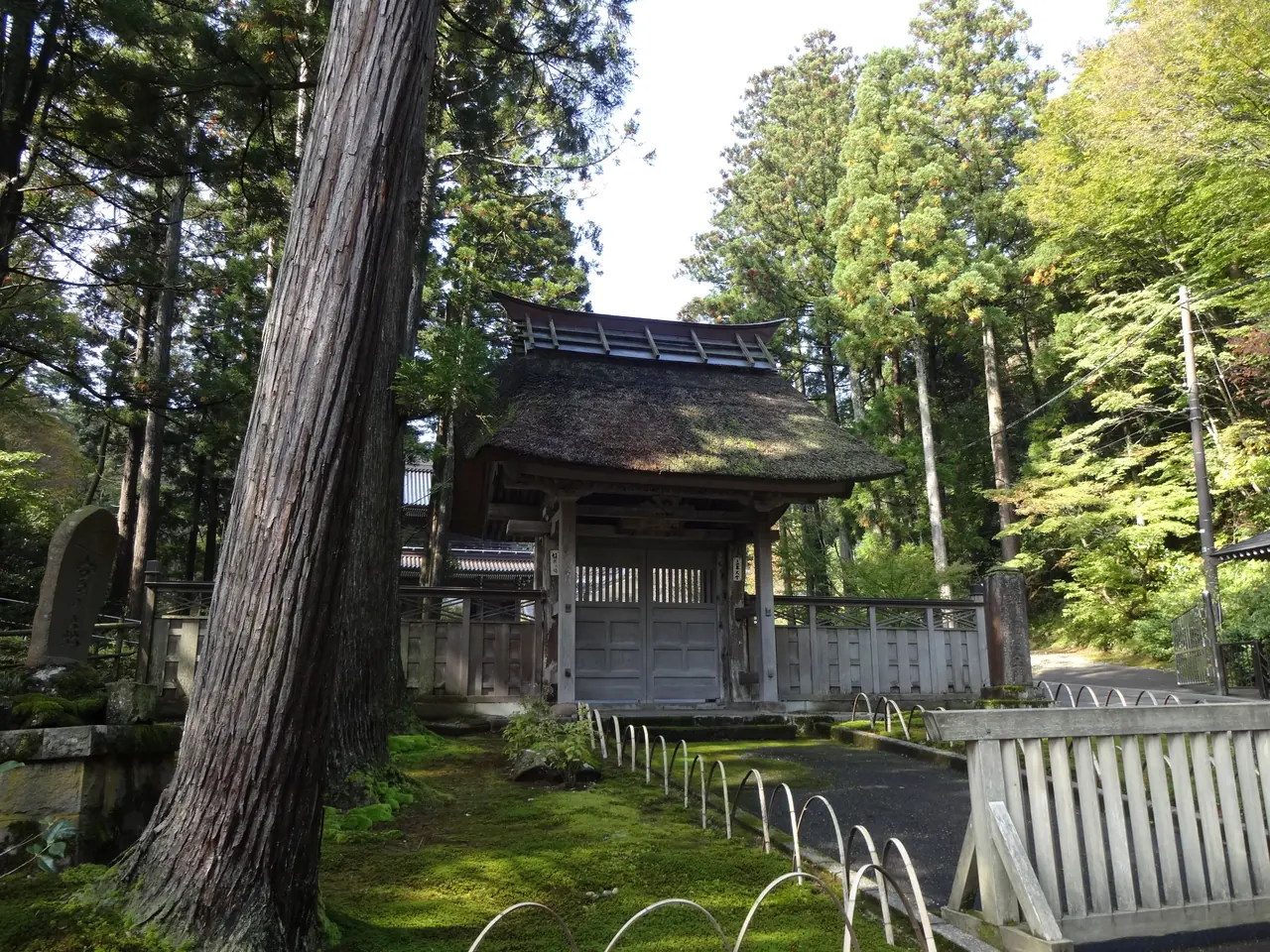
The plaque reading "Daiichigi" (the first principle) above the temple gate is said to be in Kenshin's own hand. According to Joetsu City's cultural property notes, it measures 130 by 252 centimetres and is paired with the "Kasugayama" plaque on the front of the gate. The one on the gate is a replica; the original is kept in the temple's treasure hall. The cemetery holds Kenshin's grave and a memorial to those who died in the Battles of Kawanakajima.
Kasugayama Shrine and Rinsen-ji are within walking distance of each other. Allow about half a day for the castle ruins, the shrine and the temple together so you are not rushed.
Kenshin Festival: an August procession and a re-enacted battle
The Kenshin Festival (Kenshin-ko Matsuri) honours Kenshin around Kasugayama and reached its 100th edition in 2025. It is usually held on a weekend in late August; the 101st festival in 2026 took place on 22 and 23 August, with an eve event on the 21st. Highlights include a procession of warriors in armour through the streets, the pre-battle ceremony known as the Butei-shiki, and a re-enactment of the Battle of Kawanakajima around the Kasugayama Castle Historic Site Plaza.
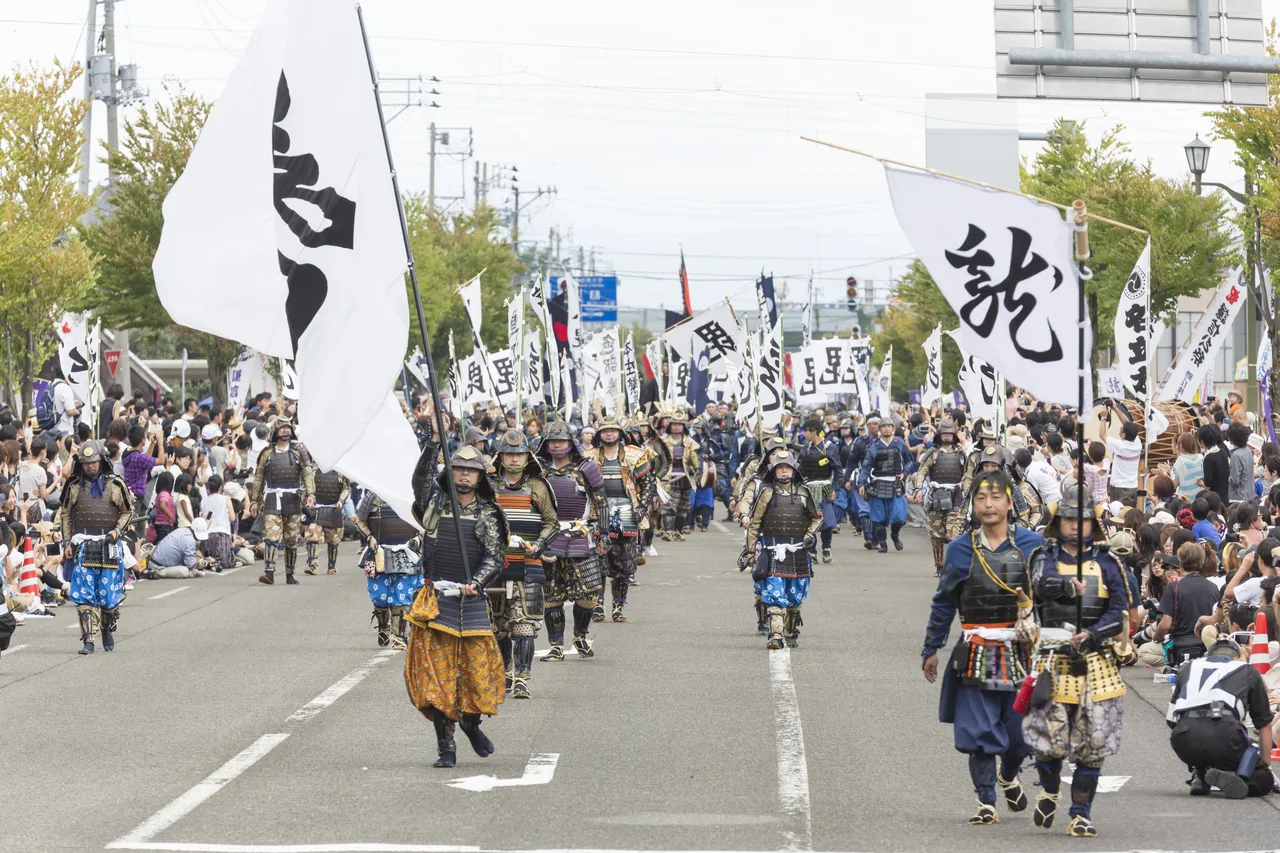
Kasugayama gets very crowded during the festival, and in some years extra trains are run. Check the dates and transport information on Joetsu Kanko Navi's Kenshin Festival page.
Takada Castle Site Park: a castle without a keep, and its three-storey turret
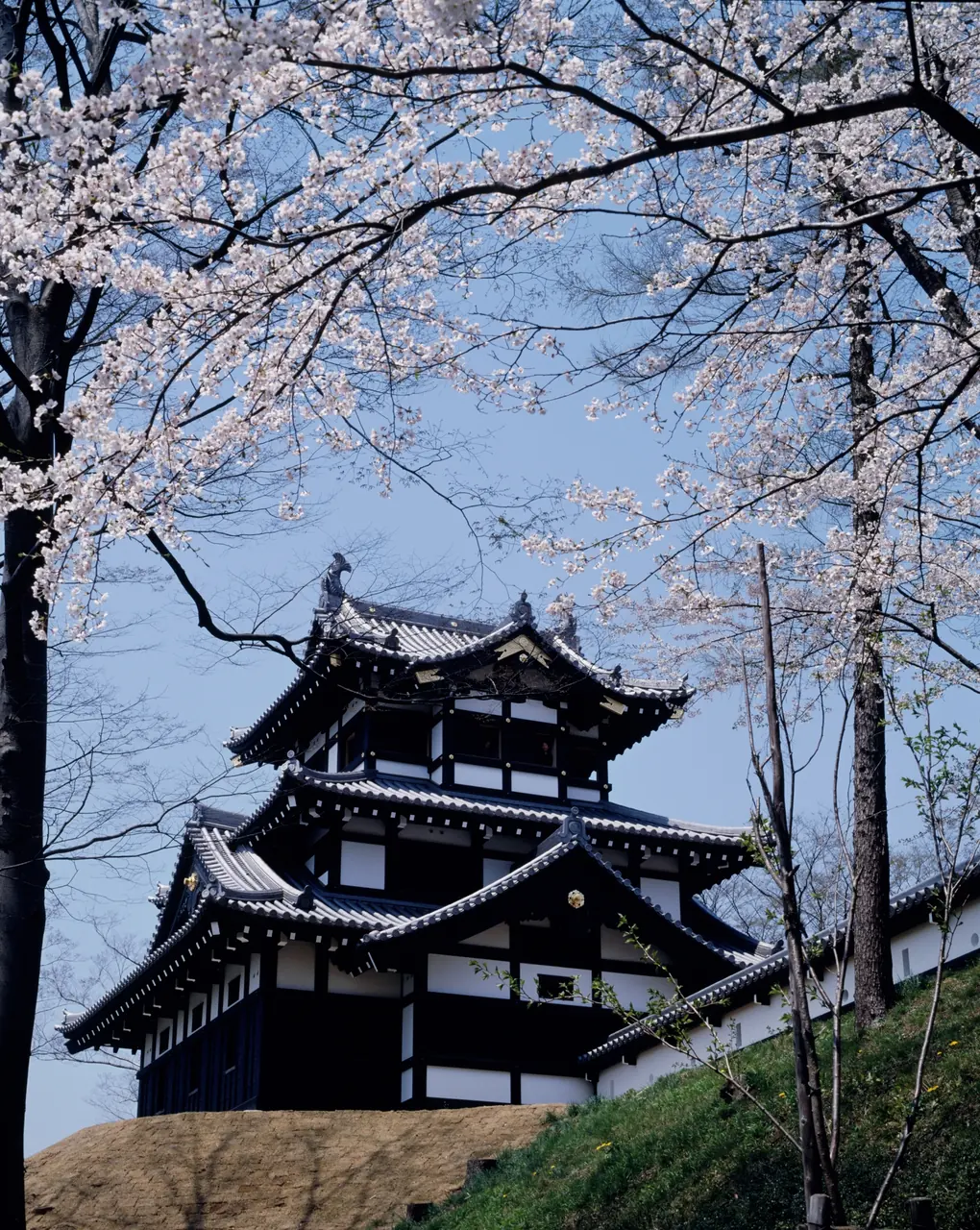
Some thirty-odd years after Kenshin's death in 1578, Takada Castle was built as the seat of Matsudaira Tadateru, the sixth son of Tokugawa Ieyasu. According to Joetsu City, construction was ordered in 1614 from 13 lords including Date Masamune. Like Kasugayama, it had no stone walls, and no keep was ever built. Its symbol was the three-storey turret (sanju-yagura) at a corner of the main enclosure; the turret you see today was reconstructed in 1993 based on historical records and excavations.
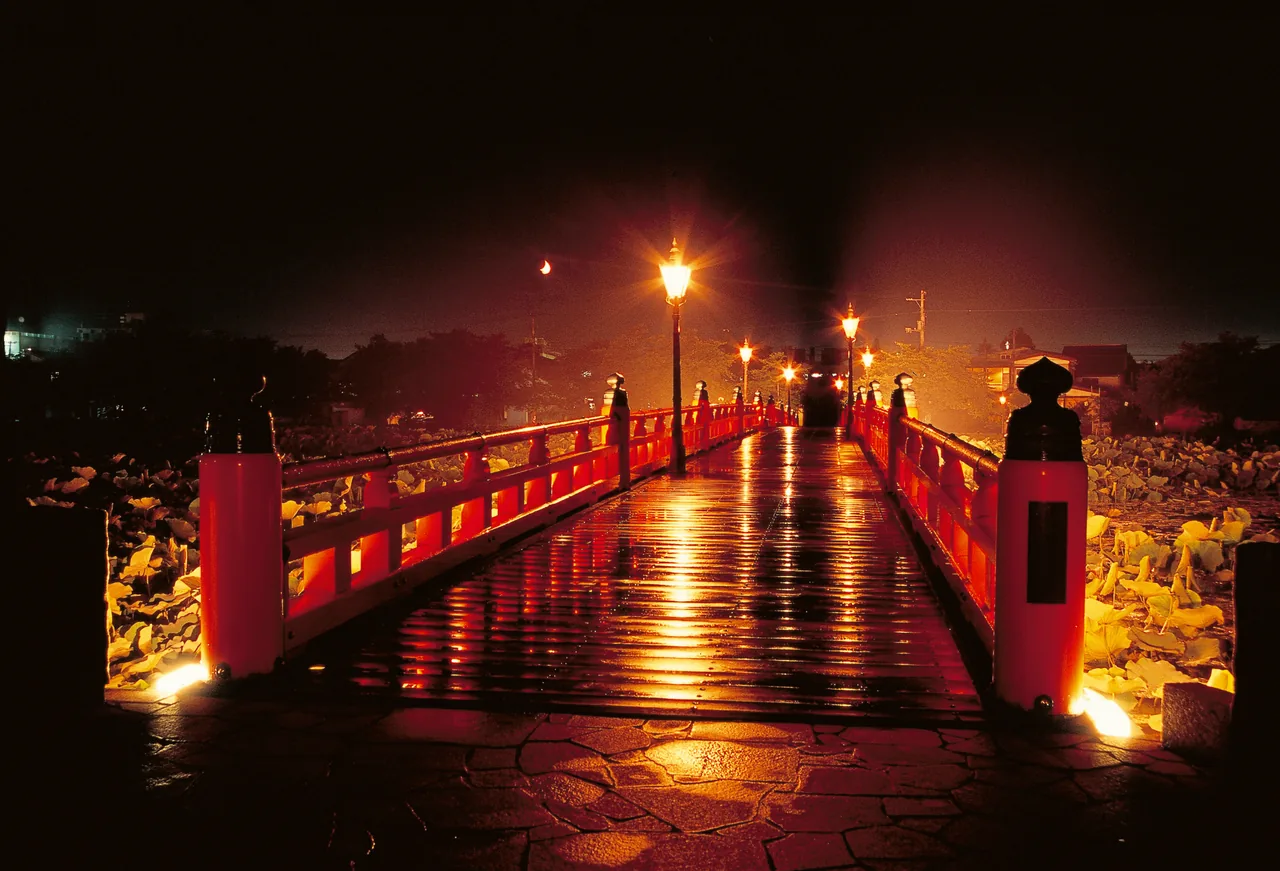
The grounds are now Takada Castle Site Park, known for cherry blossoms along the moat with the lit-up turret in spring, and for lotus flowers filling the outer moat in summer. Compare its moats and earthworks on the plain with the mountain fortress at Kasugayama.
Getting to Joetsu and planning your day
From Tokyo, take the Hokuriku Shinkansen to Joetsumyoko Station and change to the Echigo Tokimeki Railway (Myoko Haneuma Line). Takada Station is closest to Takada Castle Site Park, and Kasugayama Station to the castle ruins and Rinsen-ji. The walk from Kasugayama Station to Kasugayama Shrine is uphill all the way and takes about 40 minutes, so taking a bus or taxi saves your energy for the climb at the ruins.
For a day trip, a comfortable plan is to walk Kasugayama Castle ruins, Kasugayama Shrine and Rinsen-ji in the morning, then head to Takada in the afternoon for a stroll around Takada Castle Site Park. More details on the ruins are on Joetsu City's Kasugayama Castle page.