Yahiko Day Trip from Niigata: Shrine, Ropeway and Momiji-dani
This guide is translated from the Japanese edition. Read the Japanese edition
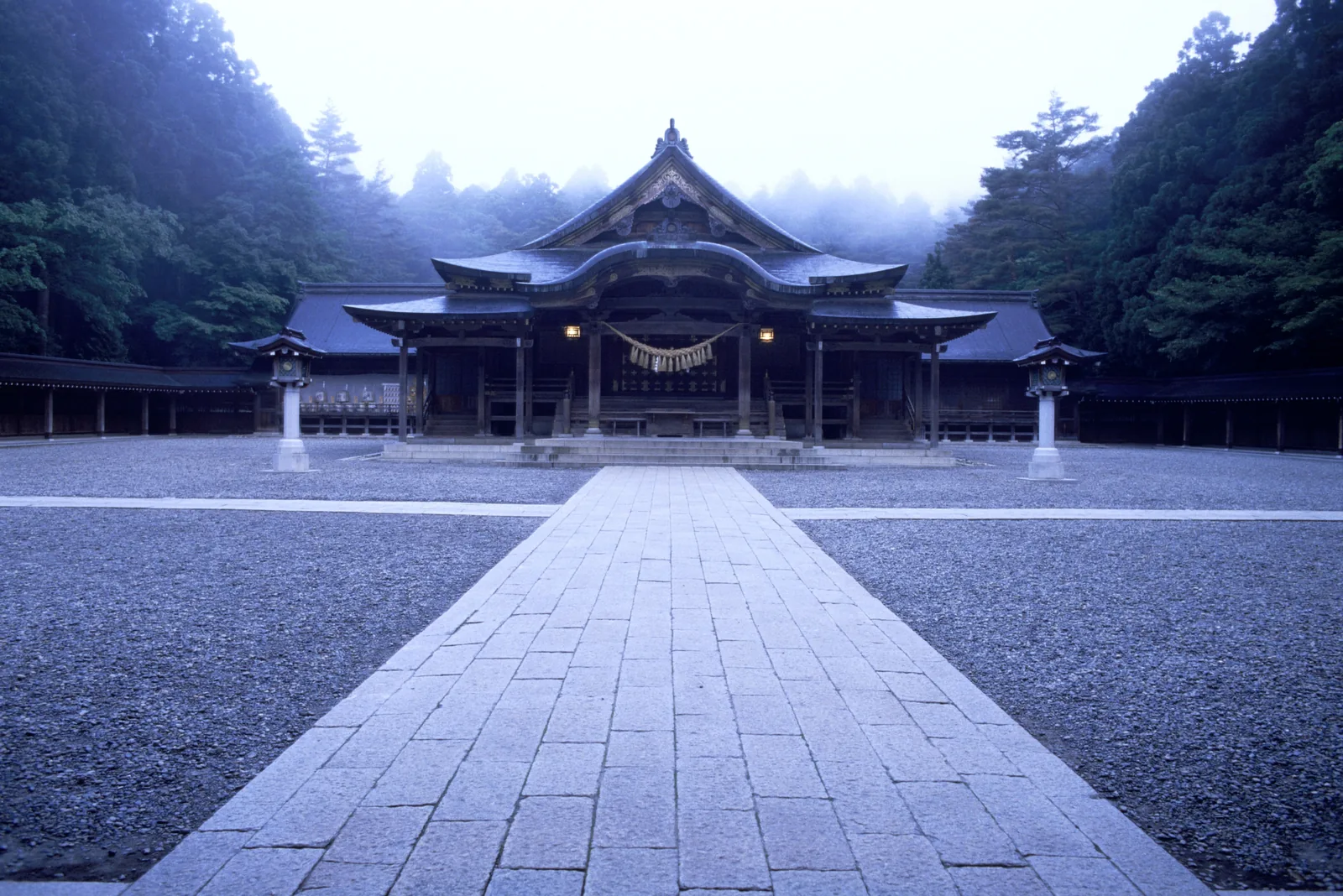
A Yahiko day trip from Niigata by JR: Yahiko Shrine, the Mt. Yahiko ropeway, Momiji-dani in autumn and the onsen town, plus the Yoshida transfer and Teradomari.
Beyond the rice fields of the Echigo Plain, a single rounded mountain rises on its own. Mt. Yahiko, 634 m high, and Yahiko Shrine at its foot are where people from Niigata go for New Year prayers and autumn leaves. If you're staying in Niigata City, you can get there and back in a day by JR. A shrine visit, the ropeway to the summit, the Momiji-dani valley in autumn and a stroll through the onsen town fit comfortably into one day.
Getting from Niigata Station to Yahiko
From Niigata Station, take the JR Echigo Line to Yoshida Station, change there to the JR Yahiko Line, and ride it to the end of the line at Yahiko Station. Yahiko Line services are split at Yoshida, so only a few trains run from Niigata to Yahiko without a change. The wait at Yoshida can make a big difference to the total journey time, so pick your outbound and return trains from the JR East timetable before you set off.
If you're on the Joetsu Shinkansen, you can also change to the Yahiko Line at Tsubame-Sanjo Station. That lets you stop at Yahiko on the way from Tokyo and carry on to Niigata City afterward.
The square in front of Yahiko Station has a footbath, Yunowa, fed with Yahiko's hot spring water, a good place to warm your feet while you wait for the train home.
Yahiko Shrine: the first shrine of Echigo
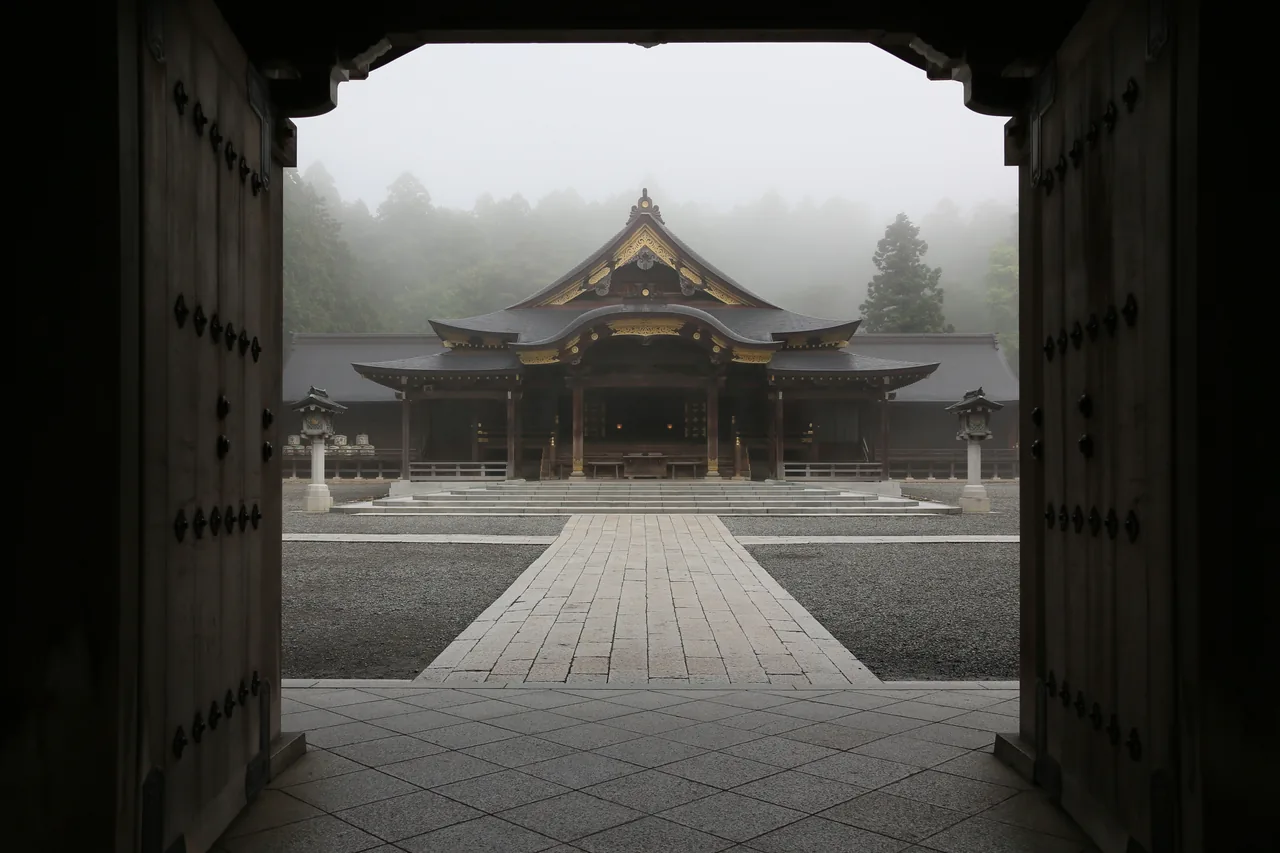
Yahiko Shrine is the ichinomiya, the highest-ranking shrine, of the old province of Echigo, and locals call it "Oyahiko-sama" with affection. It enshrines Ame-no-Kagoyama-no-Mikoto, a deity said to have taught the people of Echigo fishing, salt making and sake brewing. The shrine is about 1 km from Yahiko Station, roughly 15 minutes on foot.
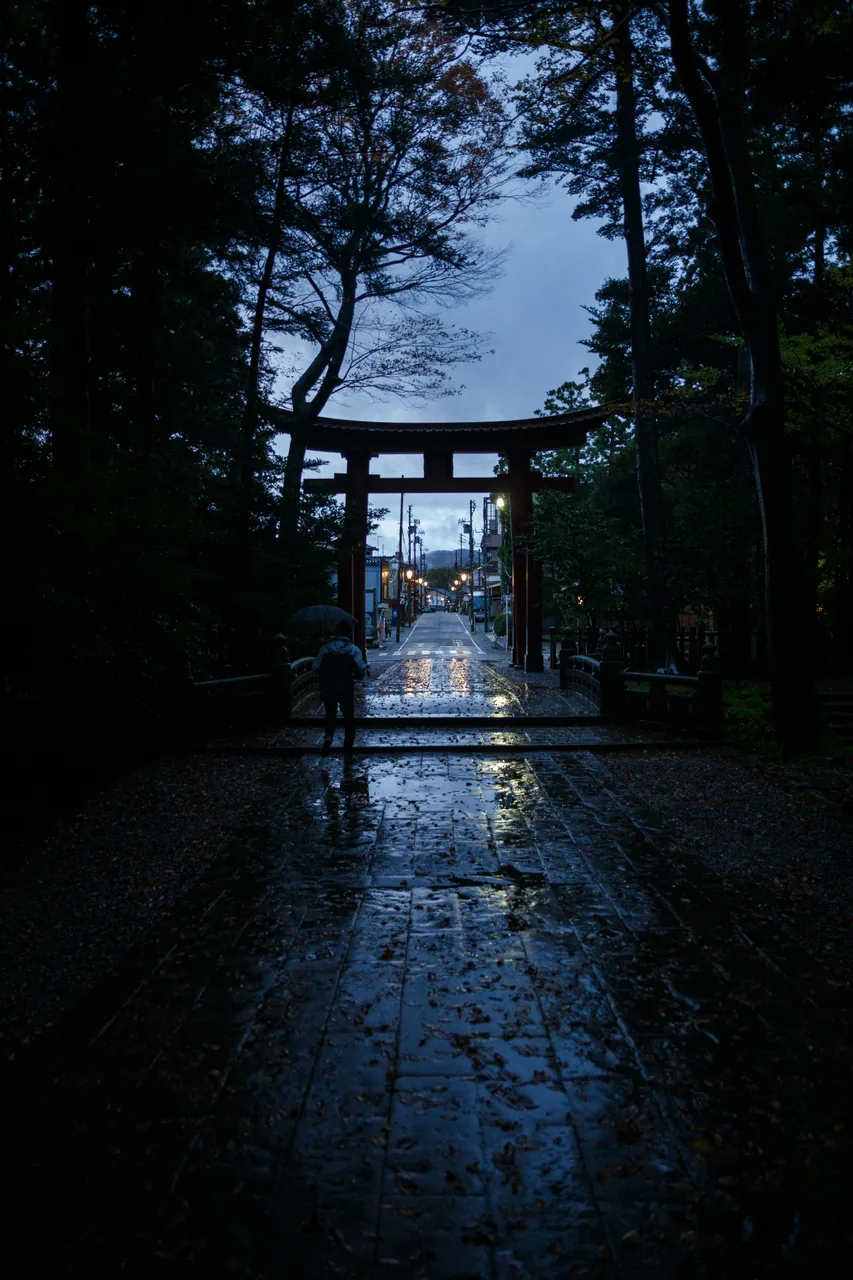
Past the torii gate, the approach runs between tall cedars. Mt. Yahiko rises directly behind the worship hall, and the mountain itself has long been treated as sacred ground. The shrine's Goshinbyo, the tomb of its deity, stands on the summit, where you can pay your respects after riding the ropeway. The grounds are large, so leave yourself plenty of time.
Up Mt. Yahiko by ropeway
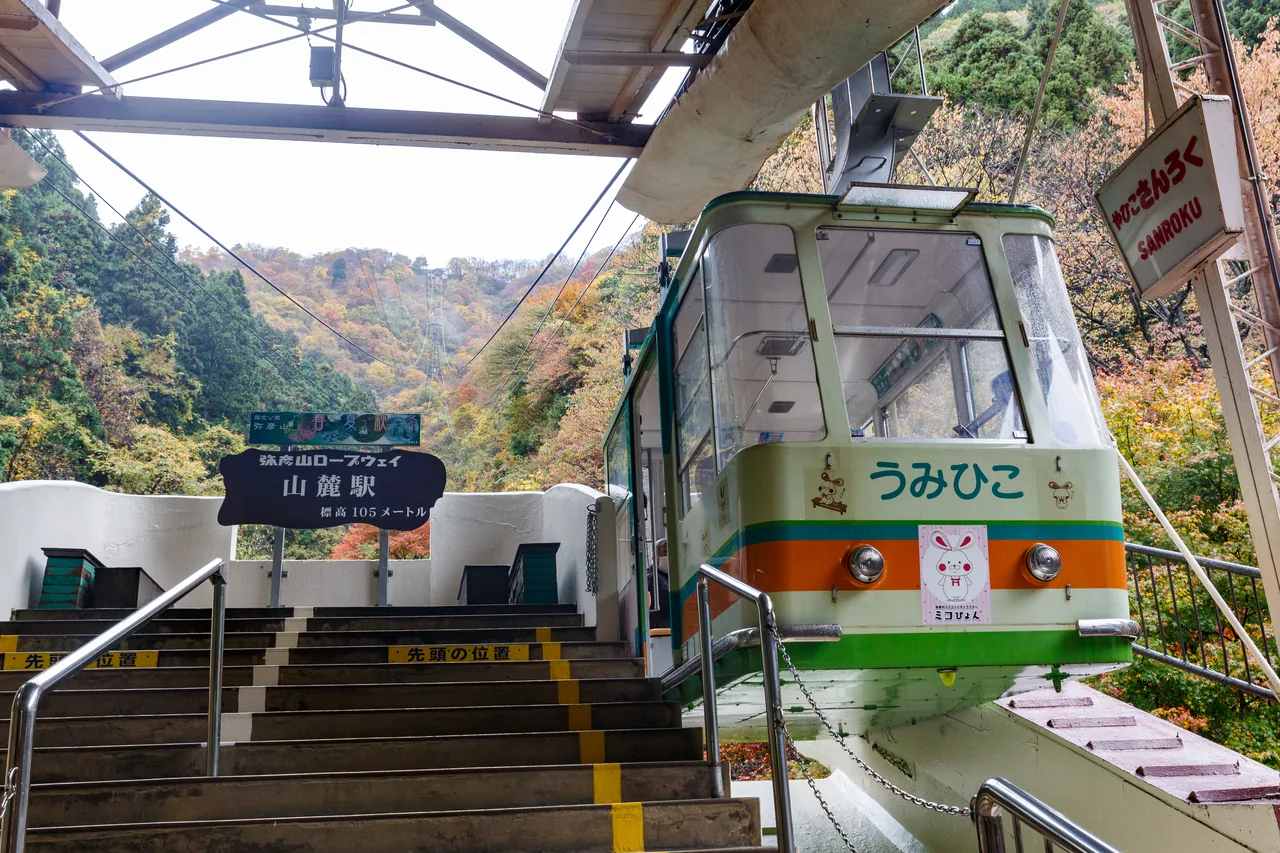
A free shuttle bus runs from beside the worship hall to the base station of the Mt. Yahiko Ropeway. On foot, it's about 20 minutes along the Manyo-no-Michi path, planted with more than 60 species that grow wild on Mt. Yahiko and appear in the Man'yoshu, Japan's oldest poetry anthology, so you can walk up past the plants of the season.
The ropeway takes about five minutes from the base station to the summit station. Step out at the top and the Sea of Japan spreads out on one side and the Echigo Plain on the other; on clear days you can see Sado Island across the water. The summit is windier and colder than the plain, so bring a layer even in summer.
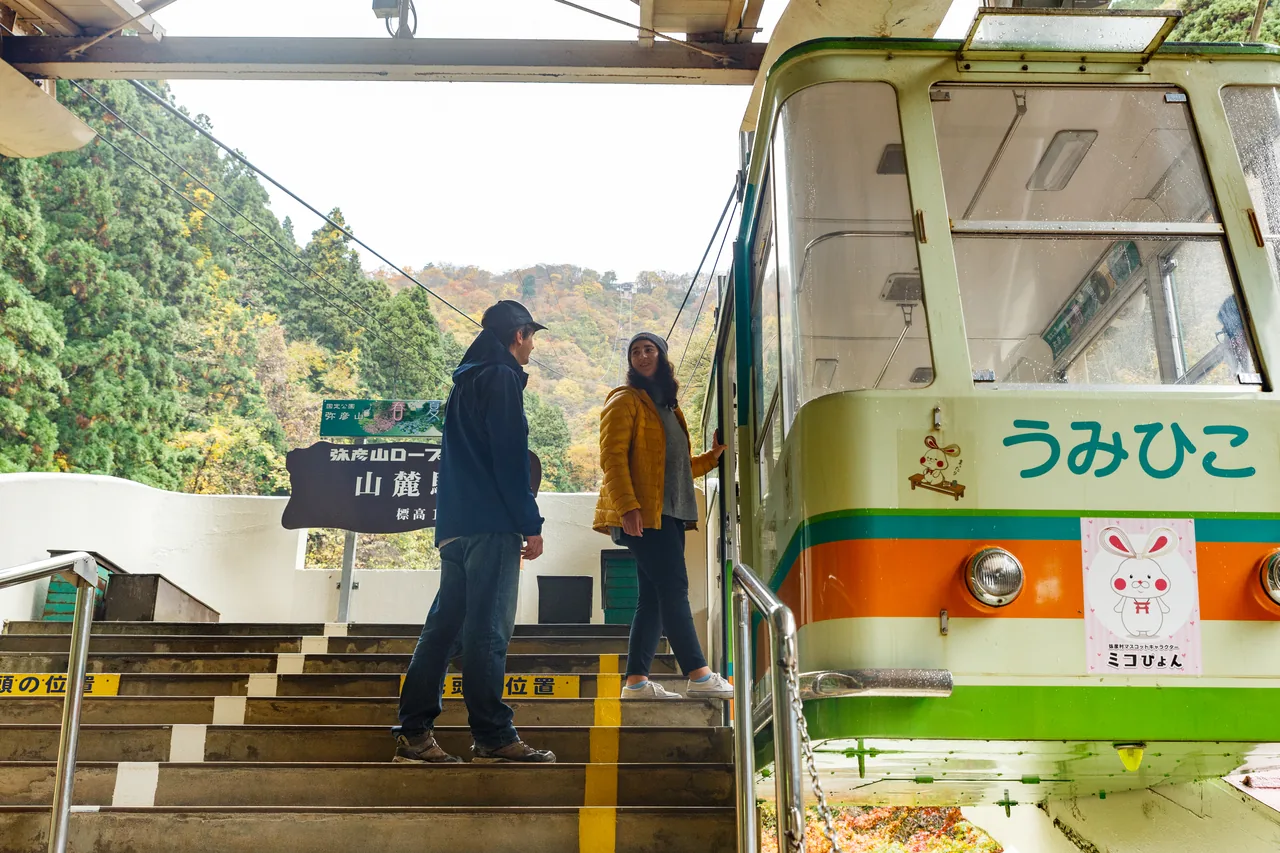
Operating hours change with the season, and there are non-operating days in winter. Weather and crowds can also affect the service, so check the ropeway page on the Yahiko Tourism Association website before you go.
Autumn: Momiji-dani in Yahiko Park
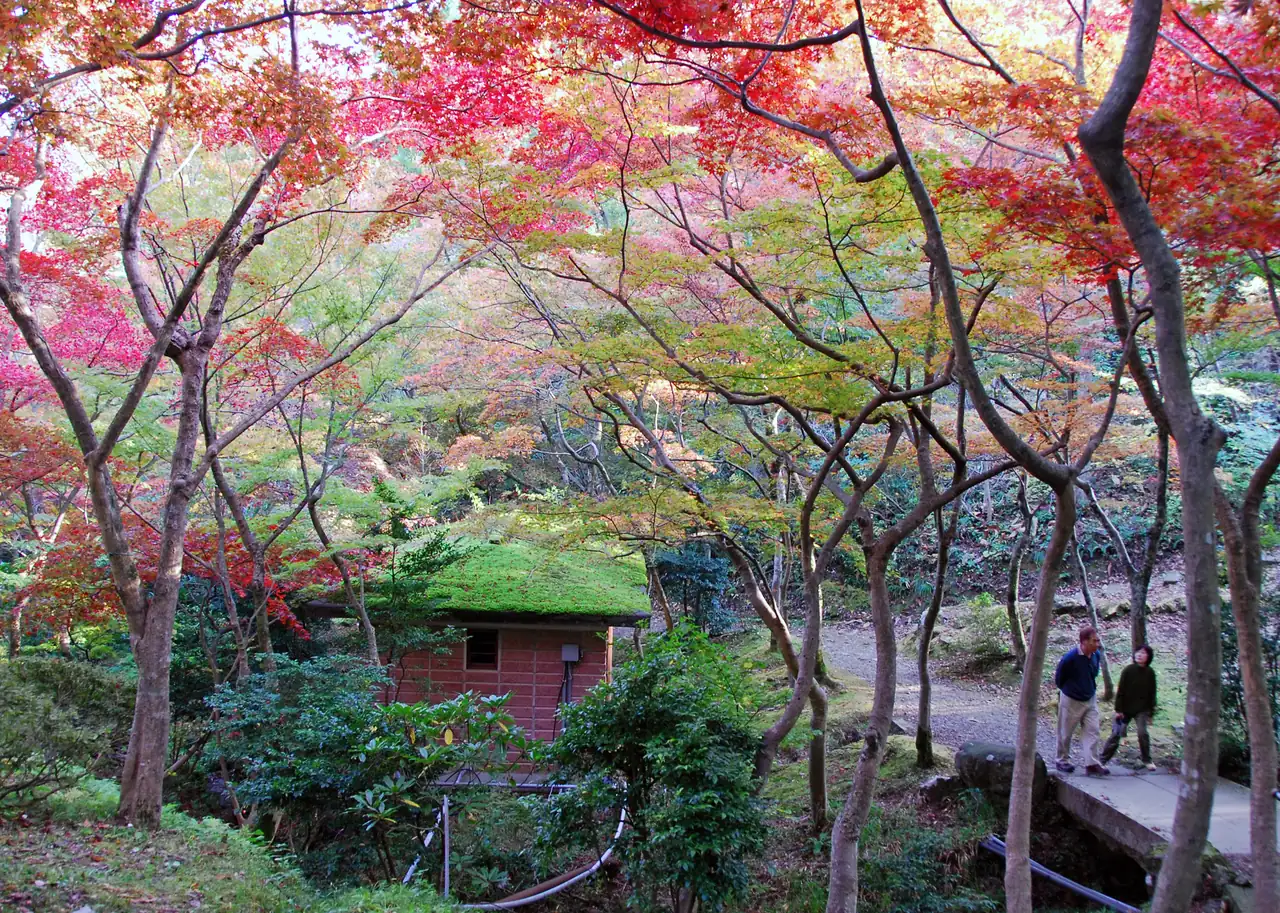
Yahiko Park, right next to Yahiko Station, was laid out in 1918, after what is now the Yahiko Line opened in 1916. Its Momiji-dani, the "maple valley," is one of the best-known autumn leaf spots in Niigata Prefecture.
The vermilion Kangetsu Bridge spans the valley, and from the middle of the bridge you can see up toward the summit of Mt. Yahiko. Walk through a tunnel built from lava from Mt. Fuji and the valley appears ahead as if in a picture frame. The leaves usually peak from early to mid-November, when the valley is also lit up at night. The dates and hours of the illumination change each year, so check the Yahiko Tourism Association's announcements. Parking fills up on autumn weekends, so this is a season when coming by train makes life easier.
A break at Yahiko Onsen
In front of Yahiko Shrine is the Yahiko Onsen hot spring town, with ryokan inns and souvenir shops. Most of the inns use the Yujinja Onsen spring, an alkaline simple hot spring. Whether you can bathe without staying overnight varies by inn, so ask each ryokan.
Yu-jinja, the small shrine that gives the spring its name, is a branch shrine of Yahiko Shrine set on the mountainside, about 15 minutes' walk after you pass through the tunnel in Yahiko Park. It pairs well with a walk through Momiji-dani. Short on time? Even a soak of your feet at the station footbath is a nice way to end the trip.
Planning the day, and an add-on to Teradomari
For a day trip by train, this order works without rushing:
- Arrive at Yahiko Station in the morning and walk to Yahiko Shrine
- Take the shuttle bus or the Manyo-no-Michi path to the ropeway base station, and look out over the Sea of Japan and Sado Island from the top
- Have lunch in the onsen town in front of the shrine
- In the afternoon, walk through Momiji-dani in Yahiko Park, rest at the station footbath, then catch your train home
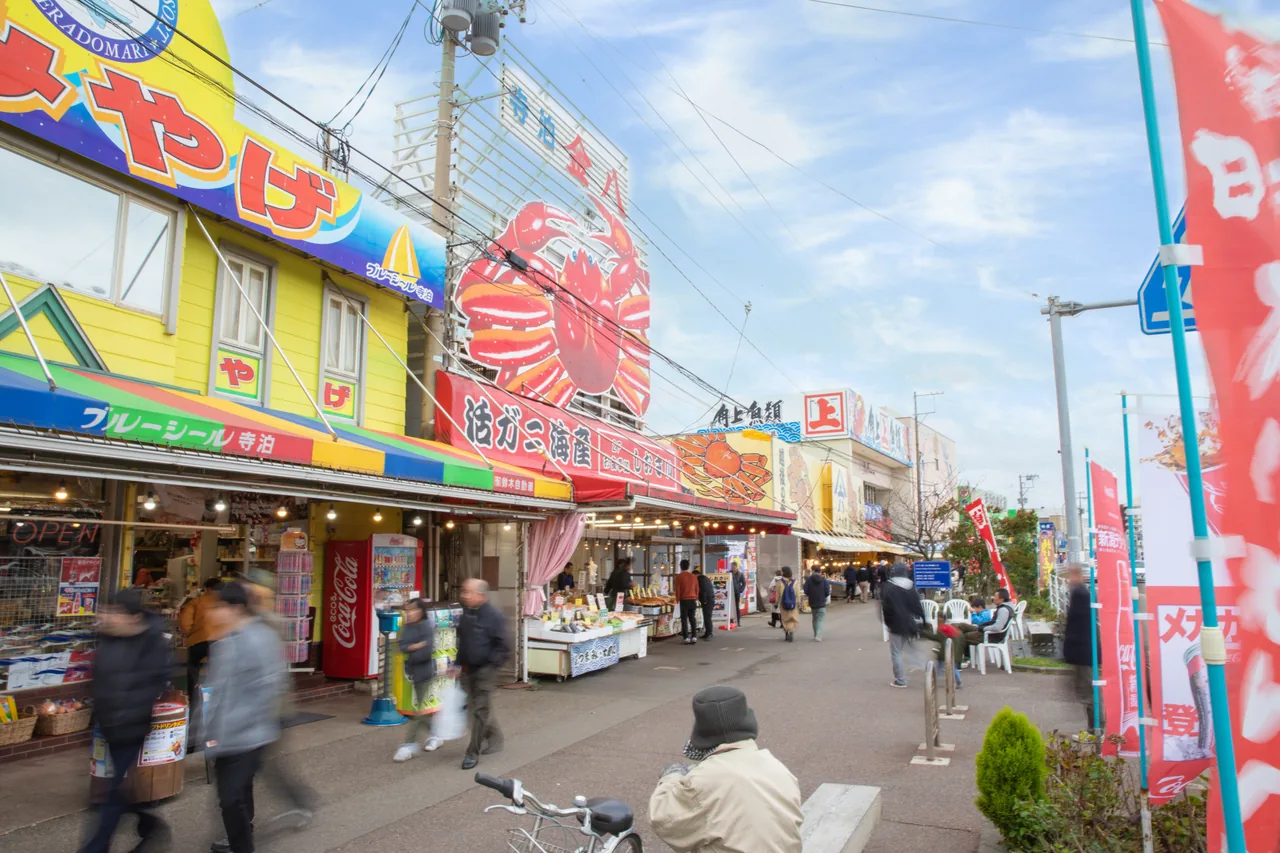
With a car, you can head from Yahiko to the coast and carry on to Teradomari in Nagaoka. Teradomari's Sakana no Ichiba Dori, the "fish market street," is a row of fishmongers and seafood shops along Route 402, also nicknamed "Sakana no Ameyoko." It began when a fish shop opened here in 1974, and you can browse Sea of Japan seafood and dried fish. Getting from Yahiko to Teradomari by public transport means several connections, so a car is the practical choice on a day that includes Teradomari.
For sightseeing information on Yahiko, see the Yahiko Tourism Association; for shrine festivals and visiting guidance, see the Yahiko Shrine official website.