Akama Shrine (Akama Jingu)
About
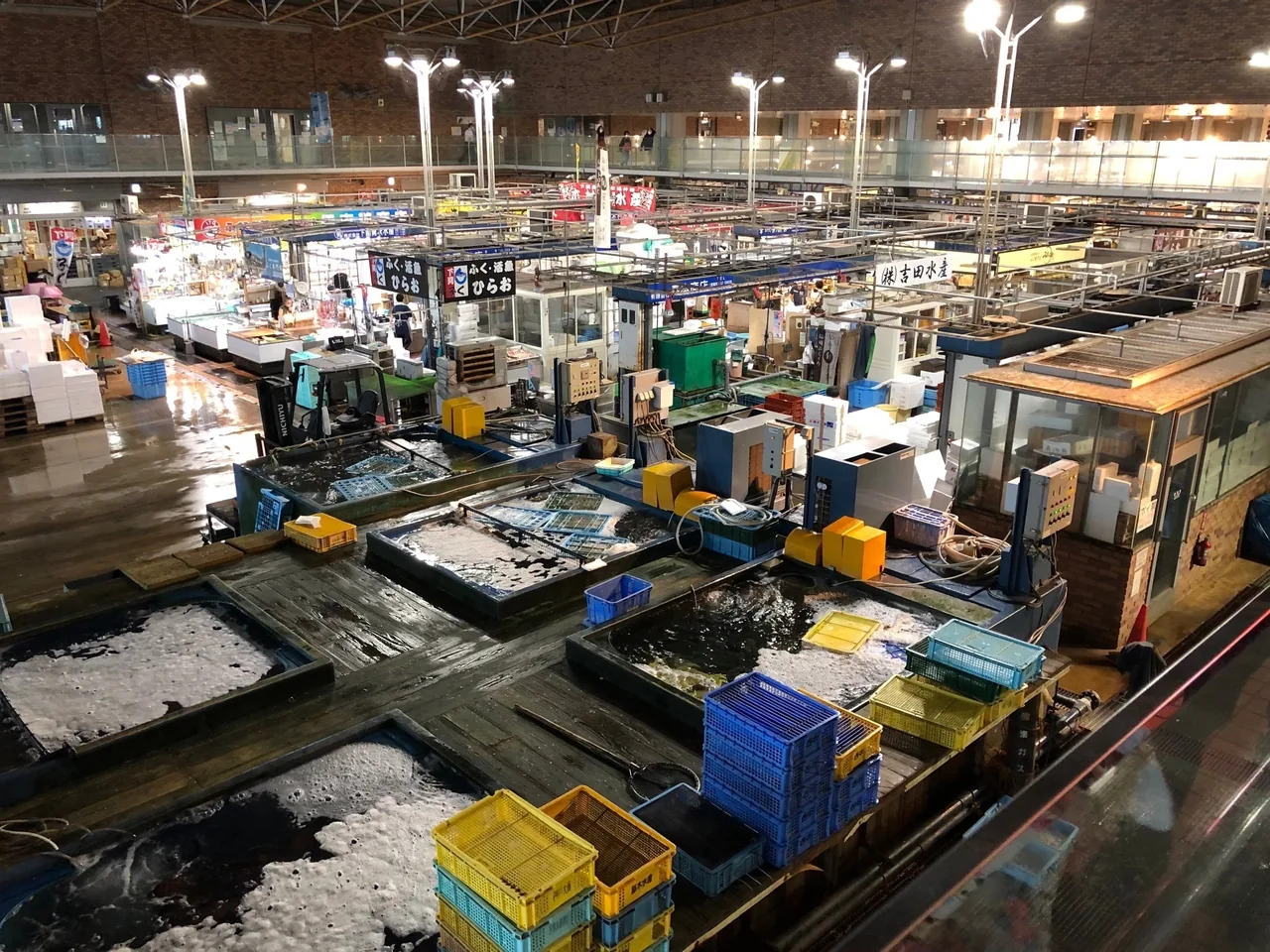
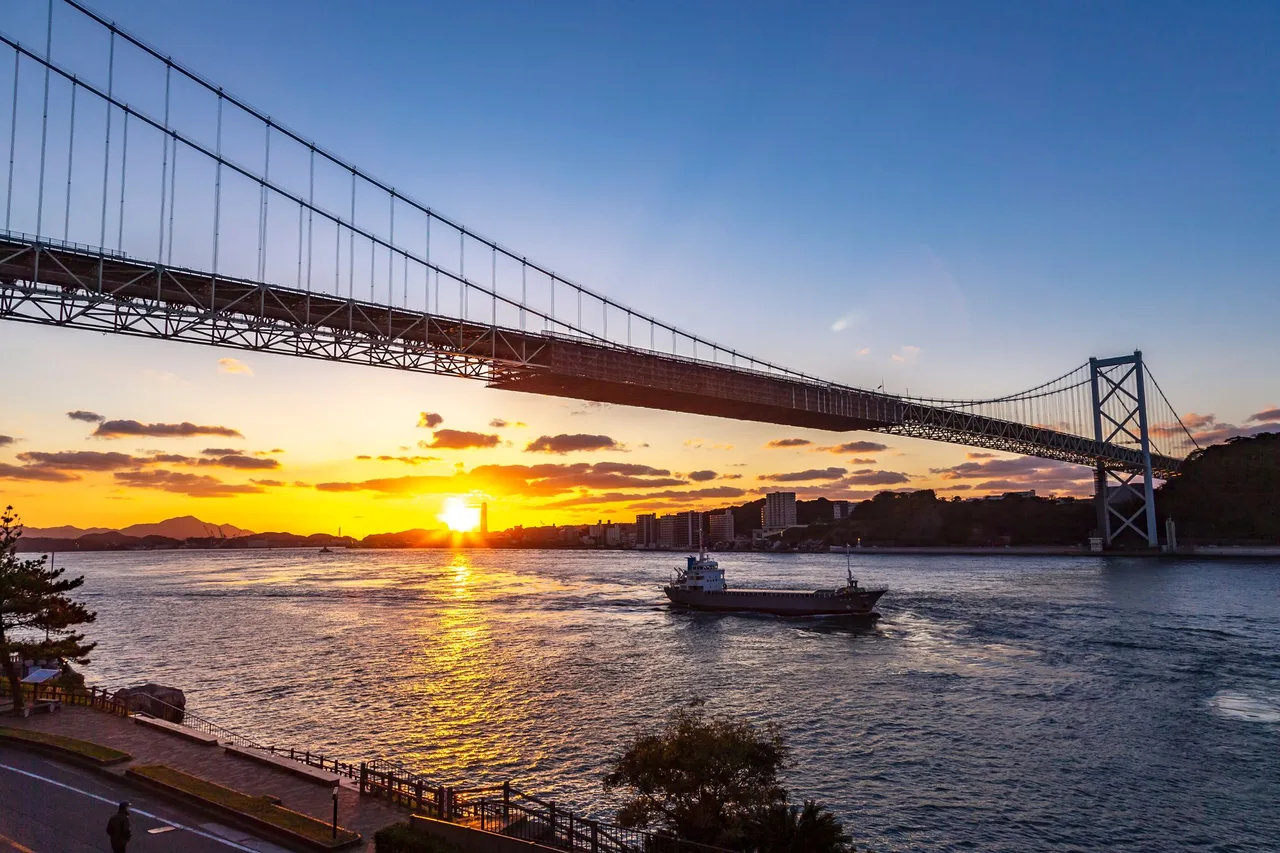
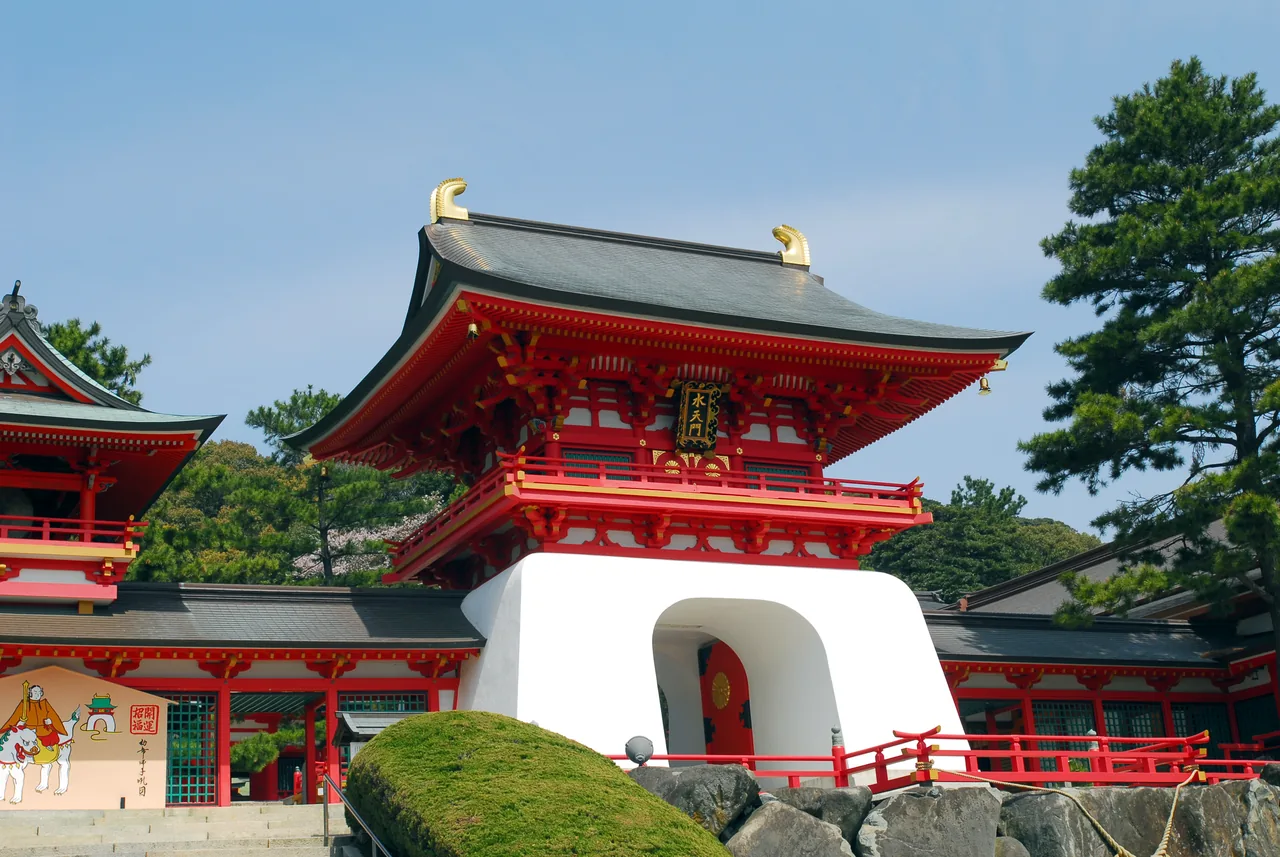
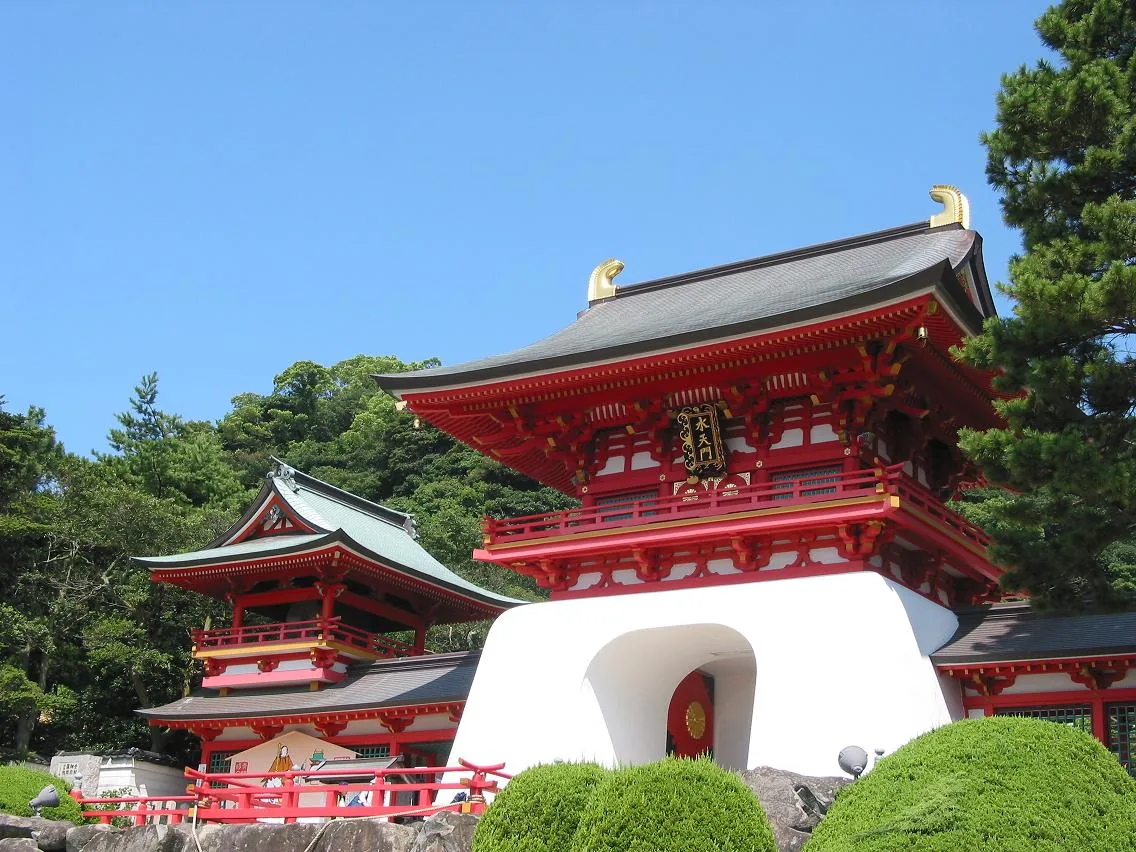
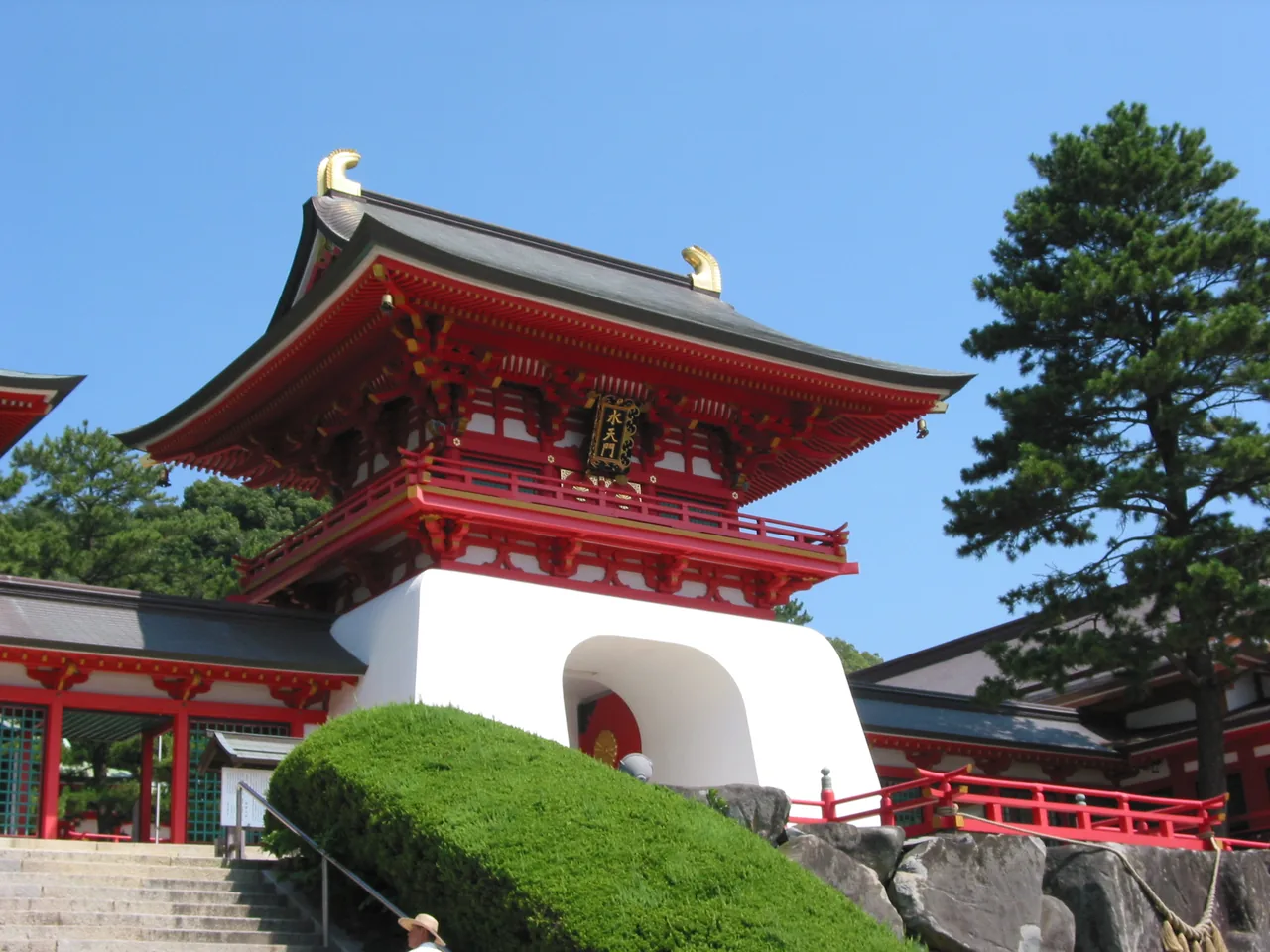
Facing the Kanmon Strait, this shrine is dedicated to Emperor Antoku, the child emperor who drowned at the Battle of Dannoura between the Genji and Heike clans. Its red-and-white Suitenmon Gate on the seaward side is built in the ryugu-zukuri style, modeled on the undersea Dragon Palace. The grounds hold Hoichi Hall, with its statue of "Hoichi the Earless," and the graves of the Heike clan, and Emperor Antoku's imperial tomb lies next door. It is close to Karato Market, so the two are easy to visit on foot together.
This text was translated automatically and may contain errors.
Suitenmon, the Dragon Palace gate
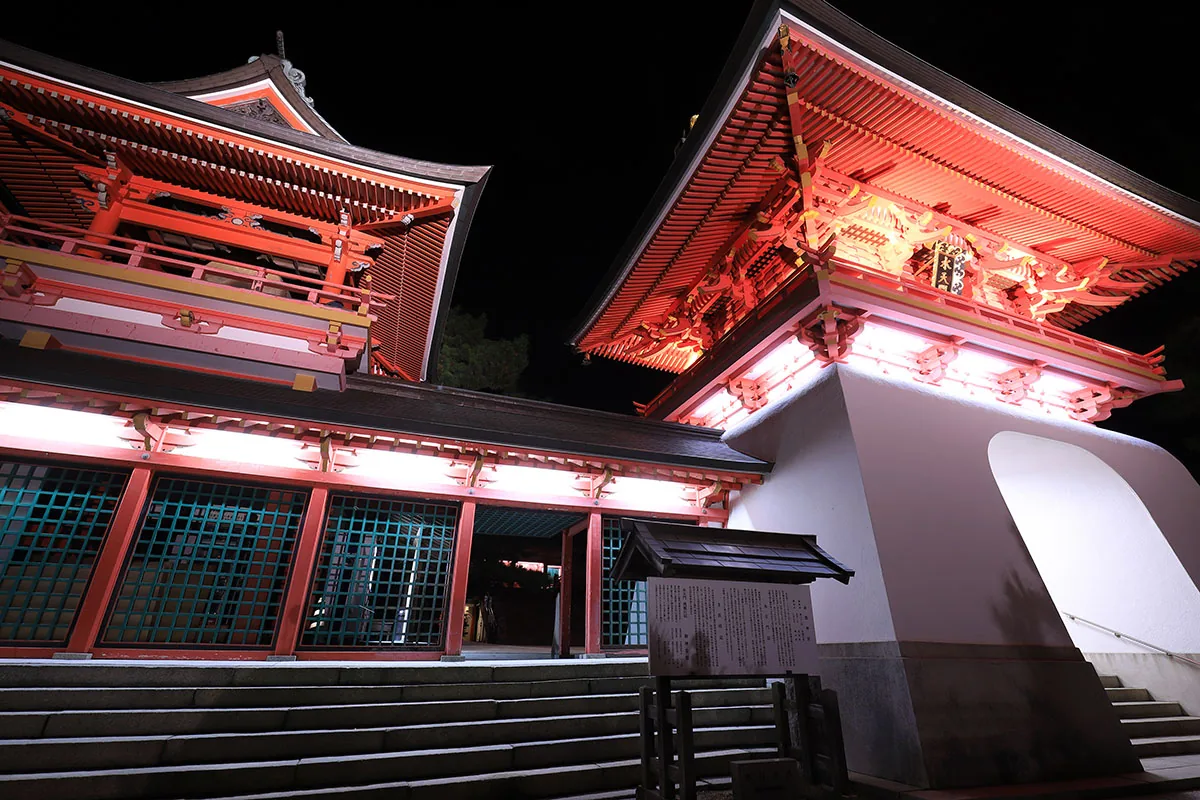
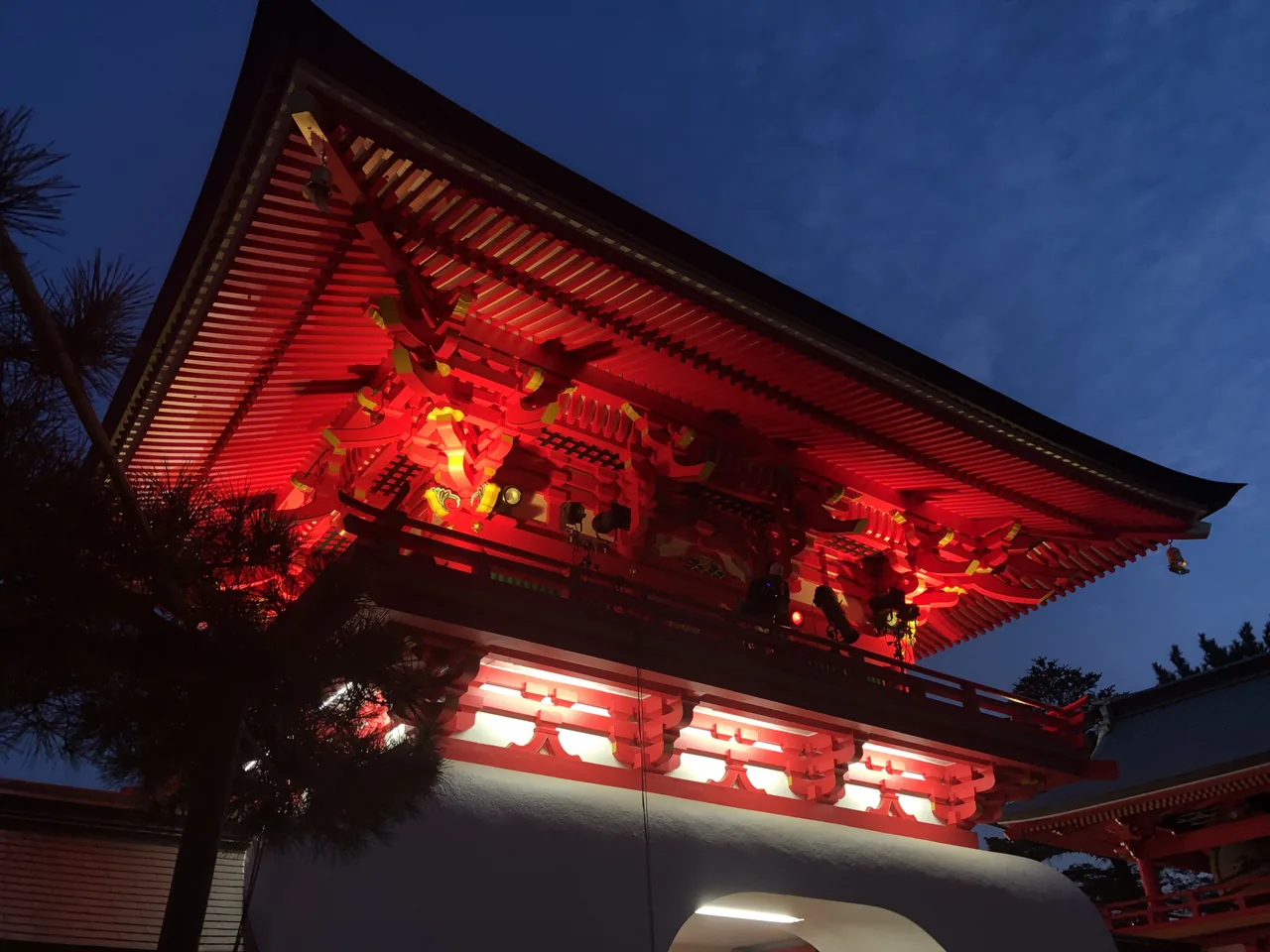
Suitenmon is a two-story gate completed in 1958: a red-lacquered upper story set on a white base, and the first thing you see when approaching from the sea side. It refers to the Tale of the Heike, in which Emperor Antoku and his grandmother, the Nii-no-Ama, are said to have gone to the Dragon Palace beneath the sea. The gate and its corridors are registered Tangible Cultural Properties of Japan.
Emperor Antoku and his tomb
Emperor Antoku is said to have drowned at Dannoura at the age of eight. Right next to the shrine is the Amidaji Imperial Tomb of Emperor Antoku, managed by the Imperial Household Agency. The shrine began as a temple called Amidaji, a name that survives in the district name, Amidaji-cho.
Hoichi the Earless and the Heike graves
Hoichi Hall enshrines a wooden statue of "Hoichi the Earless" holding his biwa lute. The story was originally passed down at Amidaji and became widely known after Lafcadio Hearn (Koizumi Yakumo) included it in his book Kwaidan. Beside the hall stand graves honoring members of the Heike clan who died at Dannoura.
Senteisai in May
Marking the anniversary of Emperor Antoku's death, the Senteisai festival runs for three days from May 2 each year. The highlight is the Joro Sanpai on May 3, when courtesans in splendid costume cross a bridge built specially in the shrine grounds to pay their respects, and the grounds fill with spectators. Check the shrine's website or the Shimonoseki tourism site for dates and the program.
- Access
- About 10 minutes from JR Shimonoseki Station on a Sanden bus bound for Chofu; the shrine is right by the Akama Jingu-mae stop.