
Amami Oshima Mangrove Forest
About
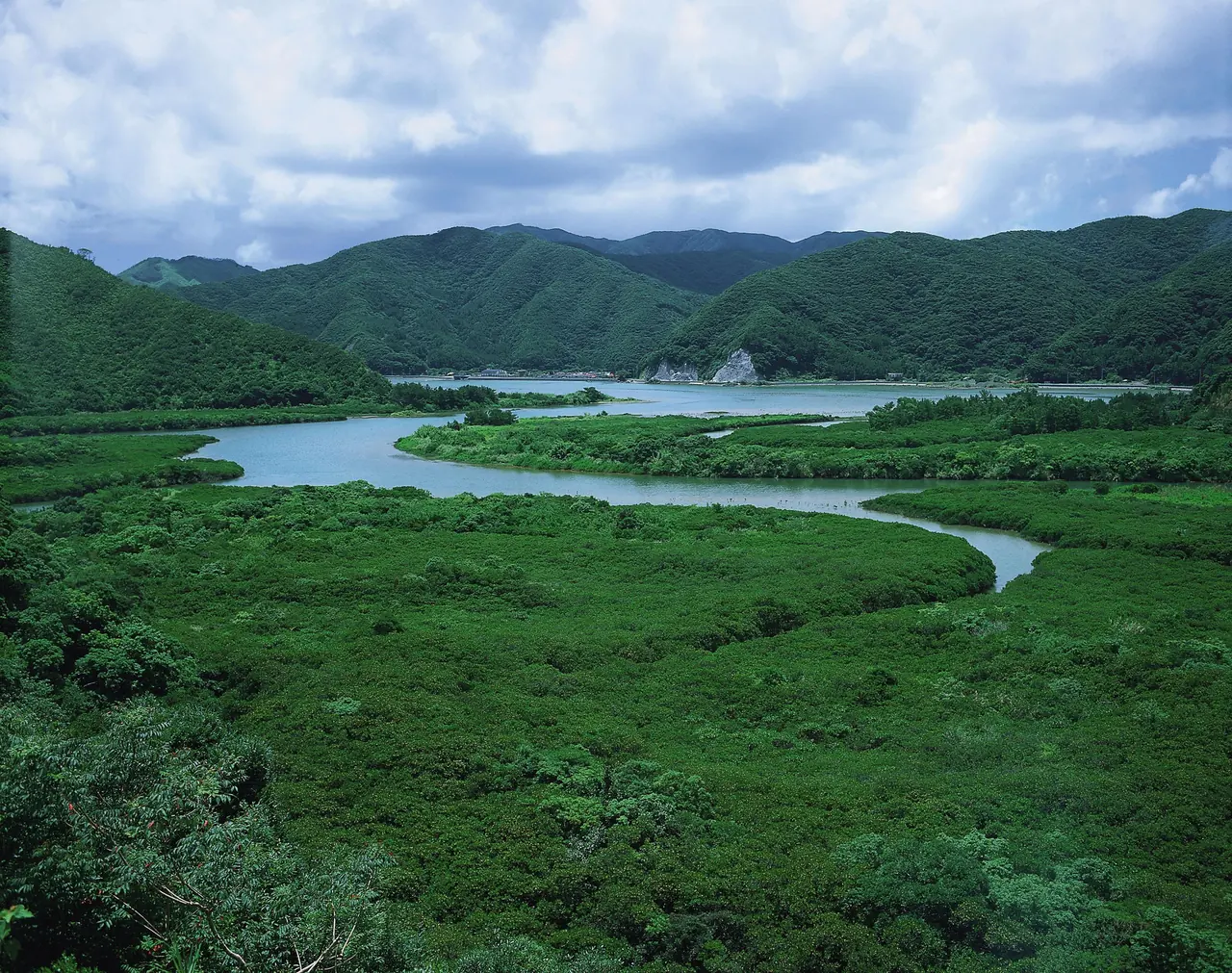
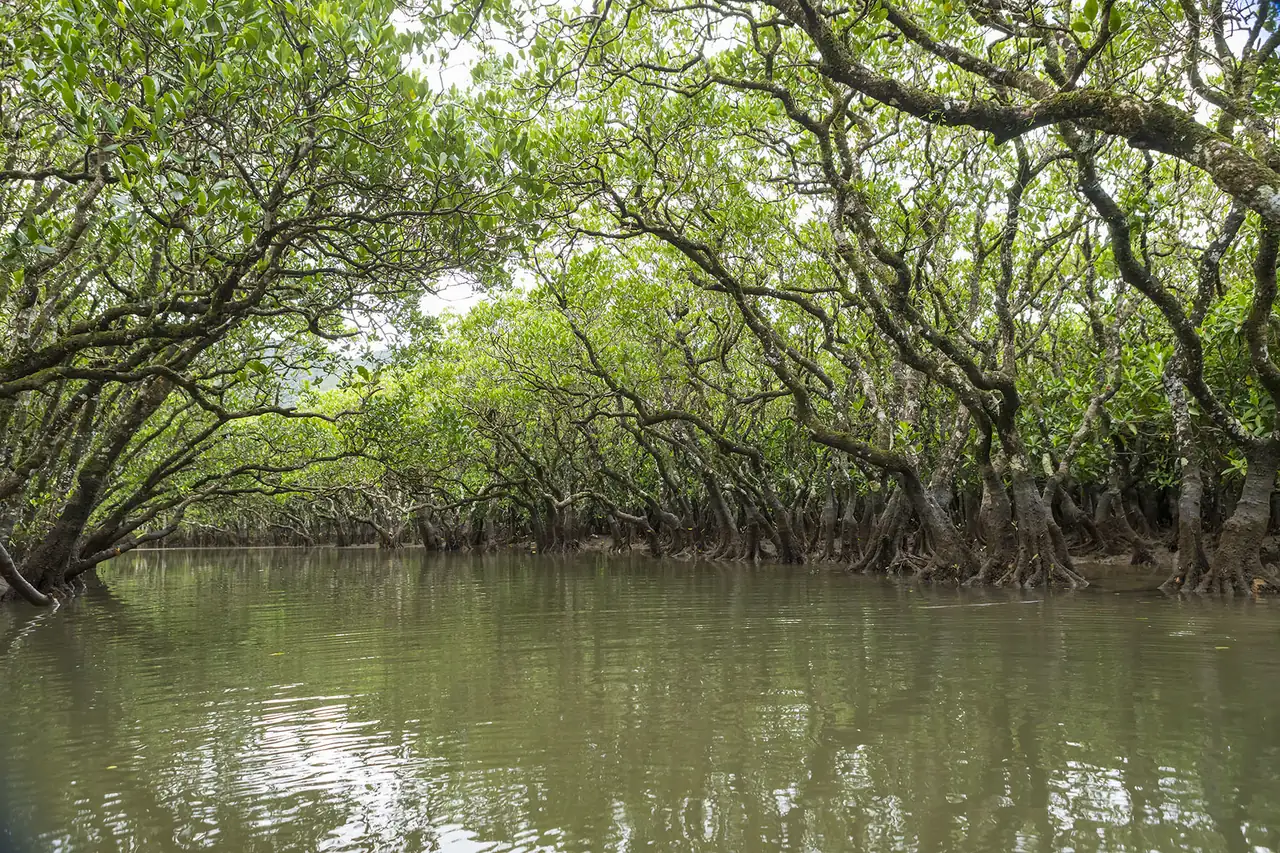
In the middle of Amami Oshima, where the Sumiyo and Yakugachi rivers meet and flow into the sea, more than 70 hectares of virgin mangrove forest cover the river mouth. When the tide comes in, water floods deep into the forest and you can paddle a canoe beneath the branches of the two local species, Kandelia and Bruguiera. The base for exploring is Kuroshio no Mori Mangrove Park, which doubles as a roadside station and offers canoe rental and guided tours. The whole estuary is a special protection zone of a national park, and taking plants or animals is prohibited.
This text was translated automatically and may contain errors.
A green forest filling the estuary
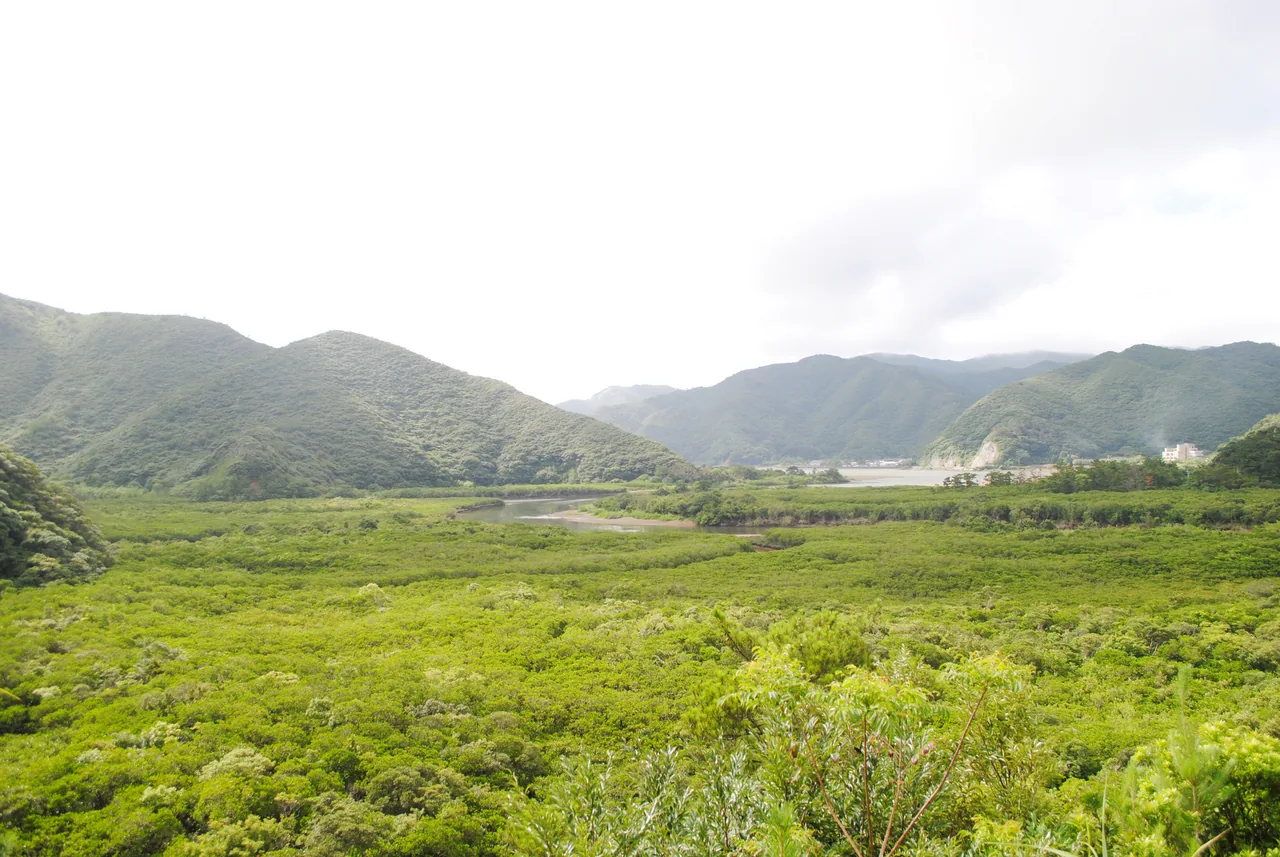
Mangroves are trees that grow where seawater and river water mix. At Sumiyo, the wide estuary where two rivers join is covered with them, and from higher ground you can see channels winding through a green carpet toward the sea. Amami Oshima was added to the World Natural Heritage list in 2021, and this estuary is one of the most strictly protected areas of Amami Gunto National Park.
Into the forest by canoe
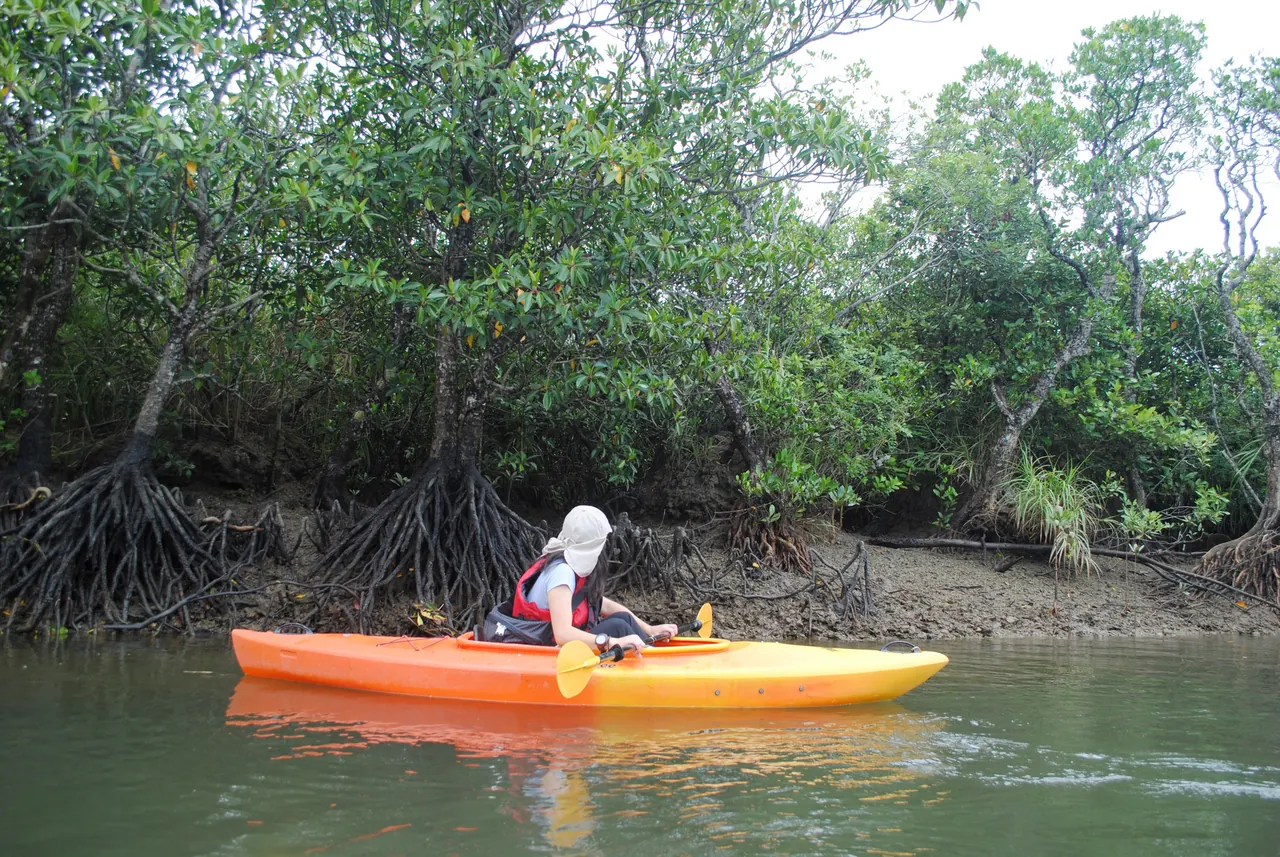
Motorboats are not allowed in the channels. To go in by canoe, join a guided tour such as the ones run by Mangrove Park. Tours last about an hour. Booked guests get priority, so reserve once your dates are fixed. At low tide the water drains away to reveal mudflats among the roots, the best time to spot crabs and other tidal-flat creatures.
A tunnel that appears at high tide
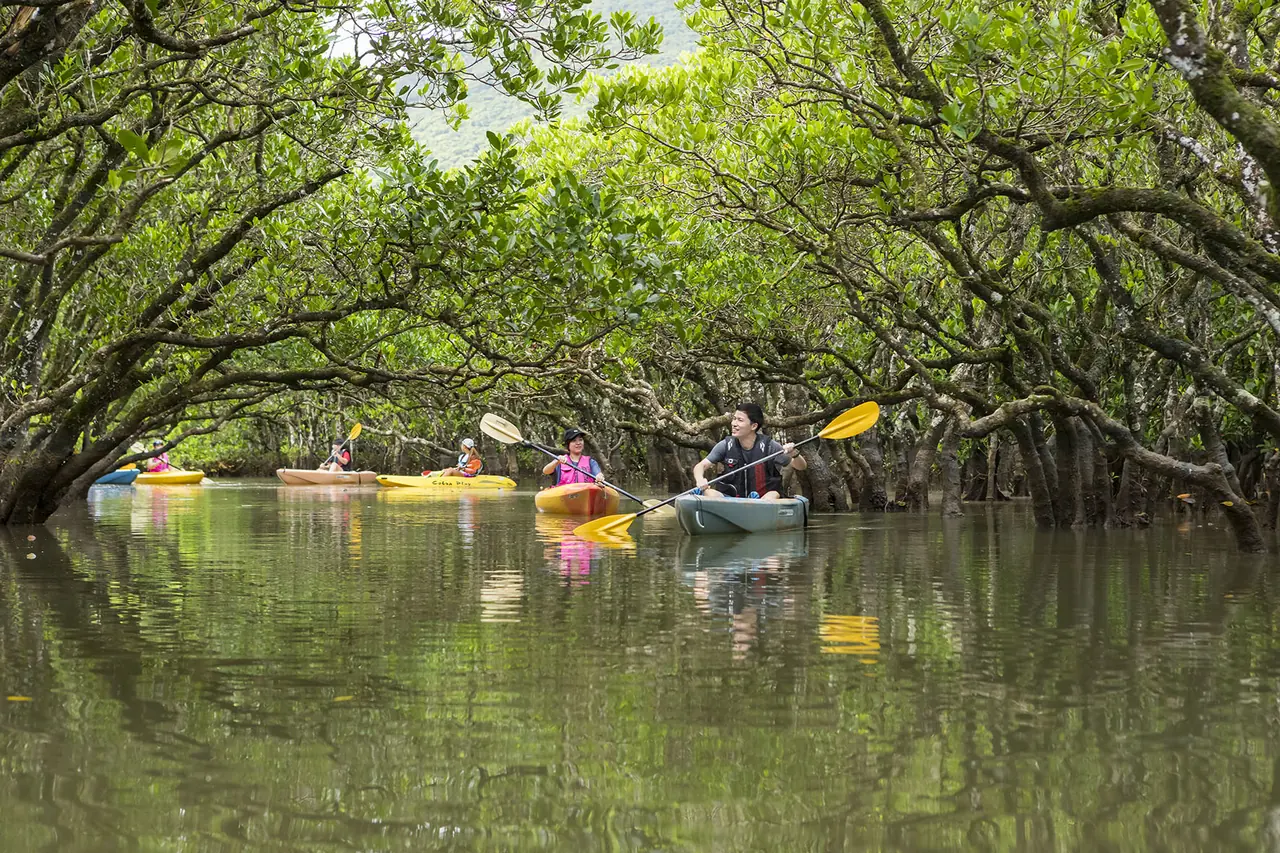
As the tide rises, branches reaching out from both banks meet overhead, and you can paddle through a "mangrove tunnel." On spring tides the water level can change by about two meters, so the same spot looks completely different depending on the hour. Tour start times and routes shift with the tide; check them when you book.
Weather and what to wear
Canoeing may be cancelled after typhoons or heavy rain. Typhoons are most likely from summer into autumn, so look at the notices on the official website before you go. You will get splashed in the canoe, and routes that land on the mudflats will leave your feet muddy. Wear clothes that can get wet and bring sandals that stay on, along with a change of footwear.
- Access
- About 70 minutes by car from Amami Airport and about 20 minutes from central Naze, according to Mangrove Park. By Shima Bus, take a bus bound for Koniya and get off at Mangrove Park-mae.
Nearby
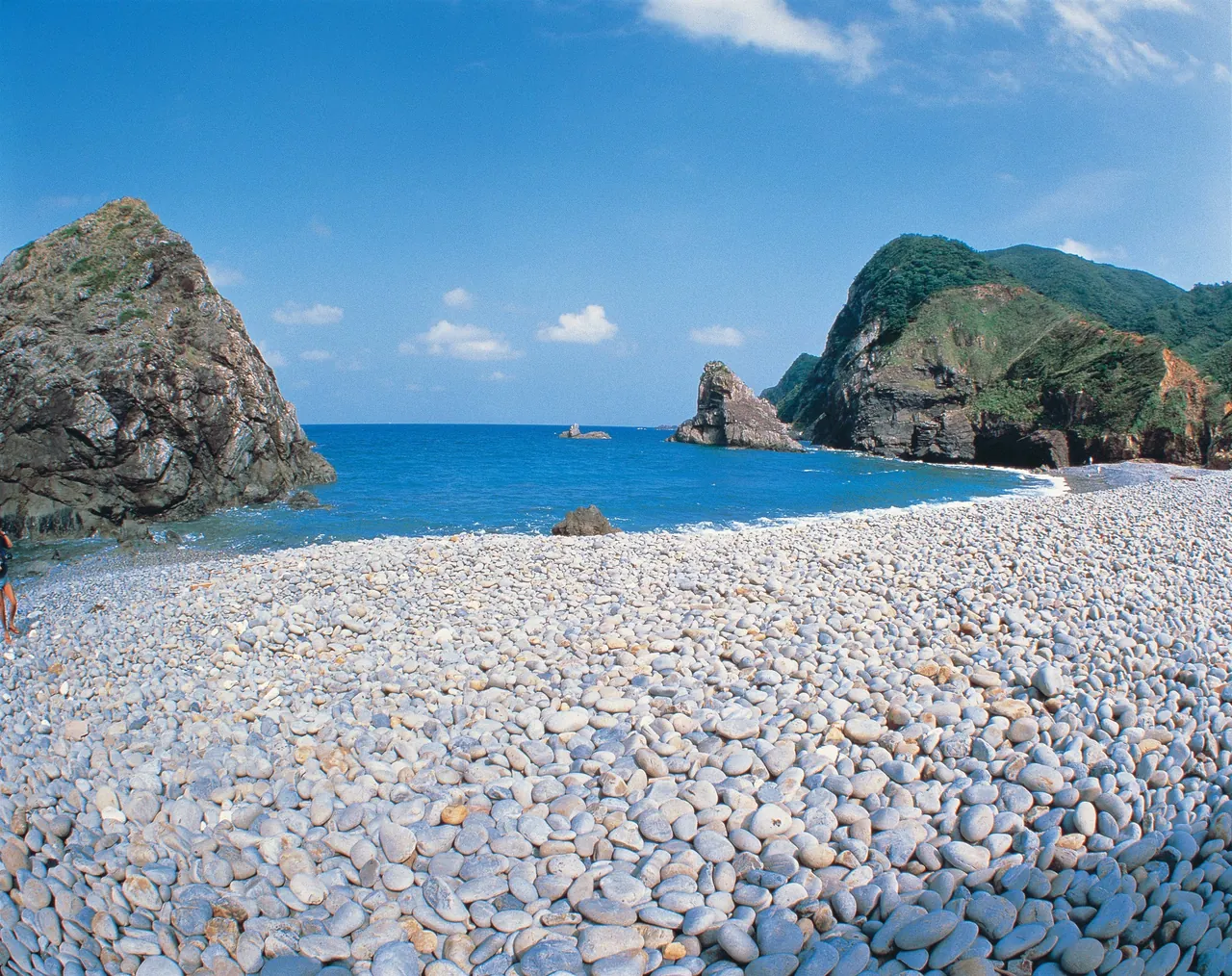
Honohoshi Coast (Amami Oshima)
- Photo coming soon
Shodon Shibaya
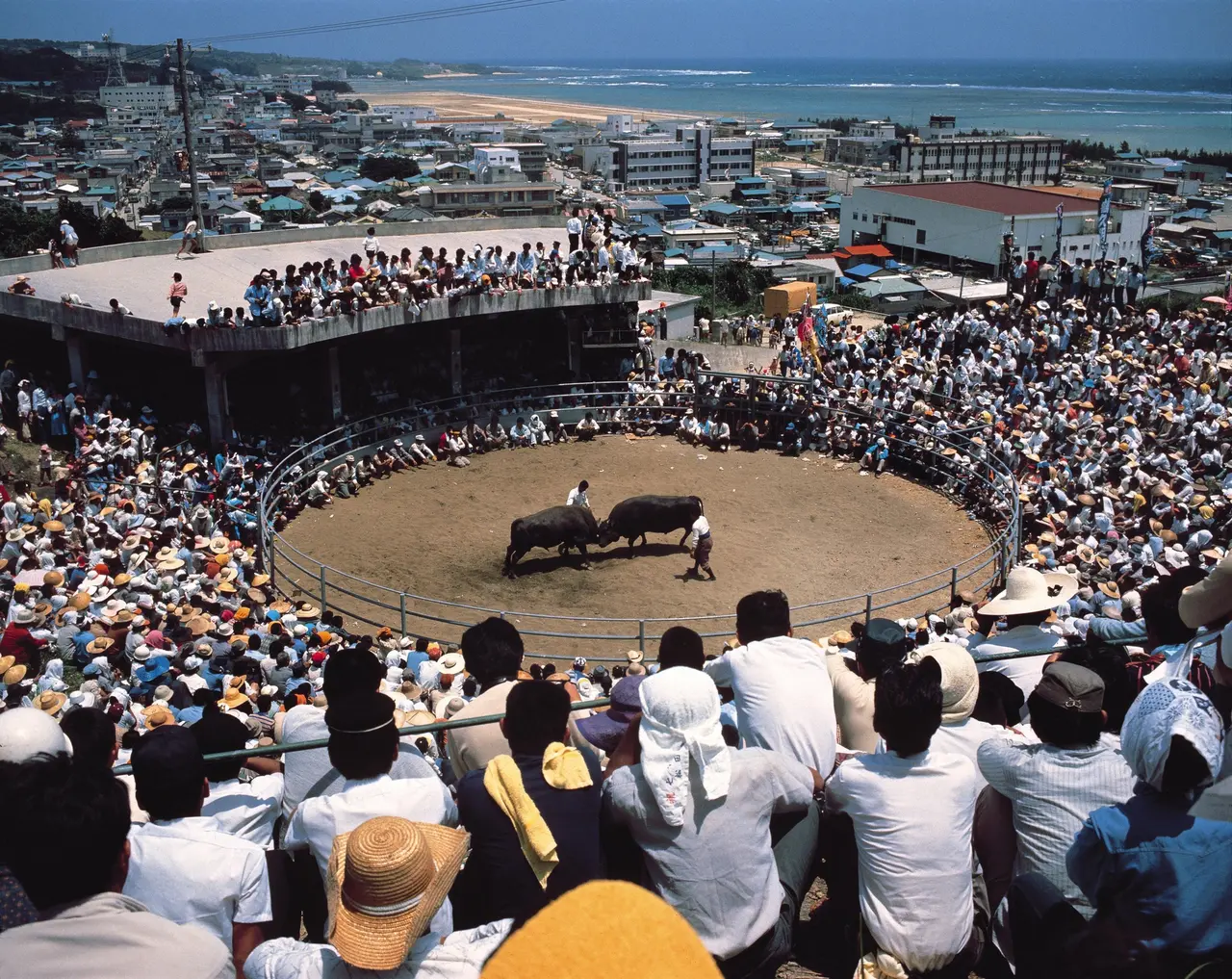
Tokunoshima Bullfighting