Mt. Daisen
About
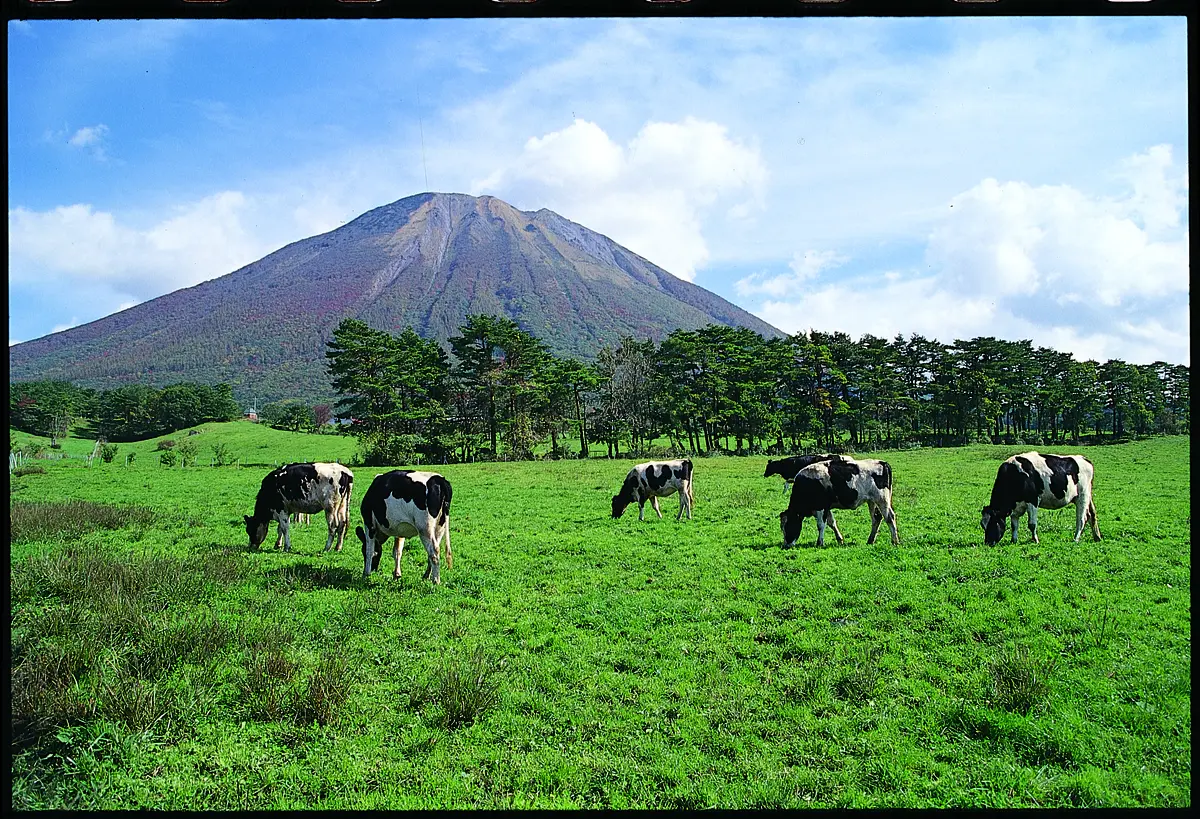
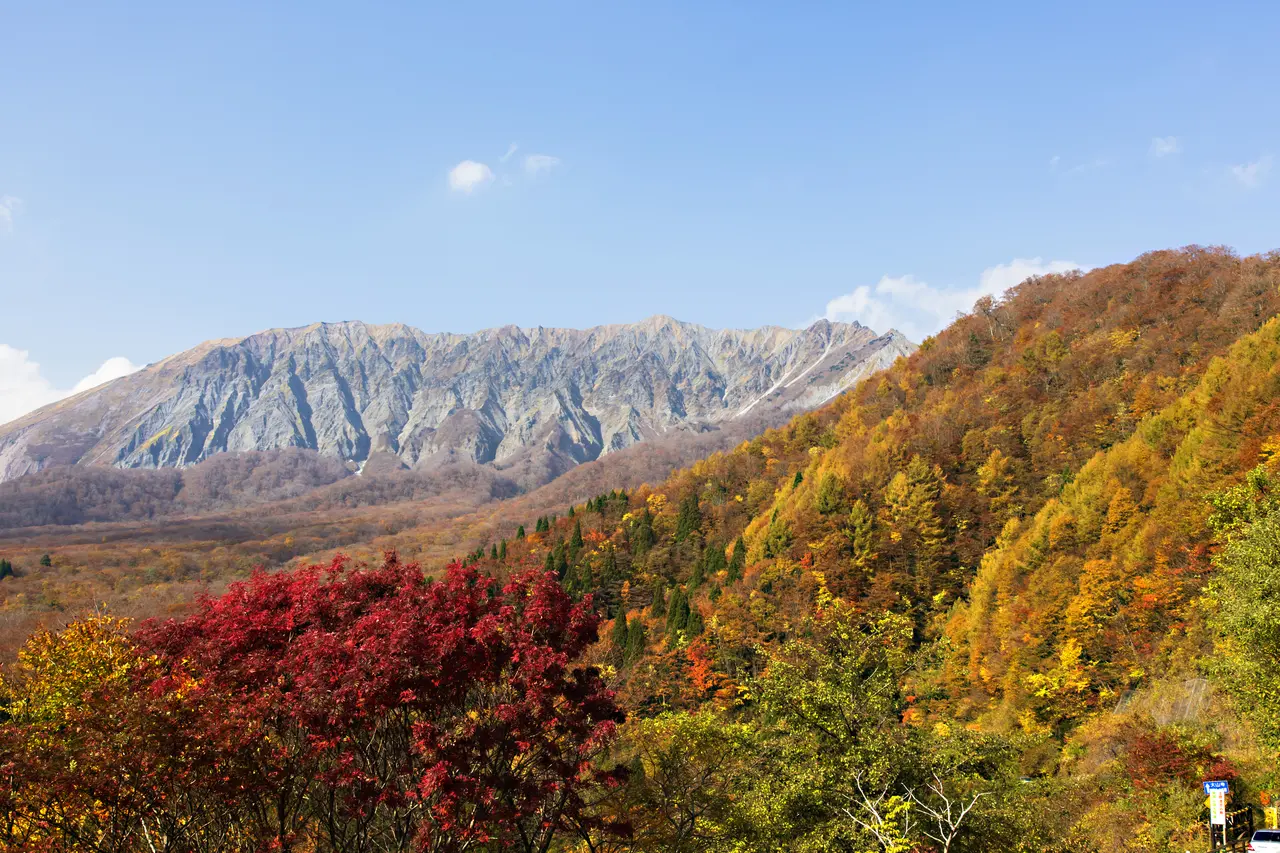
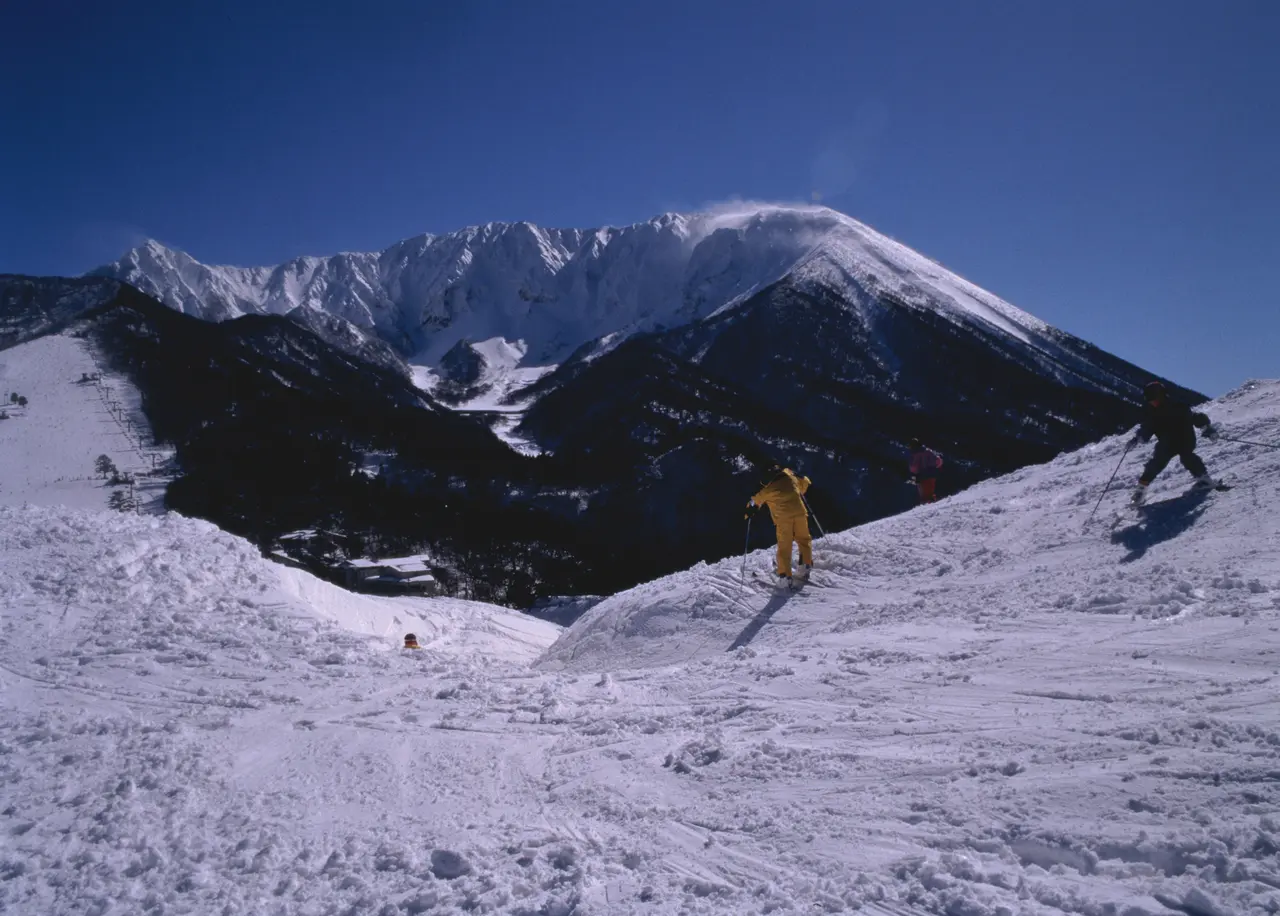
The highest peak in the Chugoku region rises in western Tottori and is part of Daisen-Oki National Park. Partway up its north side stand Daisenji Temple and the Okunomiya shrine of Ogamiyama Jinja, linked by an approach that runs from a street of inns and shops to a stone path under tall cedars. In autumn, Kagikake Pass on the south side looks up at the bare rock of the South Face above beech forest in full color, usually from late October to mid-November. In winter the whole mountain turns white and ski slopes open on the north side.
This text was translated automatically and may contain errors.
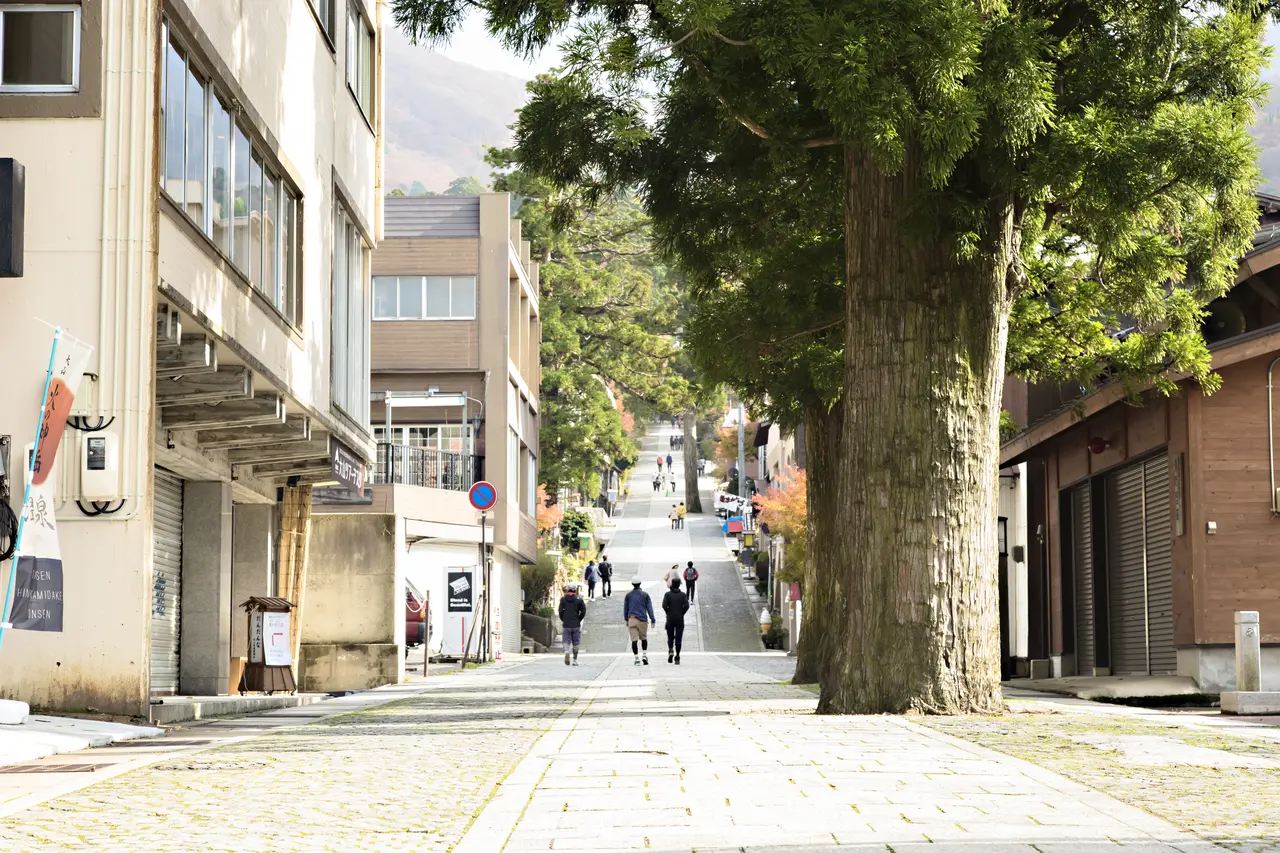
The approach to Daisenji Temple
From the Daisenji bus stop, a stone-paved approach climbs gently toward the mountain. Inns and souvenir shops line both sides before the street enters a cedar grove. Daisenji belongs to the Tendai school of Buddhism; temple tradition dates its founding to 718, in the Nara period, and it was long the center of worship on Daisen. The temple lost its name in the early Meiji era and later had it restored.
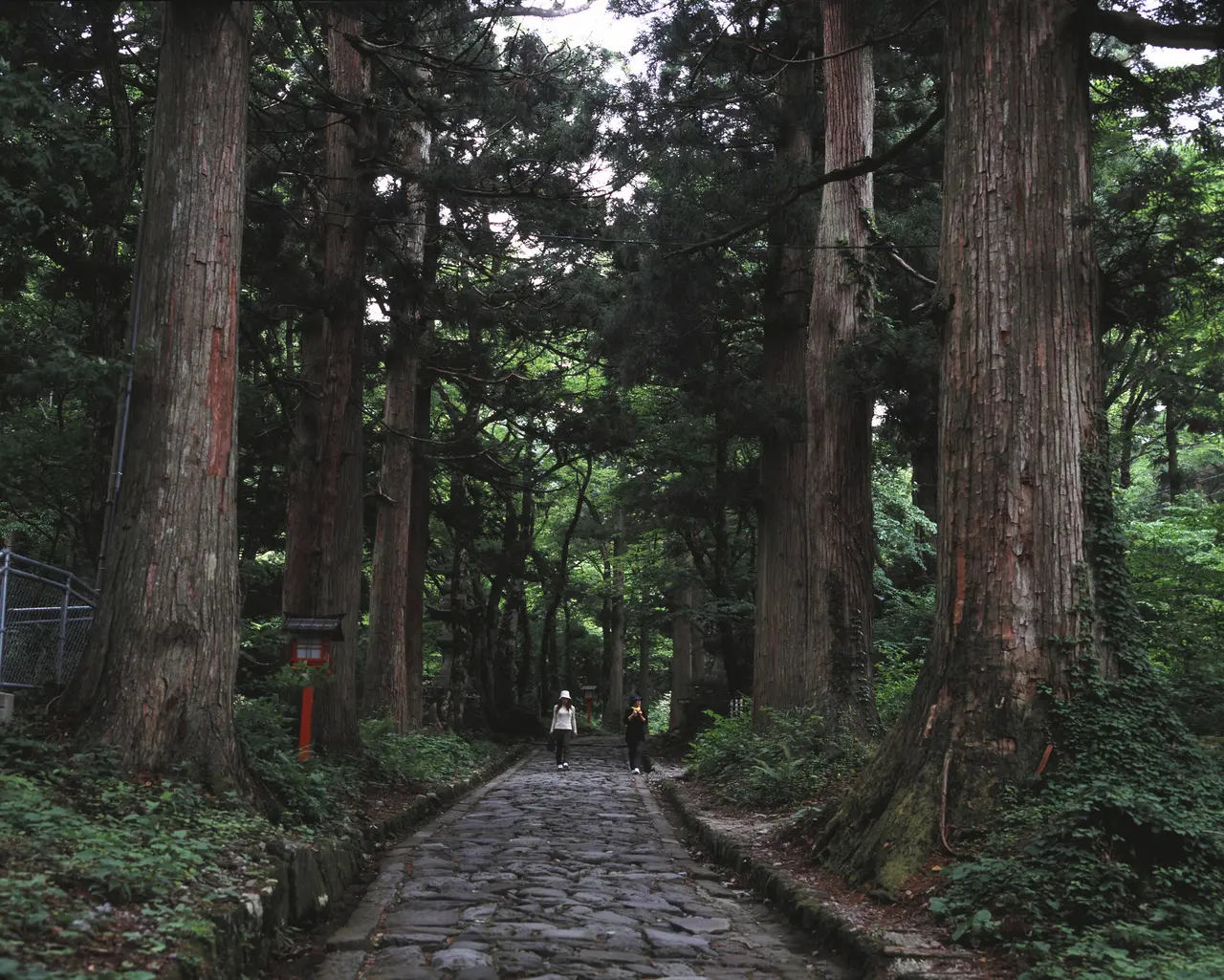
Stone path under the cedars
From Daisenji to the Okunomiya of Ogamiyama Jinja runs a path of natural stones about 700 meters long. Huge cedars stand on both sides, keeping it shady even in summer. The stones vary in size and height, so wear shoes you can walk in comfortably. The Okunomiya's shrine buildings are an Important Cultural Property.
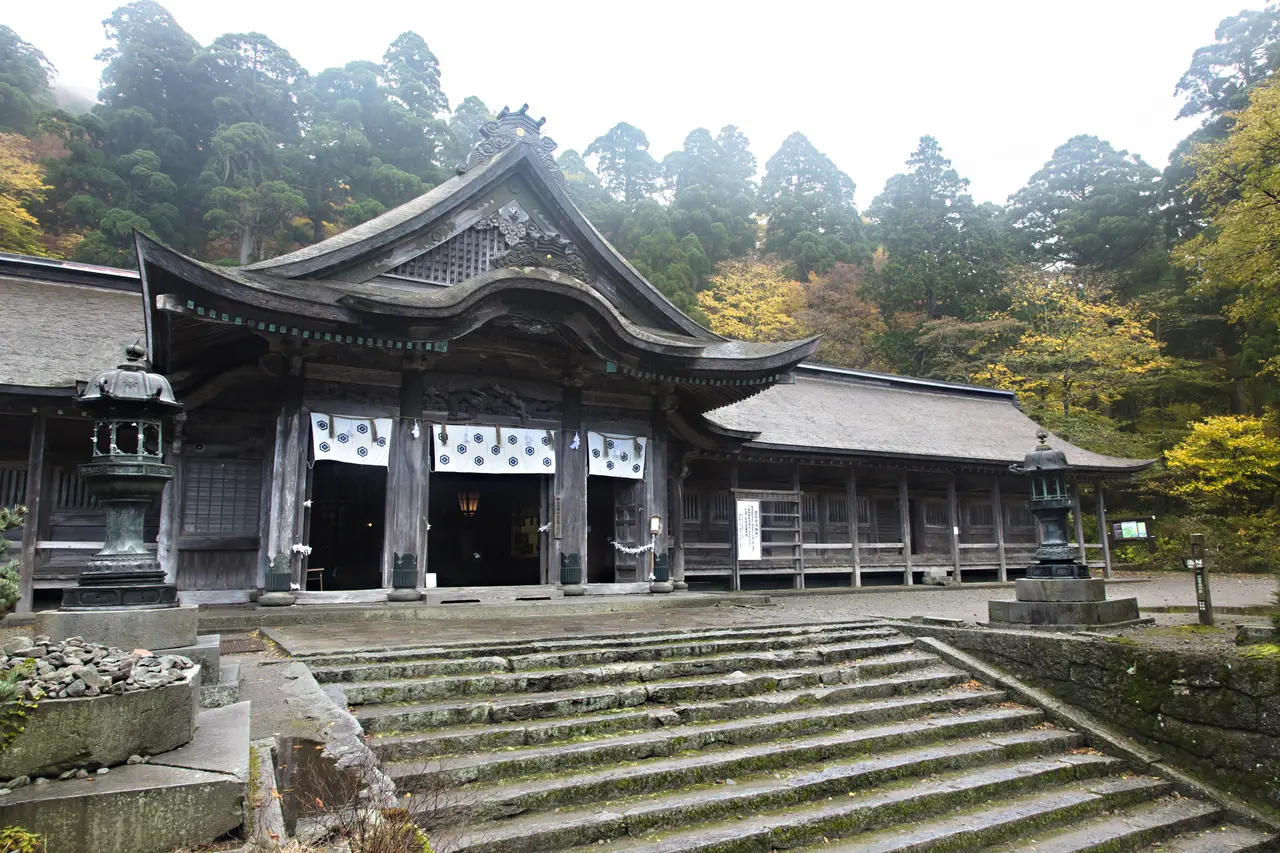
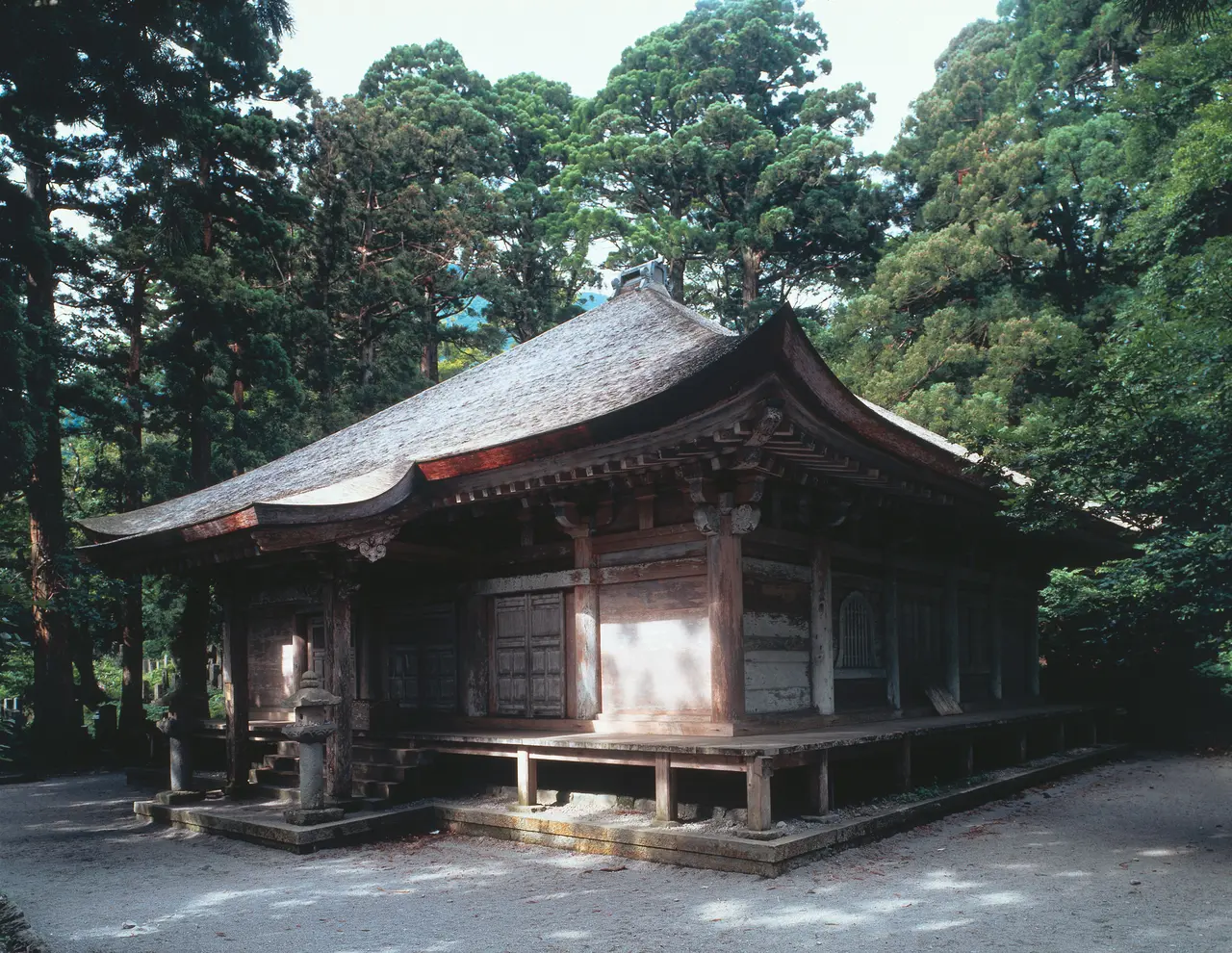
Amida Hall
Standing in the forest, the Amida Hall dates from 1552, according to an inscribed plaque, and is the oldest surviving building in Daisen Town. It has a large, gracefully curved roof, and both the hall and its Amida triad statues are designated Important Cultural Properties. The interior opens only on certain days, so check with Daisenji before you go.
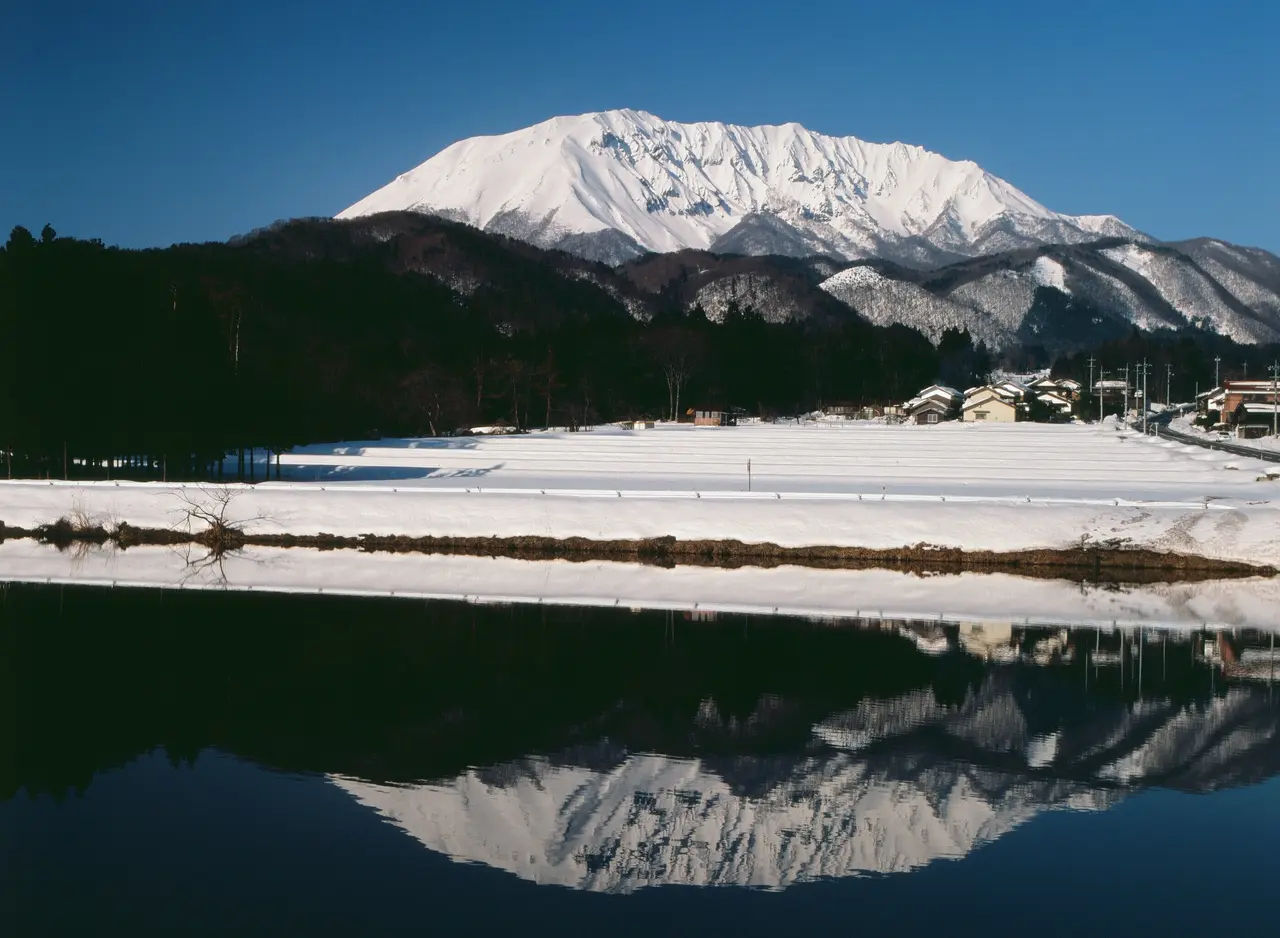
Daisen in snow
In winter Daisen turns white from the summit down to its middle slopes. On calm, clear days the snowy peak is sometimes reflected in water at its foot. Climbing to the summit in the snow season is only for those with winter mountaineering gear and experience.
Ski slopes and the summer trail
In winter the Daisen White Resort ski area opens on the north slopes near Daisenji. Once the snow melts, hikers take the Natsuyama (summer) trail from the Daisenji area to Misen, the summit. According to the Ministry of the Environment, the round trip takes about six hours, with boardwalks above the eighth station. One descent route passes through Gyojadani and returns to Daisenji via the Okunomiya and its stone path. Work on the boardwalks and other facilities near the summit can change which routes are open, so check the latest information from Tottori Prefecture and the Ministry of the Environment before you climb.
- Access
- From JR Yonago Station, take a Nihon Kotsu bus bound for Daisenji (about 50 minutes) to the last stop, Daisenji. The temple approach starts right by the stop. Kagikake Pass is on the opposite (south) side of the mountain from Daisenji.