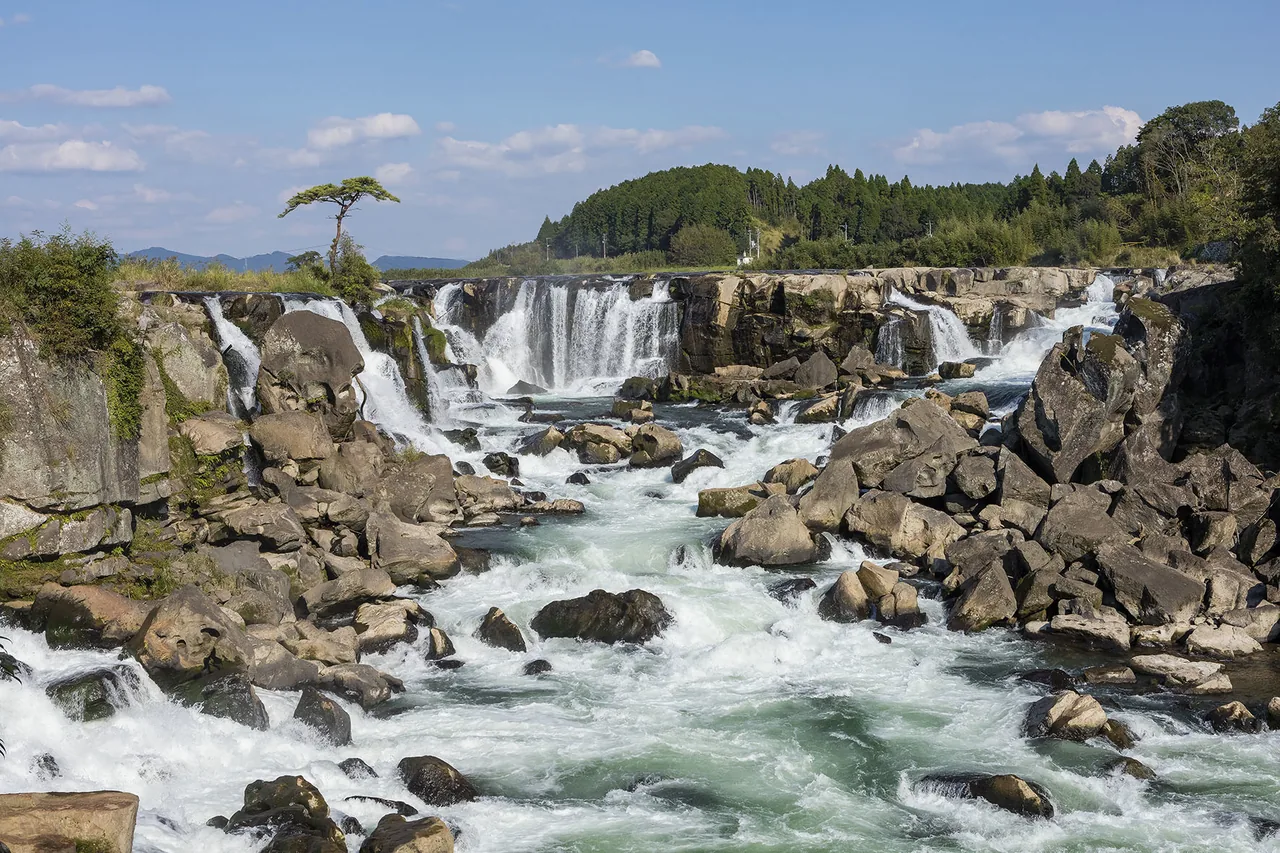
Izumi-Fumoto Samurai Residences
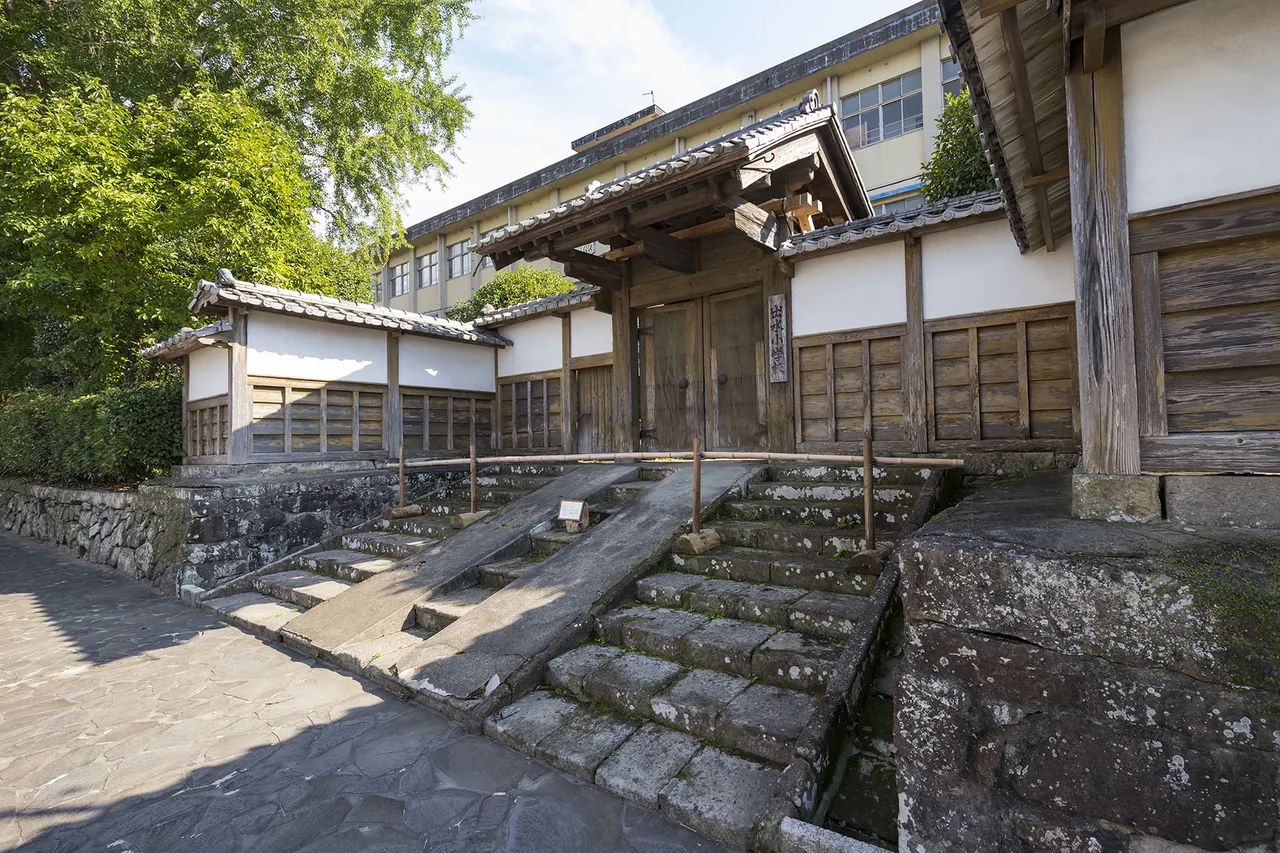
About
In the Edo period, the Satsuma domain set up samurai settlements called fumoto across its territory as defensive bases. The one at Izumi, near the border with Higo (today's Kumamoto Prefecture), is said to have been the largest, and houses enclosed by stone walls and hedges still stand along its grid of streets. It was selected as a national Important Preservation District for Groups of Traditional Buildings in 1995, and two residences, the Takezoe and Saisho houses, are open to visitors. The Izumi-Fumoto History Museum introduces the town's past.
This text was translated automatically and may contain errors.
Streets of stone walls and hedges
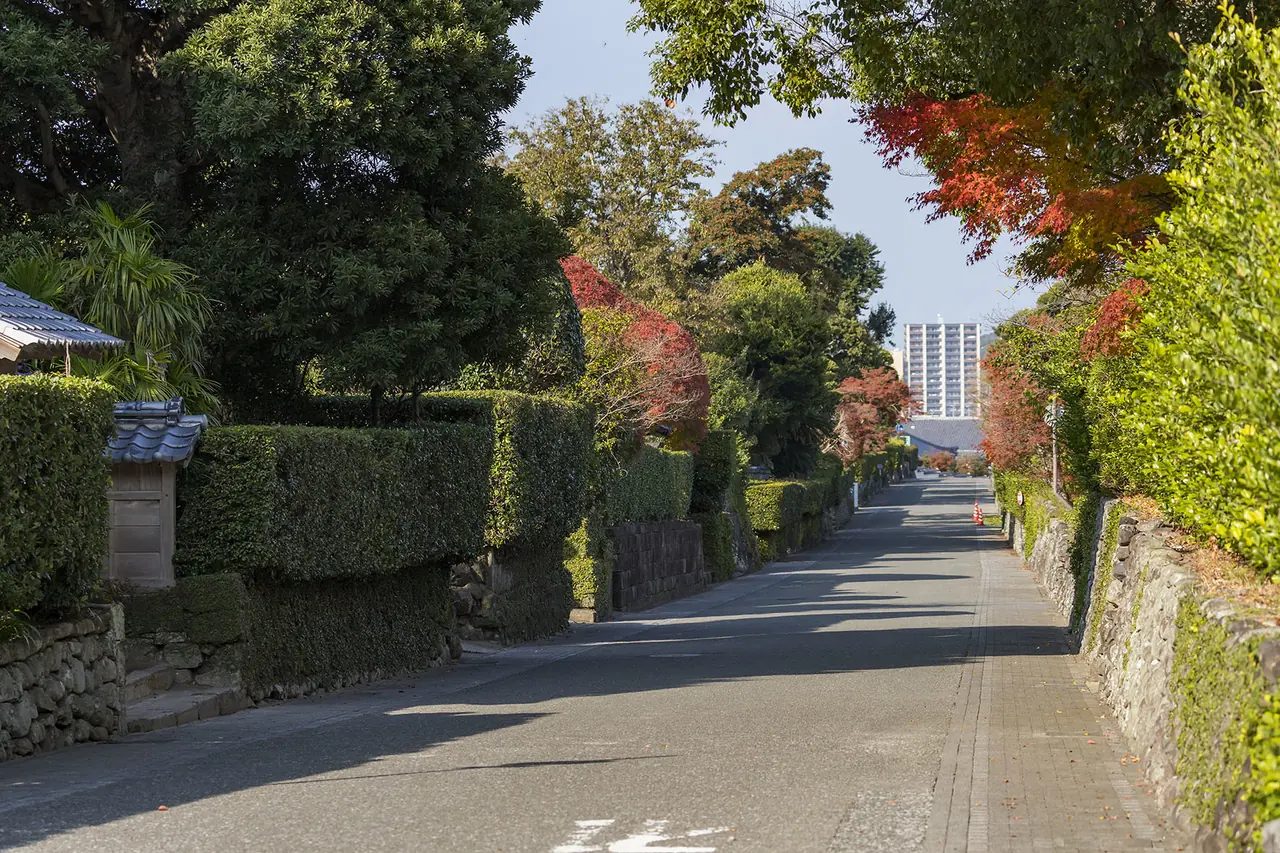
Most houses stand on plots a step above the road, with clipped hedges on top of stone walls. Four east-west and five north-south streets cross in a grid, and the orderly plots show that this was a planned samurai town. Many houses are still lived in, so stay outside the gates and enjoy them from the street.
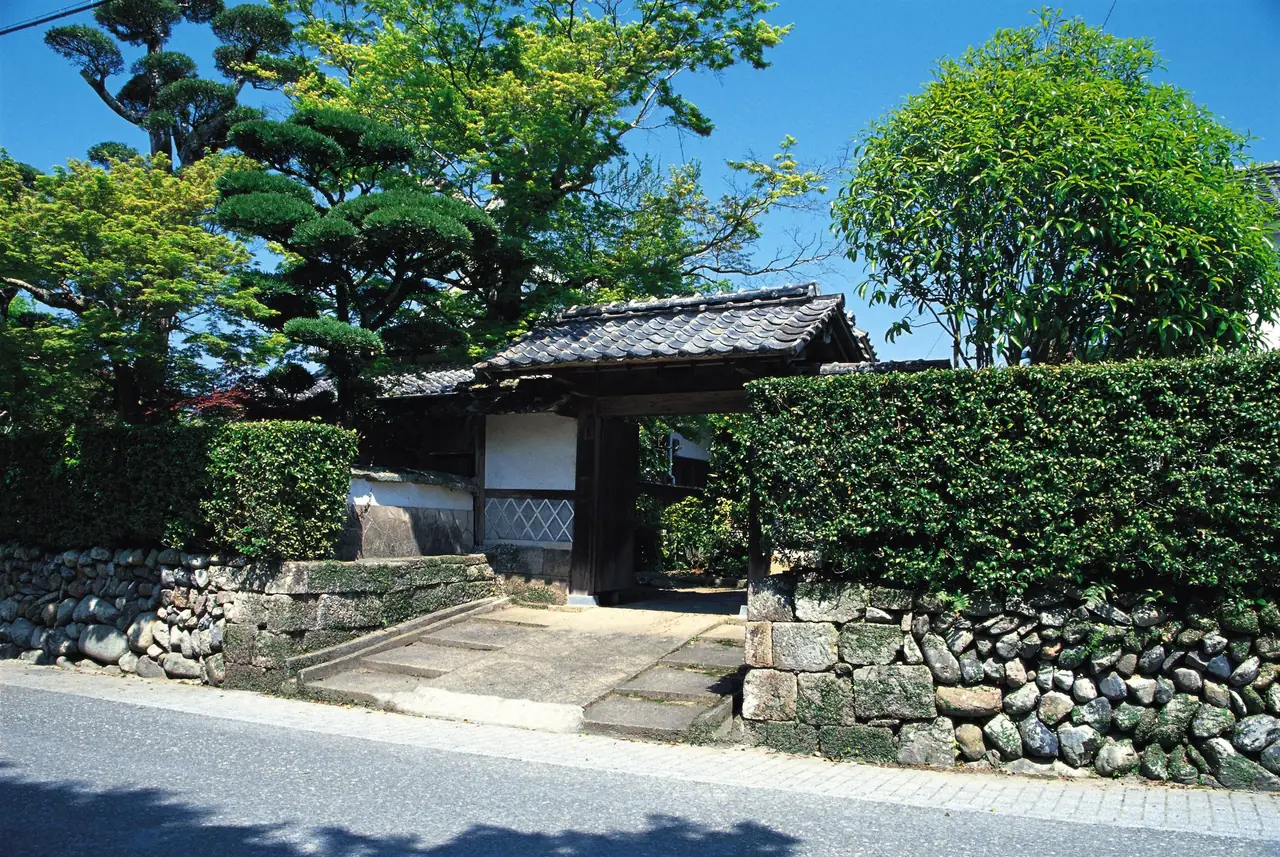
The houses open to visitors
At the Takezoe and Saisho residences you can see the reception rooms and gardens up close, along with features of samurai life. The Saisho residence still has a space where its family practiced archery on rainy days, as well as a hidden room.
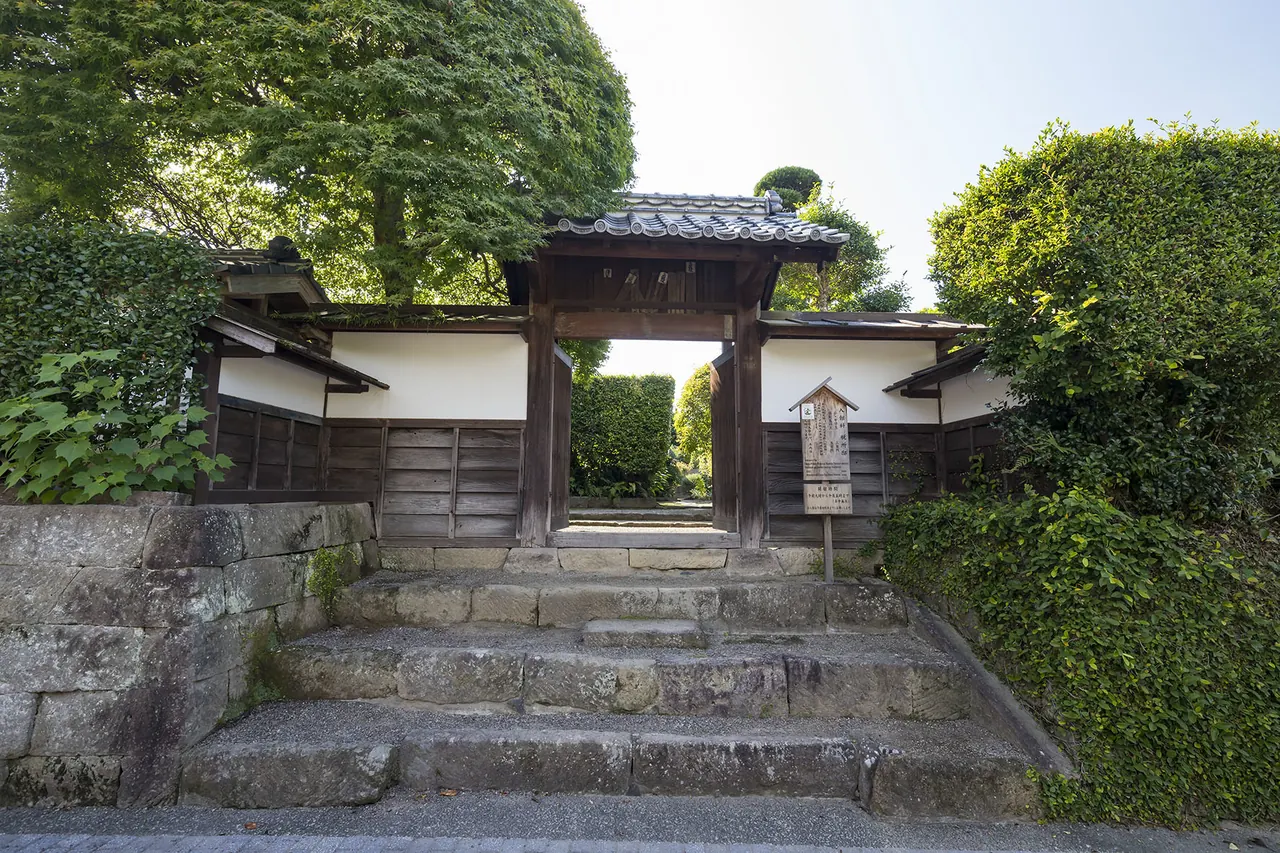
Fumoto in autumn
In autumn the maples between the hedges turn, adding red and yellow to the straight streets. This is also when the cranes arrive, so you can plan a day that combines the samurai district with the Izumi crane wintering grounds.
- Access
- About 5 minutes by car from Izumi Station on the Kyushu Shinkansen. If you plan to go inside the houses, buy the combined ticket for the Takezoe and Saisho residences at the Izumi-Fumoto History Museum and visit them together.