Kakunodate Samurai District
About
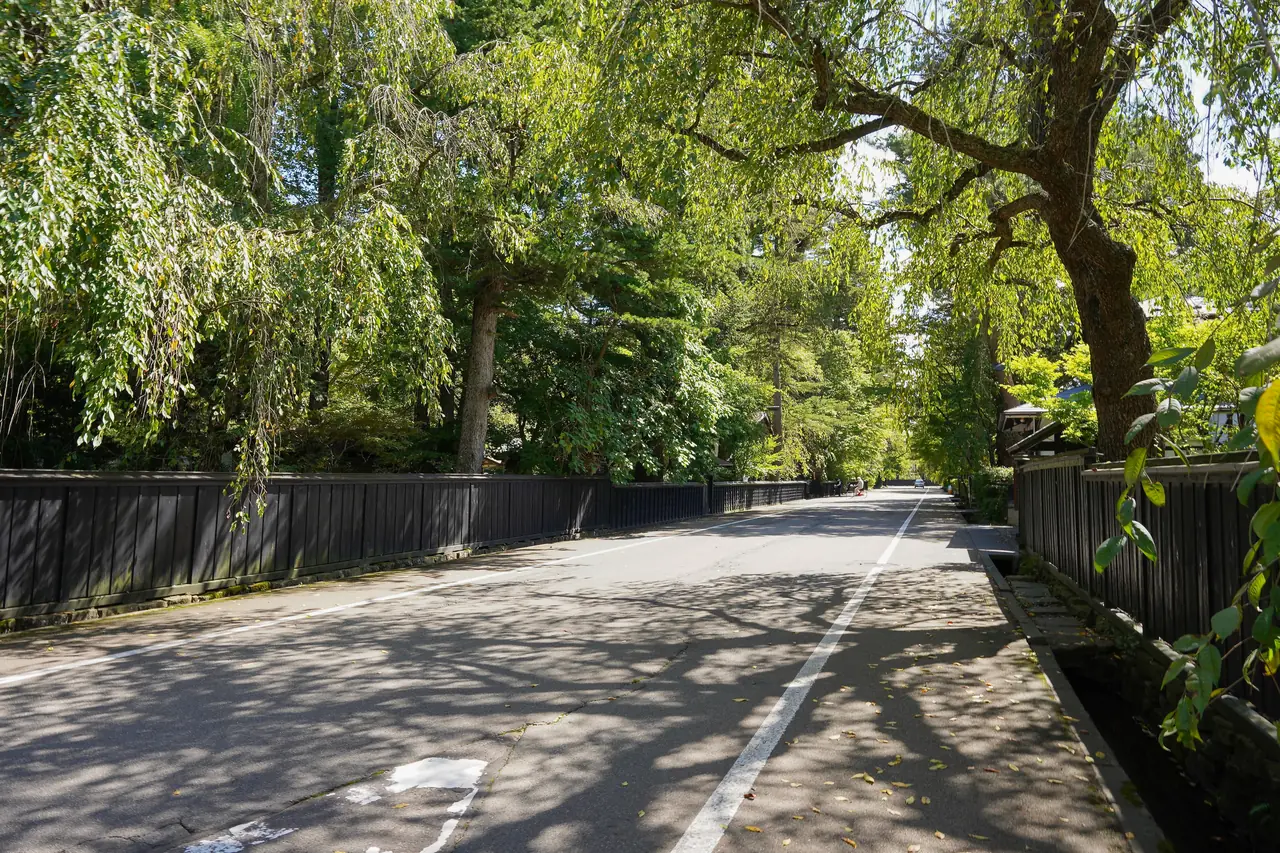
This street runs through Uchimachi, the quarter where samurai lived in Kakunodate, a castle town laid out by the Ashina clan around 1620 and later ruled by the Satake-Kita family. Black wooden fences and large trees line both sides of the wide road, and the area was designated a national Important Preservation District for Groups of Traditional Buildings in 1976. Several samurai residences, including the Ishiguro and Aoyagi houses, are open to the public, so you can step inside. The street is busiest during the weeping cherry season in spring and the autumn foliage season.
This text was translated automatically and may contain errors.
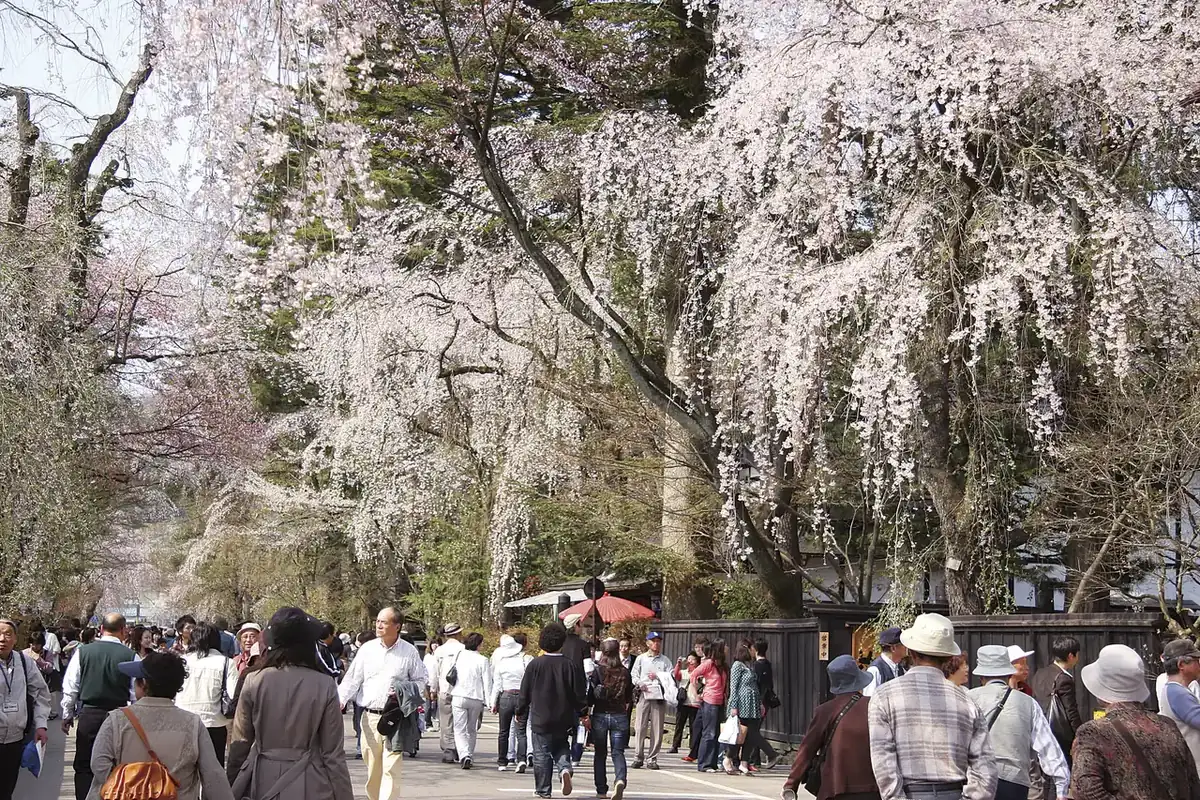
Weeping cherries over the street in spring
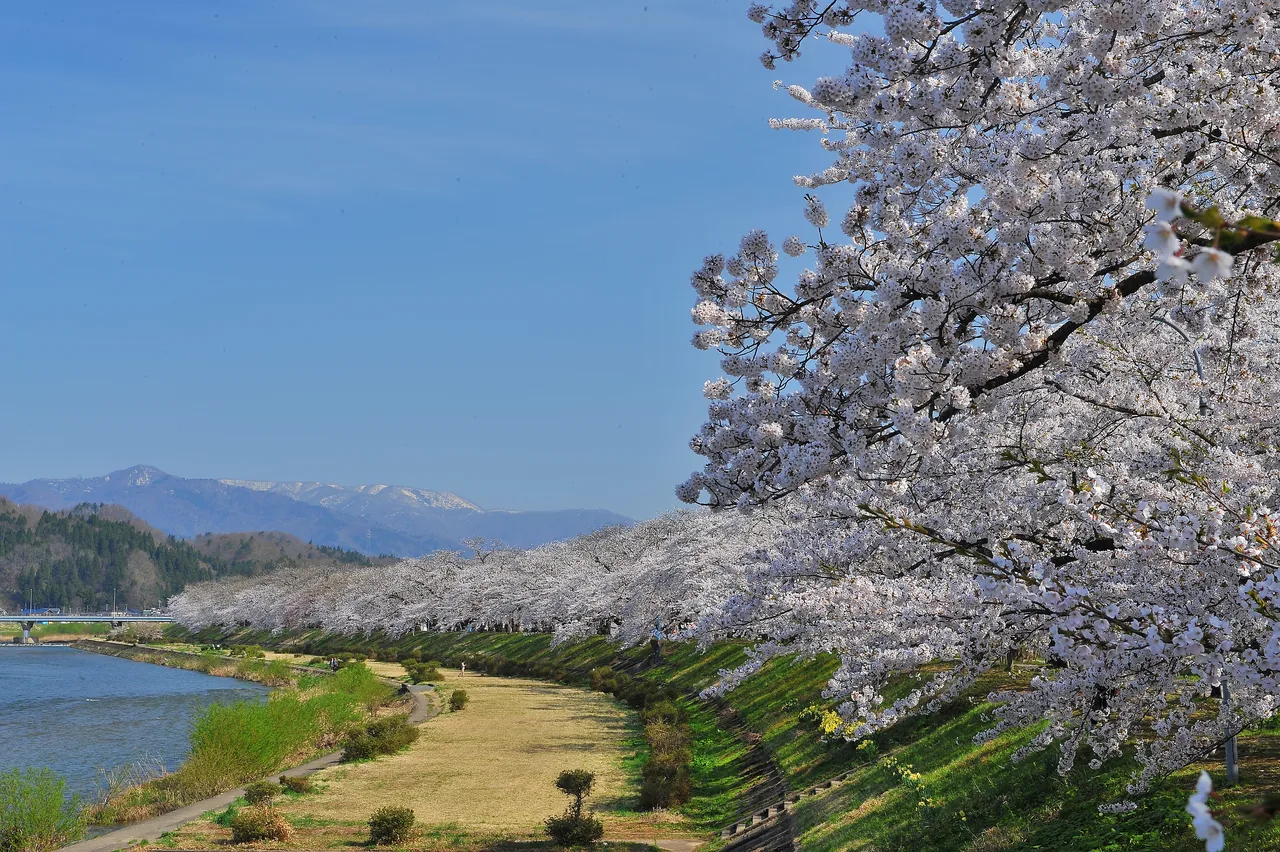
The weeping cherry trees that hang from the samurai gardens over the street are designated a national Natural Monument as the Weeping Cherry Trees of Kakunodate. Pale blossoms against black fences are a sight unique to this town, and in bloom the street fills with people. On busy days, walking it early in the morning makes photos much easier.
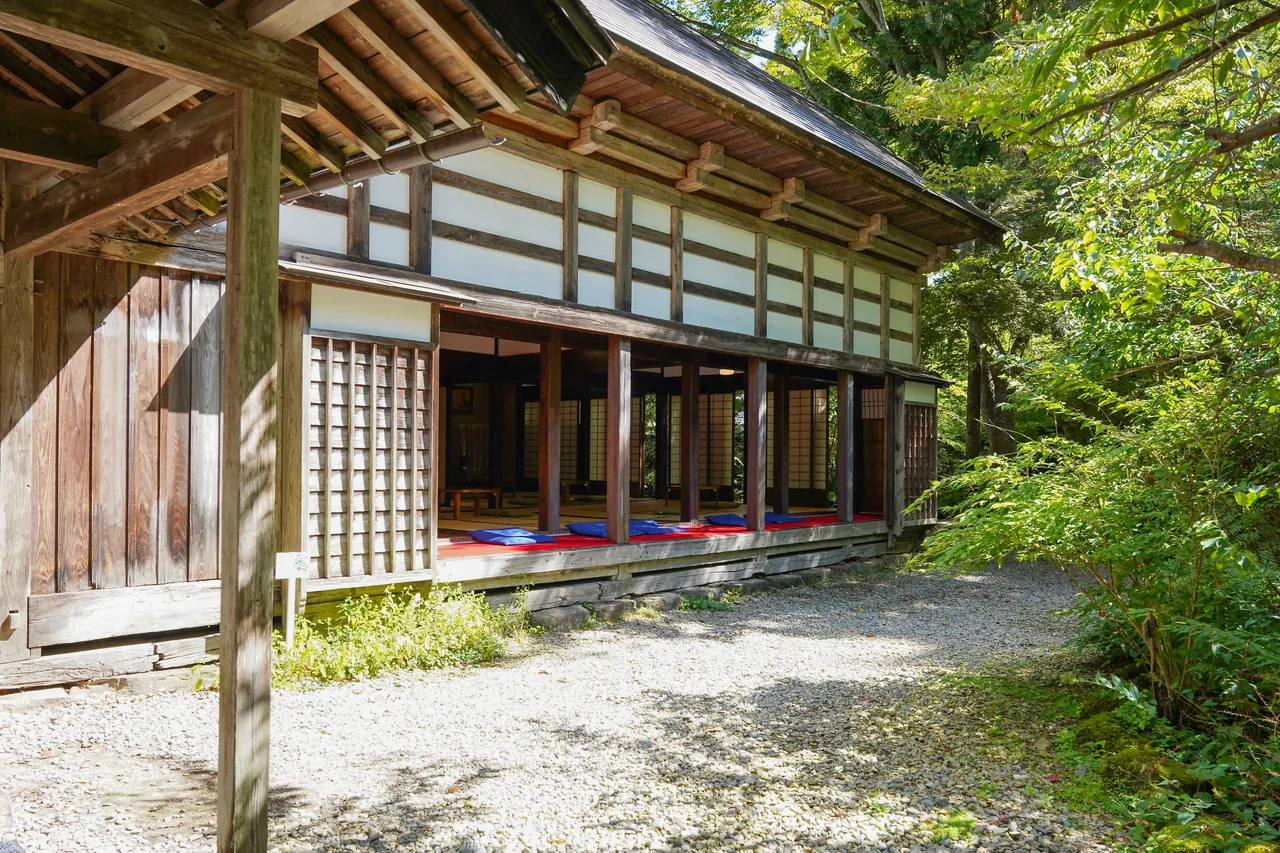
Inside the Aoyagi and Ishiguro houses
Among the houses open to visitors, the Ishiguro house belonged to a family who served as stewards to the Satake-Kita lords, and it is said to be the oldest surviving samurai residence in Kakunodate. The Aoyagi house belonged to a family of samurai who served the Ashina clan, and it is now run as a museum showing the house and its collections. Looking into the tatami rooms from the veranda gives a good sense of the space and structure of a samurai home.
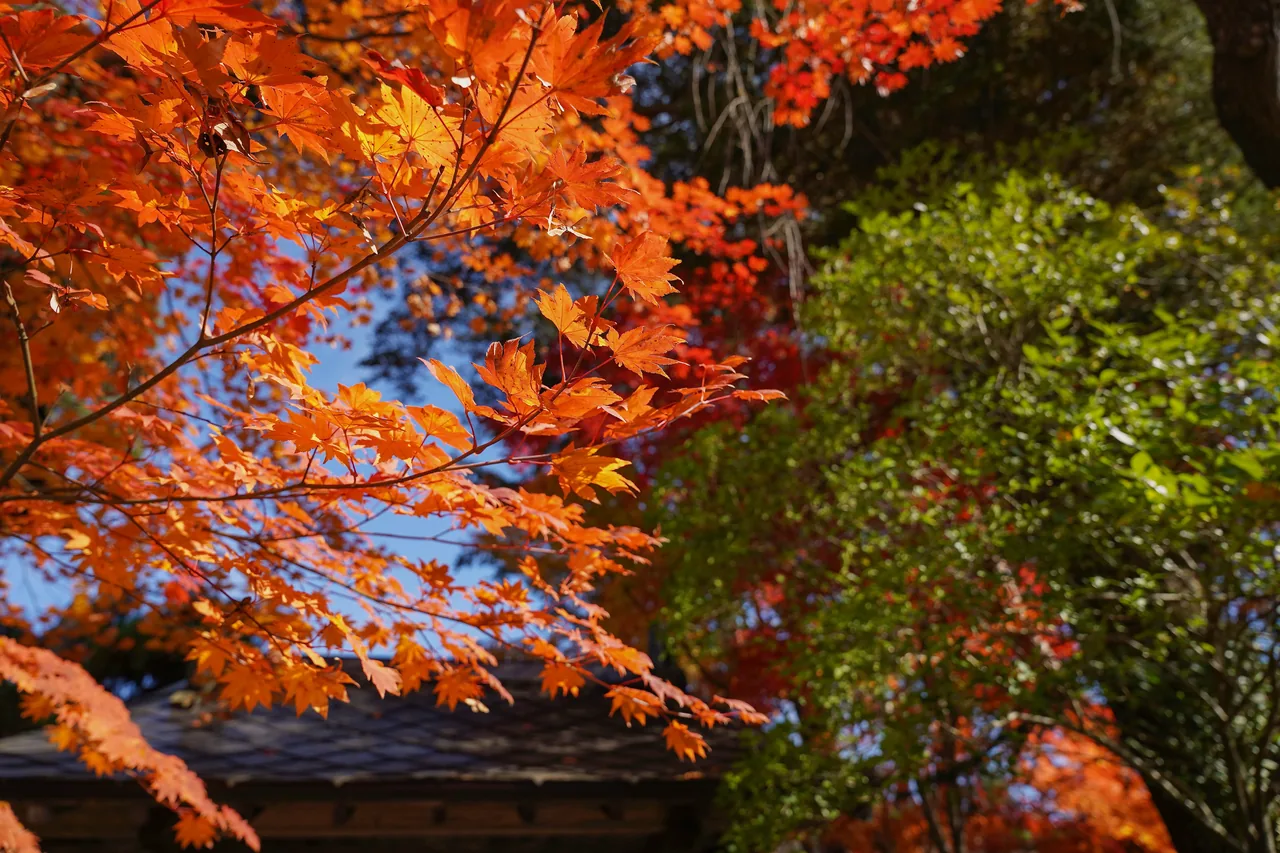
Autumn color and deep summer green
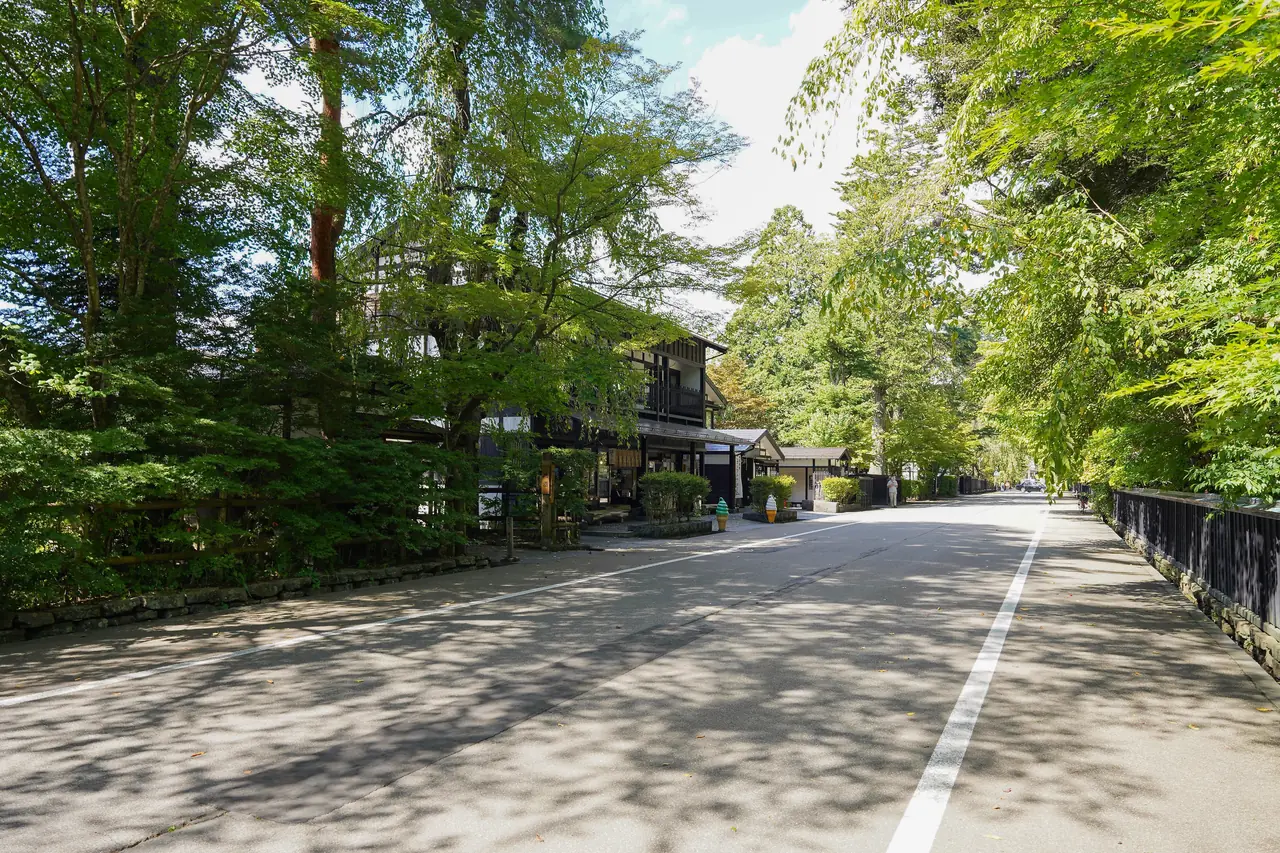
The great trees along the street change a lot with the seasons. In autumn the maples turn, layering red and orange leaves over the roofs and fences. In summer the shade runs almost the whole way, so the street is pleasant to walk even on a hot, sunny day.
Walking with breaks between the houses
Shops set in buildings that keep the look of a samurai residence let you take a break between visits. South of Uchimachi lies Tomachi, where merchants and townspeople lived, once separated from the samurai quarter by an earthen firebreak. Continuing into Tomachi after the samurai street shows how differently the two halves of the town were built. Check Semboku City's tourism information for the opening hours and admission of each house.
- Access
- About a 20-minute walk from JR Kakunodate Station.