Kasuisai Temple
About
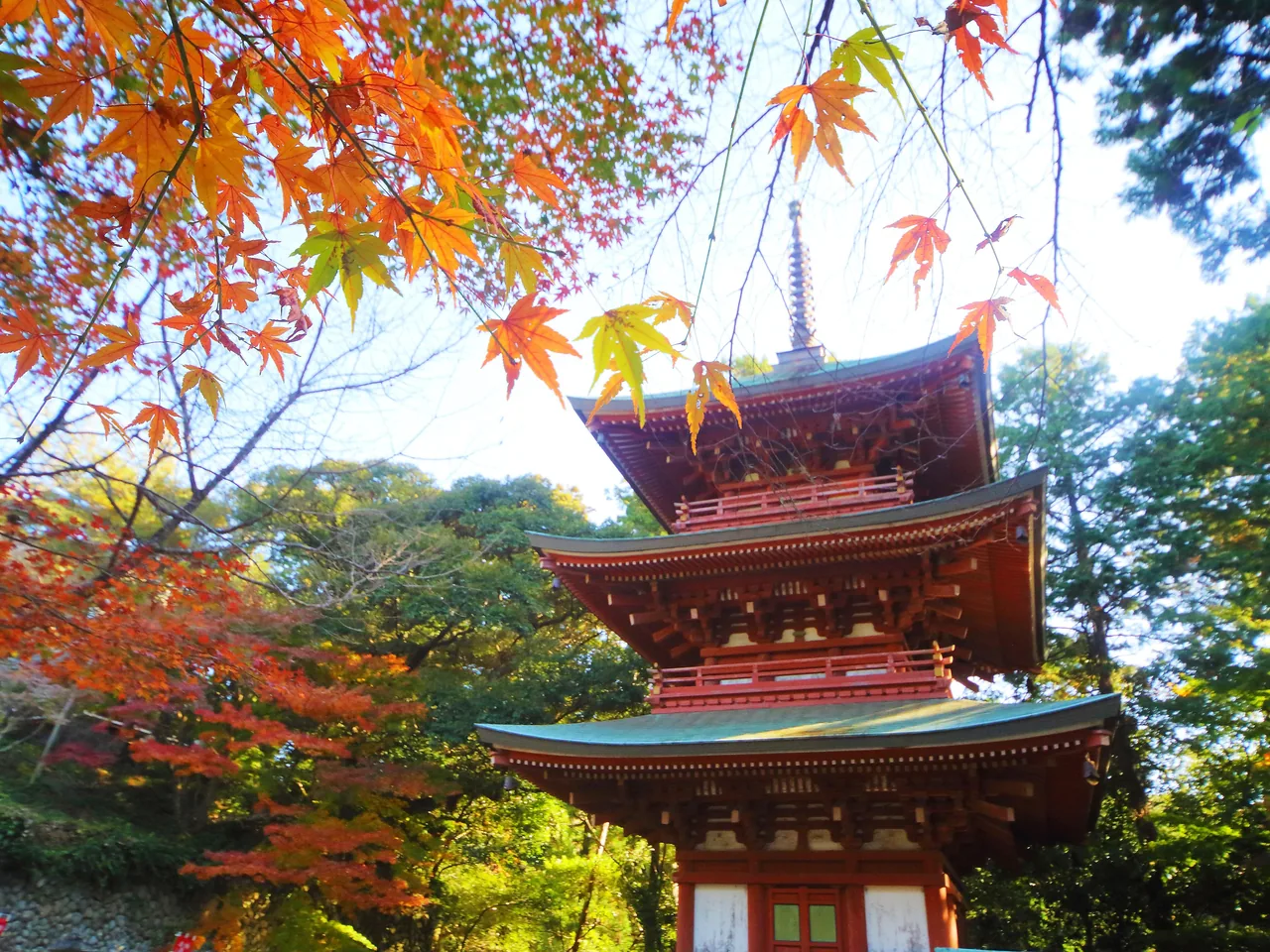
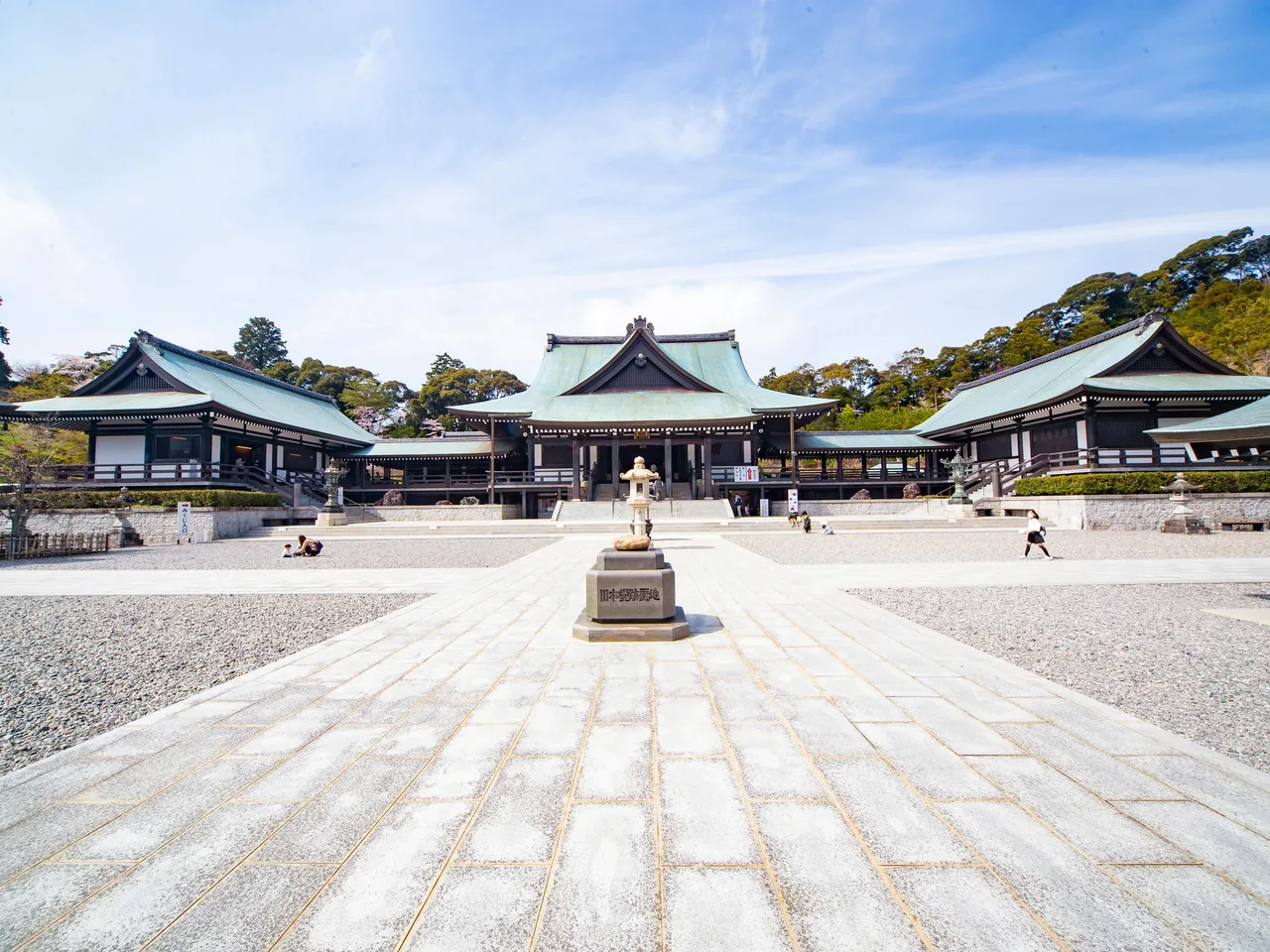
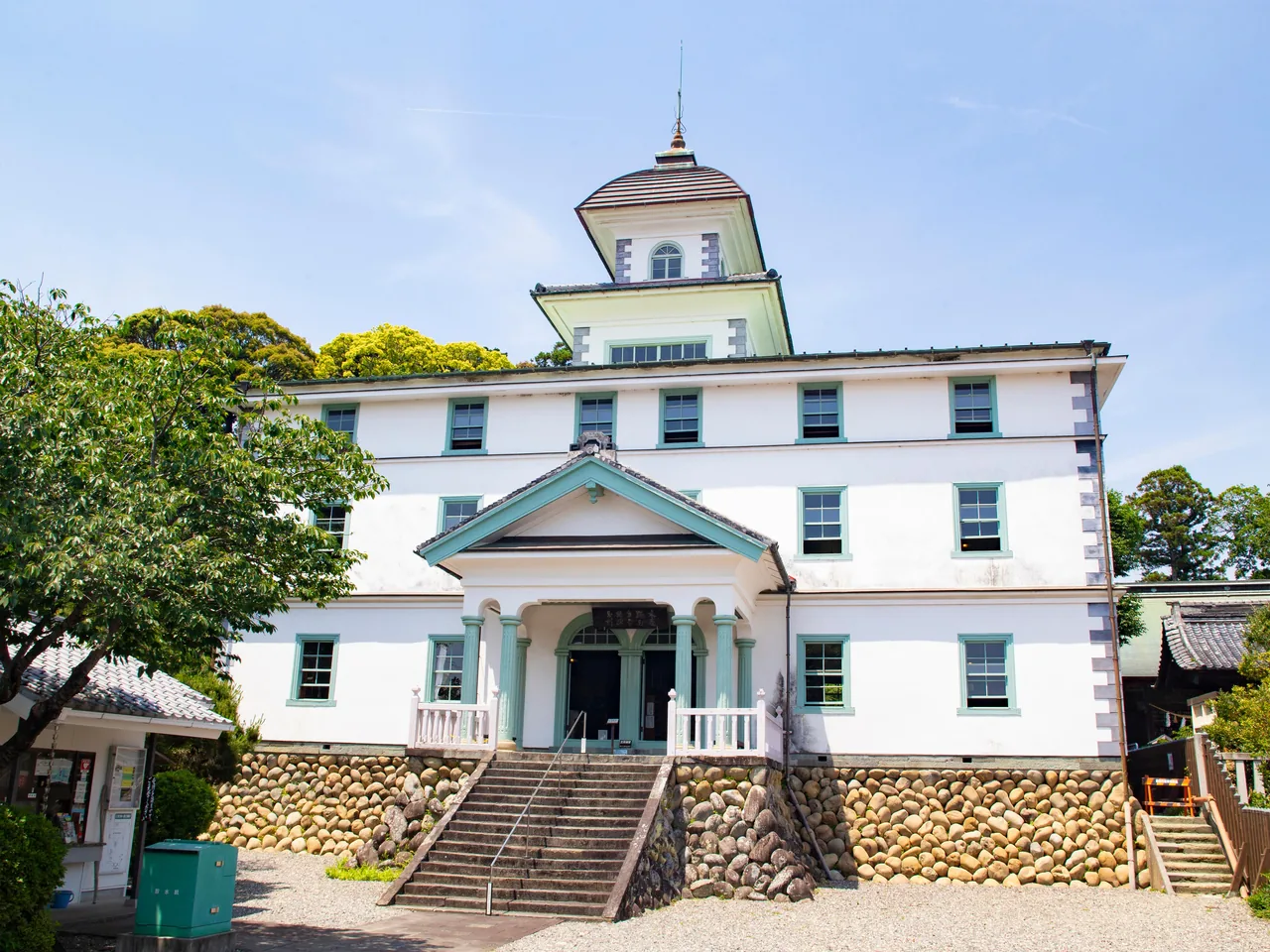
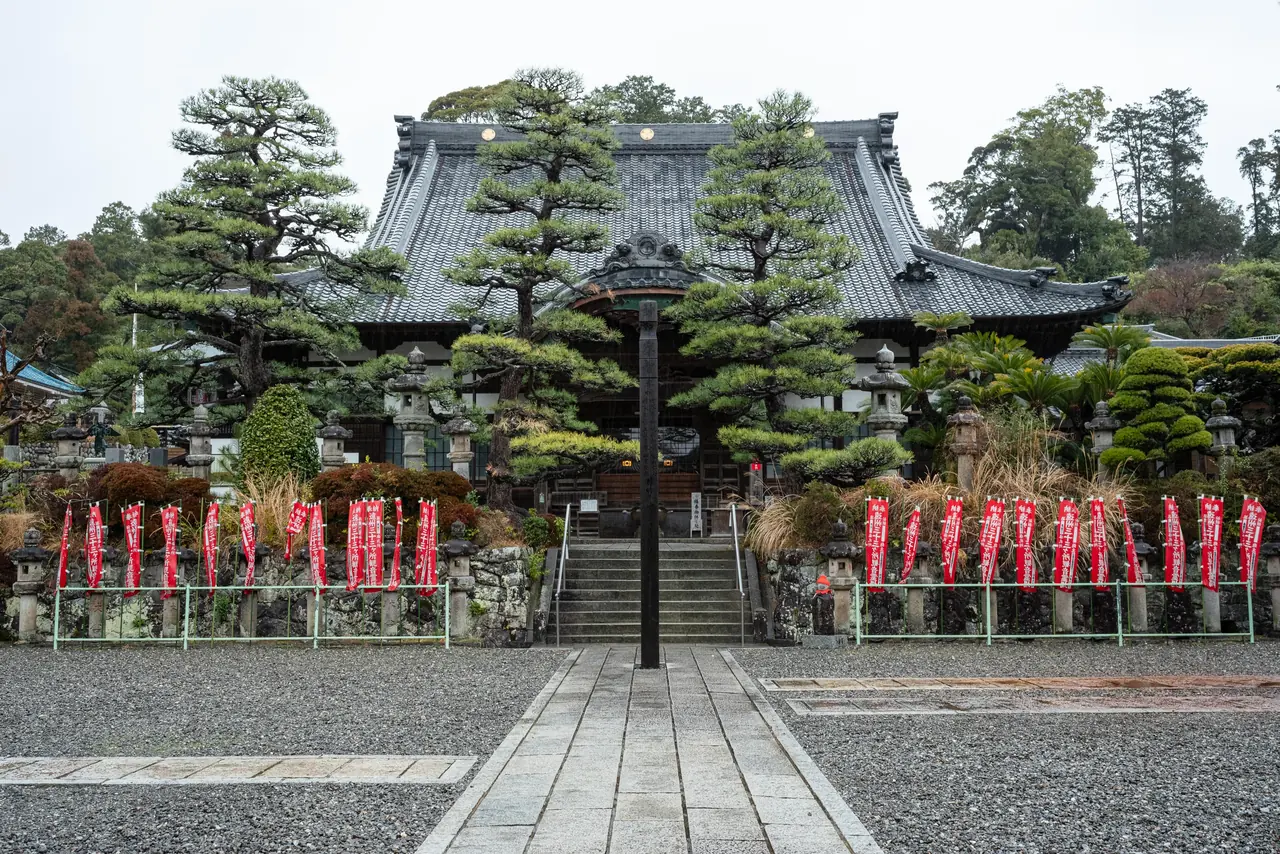
A Soto Zen temple in the hills of Fukuroi, also known as the Akiba Sohonden, where Akiba Sanjakubo Daigongen, a deity of protection against fire, is enshrined. The name comes from a story that when the head priest dozed off in front of Tokugawa Ieyasu, Ieyasu told him, "You may sleep, priest" (kasui means "may sleep"). The grounds are large, with the main hall and its decorated interior, a temple toilet guarded by its own deity, and temple vegetarian cuisine to try. In summer, wind chimes fill the grounds for the Wind Chime Festival.
This text was translated automatically and may contain errors.
A hall glowing with gold
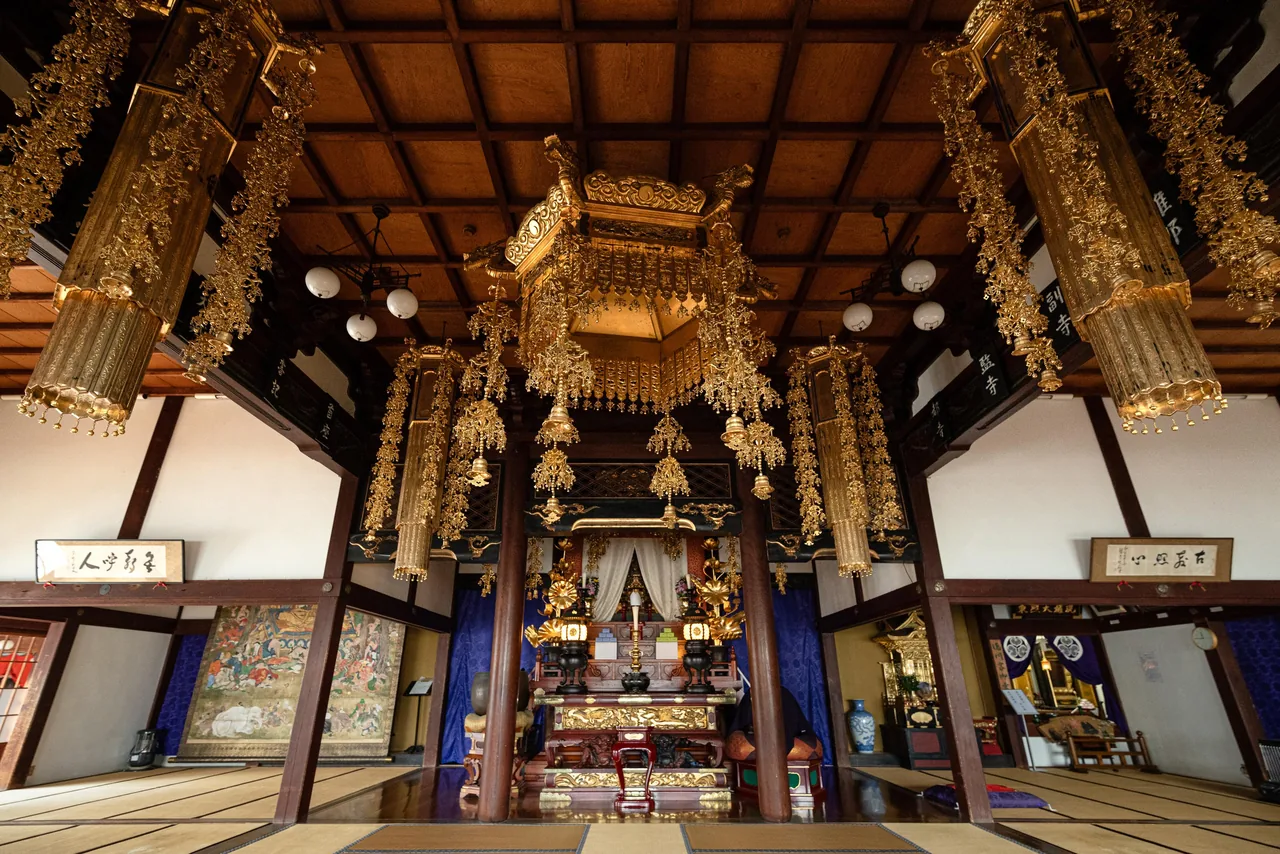
Golden ornaments hang from the ceiling of the hall, and fine decoration continues all the way to the altar at the back. Sitting on the tatami and looking up, it feels a world away from the quiet grounds outside the gate. The areas open to visitors and the hours change with the season, so check the official website.
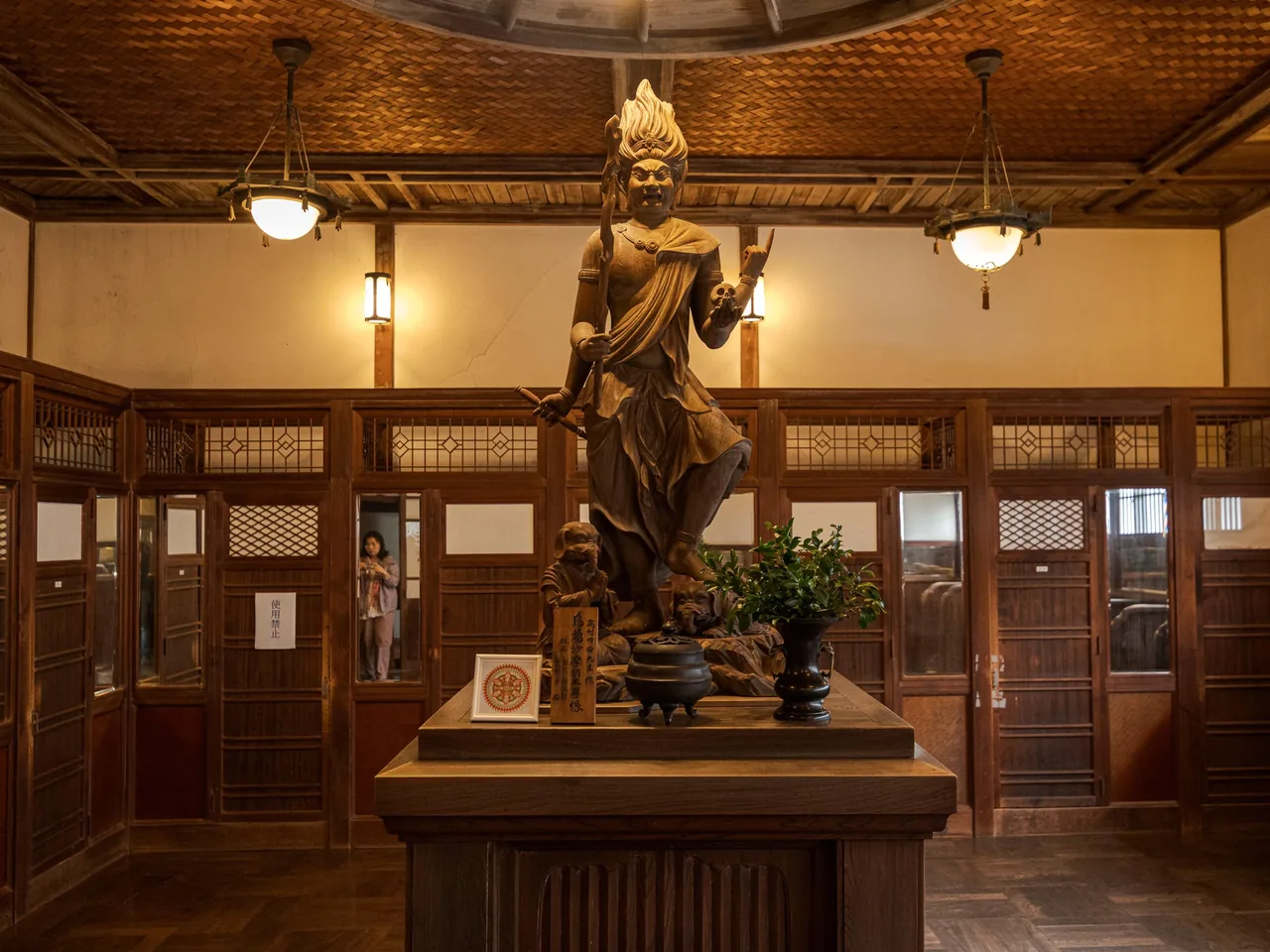
Ususama Myoo, the guardian of toilets
Kasuisai's toushi (temple toilet) houses a statue of Ususama Myoo, a guardian deity of toilets. A fierce, flame-backed figure standing inside a toilet building is unusual enough that many visitors take a photo. People do use the toilets, so be considerate when taking pictures.
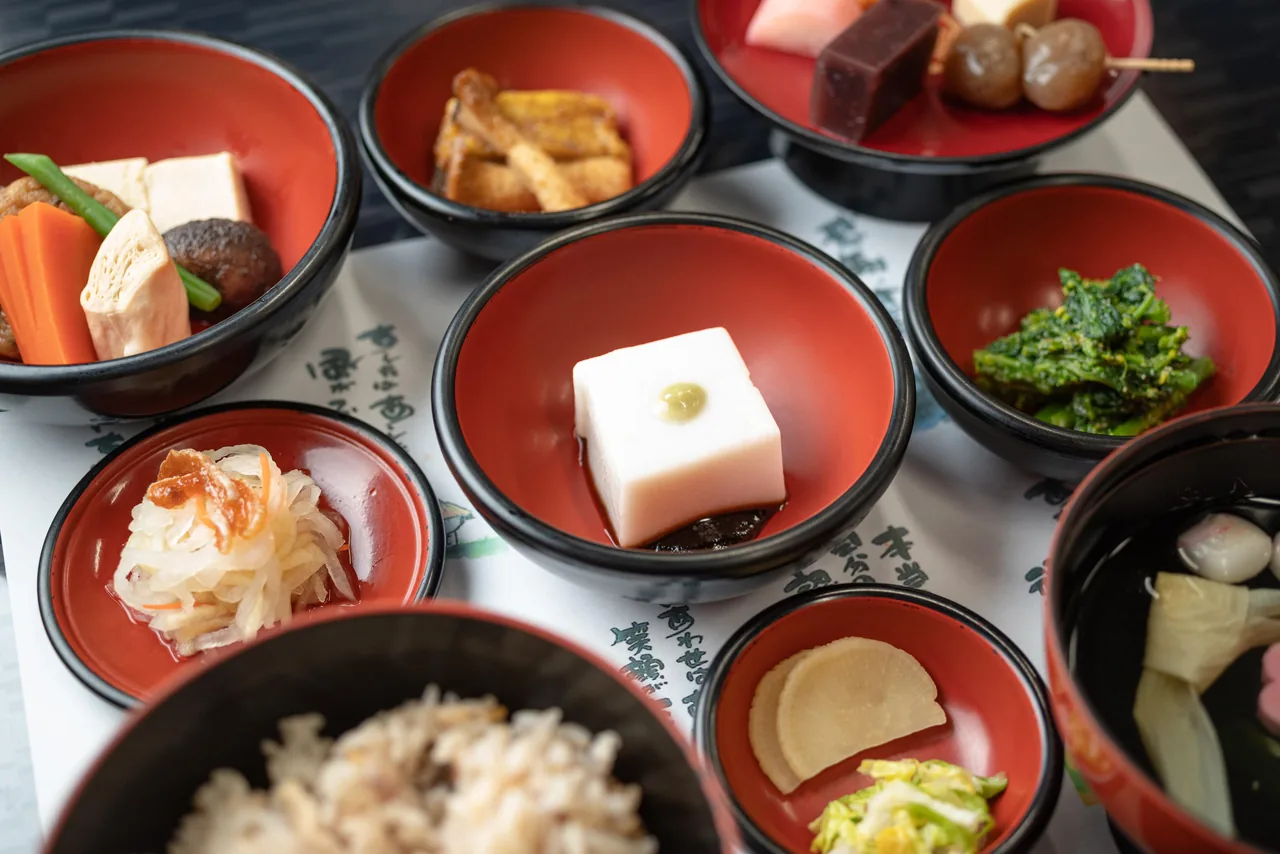
Tasting shojin ryori
Kasuisai also serves shojin ryori, the temple cuisine made without meat or fish. Small portions such as sesame tofu and simmered vegetables come in red lacquer bowls. Check the official website for the menu and how to book.
- Access
- From the north exit of JR Fukuroi Station on the Tokaido Line, take a bus bound for Enshu-Morimachi or Kita (about 12 minutes) to Kasuisai-iriguchi, then walk to the temple.