Kasumigajo Park
About
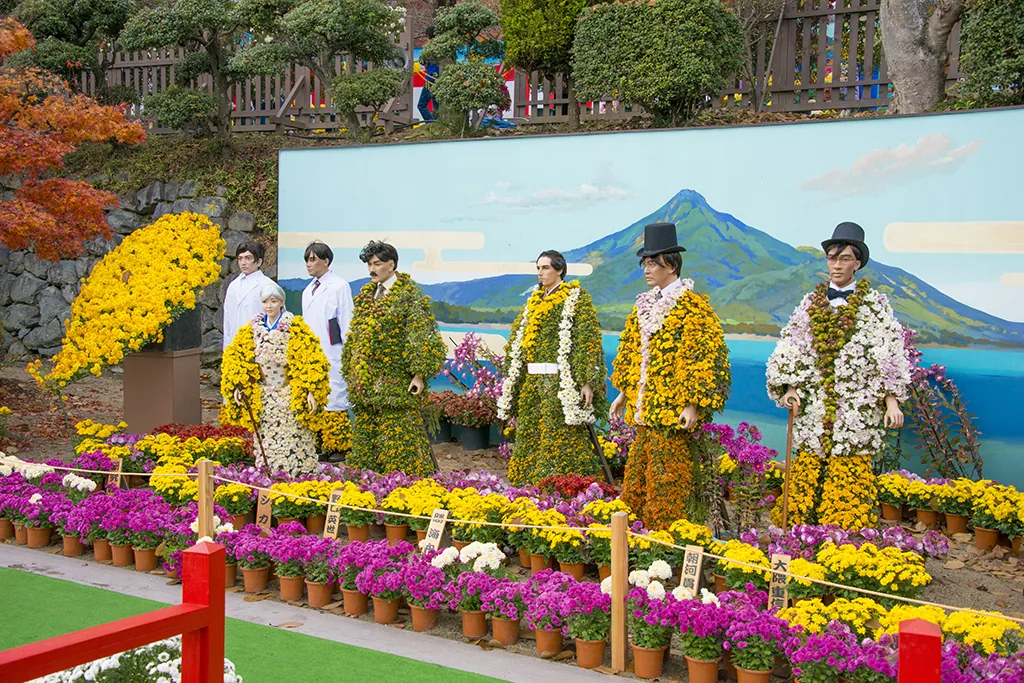
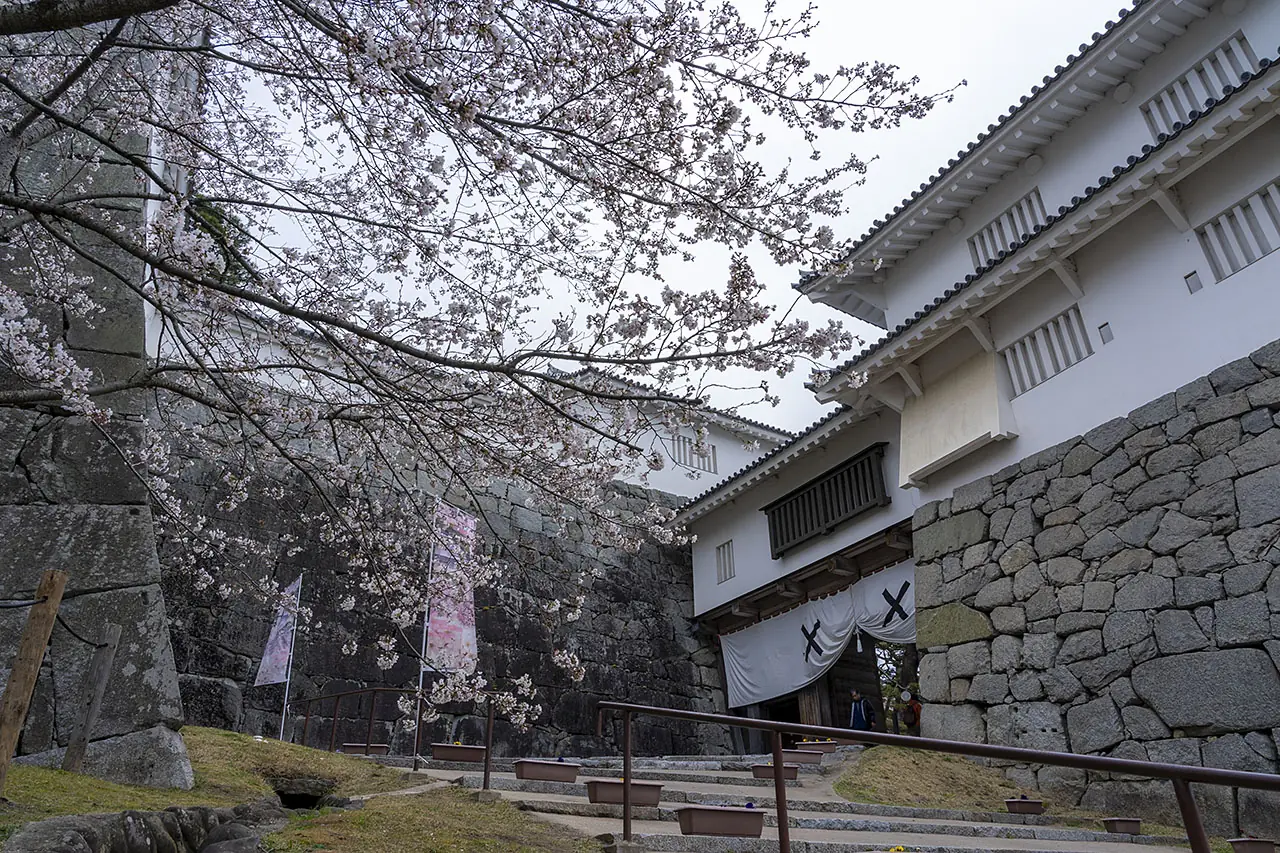
A prefectural park laid out on the site of Nihonmatsu Castle, also known as Kasumigajo Castle; the castle ruins were designated a National Historic Site in 2007. It is one of Japan's 100 Fine Castles, with stone walls and gates leading up to the inner citadel on the hilltop. The Minowa-mon Gate at the entrance burned during the Boshin War and was rebuilt in 1982. Cherry blossoms in spring, and autumn leaves and the chrysanthemum doll festival in autumn, give the ruins a different look each season.
This text was translated automatically and may contain errors.
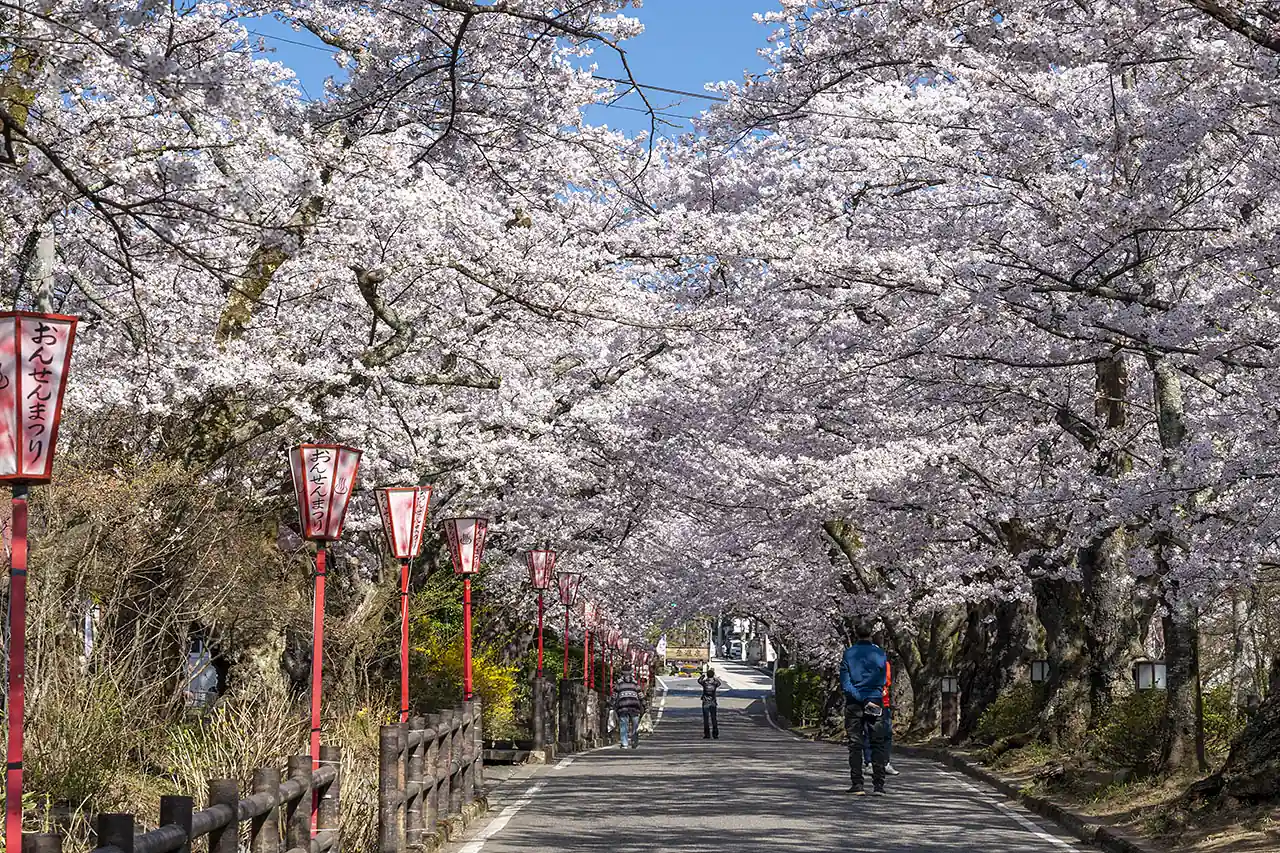
Castle ruins wrapped in cherry blossom
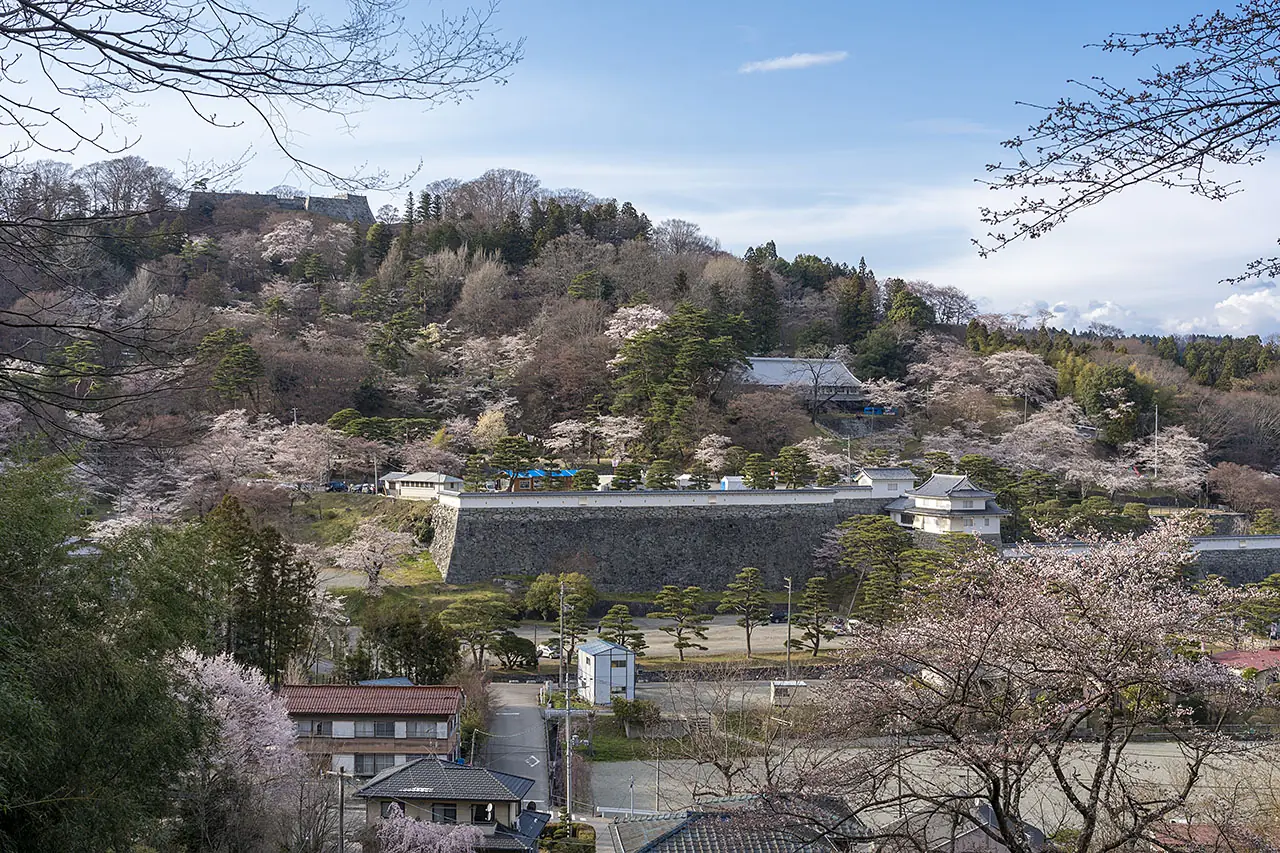
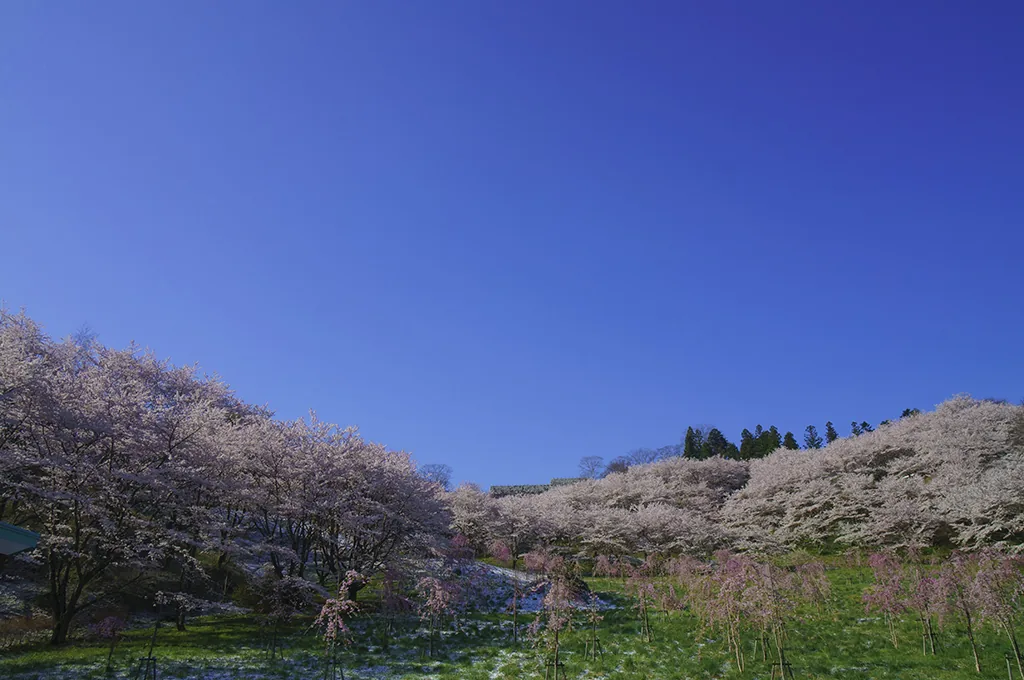
In April the cherry trees planted on the hillside bloom together and the whole site turns soft pink. From higher up you can see the stone walls and paths peeking out between the blossoms, which shows how the castle made use of the hill. It gets busy in blossom season, so start early in the morning for a calmer walk.
Snow-capped mountains from the inner citadel
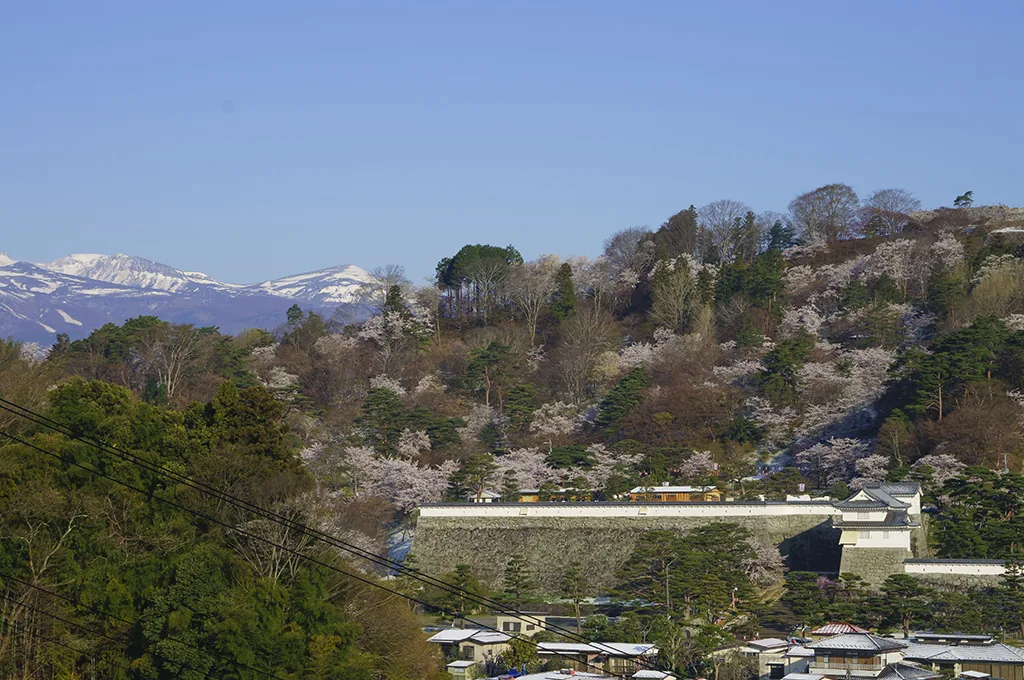
Climb to the inner citadel and the town of Nihonmatsu spreads out below, with mountains beyond the Abukuma River. Even in cherry season there is often still snow on the distant peaks, so you can see the blossoms and white summits together. The way up involves slopes and stone steps; wear comfortable shoes.
Restacked stone walls
The inner citadel's stone walls are said to have been built with the techniques of the Ano-shu, the masons associated with the building of Azuchi Castle. To stop them collapsing, stonemasons in that same tradition restacked them in the Heisei era. Seeing the way the stones fit together up close is part of visiting a hilltop castle site.
Autumn colour and the Minowa-mon Gate
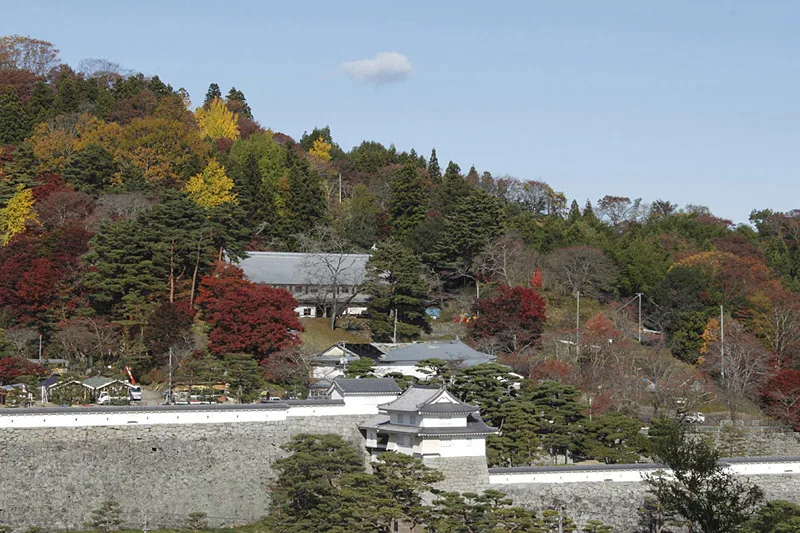
In autumn the trees around the Minowa-mon Gate change colour, setting off its white walls and stone base. The group of Japanese red pines reaching out over the wall on the north side of the gate is a natural monument of the city. From October to November the park also hosts the Nihonmatsu Chrysanthemum Doll Festival.
- Access
- About a 20-minute walk from Nihonmatsu Station on the JR Tohoku Main Line. The 100 Fine Castles stamp is kept at the tourist information centre in Nihonmatsu Station and at Nihonmatsu Johokan.