Kawagoe Warehouse District (Ichibangai)
About
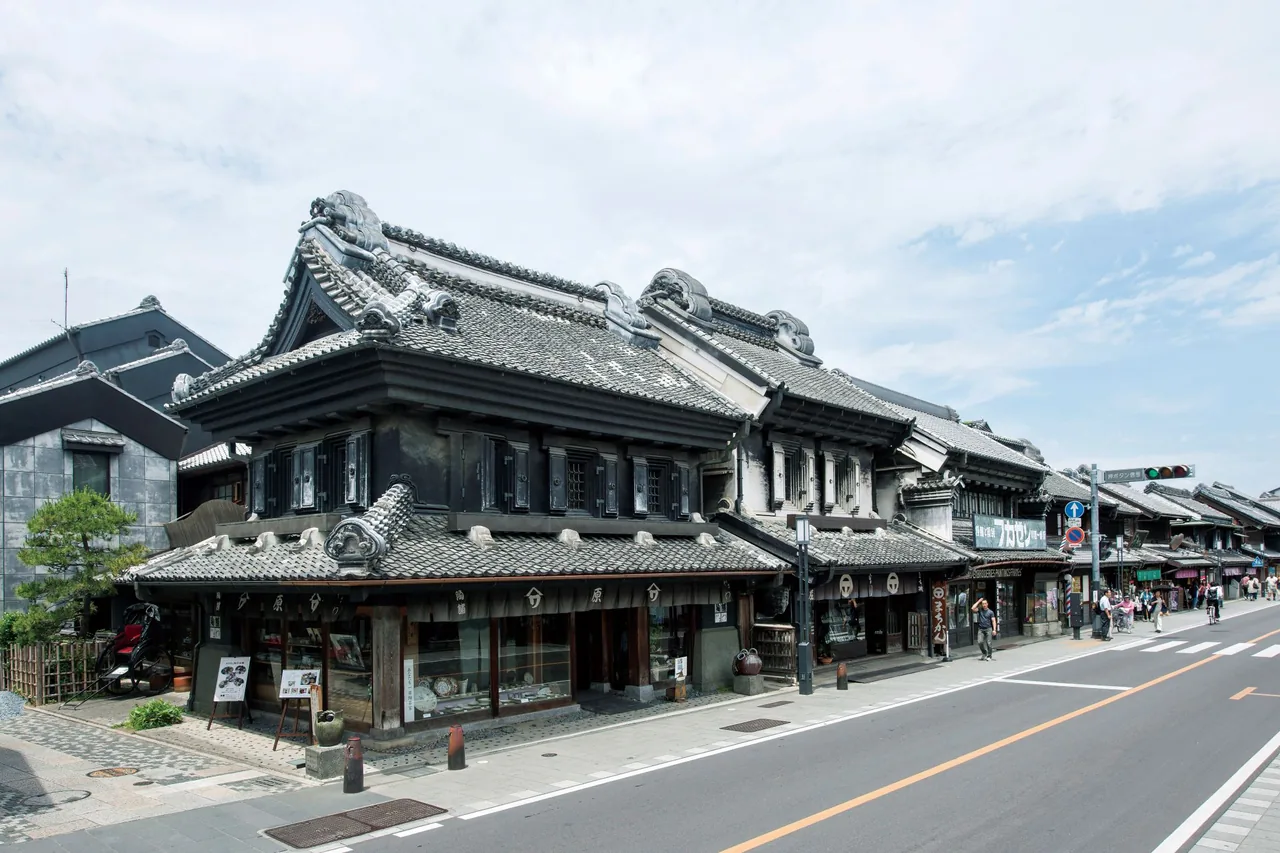
Along Ichibangai, the street running north–south between Fudanotsuji and Nakacho, stand shop-warehouses with black plaster walls and huge ridge tiles. When the great fire of 1893 burned over a third of the town, the clay-walled kura buildings survived, so merchants rebuilt their shops in this fire-resistant style. It was designated a national Important Preservation District for Groups of Traditional Buildings in 1999, and many buildings now house sweet shops, craft stores and restaurants. Weekends get busy from around midday, so come in the morning.
This text was translated automatically and may contain errors.
How to spot a kura building
Kawagoe's kura are built with thick earthen walls finished in black plaster, topped with tall ridges and oversized ridge-end tiles. The second-floor windows have heavy double doors that were shut to keep fire out. The Osawa House, on the same street, predates the great fire and is a national Important Cultural Property. Western-style buildings from the Taisho era onward are mixed in too, and comparing them with the kura shows how the town changed over time.
Watch for traffic
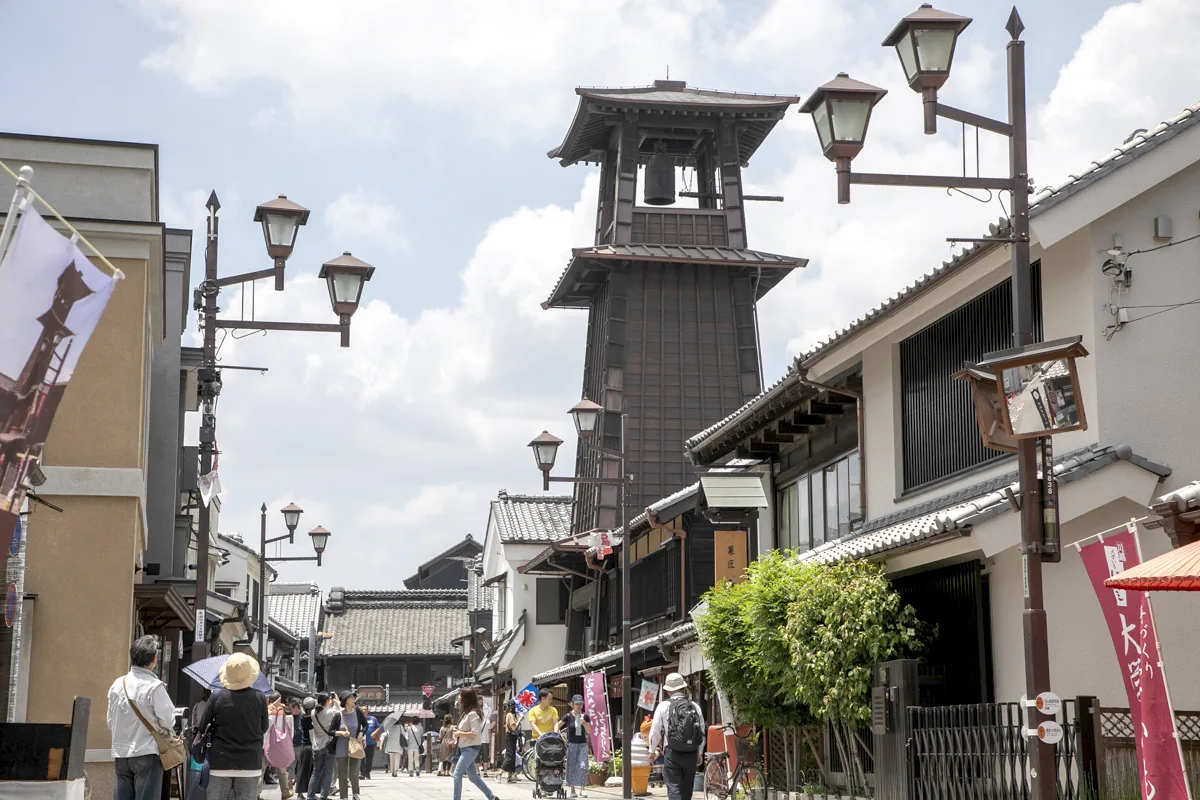
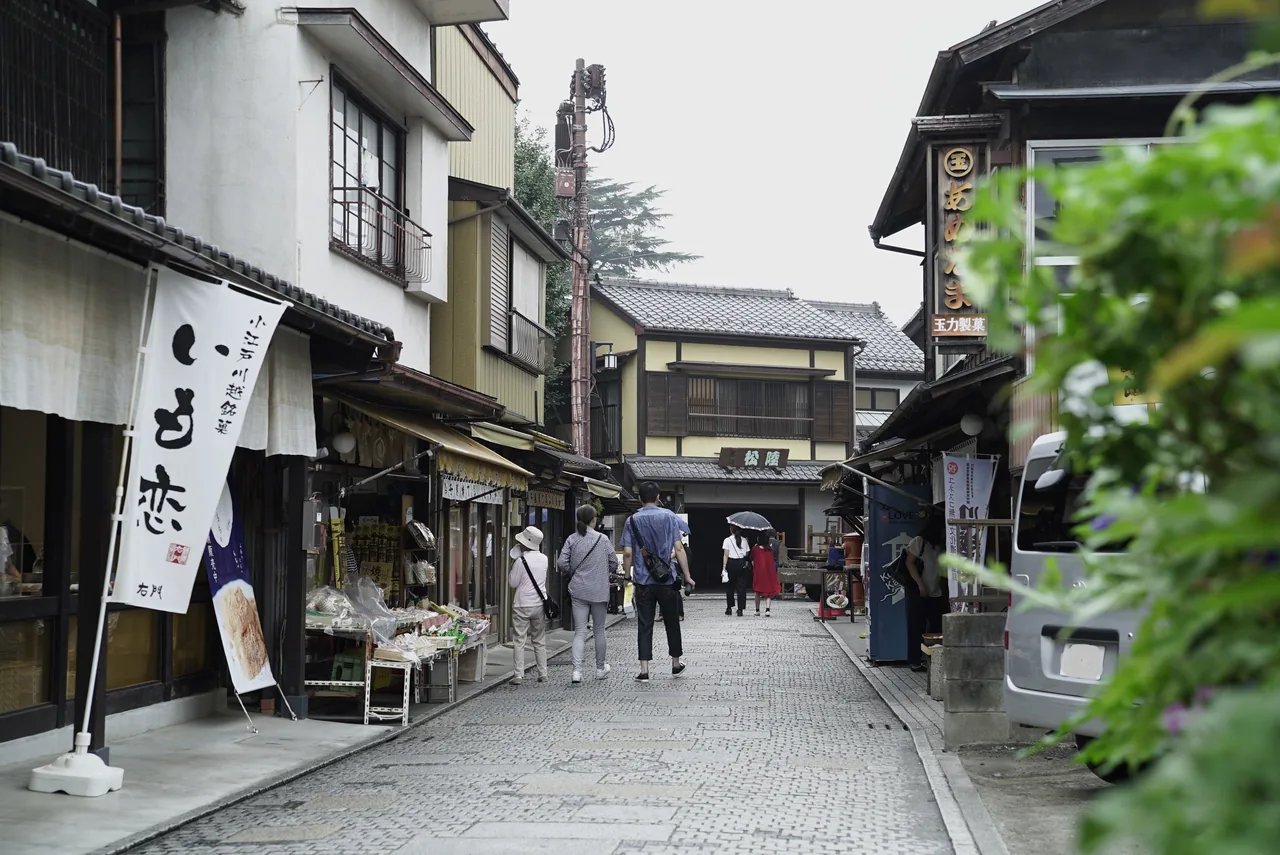
Cars use Ichibangai on most days, and the sidewalks are narrow. Stay out of the roadway when taking photos and avoid stopping in the middle of the street. Kawagoe City has trialed car-free days on Ichibangai, but only on a limited number of dates. The Toki no Kane bell tower is just east of the street and Kashiya Yokocho is a little north past Fudanotsuji, both within walking distance.
- Access
- About a 15-minute walk from Hon-Kawagoe Station on the Seibu Shinjuku Line. Sightseeing loop buses from Kawagoe and Hon-Kawagoe stations also stop near the district.