Akaiwa Sericulture Village (Kuni)
About
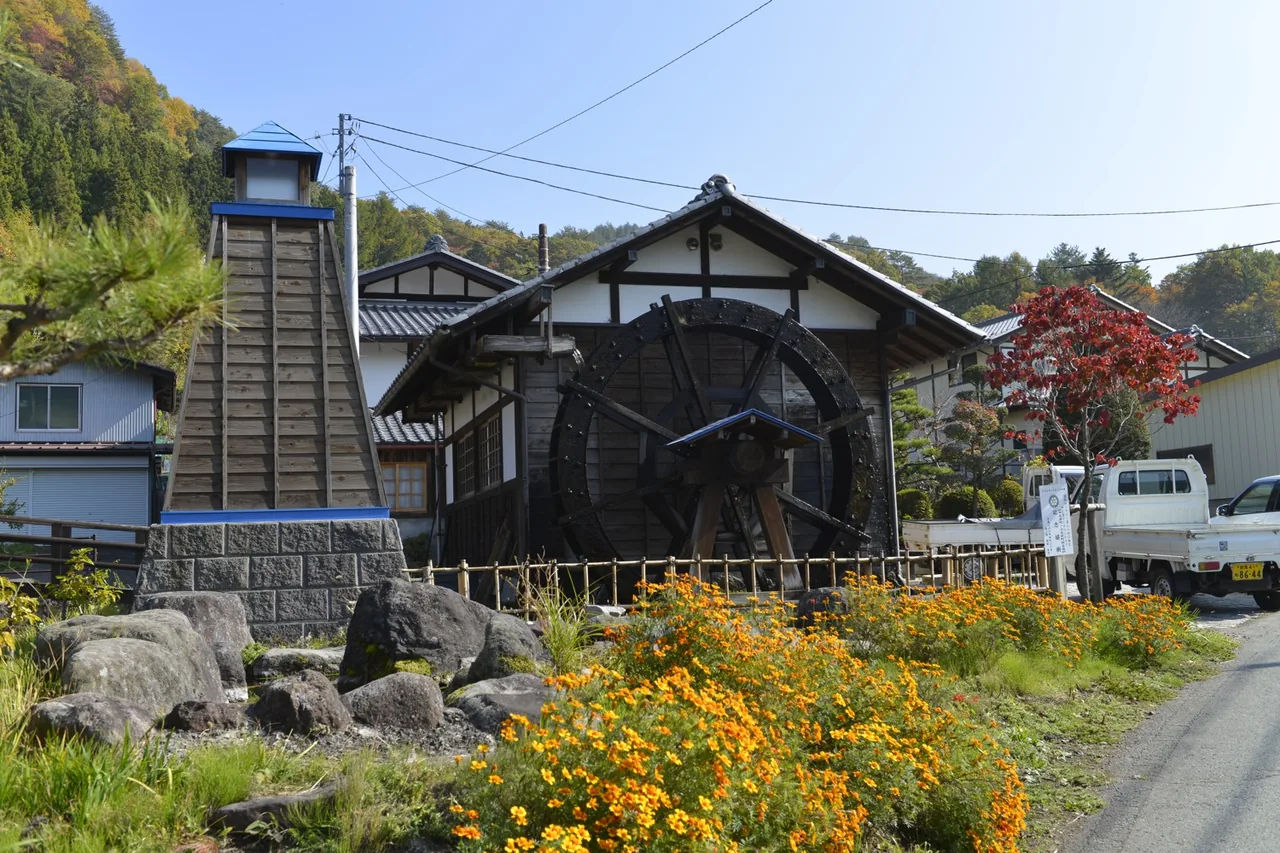
A mountain hamlet along the Shirasuna River lined with large farmhouses built for silkworm raising. In 2006 it became the first place in Gunma selected as a nationally designated Preservation District for Groups of Traditional Buildings. The houses are marked by upper floors used as silkworm rooms and by debari, projecting beam ends at the front. The lane through the hamlet is the residents' everyday road, so don't enter houses or gardens that aren't open, and walk quietly. Akaiwa Fureai no Ie, the visitor base, has parking and toilets; check the Nakanojo tourism information about guides.
This text was translated automatically and may contain errors.
A street of silkworm farmhouses
Along the main lane stand two- and three-storey houses with gabled roofs. The silkworm rooms were once above the family's living space, and the whole house was given over to raising silkworms.
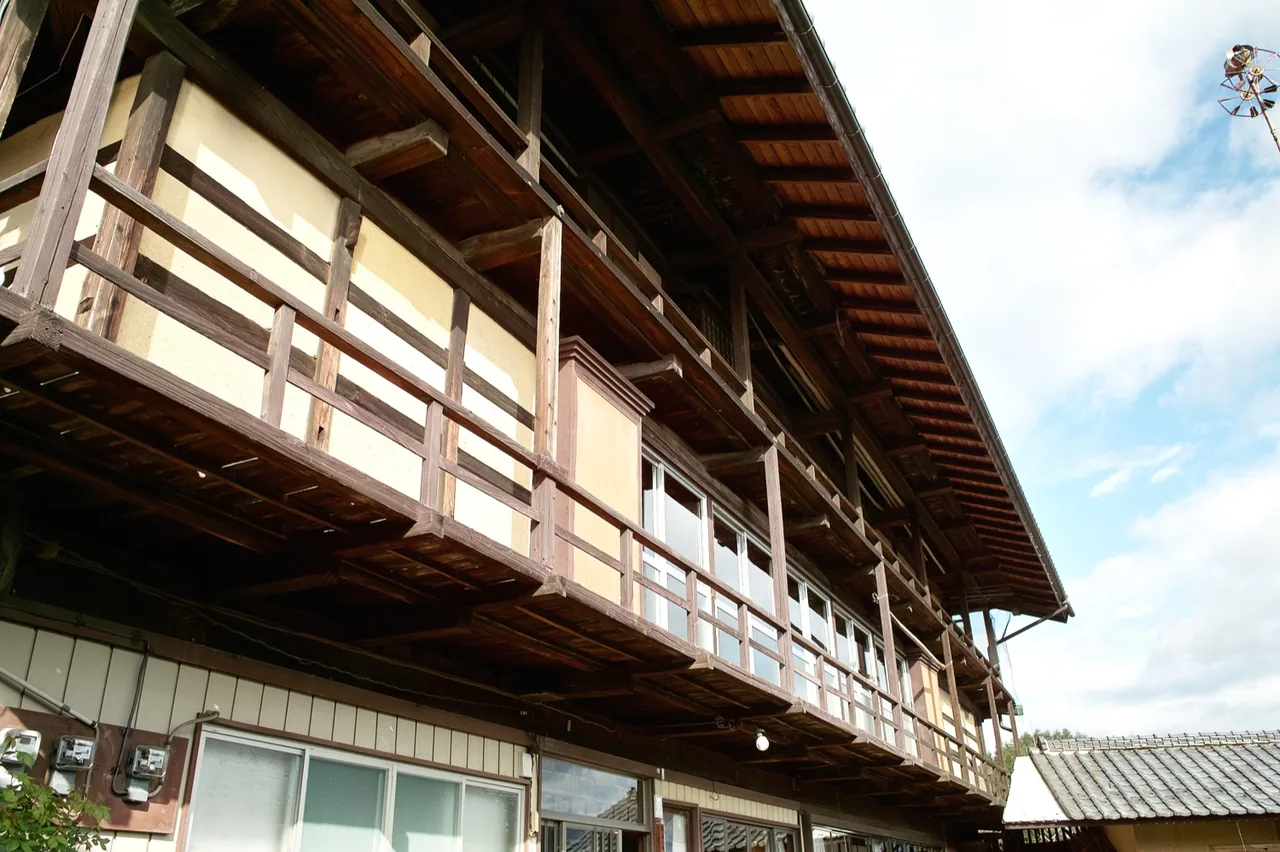
The Yumoto house and the Choei room
The Yumoto house is the largest three-storey silkworm farmhouse in Akaiwa, and its top floor was added for raising silkworms. It is said to have hidden Takano Choei, a scholar of Western learning, and the "Choei room" survives on the first floor.
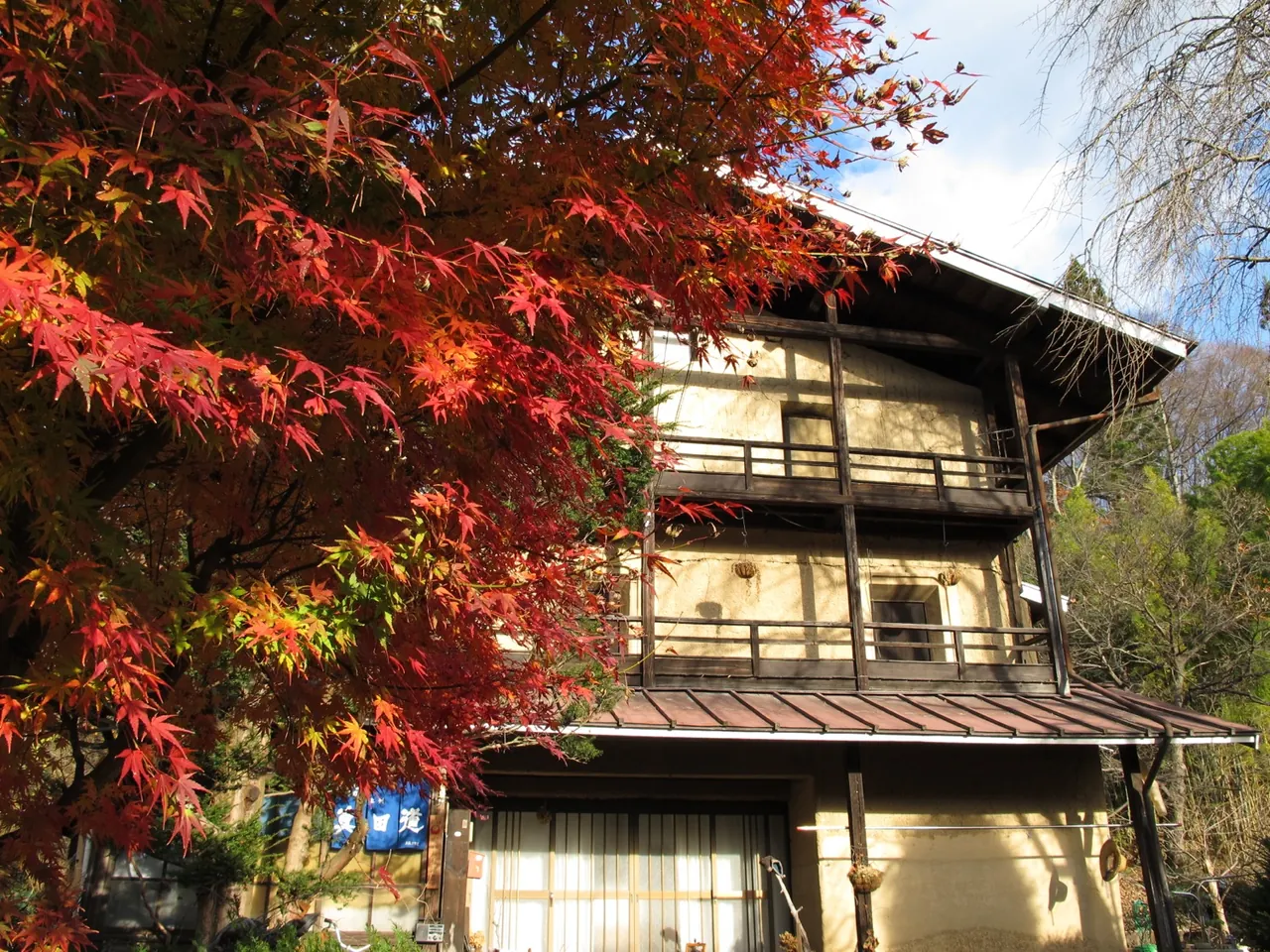
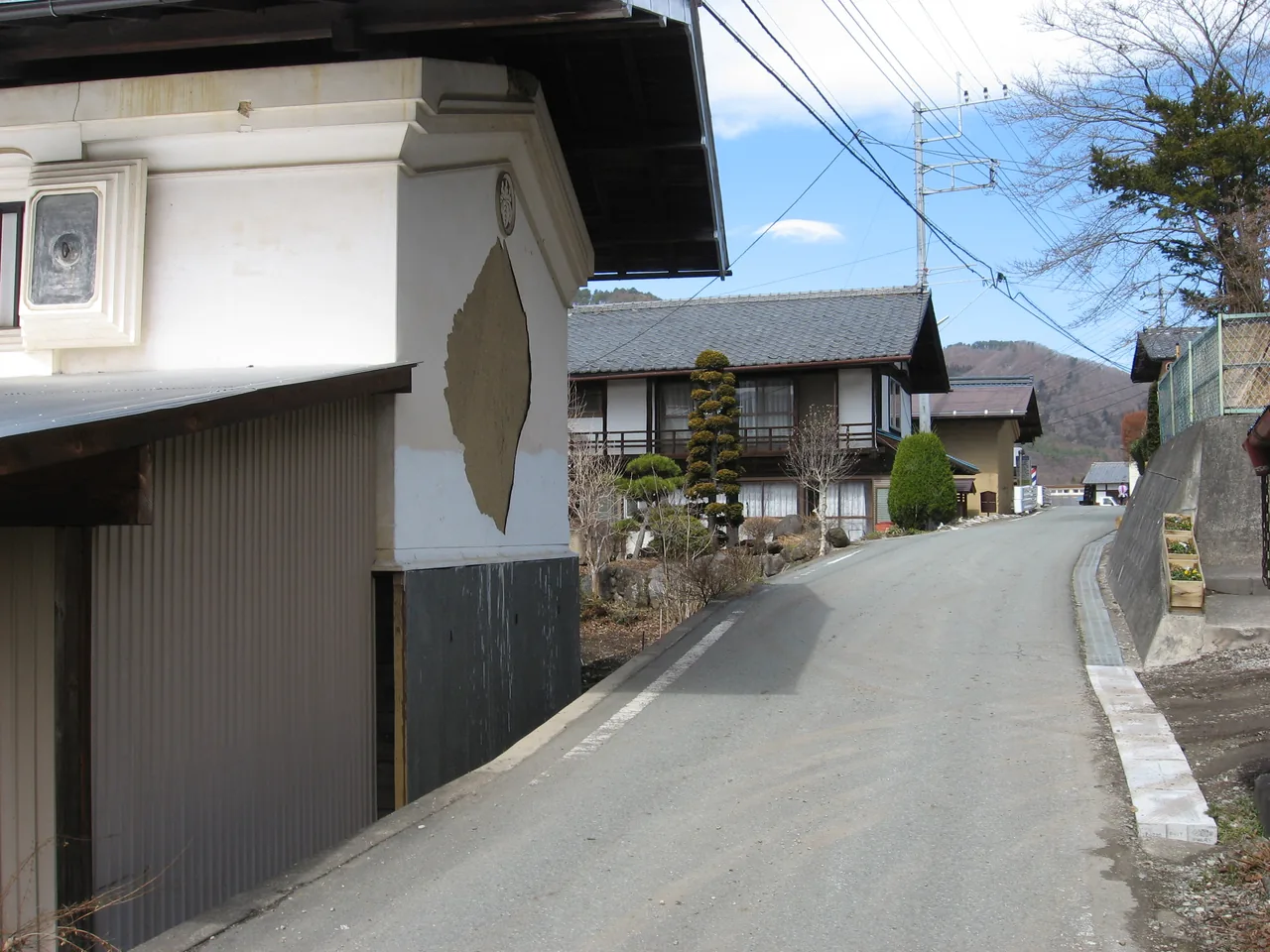
Walking through the hamlet
People still live here. When taking photos, don't point your camera into homes or at people, and be considerate of the residents as you walk.
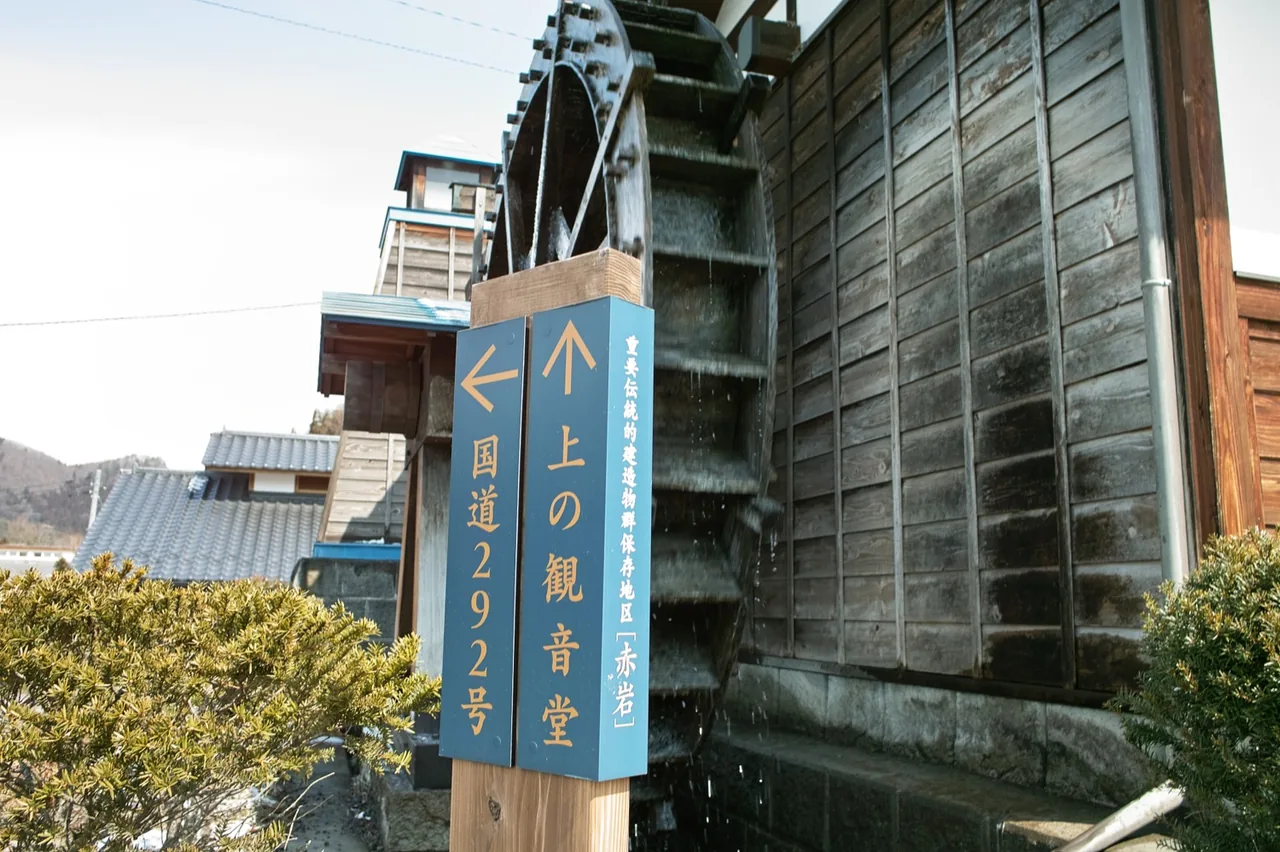
- Access
- Drive from Naganohara-Kusatsuguchi Station on the JR Agatsuma Line; check the travel time in advance.