Matsuzaki Namako-kabe Streets
About
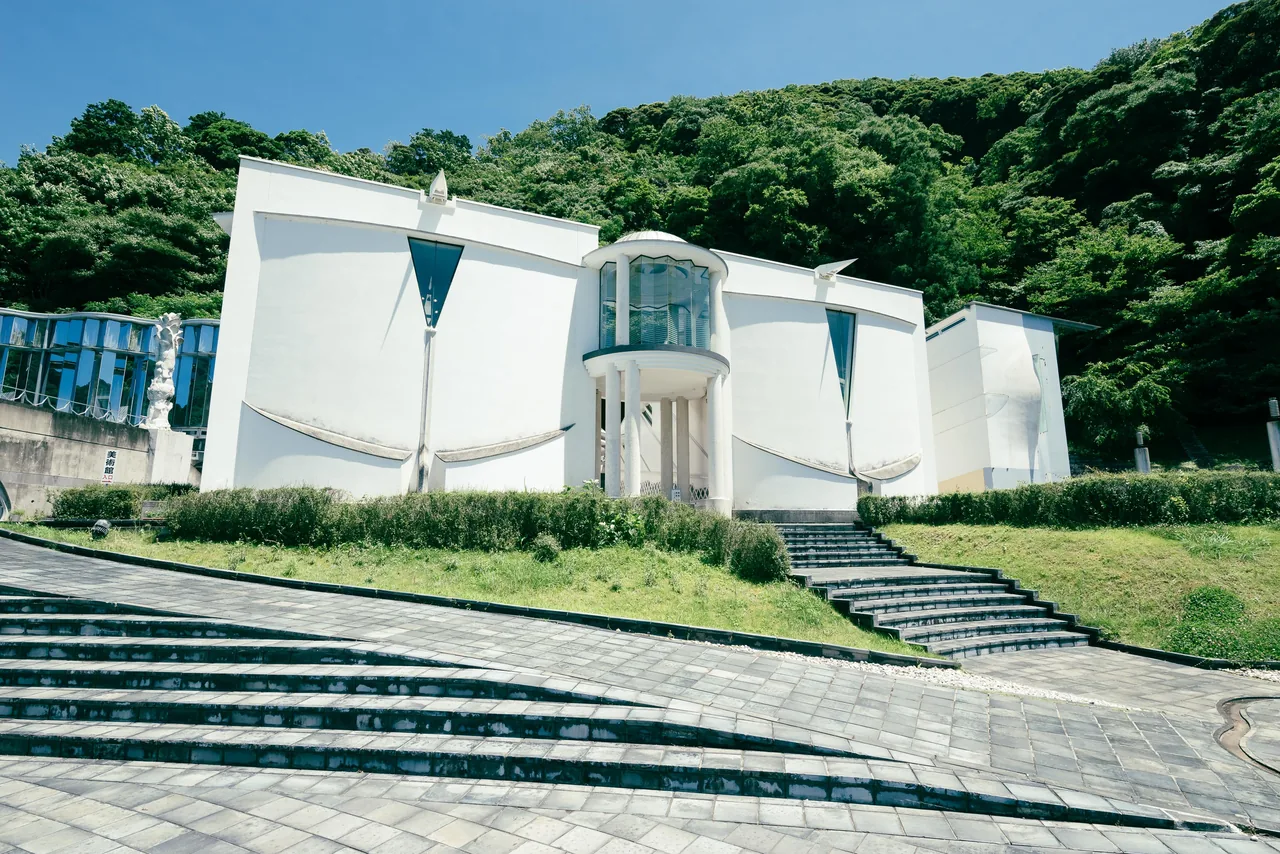
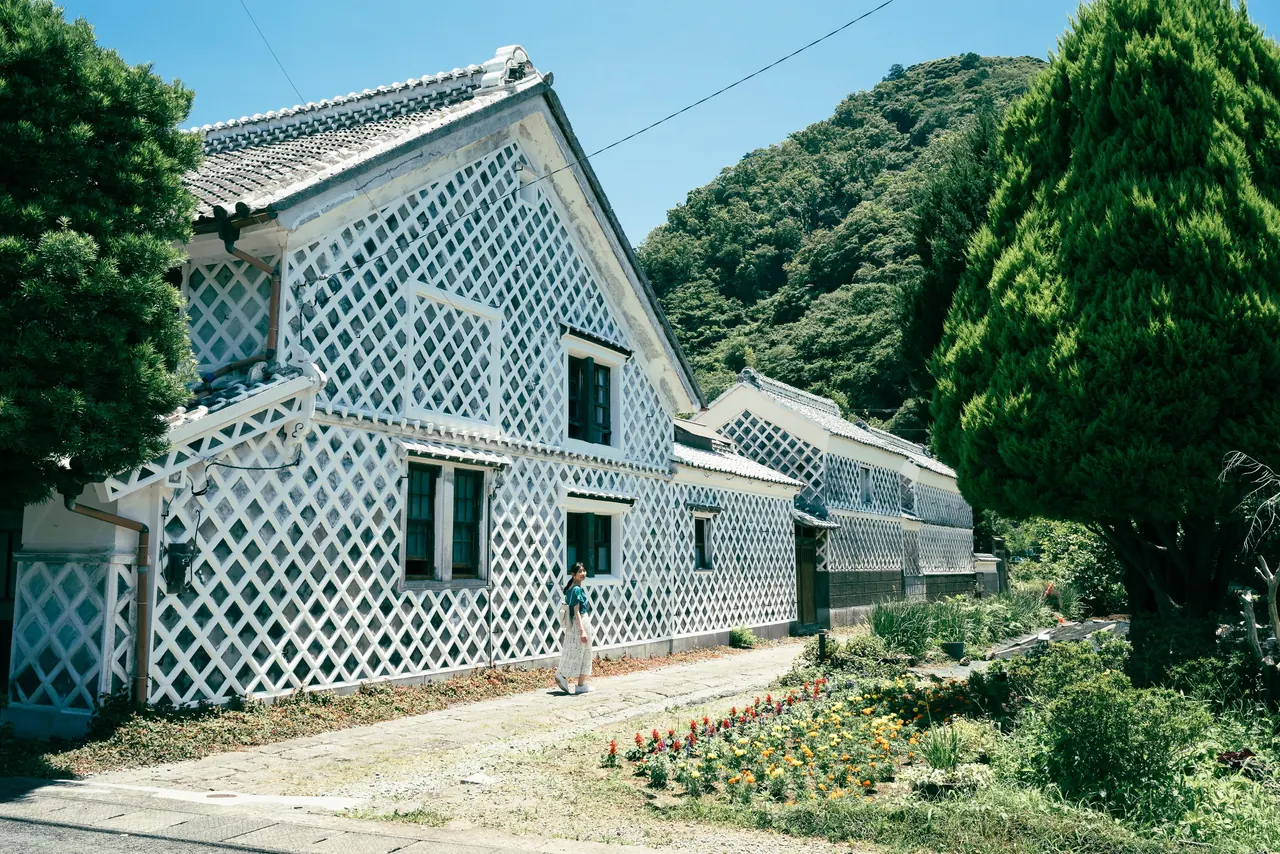
Matsuzaki, on the west coast of the Izu Peninsula, still has many buildings with namako-kabe walls in a black-and-white lattice pattern. Namako-kabe is made by fixing flat tiles to a wall and covering the joints with ridges of lime plaster; it was widely used for storehouses and merchant houses. There are about 190 namako-kabe buildings in the town, and Namako-kabe Street is the only street where they line up continuously, for about 30 m. You can walk between it, the Meiji-era Nakase-tei house and the Izu Chohachi Art Museum.
This text was translated automatically and may contain errors.
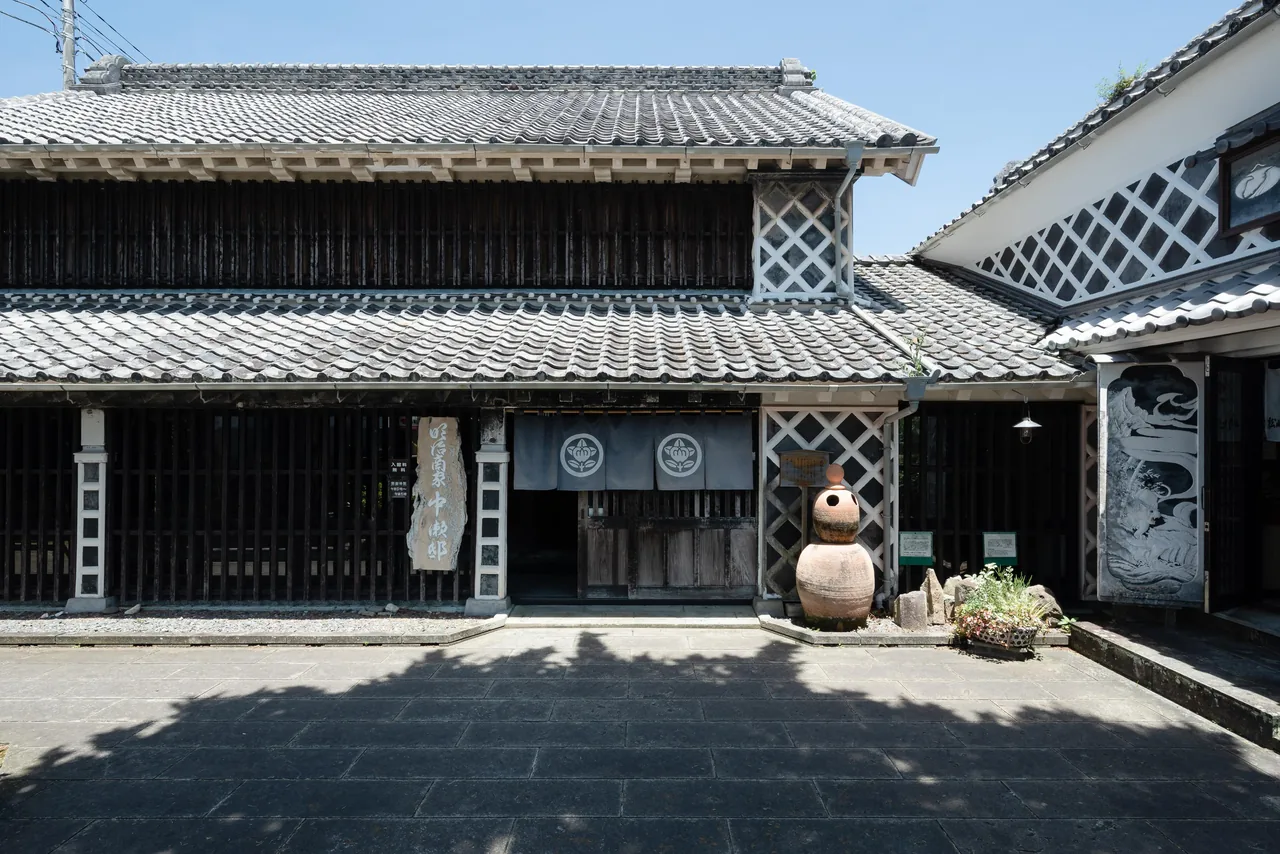
Nakase-tei, a Meiji merchant house
Nakase-tei was built in 1887 as the home of Yoda Naokichi, who made his fortune as a kimono-fabric wholesaler; it takes its name from the shop's trading name, Nakase. The storehouse inside the main building has namako-kabe finished in black plaster, found nowhere else in town.
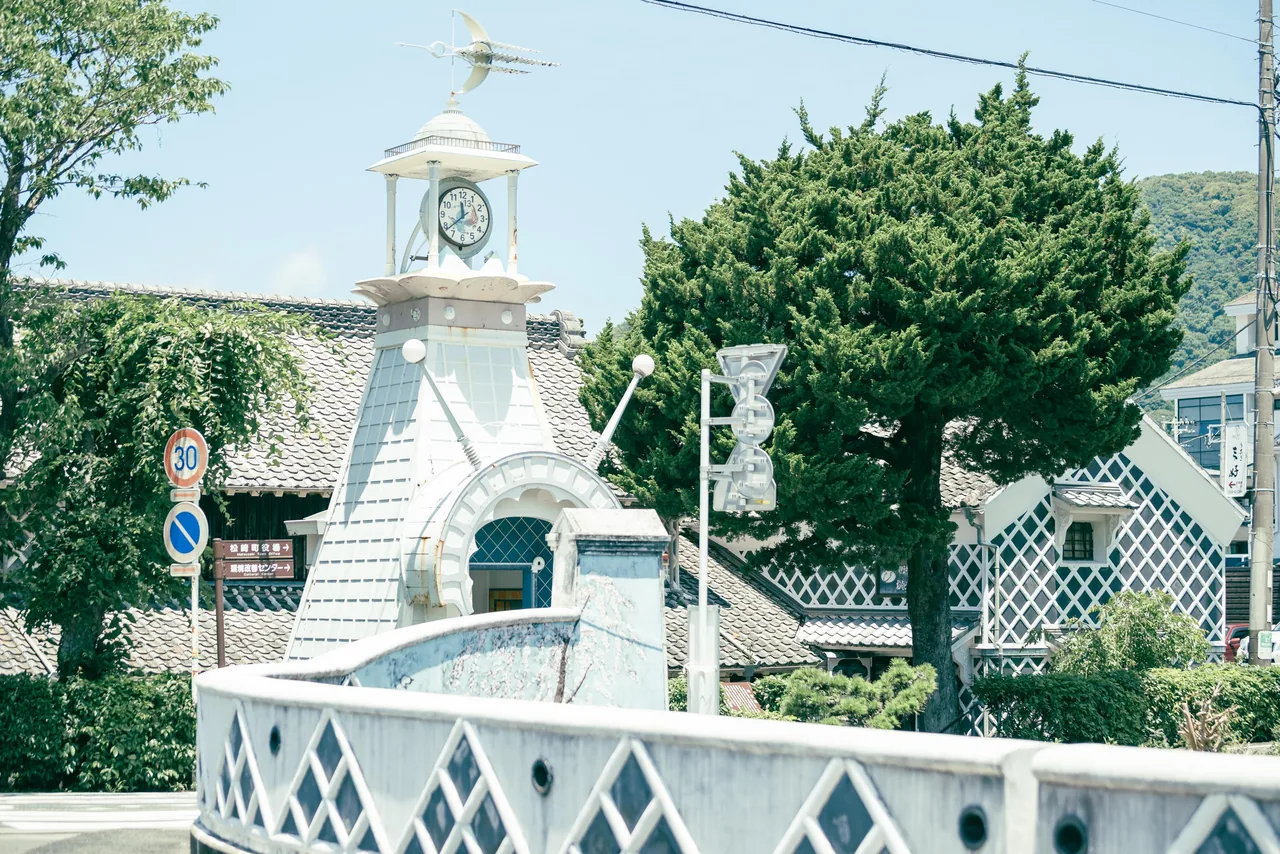
A clock with a 13
A white clock tower stands in front of Nakase-tei. The first tower was built by the local youth association in the Taisho era but was lost in a flood in 1938; the present one was completed in 1987. Look closely at the face: it has a "13 o'clock" that doesn't exist.
- Access
- From Izukyu Shimoda Station, take a Tokai Bus bound for Matsuzaki and get off at Matsuzaki. Buses to Matsuzaki also run from Shuzenji Station. Check the Tokai Bus timetable for journey times.