Mishima Taisha Shrine
About
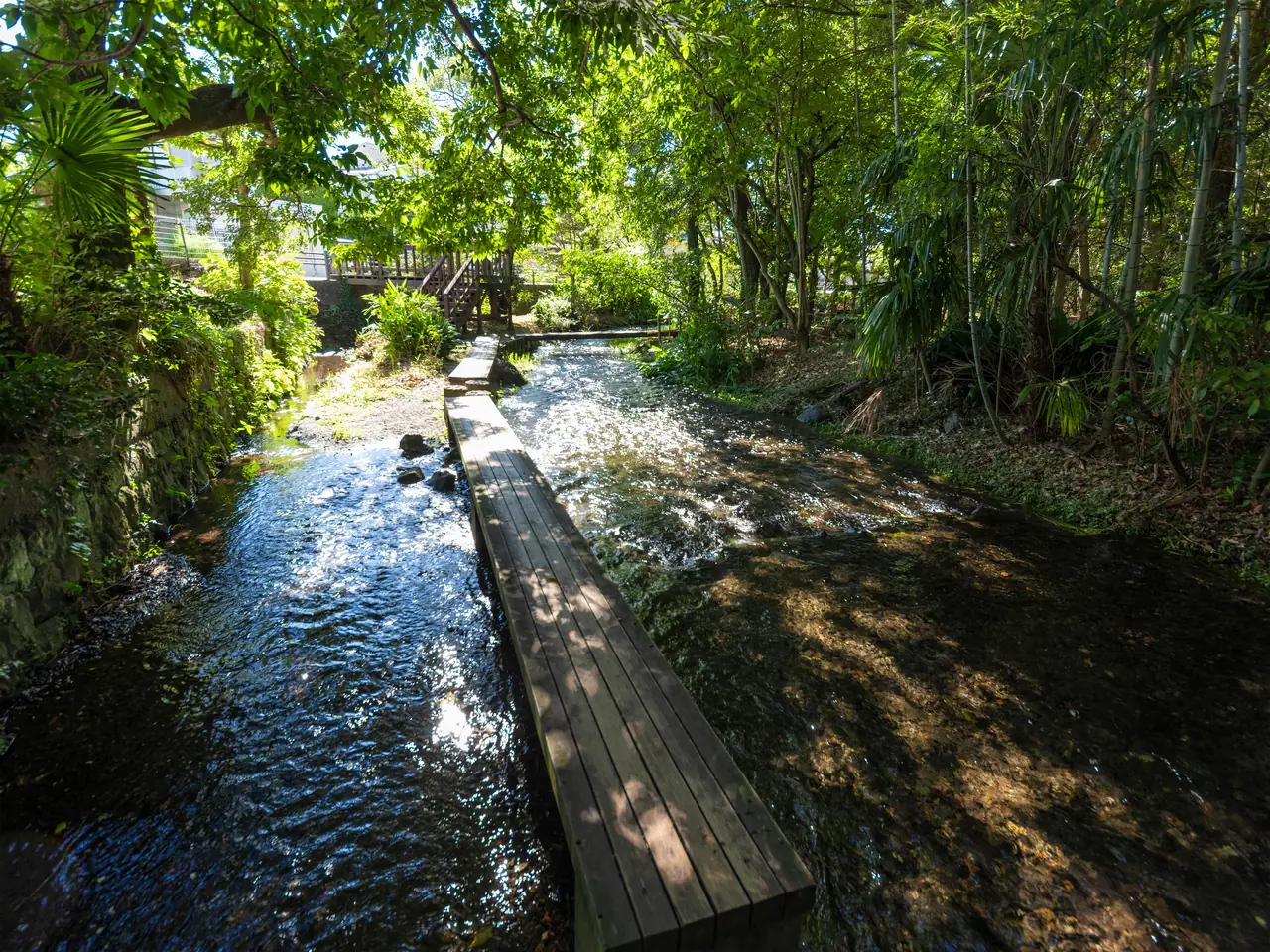
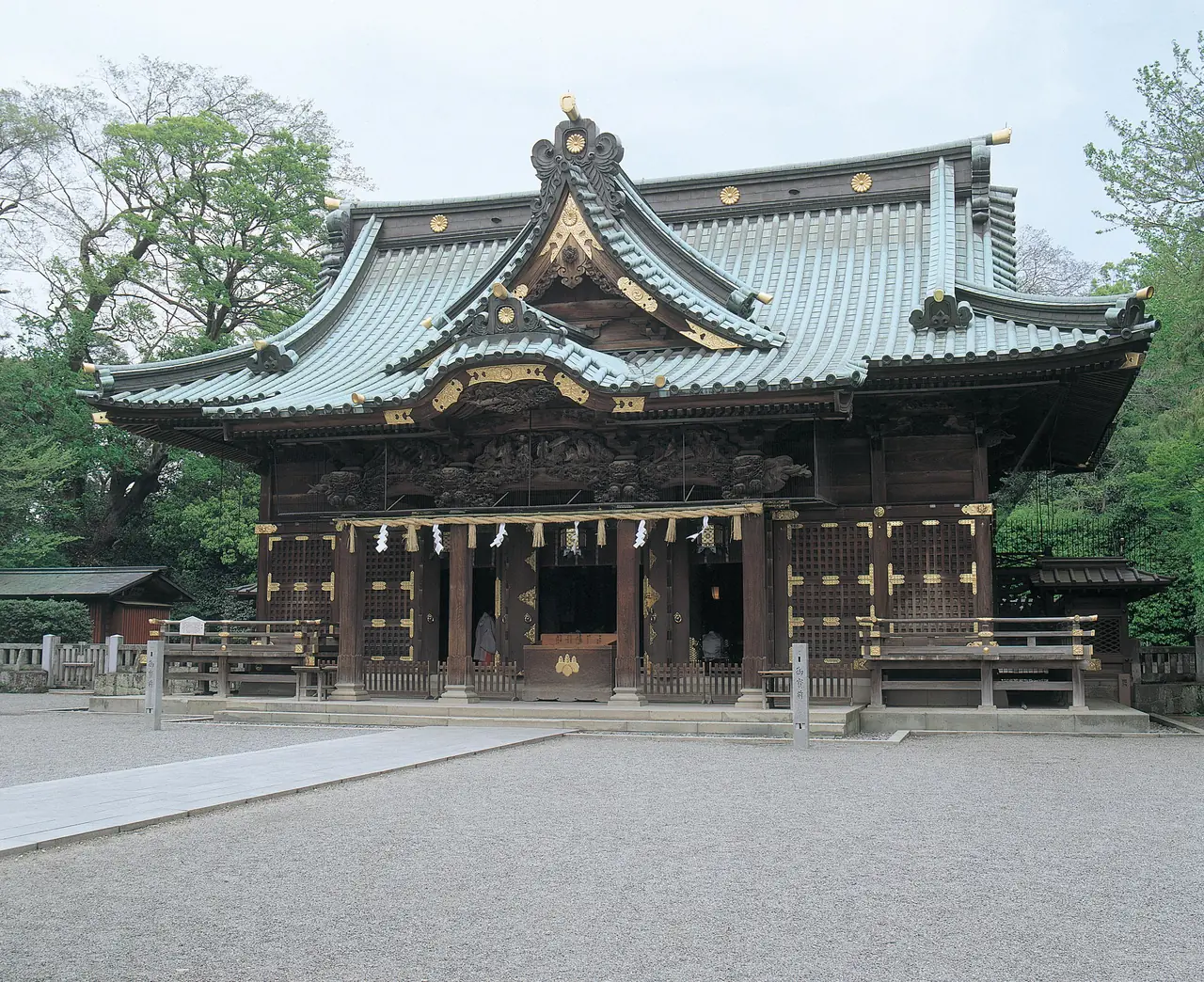
In the middle of Mishima stands the ichinomiya, or highest-ranking shrine, of the old province of Izu. It is known as the shrine where Minamoto no Yoritomo, exiled to Izu at the end of the Heian period, prayed for the revival of his clan, and the grounds still have the "Koshikake-ishi", a stone he is said to have sat on. The main shrine buildings are an Important Cultural Property, and the great fragrant olive tree in the grounds is a Natural Monument of Japan. It is within walking distance of the station, so it pairs well with the Genbei River and the town's other springs.
This text was translated automatically and may contain errors.
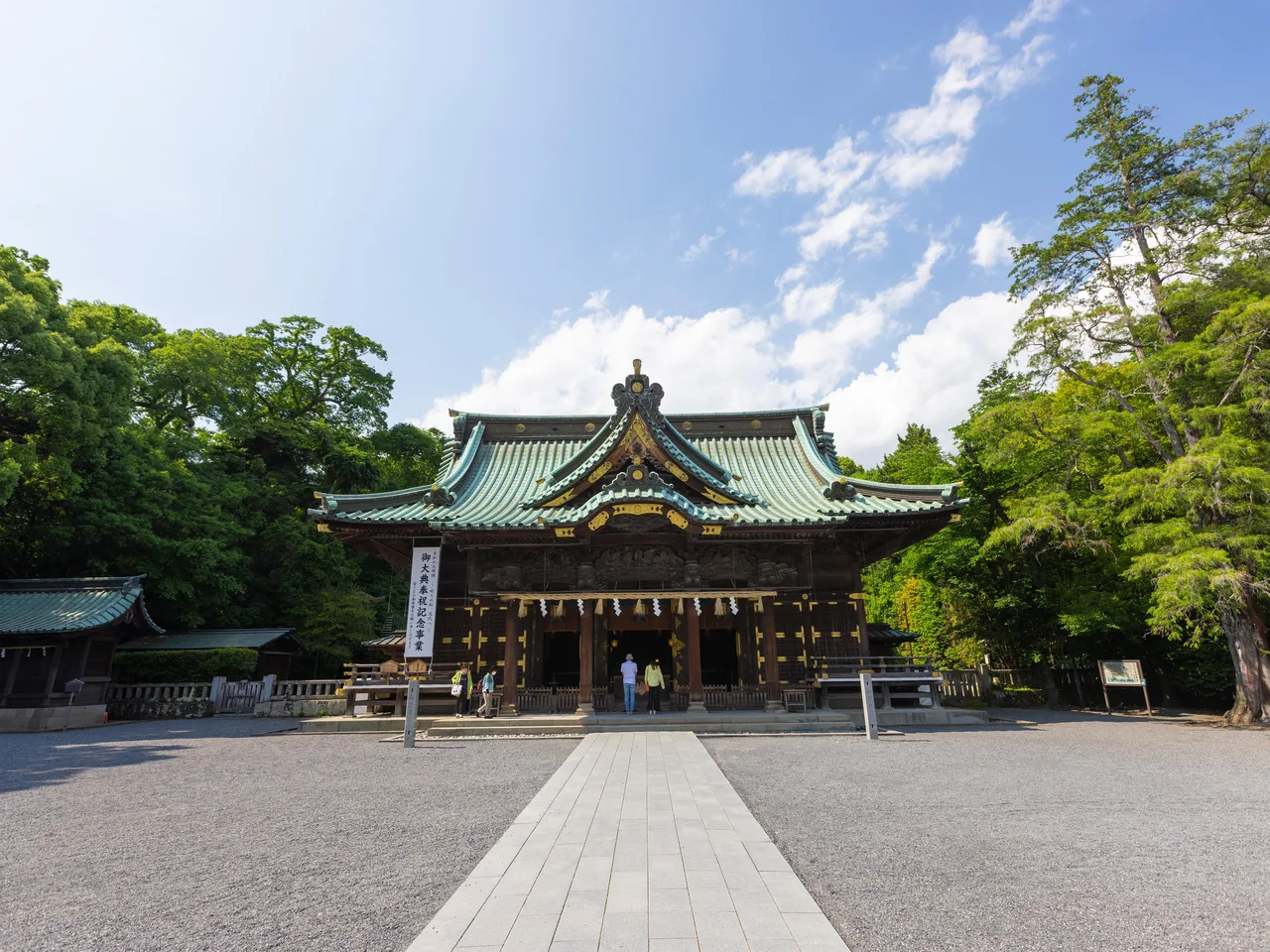
Carvings on a shrine from the 1860s
The current shrine building was raised in 1867, at the very end of the Edo period. The main hall, offering hall and worship hall are joined into one large structure, with detailed carvings packed under the eaves and across the walls. After taking in the front, walk round the side to see the carvings up close. In early autumn the large fragrant olive tree in the grounds flowers, and its sweet scent drifts along the approach.
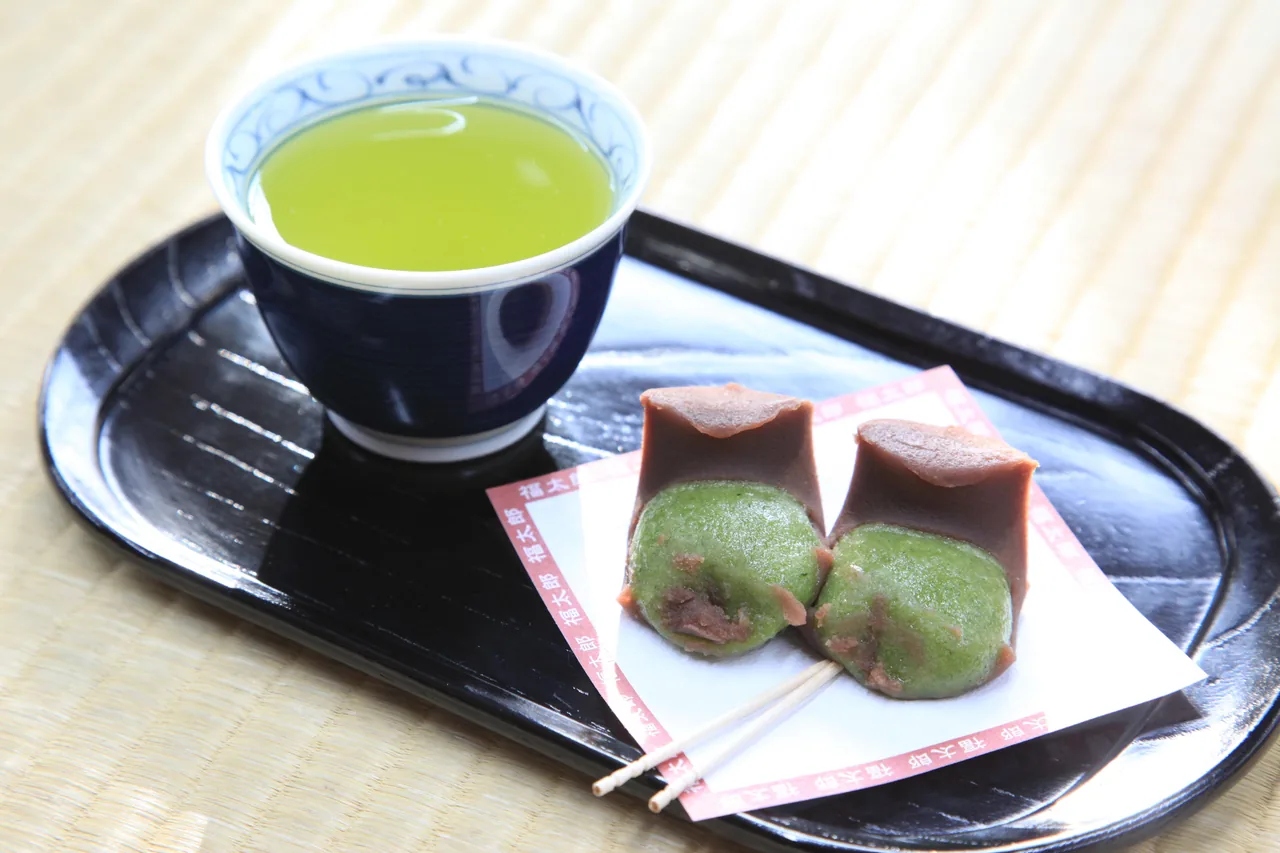
Fukutaro after your visit
The teahouse in the grounds serves Fukutaro, a lucky rice cake that is the shrine's specialty, with green tea. Each is a bite-sized piece of mugwort mochi topped with smooth red bean paste, shaped like a courtier's eboshi hat. The name comes from Fukutaro, a masked character who appears in a shrine ritual praying for a good harvest.
- Access
- About 15 minutes on foot from the south exit of JR Mishima Station.