Oga Shinzan Folklore Museum
About
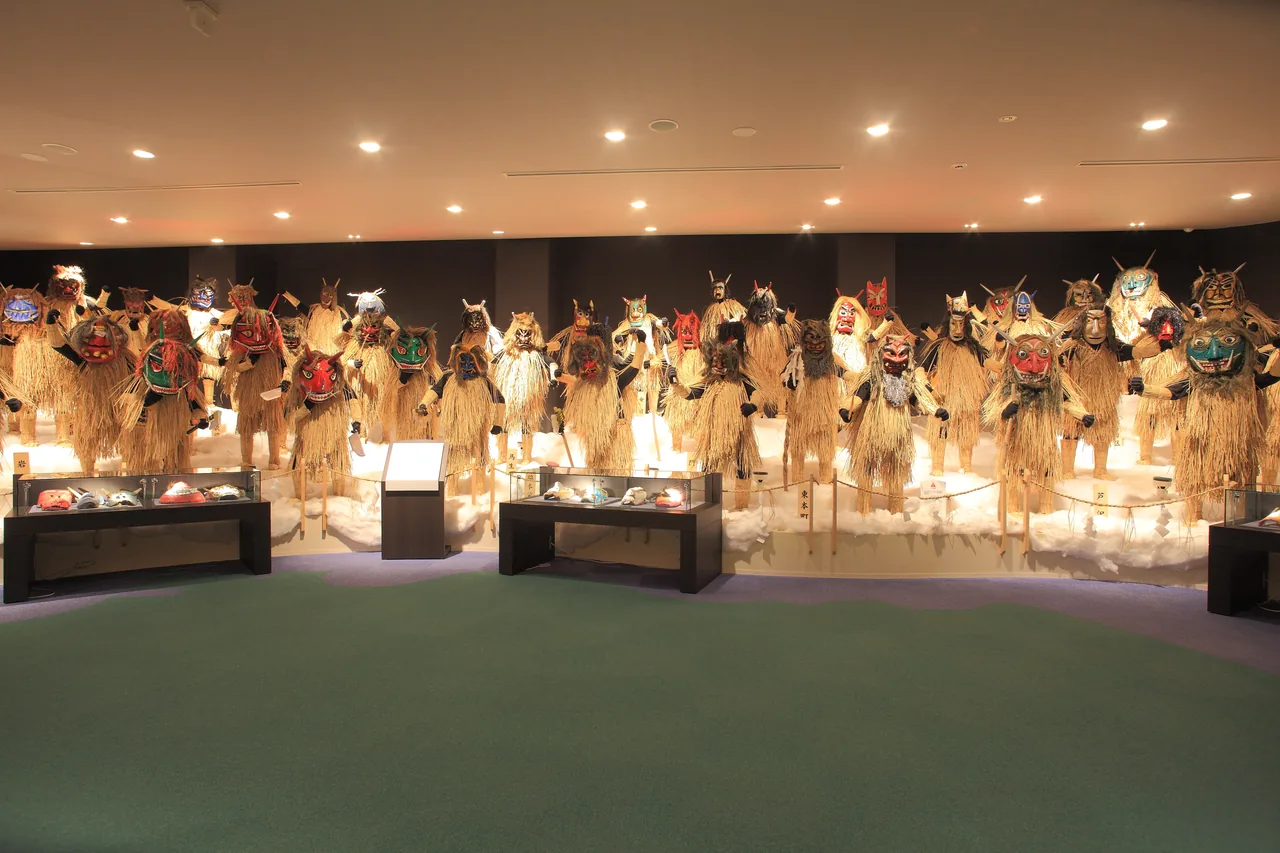
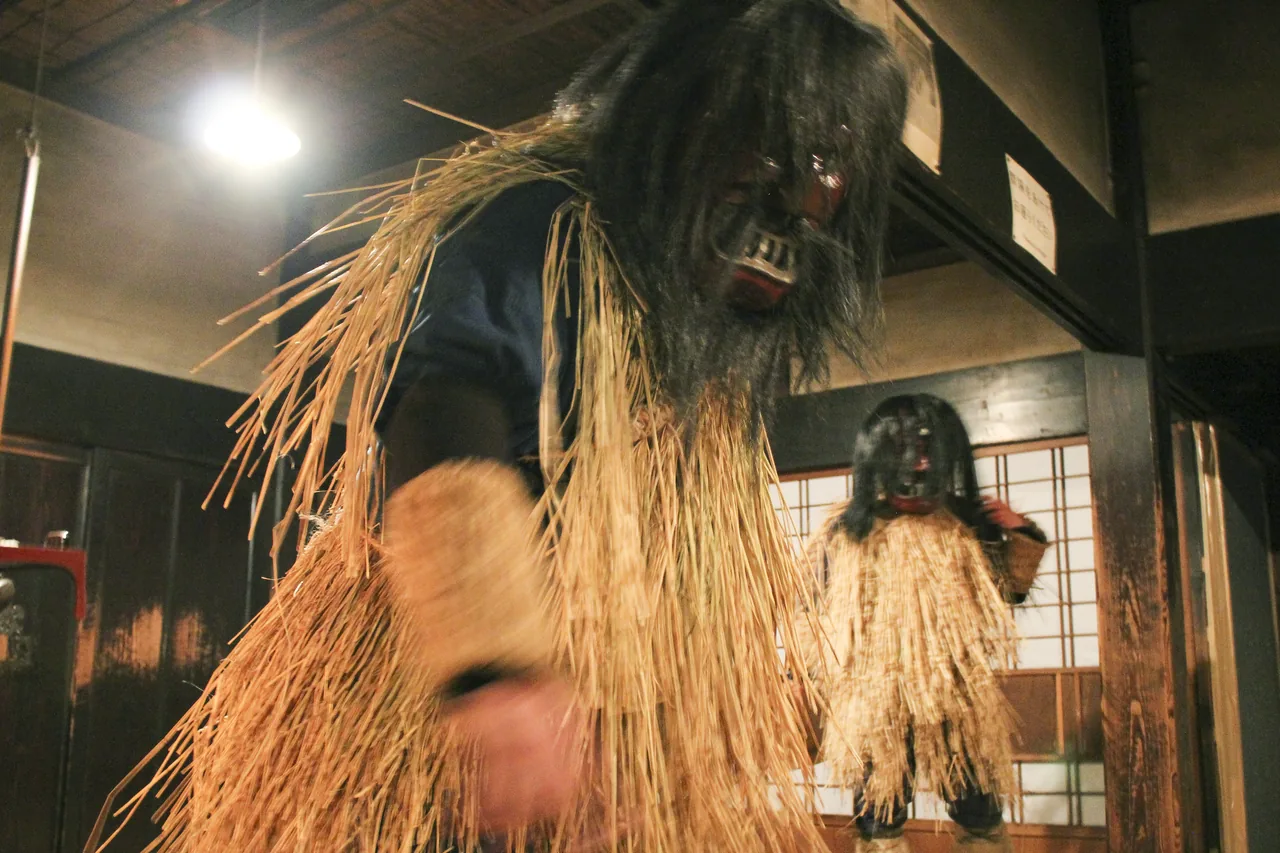
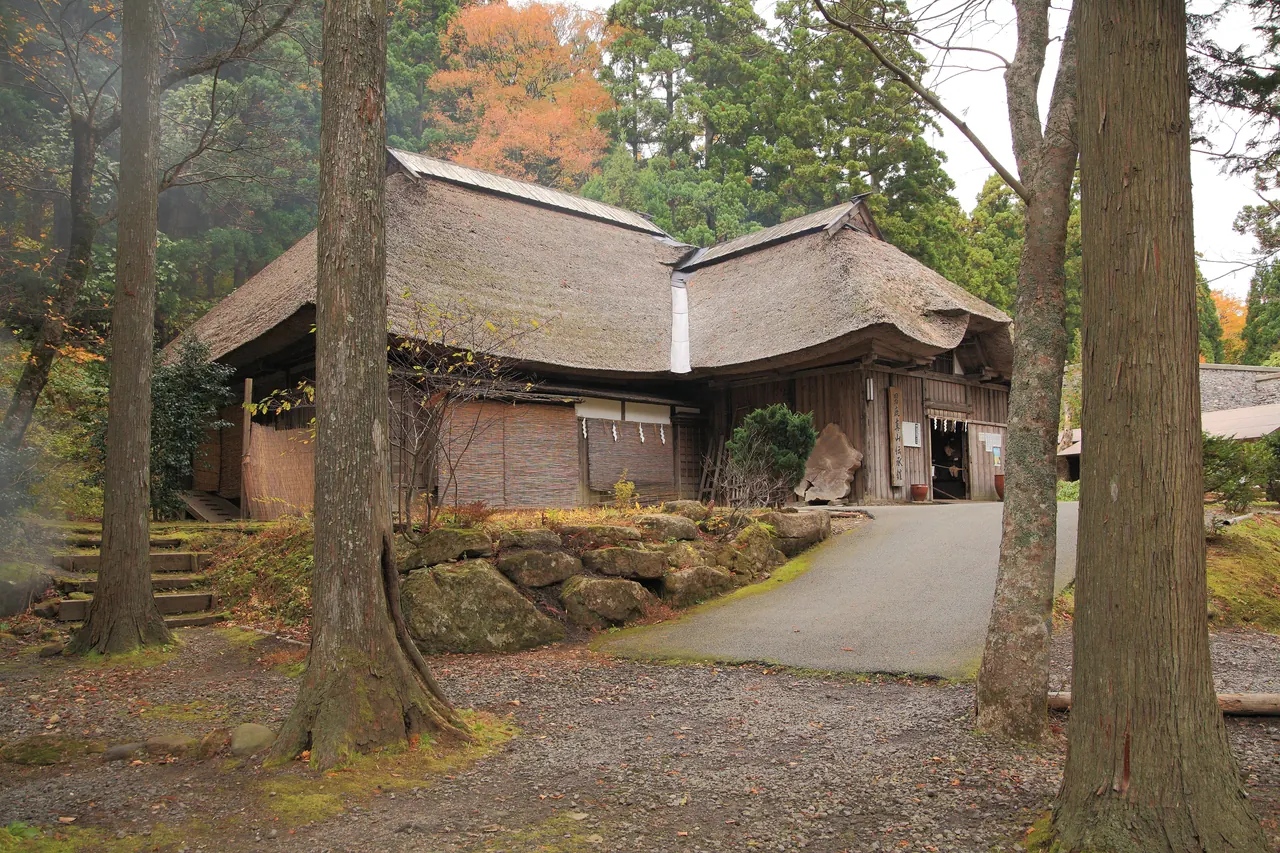
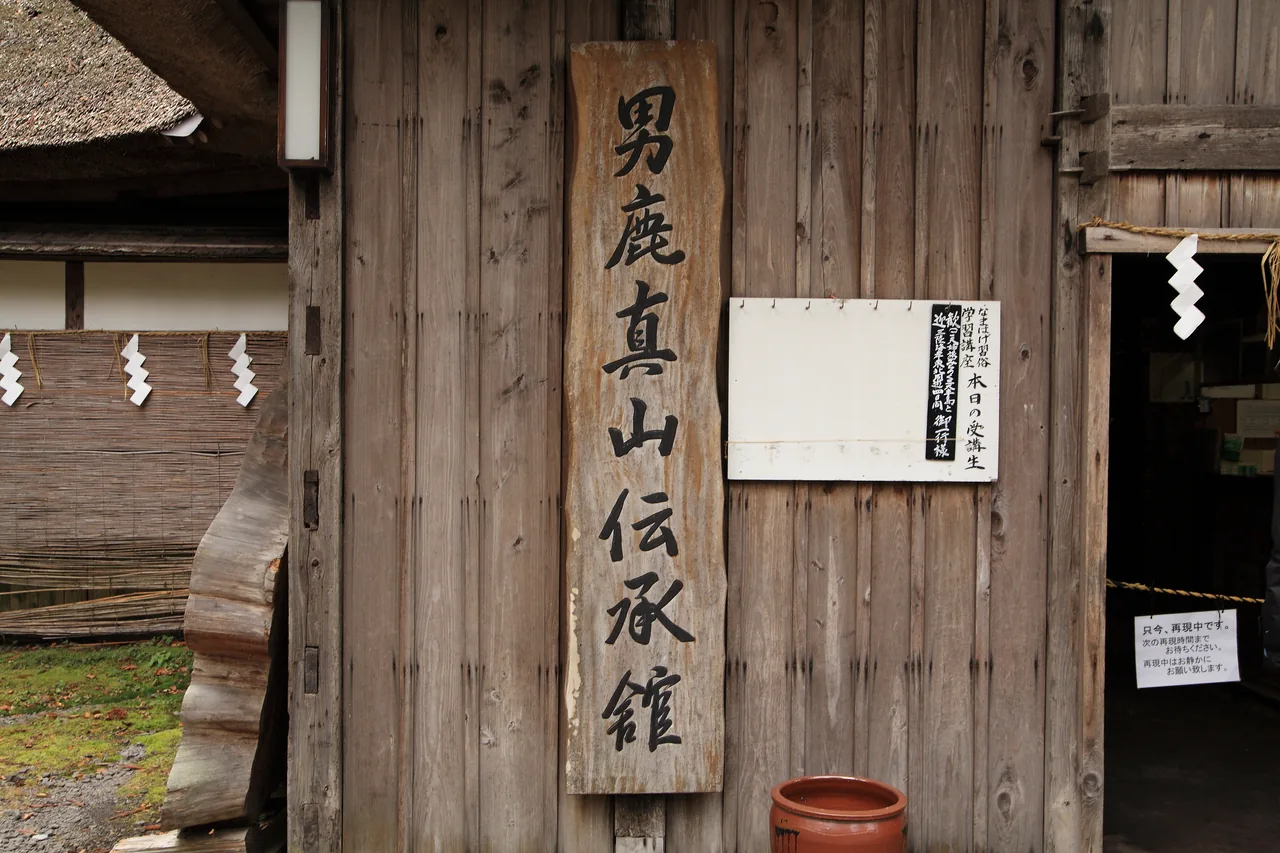
In an old farmhouse, this museum re-enacts the namahage ritual held on New Year's Eve in the Shinzan district of the Oga Peninsula, when men dressed as masked ogre-like deities visit local homes. The ritual was once hard for anyone but locals to see, so it is presented to visitors as a "Namahage folk custom lecture." The building is a magariya, a typical L-shaped farmhouse of the Oga area, and stands next to the Namahage Museum. Lecture times change with the season, so check the official website.
This text was translated automatically and may contain errors.
A Meiji-era farmhouse, moved here
The museum building was built in 1907 as the home of the Meguro family in Shimada in the Oganaka area of Oga, and was moved to its current site in 1995. It is a chumon-zukuri farmhouse, with the stable projecting from the front of the main house, and is a registered Tangible Cultural Property of Japan. The large thatched roof and wooden walls speak of life in snowy Oga.
The customs of Shinzan's namahage
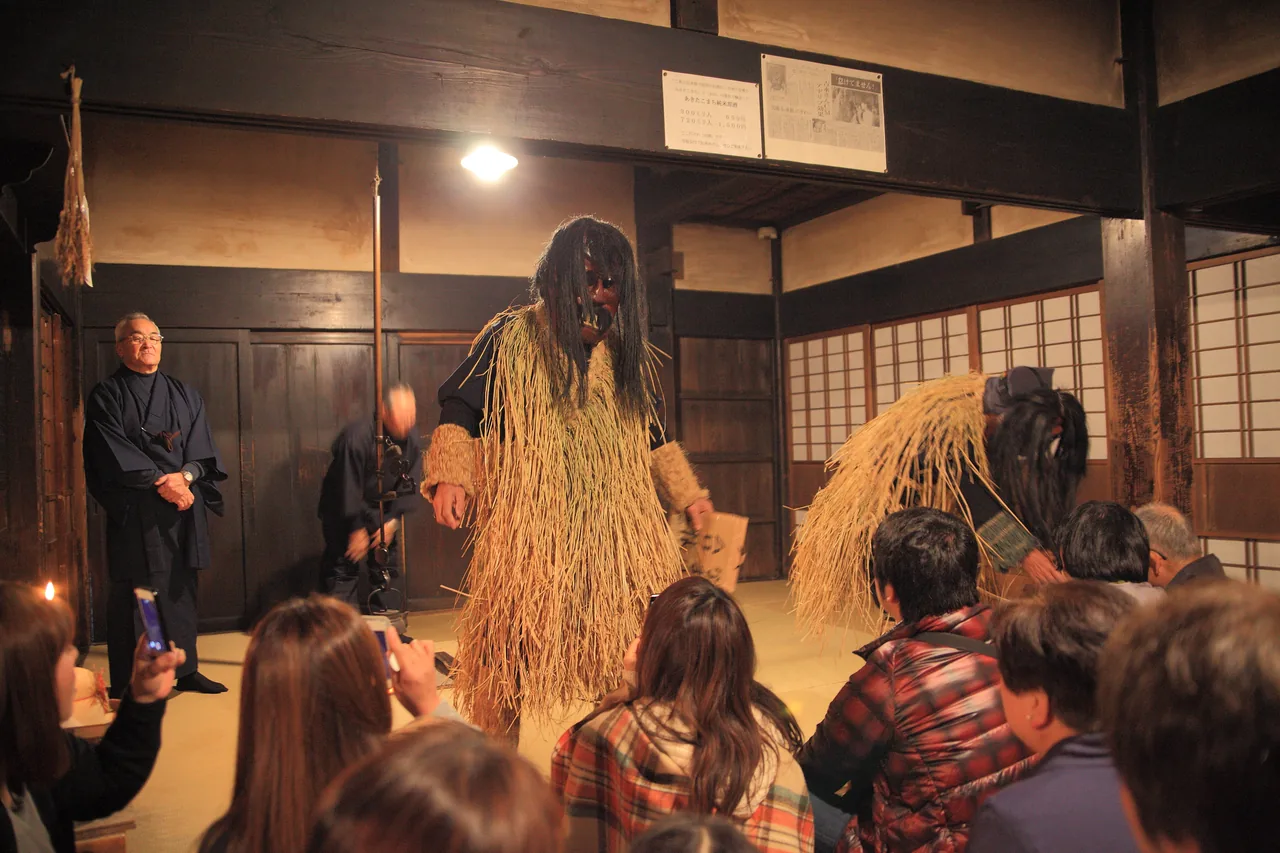
Namahage of Oga is a nationally designated Important Intangible Folk Cultural Property, and in 2018 it was inscribed on UNESCO's Intangible Cultural Heritage list as one of the rituals grouped as "Raiho-shin, ritual visits of deities in masks and costumes." The namahage of Shinzan follow their own customs, such as "seven-five-three," which sets the number of times for certain actions: seven right after entering the house, five before sitting down to the meal, and three when they stand up.
Face to face in the tatami room
The lecture follows the course of New Year's Eve inside the tatami room: the master of the house welcomes the namahage, serves them a meal and trades questions and answers with them. Seeing the namahage move about right in front of you is nothing like seeing them in photos or on video. Visiting the Namahage Museum next door as well gives you the background to the ritual.
- Access
- About 25 minutes from JR Oga Station on the Namahage Shuttle, a shared taxi that must be booked in advance through the Oga City Tourism Association.