
Osu Kannon Temple (Shinpuku-ji Hosho-in)
About
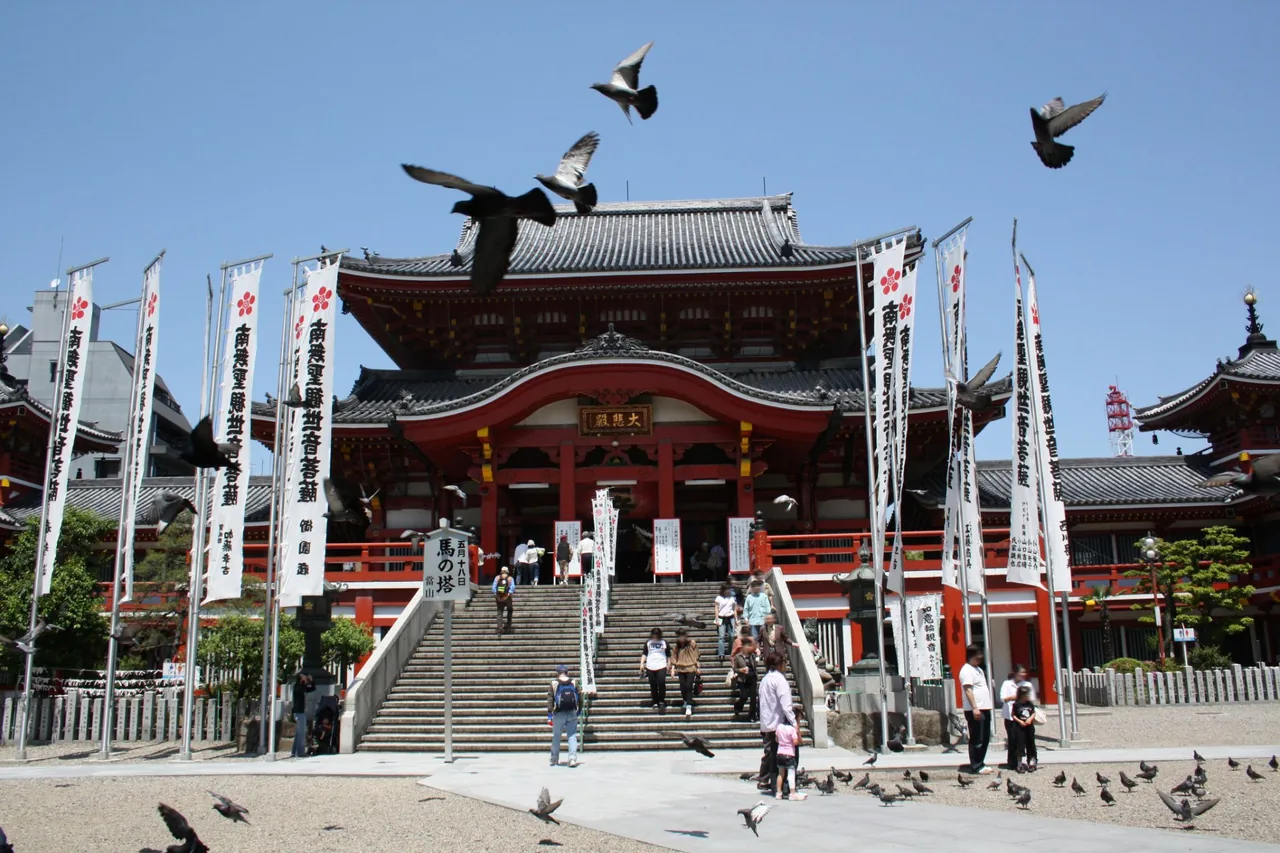
A temple of the Chisan branch of Shingon Buddhism that originally stood in Osu in Owari Province (now Hashima, Gifu Prefecture), it was moved to its present site when Tokugawa Ieyasu laid out the town of Nagoya. The main hall was destroyed in the war and rebuilt in 1970. The temple's Osu Bunko library holds some 15,000 volumes, including a manuscript copy of the Kojiki that is a National Treasure. On the 18th and 28th of every month, temple fair days, an antique market is held in the grounds.
This text was translated automatically and may contain errors.
The vermilion main hall and the temple pigeons
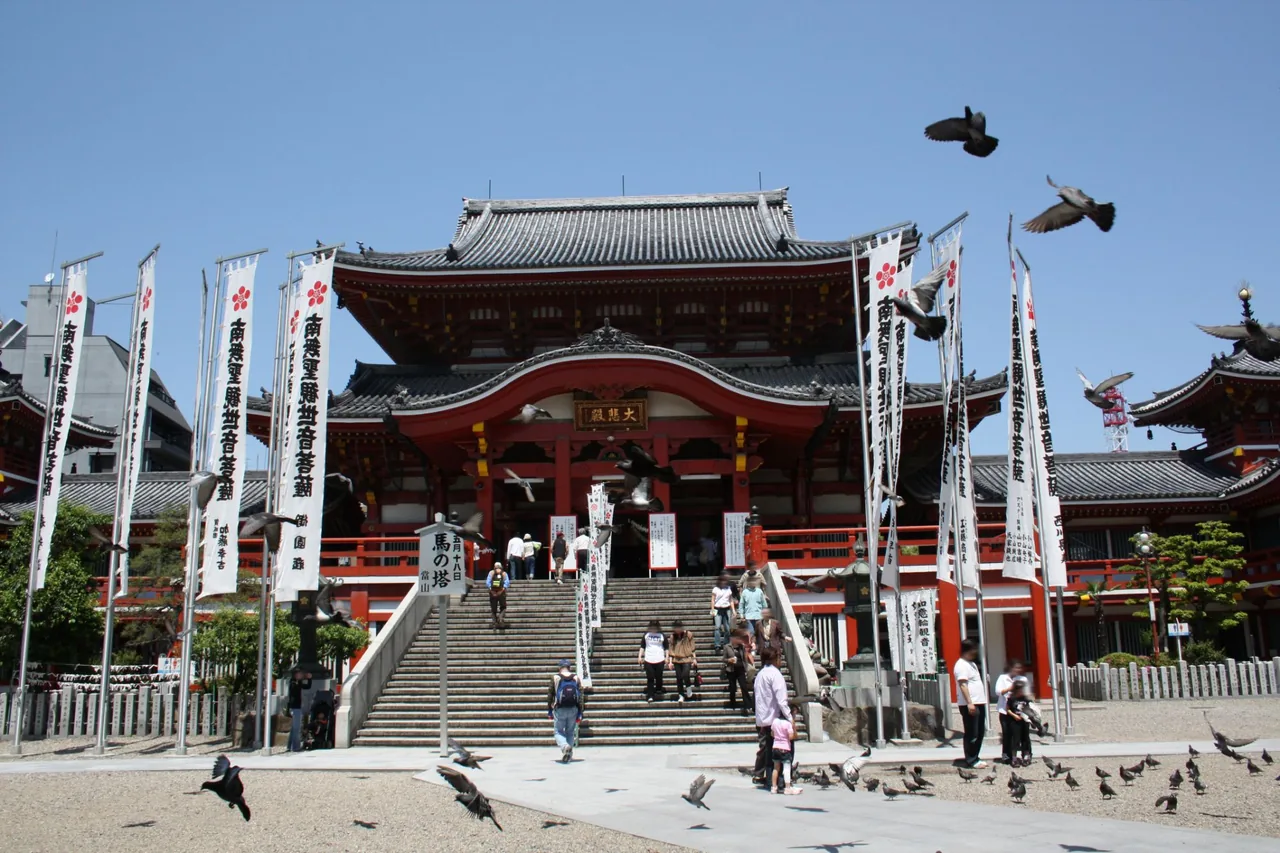
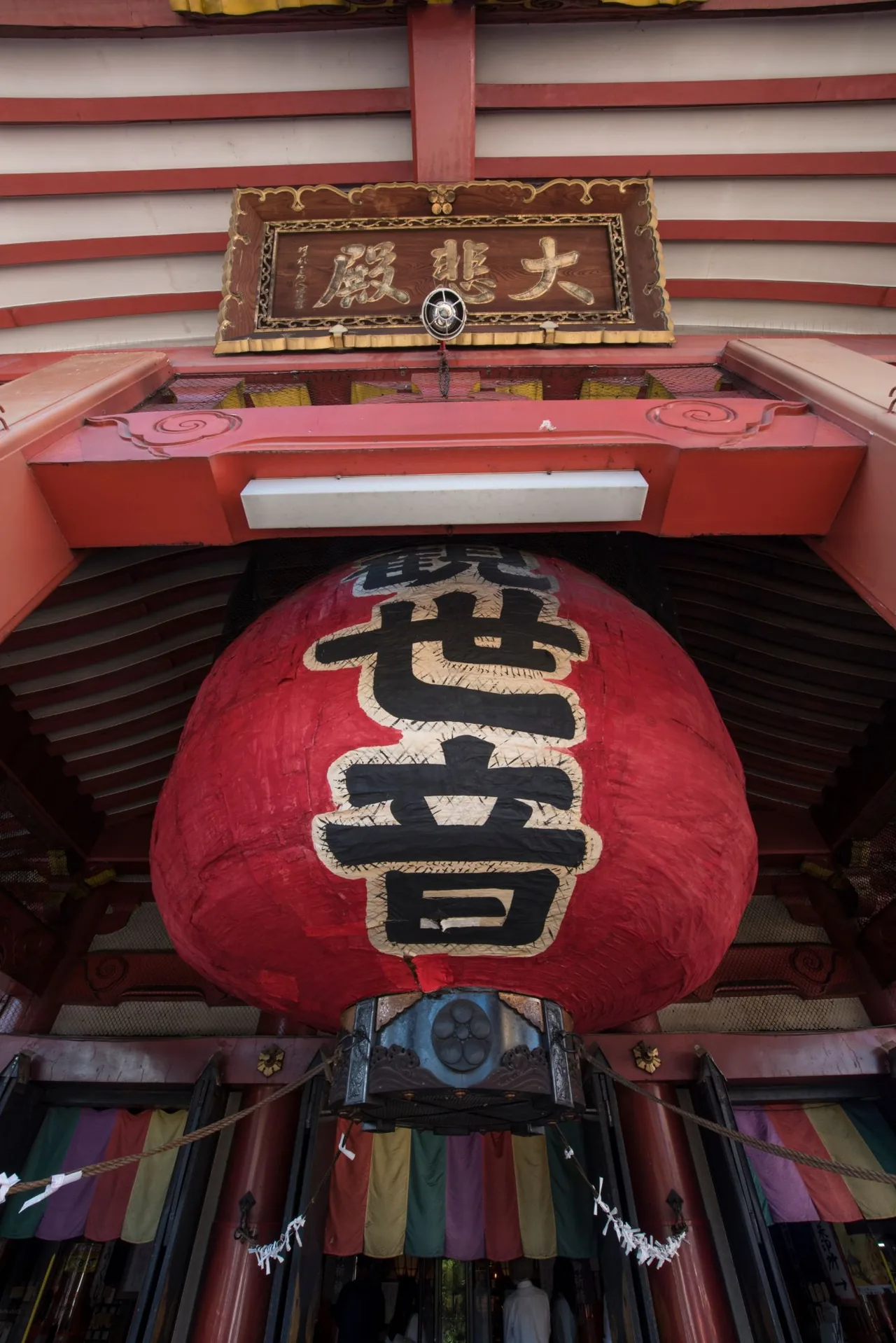
At the top of the stone steps, the main hall catches the eye with its vermilion pillars, and a large red lantern hangs at the front. The grounds have long been home to plenty of pigeons, and the sight of them wandering around visitors' feet is part of the temple's character. The National Treasure Kojiki manuscript kept in the Osu Bunko library is known as the Shinpukuji copy, and it is the oldest surviving manuscript of the Kojiki.
Osu, a temple town, and its yearly events
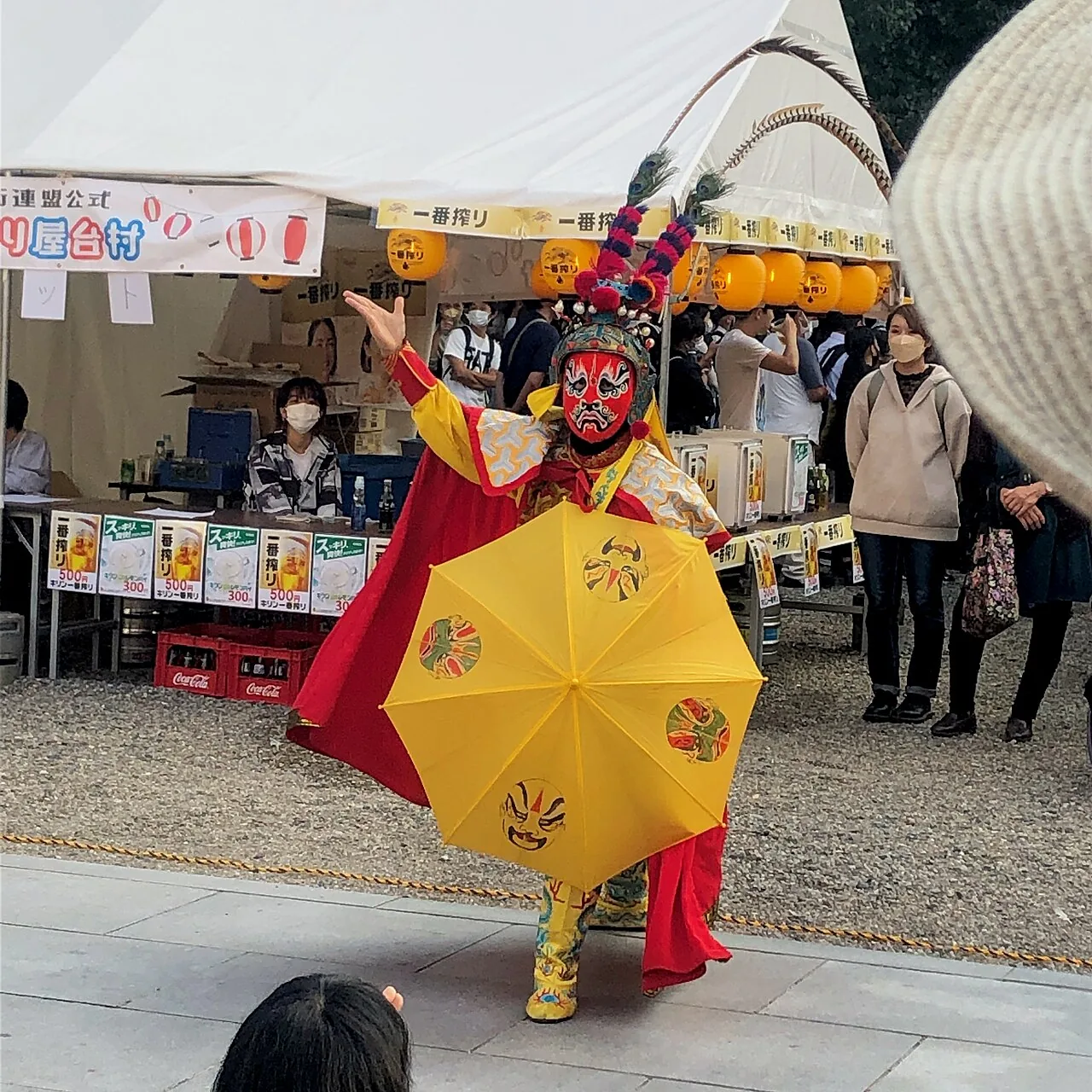
The Osu shopping district began as the temple town that grew up around Osu Kannon and Banshoji. Nioumon-dori street runs east from in front of the temple, so you can go straight from paying your respects to shopping and snacking. At the Osu Summer Festival, an oiran procession in gorgeous costumes parades through the shopping streets, and at the Osu Daido-chonin Festival in autumn, street performers gather in the temple grounds and on the streets to show their skills. Visiting during one of these events shows how closely the temple and the town are tied together.
- Access
- About a 3-minute walk from Exit 2 of Osu Kannon Station on the Tsurumai subway line.
Nearby

Hotels nearbyPR
See prices and availability for hotels in Nagoya and book on our partner Trip.com.
See hotels in Nagoya on Trip.com