Shukunegi
About
A harbour village on the Ogi Peninsula at the southern tip of Sado, which prospered from coastal shipping in the Edo period. Nearly everyone in the village worked in the shipping trade as shipowners, sailors or shipwrights, and wooden-walled houses are packed tightly into a small valley. In 1991 it was selected as a nationally designated Important Preservation District for Groups of Traditional Buildings. People still live here, so walk quietly and do not peer into houses or gardens.
This text was translated automatically and may contain errors.
A village packed into a valley
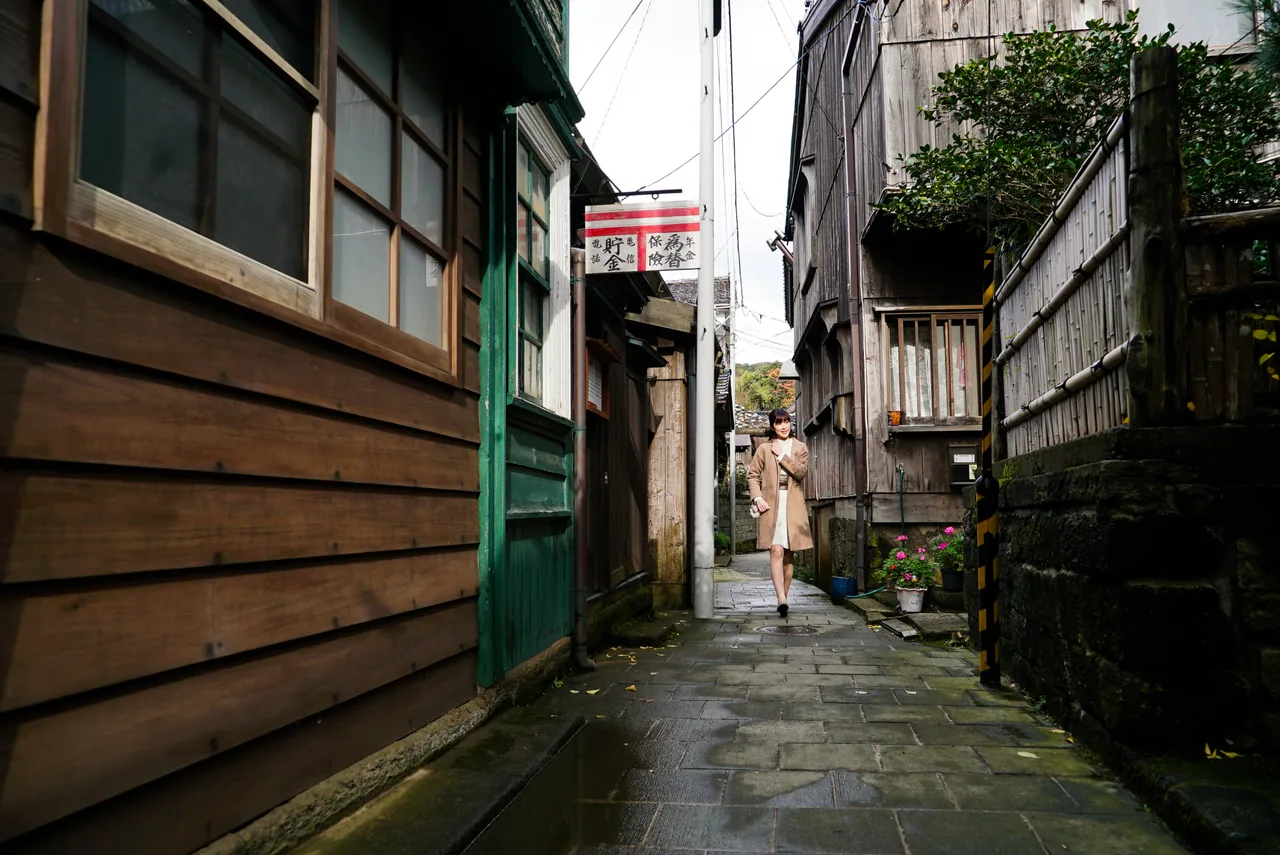
The preservation district covers about 28.5 hectares, but the houses are concentrated in only a small part of it, down in the valley. Because the land was so limited, buildings stand eave to eave and narrow lanes wind between them like a maze. Walk the lanes and every turn shows the wooden houses from a different angle.
Houses built with shipwrights' skills
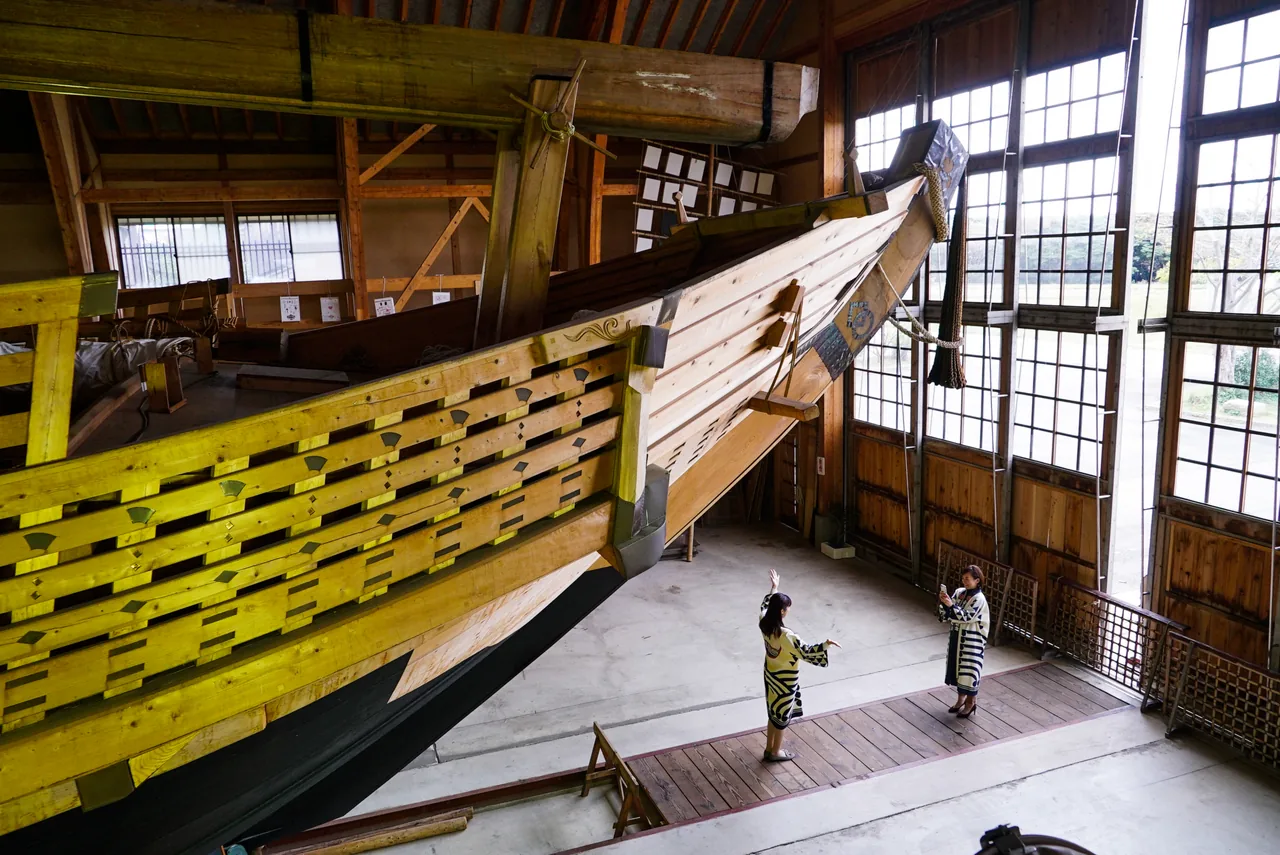
Many shipwrights lived in Shukunegi, and even after the shipping trade declined they kept building Japanese wooden boats off the island. Their boatbuilding skills went into the houses too; some have outer walls made from ship's planks. The weathered wooden walls tell the story of a port exposed to salt winds for generations.
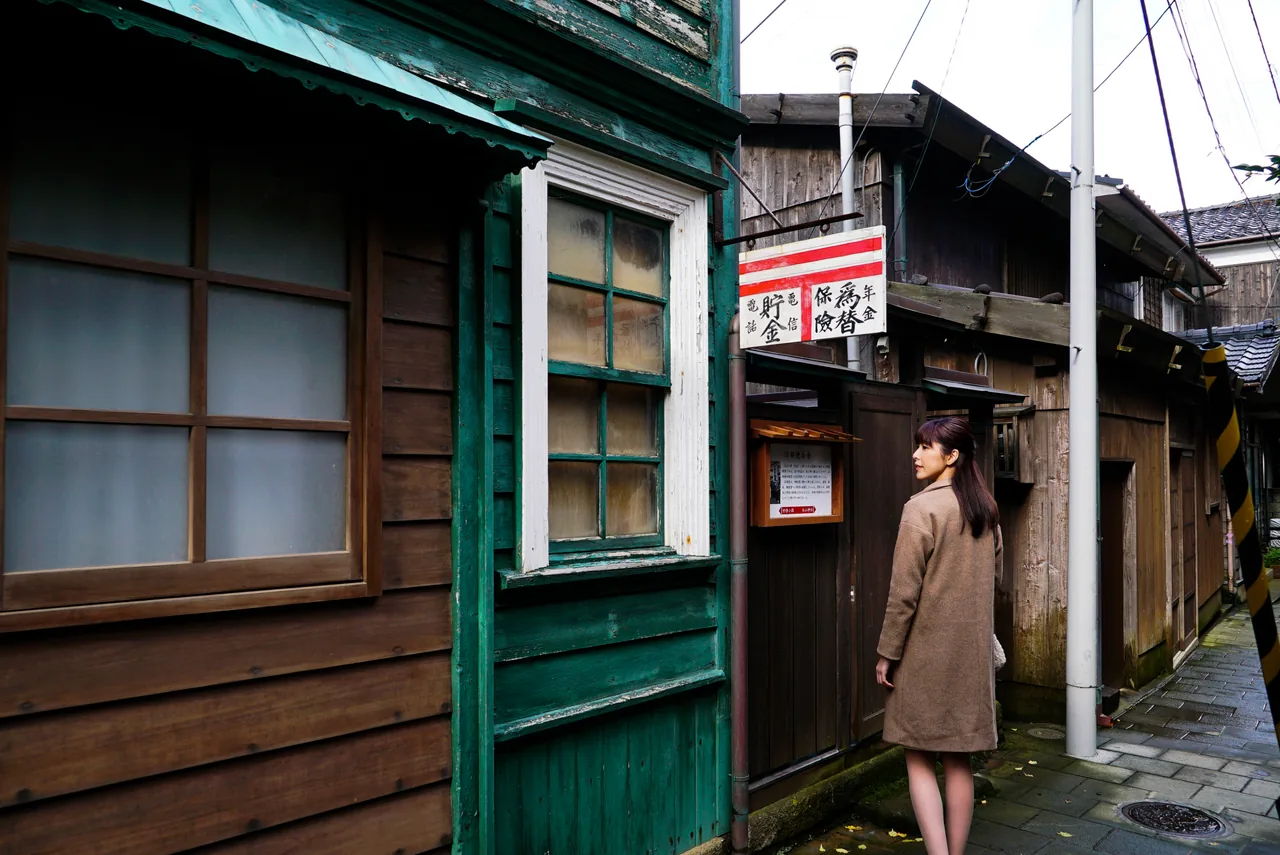
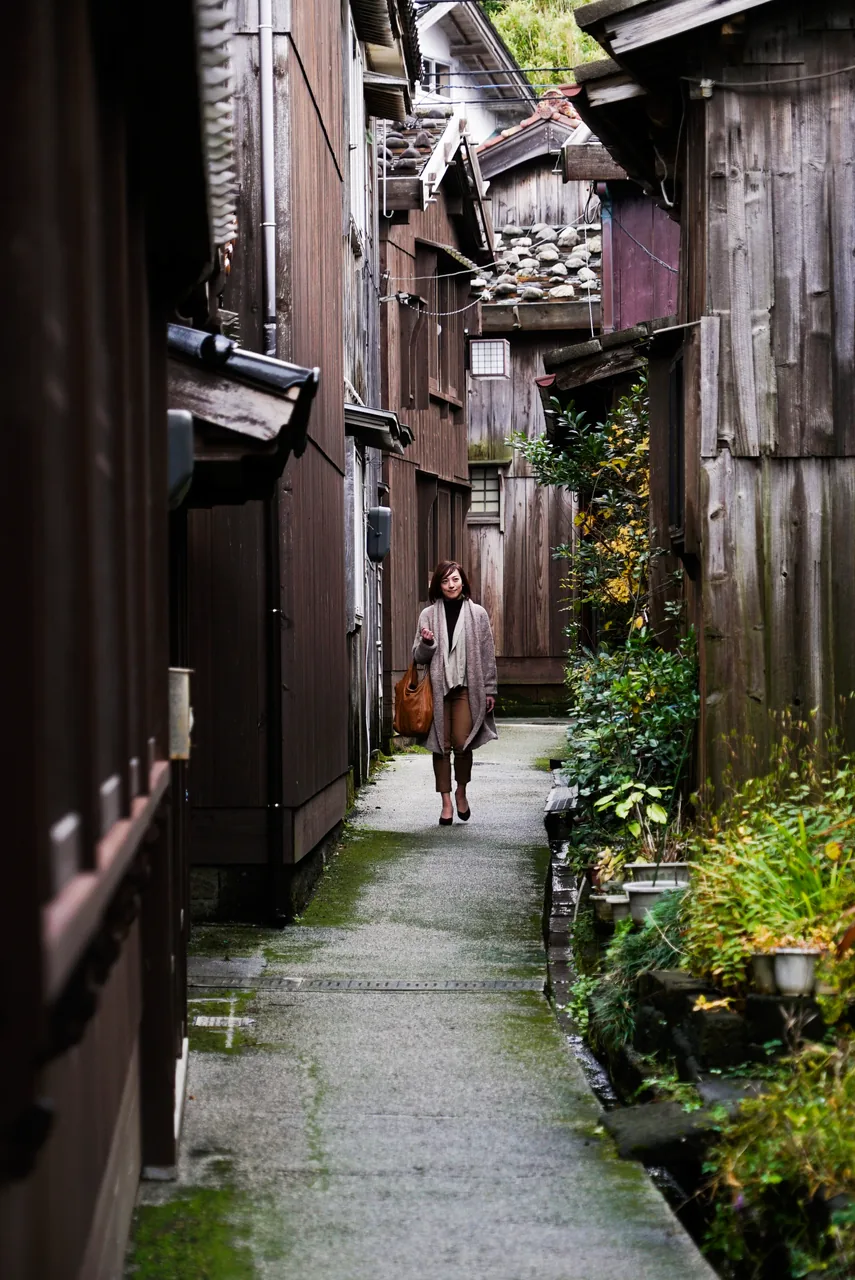
Yosute Koji lane
Within the village is a narrow lane called Yosute Koji that threads between wooden houses. Weaving between the buildings, it is where you feel most directly how Shukunegi's houses were squeezed into the valley.
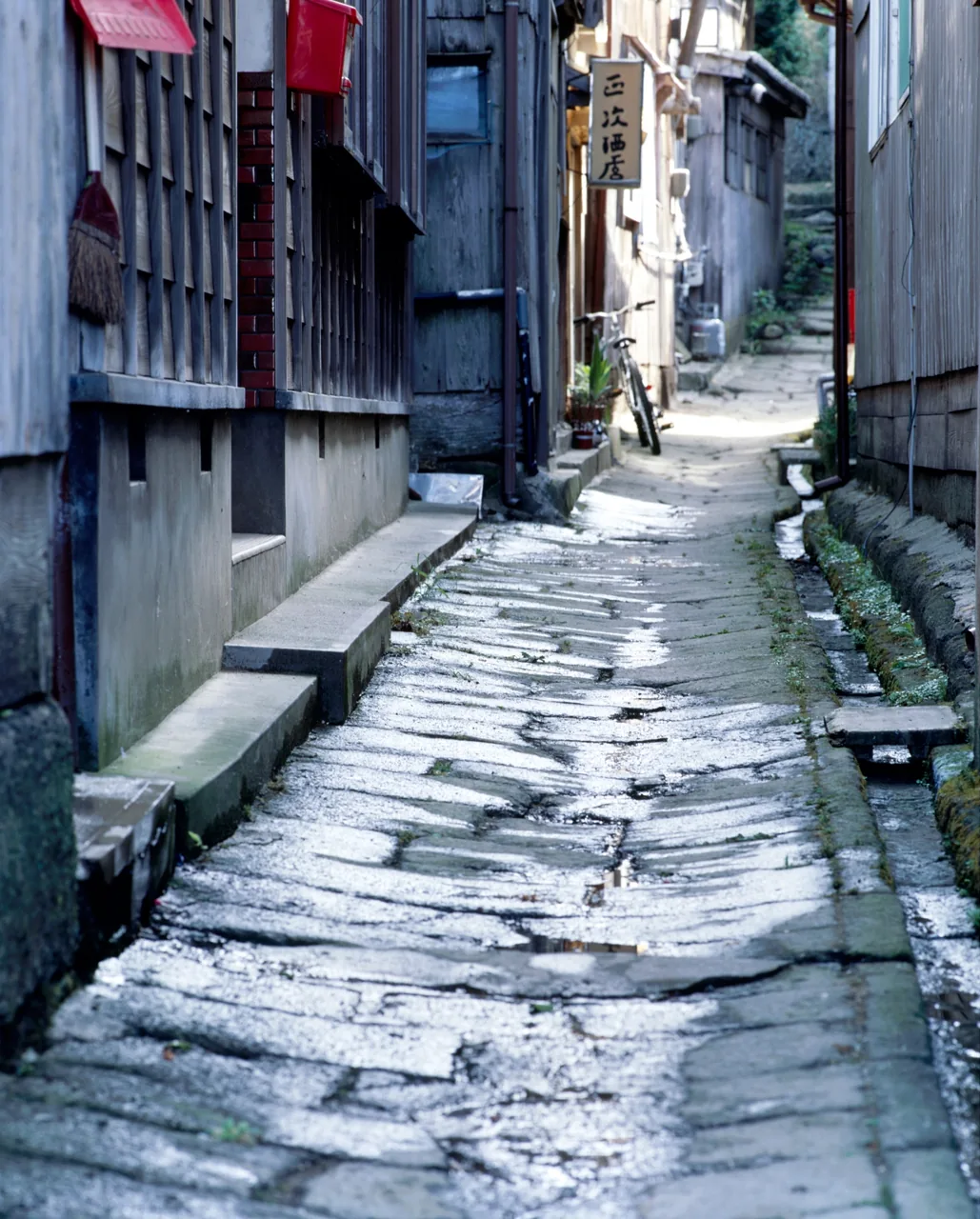
Houses open to visitors
Some houses in the village are open for you to look inside. Sankakuya, built to fit a triangular plot, is known for its shape like the prow of a ship and is the village's best-known building. Opening days and hours differ from house to house, so check the notices on site or Sado City's information.
- Access
- Shukunegi is to the west of Ogi Port along the Ogi Peninsula. You can combine it with a visit to the Sado National Ogi Folk Museum.