Suzumigaoka Hachiman Shrine
About
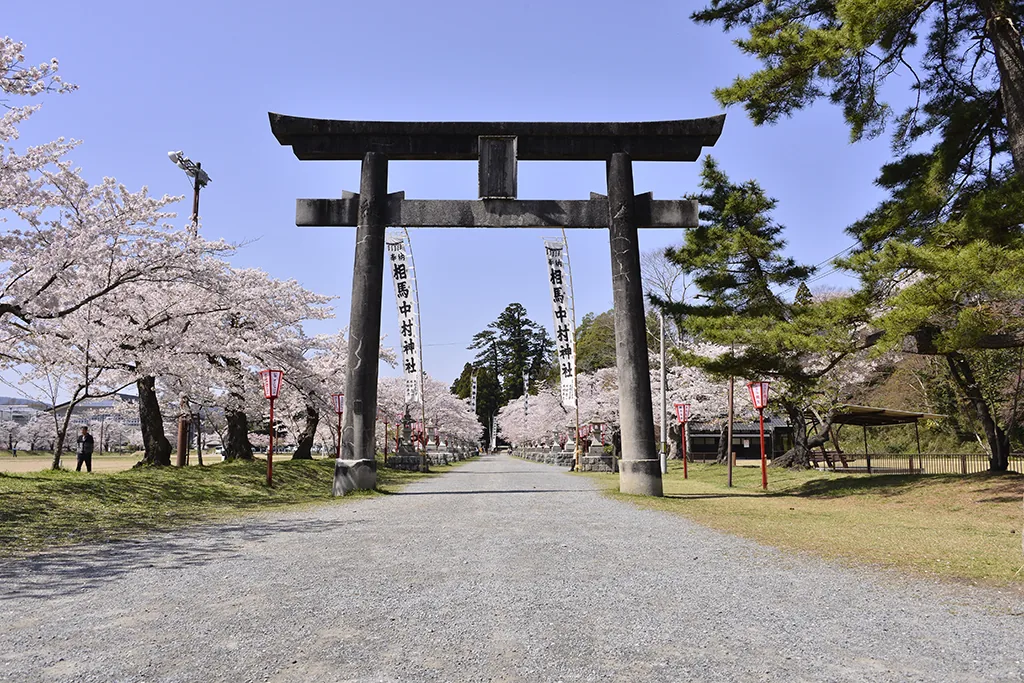
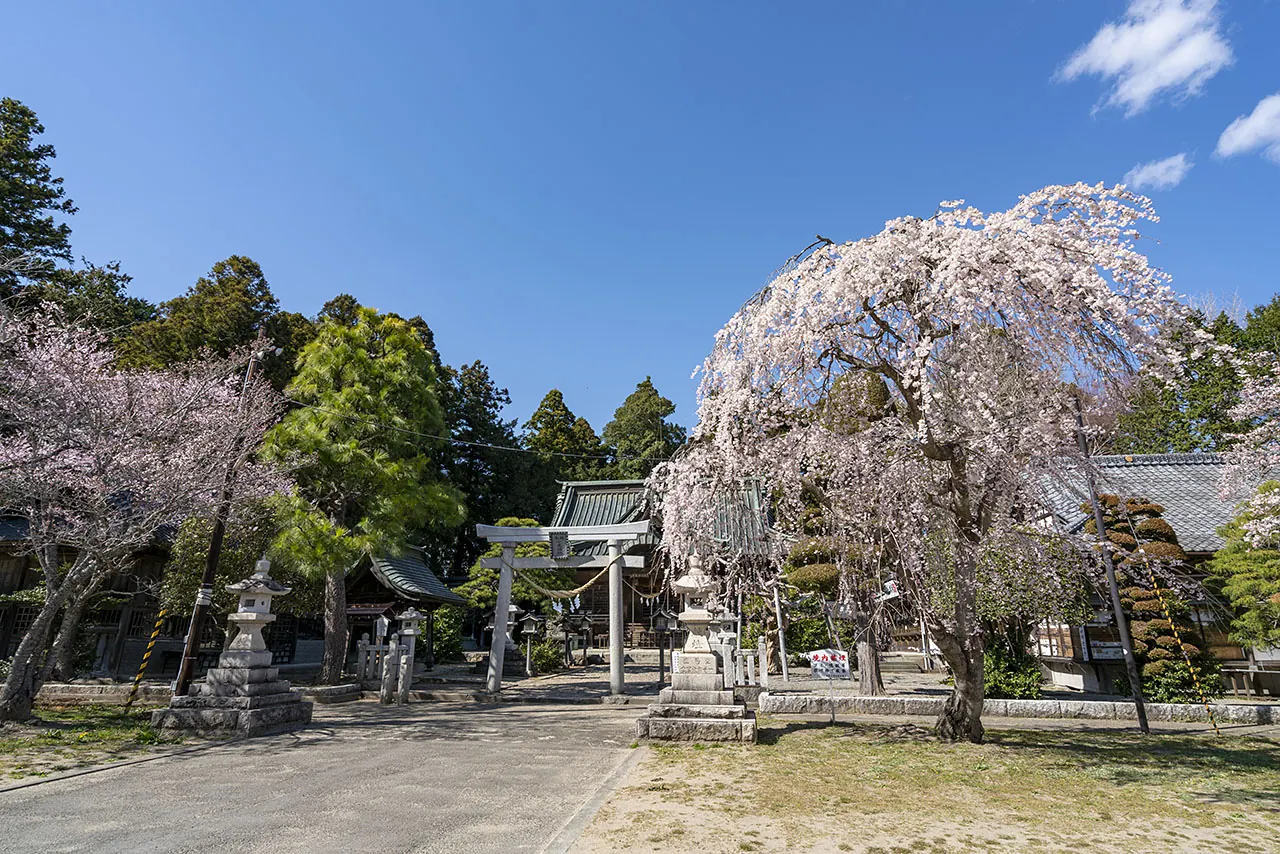
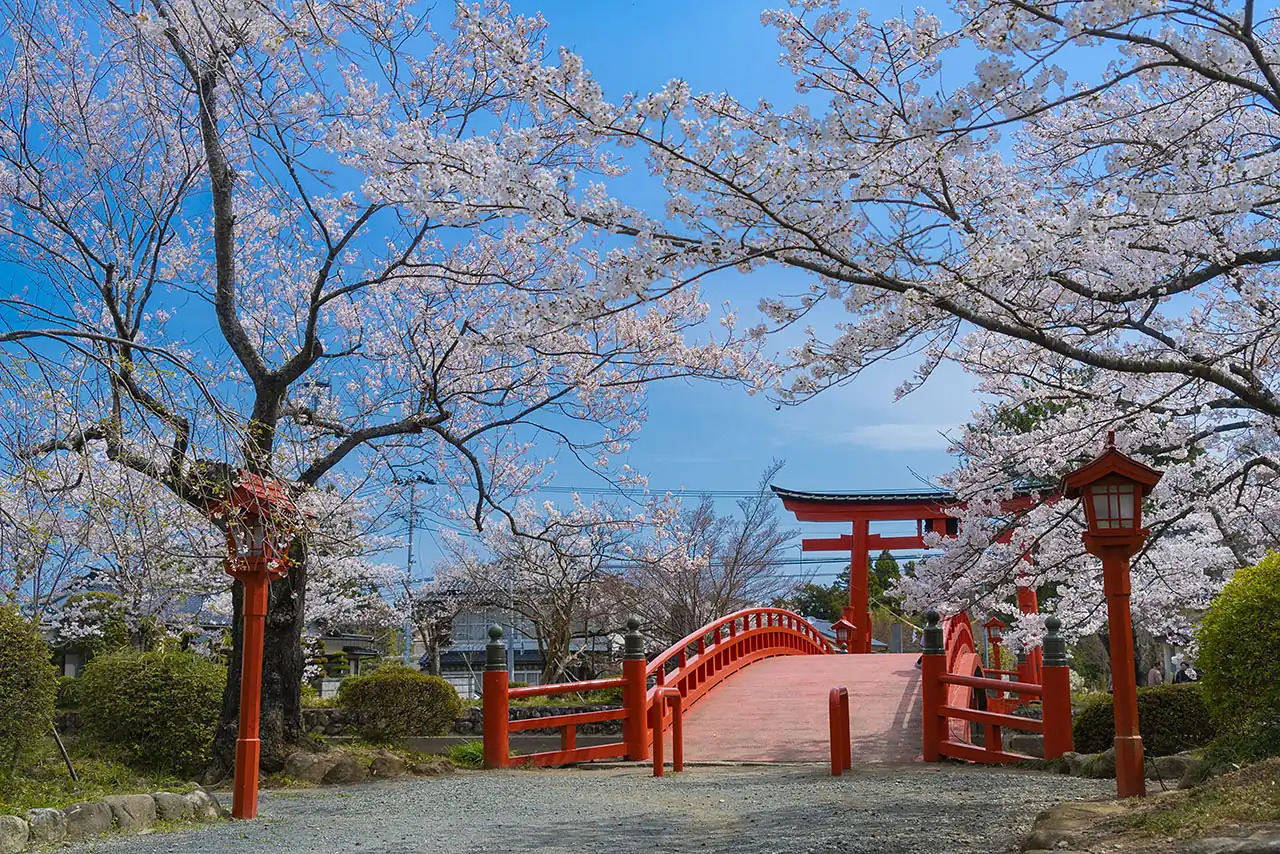
This shrine stands in the woods of Tsubota, south of the Soma Nakamura Castle ruins in Soma. Its buildings were erected in 1695 by the Soma family, lords of the Nakamura domain, and the main hall, offering hall and worship hall, among others, were designated Important Cultural Properties of Japan in 2012. In spring about 150 Somei-yoshino cherry trees bloom in the grounds, framing the vermilion bridge and red lanterns.
This text was translated automatically and may contain errors.
Mid-Edo shrine buildings among the cherry trees
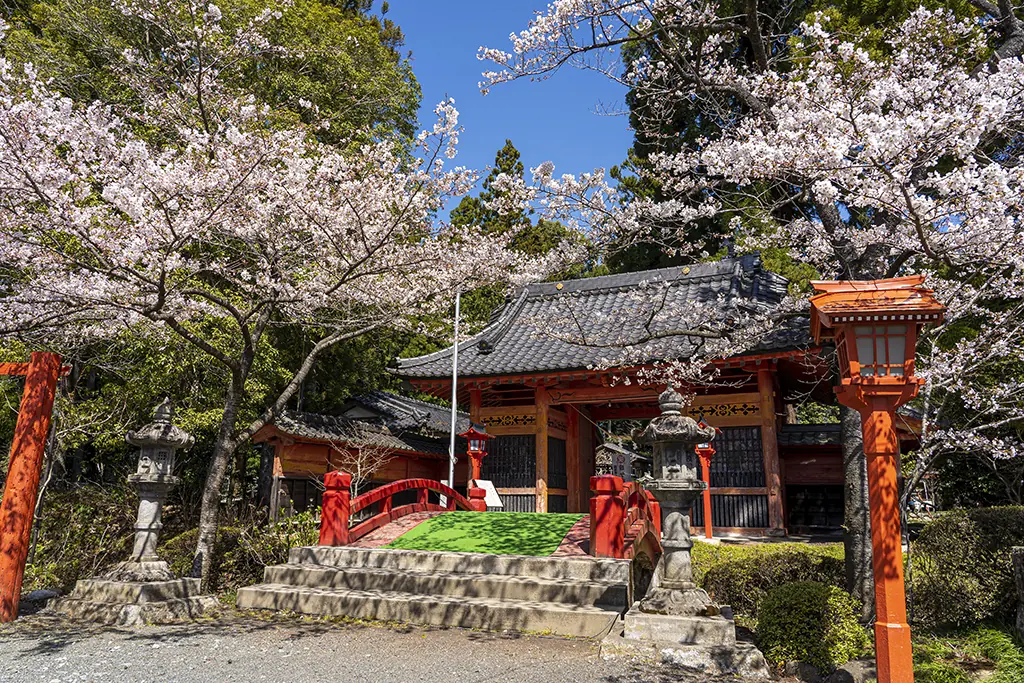
At the back of the grounds, past the Zuishinmon gate, the worship hall, offering hall and main hall stand in a line. They follow the gongen-zukuri style, which links the halls into one structure, and are decorated inside and out with carvings and colour. Seen as a fine example of mid-Edo provincial shrine architecture, they became Important Cultural Properties together with the Zuishinmon gate, the Wakamiya Hachimangu main hall and the Kireisha main hall. At full bloom, cherry branches reach out in front of the vermilion buildings.
Red lanterns along the approach
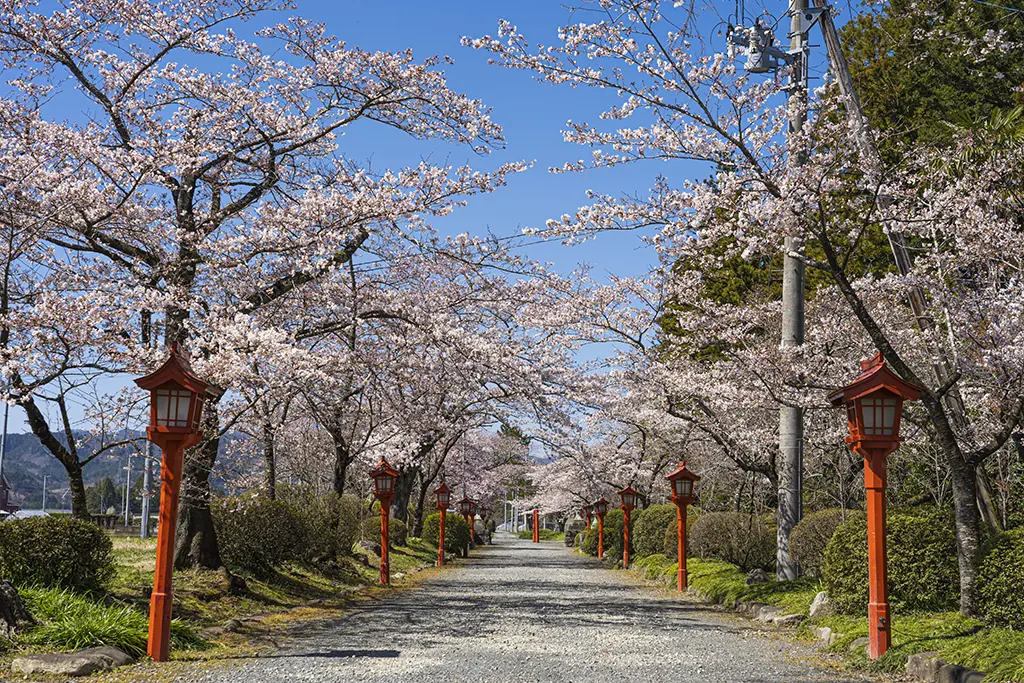
Red lanterns line the path to the halls, and in cherry blossom season they form a vermilion row beneath the flowers. In some years the lanterns are lit during the bloom, giving the approach a different mood from late afternoon. Check Soma City or the Soma tourism association for whether and when they are lit.
The Hojo pond and the vermilion Kamiji bridge
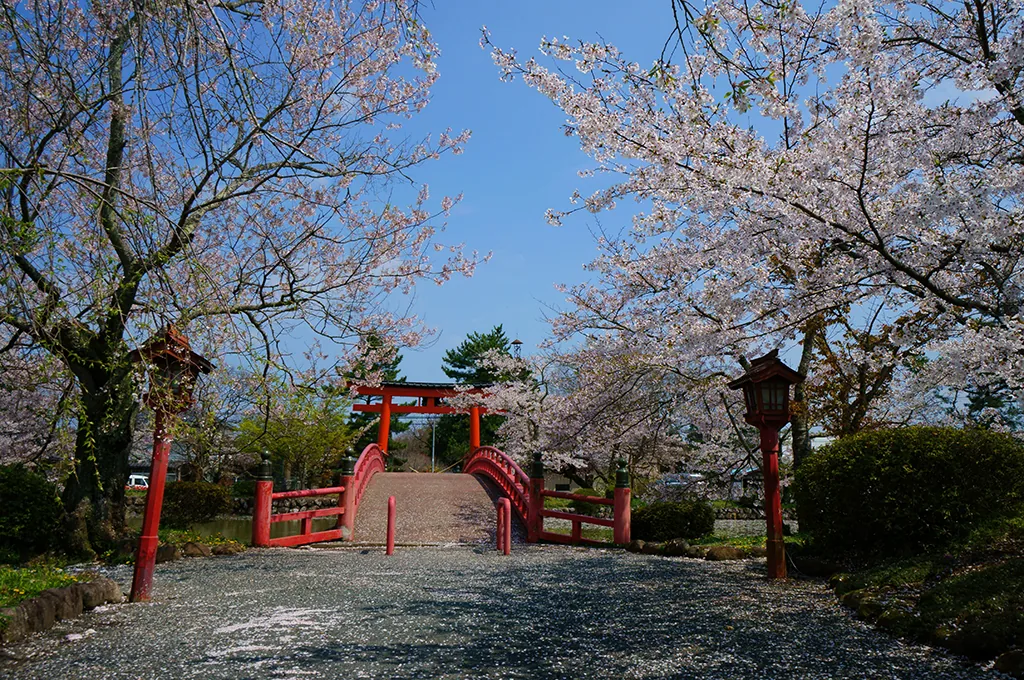
Just inside the red torii gate lies the Hojo pond, crossed by the vermilion Kamiji bridge. Cherry trees surround both the pond and the approach, and from the bridge you can see the blossoms reflected in the water. It is the spot where most visitors stop for photos.
Walking in from the red torii
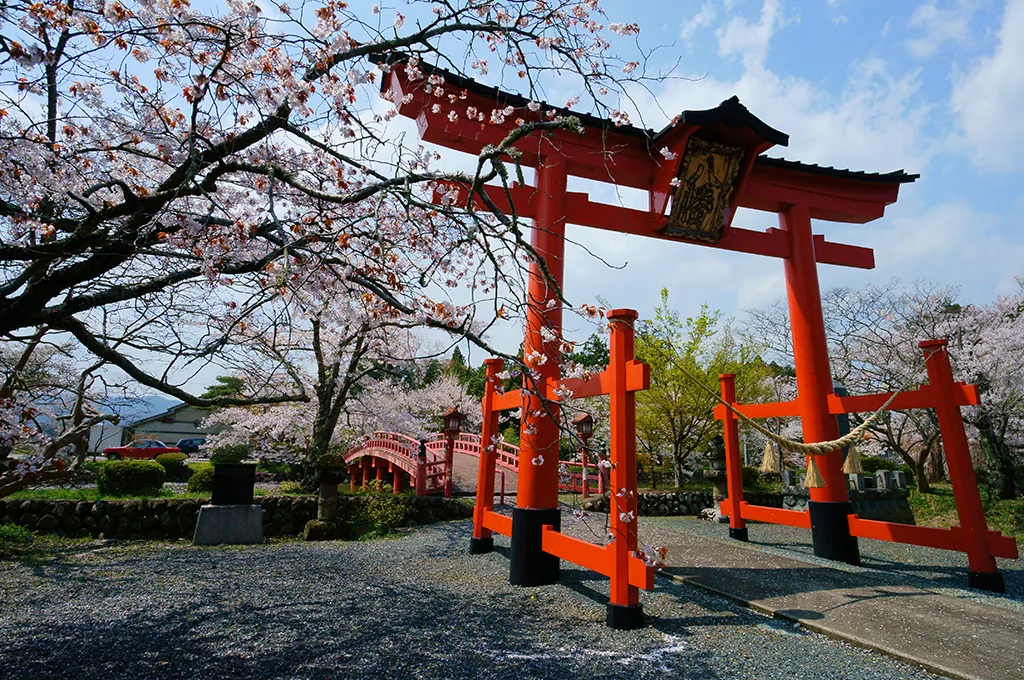
A visit starts at the red torii by the prefectural road and continues over the pond bridge, along the lantern-lined approach and through the Zuishinmon gate to the halls. The cherry blossoms usually peak from early to mid-April, varying a little each year. In September the shrine holds its annual grand festival, which draws local crowds.
- Access
- Head south from Soma Station on the JR Joban Line by car or taxi.