Takehara Townscape Preservation District
About
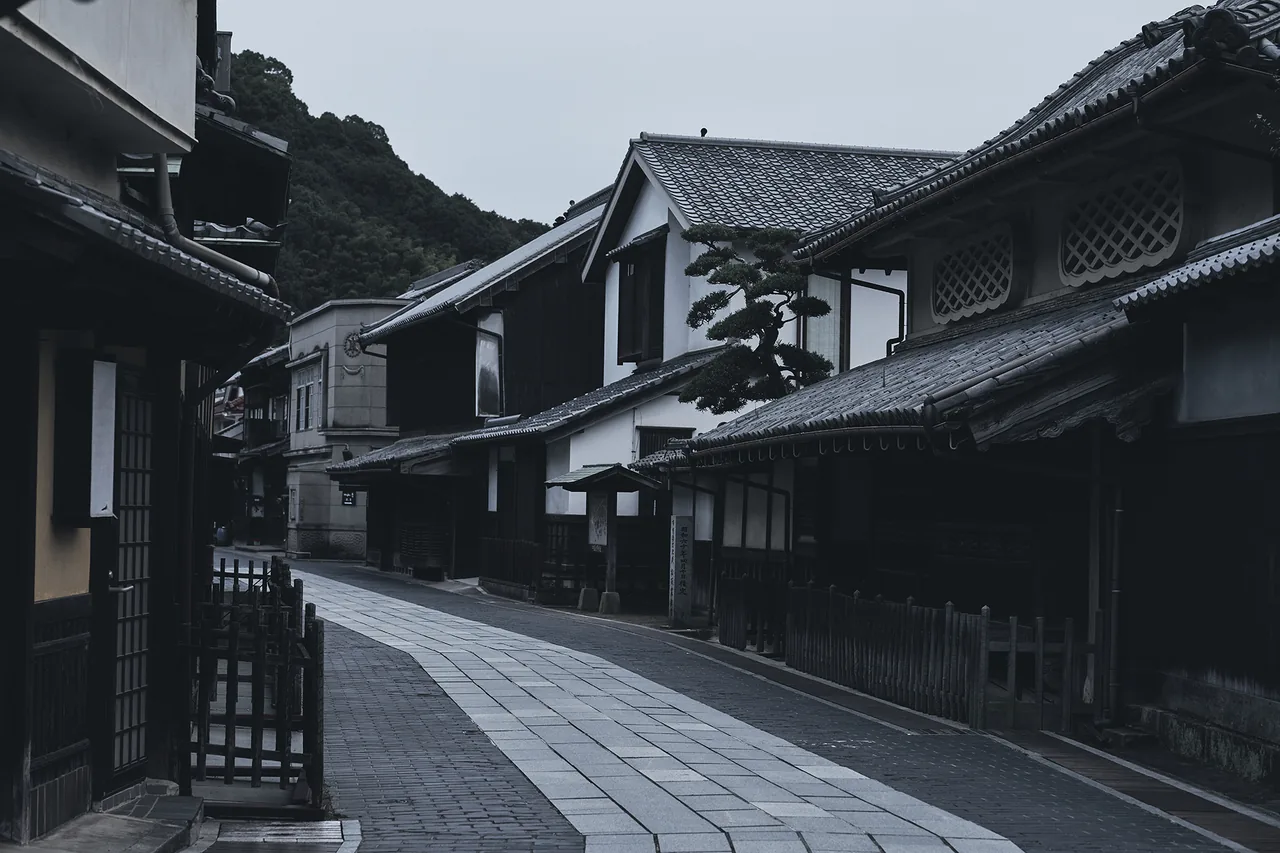
This corner of Takehara, a town that grew rich on salt production in the Edo period, still keeps its old merchant houses and residences. Merchants built large homes with the wealth from the salt fields, and their stately streetscape was designated a national Important Preservation District for Groups of Traditional Buildings in December 1982. Along Honmachi-dori, the main street, large merchant houses from the Edo to Meiji periods line the way, and you can stroll past latticed doors and tiled roofs.
This text was translated automatically and may contain errors.
Strolling Honmachi-dori
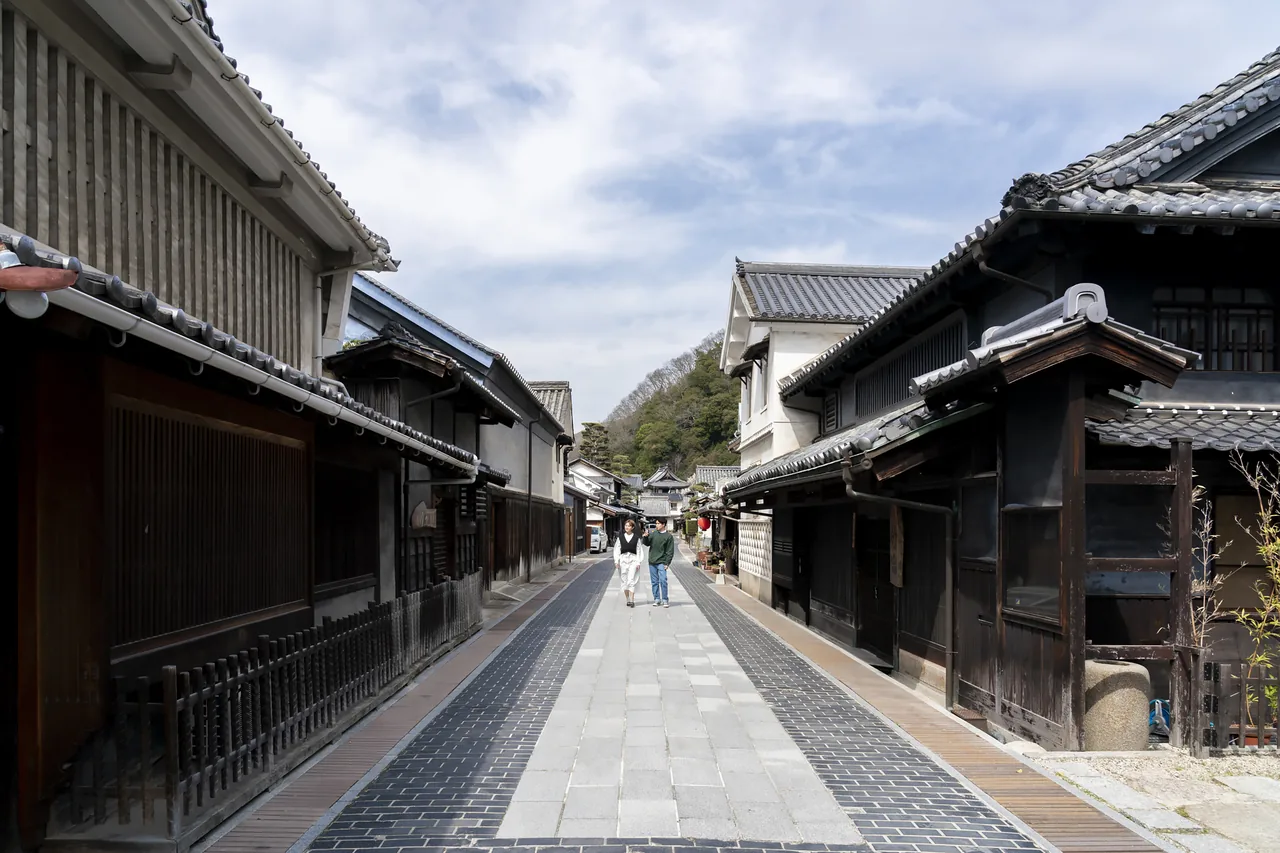
Paved with stone, Honmachi-dori is the district's main street, with latticed townhouses on both sides. At its northern end stands Ebisu-do, a small hall dedicated to the god of commerce. Early morning and evening are quiet times, when you can see right down the empty street.
Details of the merchant houses
Up close, the merchant houses reveal fine details: lattices, plaster walls and layers of tiled roofs. Residents and the city have kept the streetscape in shape through repeated repairs and restoration. Many houses are still lived in, so avoid peering inside or stepping onto private property.
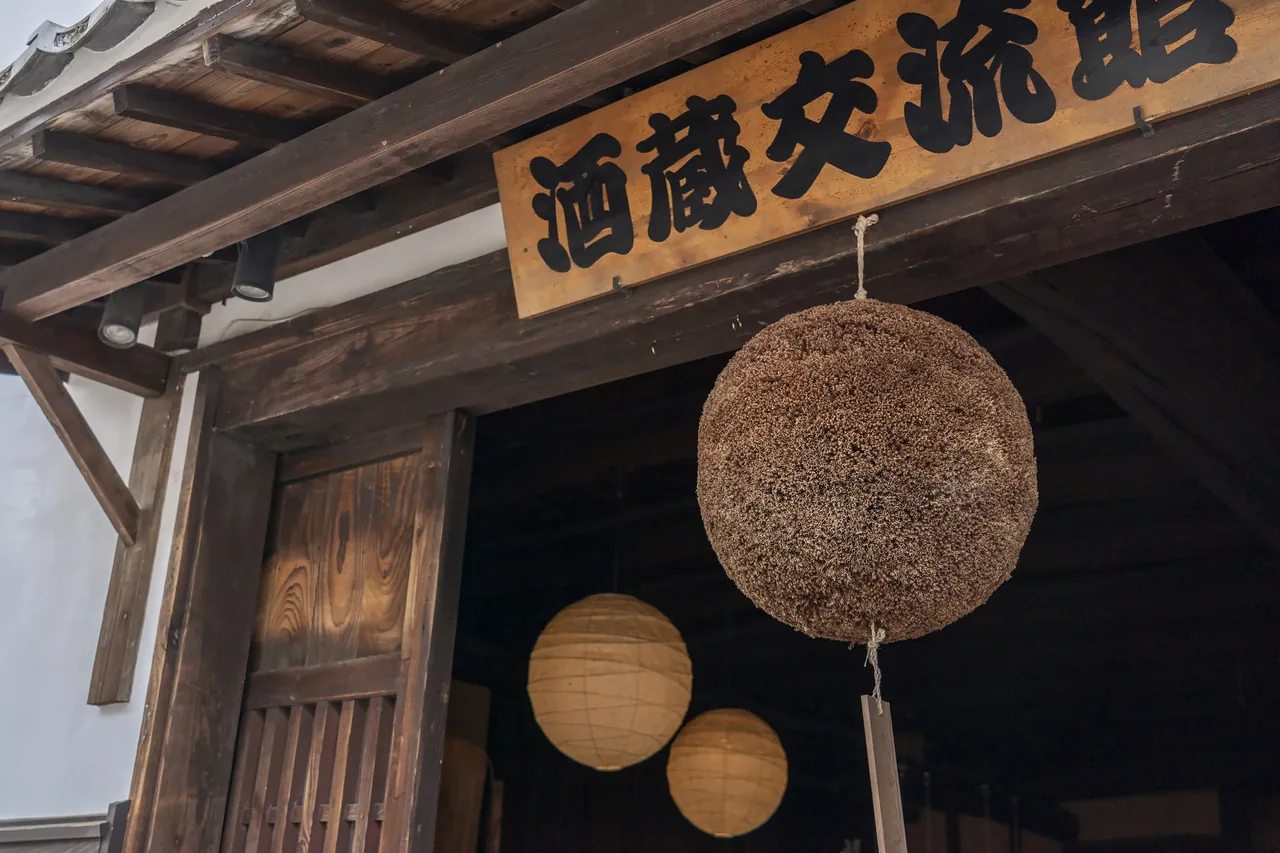
A town with sake breweries
Sake brewery buildings stand among the townhouses, marked by cedar balls hanging under the eaves. White walls, wooden signs and the round sugidama hint at the long history of trade rooted in this salt town.
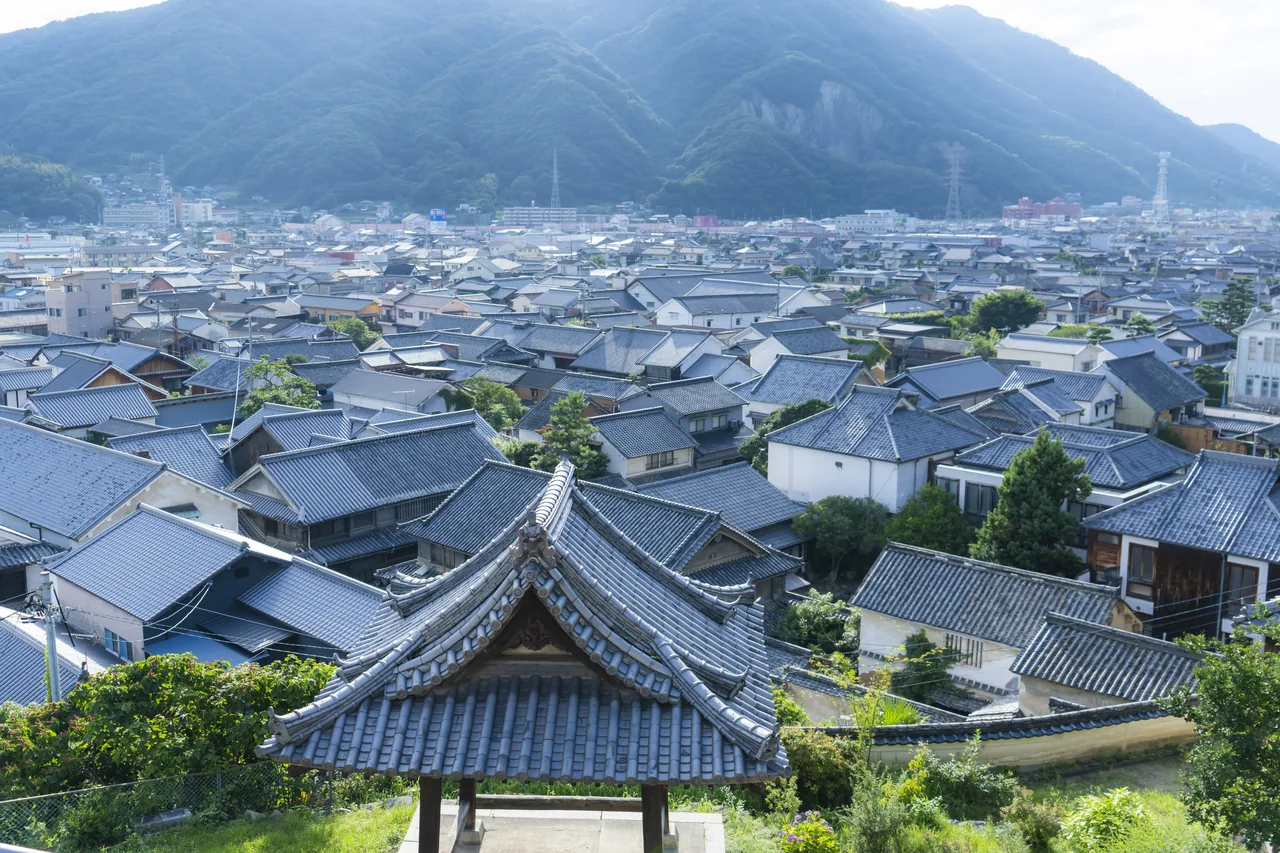
Overlooking the town
Mountains rise close behind the district, and from higher ground you can look down on a sea of overlapping tiled roofs. From above, you can see how the old roofs of the preservation district connect with the rest of the town. Check the City of Takehara's official tourism website for seasonal events and buildings open to visitors.
- Access
- Walkable from Takehara Station on the JR Kure Line. According to the city's tourism website, Michi-no-Eki Takehara at the entrance to the district is about a 12-minute walk.