Takinomiya Tenmangu Shrine
About
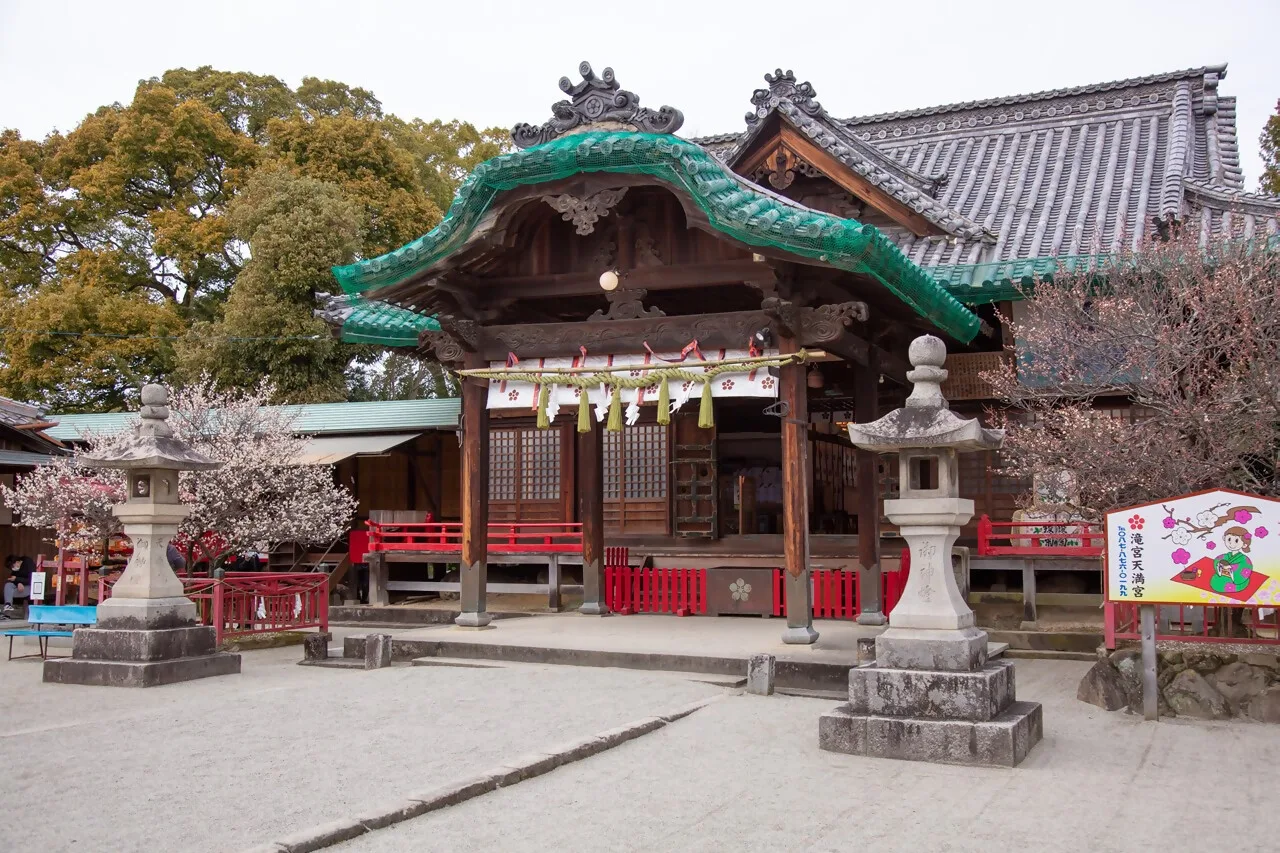
This Ayagawa shrine to Sugawara no Michizane is said to stand on the site of his official residence as governor of Sanuki from 886 to 890. When rain fell after he prayed during a drought in 888, people are said to have danced for joy, the origin of the Takinomiya Nembutsu Odori. The dance was designated an Important Intangible Folk Cultural Property of Japan in 1977, and in 2022 it was inscribed on UNESCO's Intangible Cultural Heritage list as part of "Furyu-odori." It is performed every year in late August at Takinomiya Tenmangu and Takinomiya Shrine.
This text was translated automatically and may contain errors.
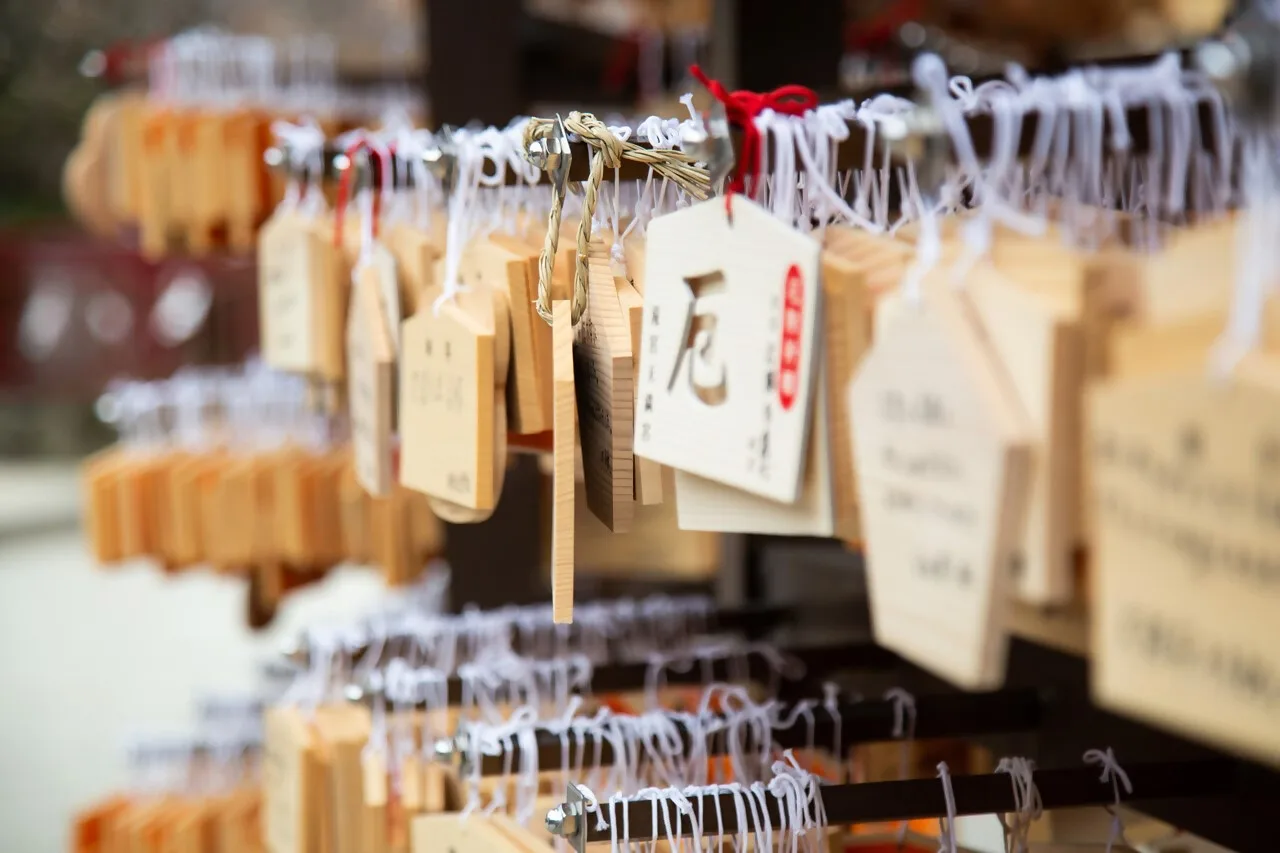
Ema for passing exams
The grounds have racks for ema, wooden plaques on which visitors write their wishes, and they hang in row after row. Michizane is revered as a god of learning, and in exam season many people come to pray for success.
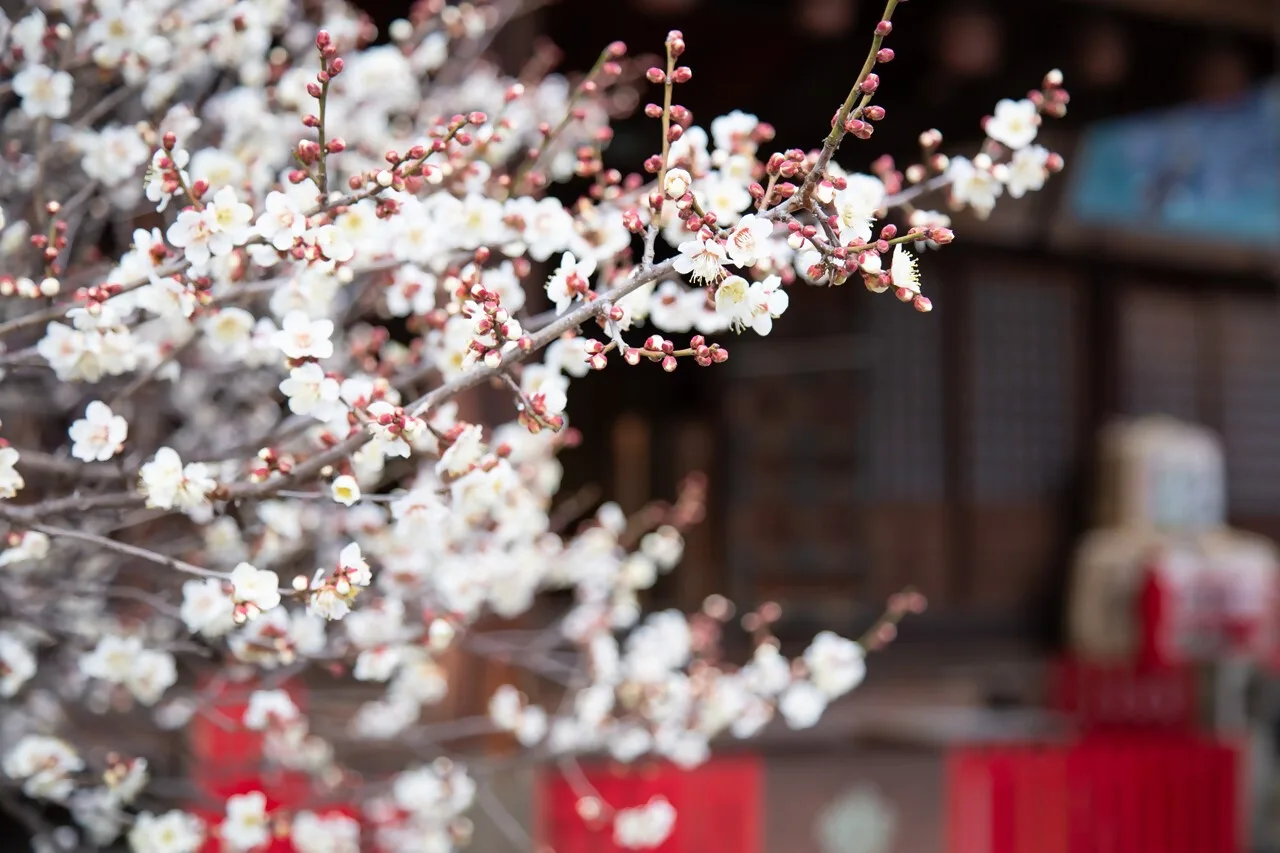
Plum blossom season
The plum blossom is the emblem of Tenmangu shrines, and the grounds have a plum grove. When the trees are in bloom, the Baika-sai plum festival is held, and white and red flowers surround the shrine buildings.
- Access
- About 5 minutes on foot from Takinomiya Station on the Kotoden Kotohira Line. By car, it is about 5 minutes from Fuchuko Smart IC on the Takamatsu Expressway, and there is parking. The shrine car park may be closed on the day of the dance, so check Ayagawa Town's notice before you go.