Wakimachi Udatsu Townscape
About
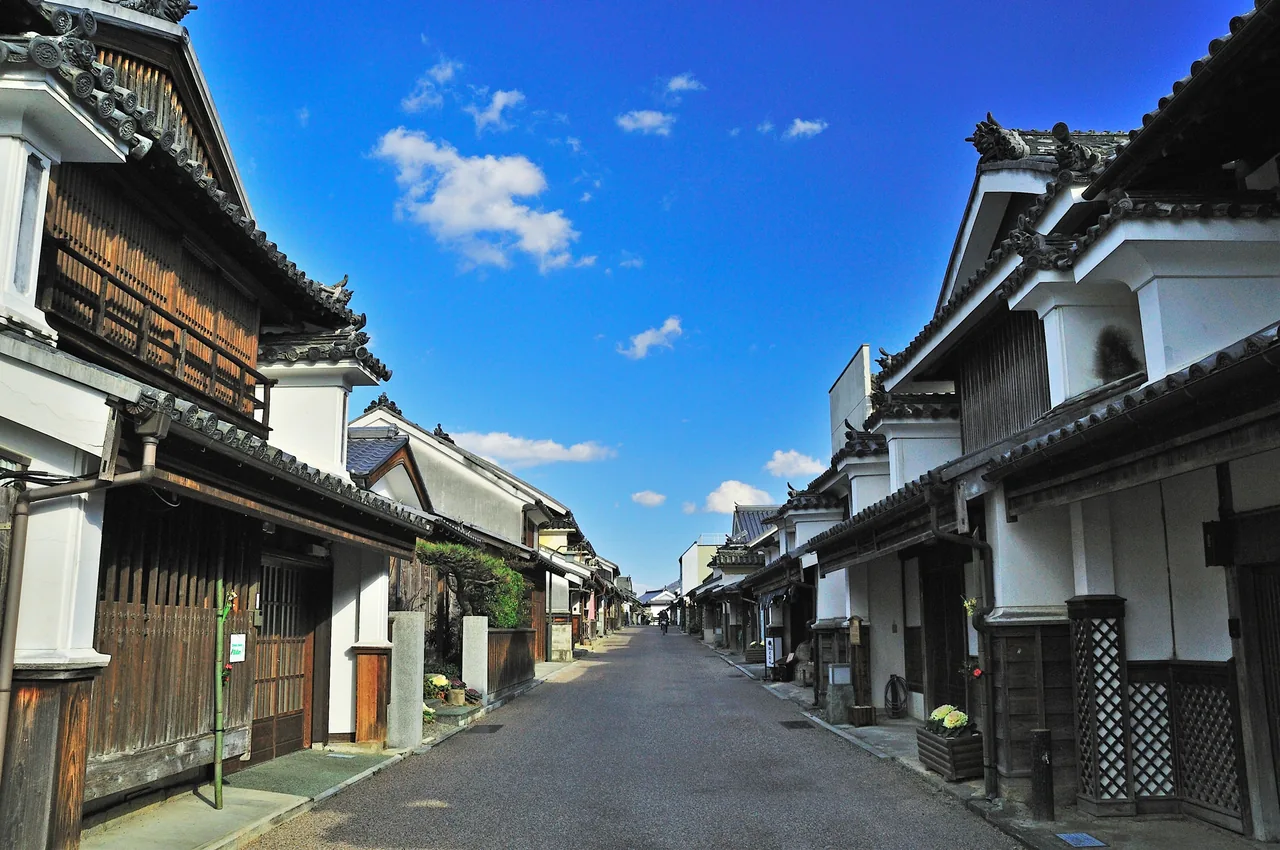
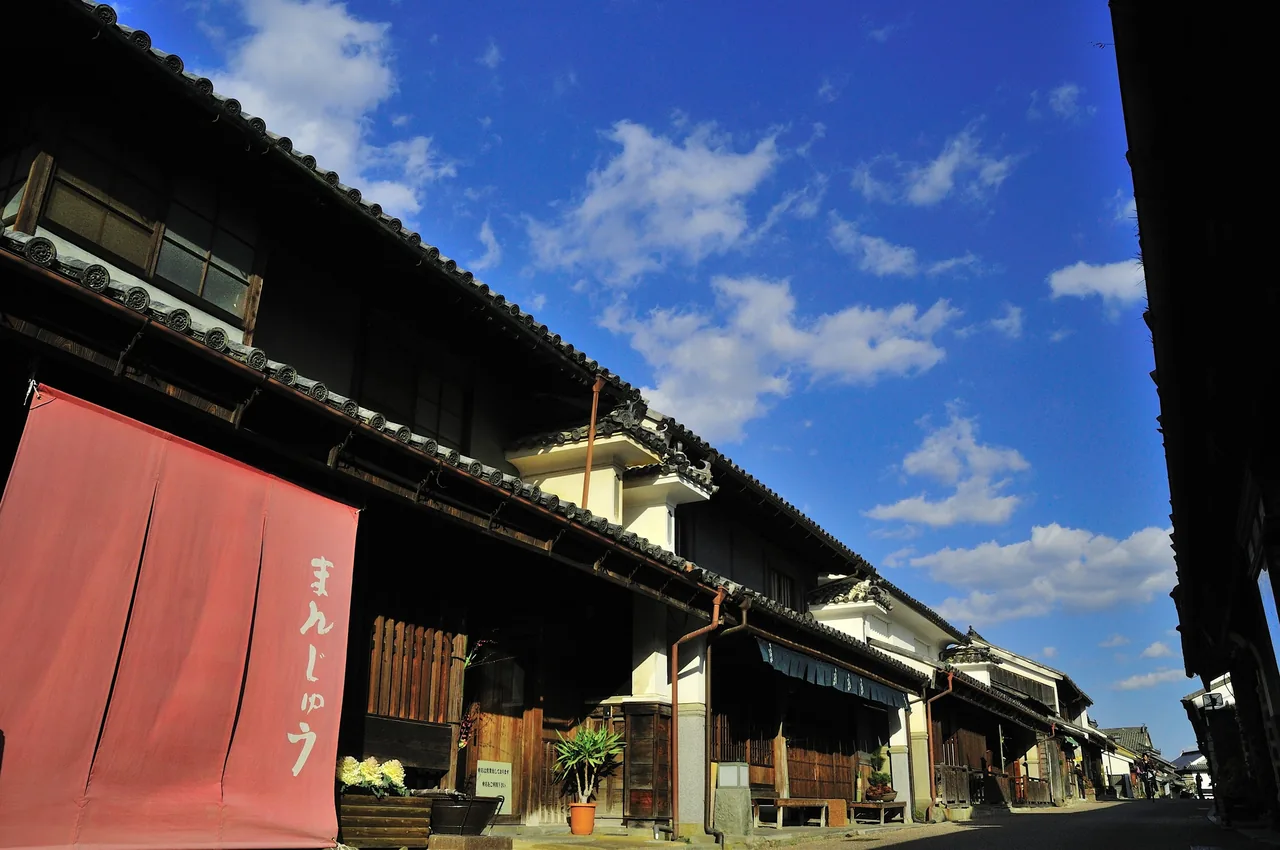
This historic street of merchant houses in Minamimachi, Wakimachi (Mima City), was selected as a national Important Preservation District for Groups of Traditional Buildings in 1988. Wakimachi grew up as the castle town of Waki Castle and, sitting where highways crossed on the north bank of the Yoshino River, prospered as a collection point for indigo; at one time more than a hundred indigo merchants are said to have traded here. White-walled merchant houses with "udatsu" firewalls line a street running about 430 meters east to west.
This text was translated automatically and may contain errors.
A street of indigo merchants
The district has 85 traditional buildings, with tiled roofs running all the way down the street. The Yoshida House, home of the indigo merchant Yoshida Naobei, whose business was founded in 1792, has five buildings on a plot of about 2,000 square meters and is open to the public as a Mima City cultural property.
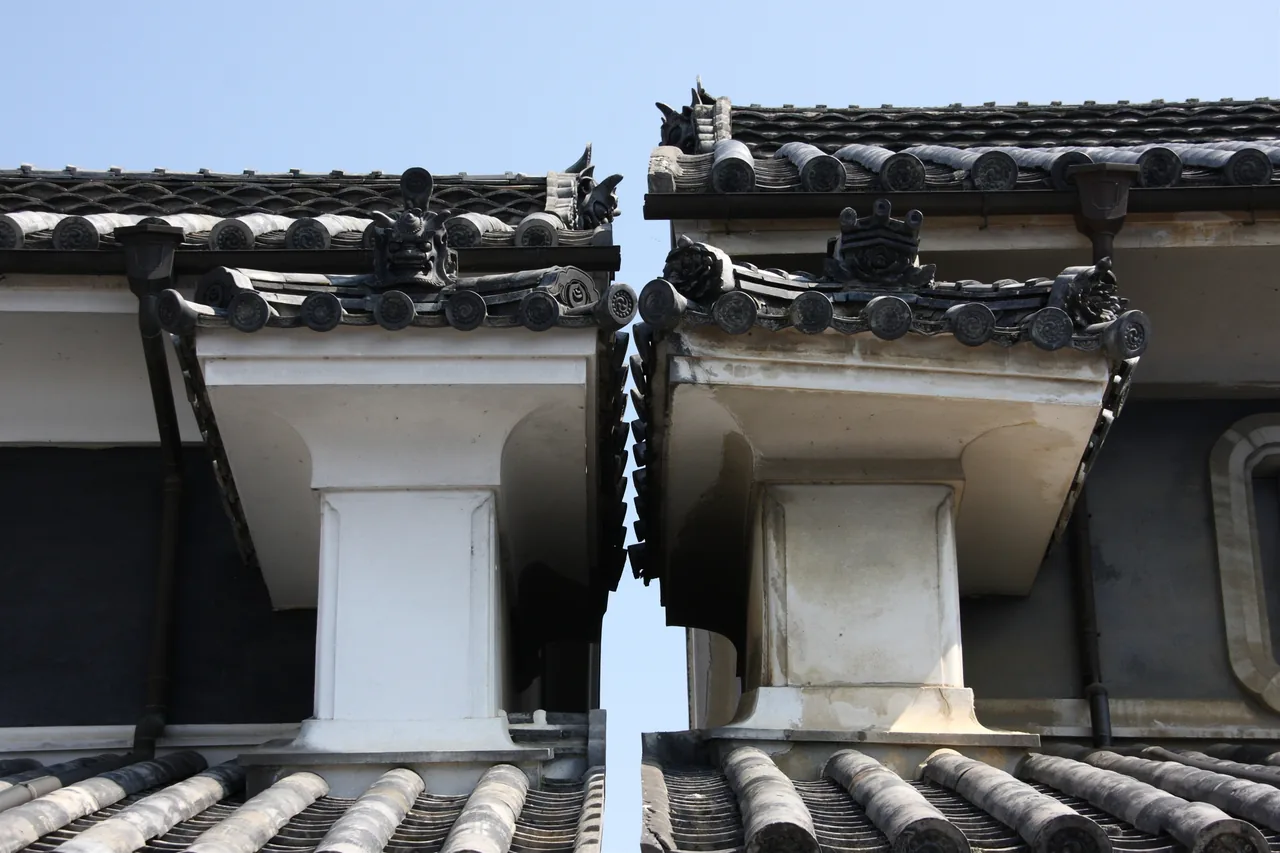
Udatsu, a symbol of wealth
Udatsu are firewalls built at the boundary with the house next door. Because they were expensive to build, they gradually became a symbol of prosperity. The oldest ridge tablet found in the district dates from 1707.
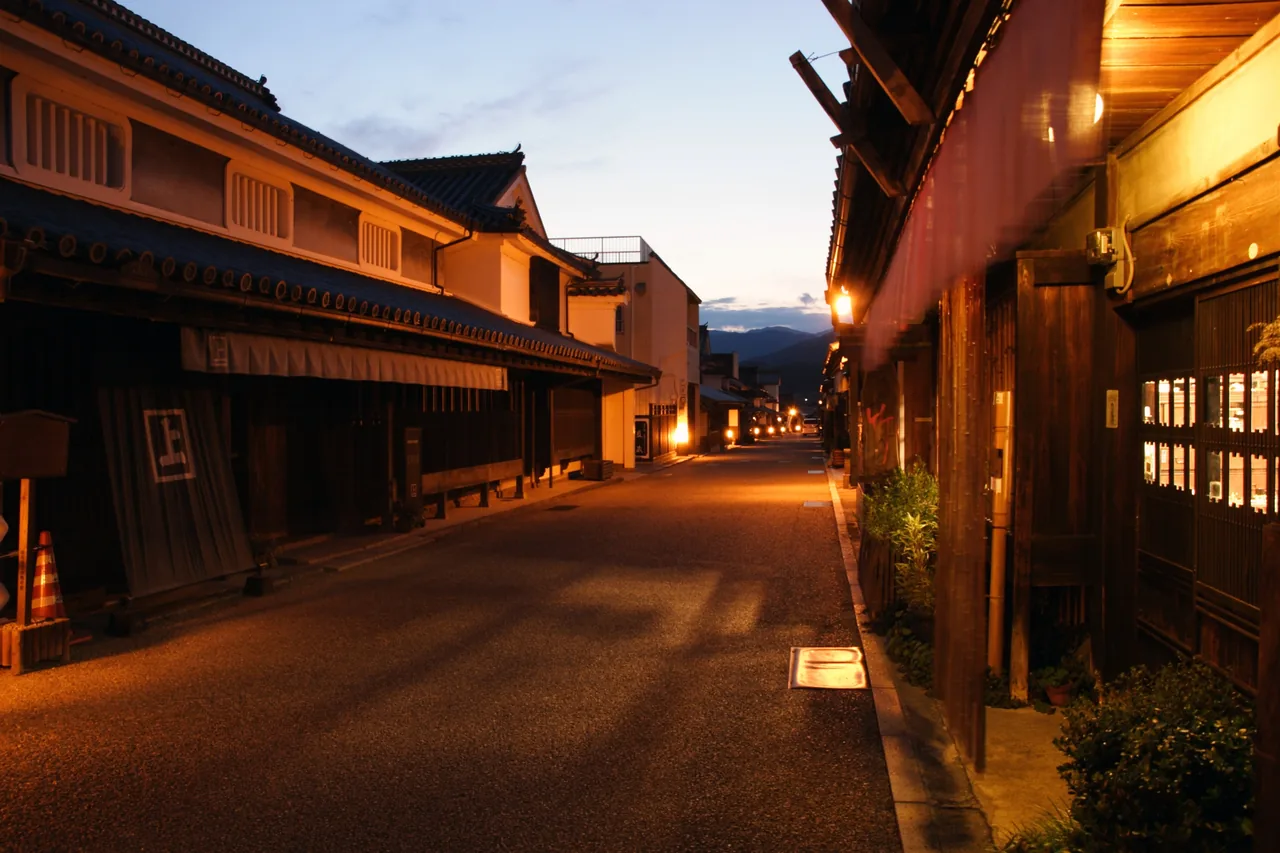
The street at dusk
As the sun goes down, lights come on under the eaves and the white walls and wooden lattices glow softly. Walk here in the early evening to see the street in a different mood from the daytime.
The Wakimachi submersible bridge
Across the Yoshino River, which flows south of the Ai Land Udatsu roadside station, runs the Wakimachi Sensuikyo, a low "submersible" bridge built to let floodwater pass over it. In the evening the river takes on the colors of the sky.

- Access
- About 10 minutes by taxi from Anabuki Station on the JR Tokushima Line, or about 10 minutes by car from Wakimachi IC on the Tokushima Expressway. You can park at the Michi-no-Eki Ai Land Udatsu roadside station.