Wakinosawa Wild Monkey Park (Yaen Koen)
About
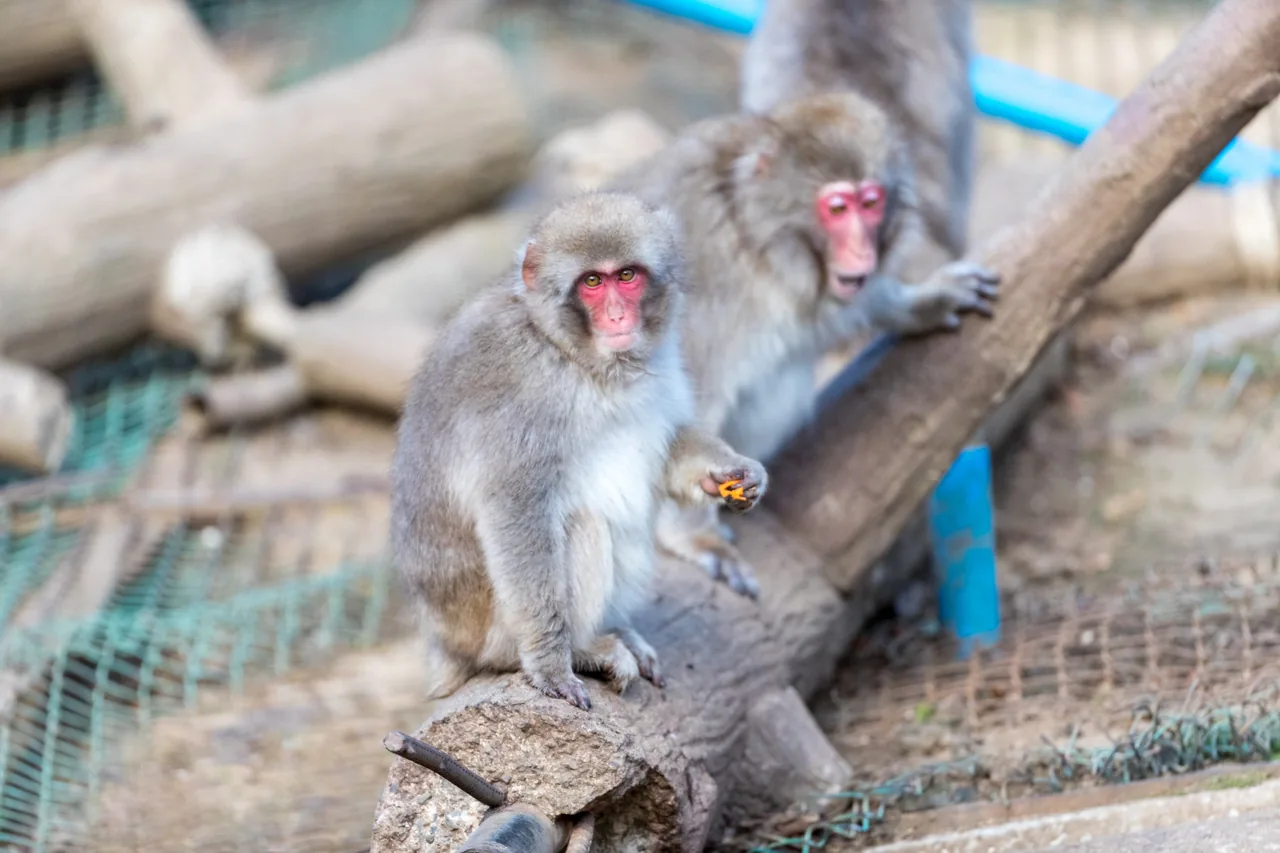
In Wakinosawa, on the southwest of the Shimokita Peninsula in Mutsu City, this park lets you see Japanese macaques up close. The Shimokita monkeys are the northernmost population of any non-human primate in the world, and are protected as a national Natural Monument under the name "Monkeys of the Shimokita Peninsula and the Northern Limit of Their Habitat". The park opened in 1981 in what was then Nanahiki, Wakinosawa Village.
This text was translated automatically and may contain errors.
The world's northernmost monkeys
There are about 180 species of wild monkeys in the world, and most live south of latitude 40°N. The Japanese macaques of Shimokita range as far as the forests of Oma, at around 41°32′N, the northern limit for wild monkeys anywhere. For this scientific value they were designated a national Natural Monument in 1970.
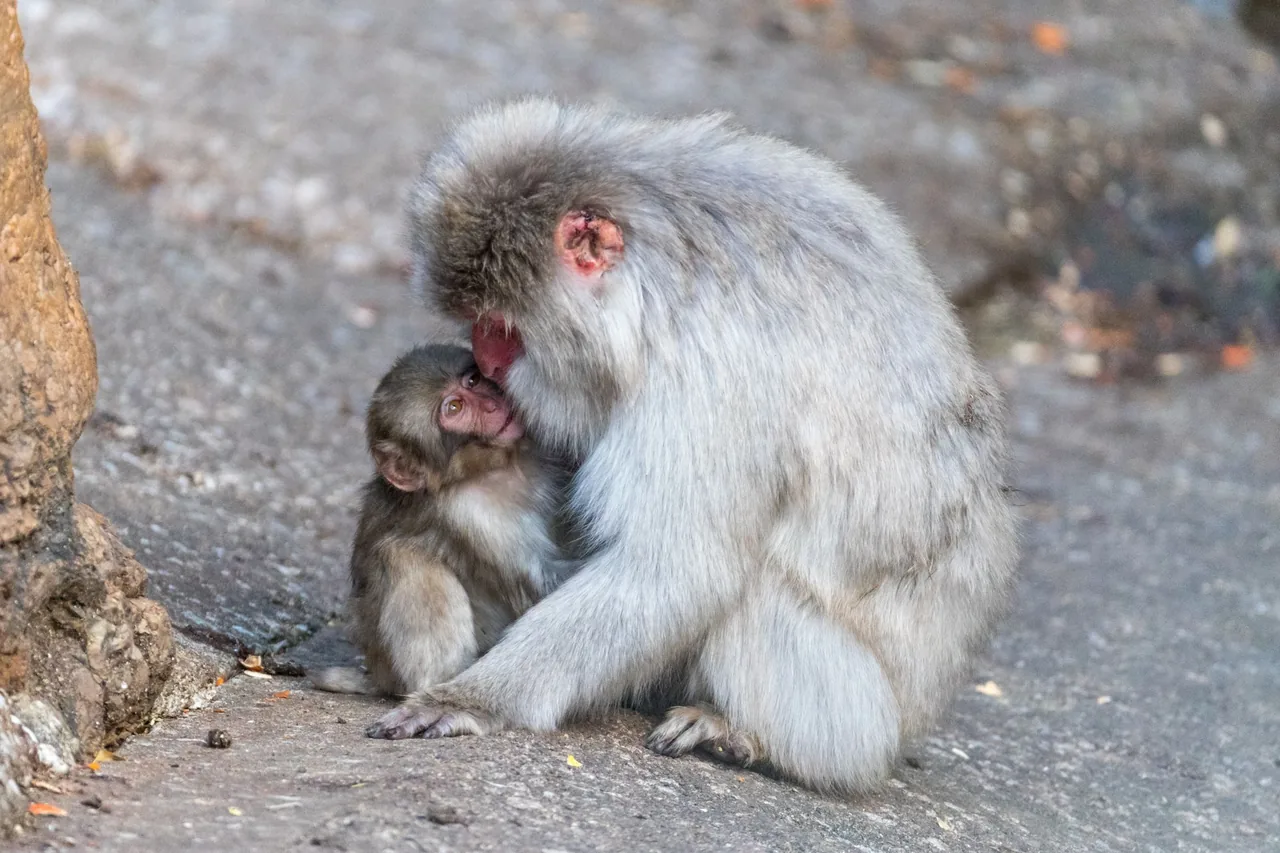
Shimokita's troops and the park
Many troops live across the north of the peninsula and along the Tsugaru Strait to the west; a 2004 prefectural estimate put the number at 28 troops and more than 1,500 animals. Finding a troop in the mountains is not easy, which makes the park a rare chance to watch how monkeys live in the snow country forests.
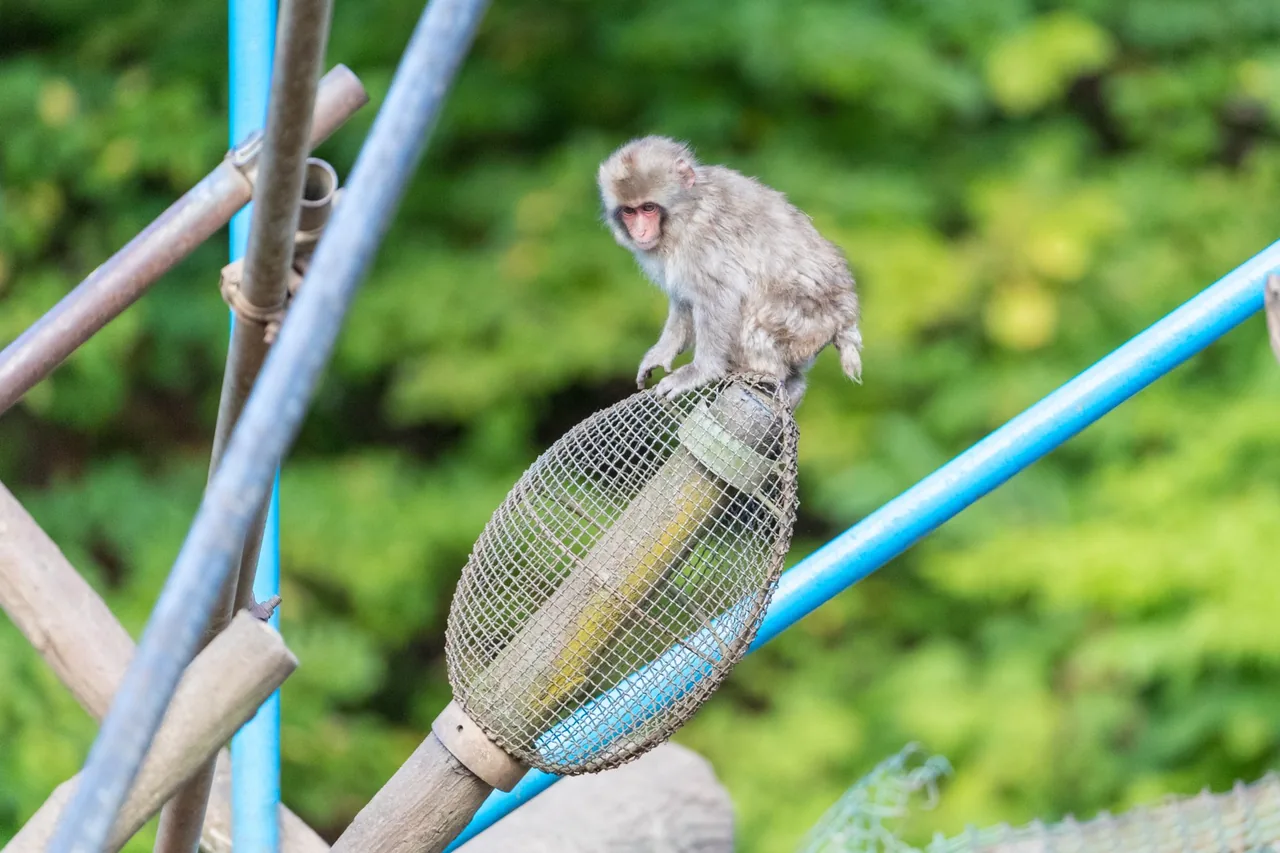
Living alongside monkeys in Wakinosawa
In Wakinosawa, monkeys sometimes come down to the fields and eat crops, and local people put up electric fences and take other steps to keep a line between people and monkeys. If you meet wild monkeys outside the park, do not feed or approach them.
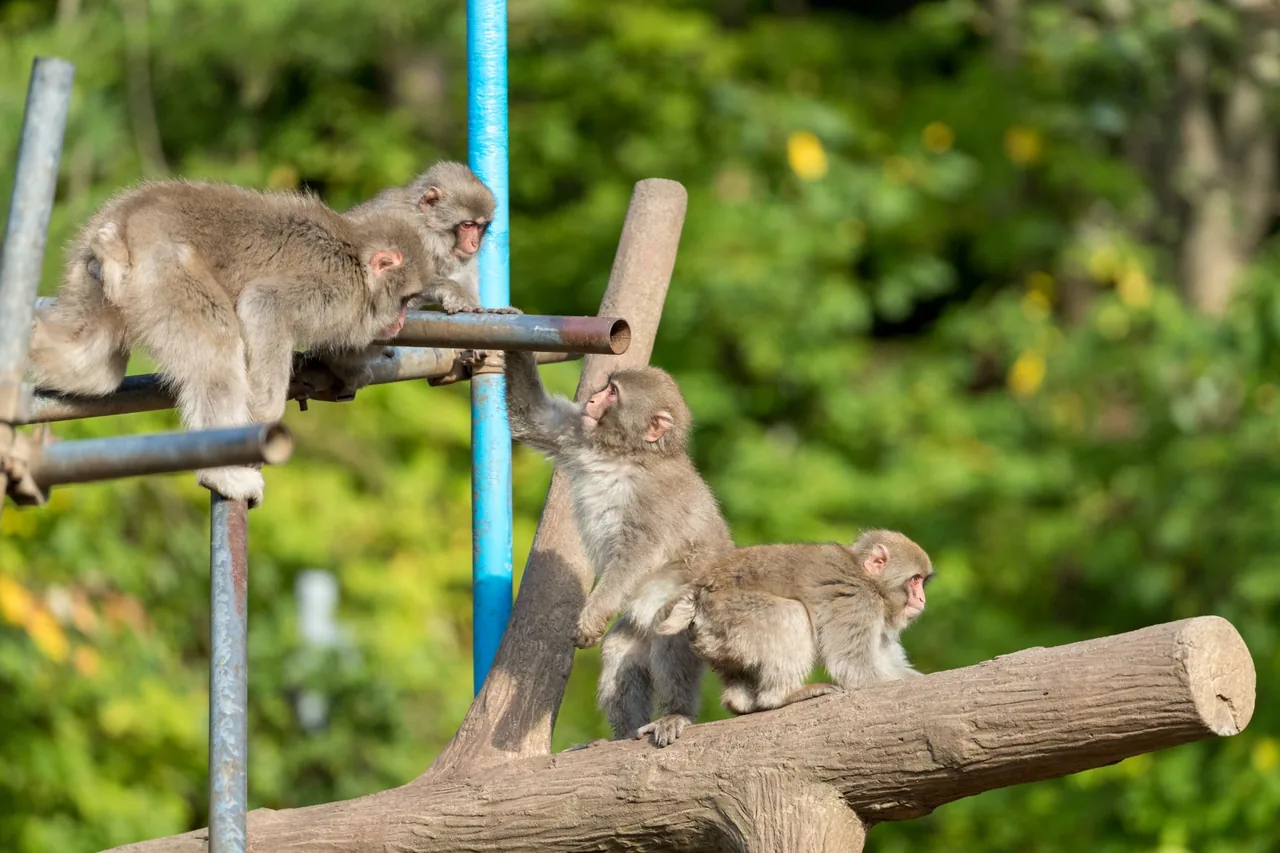
- Access
- The park is in Nanahiki, in the Wakinosawa district of Mutsu City. Check Mutsu City's facility page for closing days and how to get there before you go.