Yoshinogari Historical Park
About
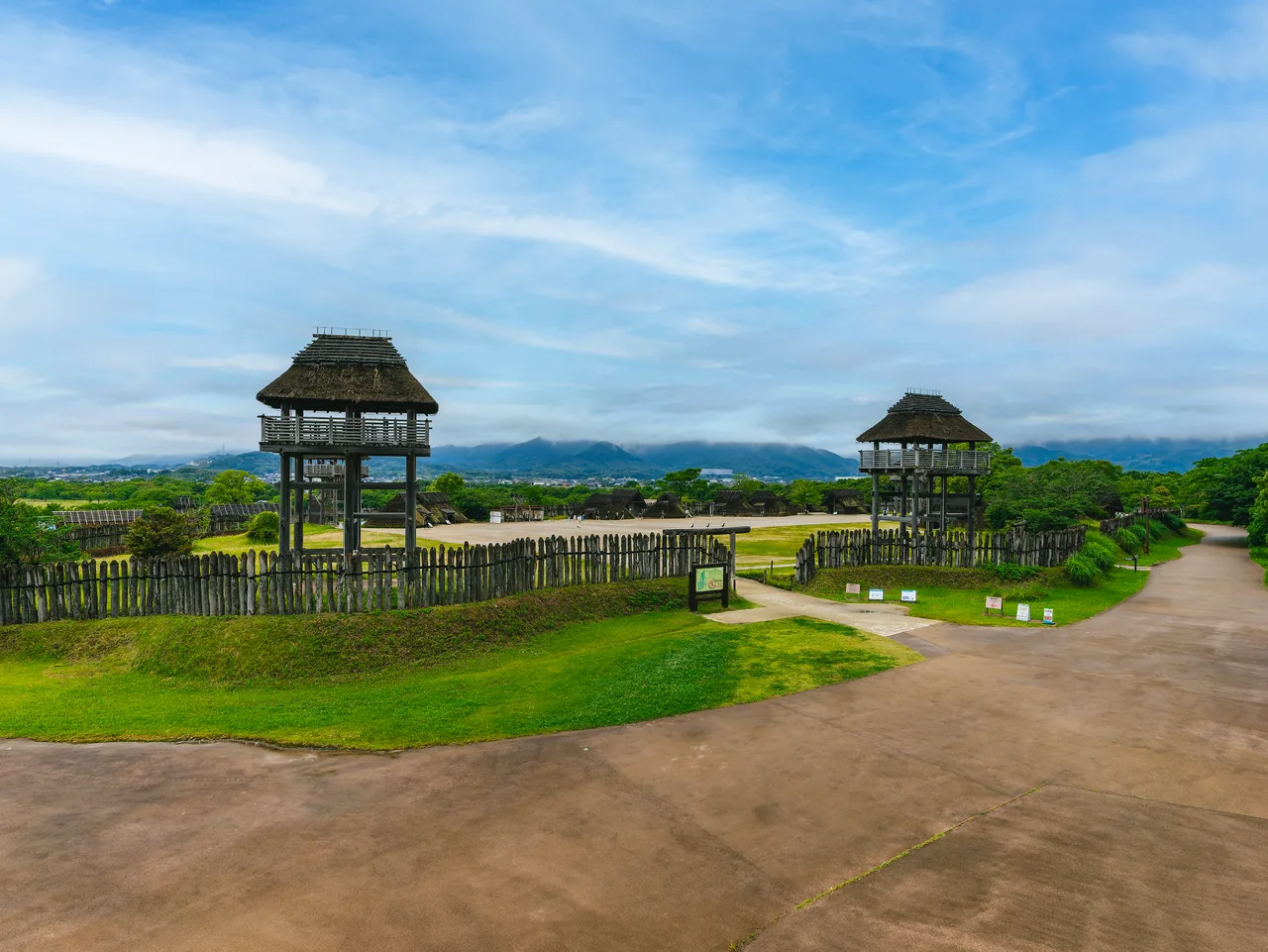
A historical park created to protect and present the Yoshinogari Site, a national Special Historic Site and the largest moat-encircled settlement of the Yayoi period found in Japan. It combines a national government park and a prefectural park. Inside the moats and wooden palisades stand reconstructed watchtowers, a main ceremonial hall, raised storehouses and pit dwellings, so you can walk through a village as it looked in the Yayoi period.
This text was translated automatically and may contain errors.
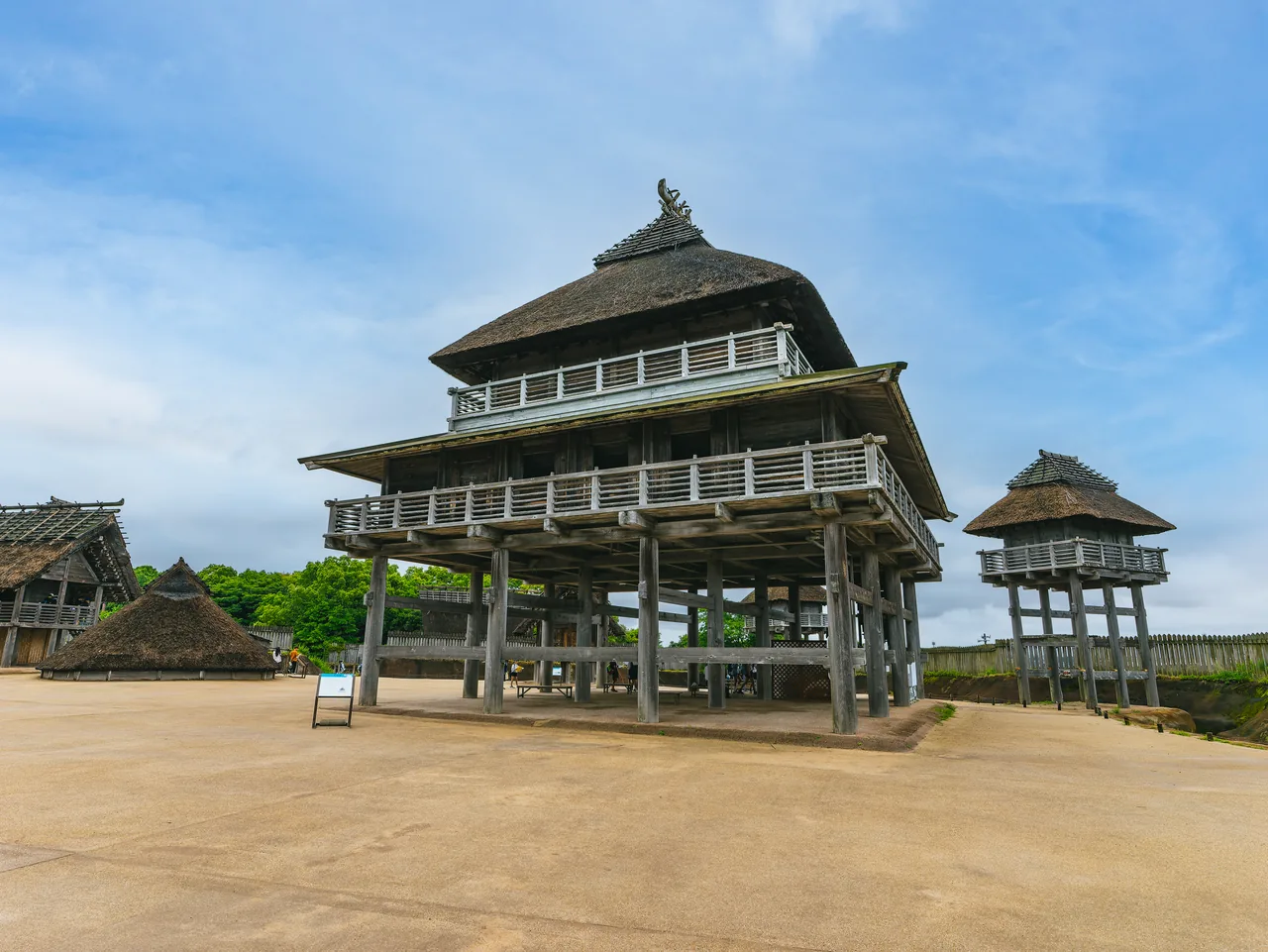
The main ceremonial hall in the Northern Inner Enclosure
At the far end of the settlement, the Northern Inner Enclosure is a special area guarded by a double moat and palisade, with a large reconstructed ceremonial hall at its center. Its stacked roofs on a raised floor tower over the surrounding buildings. The park itself recommends the spot looking toward the enclosure and the hall as a place for photos.
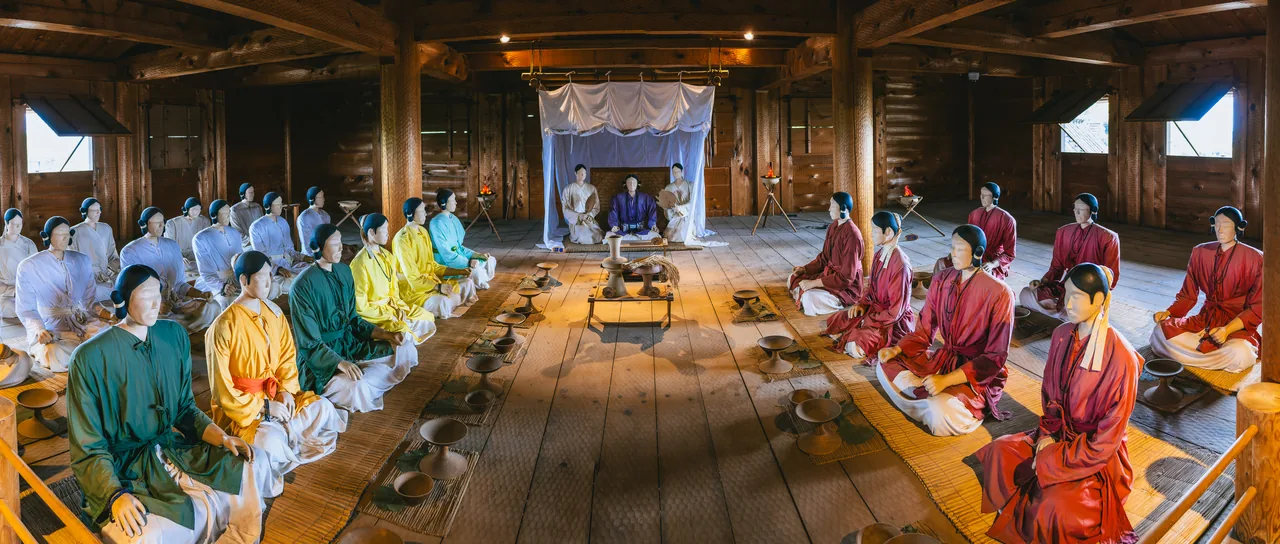
A ceremony recreated inside
Inside the main hall, figures recreate a scene of the village leaders gathered for a ritual. Their clothing colors and seating positions hint at differences in rank and role at the time. You climb stairs inside the building, so watch your step as you look around.
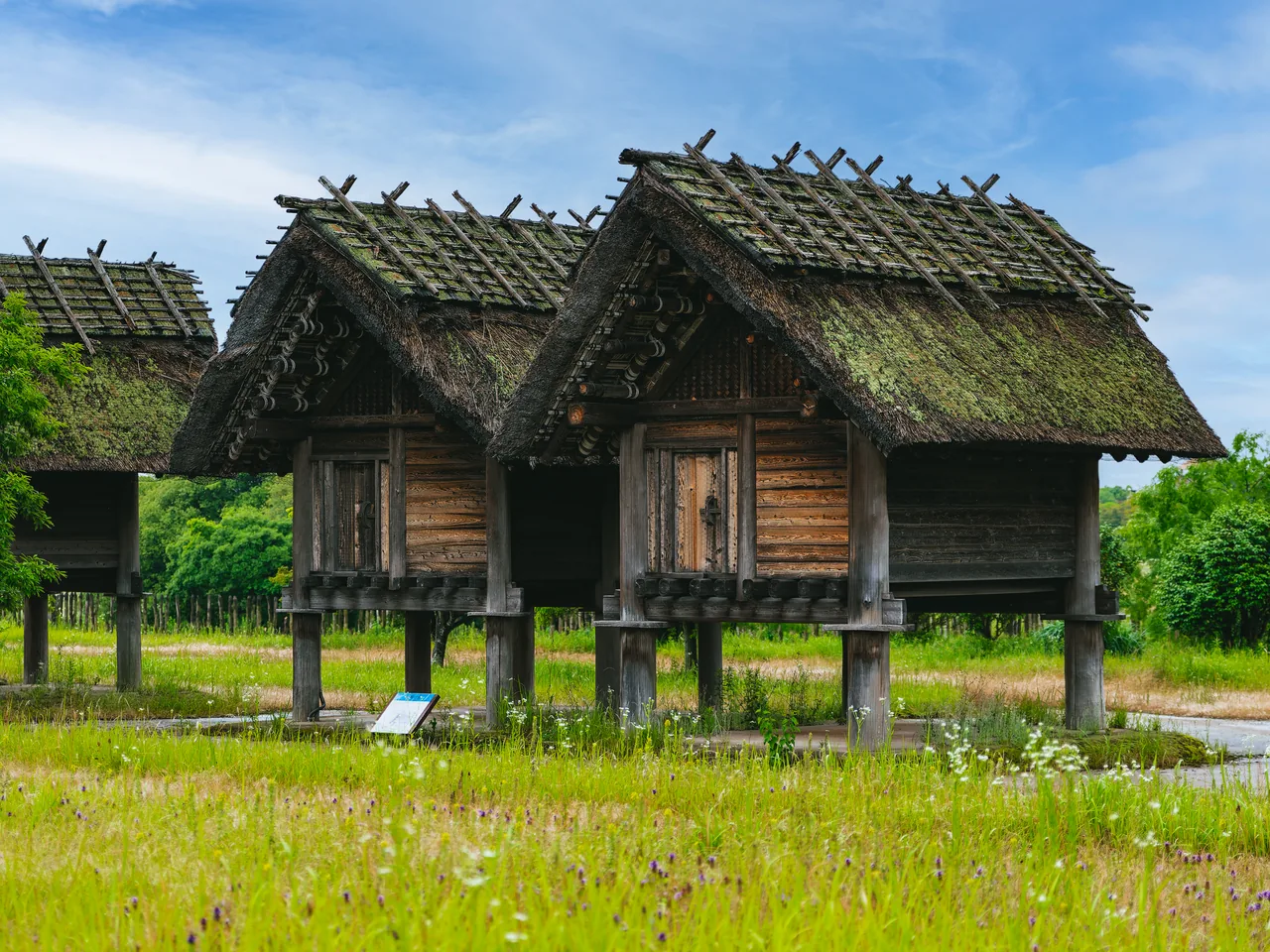
Rows of raised storehouses
In one corner of the settlement stand raised storehouses built to protect the harvest from rats and damp. The line of thatched roofs looks especially good under a blue sky.
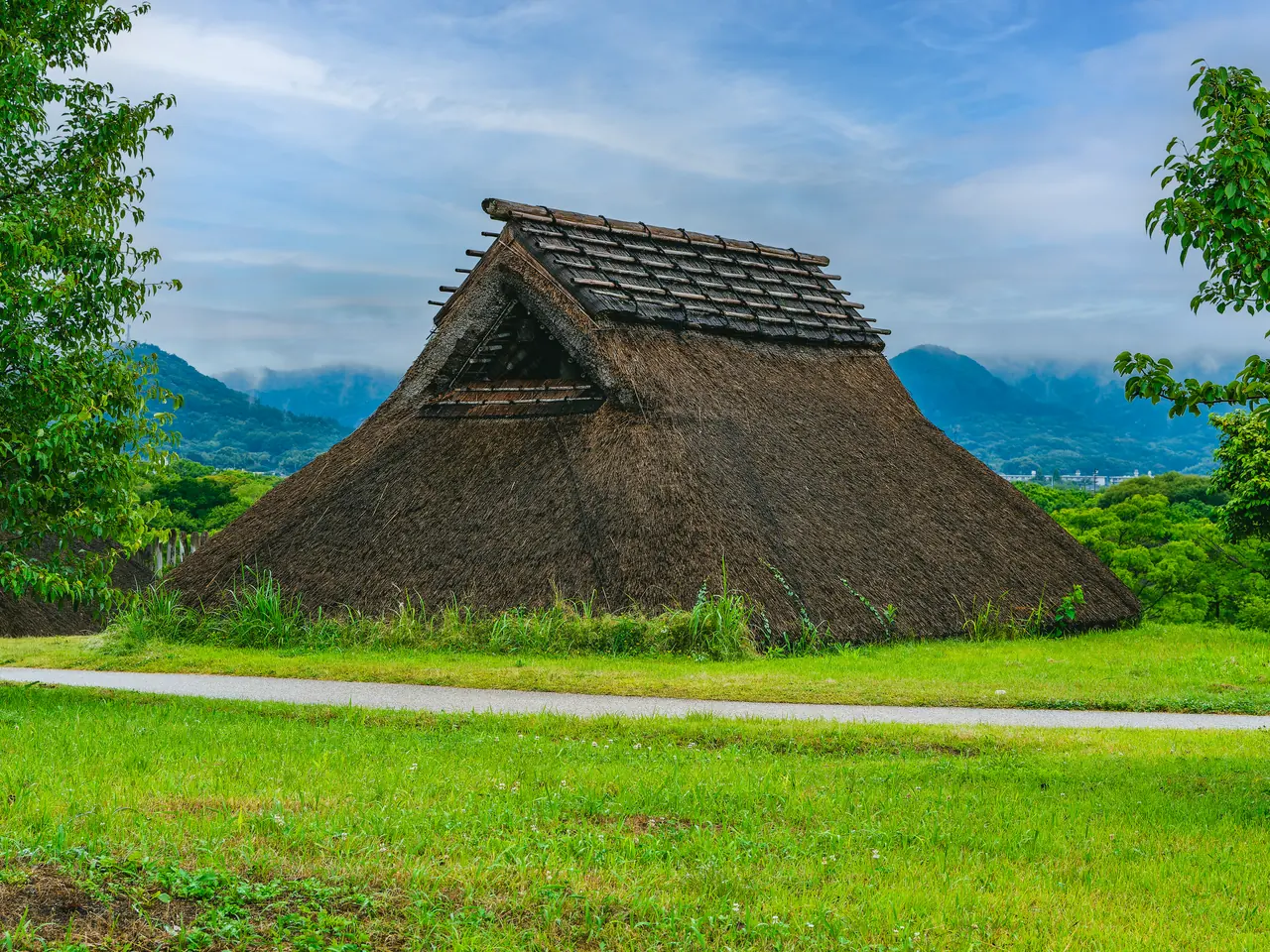
Pit dwellings and getting around the park
The pit dwellings reconstructed on the lawn were homes made by digging into the ground and covering the hollow with a roof. The park is very large, and a loop bus runs from the moat entrance plaza at the East Gate and from the West and North Gates. The reconstructed areas are spread out, so leave plenty of time to see them without rushing.
- Access
- About a 15-minute walk from Yoshinogari-koen Station on the JR Nagasaki Line to the East Gate, according to the park. From Hakata, change to a local train on the Nagasaki Line at Tosu Station.