Zentsuji Temple
About
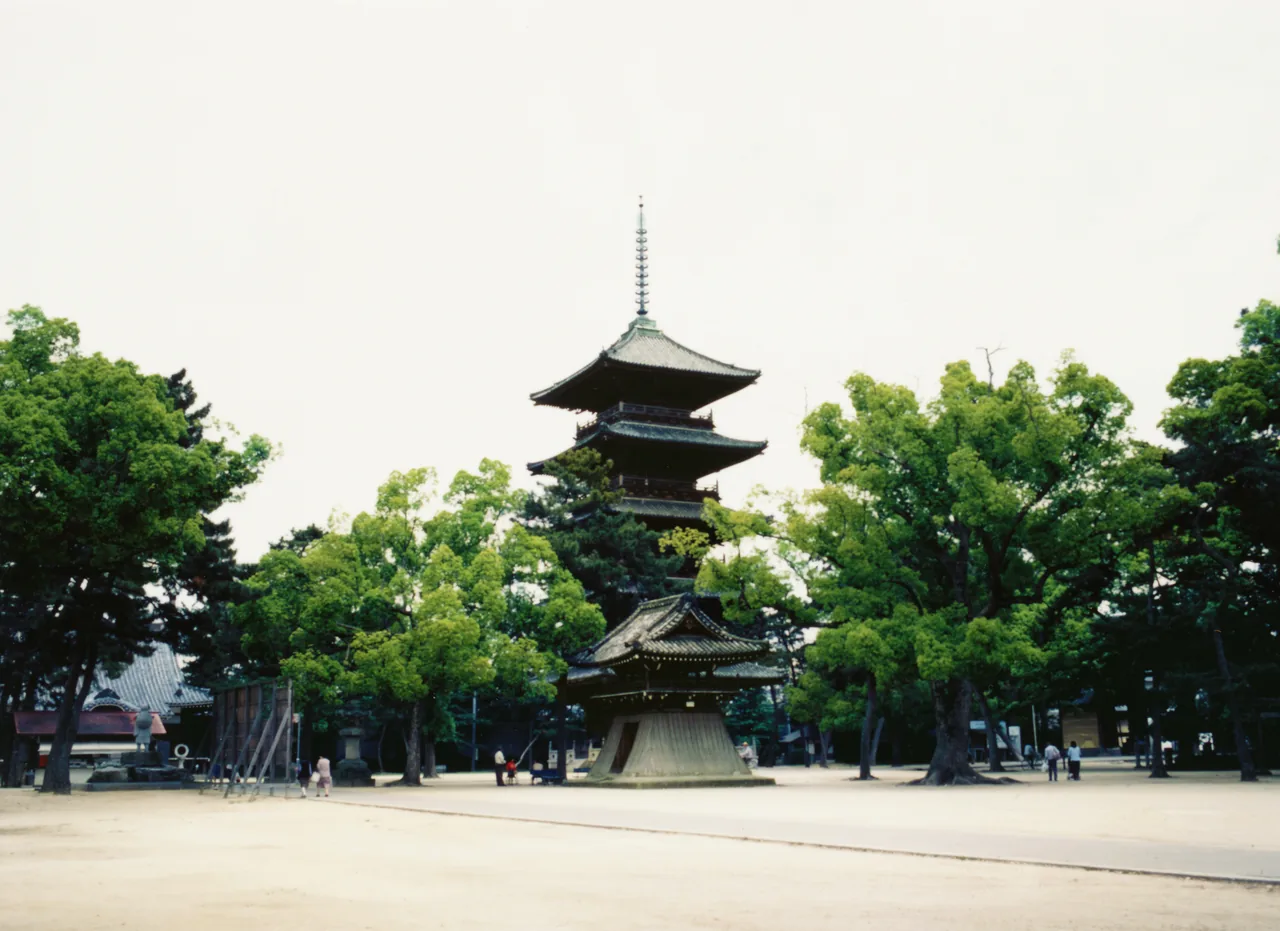
Zentsuji stands where Kobo Daishi (Kukai) was born and is temple 75 of the Shikoku 88-temple pilgrimage. Its grounds are divided into an eastern and a western precinct. The eastern precinct has the main hall and a five-story pagoda about 43 meters tall, while Tanjo-in in the western precinct is said to stand on the site of the home of the Saeki family, Kukai's family. The pagoda, the fourth on the site, was rebuilt in 1902 and is the third-tallest wooden pagoda in Japan.
This text was translated automatically and may contain errors.
The eastern precinct
The eastern precinct, called the Garan, has halls such as the main hall and the Shaka-do set around wide grounds. Most of today's buildings were rebuilt after fire destroyed the originals in fighting in 1558. With its large camphor trees, the precinct is quiet even though it sits in the middle of the temple town.
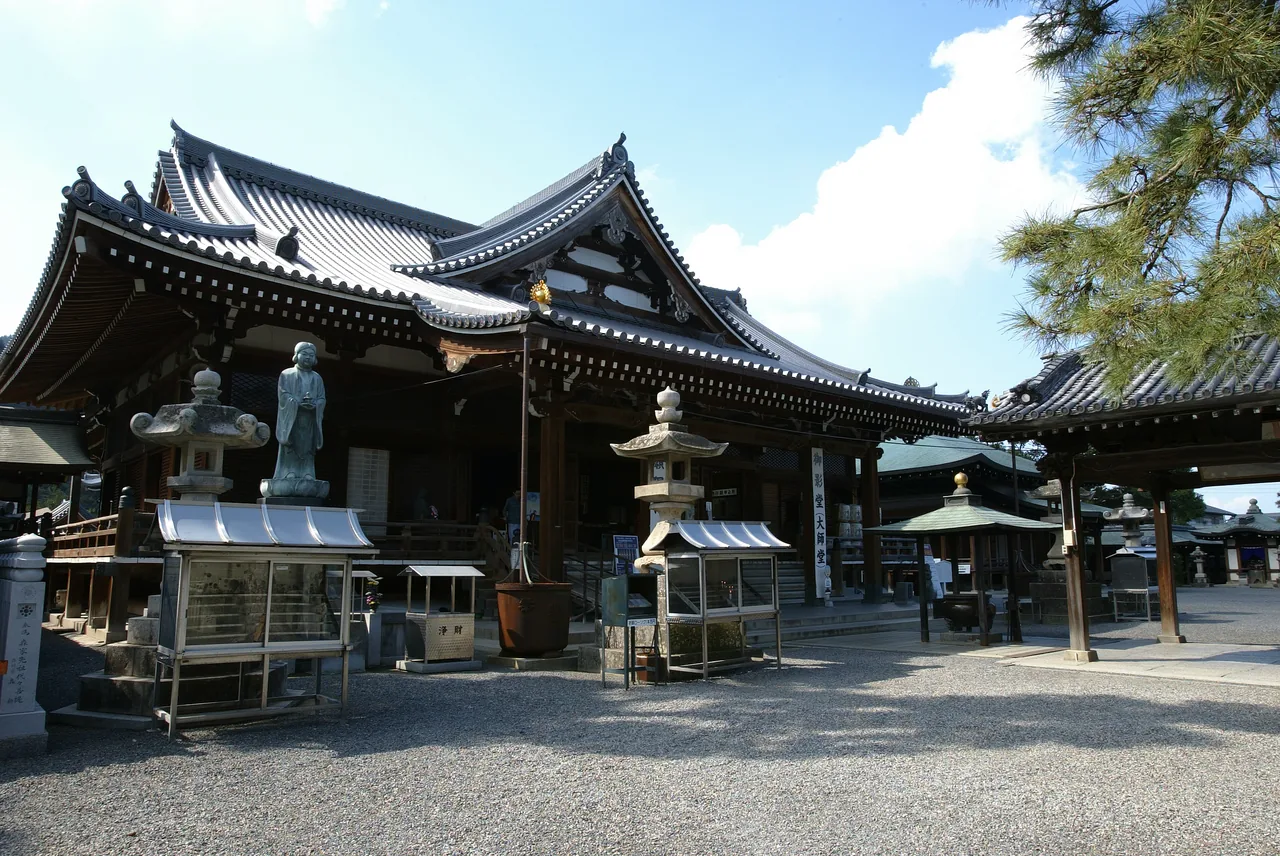
The Mieido in the western precinct
The Mieido hall in the western precinct was built in 1831. Beneath it is the "kaidan meguri," a pitch-dark passage of about 100 meters that you feel your way through, which you can experience together with a visit to the treasure hall (fee charged).
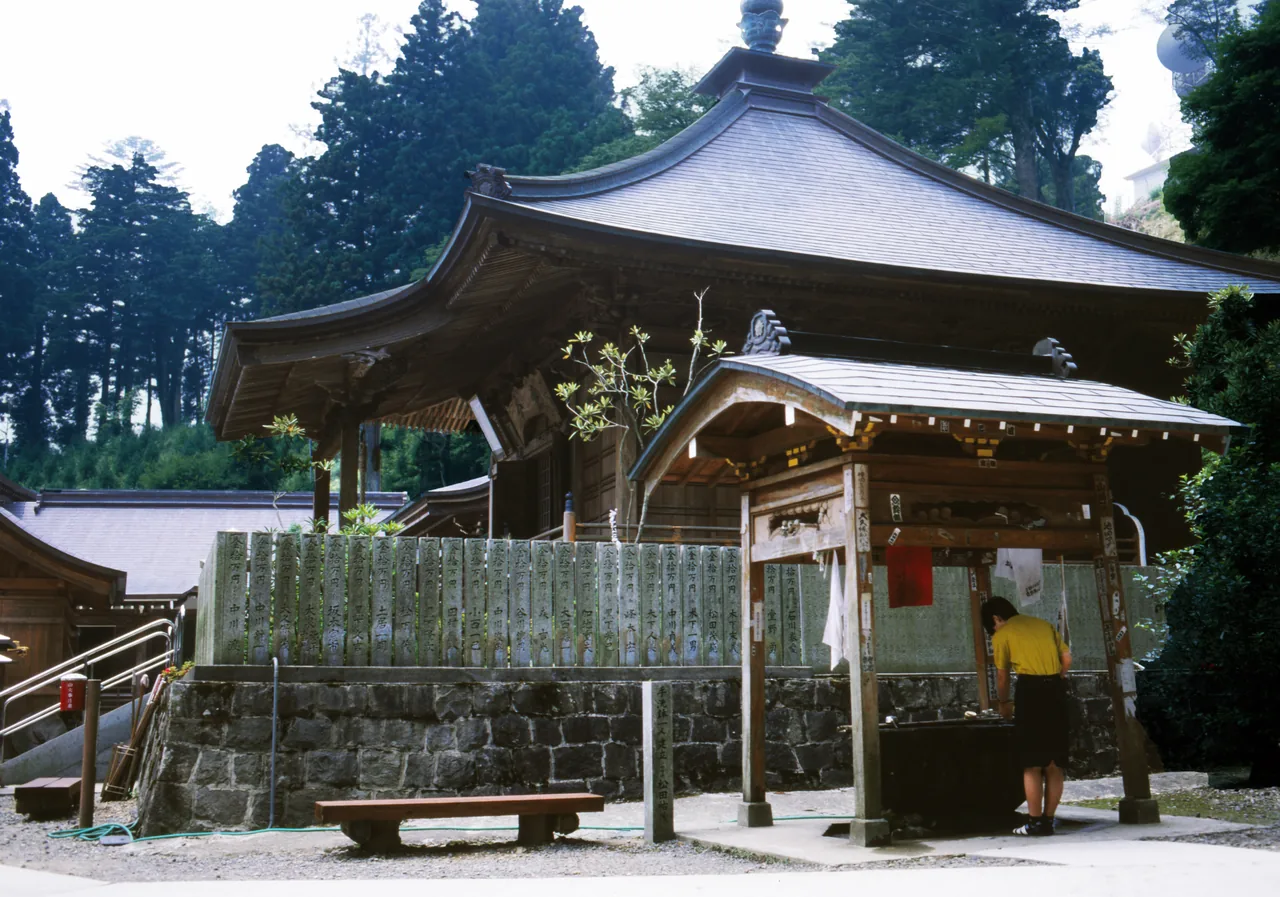
A temple for pilgrims
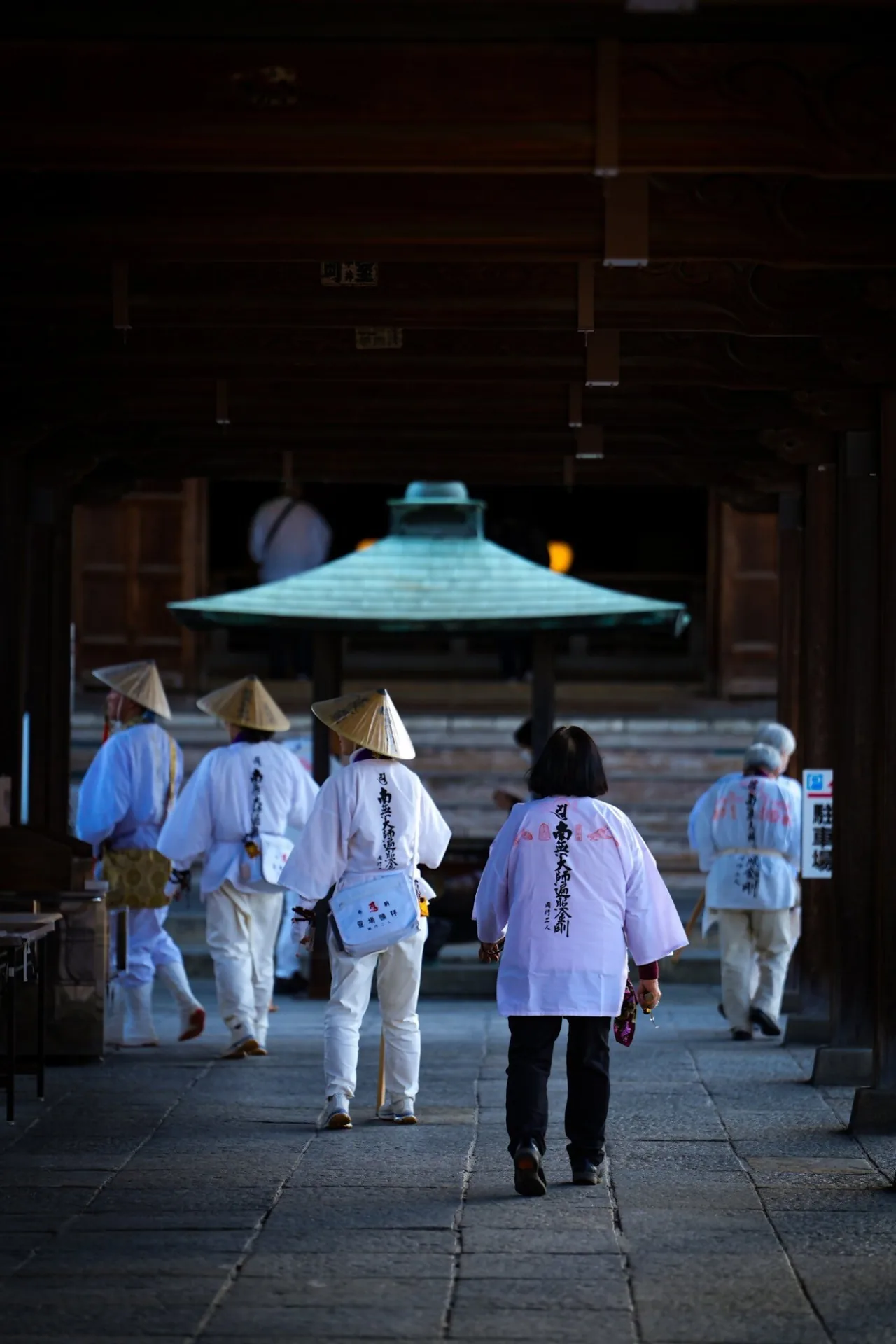
As the temple where Kobo Daishi was born, Zentsuji holds a special place for pilgrims walking around Shikoku. Pilgrims in white robes and sedge hats are everywhere, and a steady stream of people walk along its corridors.
- Access
- About 20 minutes on foot from Zentsuji Station on the JR Dosan Line. By car, it is about 10 minutes from Zentsuji IC on the Takamatsu Expressway, and there is paid parking. Kotohira, home of the Kotohira-gu shrine, is the next station on the Dosan Line, so many visitors combine the two.