
Akihabara Guide: Things to Do in Electric Town and Kanda Myojin
This guide is translated from the Japanese edition. Read the Japanese edition
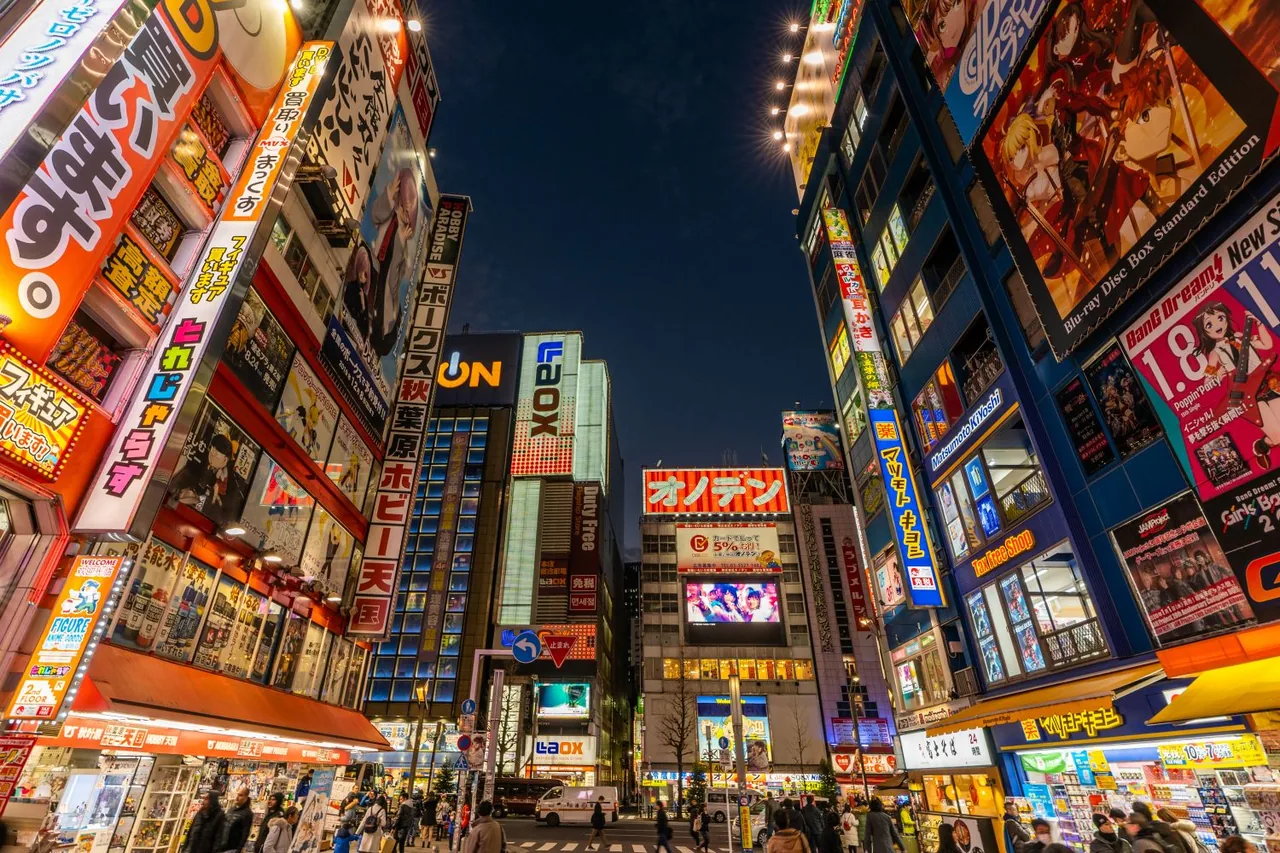
Things to do in Akihabara: how Electric Town began, anime, game and hobby shops, what to check before buying electronics, the Sunday pedestrian zone and Kanda Myojin.
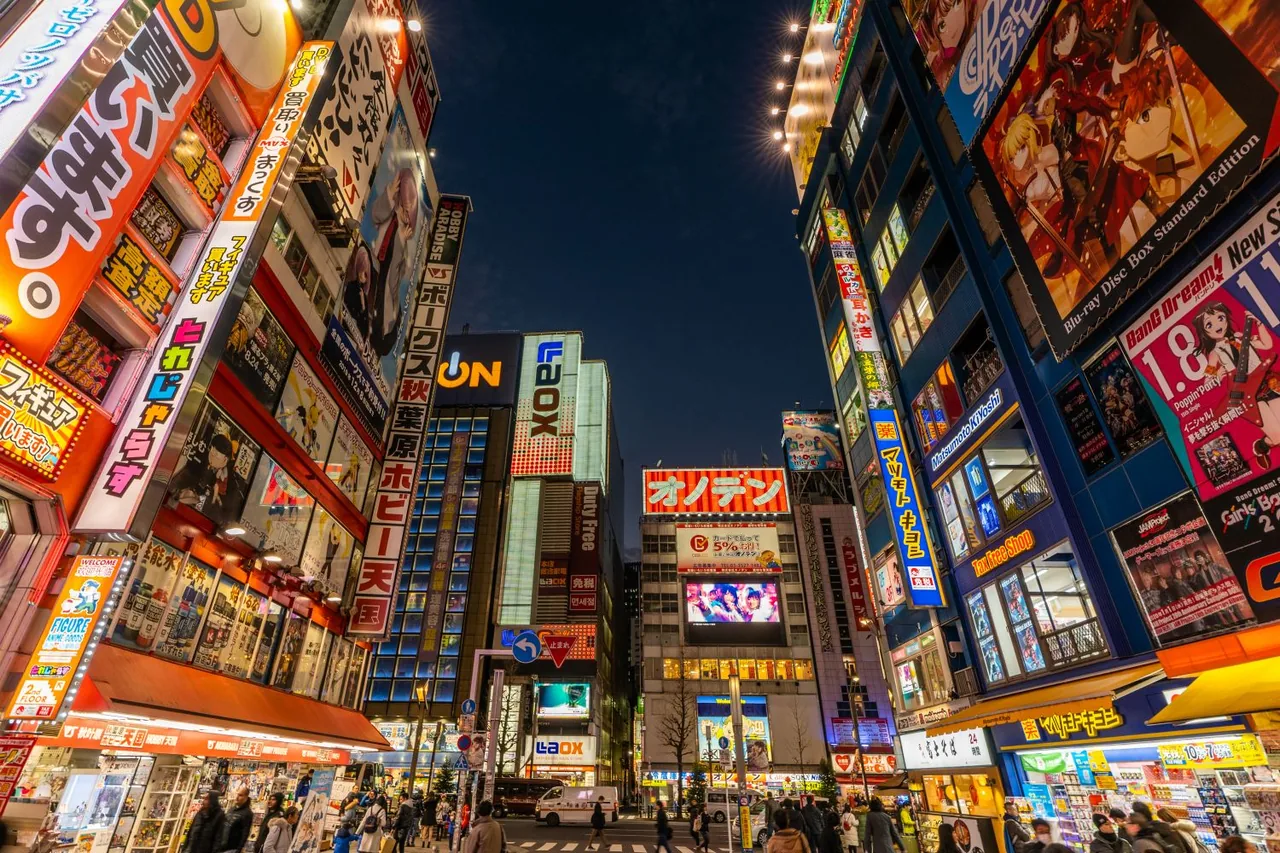
Step out of the Electric Town exit of JR Akihabara Station and anime and game billboards cover entire building walls, while the streets are packed with electronics chains, PC parts shops and stores full of figures and cards. Akihabara grew up as a town for electrical goods, and today it draws visitors from around the world as a hub of anime, game and hobby shops. Where shops cluster and how best to buy differ by genre, so getting a feel for the layout first makes it easier to find what you're after, even in a short visit. Pair it with Kanda Myojin Shrine, within walking distance, and plan anything from a half day to a full day.
What is Akihabara like? How Electric Town began
Akihabara has long been known as a district of shops selling electrical parts and home appliances. What sold best shifted over the decades, from home appliances to PCs and games, and anime and hobby shops gathered here too.
Chuo-dori Avenue runs north to south through the center of town. West of the station, shops large and small line both sides of Chuo-dori and the back streets behind it. It's not only the big buildings on the main road: some of the most specialized goods are found in small shops one street back, which is very much part of Akihabara's character.
Getting to Akihabara: which station to start from
Akihabara Station is served by the JR Yamanote, Keihin-Tohoku and Sobu lines, the Tokyo Metro Hibiya Line and the Tsukuba Express. For Electric Town, take the JR Electric Town exit, and Chuo-dori is right there.
- JR Akihabara Station (Electric Town exit): The gateway to Electric Town. If it's your first visit, starting here makes it hard to get lost.
- Suehirocho Station, Tokyo Metro Ginza Line: Near the north end of Chuo-dori. It's also close to Kanda Myojin and handy if you want to walk through town from north to south.
- Akihabara Station on the Tokyo Metro Hibiya Line and Tsukuba Express: These have ticket gates separate from JR. For Electric Town, follow the signs toward the JR Electric Town exit.
Ueno is a short ride away on JR, and Asakusa is reachable by subway, so the area combines easily with a one-day Asakusa and Ueno walk.
Getting around Electric Town: appliances, PCs and electronic parts
Electronics chains have large stores around the station and along Chuo-dori. Cameras, earphones, rice cookers, beauty appliances and more are sorted by floor, so check the store directory for the floor you want first and you'll get around much faster.
Shops selling PC parts, used computers and smartphones also cluster in the back streets behind Chuo-dori. Some buildings are packed with tiny shops selling electronic components, and you'll see people hunting for small parts like resistors and connectors themselves.
If you plan to take electronics home, check these points before you buy:
- Voltage and plug shape: Japanese appliances won't necessarily work as-is with the outlets in your country. Ask staff about supported voltage and whether you'll need a transformer or a plug adapter.
- Manuals and warranty: Some products have manuals or on-screen menus only in Japanese. Also check whether the warranty is valid overseas.
- Condition of used items: Whether items have been tested, what accessories come with them and return conditions all vary by shop. Read price tags and in-store notes carefully.
Tips for anime, game and hobby shops
Akihabara is full of specialist shops for anime merchandise, figures, plastic models, trading cards, used video games and more. It's common for a single building to have a different category on each floor.
- Think of new and used as different shops: Head to shops selling new goods for just-released items, and to secondhand shops for older or limited-edition items; splitting your search this way makes things easier to find.
- Compare prices at a few shops: Prices for used goods and cards can vary a lot depending on the shop and the item's condition. Take a photo of anything that catches your eye and compare before buying, so you're less likely to regret it.
- Check compatibility for games and devices: Whether software or hardware works with consoles or region settings from overseas depends on the product. If you're unsure, ask staff.
- Carry coins for capsule toys: In the streets and inside buildings, there are spots lined with rows of capsule toy machines. Machines accept different money, so having plenty of coins on hand saves trouble.
Opening times vary from shop to shop, and some are still closed early in the morning. Visiting Kanda Myojin in the morning and starting your shopping toward late morning keeps you from wasting time.
The Sunday pedestrian zone and street etiquette
On Sunday afternoons, part of Chuo-dori becomes a pedestrian zone, so you can walk down the middle of the road and take in the town. According to the Akihabara Electric Town Organization, it's canceled in bad weather such as rain or strong wind. Hours differ by season, so check the organization's website. Inside the pedestrian zone, selling goods, performing and riding bicycles are not allowed.
On crowded streets, keep these points in mind and walking around will be more pleasant for everyone:
- Follow shop notices and staff instructions about photographing inside or in front of stores. Some shops don't allow photos.
- If someone handing out flyers or inviting you into a shop approaches you and you're not interested, decline clearly and keep walking.
- When stopping on the sidewalk or in front of a shop to take photos, step to the side so you don't block passersby.
Kanda Myojin: the guardian shrine of Edo, a walk from Akihabara
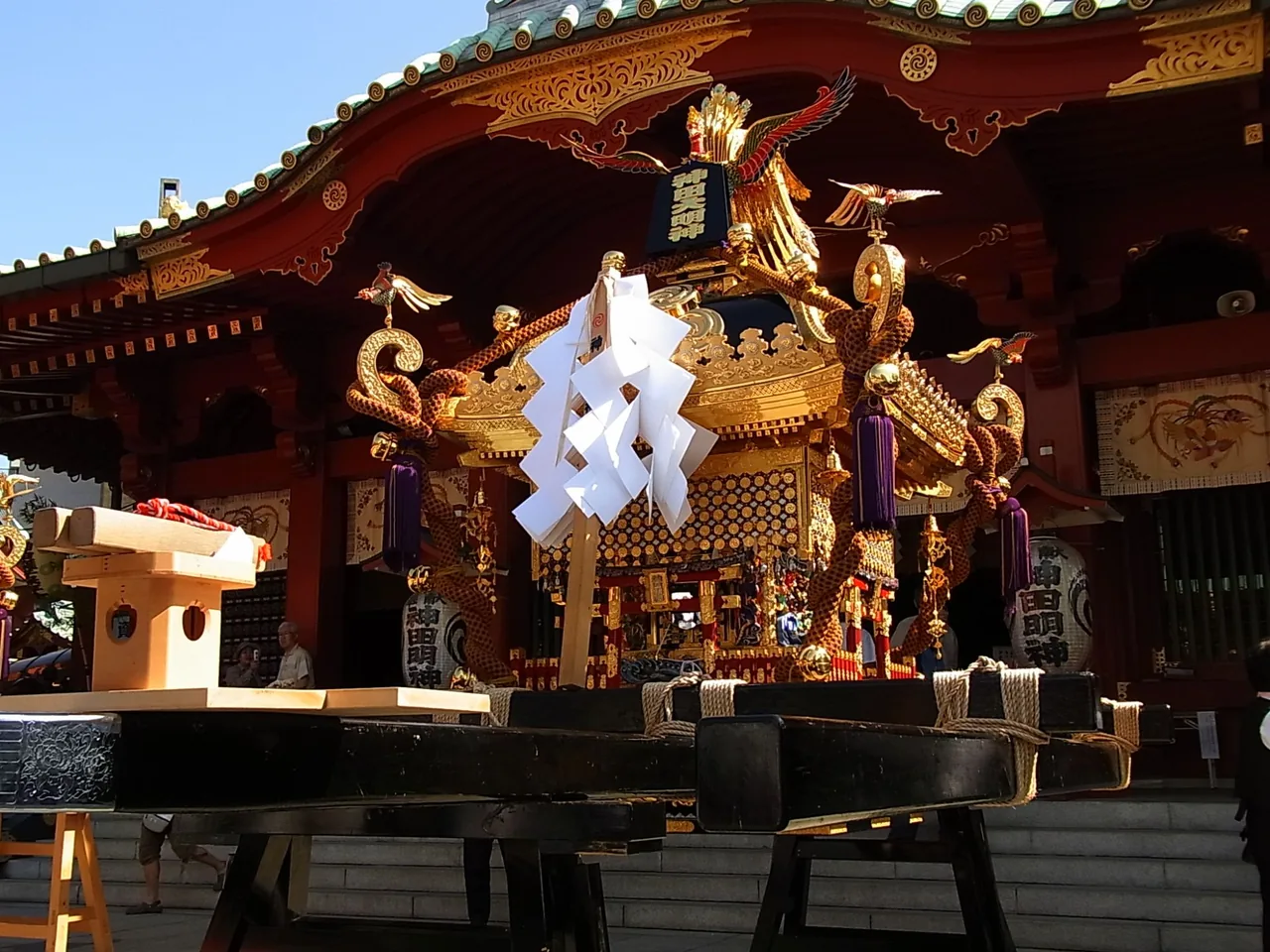
On the high ground above Electric Town stands Kanda Myojin Shrine (officially Kanda Jinja). According to shrine tradition, it was founded in 730 and moved to its current site in 1616. As the "Edo Sosoju," the chief guardian shrine of Edo (old Tokyo), it has long been worshipped by the people of the city.
Three deities are enshrined: Onamuchi-no-Mikoto (Daikoku-sama), known as a deity of matchmaking; Sukunahikona-no-Mikoto (Ebisu-sama); and Taira no Masakado-no-Mikoto (Masakado-sama), regarded as a protector against misfortune. Among the shrine's amulets is the "IT Joho Anzen Shugo," an IT and data safety charm that comes with a sticker you can put on your computer. The Kanda Myojin Culture Center (EDOCCO) on the shrine grounds opened in 2018, and its first floor houses the counter for amulets and talismans.
According to the shrine, Kanda Myojin is about a 7-minute walk from the Electric Town exit of JR Akihabara Station, about 5 minutes from Suehirocho Station on the Tokyo Metro Ginza Line and about 5 minutes from the Hijiri-bashi exit of JR Ochanomizu Station. Walk up the slope from Akihabara to visit, then continue on to Ochanomizu Station, and you won't have to retrace your steps.
The shrine's festival, the Kanda Matsuri, holds its main festival in May once every two years. In main festival years, there's the Shinkosai, a procession of portable shrines (mikoshi) and people in costume that travels through Kanda and Akihabara, and the Mikoshi Miyairi, when portable shrines large and small make their way to the shrine. To find out whether a given year is a main festival year or a smaller off-year, check the Kanda Matsuri page and the shrine's announcements.
Before you shop: tax-free and payment
Akihabara has many tax-free shops displaying a "Tax-Free" sign. You need your passport for tax-free procedures, so carry it on shopping days. The tax-free system and its conditions are subject to change, so check the Japan payment guide and the Japan Tourism Agency's information before you go.
Large stores accept credit cards and e-money, but small shops, secondhand stores and capsule toy machines may require cash. For more on the area, see the Akihabara Electric Town sight page, and for the shrine, the Kanda Myojin sight page.
Official pages for Akihabara and Kanda Myojin
Places in this guide
Hotels nearbyPR
See prices and availability for hotels in Tokyo and book on our partner Trip.com.
See hotels in Tokyo on Trip.com