
Payment Methods in Japan: Cash, Cards, IC Cards and QR Codes
This guide is translated from the Japanese edition. Read the Japanese edition
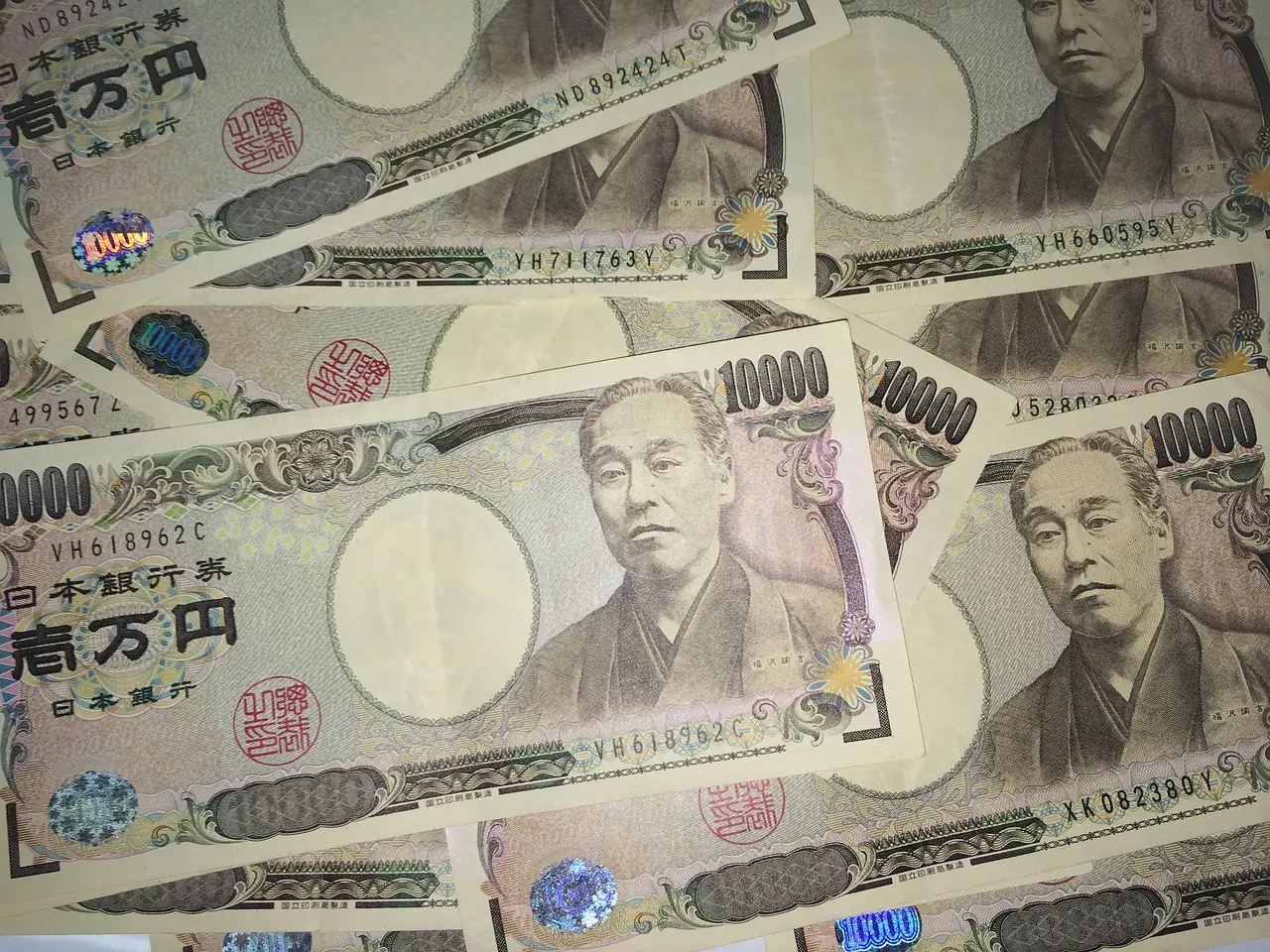
Visa, Mastercard and JCB work widely, but temples and small shops want cash. ATMs for foreign cards, airport exchange, Suica on Apple Wallet and tax-free refunds.
One card covers everything at the department store and the hotel, and then a temple counter or a small shop in a shopping arcade has a "cash only" sign and you are digging for your wallet. It is a familiar moment on a first trip to Japan. Cashless payment is spreading here, but you will still reach for coins at a temple offering box, and for notes at small arcade shops and country diners.
The main ways to pay in Japan
The Japan National Tourism Organization (JNTO) notes that cashless payment is becoming more common in Japan, yet many places still require cash. Travelers mostly use these four.
| Payment method | Where it works well | Watch out for |
|---|---|---|
| Credit and debit cards | Major hotels, department stores, large shopping centers, restaurants in cities | Small shops and small guesthouses may not accept them |
| Contactless (card or smartphone) | Major convenience stores and more | Check the signs at the register |
| Transit IC cards (Suica, ICOCA, etc.) | Trains and buses, convenience stores, participating shops | You can only spend what you have loaded |
| Cash (yen) | Small shops, temples and shrines, shops in rural areas | Not accepted at cashless-only stores |
As a rule of thumb, cards rarely let you down at large stores in big cities, while cash matters more the smaller the shop and the further you are from the city.
When you are likely to need cash
According to JNTO, small shops, cafes and small guesthouses may accept cash only. In rural areas in particular, it is common to be asked to pay in cash.
Situations where it helps to have cash on hand include:
- Temple and shrine admission counters, amulet counters and offerings
- Small shops in shopping streets and markets, and street food stalls
- Local restaurants and family-run inns in the countryside
Payment methods vary from temple to temple, and some accept cards or e-money. If you already know which temples and shrines you will visit, check their admission fees and payment options on their official websites. For temple visits in Kyoto, see also Tips for enjoying Kyoto's autumn leaves without the crowds. A coin purse makes the change from cash payments much easier to handle.
Credit cards and contactless payment
JNTO says Visa, Mastercard and JCB are the most widely accepted cards in Japan, usually at major hotels, department stores, large shopping centers and restaurants in cities. Whether other brands, such as American Express, are accepted depends on the shop. Look for the card logos posted near the register or at the entrance before you queue.
Contactless payment, where you simply tap your card or phone, is also spreading and works at major convenience stores and many other places. Smartphone payment methods you use at home, however, sometimes do not work in Japan. If you carry only one card, you are stuck wherever it is not accepted, so bringing two cards from different brands is a sensible backup.
ATMs that accept foreign cards
When you run low on cash, use an ATM that lets you withdraw yen with a card issued outside Japan. JNTO points travelers to Japan Post Bank and Seven Bank ATMs.
- Japan Post Bank (Yucho): Japan Post Bank ATMs across the country accept cash cards, debit cards, credit cards and prepaid cards issued by overseas financial institutions. Besides post offices, there are smaller ATMs in places such as FamilyMart stores. Check the official website for accepted card brands and operating hours.
- Seven Bank: Located mainly inside 7-Eleven stores. With an overseas card, the screen and statement can be shown in several languages, including English, Chinese (simplified and traditional) and Korean. Some cards may not be accepted even if they carry a supported brand logo.
JNTO also notes that not all ATMs are open 24 hours and that fees can vary depending on the time of day. Withdrawal limits and fees are set both by the ATM operator and by your card issuer, so check your card company's information before you leave.
Where to exchange money, and how much
JNTO recommends having Japanese yen in cash before you arrive. If you could not prepare any, all major airports have currency exchange counters in their arrivals halls, so you can change money as soon as you land.
In town, you can exchange money at the counters of major banks, often found near train stations, and at post offices, but their opening hours are limited. If you arrive at night or need cash on a weekend, the ATMs in the previous section are the more reliable option.
How much to exchange depends on how often you will need cash. If your trip centers on city hotels and department stores, cards will cover most situations; if you plan to visit many temples or travel to rural areas, set aside a larger share in cash. You do not need to carry a large sum at once; exchanging a few times during the trip is fine.
Transit IC cards and QR code payments
Transit IC cards such as Suica and ICOCA work not only on trains and buses but also for shopping at convenience stores and participating shops. According to JR East and JR West, Suica and ICOCA can also be added to Apple Wallet on an iPhone. For how to buy and use them, check station signs and the official websites of the railway companies.
QR code payment in Japan is widely done with Japanese apps such as PayPay, and whether overseas apps work depends on the shop. For a short trip, build your plan around cards and a transit IC card, and treat QR payment as a bonus if it works for you.
- Cashless Payments in Japan (JNTO)
- Credit Cards in Japan (JNTO)
- Suica on Apple Pay (JR East)
- ICOCA on Apple Pay (JR West)
Tax-free shopping: procedures and the system change
At tax-free shops displaying the "Tax-Free" logo, foreign visitors who meet the conditions can be exempt from consumption tax. You need your passport for the procedure, so carry it on shopping days. Anything you buy tax-free must be taken out of Japan by you when you leave.
Under a tax reform, purchases from November 1, 2026 move Japan's tax-free system from exempting the tax at the time of purchase to a "refund system": you pay the tax-inclusive price, and after customs at the airport or seaport confirms on departure that you are taking the goods out of Japan, the amount equivalent to the consumption tax is refunded. The minimum purchase amount and the refund steps should all be checked before you go in the latest traveler information from the Japan Tourism Agency and JNTO.
- Special page for travelers, English (Japan Tourism Agency tax-free shop site)
- Japan's Tax Exemption (JNTO)
For tips on paying at street food stalls, see also Osaka street food guide: Dotonbori and Kuromon Market.